The Story
Plant Bio
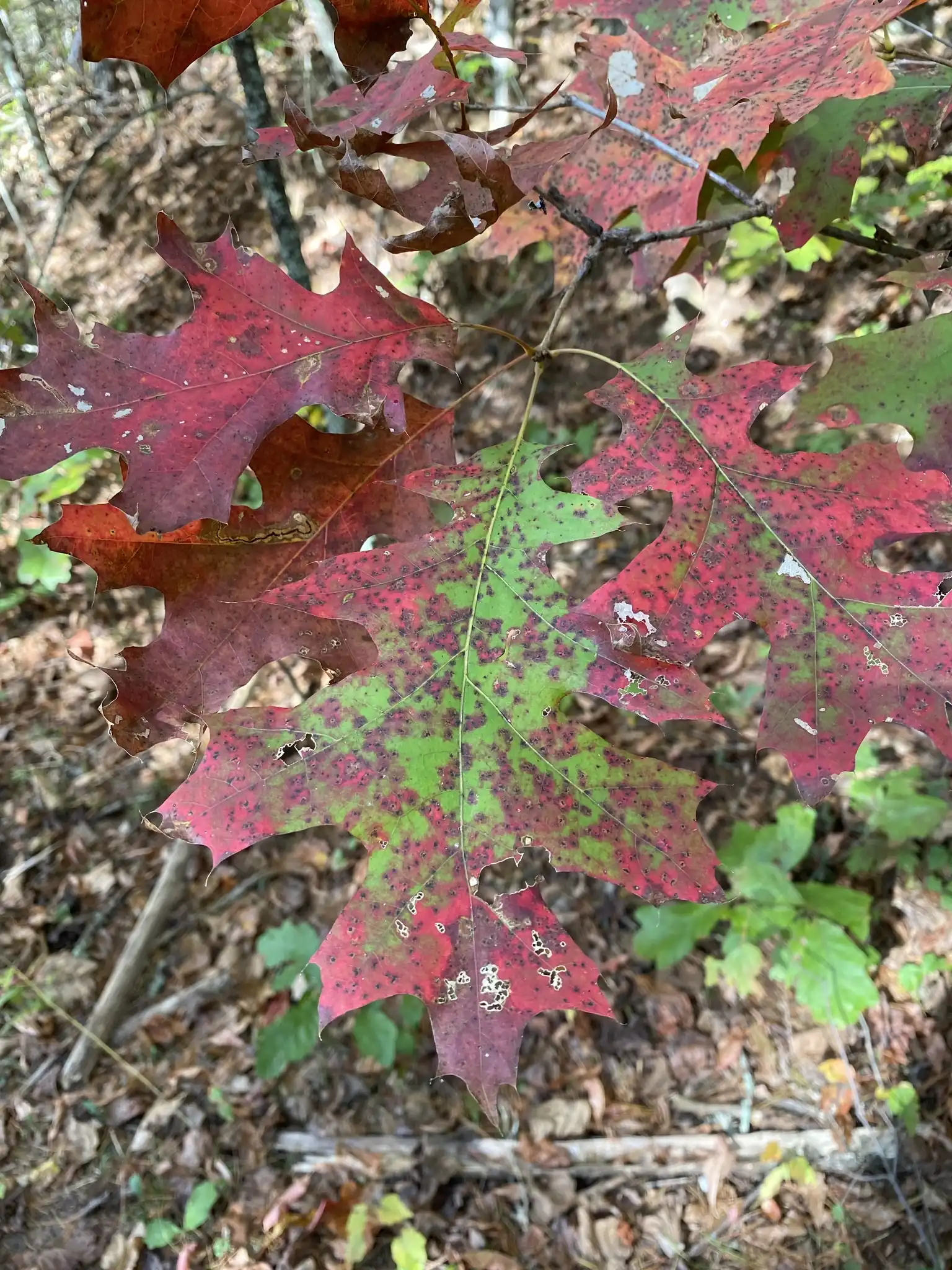
Quercus velutina, or Black Oak, is a large, sturdy deciduous tree native to eastern North America, belonging to the red oak group. It is characterized by its dark, deeply ridged bark and large, bristle-tipped leaves.
This oak is highly valued for its ecological contributions, supporting hundreds of species of lepidoptera. Its inner bark is a rich yellow-orange, historically used for dye, and its glossy leaves turn a handsome russet-red or dull orange in fall.
Uses & Benefits:
Essentials
At a Glance
Plant Type
Tree
Height
720"
Width
720"
Light
Full Sun
Zones
4, 5, 6, 7, 8, 9
Water
Low to medium
Humidity
Adaptable
Lifespan
Very long-lived (150-200 years)
Native To
Eastern and Central North America
Toxicity
Acorns are toxic to horses and cattle
Bloom period
Mid-spring – Late spring
In flower about 2 months of the year
Marketplace
Where to Buy
Shipping costs Year-round shipping Free shipping
Planting
How to Grow
- Select a site in full sun with plenty of room to grow.
- Ensure the soil is well-drained; it tolerates poor, dry soils.
- Dig a hole three times the width of the root ball but no deeper.
- Place the tree in the hole, ensuring the root flare is visible.
- Backfill with native soil, breaking up any large clumps.
- Water thoroughly after planting and mulch to the dripline.
Pro Tip
Avoid pruning during the growing season (April-October) to prevent infection by oak wilt disease.
Keep It Thriving
Care Guide
Do
- Water deeply but infrequently during the first few years to encourage deep roots.
- Allow fallen leaves to remain as natural mulch and habitat.
- Prune only in winter to remove dead or crossing branches.
- Protect the area around the tree from soil compaction.
Don't
- Do not prune oaks from spring through fall.
- Avoid overwatering, as this tree is drought tolerant once established.
- Do not fertilize mature oaks unless a soil test indicates a deficiency.
- Never pile mulch against the trunk.
Seasonal Care Calendar
| Task | Jan | Feb | Mar | Apr | May | Jun | Jul | Aug | Sep | Oct | Nov | Dec |
|---|---|---|---|---|---|---|---|---|---|---|---|---|
| Pest Check | ||||||||||||
| Plant | ||||||||||||
| Prune |
Watch Out For
Pests & Diseases
Common Pests
Common Diseases
In the Garden
Landscape Uses & Companions
Landscape Uses
Multiply
Propagation Methods
Good to Know
Common Questions
Black Oak questions
What zones can Black Oak grow in?
Black Oak is hardy in USDA Zones 4–9. Inside that range it survives winter in the ground; outside it, grow it as an annual or a container plant you protect.
Is Black Oak deer resistant?
Yes — Black Oak is rated deer-resistant. Deer typically pass it over, though extreme hunger can override any plant's defenses.
When does Black Oak bloom?
Black Oak typically blooms in mid-spring through late spring. Exact timing shifts a week or two with your zone — Sow's bloom calendar maps it to your garden.
Does Black Oak need full sun?
Black Oak does best in full sun (6+ hours).
Is Black Oak drought tolerant?
Yes — once established (usually after the first full season), Black Oak handles dry spells with minimal watering. Water deeply its first year to build the root system that makes that possible.
More Quercus to compare
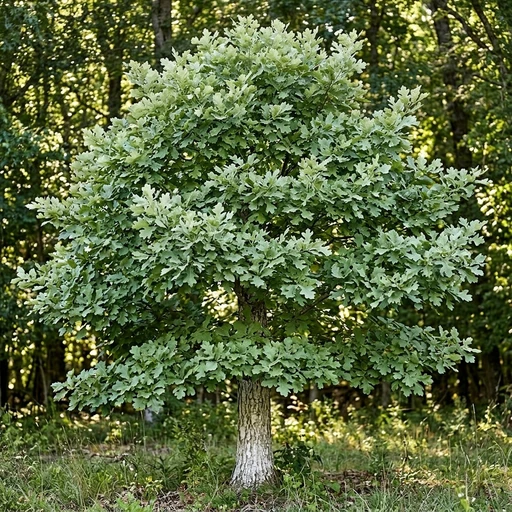
White Oak
Quercus alba
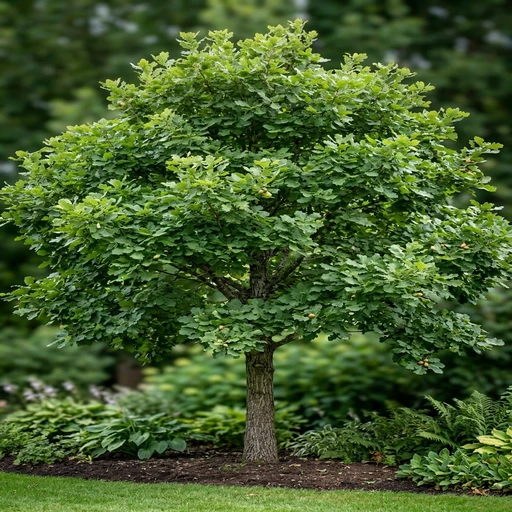
English Oak
Quercus robur
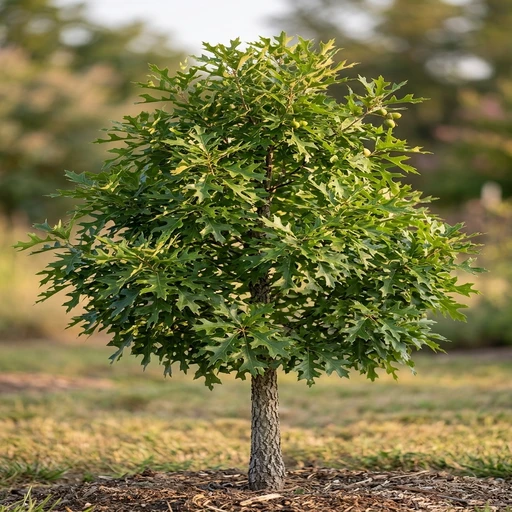
Nuttall Oak
Quercus texana
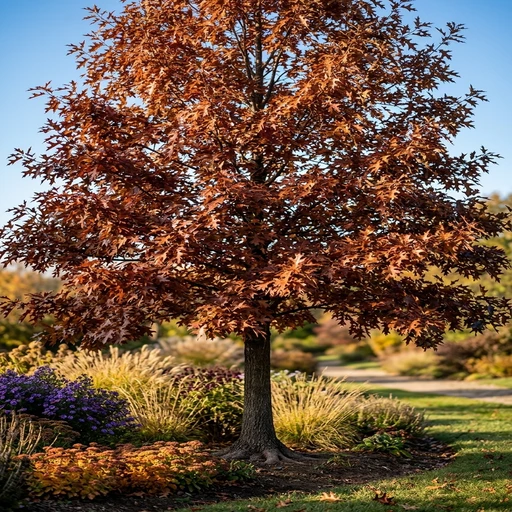
Pin Oak
Quercus palustris
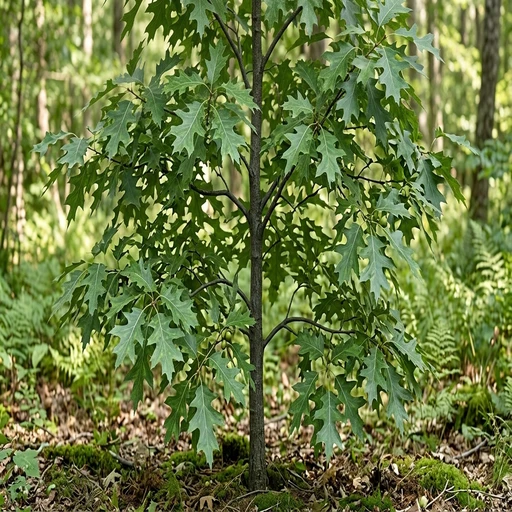
Scarlet Oak
Quercus coccinea
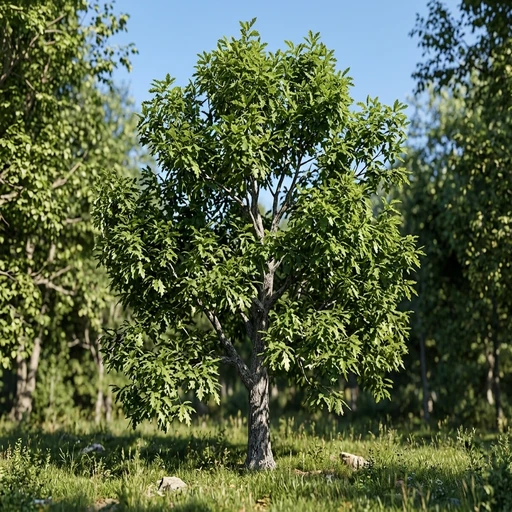
Chinkapin Oak
Quercus muehlenbergii
Keep exploring
Explore the genus
Grow Black Oak with confidence
See it in a design of your actual yard, get zone-matched care reminders, and track it season by season in your garden journal.