Also known as Oak · 1.4k saves
Quercus
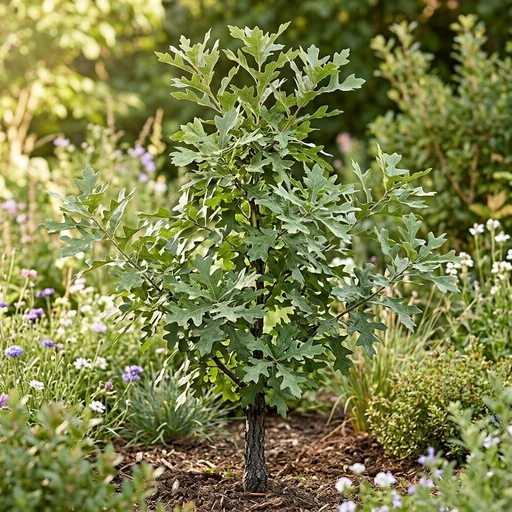
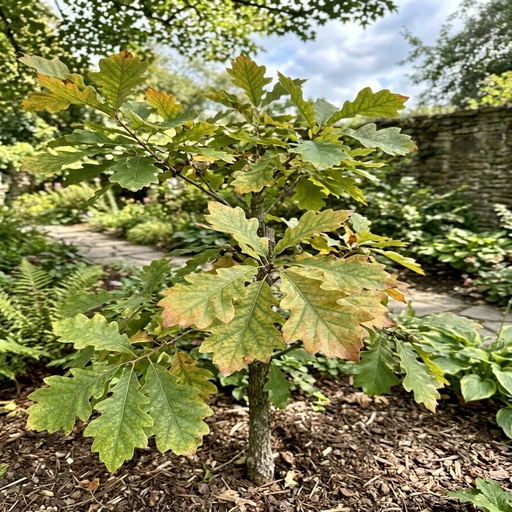
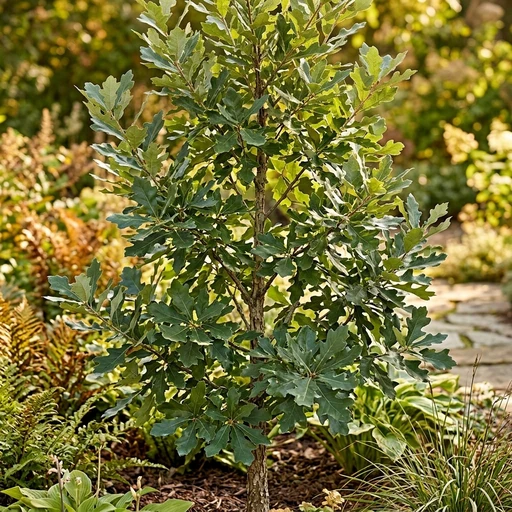
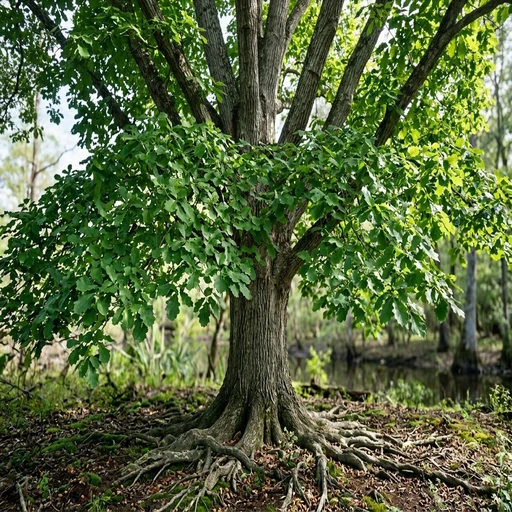
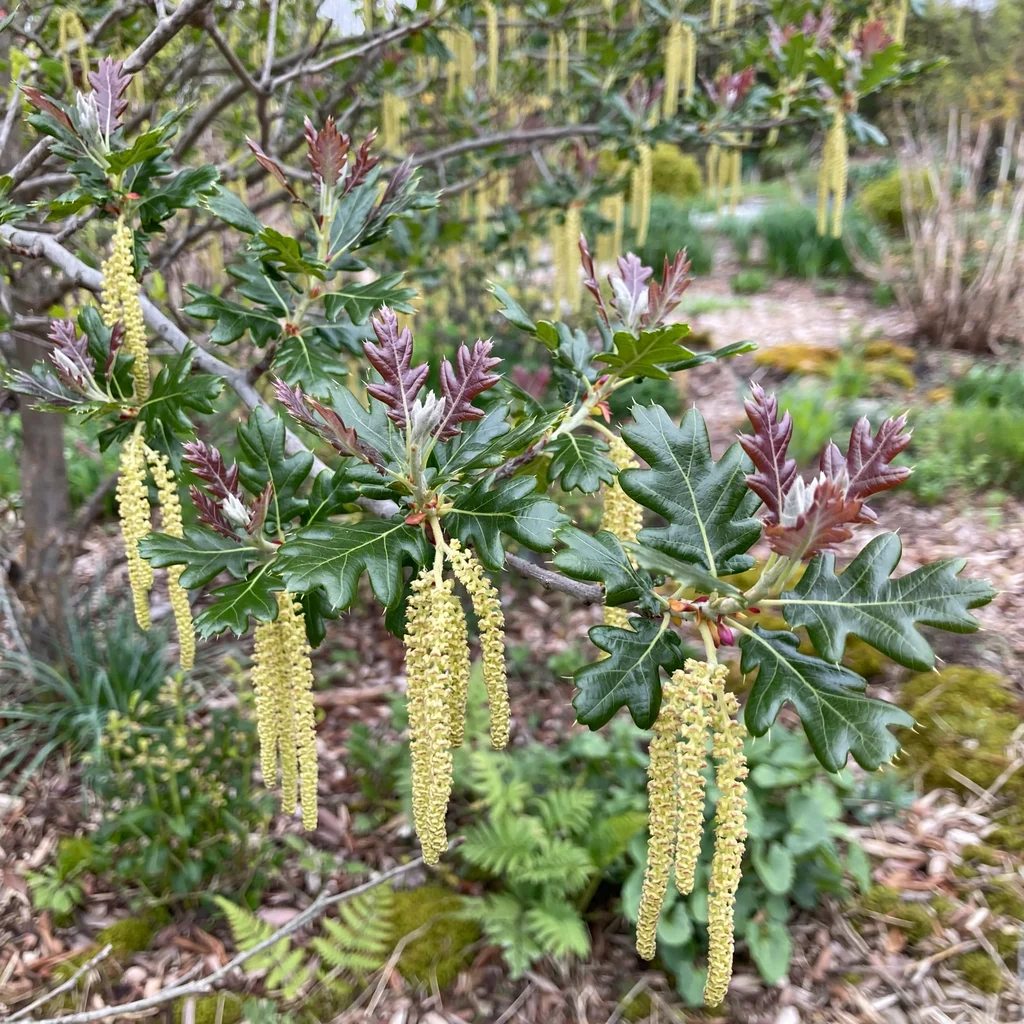
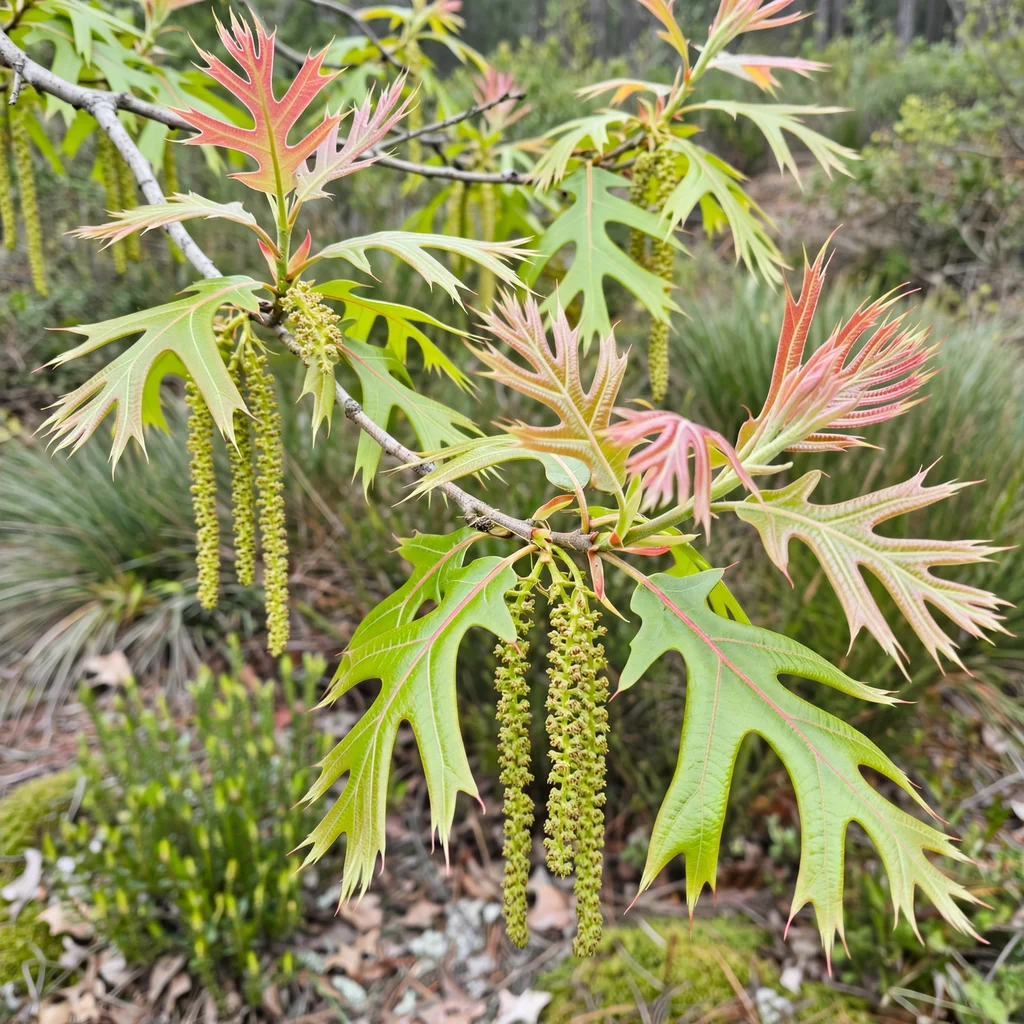
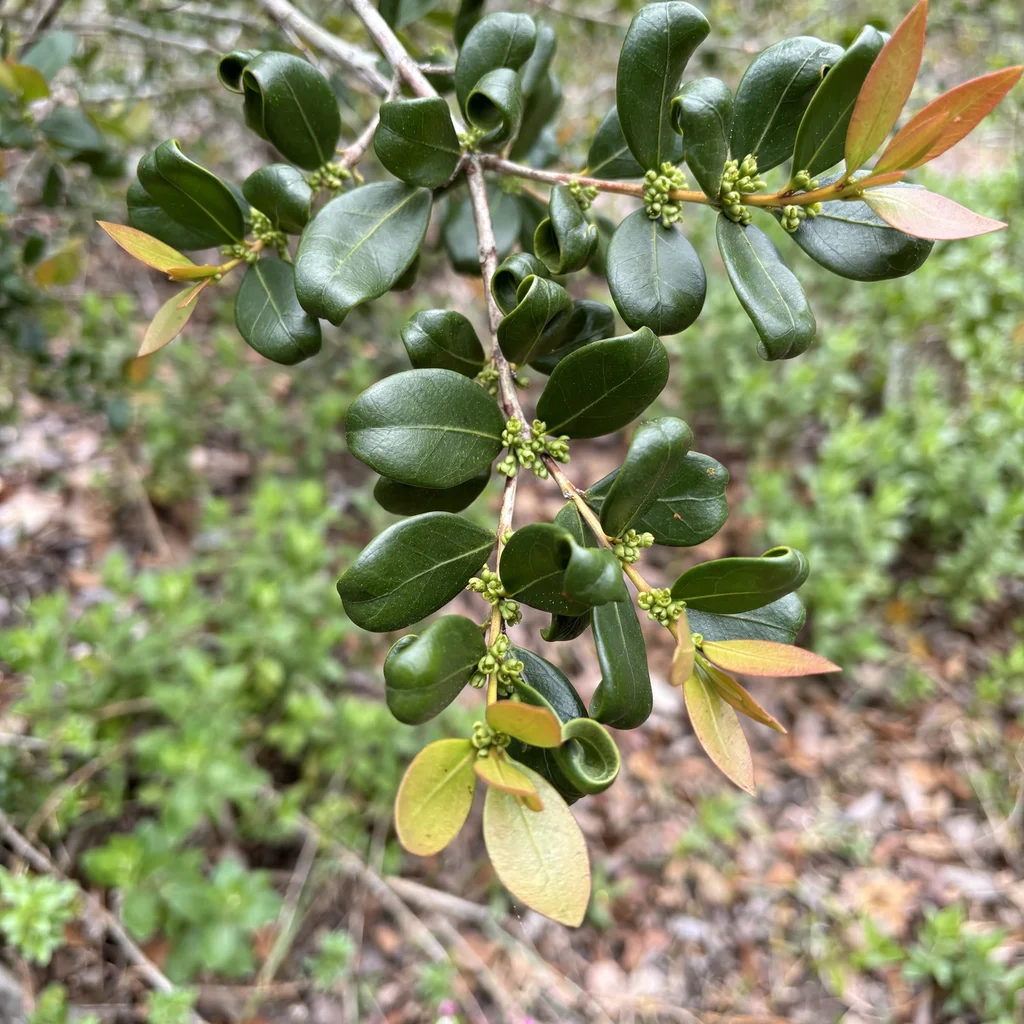
Quercus, the genus most gardeners know as oak. We track 47 varieties; the ones most used by real gardeners.
The 24 most-saved Quercus varieties
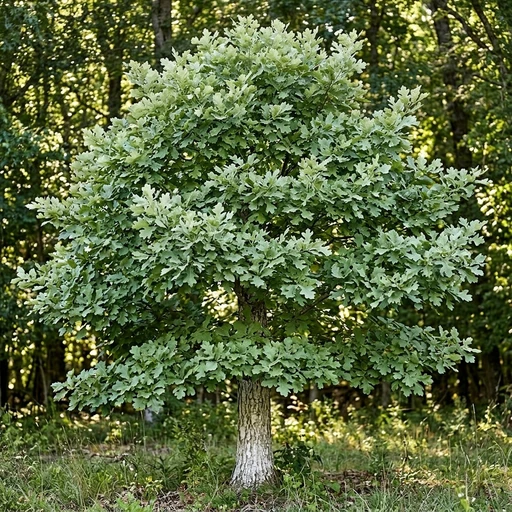
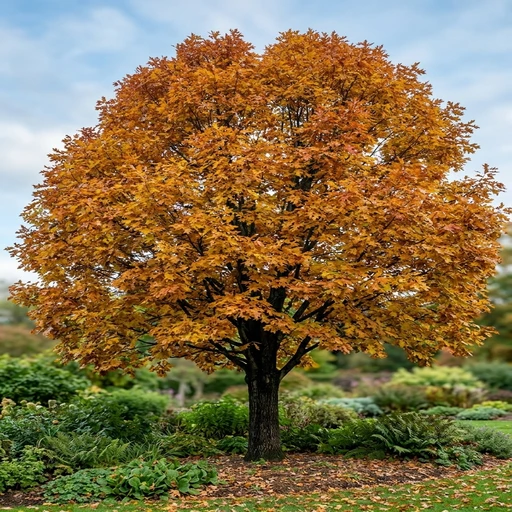
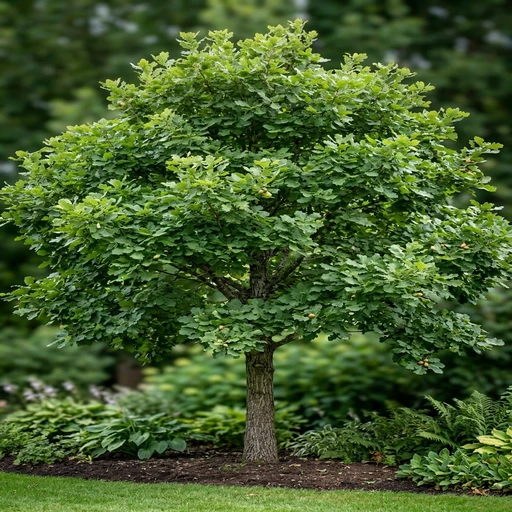
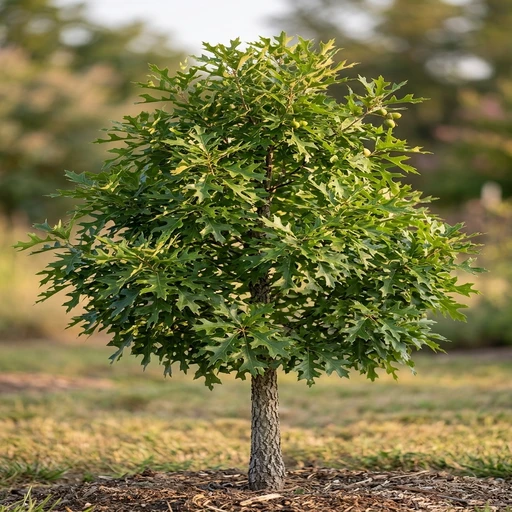
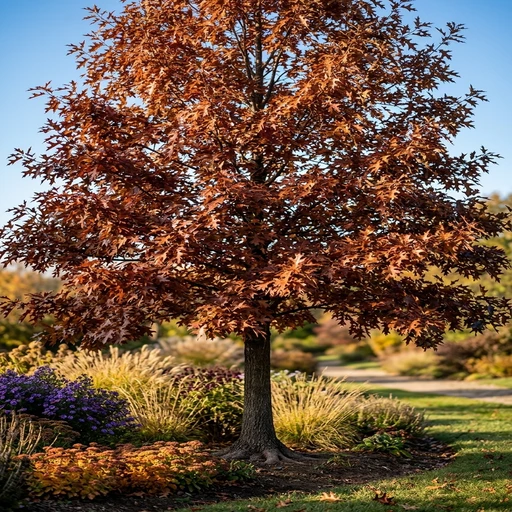
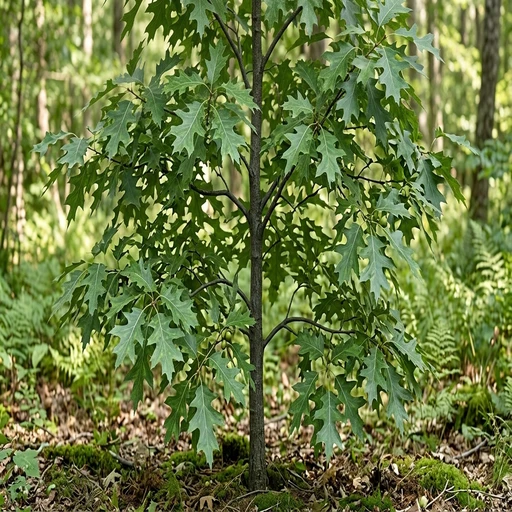
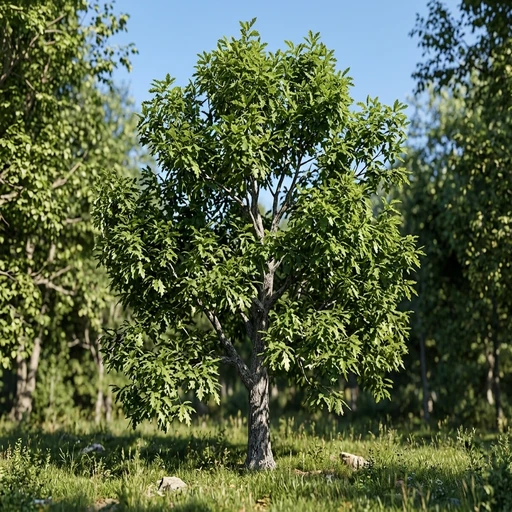
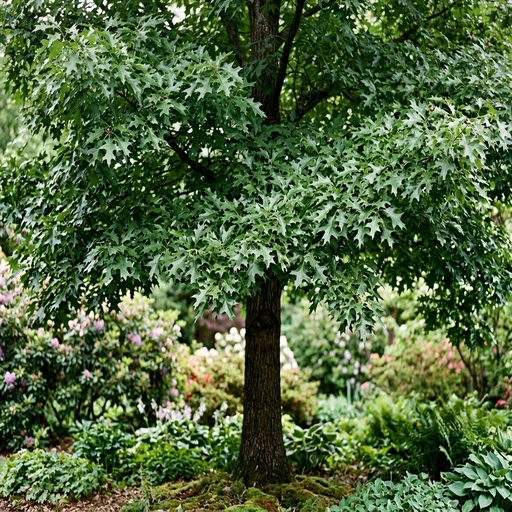
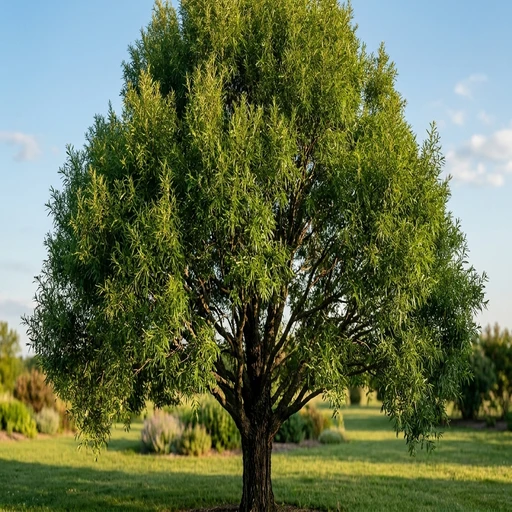
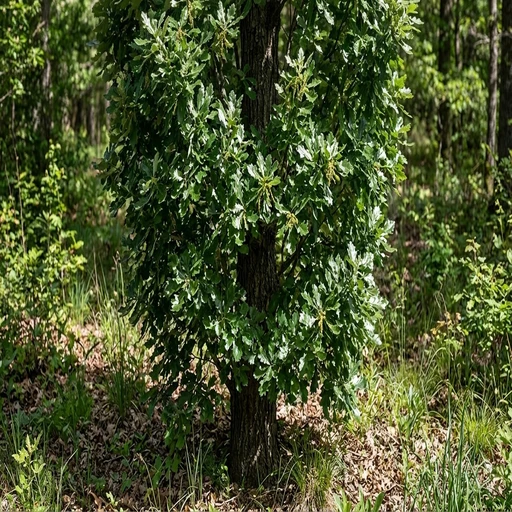
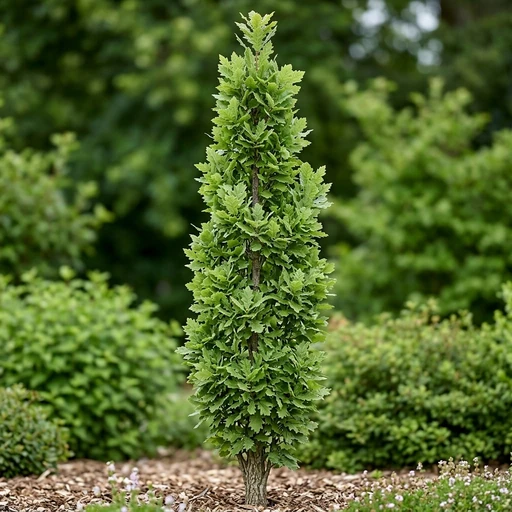
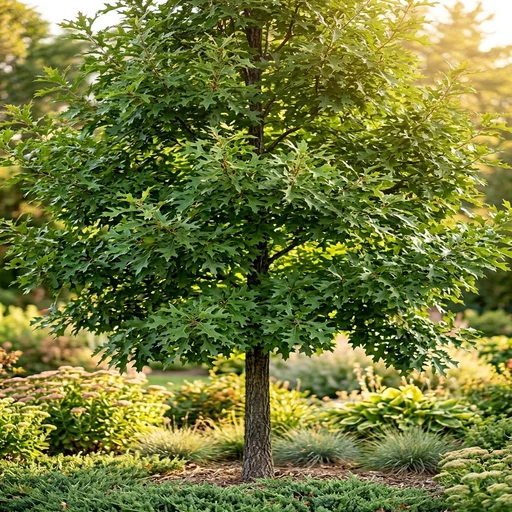
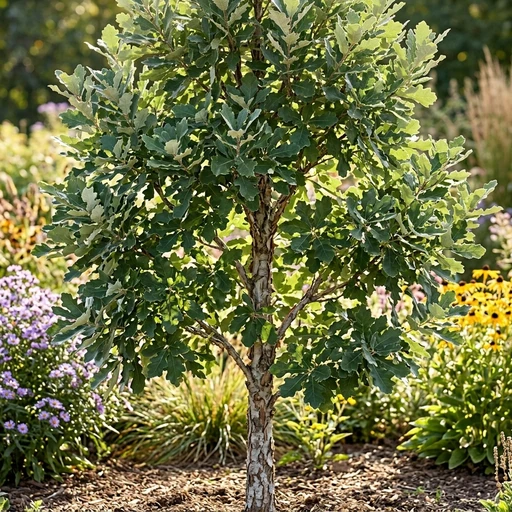
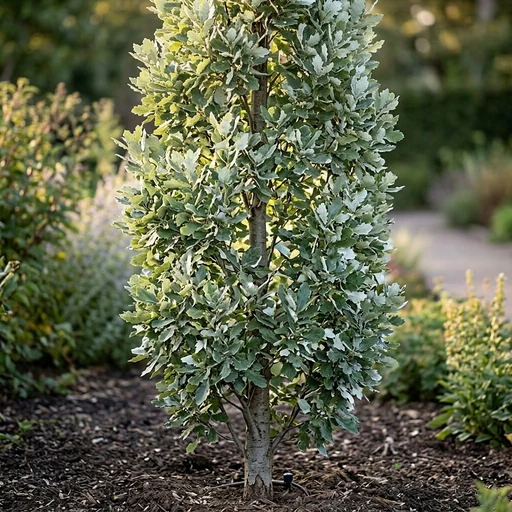
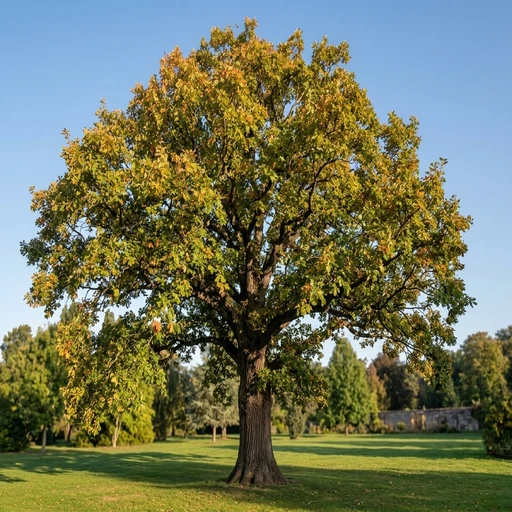
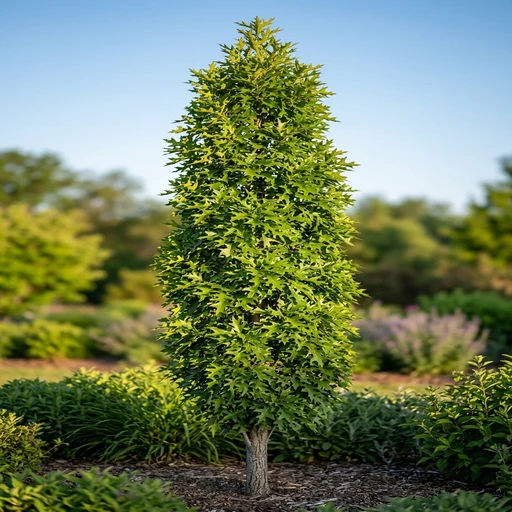
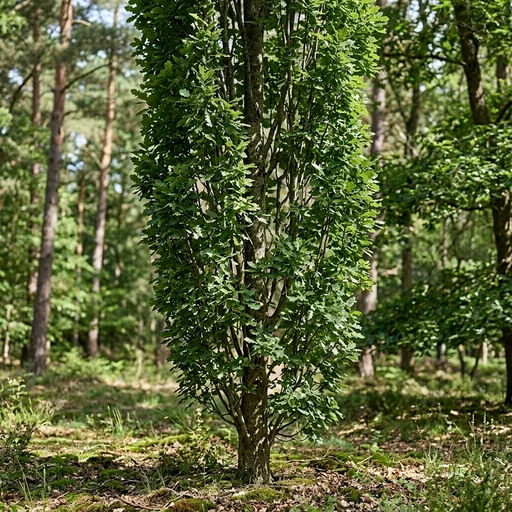
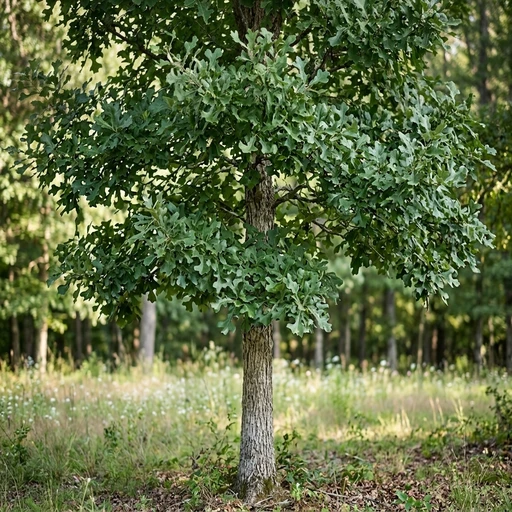
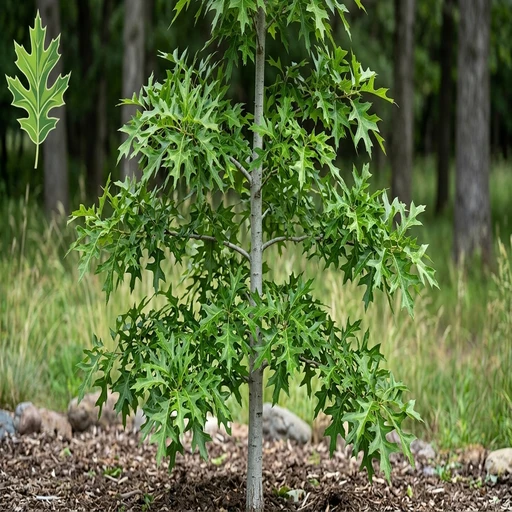
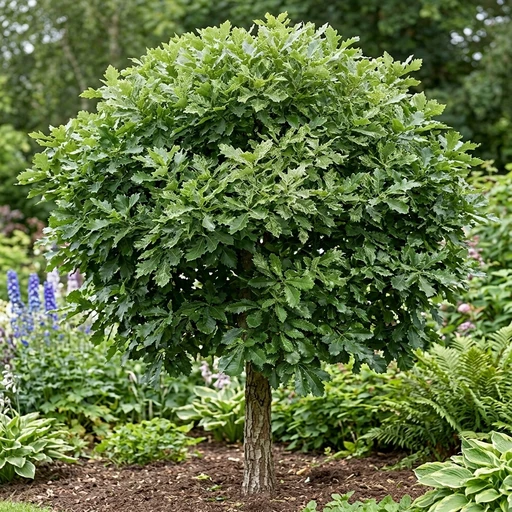
See all 47 Quercus varieties →Search this genus →
11 species of Quercus
Each one is a parent of the varieties above.
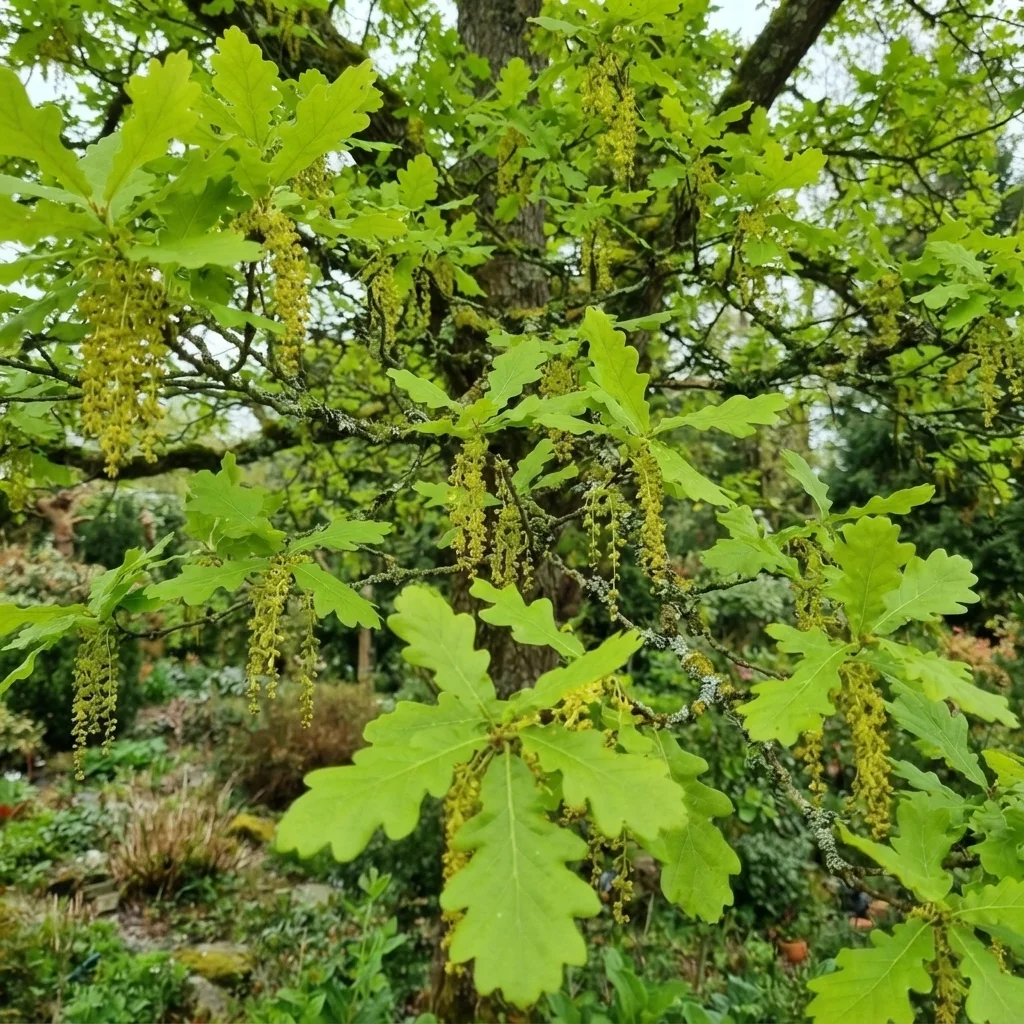
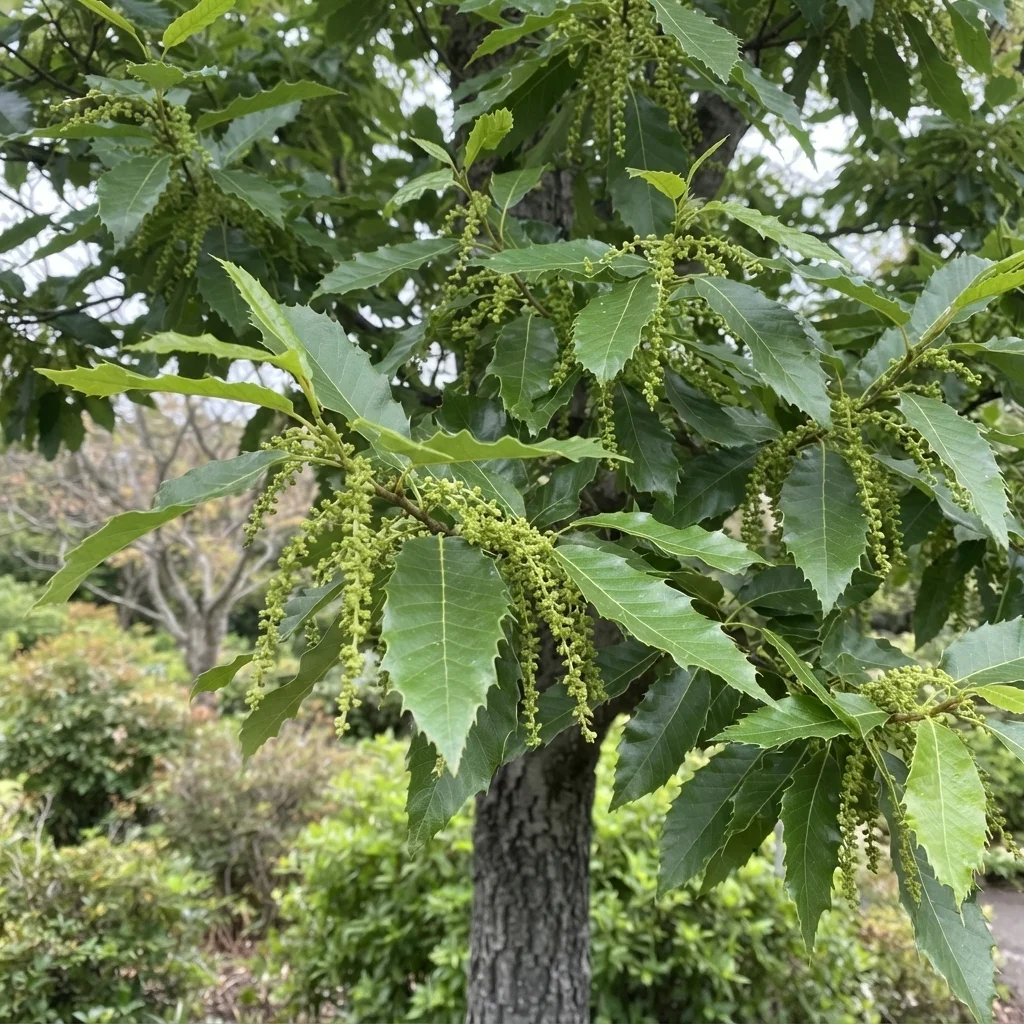
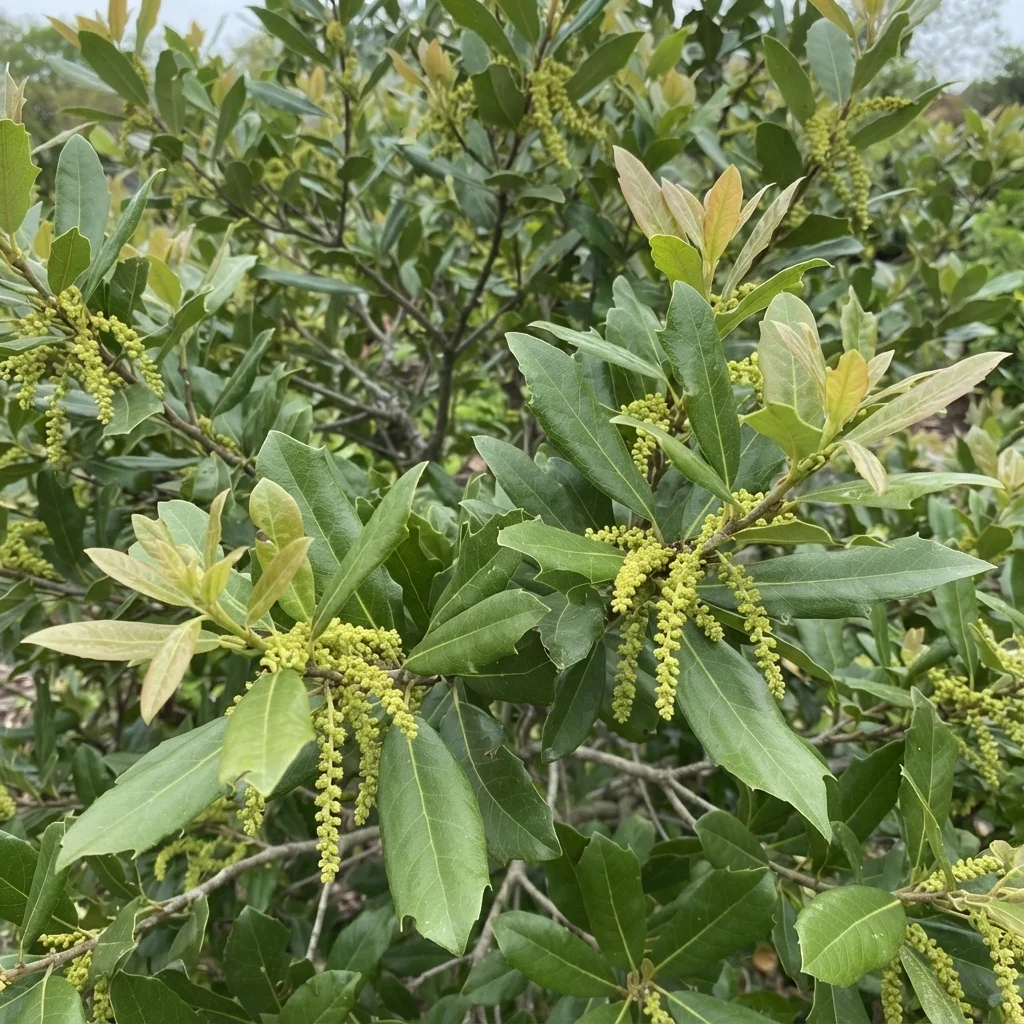
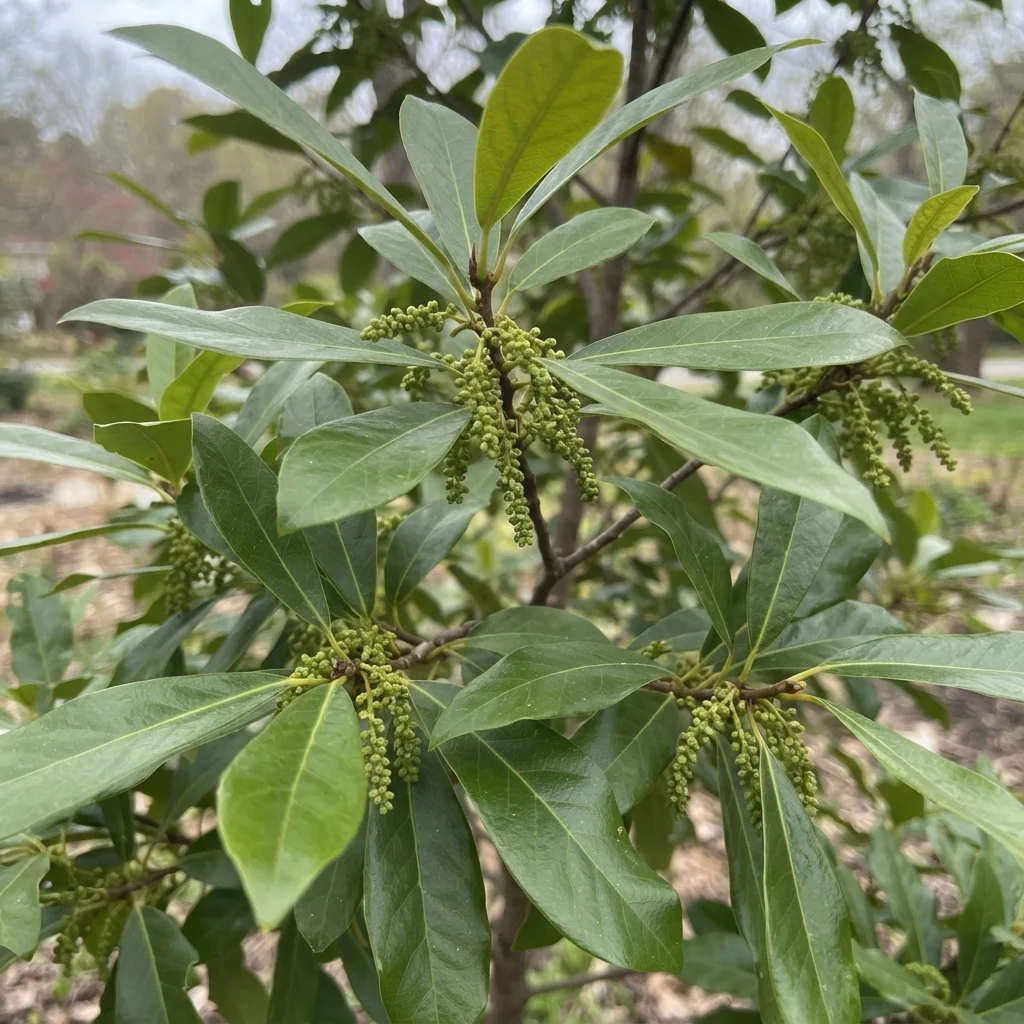
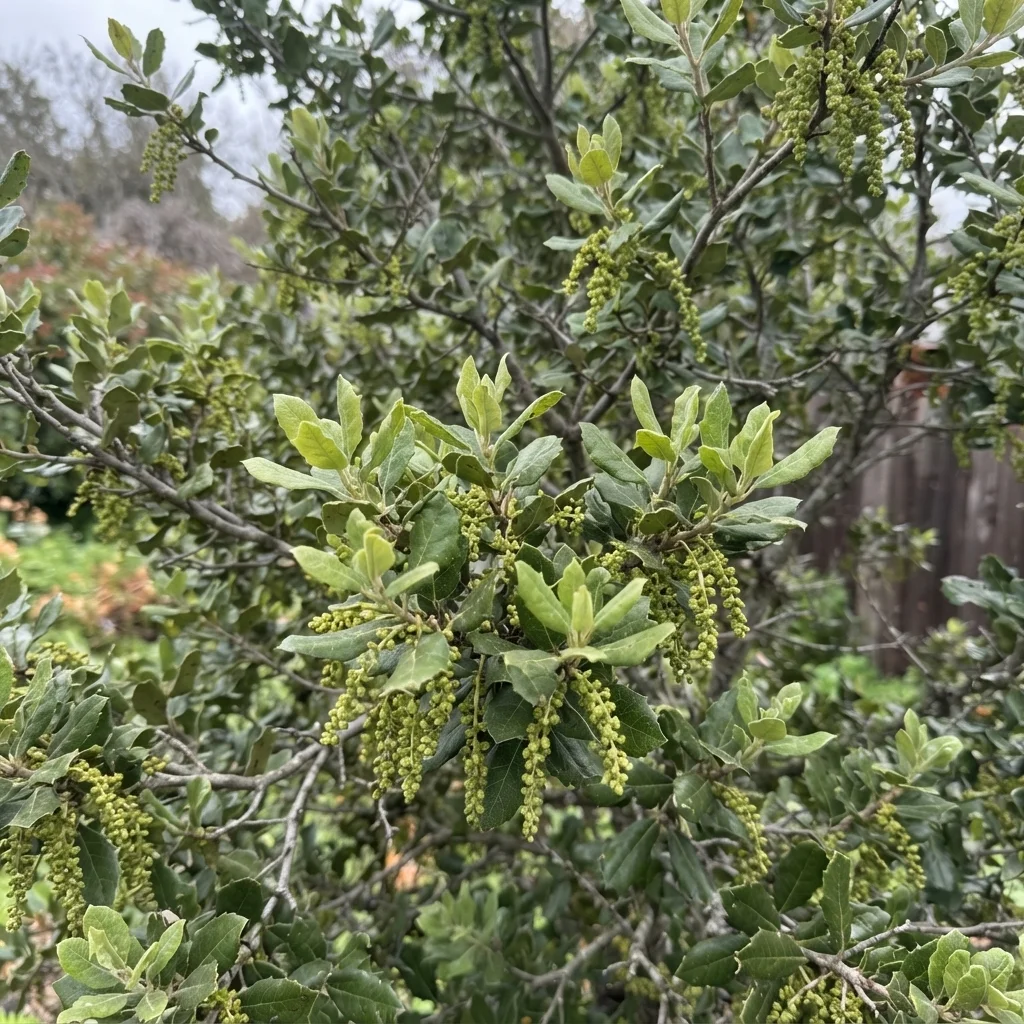
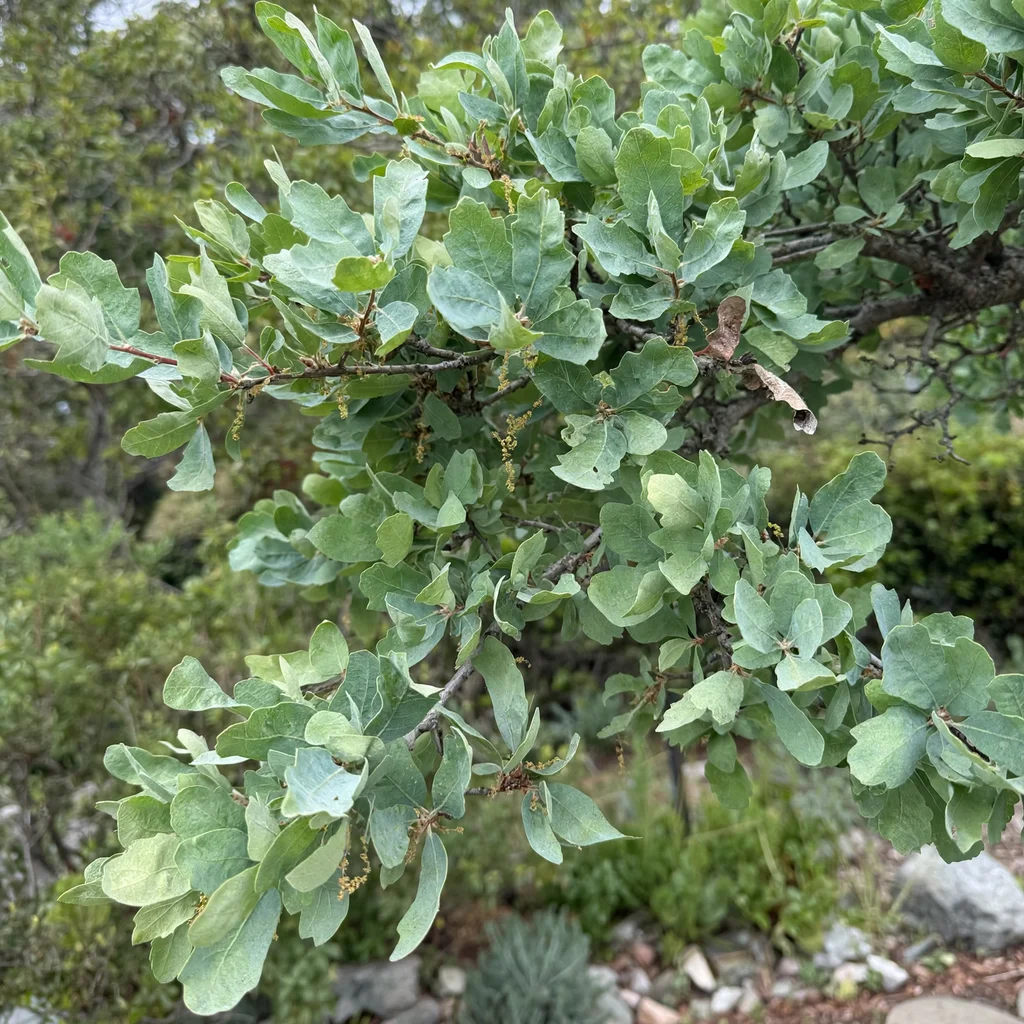
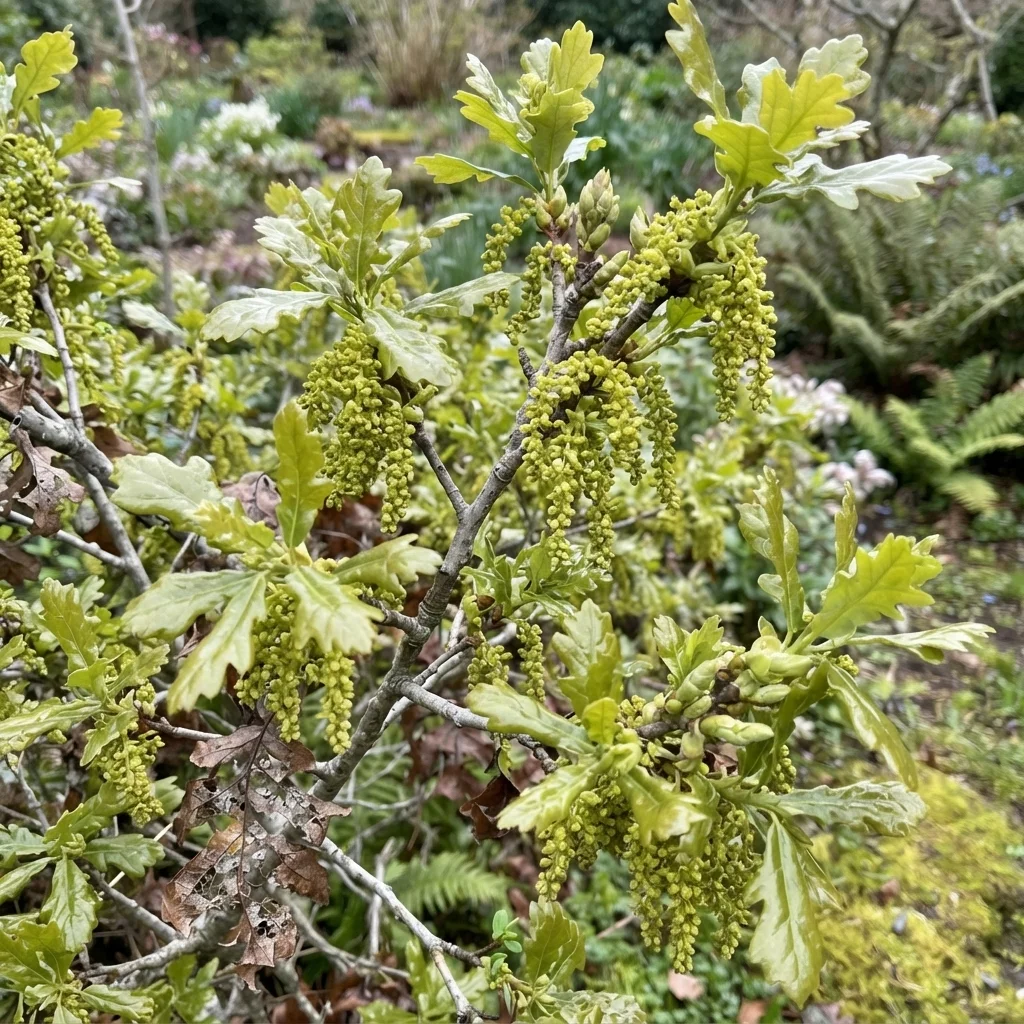
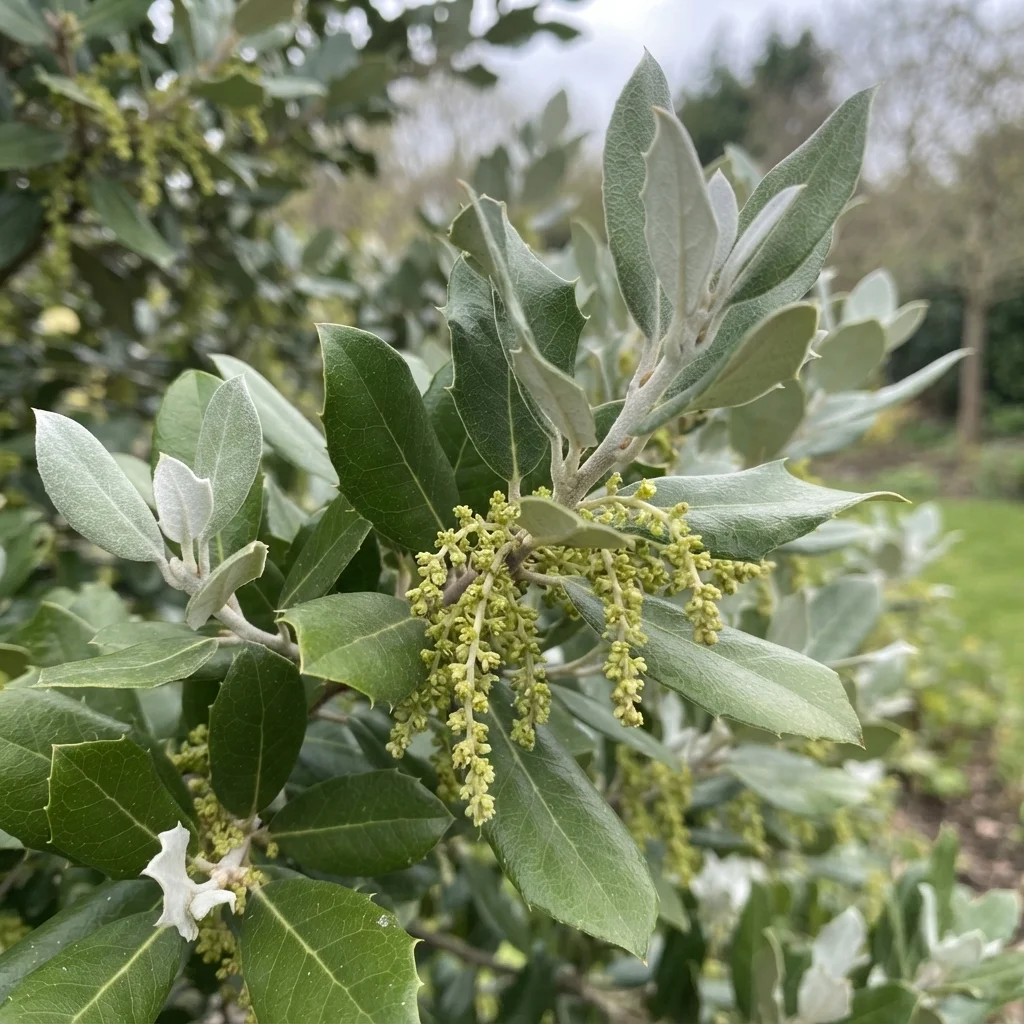
Track your Quercus in Sow
Save the Quercus you grow and get care reminders timed to your zone.
How to grow Quercus
Whats common across all Quercus varieties in our catalog — drawn from the care records of the 40 most-grown of them.
The Quercus year
- PruneFebruary and March100% of varieties
Prune only in dormancy to avoid oak wilt; remove dead or damaged wood.
- PlantApril, October and November73% of varieties
Plant in fall to allow root establishment before summer stress.
- Check for PestsJune–August53% of varieties
Check for signs of insect galls, which are common but rarely harmful.
- MulchApril and November33% of varieties
Maintain a wide mulch ring to protect the root zone and retain moisture.


Do
- Provide ample space for its large mature size.
- Provide full sun for best growth and fall color.
- Water during extended periods of drought.
- Allow ample space for its large mature size.
- Protect the trunk from lawnmower and string trimmer damage.
Avoid
- Avoid compacting the soil over the root zone with heavy equipment.
- Don't fertilize unless a soil test indicates a specific deficiency.
- Do not compact the soil over the root zone with heavy equipment.
- Do not plant in alkaline (high pH) soils.
What goes wrong with Quercus
| Problem | What you'll see | What to do |
|---|---|---|
| Oak Galls | Unusual growths or swellings on leaves, twigs, or branches, caused by wasps or other insects. | Generally harmless and require no control. Prune off heavily affected twigs if aesthetically displeasing. Maintain tree health to tolerate them. |
| Galls | Unusual growths on leaves and twigs, often spherical or spiky. | Caused by insects, galls are rarely harmful. No control is necessary; they are part of the tree's ecosystem. |
| Borers | Small holes in the trunk, sawdust-like frass, and branch dieback. | Keep tree healthy to prevent attacks. Apply preventative insecticide sprays to the trunk. No effective treatment for infested trees. |
| Oak Gall Wasps | Unusual growths or 'galls' of various shapes and sizes on leaves, twigs, or acorns. | Damage is almost always cosmetic and does not harm the tree. No control is necessary. Simply tolerate their interesting appearance. |
| Oak Wilt | Rapid wilting and browning of leaves at the top of the tree, progressing downwards. | A fatal fungal disease. Prevention is key: do not prune oaks during the growing season. Consult an arborist if suspected. |
| Anthracnose | Brown, dead areas on leaves, especially during cool, wet springs. | Mostly cosmetic. Rake and dispose of fallen leaves. Ensure good air circulation. |
| Powdery Mildew | White powdery coating on leaves, especially on new growth in late summer. | Kindred Spirit has good resistance. If it occurs, it's usually cosmetic. Improve air circulation. Fungicides are rarely warranted on a large tree. |
Making more Quercus
Seed
- Collect acorns in autumn as soon as they fall.
- Perform a float test; discard any that float.
- Plant immediately 1-2 inches deep in a prepared bed or pot.
- Protect from squirrels. Germination occurs in fall or the following spring.
Seed (Acorns)
- Collect acorns in autumn as they fall.
- Perform a float test; discard any that float.
- Plant immediately outdoors 1-2 inches deep.
- Protect from squirrels; germination occurs in spring.
Quercus questions
How many types of Quercus are there?
The Sow catalog tracks 47 distinct Quercus varieties. The most popular — ranked by 1.4k real gardeners — are shown first above.
What zones does Quercus grow in?
Across its varieties, Quercus covers USDA Zones 4–10. Individual varieties differ — each plant page lists its exact range, and Sow filters the catalog to your zone automatically.
When does Quercus bloom?
Most Quercus varieties bloom in mid-spring, early spring, spring. Staggering early, mid, and late varieties extends the genus's season in one bed.
Which Quercus should I choose?
Start from the most-saved varieties above — popularity across thousands of gardens is a strong signal of reliability — then filter by your zone and sun. In the Sow app you can preview any of them in a photo of your actual yard before you buy.