
Species
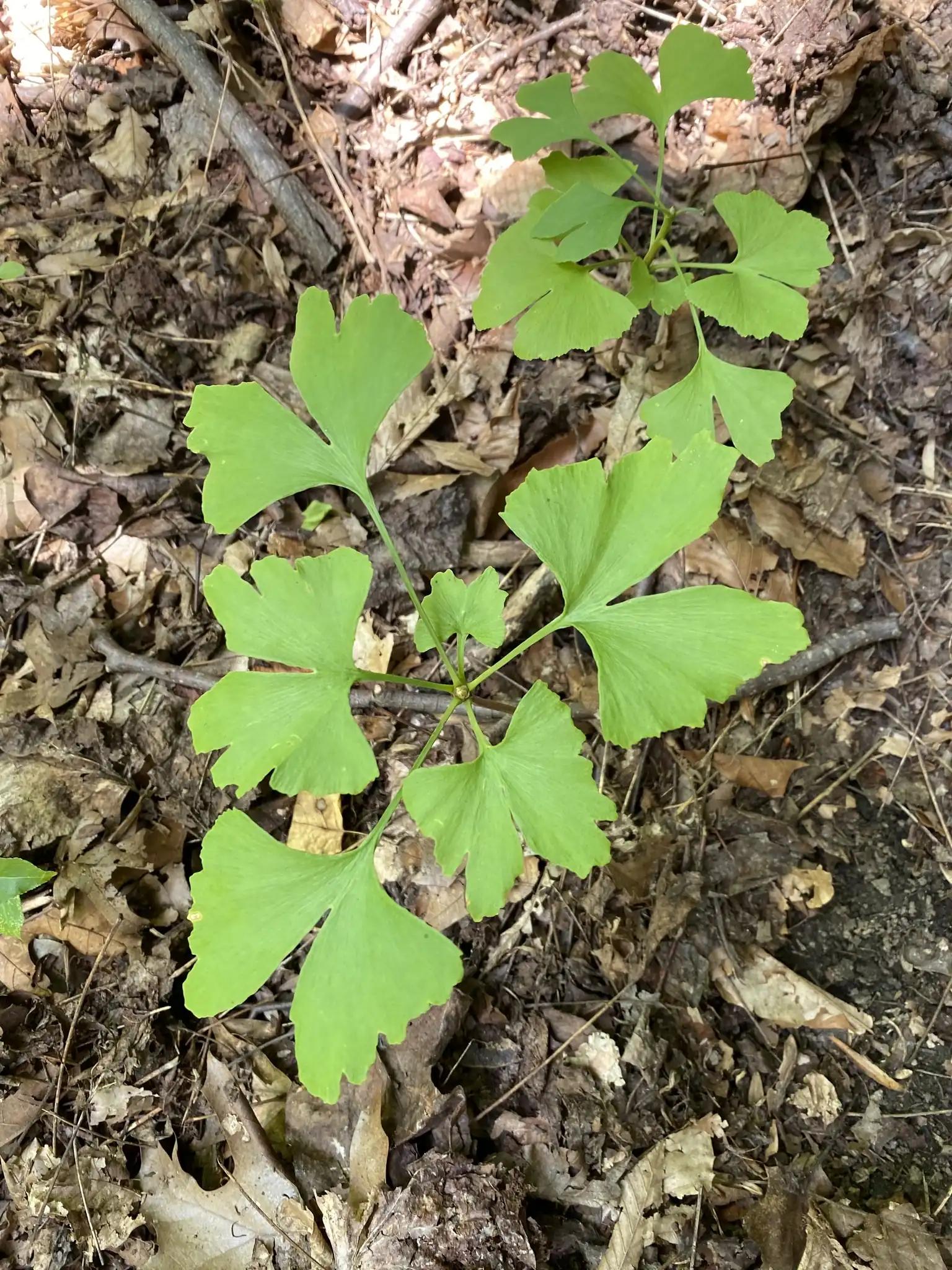 Ginkgo bilobaGinkgo
13 other cultivars
 ‘Autumn Gold’Autumn Gold Ginkgo
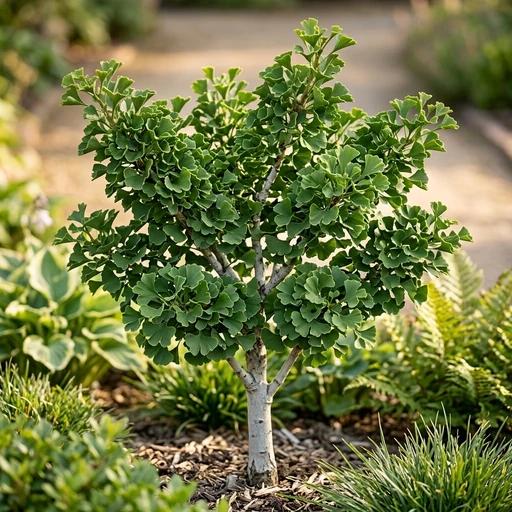 ‘Chi-Chi’Chi-Chi Maidenhair Tree
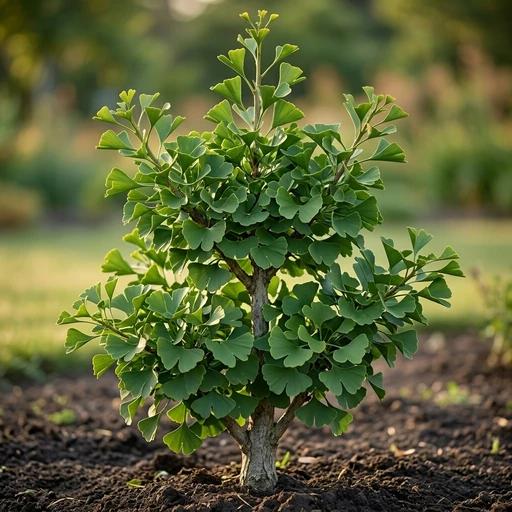 ‘Jade Butterfly’Jade Butterfly Maidenhair Tree
 ‘Magyar’Magyar Ginkgo
 ‘Princeton Sentry’Princeton Sentry Ginkgo
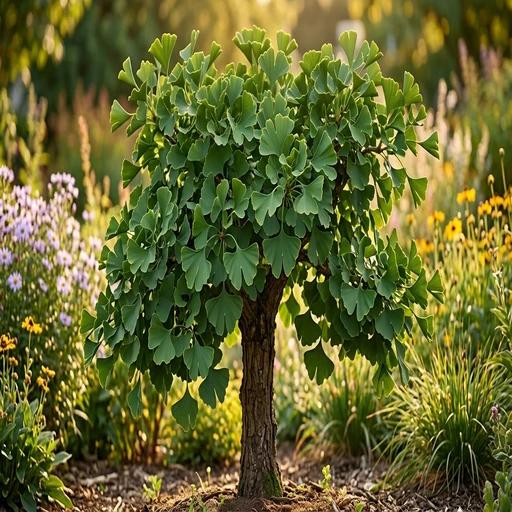 ‘Shangri-La’Shangri-la Maidenhair Tree
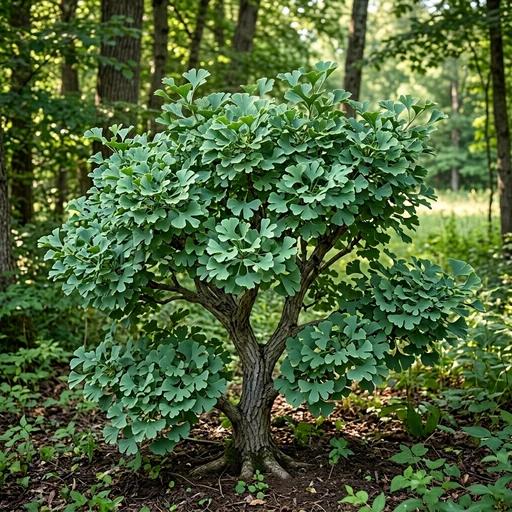 ‘Grind Stone’Grind Stone Ginkgo
 ‘Golden Colonnade’Golden Colonnade Ginkgo
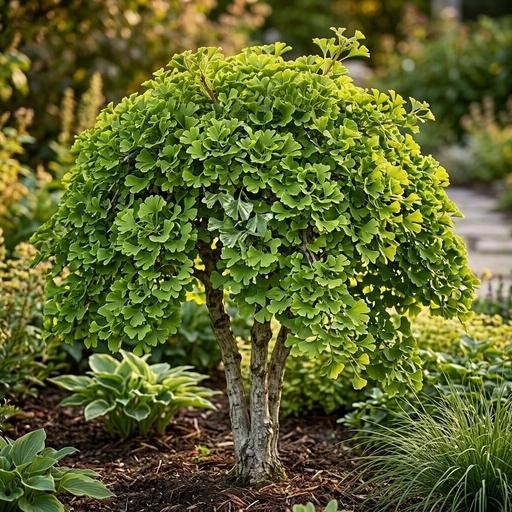 ‘Troll’Troll Maidenhair Tree
 ‘The President’The President Ginkgo Tree
 ‘Golden Globe’Golden Globe Ginkgo Tree
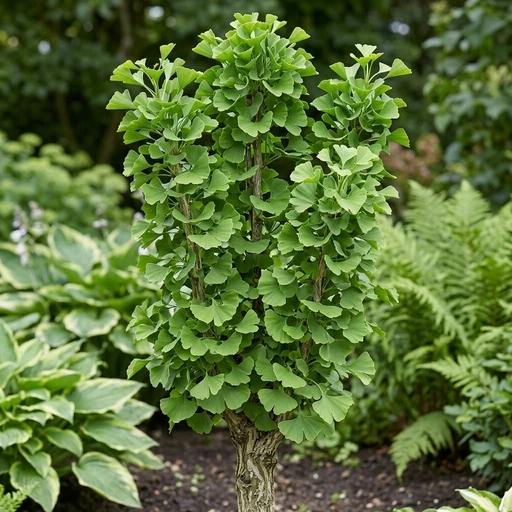 ‘Sky Tower’Sky Tower Ginkgo
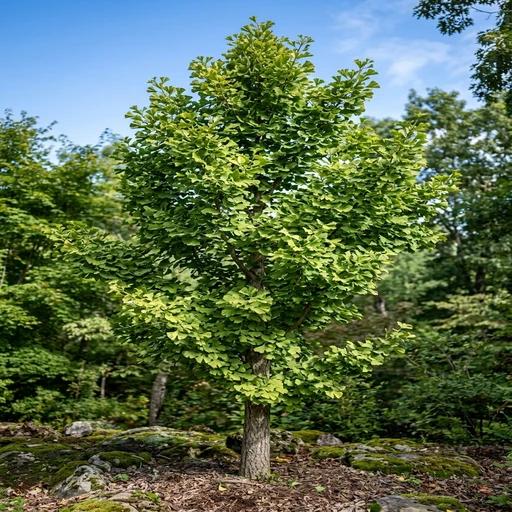 ‘Saratoga’Saratoga Maidenhair Tree
The Story
Plant Bio
Ginkgo biloba, the maidenhair tree, is a unique deciduous tree often called a 'living fossil' as it is the last of its ancient lineage. It is known for its distinctive fan-shaped leaves and brilliant, clear yellow fall color.
'Mariken' is an extremely dwarf, slow-growing male cultivar that forms a dense, compact, flattened globe. Discovered as a witch's broom, it is perfect for rock gardens, containers, or as a small, architectural specimen.
Uses & Benefits:
Essentials
At a Glance
Plant Type
Tree
Height
36"
Width
48"
Light
Full Sun, Partial Sun
Zones
4, 5, 6, 7, 8, 9
Water
Low to medium
Humidity
Adaptable
Lifespan
Very long-lived (100+ years)
Native To
China
Toxicity
Fleshy seed coat on female trees is toxic/irritant; 'Mariken' is male.
Bloom period
Early spring
In flower about 1 month of the year
Marketplace
Where to Buy
Shipping costs Year-round shipping Free shipping
Planting
How to Grow
- Select a location in full sun for best form and fall color.
- Ginkgos are adaptable to almost any well-drained soil.
- Dig a hole twice as wide as the root ball but no deeper.
- Place the plant in the hole, ensuring the root flare is at soil level.
- Backfill with the excavated soil and water thoroughly.
- Mulch to conserve moisture, but no fertilizer is typically needed.
Pro Tip
Be patient; this is a very slow-growing plant. Site it where its unique form can be appreciated up close.
Keep It Thriving
Care Guide
Do
- Provide full sun.
- Ensure good drainage.
- Water during establishment, then enjoy its drought tolerance.
- Appreciate its pest-free and disease-free nature.
- Allow it to grow into its natural dense, mounded shape.
Don't
- Do not plant in waterlogged soil.
- Avoid planting female ginkgo varieties unless you can tolerate the messy, foul-smelling fruit.
- Don't expect rapid growth; its beauty is in its slow, deliberate development.
- Avoid pruning, as it is rarely necessary and can spoil the natural form.
- Don't worry about urban pollution; ginkgos are famously tolerant.
Seasonal Care Calendar
| Task | Jan | Feb | Mar | Apr | May | Jun | Jul | Aug | Sep | Oct | Nov | Dec |
|---|---|---|---|---|---|---|---|---|---|---|---|---|
| Plant |
Watch Out For
Pests & Diseases
Common Pests
Common Diseases
In the Garden
Landscape Uses & Companions
Landscape Uses
Multiply
Propagation Methods
Good to Know
Common Questions
Mariken Ginkgo questions
What zones can Mariken Ginkgo grow in?
Mariken Ginkgo is hardy in USDA Zones 4–9. Inside that range it survives winter in the ground; outside it, grow it as an annual or a container plant you protect.
Is Mariken Ginkgo deer resistant?
Yes — Mariken Ginkgo is rated deer-resistant. Deer typically pass it over, though extreme hunger can override any plant's defenses.
When does Mariken Ginkgo bloom?
Mariken Ginkgo typically blooms in early spring through early spring. Exact timing shifts a week or two with your zone — Sow's bloom calendar maps it to your garden.
Does Mariken Ginkgo need full sun?
Mariken Ginkgo does best in full sun to part shade. In hot climates, afternoon shade keeps blooms fresher longer.
Is Mariken Ginkgo drought tolerant?
Yes — once established (usually after the first full season), Mariken Ginkgo handles dry spells with minimal watering. Water deeply its first year to build the root system that makes that possible.
More Ginkgo to compare
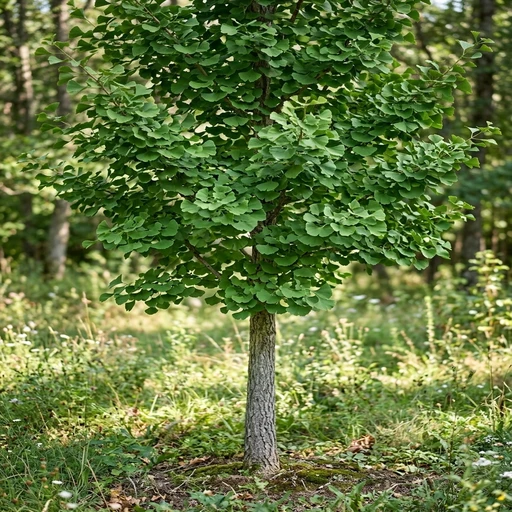
Autumn Gold Ginkgo
Ginkgo biloba 'Autumn Gold'
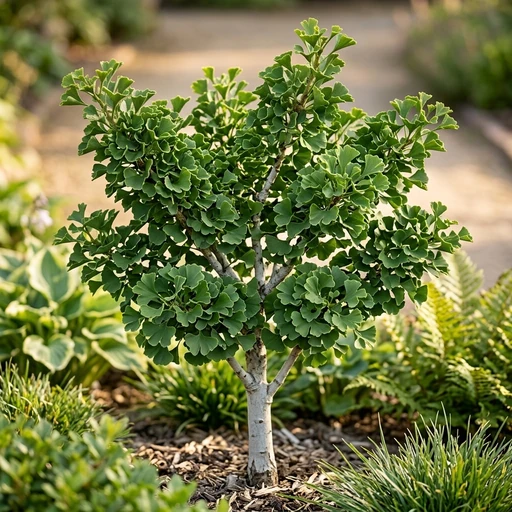
Chi-Chi Maidenhair Tree
Ginkgo biloba 'Chi-Chi'
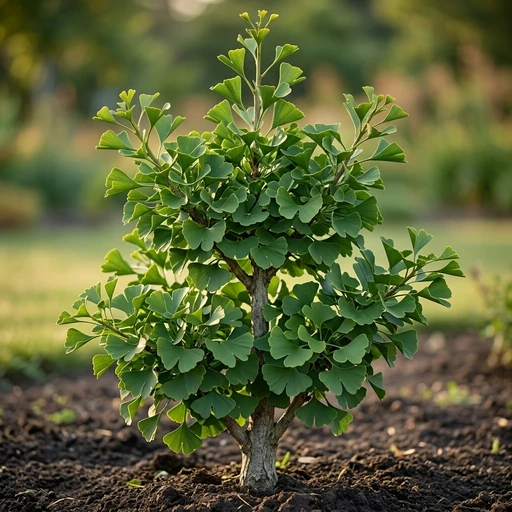
Jade Butterfly Maidenhair Tree
Ginkgo biloba 'Jade Butterfly'
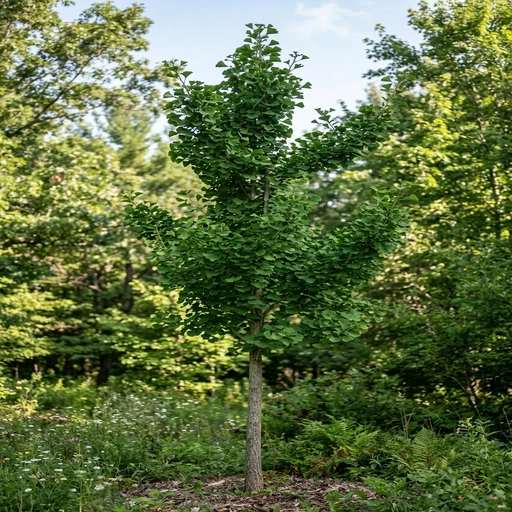
Magyar Ginkgo
Ginkgo biloba 'Magyar'
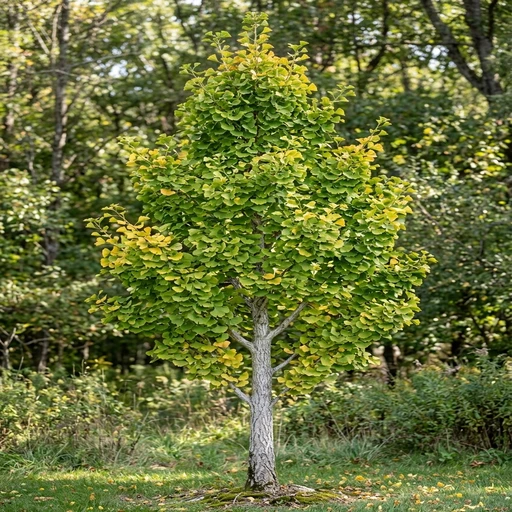
Princeton Sentry Ginkgo
Ginkgo biloba 'Princeton Sentry'
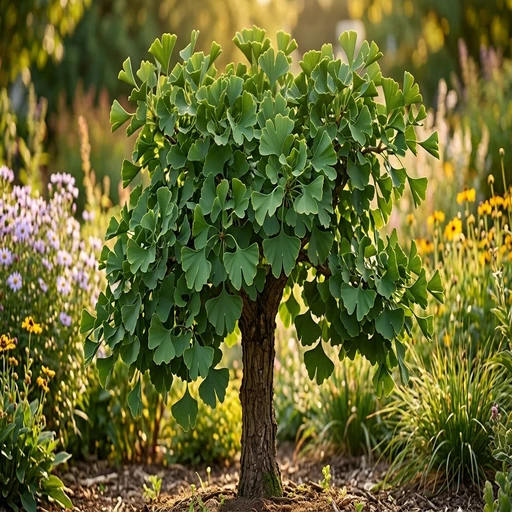
Shangri-la Maidenhair Tree
Ginkgo biloba 'Shangri-La'
Keep exploring
Explore the genus
Grow Mariken Ginkgo with confidence
See it in a design of your actual yard, get zone-matched care reminders, and track it season by season in your garden journal.