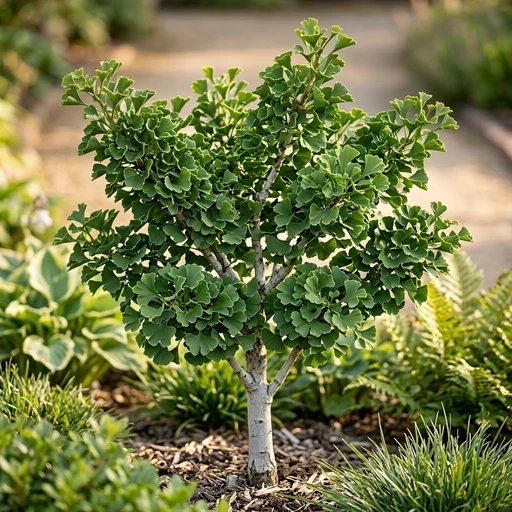
Species
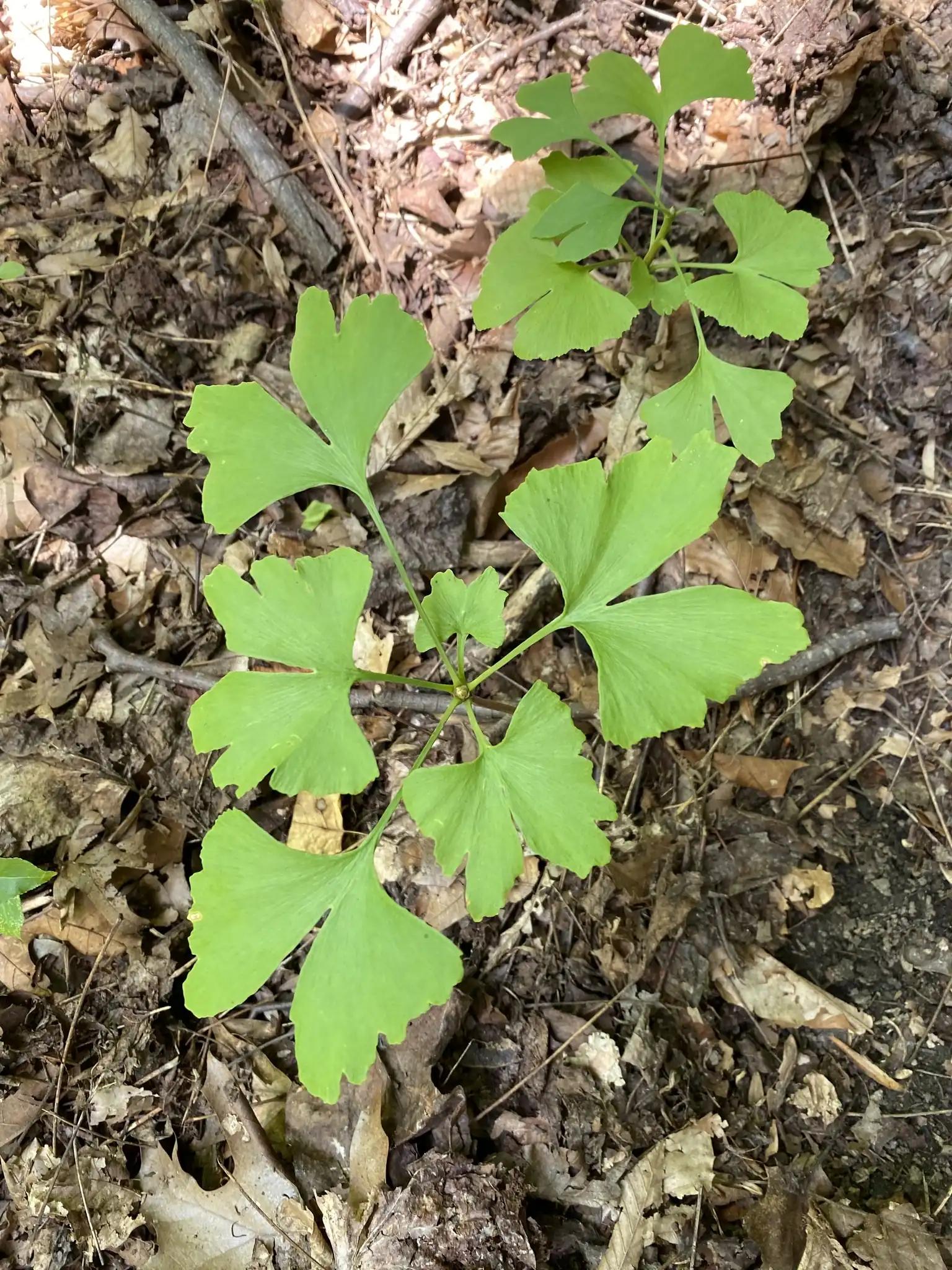 Ginkgo bilobaGinkgo
13 other cultivars
 ‘Mariken’Mariken Ginkgo
 ‘Autumn Gold’Autumn Gold Ginkgo
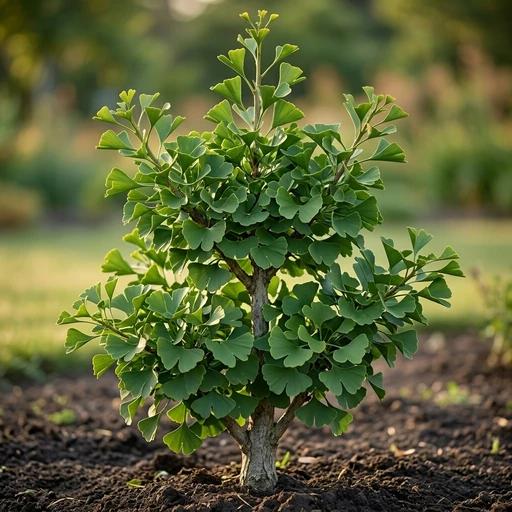 ‘Jade Butterfly’Jade Butterfly Maidenhair Tree
 ‘Magyar’Magyar Ginkgo
 ‘Princeton Sentry’Princeton Sentry Ginkgo
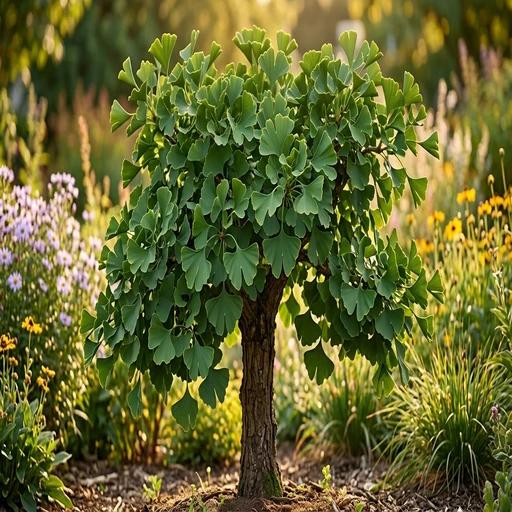 ‘Shangri-La’Shangri-la Maidenhair Tree
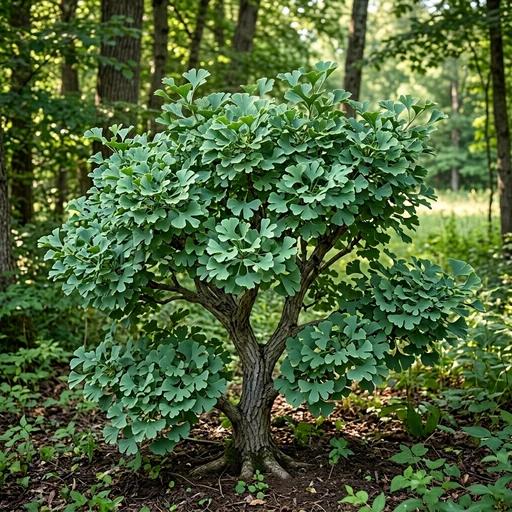 ‘Grind Stone’Grind Stone Ginkgo
 ‘Golden Colonnade’Golden Colonnade Ginkgo
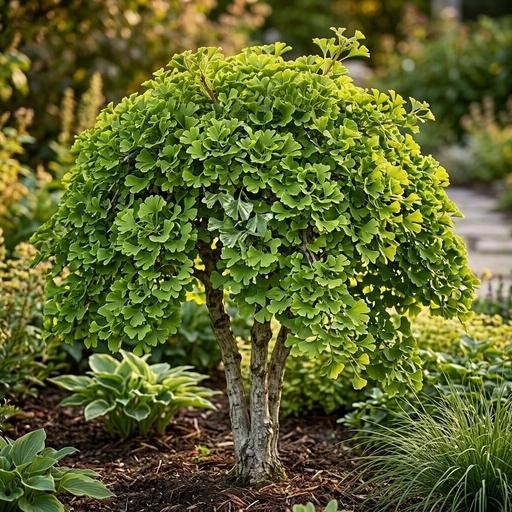 ‘Troll’Troll Maidenhair Tree
 ‘The President’The President Ginkgo Tree
 ‘Golden Globe’Golden Globe Ginkgo Tree
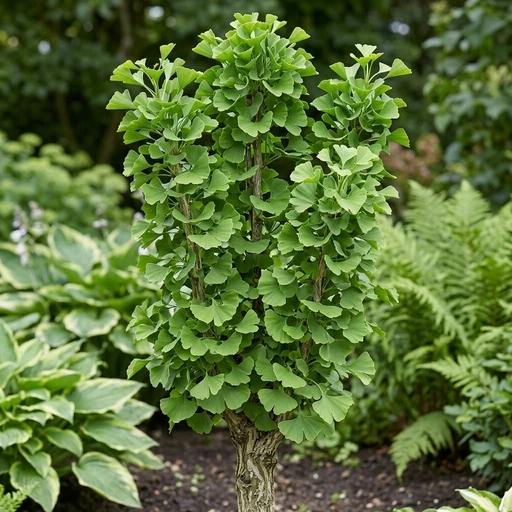 ‘Sky Tower’Sky Tower Ginkgo
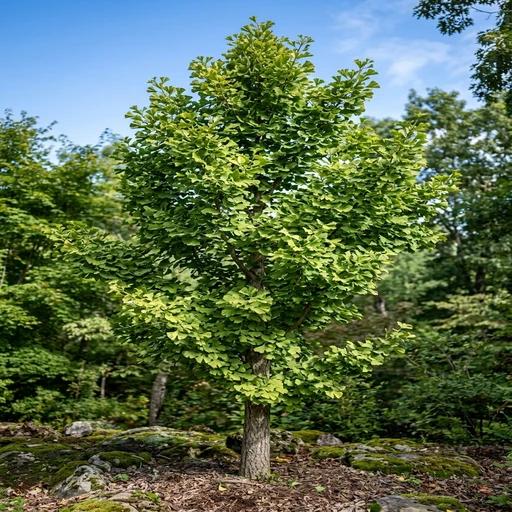 ‘Saratoga’Saratoga Maidenhair Tree
The Story
Plant Bio
Ginkgo biloba is a unique deciduous tree, a living fossil with no close living relatives, known for its distinctive fan-shaped leaves. It is highly tolerant of urban conditions and pests.
'Chi-Chi' is a dwarf, slow-growing male cultivar, often multi-stemmed, that forms a dense, shrubby habit. It is prized for small gardens and sometimes develops interesting corky growths (chi-chi) on the trunk.
Uses & Benefits:
Essentials
At a Glance
Plant Type
Tree
Height
120"
Width
120"
Light
Full Sun, Partial Sun
Zones
4, 5, 6, 7, 8, 9
Water
Low to moderate
Humidity
Adaptable
Lifespan
Very long-lived
Native To
China
Toxicity
Seeds are toxic if ingested in large quantities; flesh can cause dermatitis.
Bloom period
Mid-spring – Late spring
In flower about 2 months of the year
Planting
How to Grow
- Select a location with full sun and well-drained soil.
- Dig a hole two to three times the width of the root ball.
- Position the plant so the top of the root ball is level with the soil.
- Backfill with the original soil, gently firming it around the roots.
- Water thoroughly after planting to settle the soil.
- Apply a layer of mulch to conserve moisture, avoiding the trunk.
Pro Tip
Requires minimal pruning; only remove dead, damaged, or crossing branches to maintain its beautiful natural form.
Keep It Thriving
Care Guide
Do
- Water regularly during the first year to establish a deep root system.
- Tolerate urban pollution and poor soils; it's a tough plant.
- Allow it to grow into its natural, sculptural shape.
Don't
- Do not overwater once established as it is drought tolerant.
- Avoid planting female ginkgos near walkways due to messy, foul-smelling fruit.
- Do not perform heavy pruning, which can ruin its structure.
Seasonal Care Calendar
| Task | Jan | Feb | Mar | Apr | May | Jun | Jul | Aug | Sep | Oct | Nov | Dec |
|---|---|---|---|---|---|---|---|---|---|---|---|---|
| Mulch | ||||||||||||
| Plant | ||||||||||||
| Prune |
Watch Out For
Pests & Diseases
Common Pests
Common Diseases
In the Garden
Landscape Uses & Companions
Landscape Uses
Multiply
Propagation Methods
Good to Know
Common Questions
Chi-Chi Maidenhair Tree questions
What zones can Chi-Chi Maidenhair Tree grow in?
Chi-Chi Maidenhair Tree is hardy in USDA Zones 4–9. Inside that range it survives winter in the ground; outside it, grow it as an annual or a container plant you protect.
Is Chi-Chi Maidenhair Tree deer resistant?
Yes — Chi-Chi Maidenhair Tree is rated deer-resistant. Deer typically pass it over, though extreme hunger can override any plant's defenses.
When does Chi-Chi Maidenhair Tree bloom?
Chi-Chi Maidenhair Tree typically blooms in mid-spring through late spring. Exact timing shifts a week or two with your zone — Sow's bloom calendar maps it to your garden.
Does Chi-Chi Maidenhair Tree need full sun?
Chi-Chi Maidenhair Tree does best in full sun to part shade. In hot climates, afternoon shade keeps blooms fresher longer.
Is Chi-Chi Maidenhair Tree drought tolerant?
Yes — once established (usually after the first full season), Chi-Chi Maidenhair Tree handles dry spells with minimal watering. Water deeply its first year to build the root system that makes that possible.
More Ginkgo to compare
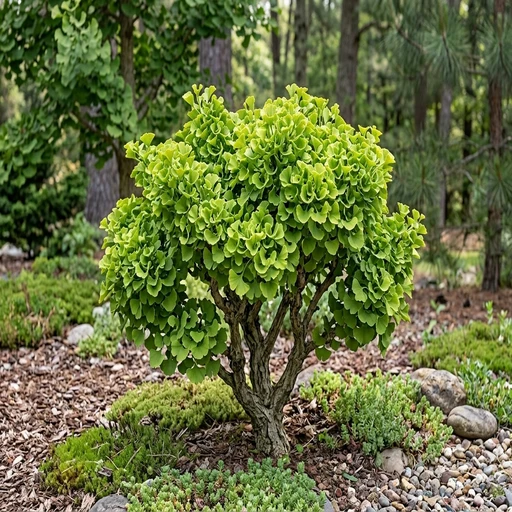
Mariken Ginkgo
Ginkgo biloba 'Mariken'
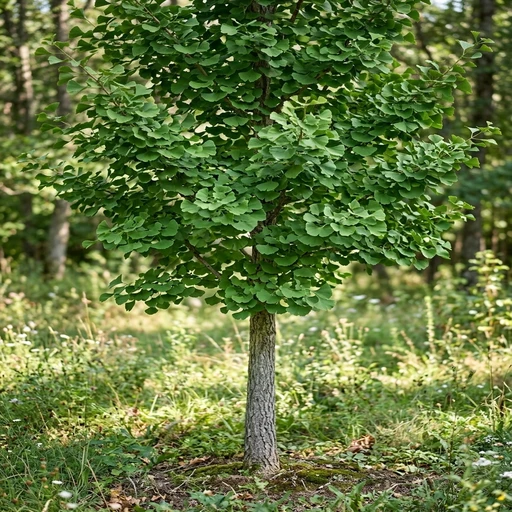
Autumn Gold Ginkgo
Ginkgo biloba 'Autumn Gold'
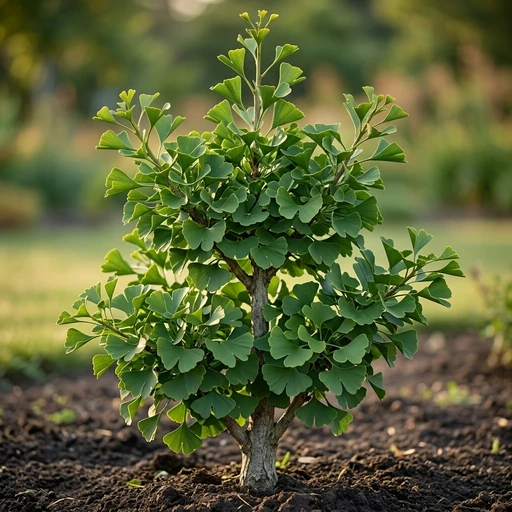
Jade Butterfly Maidenhair Tree
Ginkgo biloba 'Jade Butterfly'
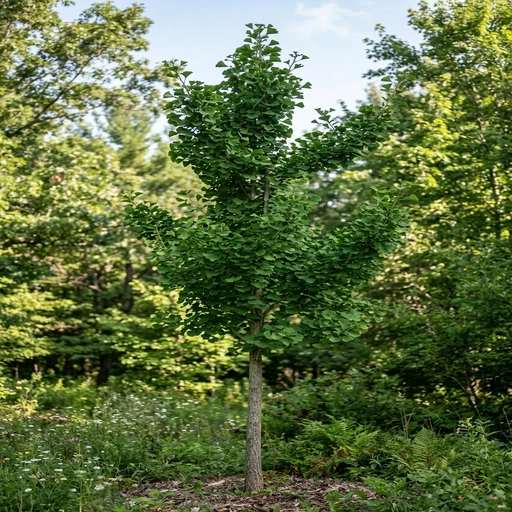
Magyar Ginkgo
Ginkgo biloba 'Magyar'
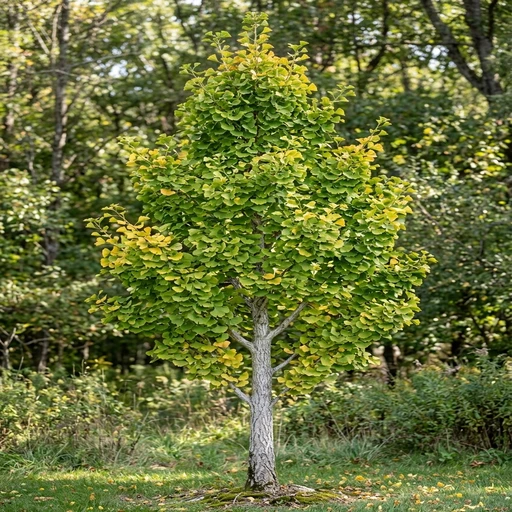
Princeton Sentry Ginkgo
Ginkgo biloba 'Princeton Sentry'
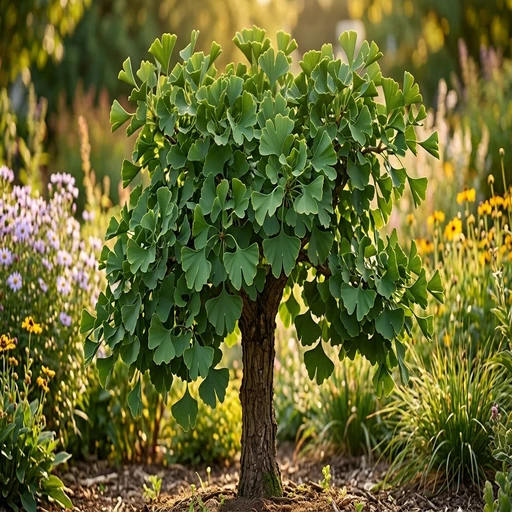
Shangri-la Maidenhair Tree
Ginkgo biloba 'Shangri-La'
Keep exploring
Explore the genus
Grow Chi-Chi Maidenhair Tree with confidence
See it in a design of your actual yard, get zone-matched care reminders, and track it season by season in your garden journal.