270 saves
Ginkgo
We track 15 varieties; the ones most used by real gardeners.
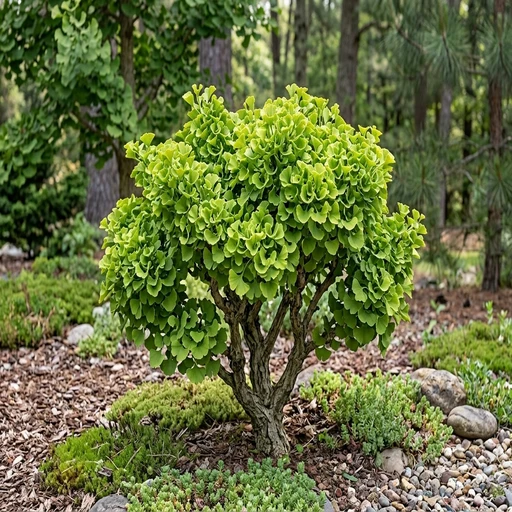
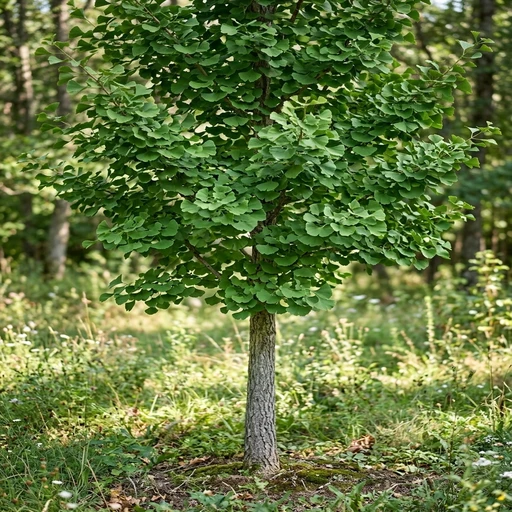
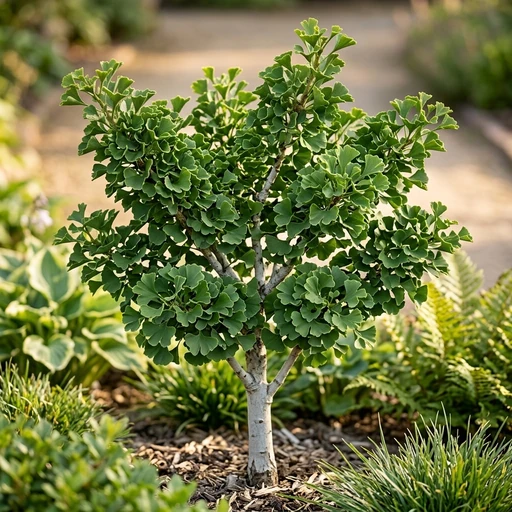
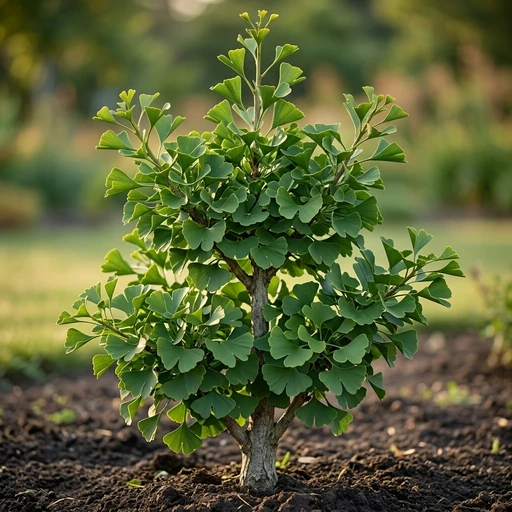
The 15 most-saved Ginkgo varieties
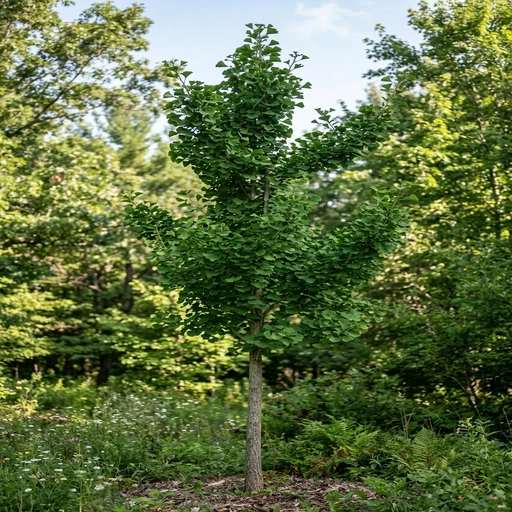
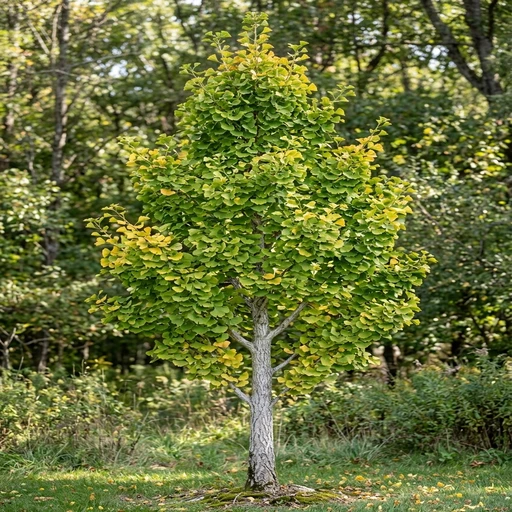
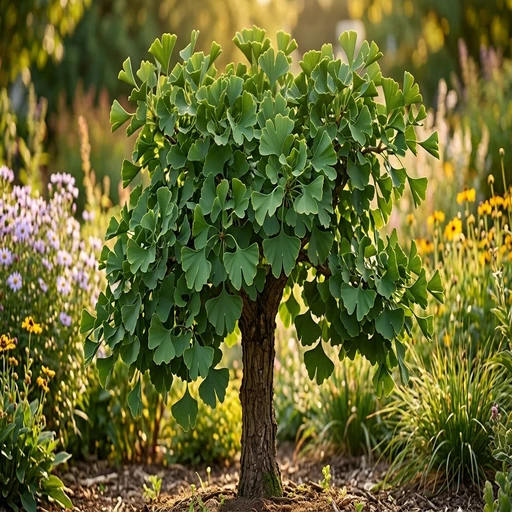
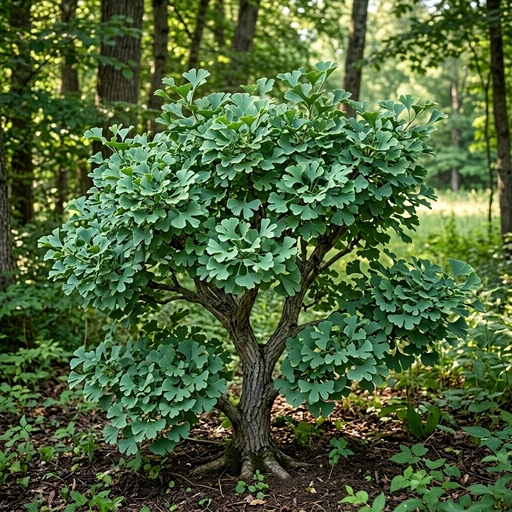
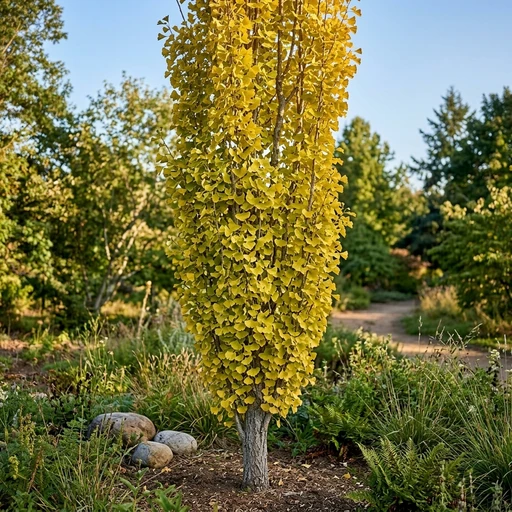
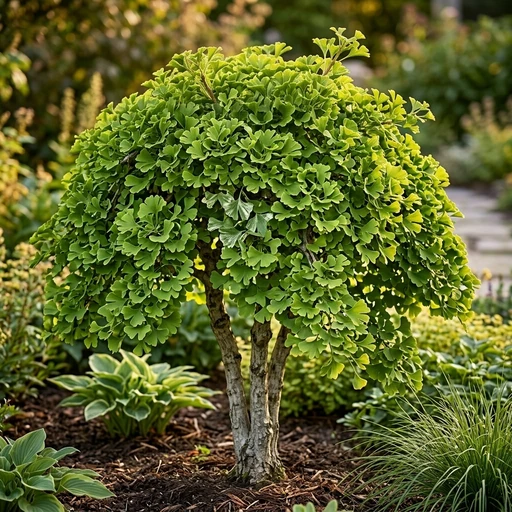
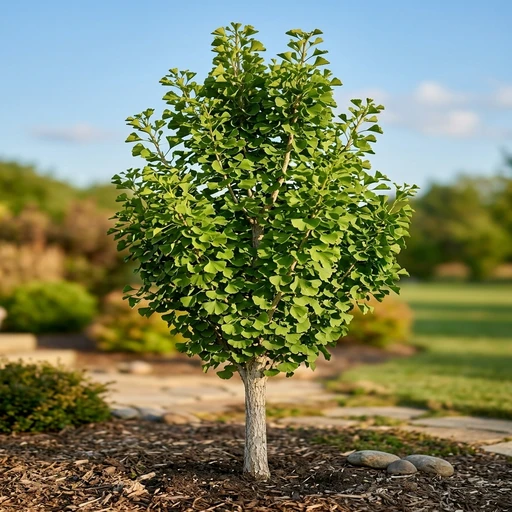
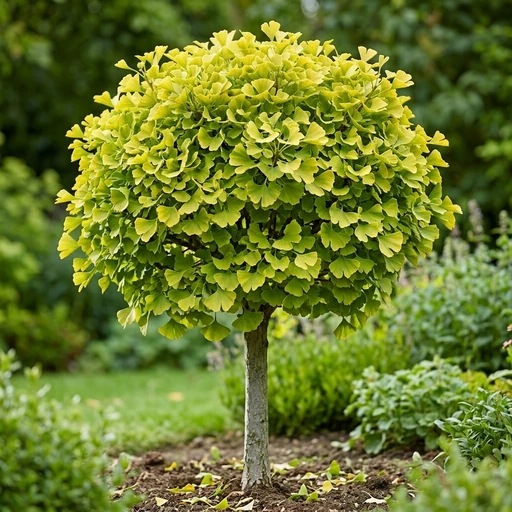
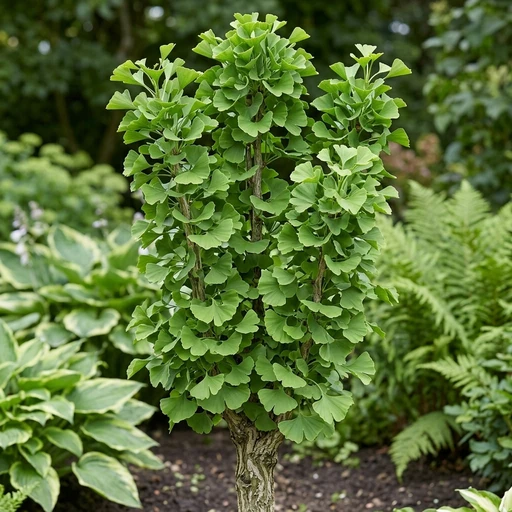
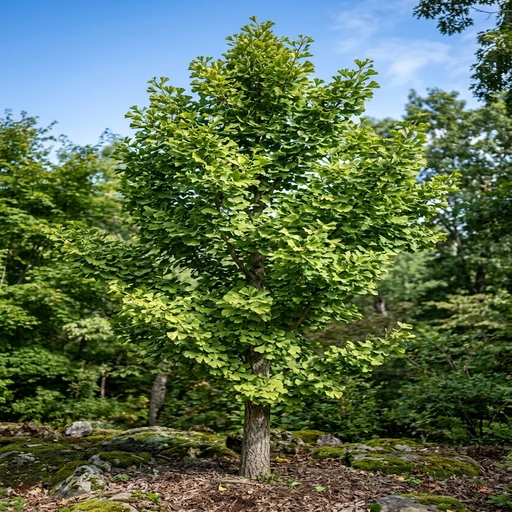
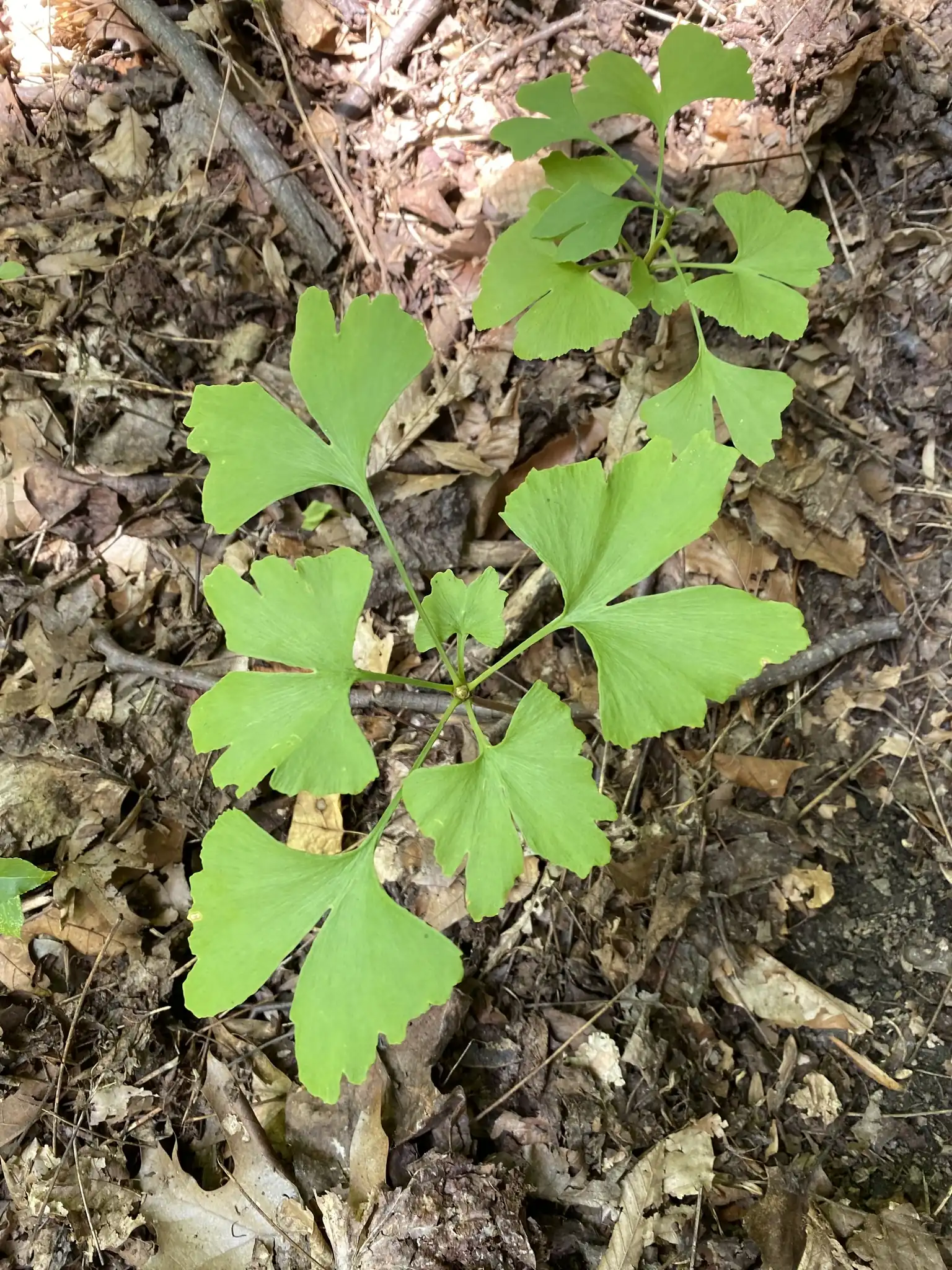
Species of Ginkgo
Each one is a parent of the varieties above.
Track your Ginkgo in Sow
Save the Ginkgo you grow and get care reminders timed to your zone.
How to grow Ginkgo
Whats common across all Ginkgo varieties in our catalog — drawn from the care records of the 15 most-grown of them.
The Ginkgo year
- PlantApril, May, October and November93% of varieties
Plant in spring or fall. Tolerates a wide range of soils.
- PruneFebruary and March67% of varieties
Prune in late winter while dormant; it needs very little.
- FertilizeApril47% of varieties
Fertilize young trees in early spring if growth is slow.


Do
- Provide full sun for best growth and fall color.
- Appreciate its pest-free and disease-free nature.
- Be patient with its slow growth rate.
- Allow soil to dry out slightly between waterings once established.
- Buy a named male selection ♂️
Avoid
- Don't worry about pests or diseases; it has virtually none.
- Avoid heavy pruning, as it spoils the natural form.
- Do not plant in poorly drained or waterlogged soils.
- Plant an unsexed seedling ❌
What goes wrong with Ginkgo
| Problem | What you'll see | What to do |
|---|---|---|
| None | Ginkgo trees are remarkably free from insect pests. | No action is typically required. |
| Generally pest-free | Almost nothing eats ginkgo foliage | Monitor only; no routine treatment needed |
| Mealybugs | White, cottony masses on stems and leaf undersides. Rare on Ginkgo. | Wipe off with a cotton swab dipped in rubbing alcohol. Use insecticidal soap or neem oil for larger infestations. |
| Generally Pest-Free | This tree is remarkably resistant to insect pests. | No action is typically required. Monitor for general health. |
| None | Ginkgo trees are famously resistant to almost all plant diseases. | No action is typically required. |
| Generally disease-free | No significant disease issues reported | Provide good drainage; it is among the most trouble-free large trees |
| Root Rot | Yellowing leaves, stunted growth, and mushy roots, caused by overly wet soil. | Ensure proper drainage at planting. Allow soil to dry between waterings. No chemical cure. |
Making more Ginkgo
Grafting
- Collect dormant scion wood from 'Sky Tower' in winter.
- In late winter or early spring, graft onto Ginkgo biloba seedling rootstock.
- A bench graft using a whip-and-tongue method is common.
- Wrap the union and keep in a humid environment until the graft takes.
Softwood Cuttings
- Take 4-6 inch cuttings of new growth in early summer.
- Dip in rooting hormone and place in a sand/peat mix.
- Keep under high humidity; rooting is difficult and slow.
Ginkgo questions
How many types of Ginkgo are there?
The Sow catalog tracks 15 distinct Ginkgo varieties. The most popular — ranked by 270 real gardeners — are shown first above.
What zones does Ginkgo grow in?
Across its varieties, Ginkgo covers USDA Zones 4–9. Individual varieties differ — each plant page lists its exact range, and Sow filters the catalog to your zone automatically.
When does Ginkgo bloom?
Most Ginkgo varieties bloom in early spring, mid-spring, late spring. Staggering early, mid, and late varieties extends the genus's season in one bed.
Which Ginkgo should I choose?
Start from the most-saved varieties above — popularity across thousands of gardens is a strong signal of reliability — then filter by your zone and sun. In the Sow app you can preview any of them in a photo of your actual yard before you buy.