The Story
Plant Bio
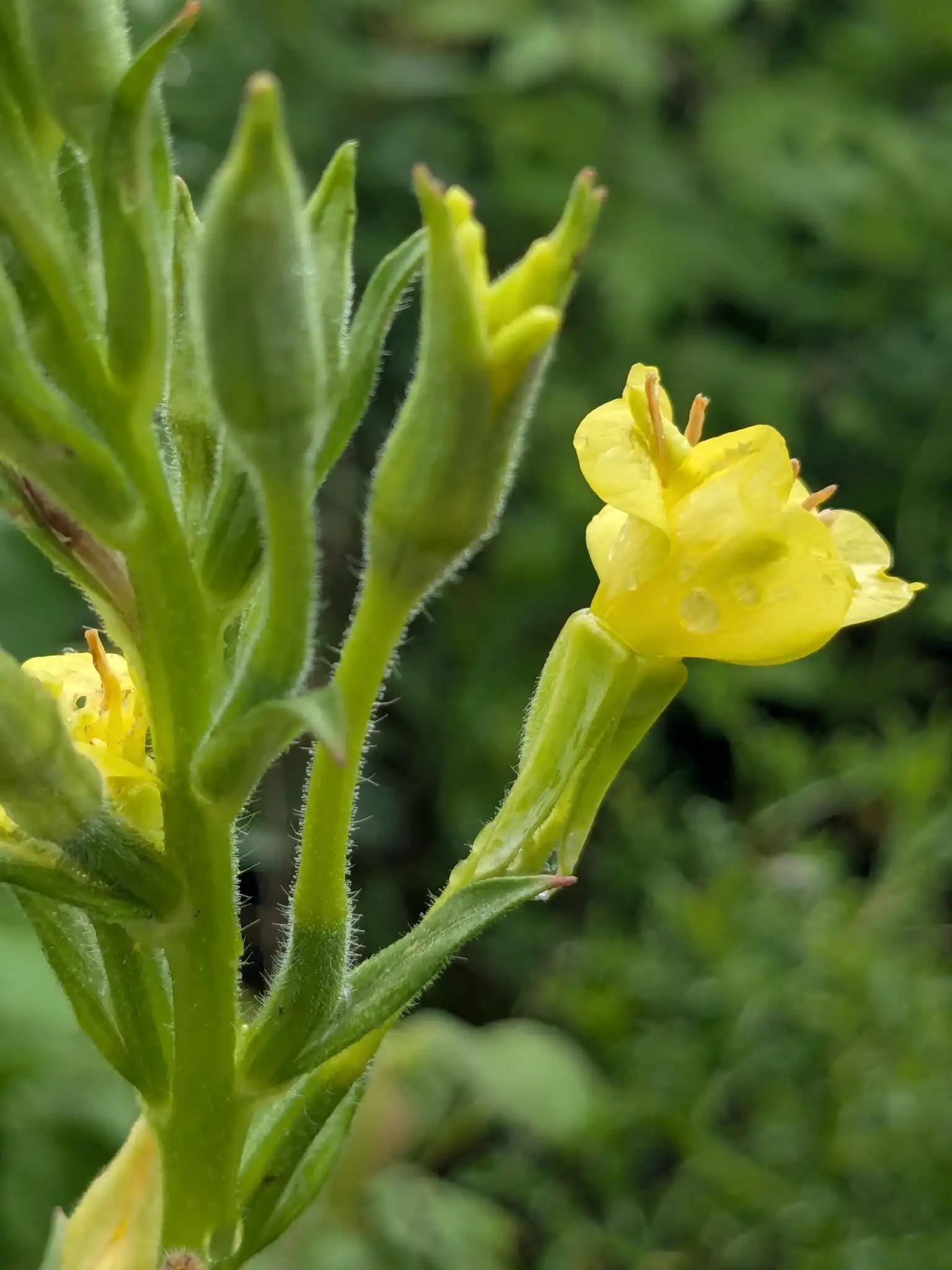
Oenothera parviflora, known as the northern evening-primrose, is a hardy biennial native to northeastern North America that thrives in dry, sandy, and disturbed soils. It spends its first year as a low-growing basal rosette before sending up an erect, leafy flowering stalk that can reach five feet in height during its second season.
This species is distinguished by its pale yellow, four-petaled flowers that open primarily in the evening to attract night-flying hawk moths. The terminal spikes bloom progressively from summer into early fall, followed by seed capsules that provide winter food for birds.
Uses & Benefits:
Essentials
At a Glance
Plant Type
Perennial
Height
60"
Width
24"
Light
Full Sun
Zones
4, 5, 6, 7, 8, 9
Water
Low to Moderate
Humidity
Moderate
Lifespan
Biennial
Native To
North America
Toxicity
Non-toxic
Bloom period
Summer – Fall
In flower about 6 months of the year
Planting
How to Grow
- Sow seeds directly onto the soil surface in fall or early spring, pressing them lightly into the sand or gravel without burying them.
- Select a site in full sun with highly drained, coarse-textured soil, avoiding any areas prone to standing water or heavy clay.
- Water sparingly during the first season to establish the basal rosette, keeping the soil dry to moderately moist.
- Allow the flowering stalk to mature, set seed, and die back naturally in the second year to establish a self-sustaining soil seed bank.
Pro Tip
Treat this species strictly as a self-seeding biennial rather than trying to force it into a multi-year perennial clump with fertilizer or premature pruning. Allow the plant to complete its natural life cycle and drop seed, as the seeds remain viable in the soil for years to sustain the colony.
Keep It Thriving
Care Guide
Do
- Grow in poor, sandy, or gravelly soils to maintain a compact growth habit.
- Leave dead stalks standing into winter so birds can feed on the seed capsules.
- Ensure the planting site has excellent drainage to prevent root rot.
Don't
- Do not apply supplemental fertilizer, which causes weak, floppy growth and is unnecessary.
- Do not plant in heavy, wet clay soils where waterlogged conditions will kill the roots.
- Do not cut back the flowering stems before they have shed their seeds if you want the colony to persist.
Seasonal Care Calendar
| Task | Jan | Feb | Mar | Apr | May | Jun | Jul | Aug | Sep | Oct | Nov | Dec |
|---|---|---|---|---|---|---|---|---|---|---|---|---|
| Pest Check | ||||||||||||
| Plant | ||||||||||||
| Prune | ||||||||||||
| Spring Cleanup |
Watch Out For
Pests & Diseases
Common Pests
Common Diseases
In the Garden
Landscape Uses & Companions
Landscape Uses
Companion Plants
Multiply
Propagation Methods
Good to Know
Common Questions
Northern evening-primrose questions
What zones can Northern evening-primrose grow in?
Northern evening-primrose is hardy in USDA Zones 4–9. Inside that range it survives winter in the ground; outside it, grow it as an annual or a container plant you protect.
Is Northern evening-primrose deer resistant?
Not reliably. Deer may browse Northern evening-primrose, especially tender spring growth — plan on repellents or fencing where pressure is high.
When does Northern evening-primrose bloom?
Northern evening-primrose typically blooms in summer through fall. Exact timing shifts a week or two with your zone — Sow's bloom calendar maps it to your garden.
Does Northern evening-primrose need full sun?
Northern evening-primrose does best in full sun (6+ hours).
Is Northern evening-primrose drought tolerant?
Yes — once established (usually after the first full season), Northern evening-primrose handles dry spells with minimal watering. Water deeply its first year to build the root system that makes that possible.
More Oenothera to compare
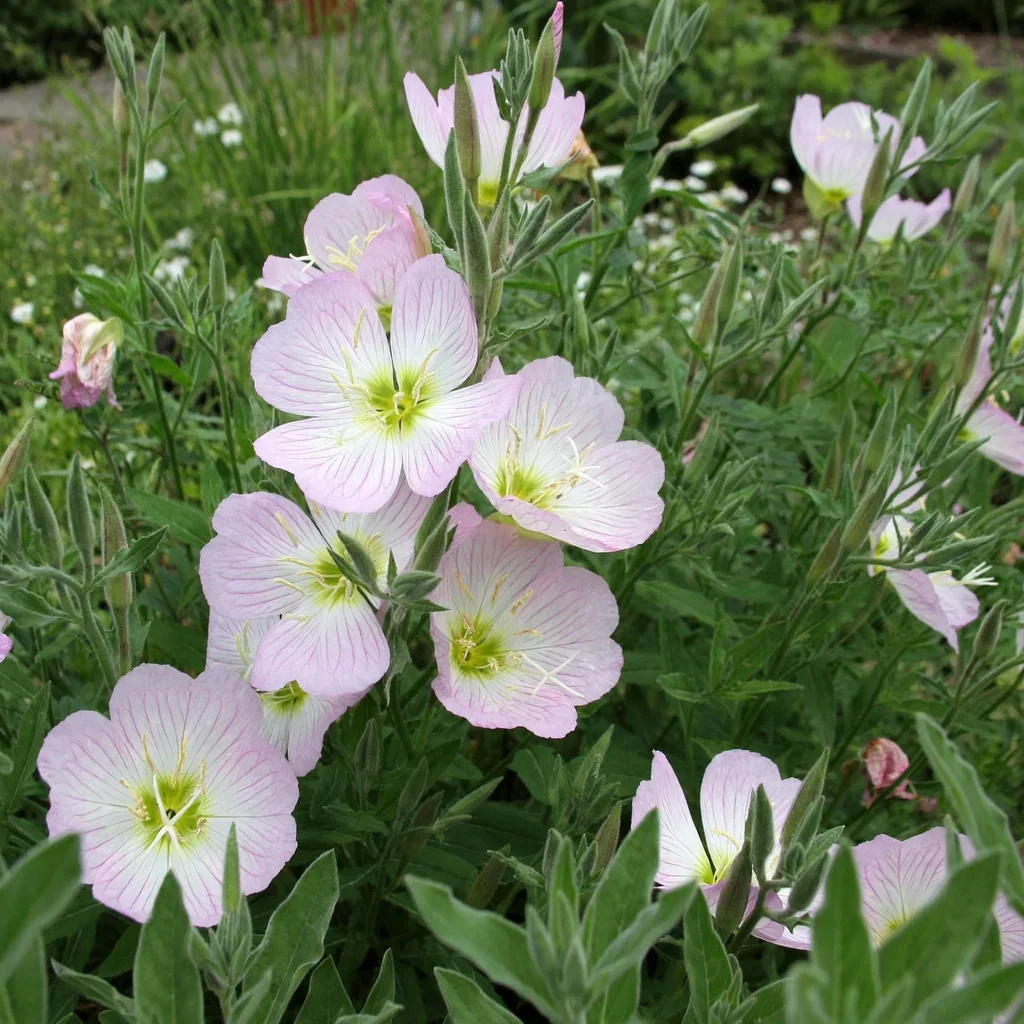
Pink Evening Primrose
Oenothera speciosa
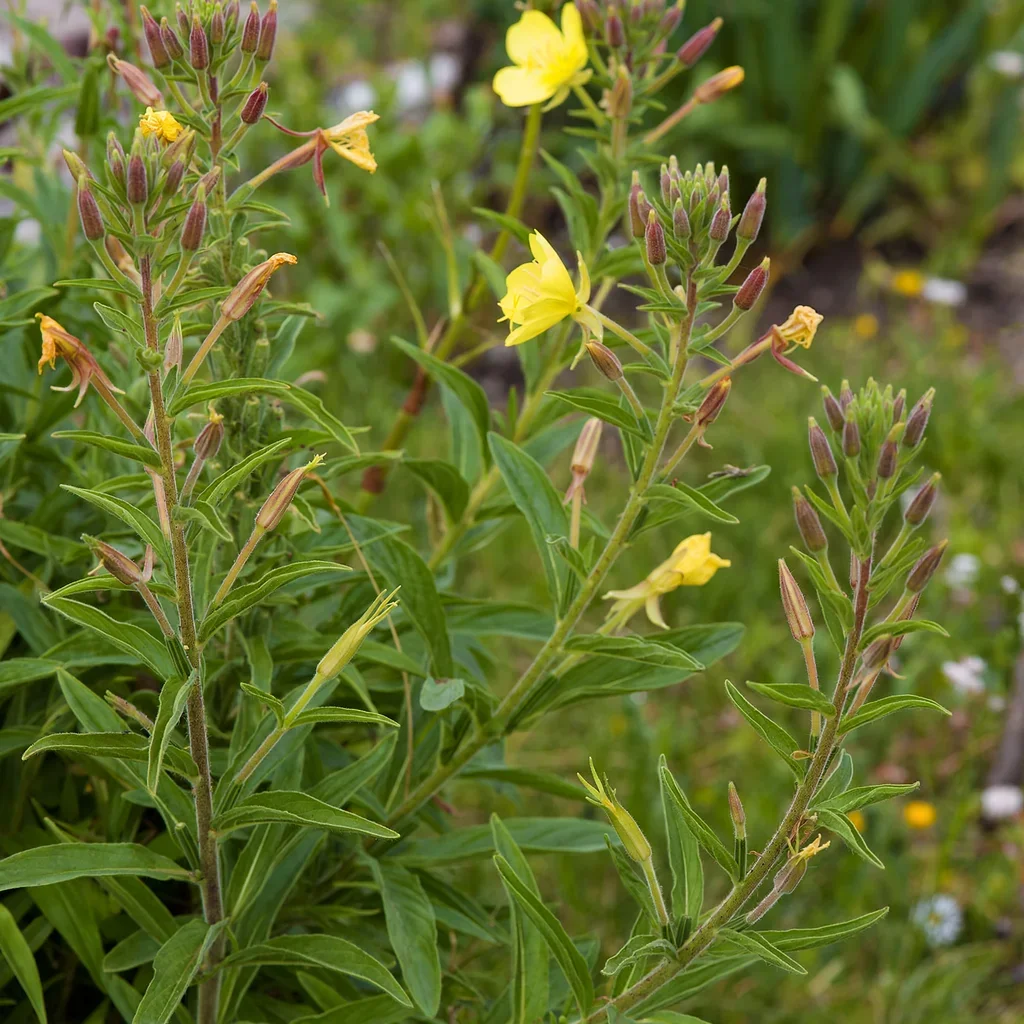
Evening Primrose
Oenothera biennis
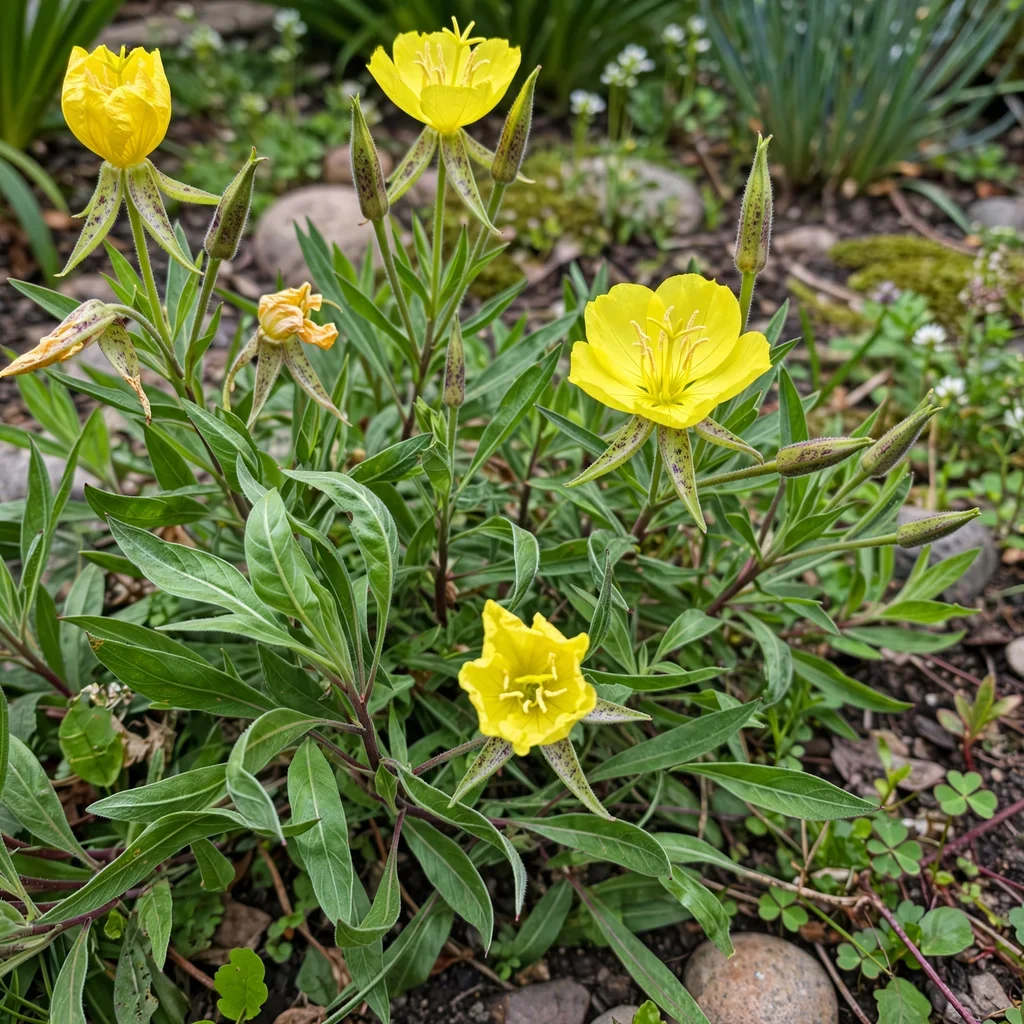
Missouri Evening Primrose Giant Evening Primrose
Oenothera macrocarpa
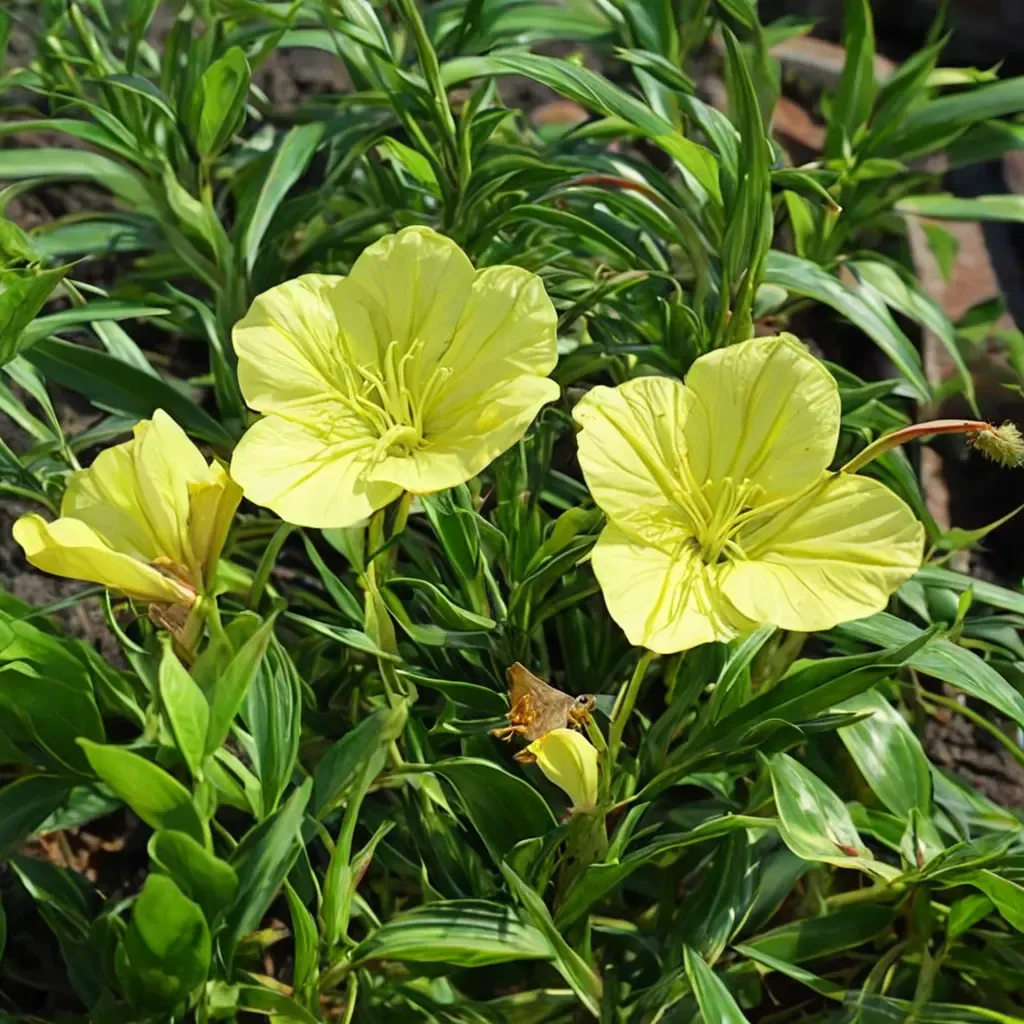
Ozark Sundrop
Oenothera missouriensis 'Ozark Sundrop'
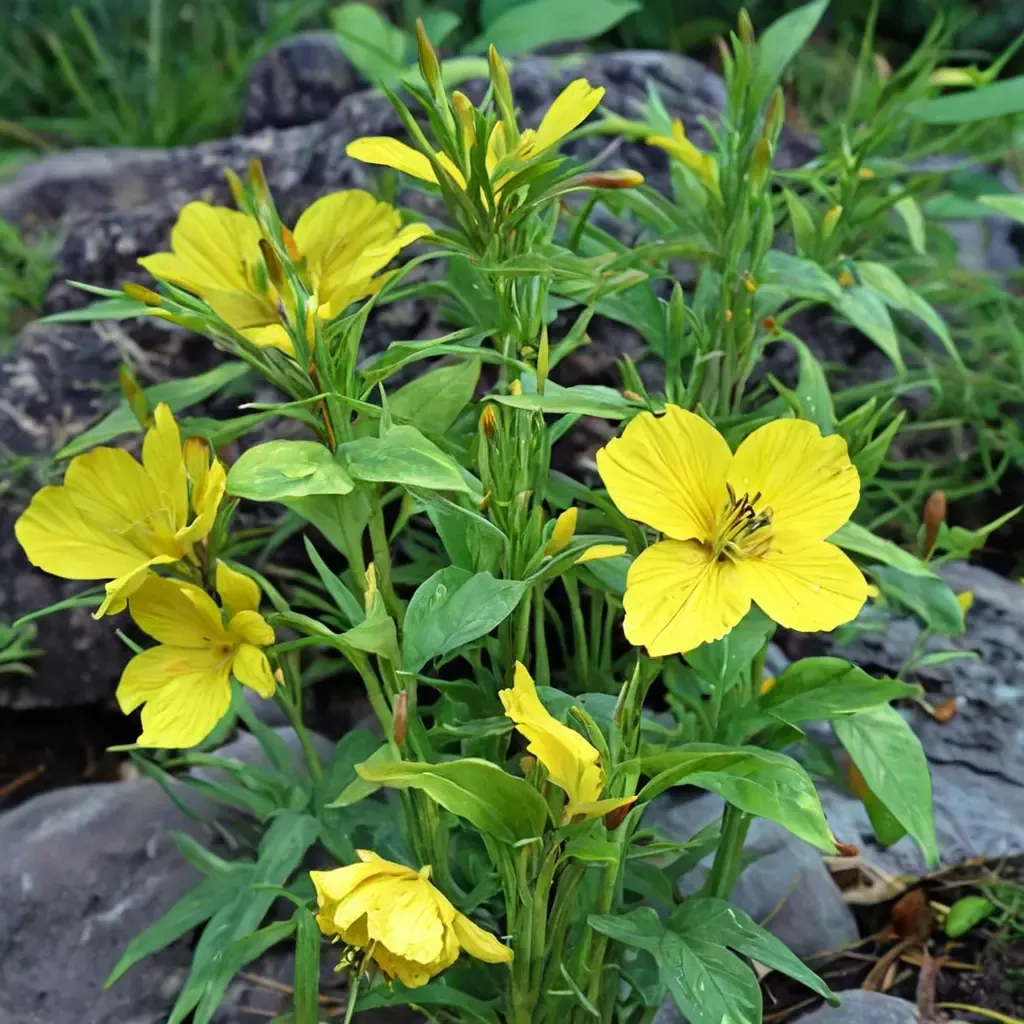
Native Yellow Sundrops
Oenothera fruticosa 'Native Yellow Bellflower'
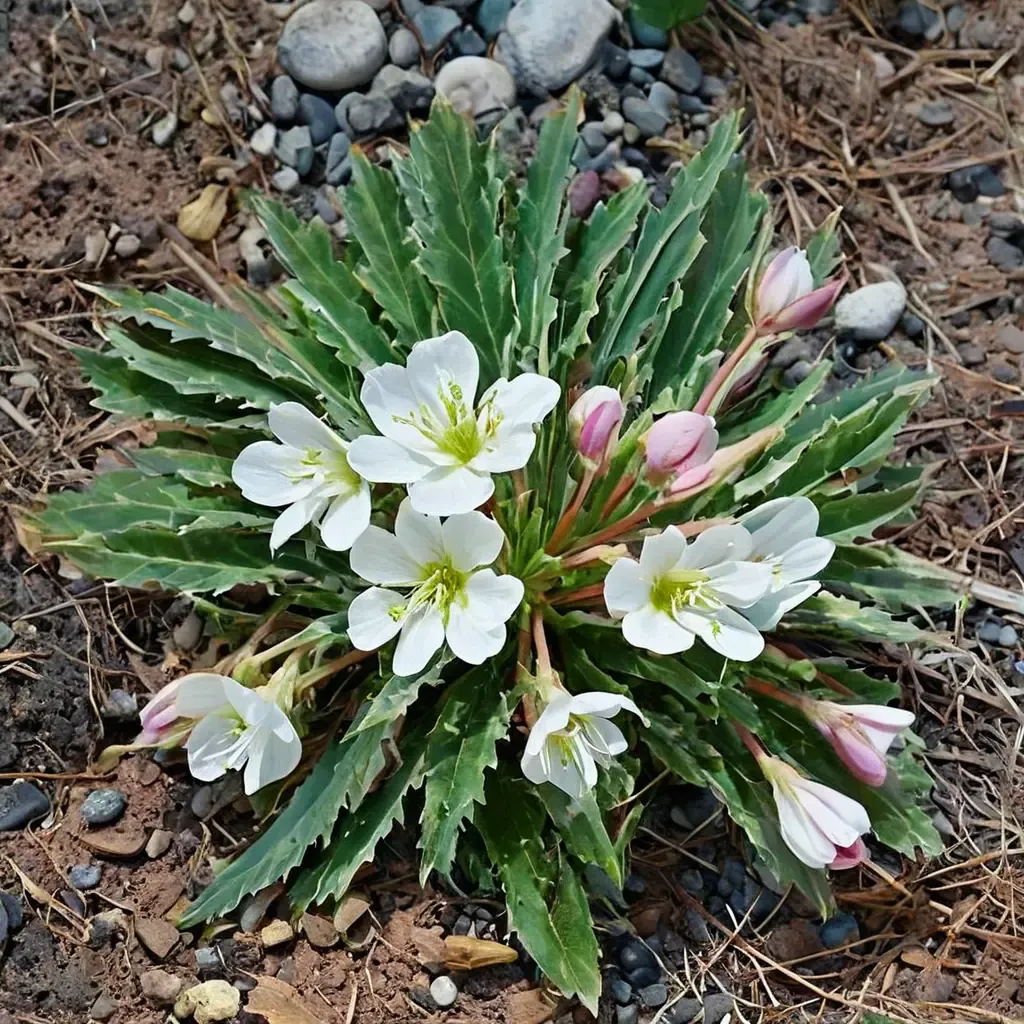
Tufted Evening Primrose
Oenothera caespitosa
Keep exploring
Explore the genus
Grow Northern evening-primrose with confidence
See it in a design of your actual yard, get zone-matched care reminders, and track it season by season in your garden journal.