The Story
Plant Bio
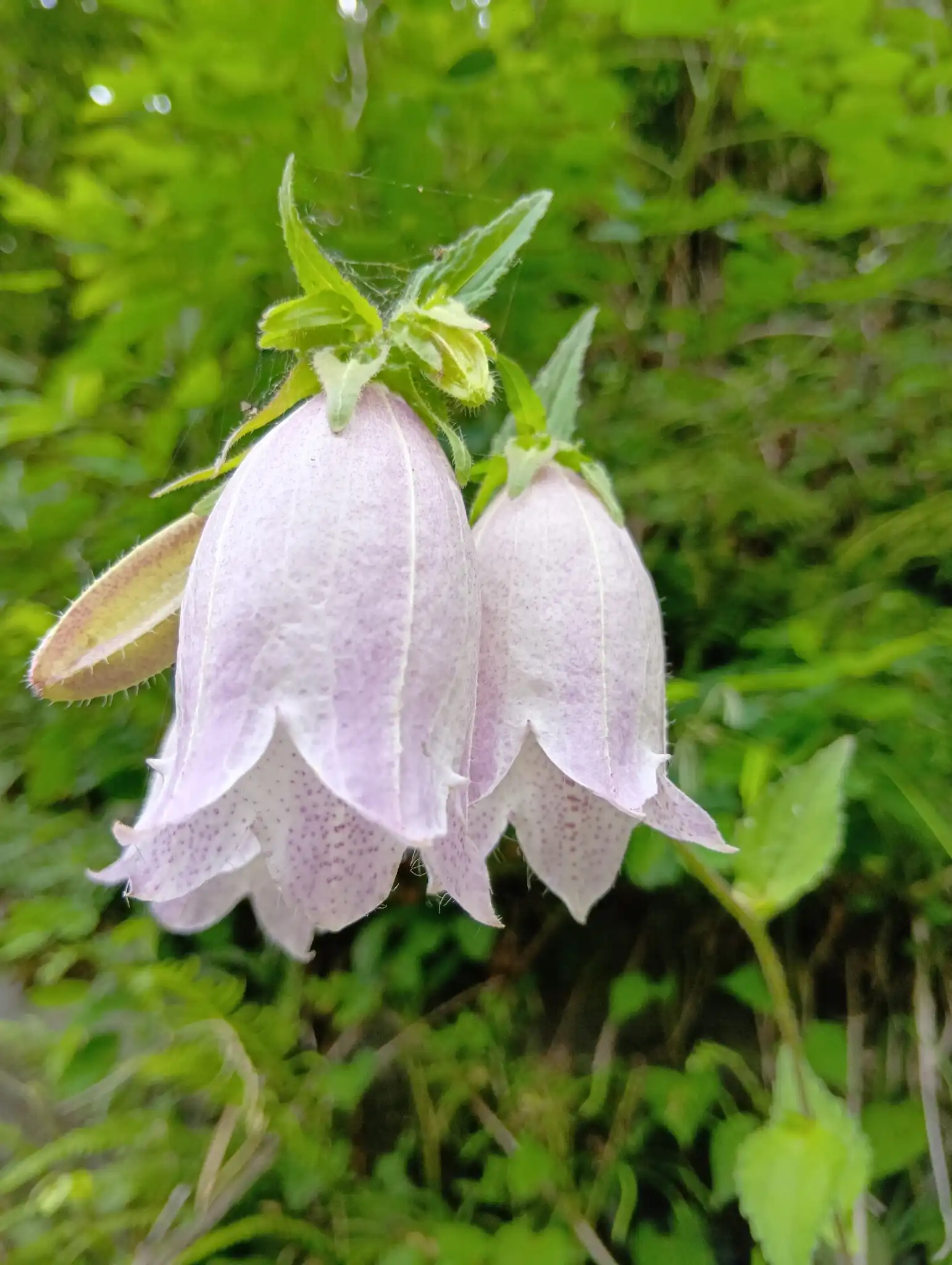
Campanula punctata, the spotted bellflower, is an upright, clump-forming herbaceous perennial native to East Asia that spreads via underground stolons. The plant features coarsely toothed, heart-shaped basal leaves and softly hairy stems carrying large, drooping, bell-shaped flowers.
The two-inch-long blossoms range from white to deep purplish-pink, distinguished by prominent red or purple spots and fine hairs on the interior. Unlike strictly clumping bellflowers, this species expands steadily to form a dense groundcover in moist, fertile soils.
Uses & Benefits:
Essentials
At a Glance
Plant Type
Perennial
Height
24"
Width
36"
Light
Full Sun, Partial Sun
Zones
4, 5, 6, 7, 8
Water
Medium
Humidity
Moderate
Lifespan
Perennial
Native To
East Asia
Toxicity
Non-toxic
Bloom period
Late spring – Mid-summer
In flower about 3 months of the year
Planting
How to Grow
- Select a site in full sun to partial shade, opting for afternoon shade in hot summer climates.
- Amend the planting area with compost to create a fertile, humus-rich, well-draining soil.
- Dig a hole twice the width of the root ball and set the plant at the same depth as its nursery container.
- Water thoroughly at the base to settle the soil, keeping the area evenly moist but never waterlogged.
Pro Tip
Install deep root barriers or plant within restricted borders to contain the aggressive underground runners, which easily overwhelm weaker neighboring perennials in loose, fertile soil.
Keep It Thriving
Care Guide
Do
- Deadhead spent flowers regularly to encourage reblooming and prevent self-seeding.
- Provide supplemental water during prolonged dry spells to prevent heat stress.
- Divide congested clumps every three to four years to maintain plant vigor.
Don't
- Do not plant in poorly draining or waterlogged soils, which trigger root rot.
- Avoid over-fertilizing, as excess nutrients encourage weak, leggy stem growth.
- Do not site in small rock gardens or near delicate plants without root containment.
Seasonal Care Calendar
| Task | Jan | Feb | Mar | Apr | May | Jun | Jul | Aug | Sep | Oct | Nov | Dec |
|---|---|---|---|---|---|---|---|---|---|---|---|---|
| Deadhead | ||||||||||||
| Divide | ||||||||||||
| Fertilize | ||||||||||||
| Spring Cleanup |
Watch Out For
Pests & Diseases
Common Pests
Common Diseases
In the Garden
Landscape Uses & Companions
Landscape Uses
Multiply
Propagation Methods
Good to Know
Common Questions
Spotted bellflower questions
What zones can Spotted bellflower grow in?
Spotted bellflower is hardy in USDA Zones 4–8. Inside that range it survives winter in the ground; outside it, grow it as an annual or a container plant you protect.
Is Spotted bellflower deer resistant?
Yes — Spotted bellflower is rated deer-resistant. Deer typically pass it over, though extreme hunger can override any plant's defenses.
When does Spotted bellflower bloom?
Spotted bellflower typically blooms in late spring through mid-summer. Exact timing shifts a week or two with your zone — Sow's bloom calendar maps it to your garden.
Does Spotted bellflower need full sun?
Spotted bellflower does best in full sun to part shade. In hot climates, afternoon shade keeps blooms fresher longer.
More Campanula to compare
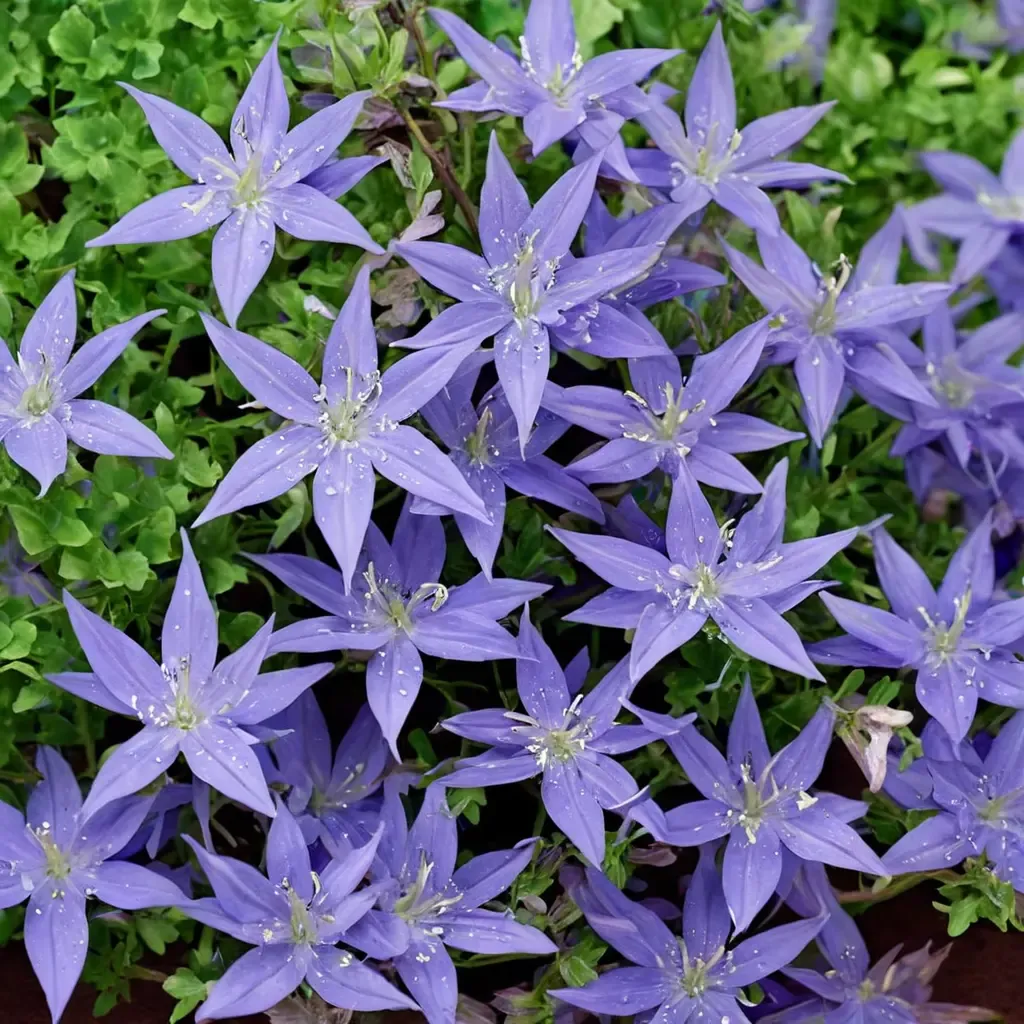
Blue Waterfall Bellflower
Campanula poscharskyana 'Blue Waterfall'
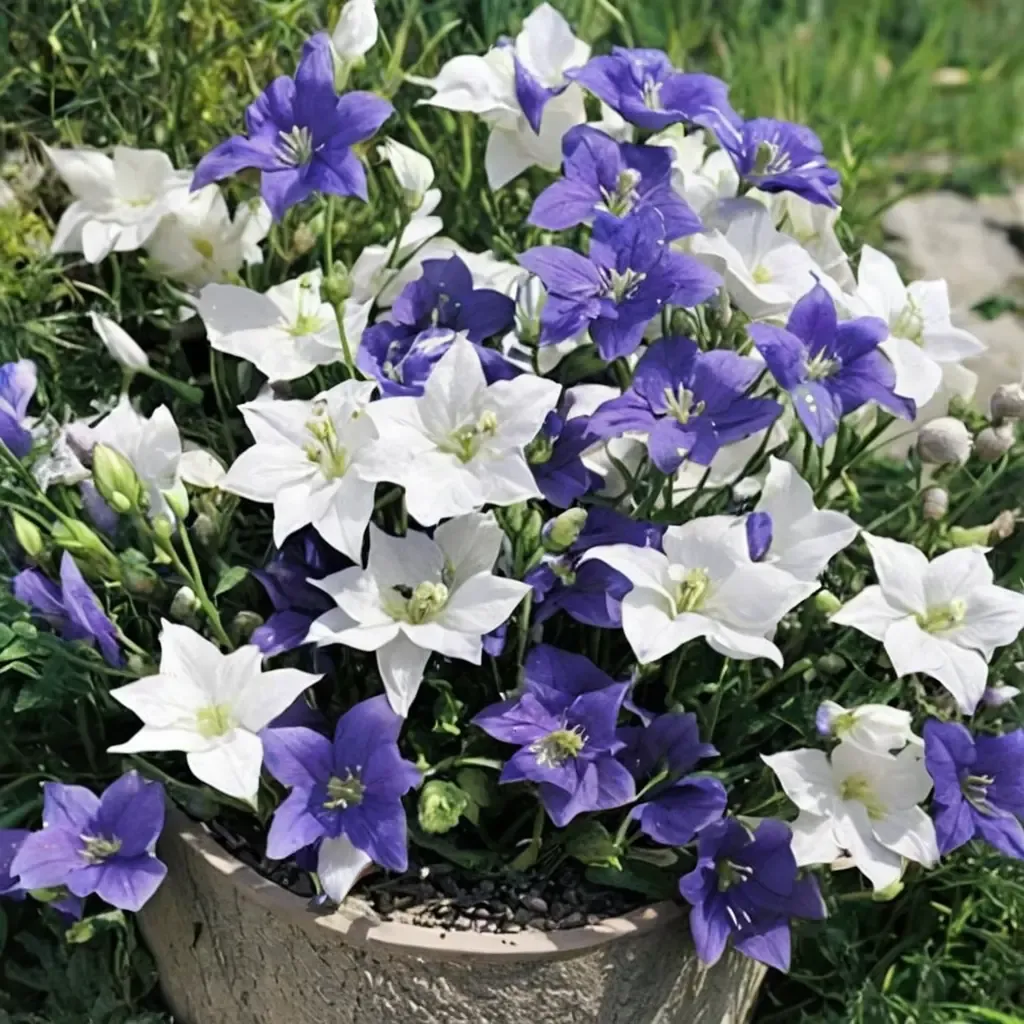
Carpathian Bellflower
Campanula carpatica 'Mix'
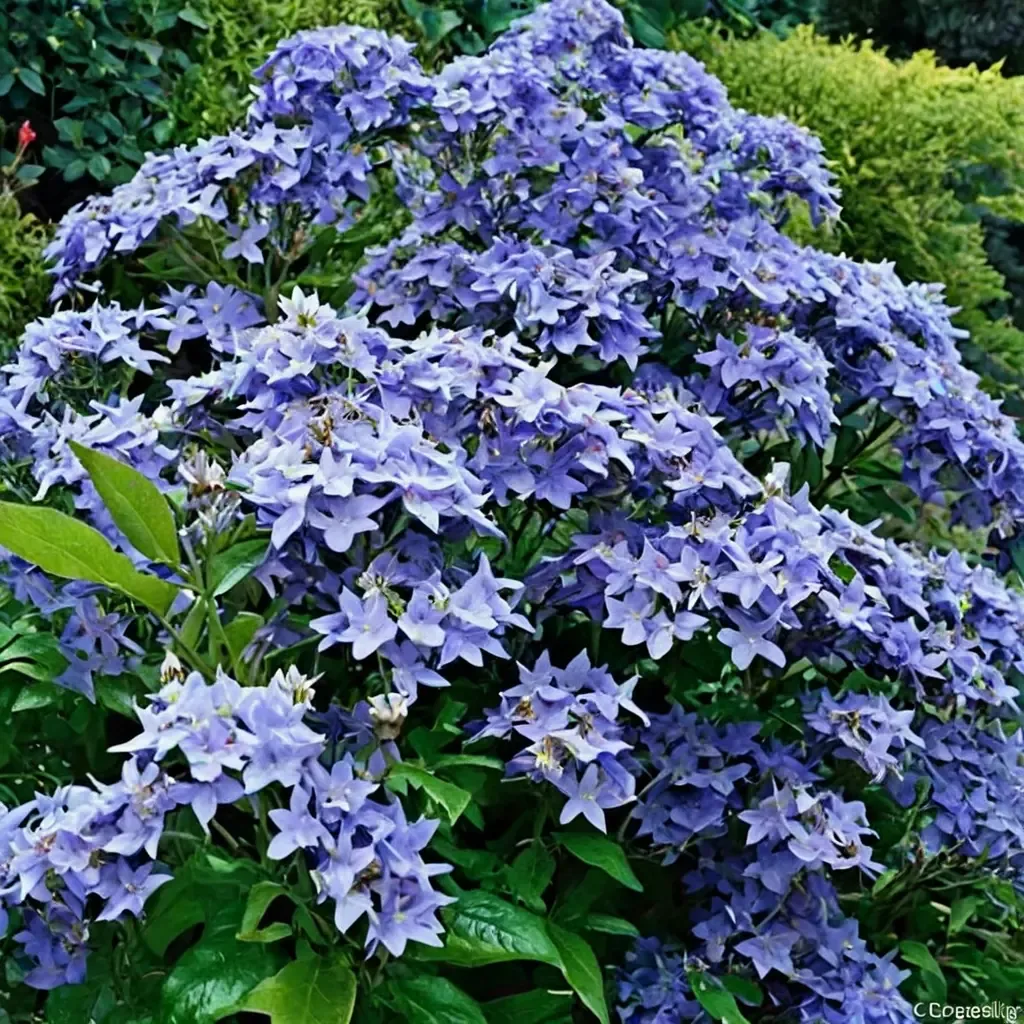
Prichard Milky Bellflower
Campanula lactiflora 'Prichard'
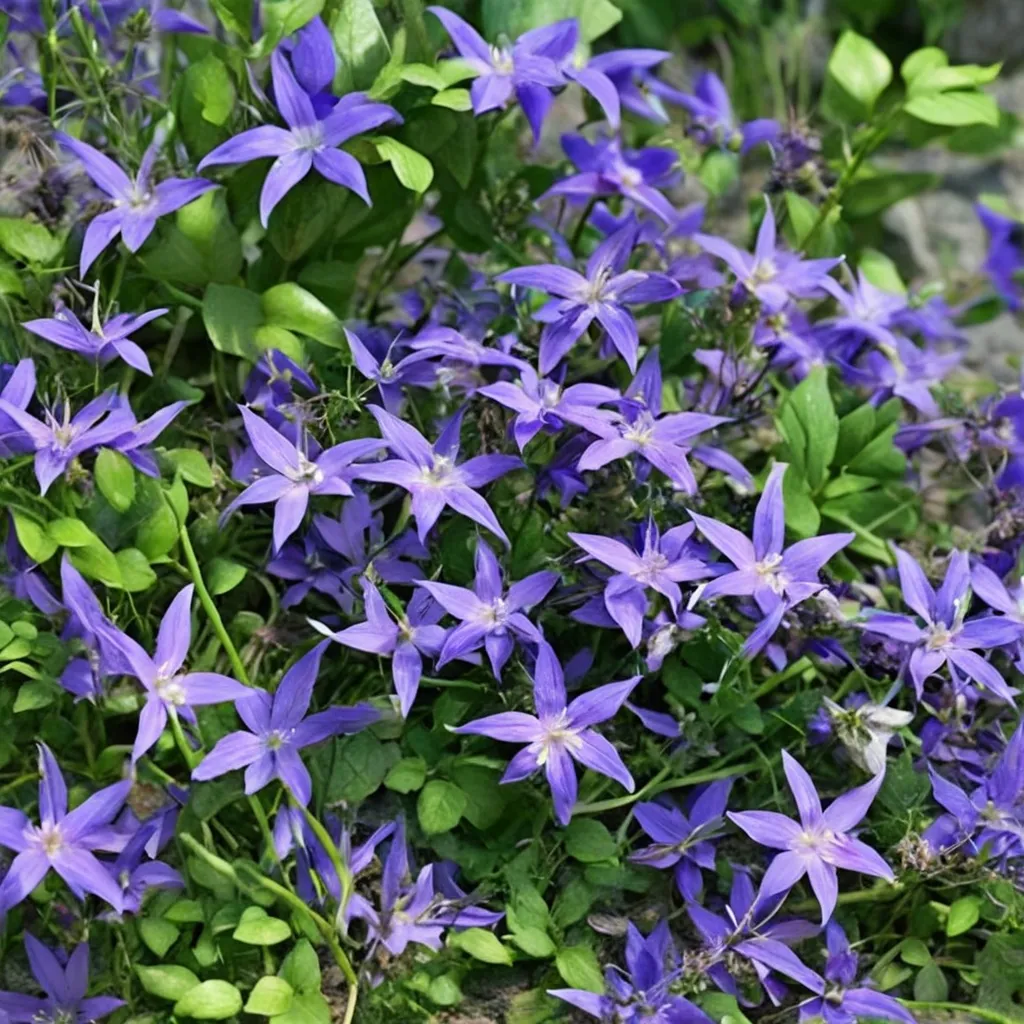
Serrated Bellflower
Campanula poscharskyana 'Stella'
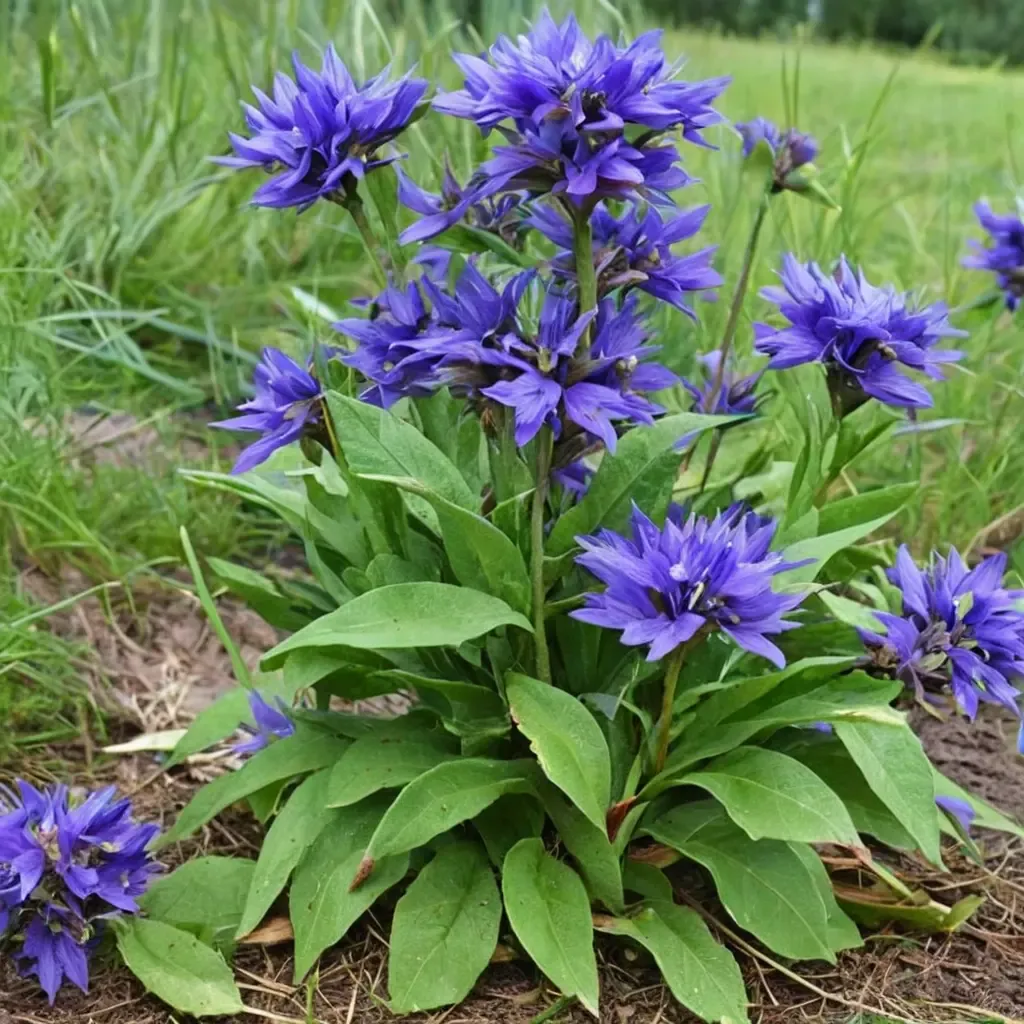
Clustered Bellflower
Campanula glomerata
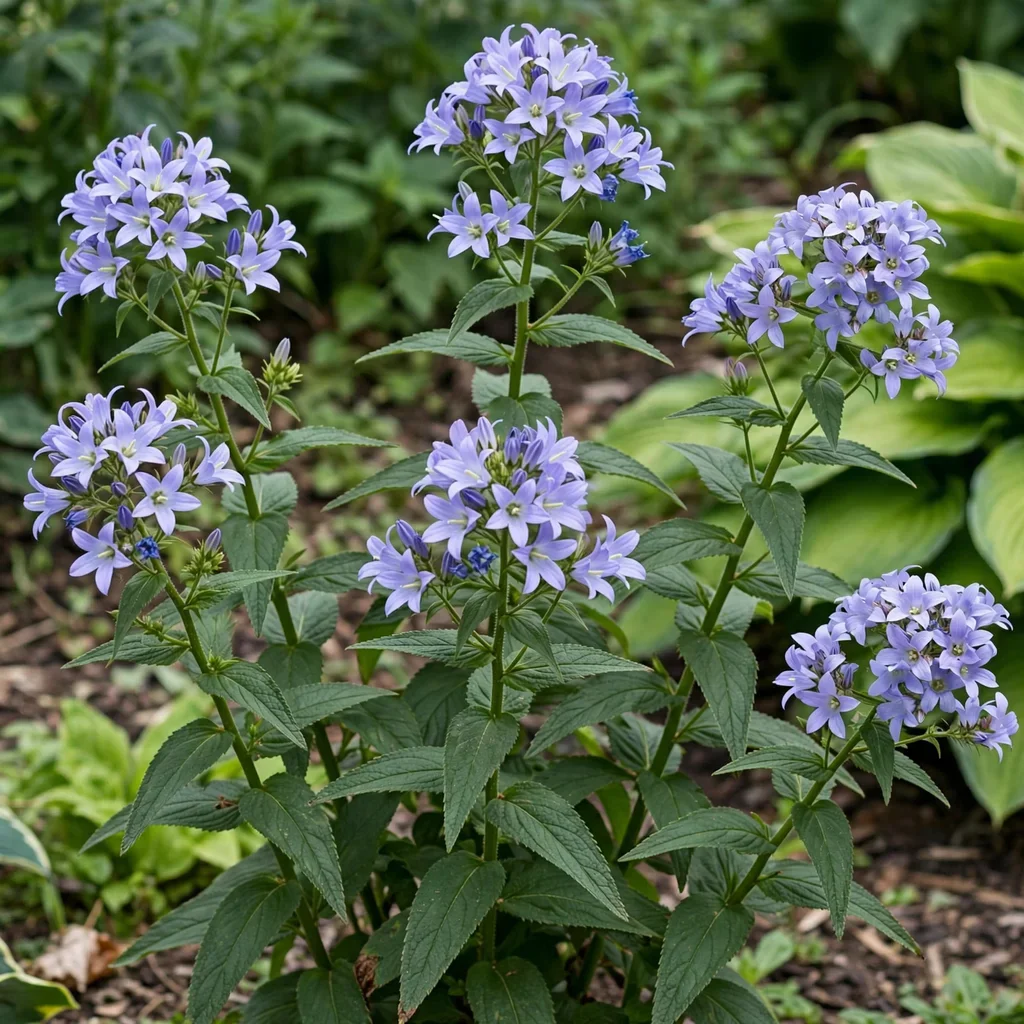
Prichard's Variety Milky Bellflower
Campanula lactiflora 'Prichard's Variety'
Keep exploring
Explore the genus
Hardy in your zone?
Grow Spotted bellflower with confidence
See it in a design of your actual yard, get zone-matched care reminders, and track it season by season in your garden journal.