The Story
Plant Bio
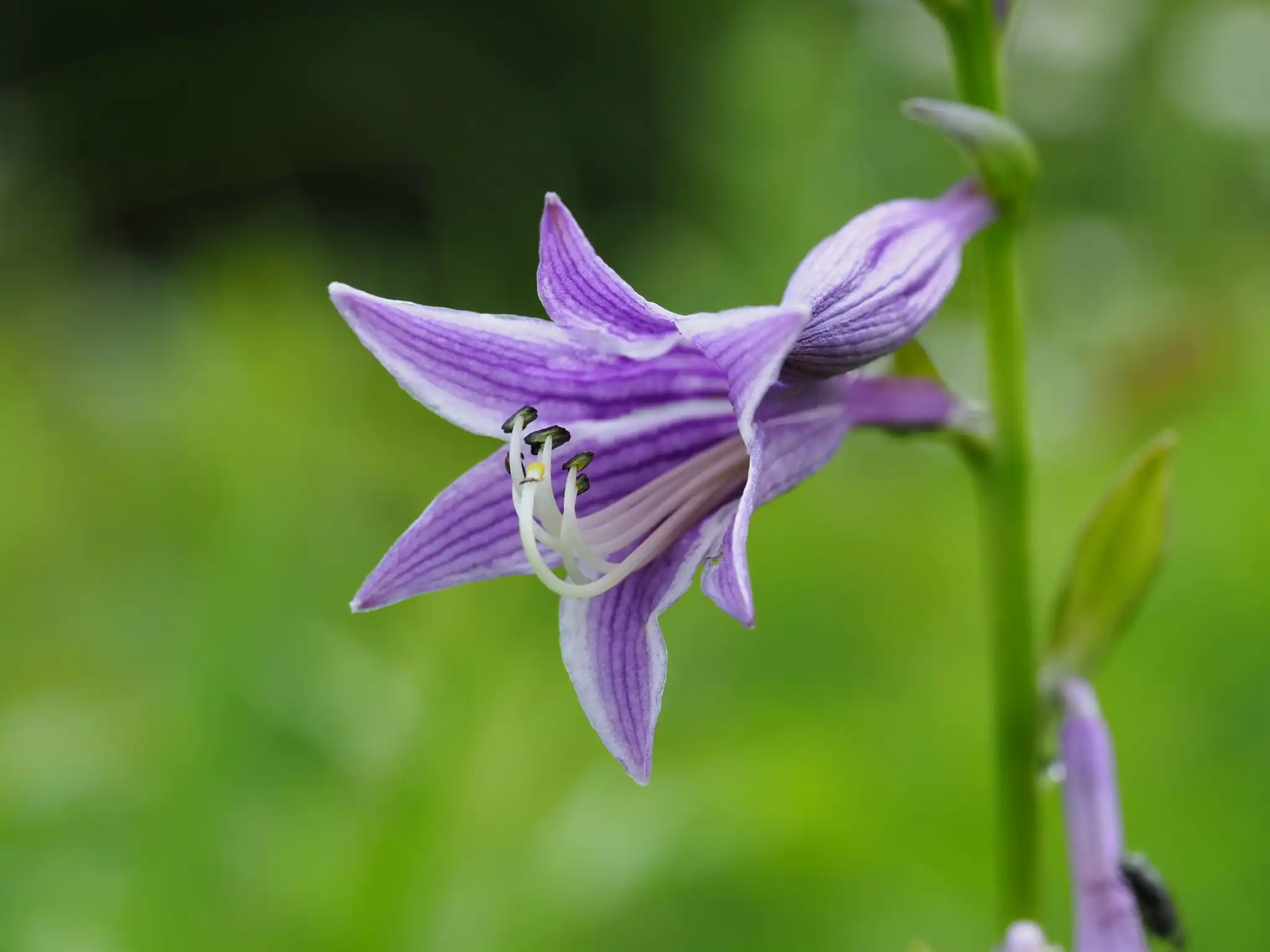
Hosta sieboldii is a clump-forming herbaceous perennial native to East Asia, characterized by its low, dense mound of narrowly ovate to lanceolate green foliage. In summer, upright scapes rise above the leaves to bear racemes of funnel-shaped, lavender, purple, or white flowers.
This species is distinguished by its narrow leaves that frequently feature a thin, distinct white margin. The plants spread slowly via short creeping rhizomes to form a tight, ground-covering foliage canopy.
Uses & Benefits:
Essentials
At a Glance
Plant Type
Perennial
Height
20"
Width
31"
Light
Partial Sun, Shade
Zones
4, 5, 6, 7, 8
Water
Medium
Humidity
Moderate to High
Lifespan
Perennial
Native To
Asia (Japan, Sakhalin, Kuril Islands)
Toxicity
Toxic to Pets
Bloom period
Summer – Fall
In flower about 6 months of the year
Planting
How to Grow
- Select a site in partial to full shade with moist, well-draining soil rich in organic matter.
- Dig a hole twice the width of the root ball and plant so the crown sits level with the soil surface.
- Apply a thick layer of organic mulch around the base to retain soil moisture and keep roots cool.
- Water deeply and regularly during the first growing season to establish a deep root system.
Pro Tip
Avoid planting in dry shade directly beneath mature trees where root competition and rain shadows stunt growth; instead, site in rich, moisture-retentive humus with reliable subterranean moisture.
Keep It Thriving
Care Guide
Do
- Keep the soil consistently moist, especially during dry summer spells.
- Apply a balanced, slow-release organic fertilizer or compost top-dressing in early spring.
- Protect foliage from hot afternoon sun to prevent leaf scorching.
- Water the soil base directly to keep the leaves dry and prevent foliar diseases.
Don't
- Do not plant in permanently waterlogged or soggy soil, which causes winter crown rot.
- Do not cut back green, living leaves during the active summer growing season.
- Do not divide the clumps constantly, as frequent disruption weakens the plant's vigor.
- Avoid high-nitrogen fertilizers that promote weak, floppy foliage growth.
Seasonal Care Calendar
| Task | Jan | Feb | Mar | Apr | May | Jun | Jul | Aug | Sep | Oct | Nov | Dec |
|---|---|---|---|---|---|---|---|---|---|---|---|---|
| Divide | ||||||||||||
| Fertilize | ||||||||||||
| Mulch | ||||||||||||
| Pest Check | ||||||||||||
| Spring Cleanup |
Watch Out For
Pests & Diseases
Common Pests
Common Diseases
In the Garden
Landscape Uses & Companions
Landscape Uses
Companion Plants
Multiply
Propagation Methods
Good to Know
Common Questions
Small-Leaved Plantain Lily questions
What zones can Small-Leaved Plantain Lily grow in?
Small-Leaved Plantain Lily is hardy in USDA Zones 4–8. Inside that range it survives winter in the ground; outside it, grow it as an annual or a container plant you protect.
Is Small-Leaved Plantain Lily deer resistant?
Not reliably. Deer may browse Small-Leaved Plantain Lily, especially tender spring growth — plan on repellents or fencing where pressure is high.
When does Small-Leaved Plantain Lily bloom?
Small-Leaved Plantain Lily typically blooms in summer through fall. Exact timing shifts a week or two with your zone — Sow's bloom calendar maps it to your garden.
Does Small-Leaved Plantain Lily need full sun?
Small-Leaved Plantain Lily does best in part shade.
More Hosta to compare
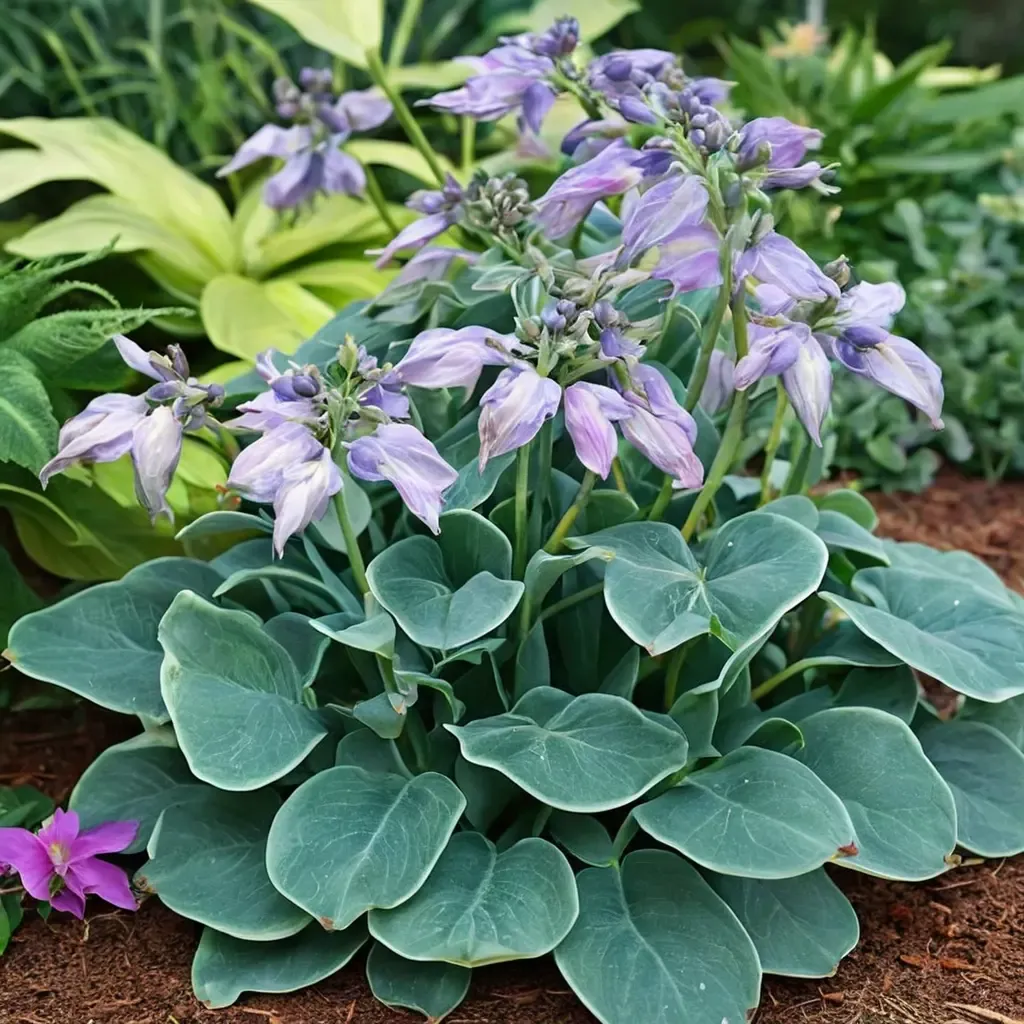
Blue Mouse Ears Hosta
Hosta x hybrida 'Blue Mouse Ears'
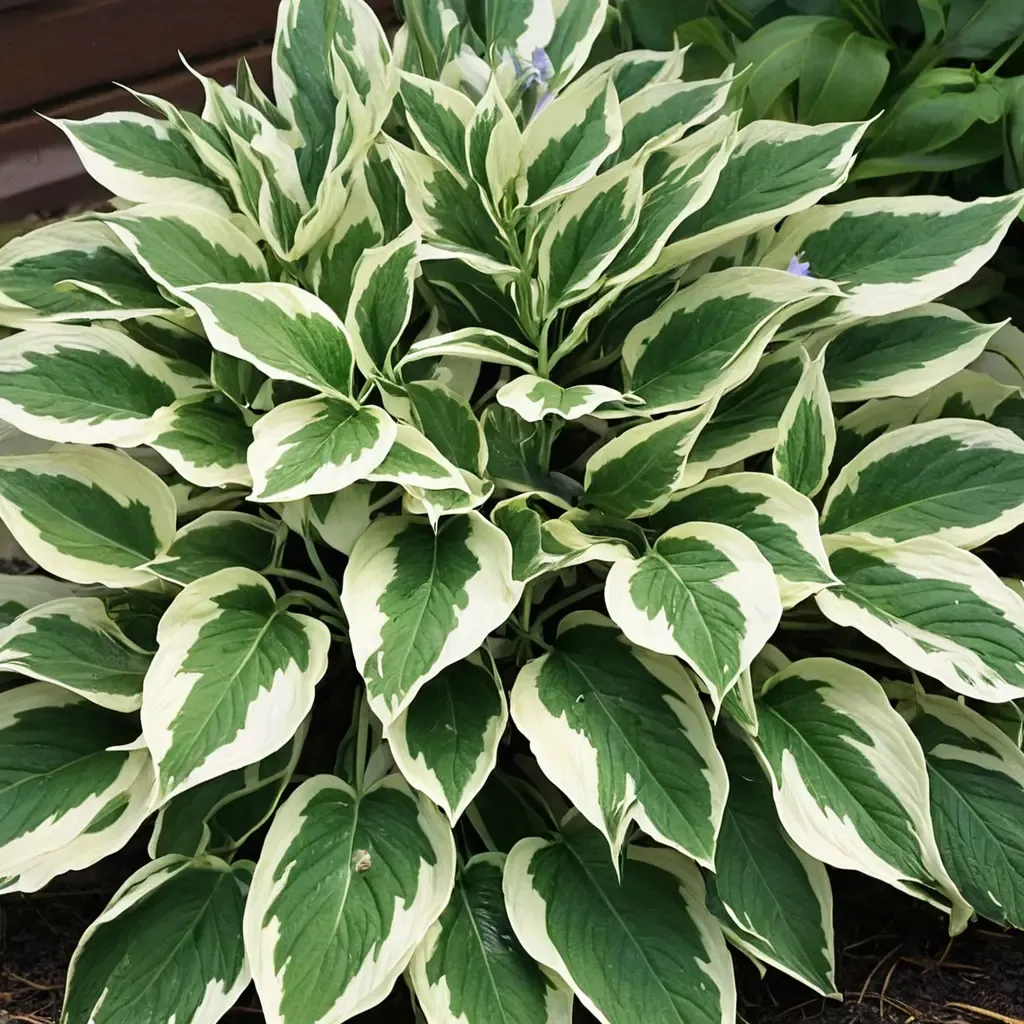
Patriot Hosta
Hosta x hybrida 'Patriot'
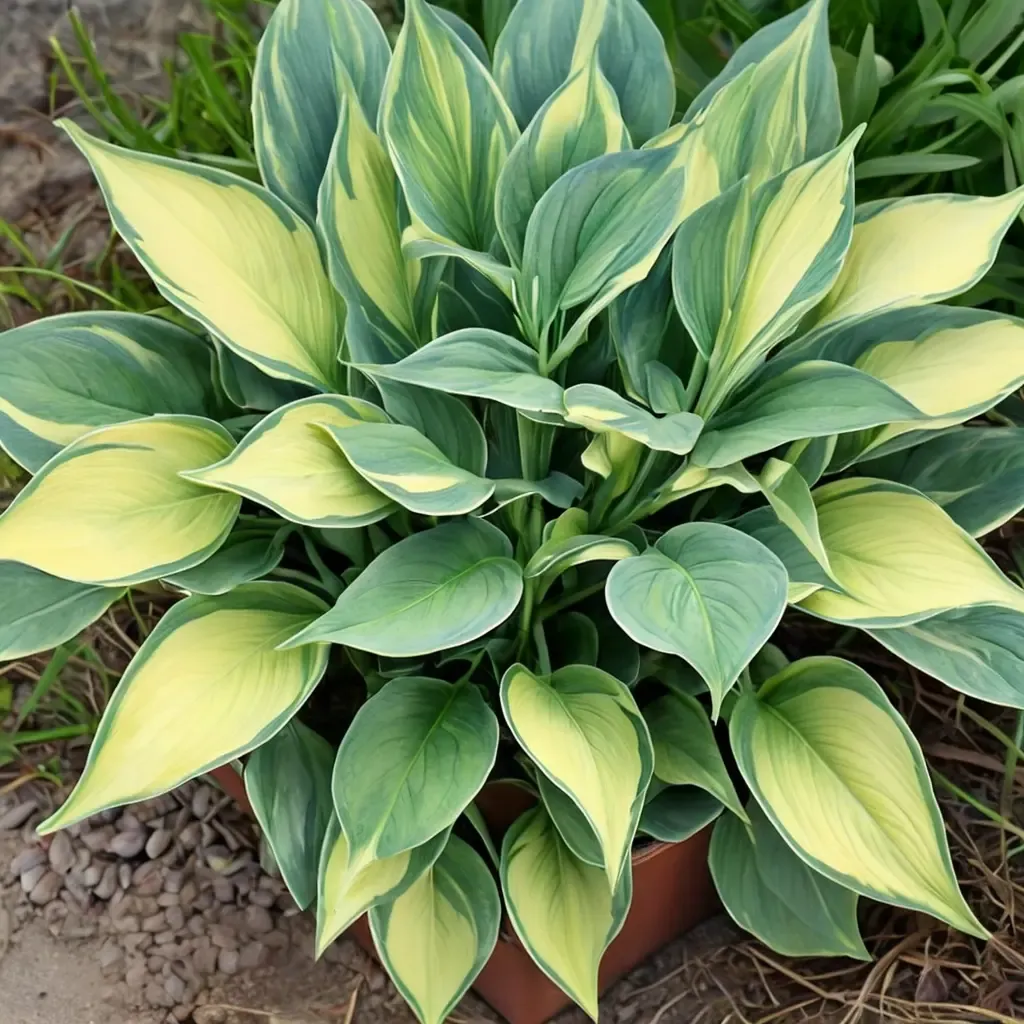
June Hosta
Hosta fortunei 'June'
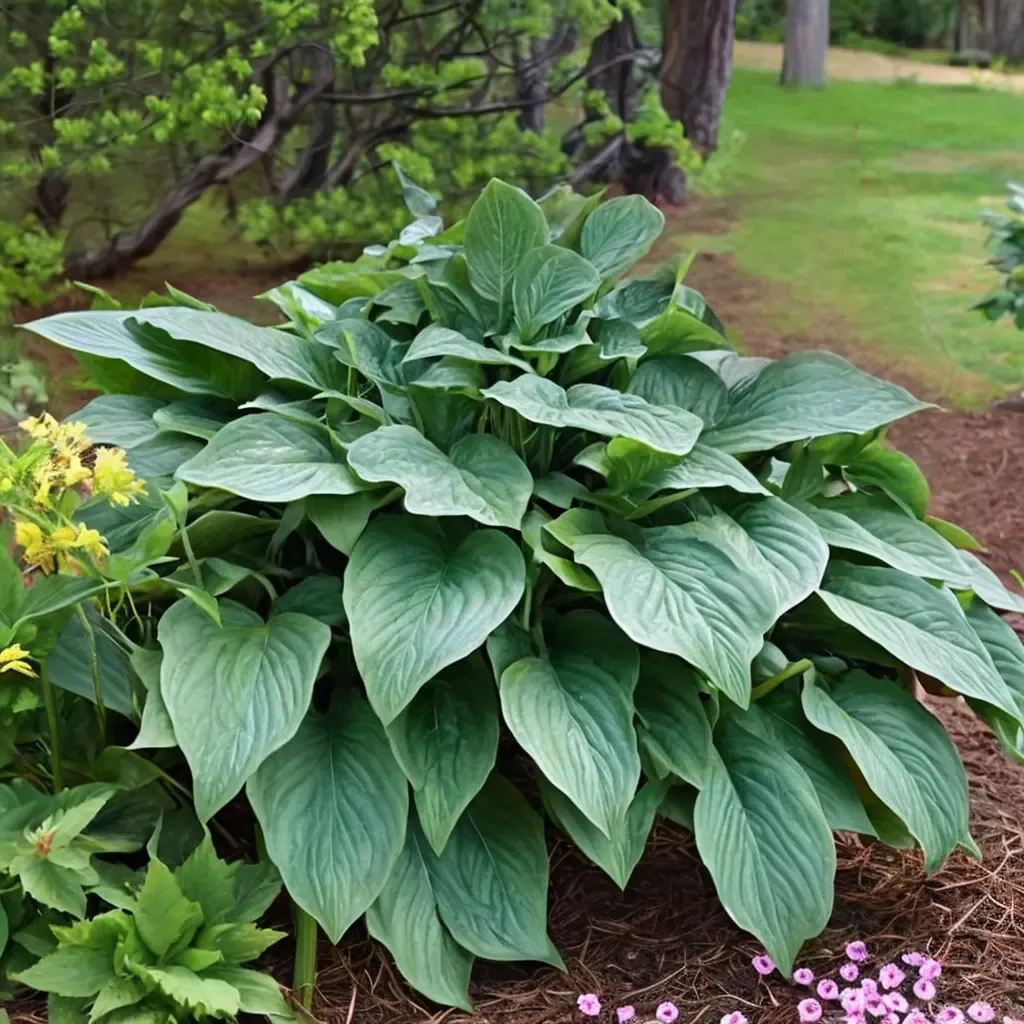
Empress Wu Hosta
Hosta plantaginea 'Empress Wu'
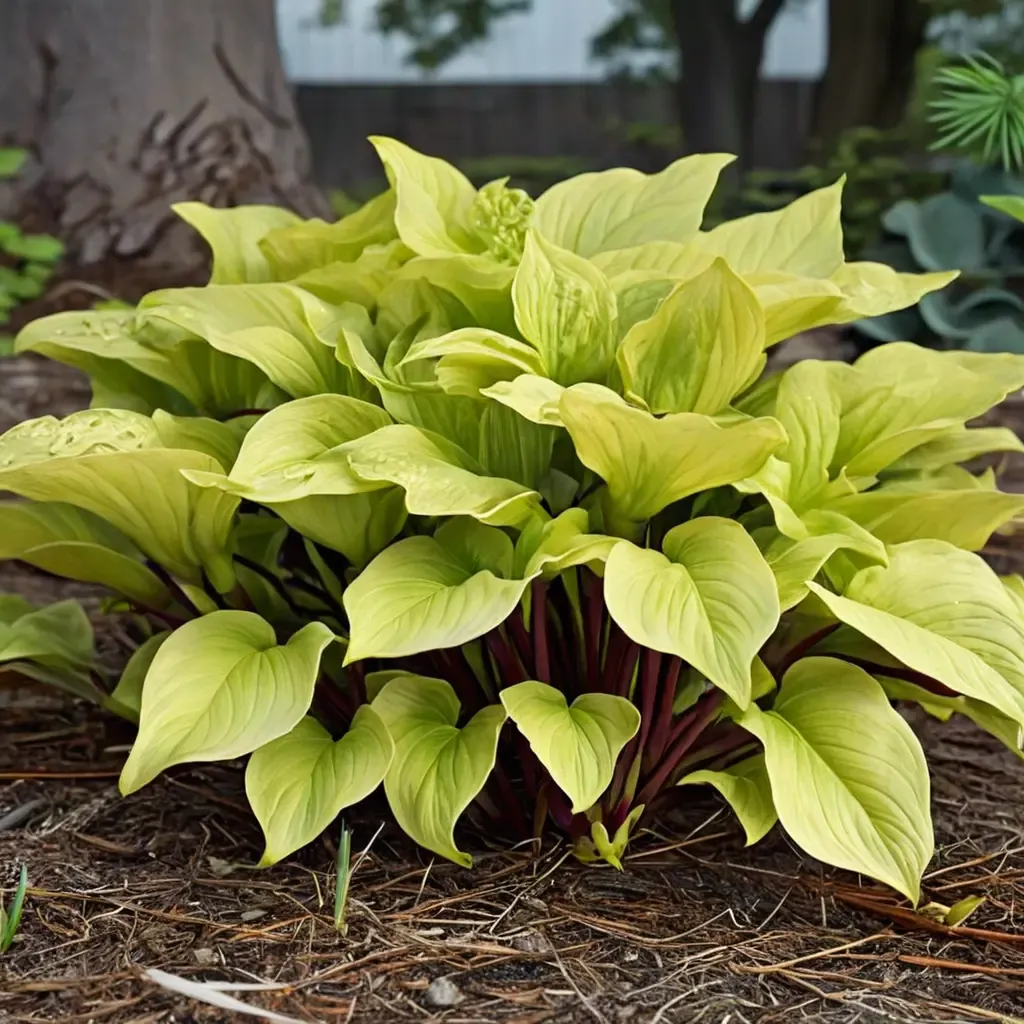
Fire Island Hosta
Hosta fortunei 'Fire Island'
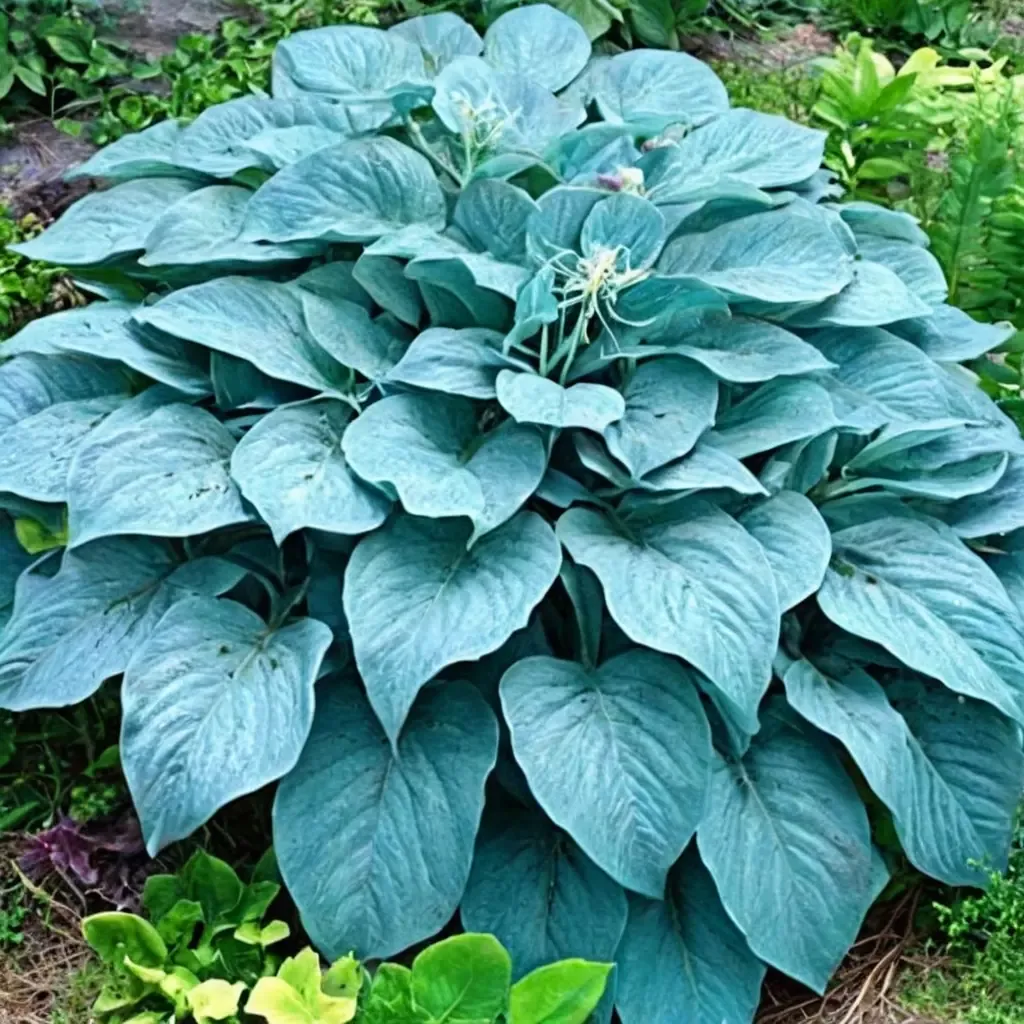
Blue Angel Hosta
Hosta plantaginea 'Blue Angel'
Keep exploring
Explore the genus
Hardy in your zone?
Grow Small-Leaved Plantain Lily with confidence
See it in a design of your actual yard, get zone-matched care reminders, and track it season by season in your garden journal.