The Story
Plant Bio
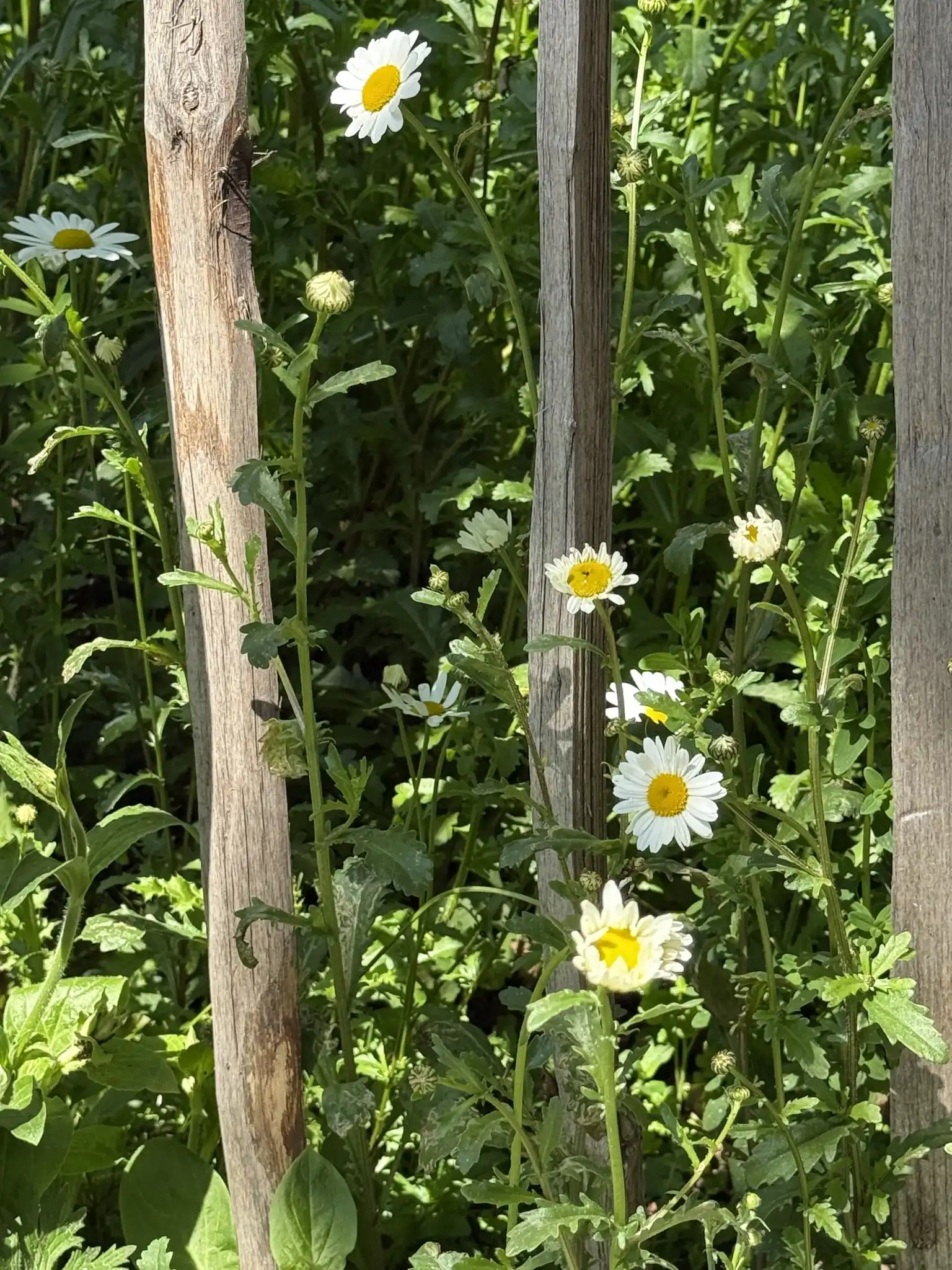
Leucanthemum ircutianum, commonly known as the oxeye daisy, is an erect, rhizomatous herbaceous perennial native to Eurasia that forms loose to dense clumps of dark green foliage. The plants produce stout, sparsely branched stems topped with solitary flower heads featuring a bright yellow central disc surrounded by twenty to thirty-five white ray florets.
This species is frequently confused with the closely related Leucanthemum vulgare or garden Shasta daisies, but is distinguished by its broader, spatulate basal leaves and specific chromosome count. New growth emerges in spring as fresh green basal rosettes before sending up flowering stems.
Uses & Benefits:
Essentials
At a Glance
Plant Type
Perennial
Height
35"
Width
20"
Light
Full Sun, Partial Sun
Zones
4, 5, 6, 7, 8
Water
Moderate
Humidity
Moderate
Lifespan
Perennial
Native To
Eurasia
Toxicity
Low toxicity to pets and livestock; can cause skin irritation
Bloom period
Spring – Summer
In flower about 6 months of the year
Planting
How to Grow
- Select a planting site in full sun to very light partial shade with average, well-drained soil.
- Dig a hole twice the width of the root ball and set the plant at the same depth it was in the container.
- Water thoroughly at planting to settle the soil around the roots, then water moderately until established.
- Space plants twelve to twenty inches apart to allow adequate air circulation and prevent fungal diseases.
Pro Tip
Ensure the soil has excellent winter drainage; planting this species in heavy, waterlogged winter soils causes root rot and plant failure.
Keep It Thriving
Care Guide
Do
- Deadhead spent flower heads regularly throughout the spring and summer to prolong the blooming period.
- Divide established clumps every two to three years in early spring to maintain plant vigor.
- Cut stems back to the basal foliage in late fall to tidy the garden and prepare for winter.
Don't
- Do not over-fertilize, as heavy feeding leads to weak, floppy stems and poor flower display.
- Do not plant in low-lying areas or heavy soils where water collects and stagnates during winter.
- Do not shear plants back into old wood; stick to dividing or cutting back to basal rosettes.
Seasonal Care Calendar
| Task | Jan | Feb | Mar | Apr | May | Jun | Jul | Aug | Sep | Oct | Nov | Dec |
|---|---|---|---|---|---|---|---|---|---|---|---|---|
| Deadhead | ||||||||||||
| Divide | ||||||||||||
| Fertilize | ||||||||||||
| Pest Check | ||||||||||||
| Prune |
Watch Out For
Pests & Diseases
Common Pests
Common Diseases
In the Garden
Landscape Uses & Companions
Landscape Uses
Companion Plants
Multiply
Propagation Methods
Good to Know
Common Questions
Oxeye Daisy questions
What zones can Oxeye Daisy grow in?
Oxeye Daisy is hardy in USDA Zones 4–8. Inside that range it survives winter in the ground; outside it, grow it as an annual or a container plant you protect.
Is Oxeye Daisy deer resistant?
Yes — Oxeye Daisy is rated deer-resistant. Deer typically pass it over, though extreme hunger can override any plant's defenses.
When does Oxeye Daisy bloom?
Oxeye Daisy typically blooms in spring through summer. Exact timing shifts a week or two with your zone — Sow's bloom calendar maps it to your garden.
Does Oxeye Daisy need full sun?
Oxeye Daisy does best in full sun to part shade. In hot climates, afternoon shade keeps blooms fresher longer.
Is Oxeye Daisy drought tolerant?
Yes — once established (usually after the first full season), Oxeye Daisy handles dry spells with minimal watering. Water deeply its first year to build the root system that makes that possible.
More Leucanthemum to compare
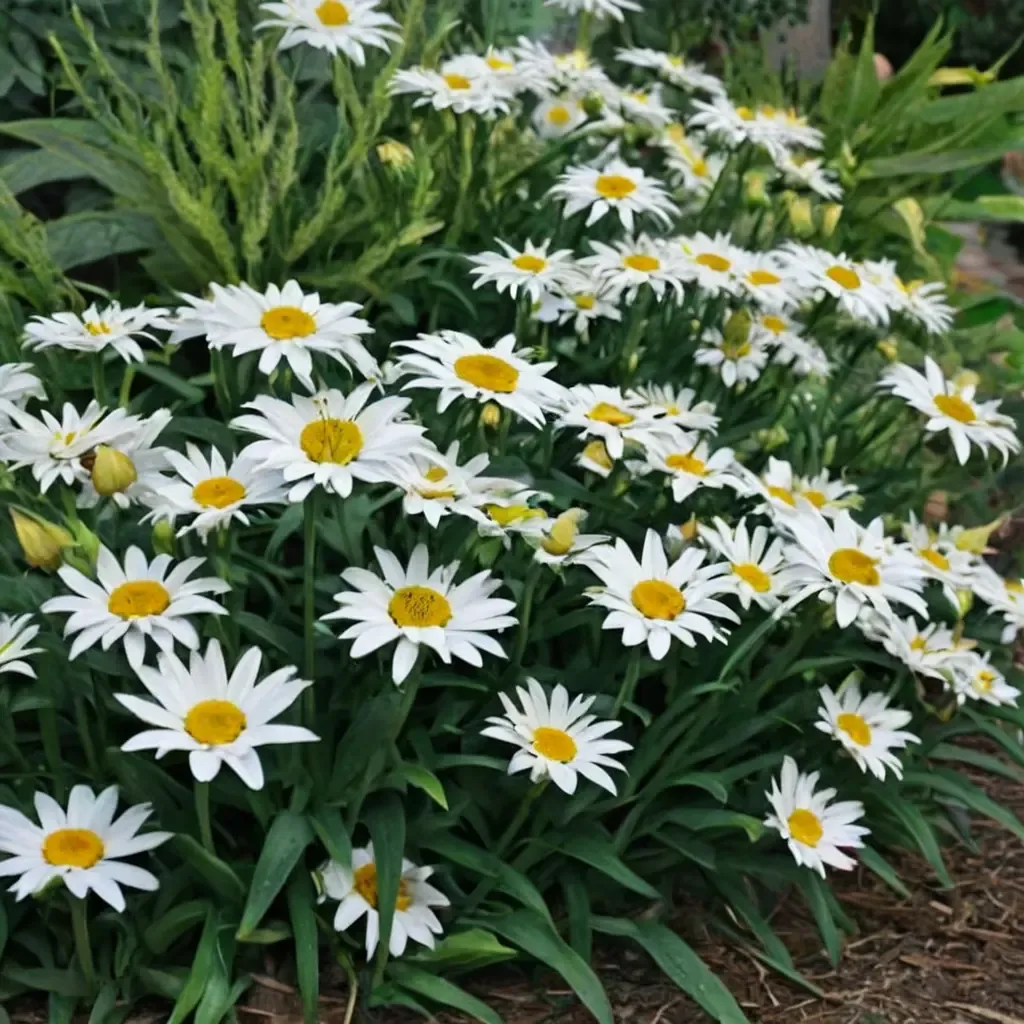
Snowcap Shasta Daisy
Leucanthemum x superbum 'Snowcap'
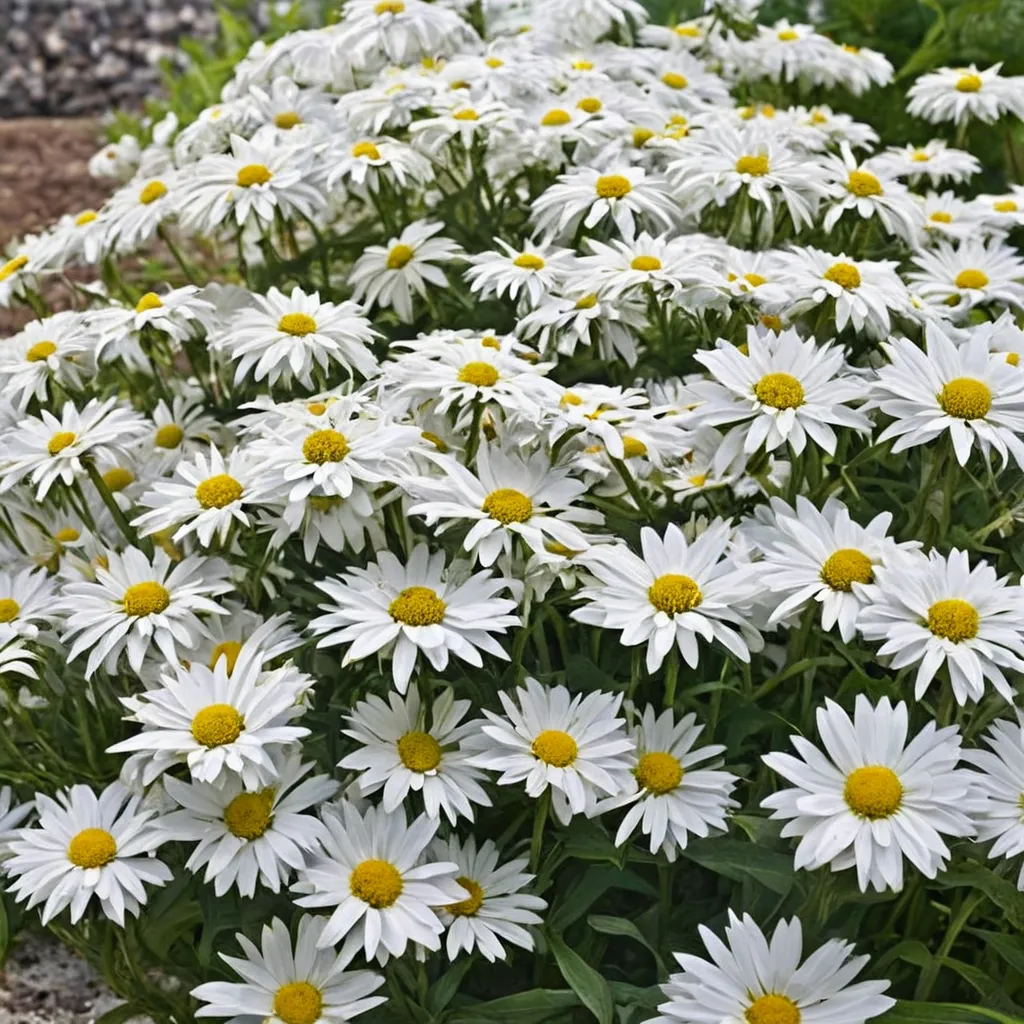
Shasta Daisy Daisy May
Leucanthemum x superbum 'Daisy May'
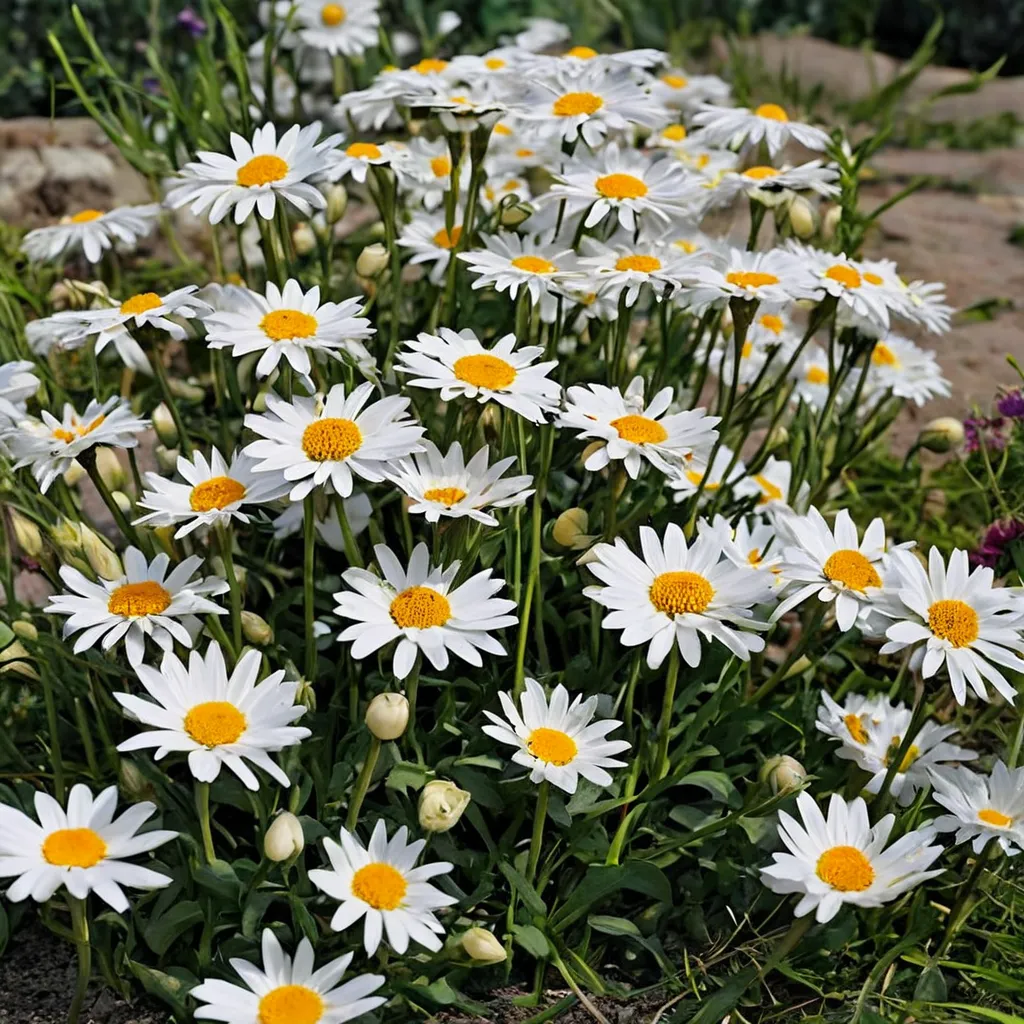
Becky Shasta Daisy
Leucanthemum x superbum 'Becky'
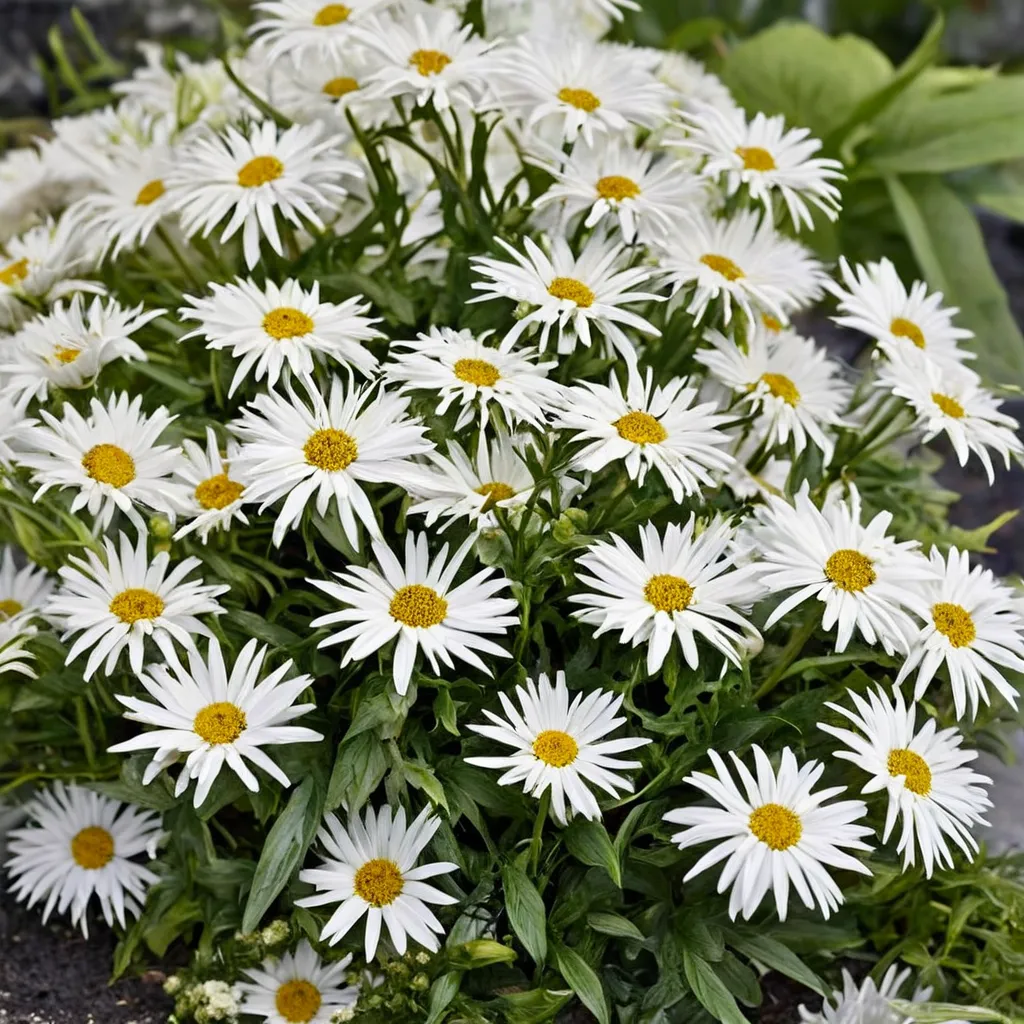
Spun Silk Shasta Daisy
Leucanthemum x superbum 'Spun Silk'
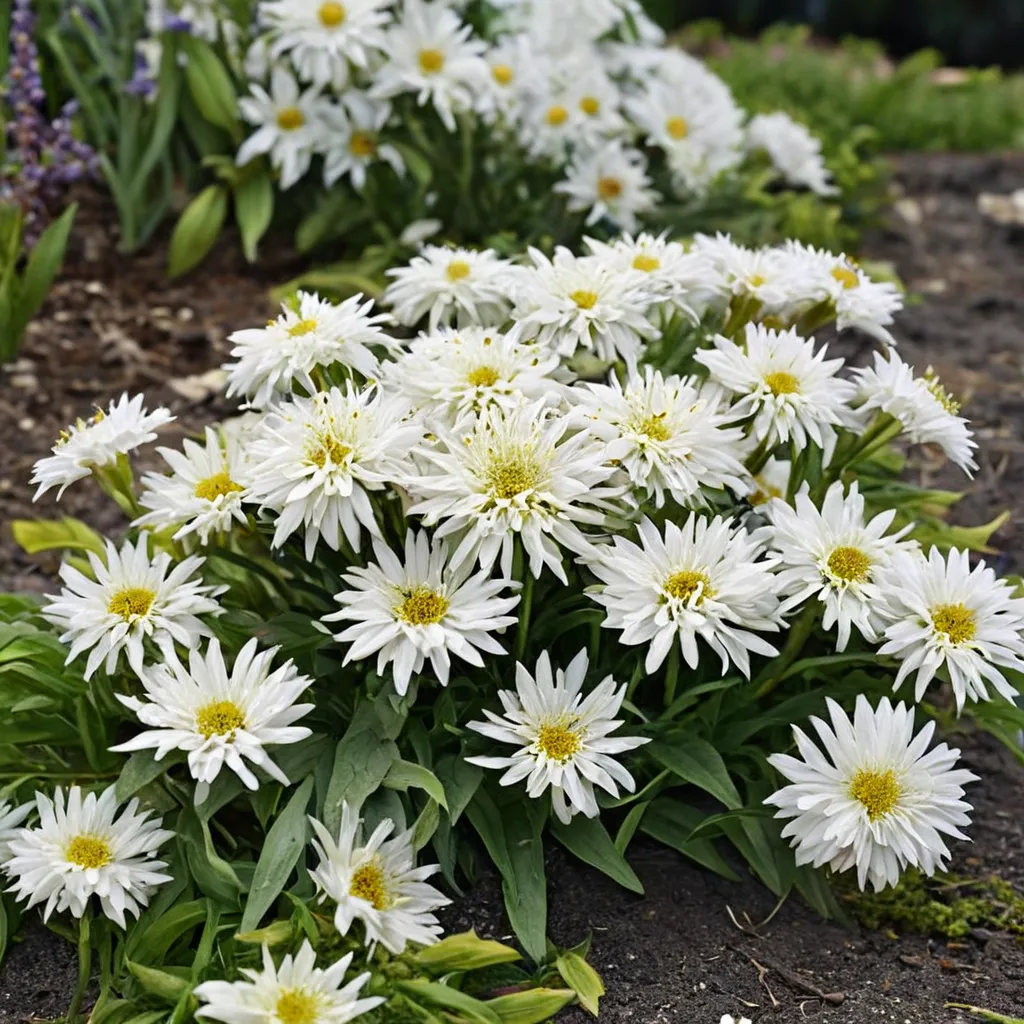
Shasta Daisy 'Marshmallow'
Leucanthemum x superbum 'Marshmallow'
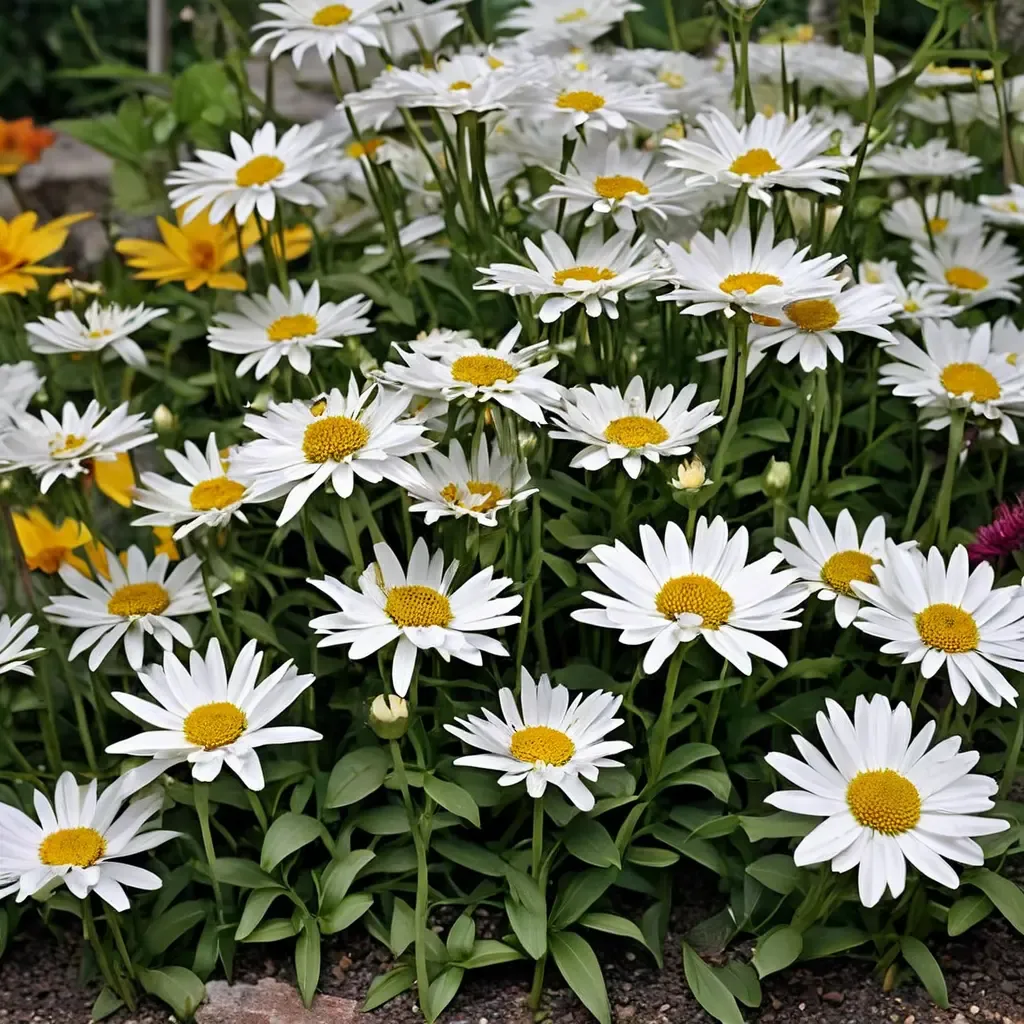
Shasta Daisy
Leucanthemum x superbum
Keep exploring
Explore the genus
Hardy in your zone?
Grow Oxeye Daisy with confidence
See it in a design of your actual yard, get zone-matched care reminders, and track it season by season in your garden journal.