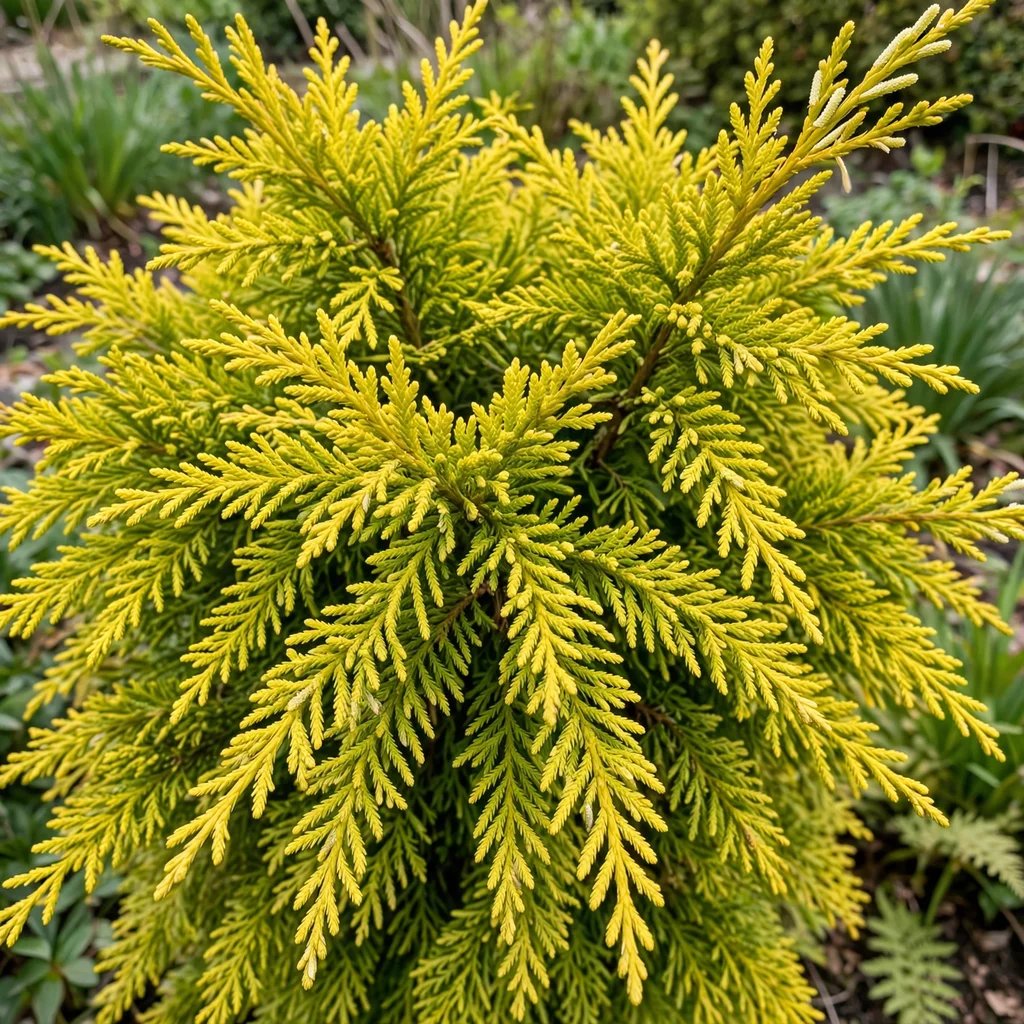
Species
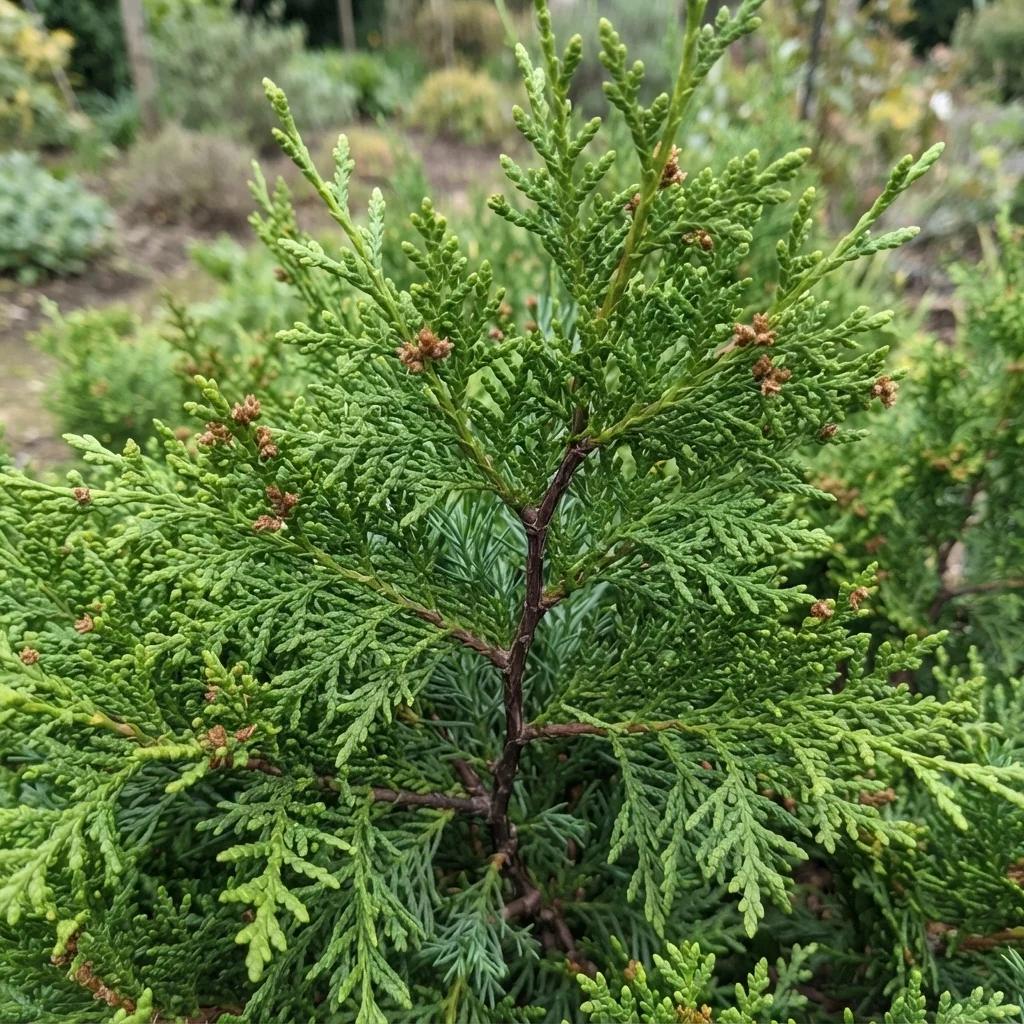 Cupressus macrocarpaMonterey Cypress
1 other cultivar
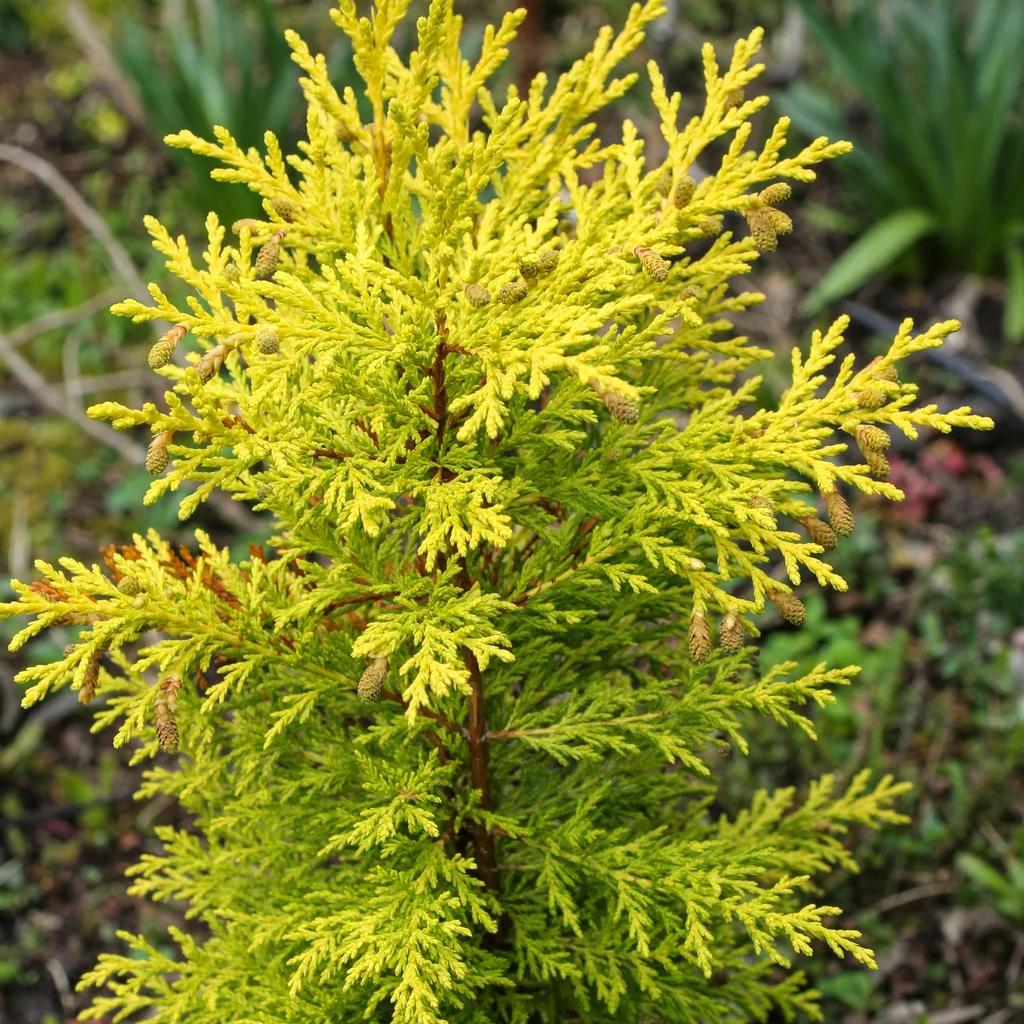
The Story
Plant Bio
Hesperocyparis macrocarpa, historically classified as Cupressus macrocarpa, is a coniferous evergreen tree native to a highly restricted coastal strip of central California. In its wild form, it develops a broad, wind-sculpted canopy that tolerates harsh salt spray and sandy soils.
'Lemon Scent' is a compact, columnar selection distinguished by its tight, fastigiate growth habit and bright chartreuse foliage. The scale-like needles retain their vibrant golden-yellow coloration throughout the year and emit a strong citrus fragrance when crushed.
Uses & Benefits:
Essentials
At a Glance
Plant Type
Tree
Height
180"
Width
71"
Light
Full Sun, Partial Sun
Zones
7, 8, 9, 10
Water
Moderate
Humidity
Moderate
Lifespan
Multi-decade
Native To
North America (California)
Toxicity
Mild skin irritant
Bloom period
Spring
In flower about 3 months of the year
Planting
How to Grow
- Select a planting site with full sun and exceptionally sharp drainage, avoiding low-lying areas where water collects.
- Dig a planting hole twice as wide as the root ball but equal in depth, keeping the soil flare level with the ground surface.
- Backfill with native soil without adding organic amendments, pressing firmly to eliminate air pockets.
- Water deeply at the base immediately after planting, then maintain regular moisture until the root system is fully established.
Pro Tip
Shear only the soft, green outer foliage to maintain the columnar form; cutting back into the bare, brown interior wood permanently halts new growth on that branch.
Keep It Thriving
Care Guide
Do
- Plant in sharply drained soil to prevent root rot.
- Provide afternoon shade in extremely hot inland climates to protect the golden foliage.
- Shear lightly in spring to maintain the dense columnar shape.
Don't
- Do not prune back into old, bare wood, as conifers cannot regenerate from leafless branches.
- Do not overwater or allow the roots to sit in waterlogged soil.
- Do not keep indoor potted specimens in stagnant, low-humidity rooms.
Seasonal Care Calendar
| Task | Jan | Feb | Mar | Apr | May | Jun | Jul | Aug | Sep | Oct | Nov | Dec |
|---|---|---|---|---|---|---|---|---|---|---|---|---|
| Fertilize | ||||||||||||
| Pest Check | ||||||||||||
| Propagate | ||||||||||||
| Prune |
Watch Out For
Pests & Diseases
Common Pests
Common Diseases
In the Garden
Landscape Uses & Companions
Landscape Uses
Companion Plants
Multiply
Propagation Methods
Good to Know
Common Questions
Lemon Cypress questions
What zones can Lemon Cypress grow in?
Lemon Cypress is hardy in USDA Zones 7–10. Inside that range it survives winter in the ground; outside it, grow it as an annual or a container plant you protect.
When does Lemon Cypress bloom?
Lemon Cypress typically blooms in spring through spring. Exact timing shifts a week or two with your zone — Sow's bloom calendar maps it to your garden.
Does Lemon Cypress need full sun?
Lemon Cypress does best in full sun to part shade. In hot climates, afternoon shade keeps blooms fresher longer.
Is Lemon Cypress drought tolerant?
Yes — once established (usually after the first full season), Lemon Cypress handles dry spells with minimal watering. Water deeply its first year to build the root system that makes that possible.
More Cupressus to compare
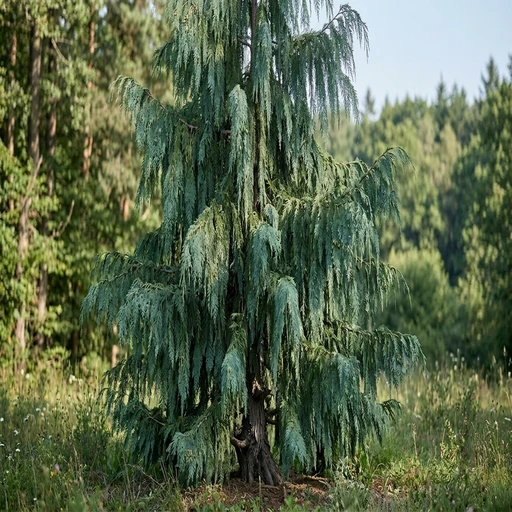
Weeping Blue Nootka Cypress
Cupressus nootkatensis 'Glauca Pendula'
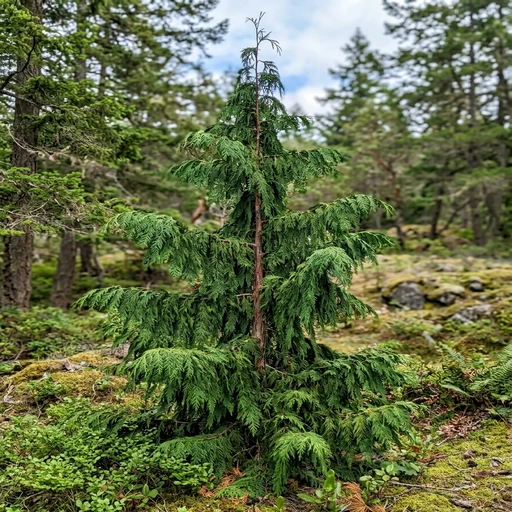
Weeping Nootka Cypress
Cupressus nootkatensis 'Pendula'
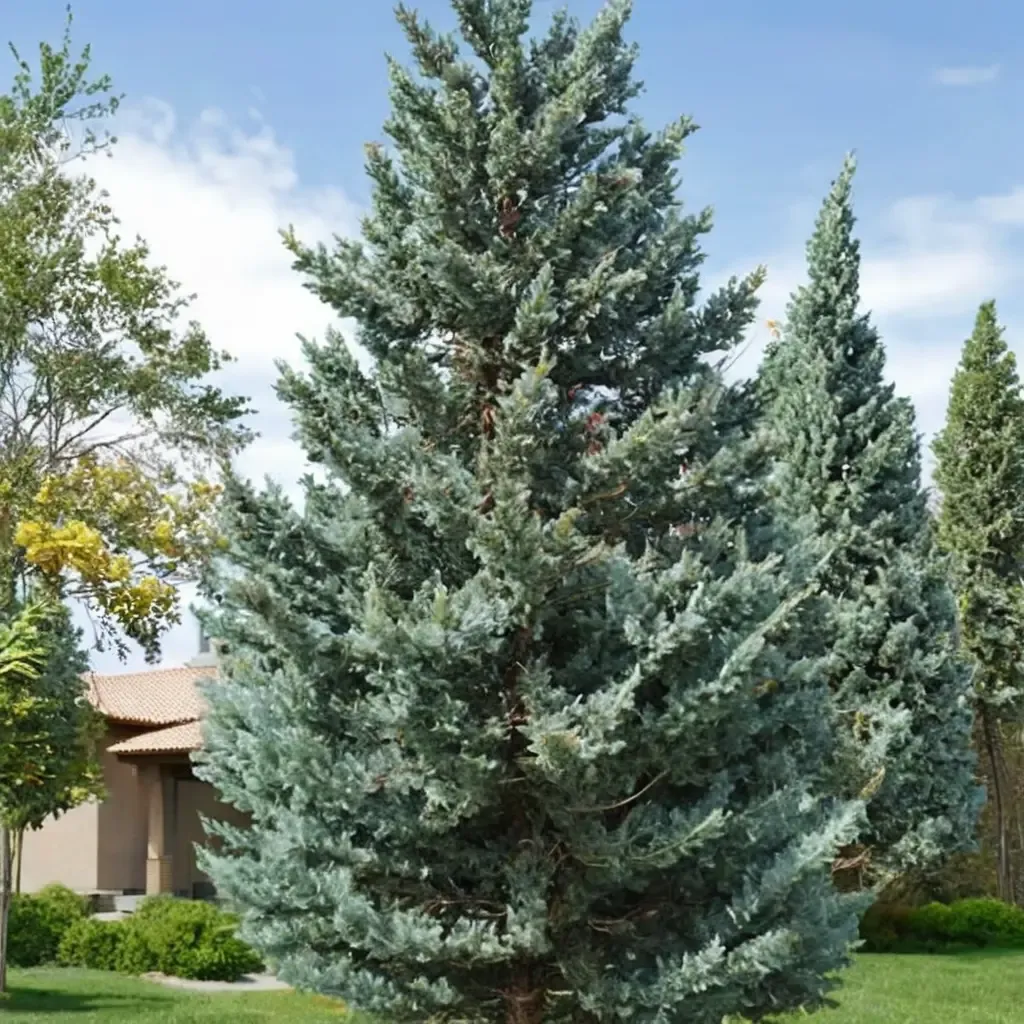
Arizona Cypress
Cupressus arizonica
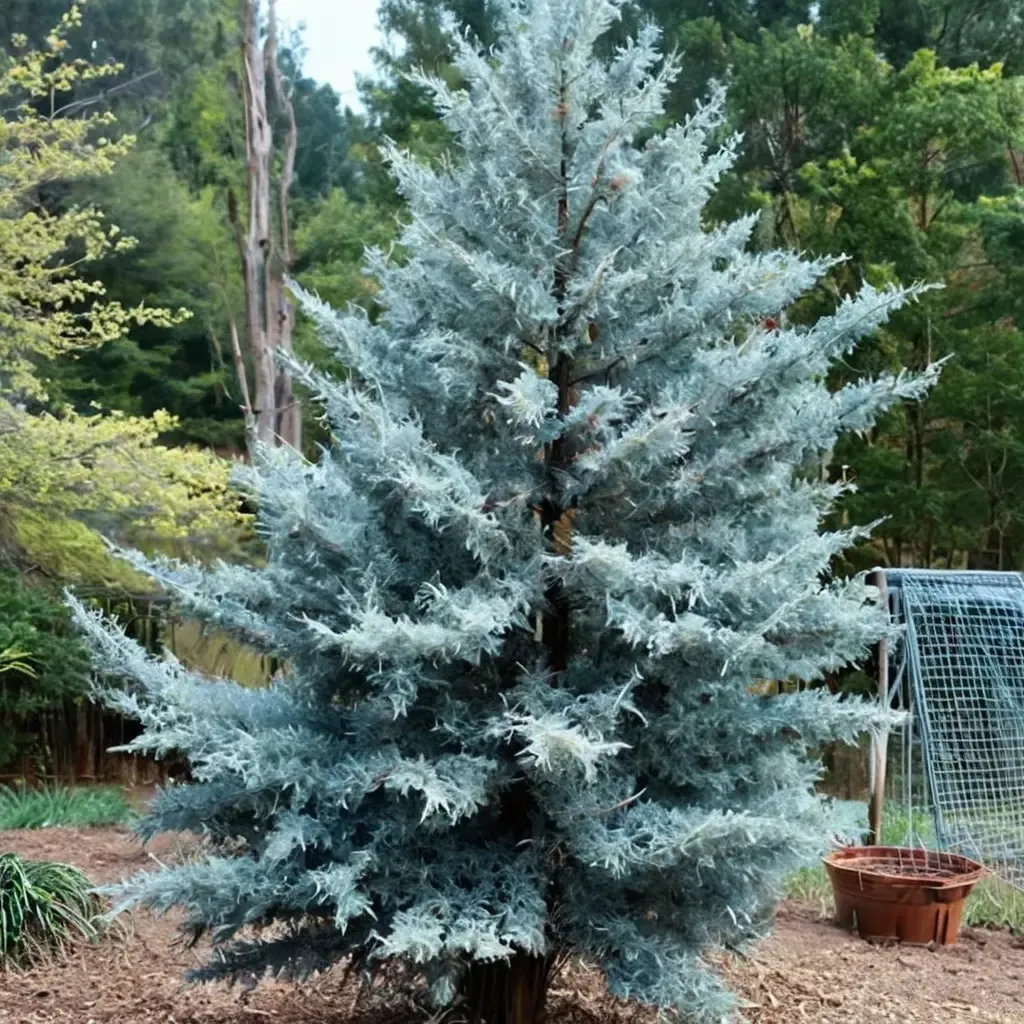
Blue Ice Arizona Cypress
Cupressus arizonica 'Blue Ice'
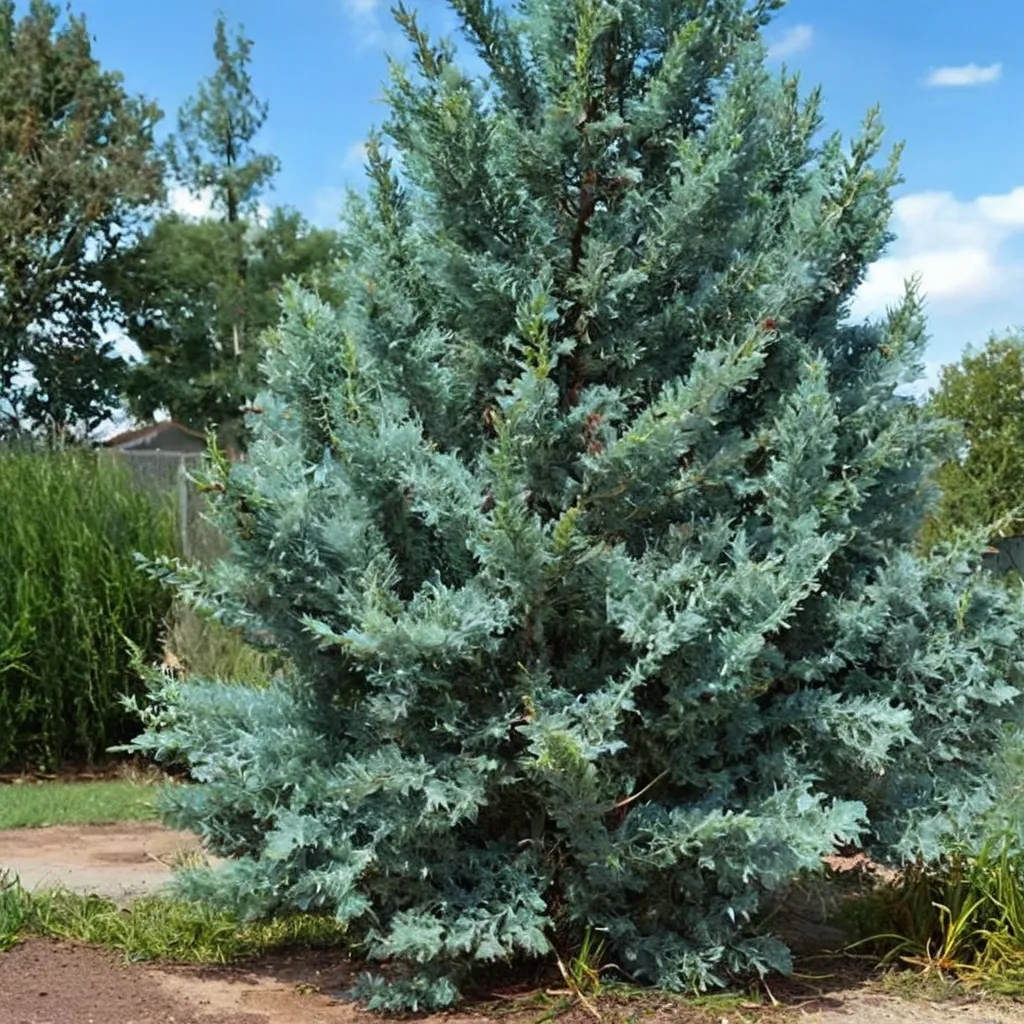
Arizona Cypress Carolina Sapphire
Cupressus arizonica 'Carolina Sapphire'
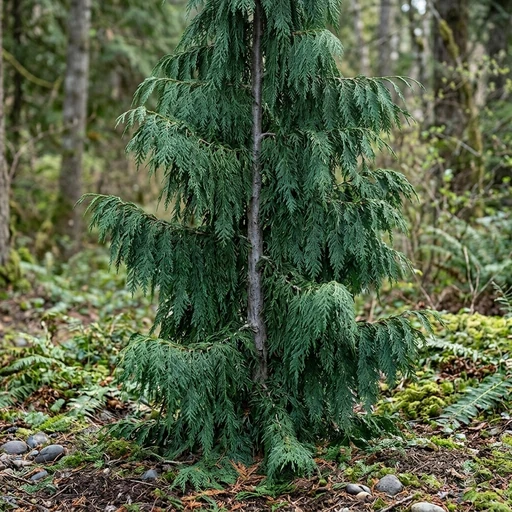
Green Arrow Nootka Cypress
Cupressus nootkatensis 'Green Arrow'
Keep exploring
Explore the genus
Hardy in your zone?
Grow Lemon Cypress with confidence
See it in a design of your actual yard, get zone-matched care reminders, and track it season by season in your garden journal.