Also known as Cypress · 210 saves
Cupressus
Cupressus, the genus most gardeners know as cypress. We track 12 varieties; the ones most used by real gardeners.
The 11 most-saved Cupressus varieties
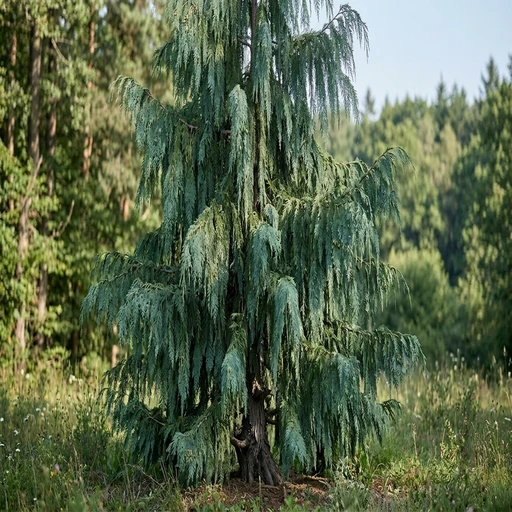
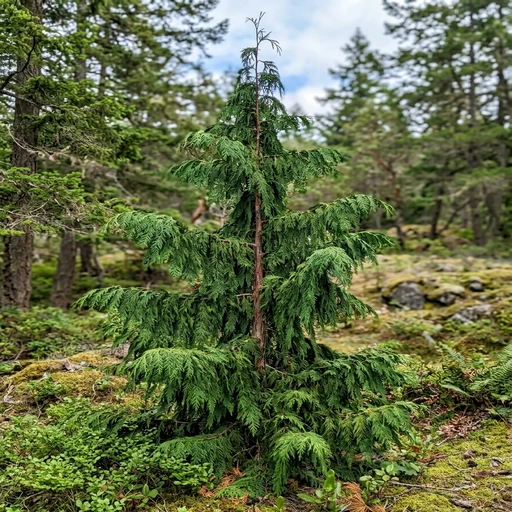
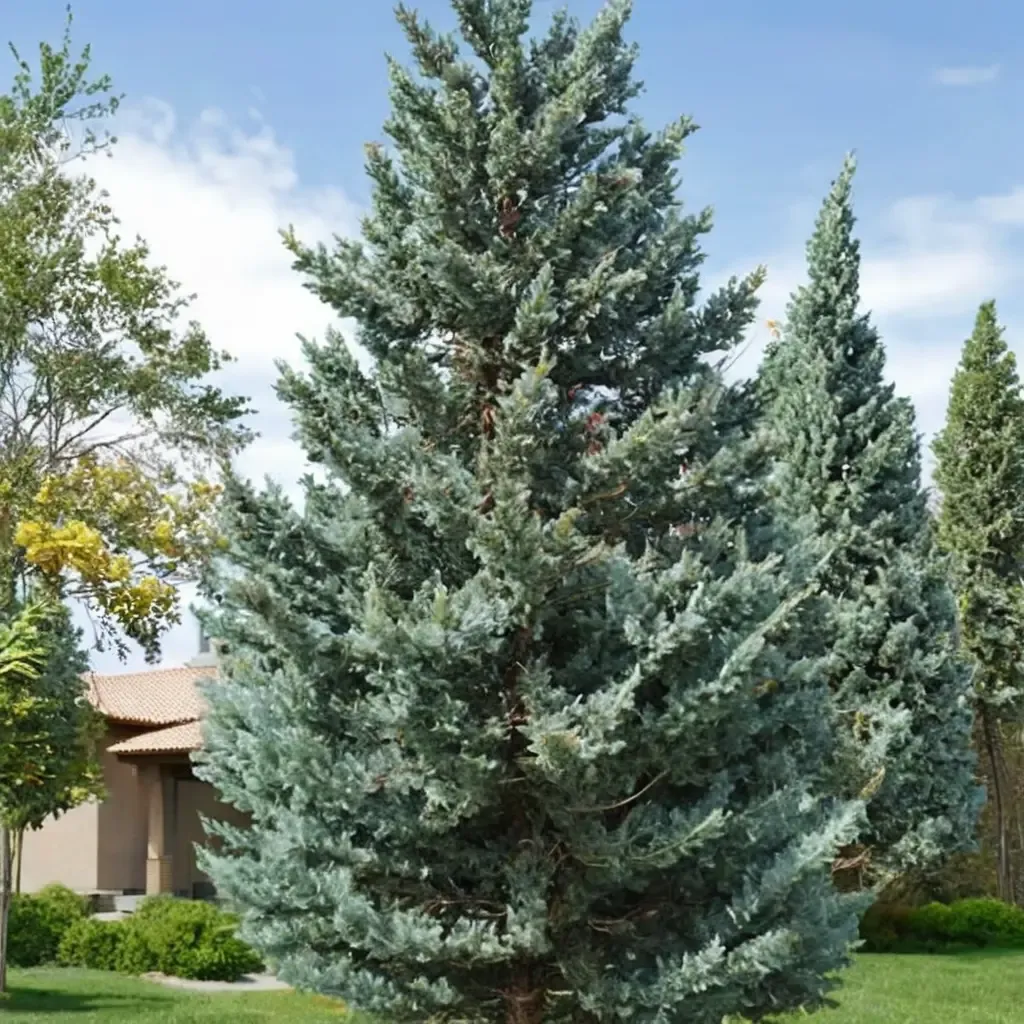
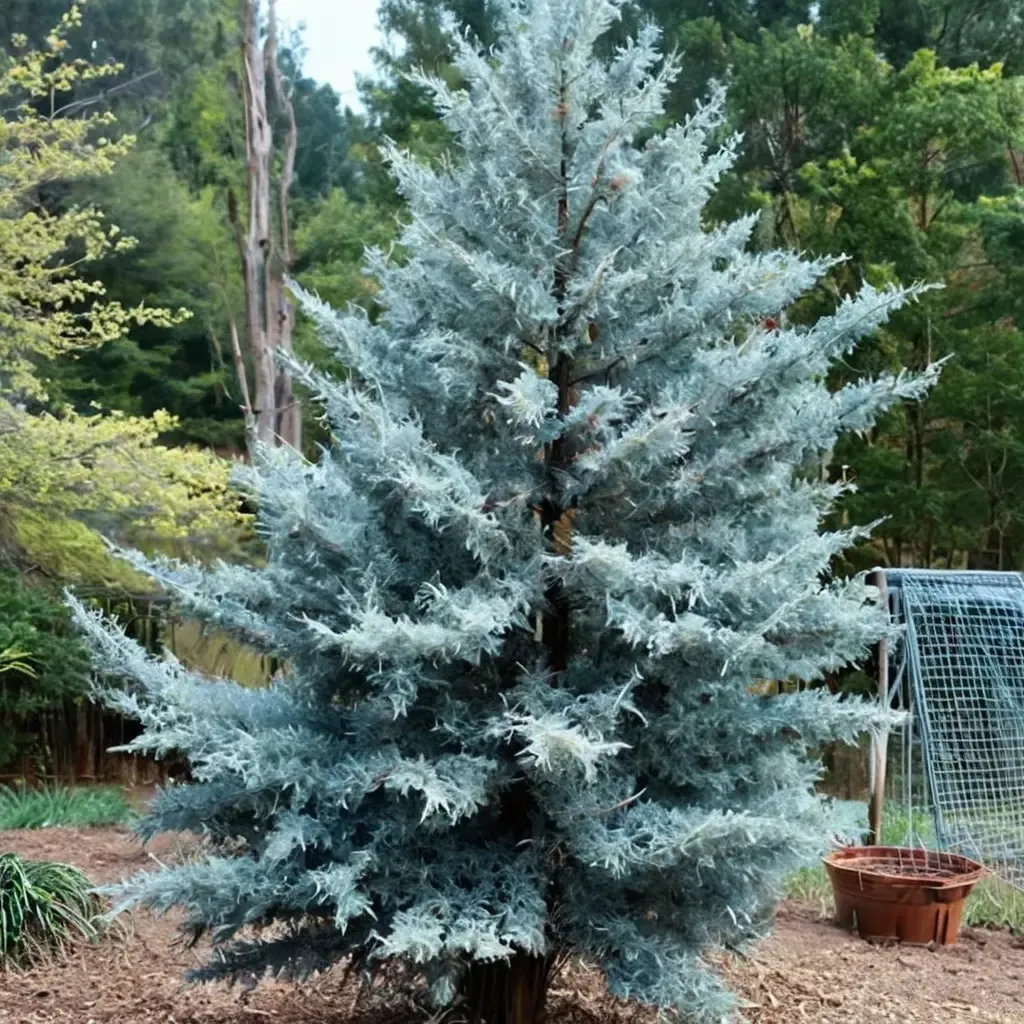
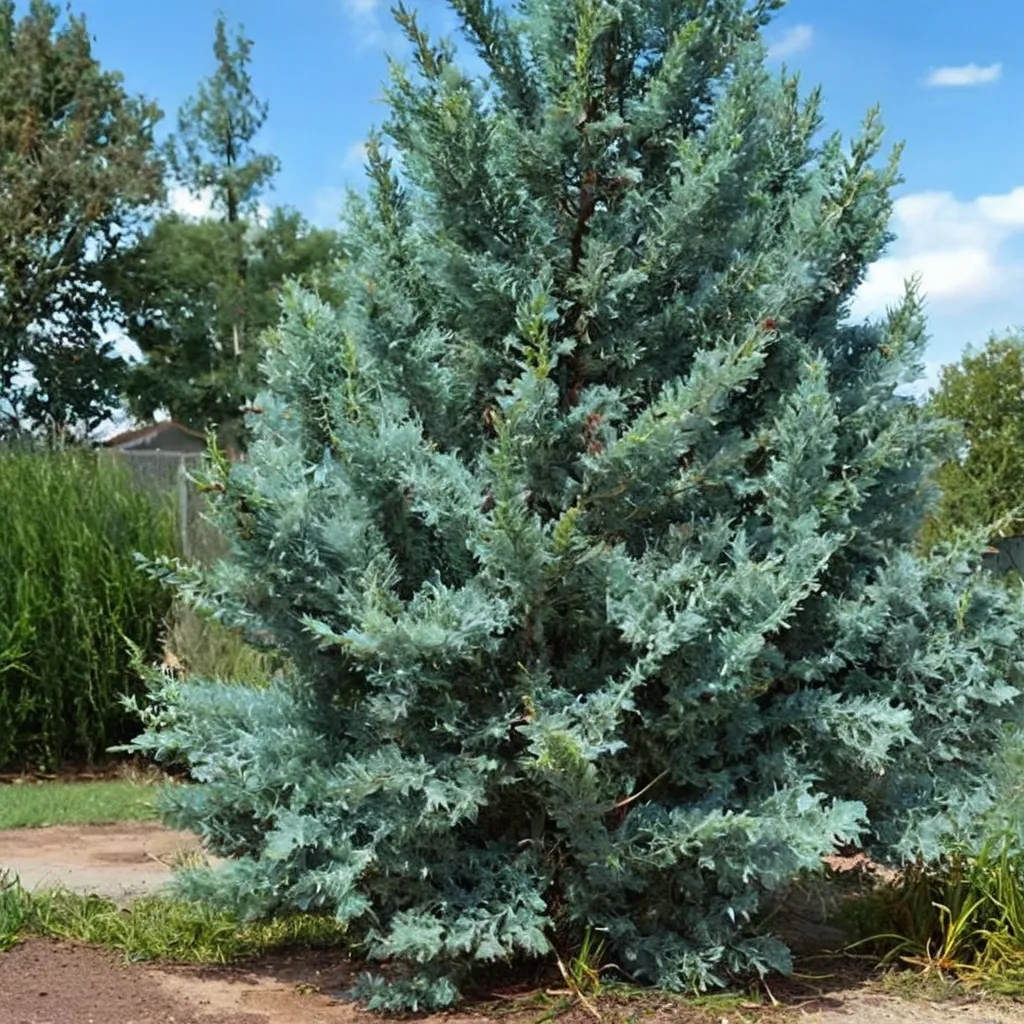
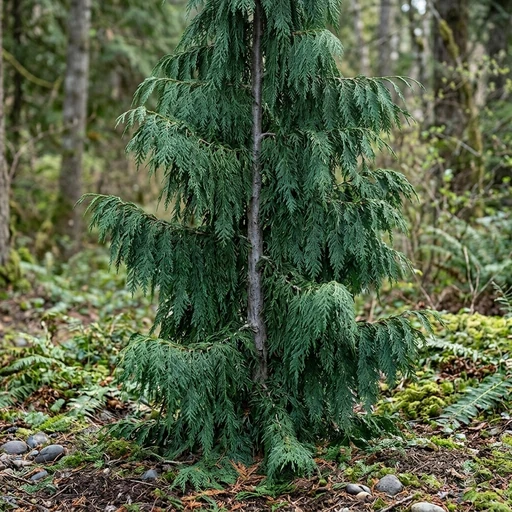
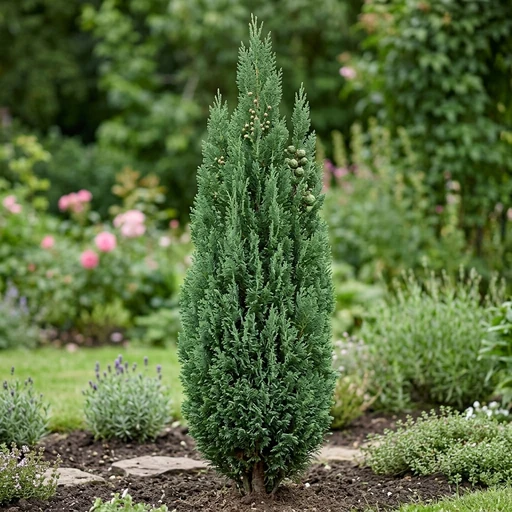
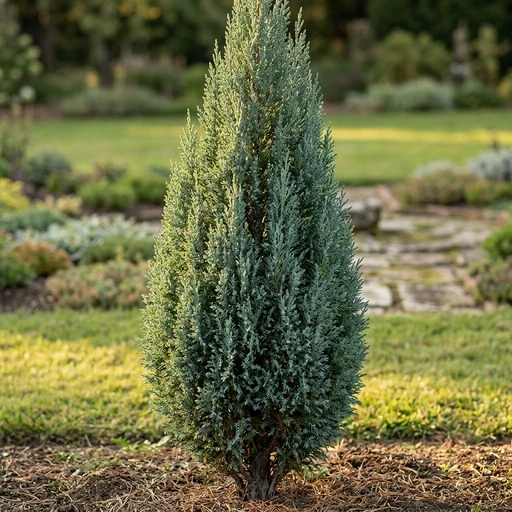
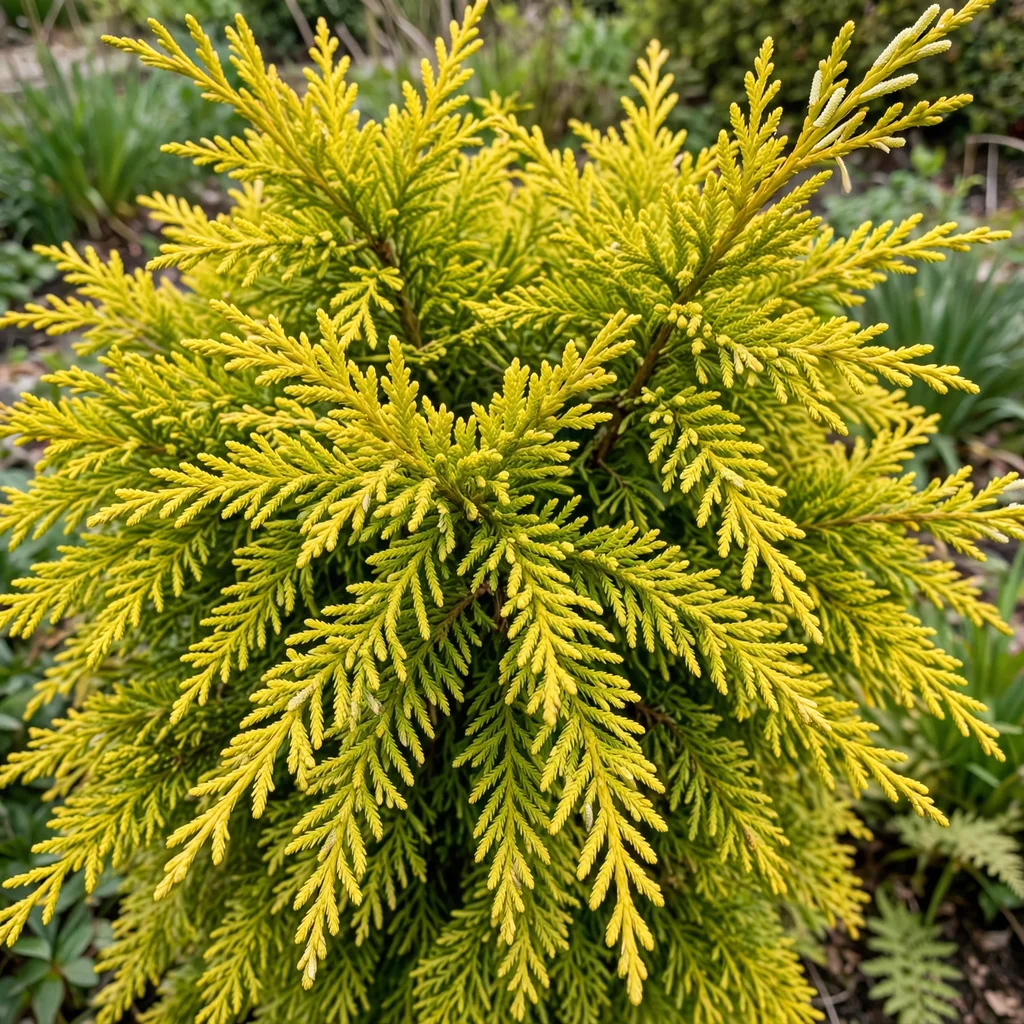
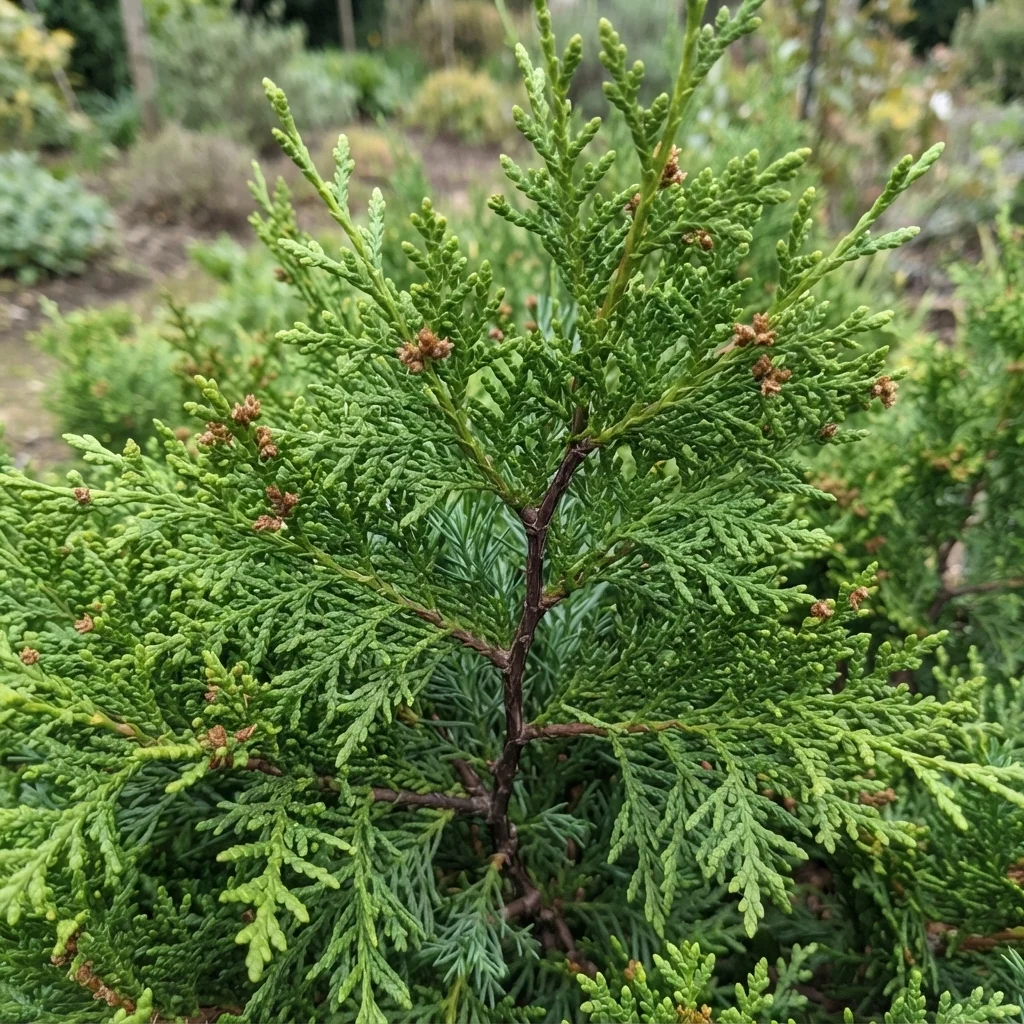
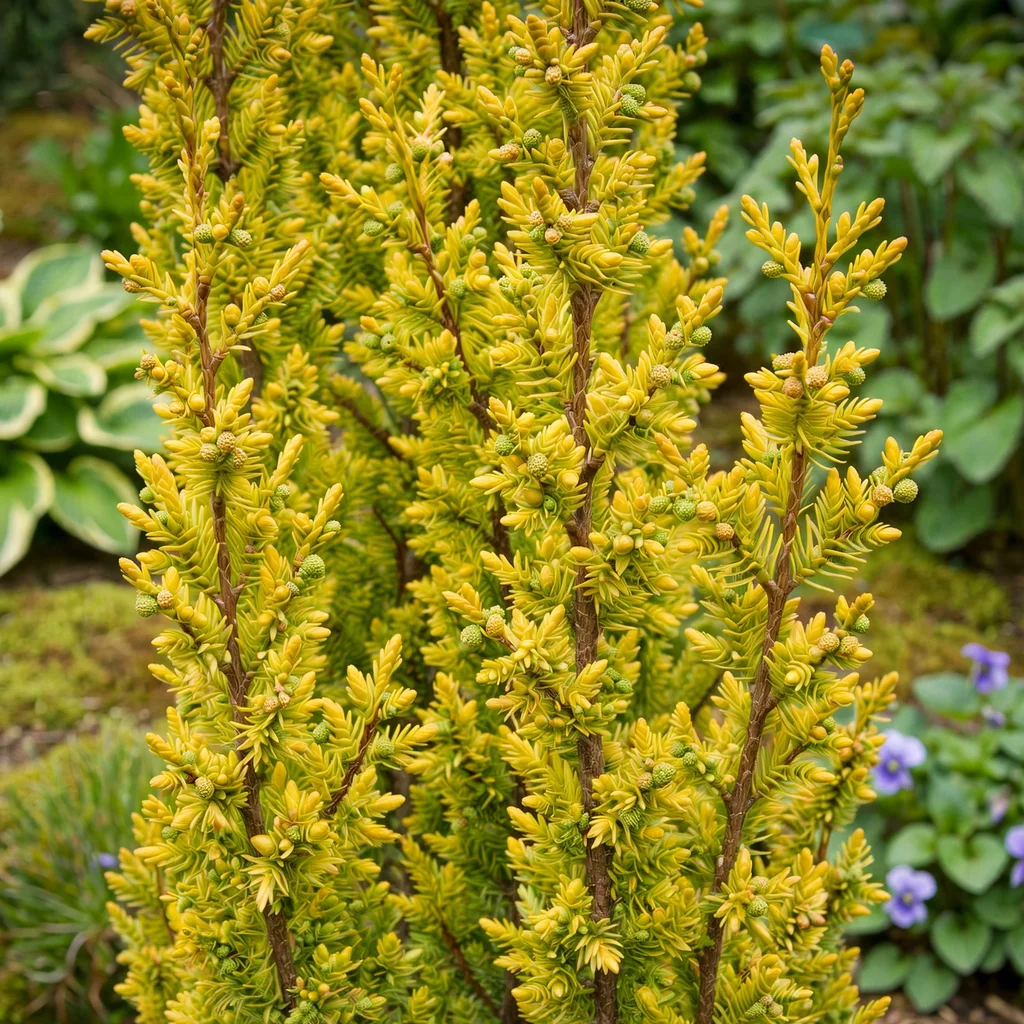
Browse all 12 Cupressus varieties →
2 species of Cupressus
Each one is a parent of the varieties above.
Track your Cupressus in Sow
Save the Cupressus you grow and get care reminders timed to your zone.
How to grow Cupressus
Whats common across all Cupressus varieties in our catalog — drawn from the care records of the 12 most-grown of them.
The Cupressus year
- PruneFebruary–April83% of varieties
Prune lightly to shape or remove dead wood, avoiding cuts into old bare wood.
- Check for PestsJune–August83% of varieties
Inspect foliage for cypress aphids, spider mites, and signs of Seiridium canker.
- FertilizeMarch and April42% of varieties
Apply a balanced slow-release fertilizer sparingly if growth is sluggish.
- MulchApril, May and November42% of varieties
Apply 3 inches of mulch to retain moisture, keeping it away from the trunk.
- PlantMarch, April, May, October and November42% of varieties
Plant container stock or balled-and-burlapped in early spring or fall.


Do
- Water regularly during dry periods 🌱
- Water deeply but infrequently during the first two growing seasons to establish a deep, drought-tolerant root system.
- Prune lightly during dry weather to shape the canopy or remove dead wood, sterilizing tools between cuts.
- Ensure the planting site has excellent air circulation to minimize the risk of fungal diseases.
- Provide full sun for optimal growth 🌞
Avoid
- Do not prune hard into old, bare wood, as the tree cannot regenerate foliage from old timber.
- Do not overwater or plant in heavy, poorly drained clay soils that retain standing water.
- Do not apply heavy applications of fertilizer, as rapid, forced growth increases susceptibility to canker diseases.
- Don’t overwater; cypress prefer well-drained soil ❌
What goes wrong with Cupressus
| Problem | What you'll see | What to do |
|---|---|---|
| Bagworms | Spindle-shaped silk bags covered with dead foliage hanging from branches, accompanied by localized defoliation. | Handpick and destroy bags in winter, or apply Bacillus thuringiensis (Bt) in late spring when larvae are small and actively feeding. |
| Spider mites | Fine webbing and stippling appear on the foliage, leading to a dusty, bleached appearance. | Blast foliage with a strong stream of water to dislodge mites, or apply a miticide in severe cases. |
| Aphids | Sticky residue and distorted growth | Apply insecticidal soap or neem oil |
| Cypress aphid | Sucking insects feed on twigs, causing yellowing and localized canopy decline. | Prune out heavily infested twigs or apply targeted insecticidal soap during active infestations. |
| Phytophthora root rot | Foliage yellowing, overall decline, and root decay, especially in waterlogged soils. | Avoid overwatering and ensure the soil has pristine drainage; remove severely infected young plants. |
| Root Rot | Overall decline, yellowing foliage, and a weak root system. | Prevention is key. Ensure excellent drainage. Fungicides are generally ineffective once established. |
| Cypress canker | Sunken, reddish-brown bark lesions on branches accompanied by abundant resin bleeding and progressive branch dieback. | Prune out infected branches several inches below the visible canker, sterilizing tools between cuts, and destroy the diseased wood. |
Making more Cupressus
Semi-hardwood cuttings
- Take semi-hardwood cuttings in late summer or fall from the current season's growth.
- Dip the cut ends in a rooting hormone powder to encourage root development.
- Insert the cuttings into a well-draining medium of perlite and peat moss.
- Keep the medium consistently moist and place in a warm, humid environment with indirect light.
Cuttings
- Select healthy semi-hardwood cuttings in late summer.
- Dip the cut end in rooting hormone.
- Plant in a mixture of sand and peat moss.
- Maintain humidity and mist daily.
- Roots develop in 6–8 weeks.
Cupressus questions
How many types of Cupressus are there?
The Sow catalog tracks 12 distinct Cupressus varieties. The most popular — ranked by 210 real gardeners — are shown first above.
What zones does Cupressus grow in?
Across its varieties, Cupressus covers USDA Zones 4–10. Individual varieties differ — each plant page lists its exact range, and Sow filters the catalog to your zone automatically.
When does Cupressus bloom?
Most Cupressus varieties bloom in mid-spring, late winter/early spring, winter. Staggering early, mid, and late varieties extends the genus's season in one bed.
Which Cupressus should I choose?
Start from the most-saved varieties above — popularity across thousands of gardens is a strong signal of reliability — then filter by your zone and sun. In the Sow app you can preview any of them in a photo of your actual yard before you buy.