The Story
Plant Bio
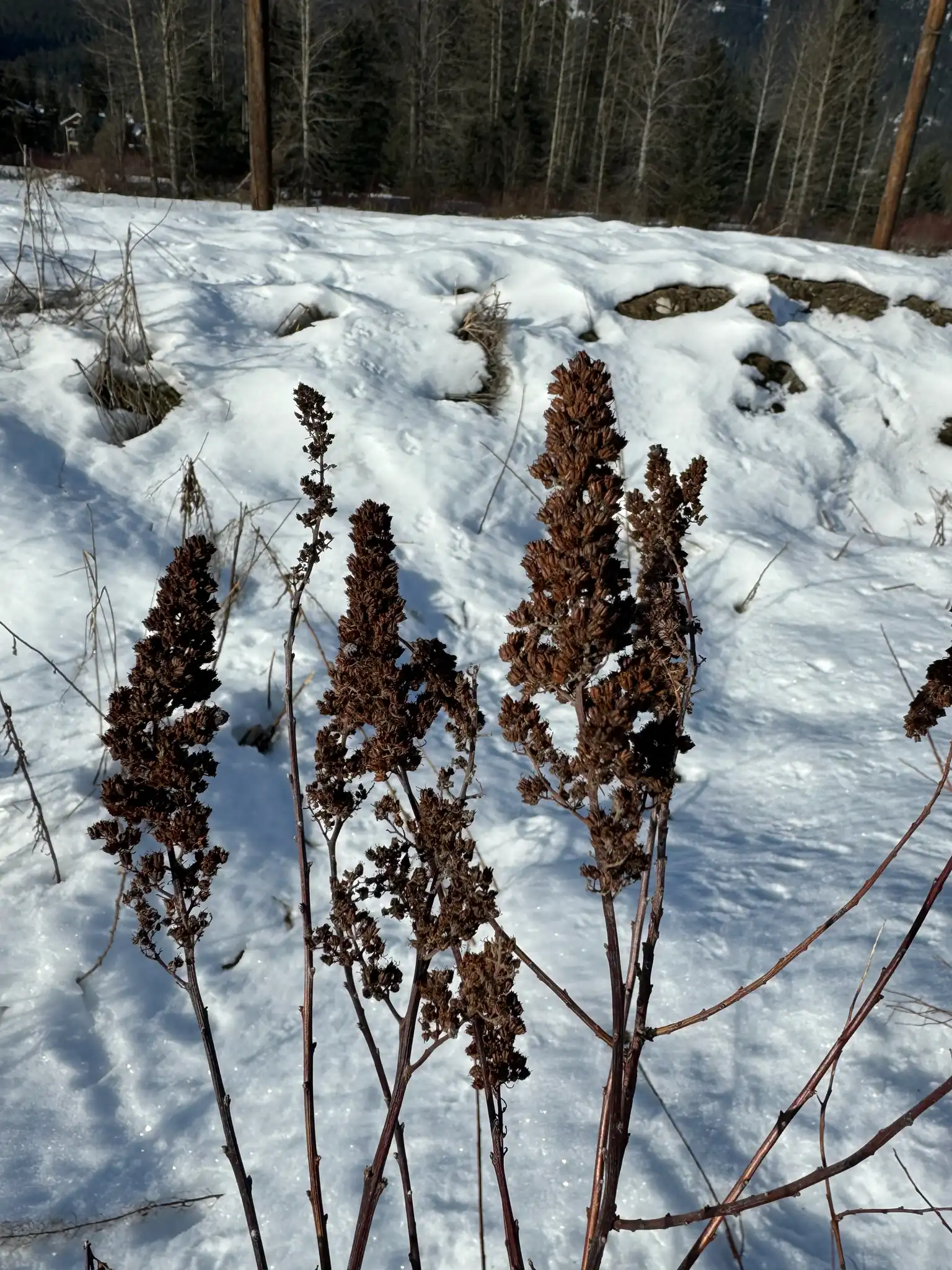
Spiraea douglasii, commonly known as rose spirea, is a deciduous upright shrub native to western North America that reaches four to six feet in height and spreads via underground rhizomes. The plant features oblong green leaves with distinct felt-like white undersides and produces dense, conical plumes of deep rose-pink flowers from early to late summer.
This species is distinguished by its aggressive, suckering habit that quickly forms dense thickets, making it highly effective for stabilizing wet soils. The terminal flower panicles feature prominent protruding stamens, giving the pink plumes a fuzzy appearance that attracts hummingbirds and native bees.
Uses & Benefits:
Essentials
At a Glance
Plant Type
Shrub
Height
72"
Width
72"
Light
Full Sun, Partial Sun
Zones
5, 6, 7, 8
Water
High
Humidity
Moderate to High
Lifespan
Perennial
Native To
Western North America
Toxicity
Non-toxic
Bloom period
Early summer – Late summer
In flower about 3 months of the year
Planting
How to Grow
- Select a planting site in full sun to partial shade with moist, acidic to neutral soil.
- Dig a hole twice the width of the root ball and set the plant at the same depth as its nursery container.
- Water thoroughly after planting and maintain consistent moisture, as the plant does not tolerate drying out.
- Apply an annual layer of organic compost around the root zone in spring to provide sufficient nutrients.
Pro Tip
Restrict the creeping underground suckers annually to prevent the shrub from overrunning neighboring plants, and avoid pruning hard into old leafless wood where new buds cannot break.
Keep It Thriving
Care Guide
Do
- Keep the soil consistently moist or wet, especially during hot summer periods.
- Prune immediately after flowering in late summer to encourage dense branching.
- Manage spreading underground rhizomes regularly to keep the plant within its designated space.
Don't
- Do not allow the soil to dry out completely, as this causes premature leaf drop and decline.
- Do not prune hard into old, leafless wood where new buds cannot break.
- Do not apply heavy, high-phosphorus fertilizers; a simple annual compost layer is sufficient.
Seasonal Care Calendar
| Task | Jan | Feb | Mar | Apr | May | Jun | Jul | Aug | Sep | Oct | Nov | Dec |
|---|---|---|---|---|---|---|---|---|---|---|---|---|
| Mulch | ||||||||||||
| Pest Check | ||||||||||||
| Propagate | ||||||||||||
| Prune |
Watch Out For
Pests & Diseases
Common Pests
Common Diseases
In the Garden
Landscape Uses & Companions
Landscape Uses
Companion Plants
Multiply
Propagation Methods
Good to Know
Common Questions
Rose Spirea questions
What zones can Rose Spirea grow in?
Rose Spirea is hardy in USDA Zones 5–8. Inside that range it survives winter in the ground; outside it, grow it as an annual or a container plant you protect.
Is Rose Spirea deer resistant?
Yes — Rose Spirea is rated deer-resistant. Deer typically pass it over, though extreme hunger can override any plant's defenses.
When does Rose Spirea bloom?
Rose Spirea typically blooms in early summer through late summer. Exact timing shifts a week or two with your zone — Sow's bloom calendar maps it to your garden.
Does Rose Spirea need full sun?
Rose Spirea does best in full sun to part shade. In hot climates, afternoon shade keeps blooms fresher longer.
More Spiraea to compare
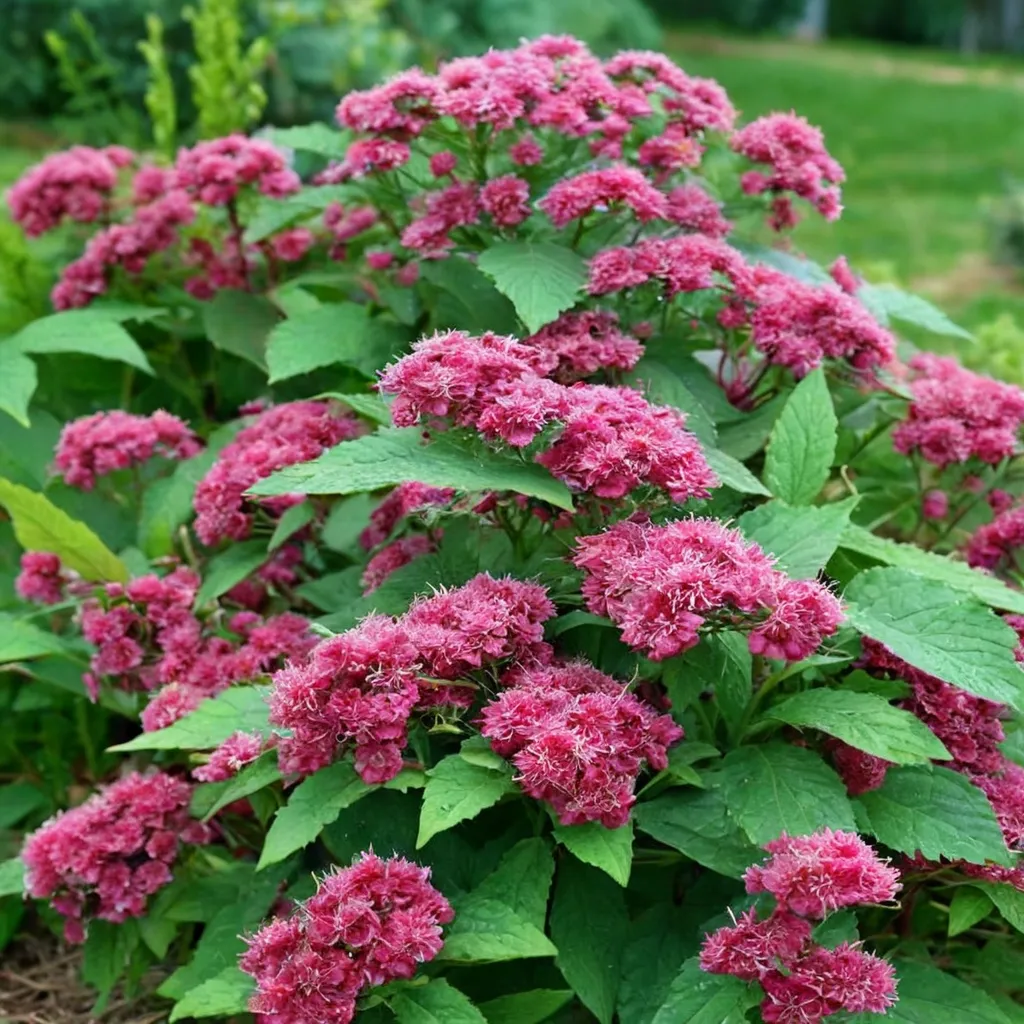
Double Play Red Spirea
Spiraea japonica 'Double Play Red'
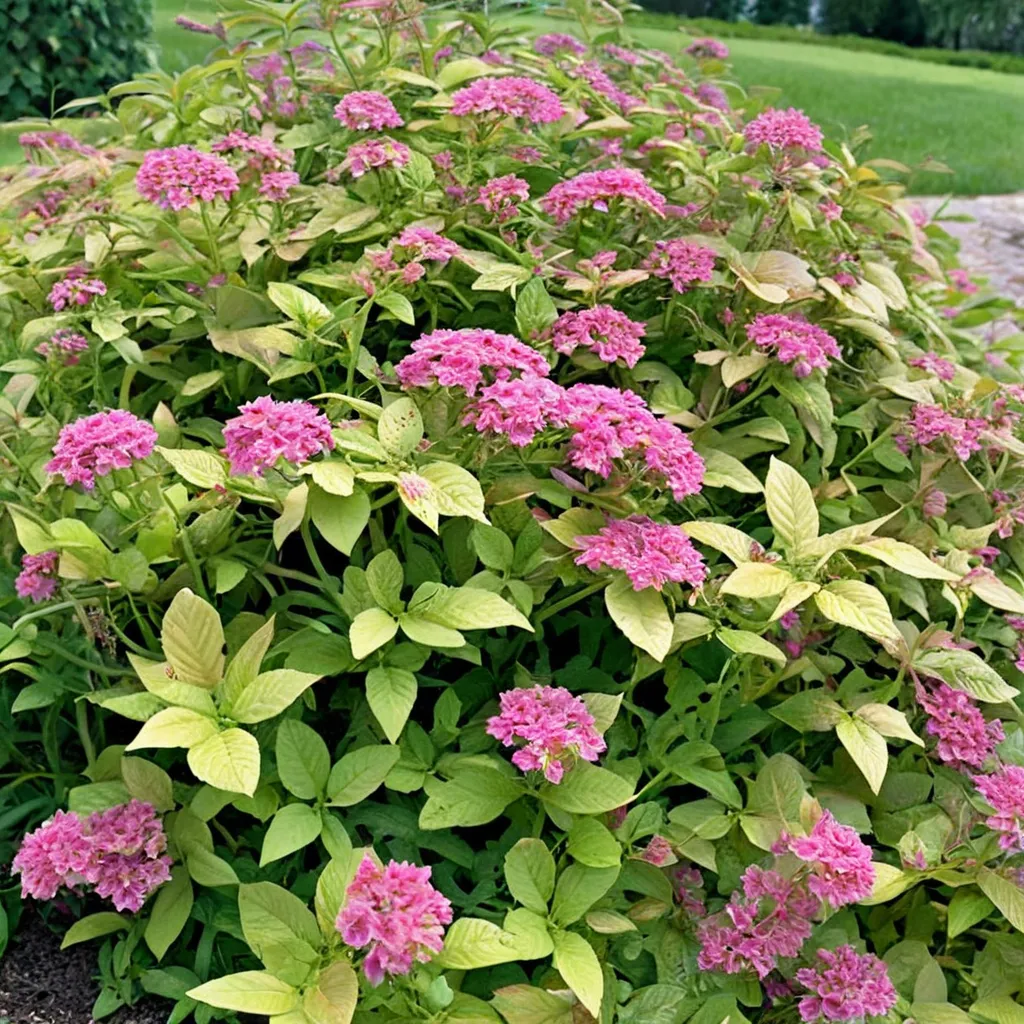
Bumalda Spiraea Mix
Spiraea x bumalda 'Mix'
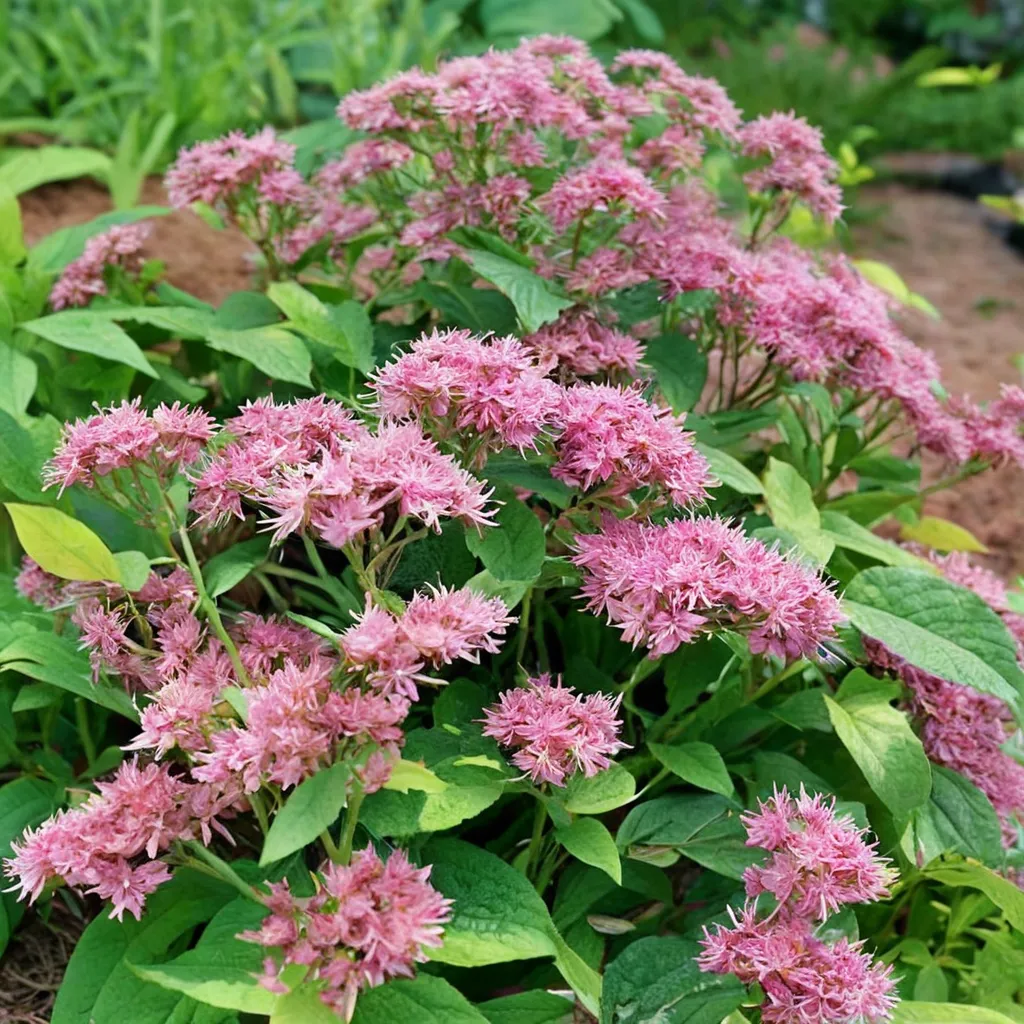
Hybrid Spirea
Spiraea x hybrida 'Mix'
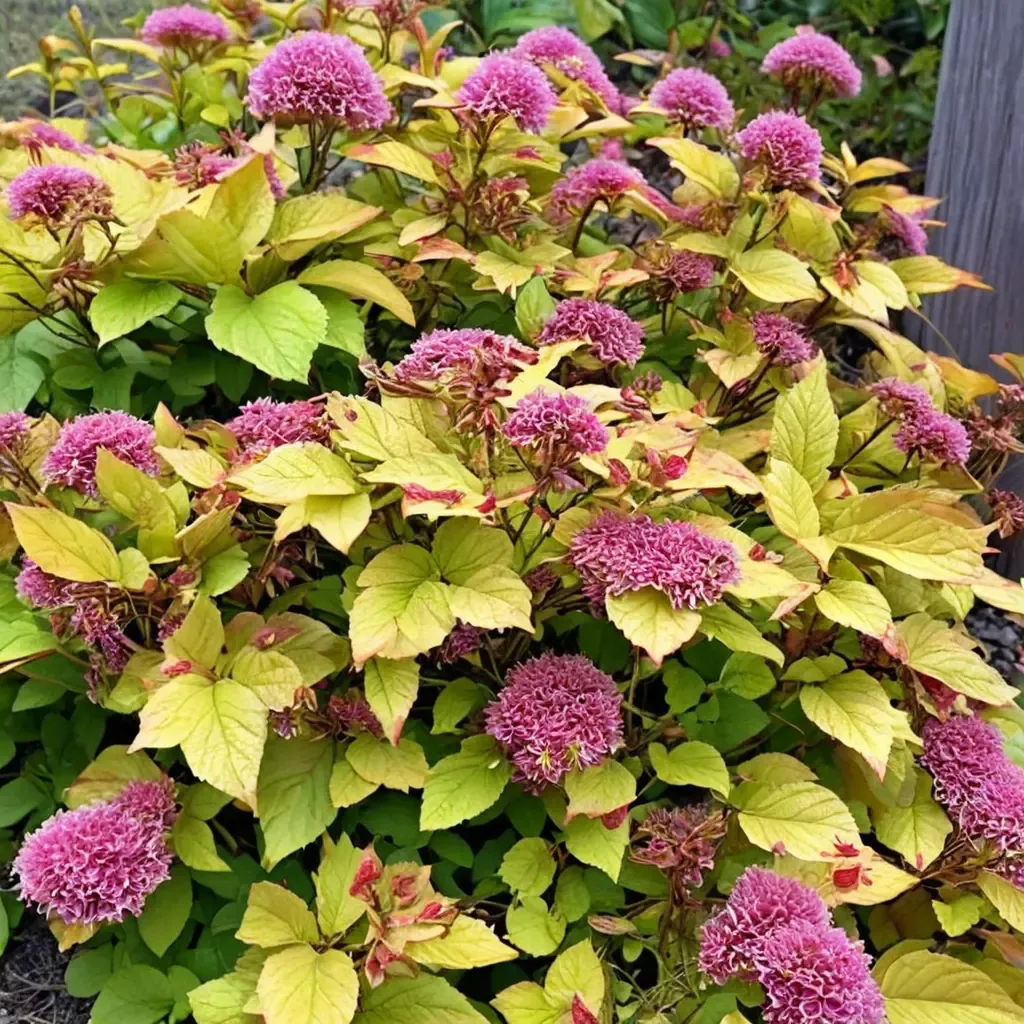
Magic Carpet Japanese Spirea
Spiraea japonica 'Magic Carpet'
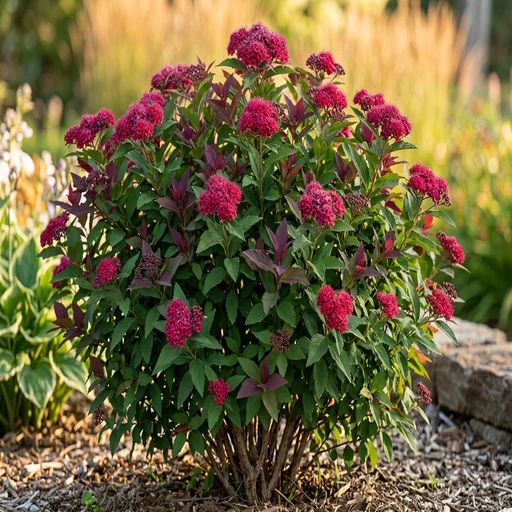
Double Play Doozie Spirea
Spiraea japonica 'Double Play Doozie'
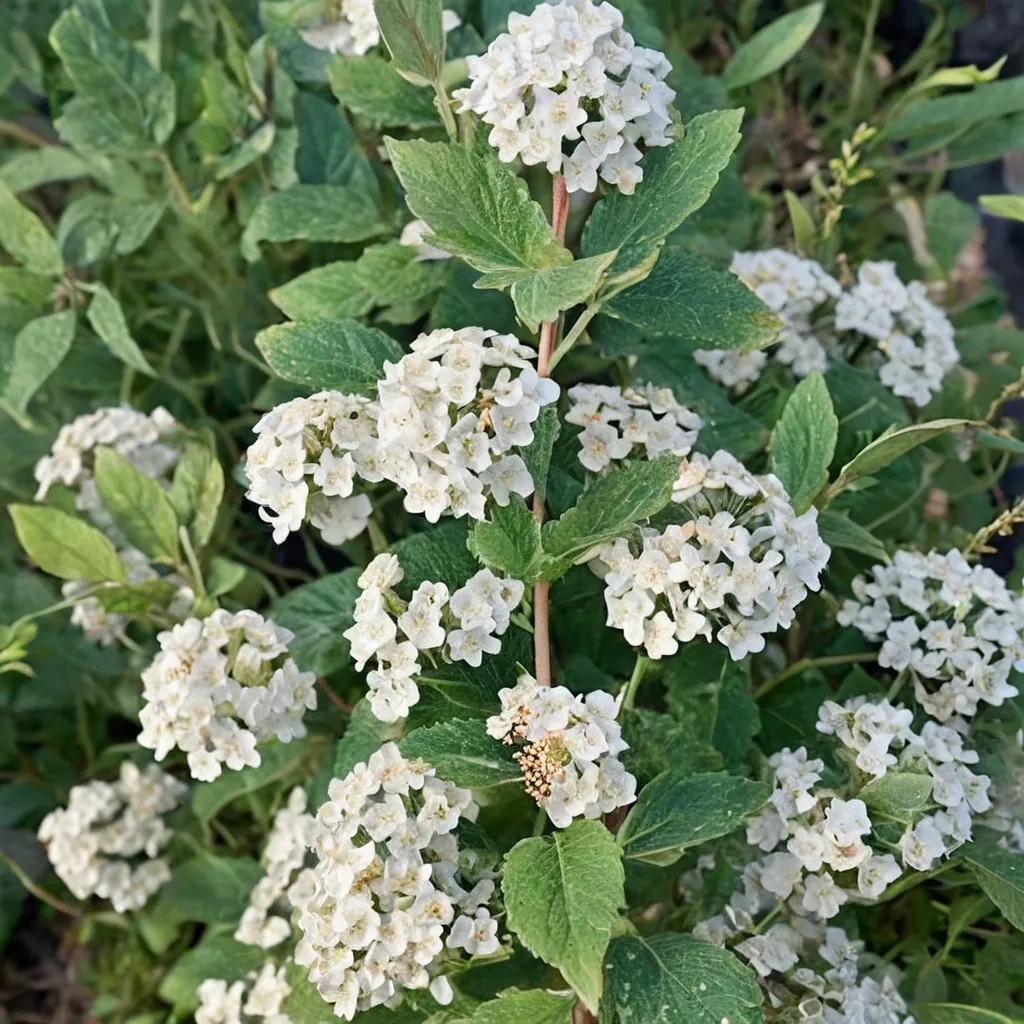
Vanhoutte Spirea
Spiraea x vanhouttei 'Mix'
Keep exploring
Explore the genus
Hardy in your zone?
Grow Rose Spirea with confidence
See it in a design of your actual yard, get zone-matched care reminders, and track it season by season in your garden journal.