1 named cultivar

The Story
Plant Bio
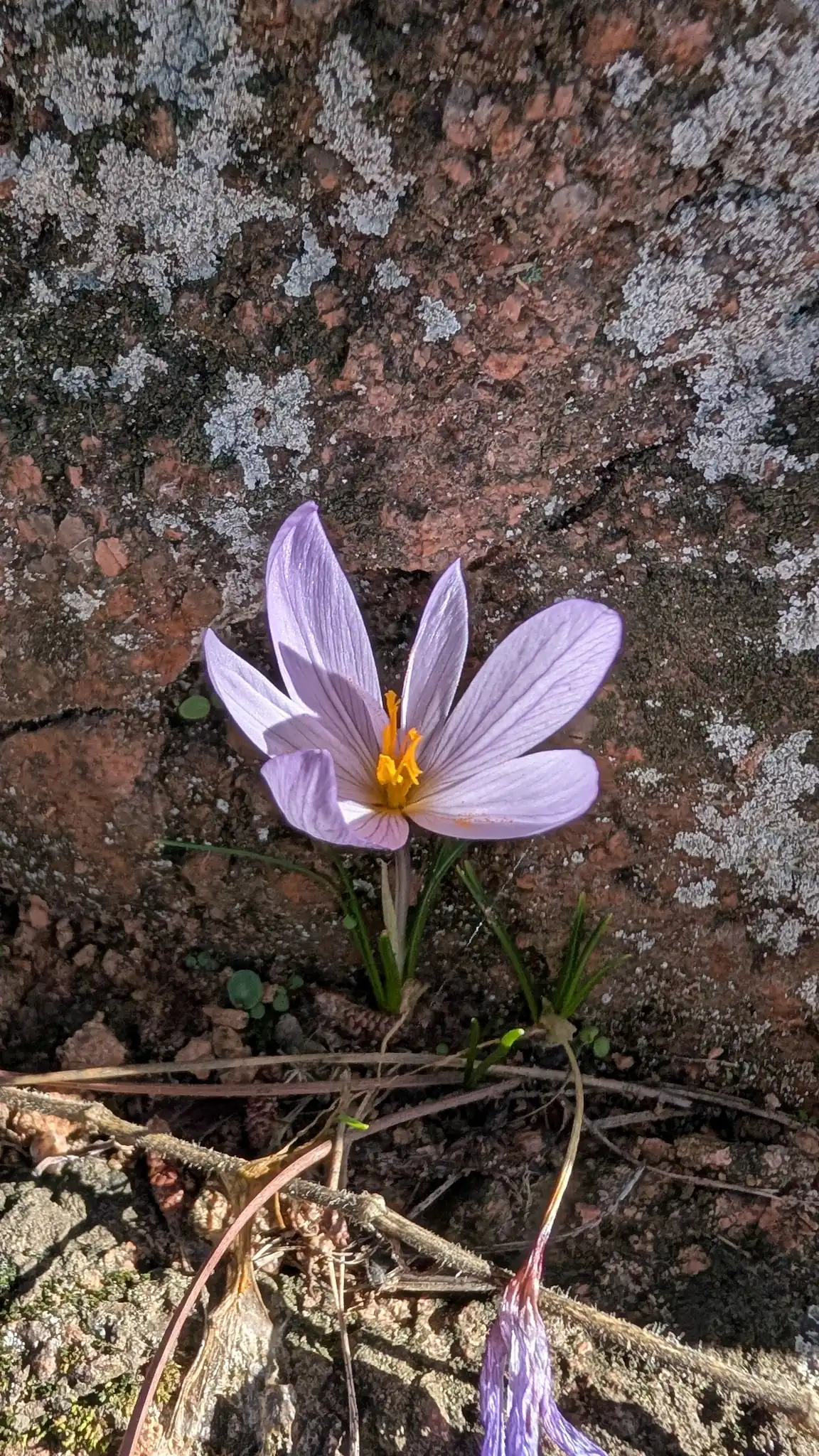
Crocus sativus, saffron crocus, is an autumn-flowering corm six to ten inches high. Five to eleven narrow upright leaves emerge before or with the flowers, and lilac-purple saucer-shaped blooms open in autumn, each carrying three long branched red stigmas — the saffron itself — above golden anthers.
It is a sterile cultivated plant that sets no seed and exists only because people have propagated its corms for millennia. The crop is the three red stigmas from each flower, picked by hand on the morning they open, which is why saffron is the most expensive spice by weight: roughly 150 flowers make a single gram dried.
Uses & Benefits:
Essentials
At a Glance
Plant Type
Bulb Corm Tuber
Height
8"
Width
3"
Light
Full Sun
Zones
6, 7, 8
Water
Low
Humidity
Low
Lifespan
Perennial
Native To
Sterile cultigen of southwest Asian origin
Toxicity
Stigmas edible as saffron; other parts not eaten
Planting
How to Grow
- Plant corms in late summer, four inches deep.
- Choose full sun and sharply drained soil.
- Expect flowers in autumn, weeks after planting.
- Pick the red stigmas on the morning flowers open.
- Dry the stigmas immediately and store airtight.
- Lift and divide congested corms every few years.
Pro Tip
Pick the stigmas the morning each flower opens — leave it a day and the quality drops sharply.
Keep It Thriving
Care Guide
Do
- Plant corms in late summer 🍂
- Give it sharp drainage and sun ☀️
- Pick stigmas the morning they open 🌅
- Dry and store them airtight 🫙
Don't
- Plant it in wet or heavy soil ❌
- Expect it to set seed ❌
- Leave the stigmas beyond a day ❌
Seasonal Care Calendar
| Task | Jan | Feb | Mar | Apr | May | Jun | Jul | Aug | Sep | Oct | Nov | Dec |
|---|---|---|---|---|---|---|---|---|---|---|---|---|
| Harvest | ||||||||||||
| Plant |
Watch Out For
Pests & Diseases
Common Pests
Common Diseases
In the Garden
Landscape Uses & Companions
Landscape Uses
Companion Plants
Multiply
Propagation Methods
Good to Know
Common Questions
Saffron Crocus questions
What zones can Saffron Crocus grow in?
Saffron Crocus is hardy in USDA Zones 6–8. Inside that range it survives winter in the ground; outside it, grow it as an annual or a container plant you protect.
Is Saffron Crocus deer resistant?
Yes — Saffron Crocus is rated deer-resistant. Deer typically pass it over, though extreme hunger can override any plant's defenses.
When does Saffron Crocus bloom?
Saffron Crocus typically blooms in fall through early fall. Exact timing shifts a week or two with your zone — Sow's bloom calendar maps it to your garden.
Does Saffron Crocus need full sun?
Saffron Crocus does best in full sun (6+ hours).
Is Saffron Crocus drought tolerant?
Yes — once established (usually after the first full season), Saffron Crocus handles dry spells with minimal watering. Water deeply its first year to build the root system that makes that possible.
More Crocus to compare
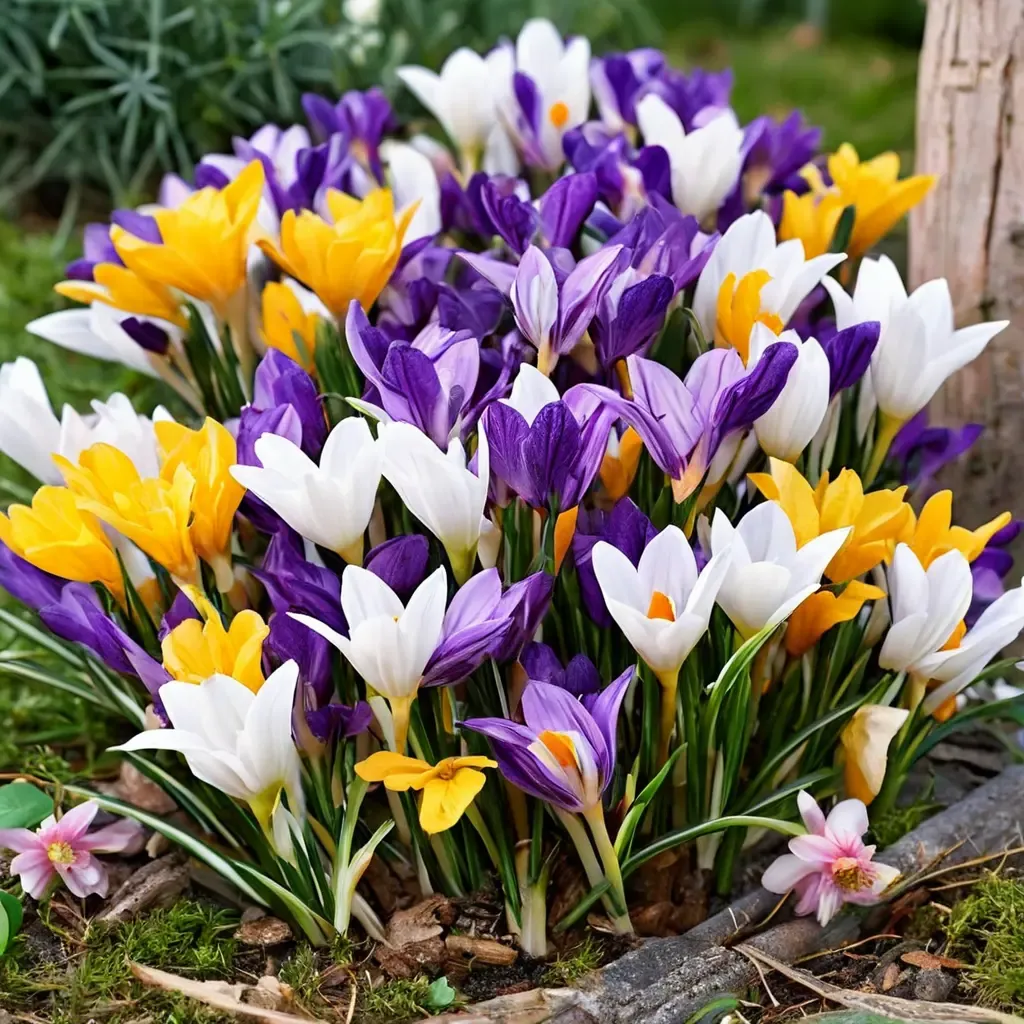
Crocus Mix
Crocus x hybrida 'Mix'
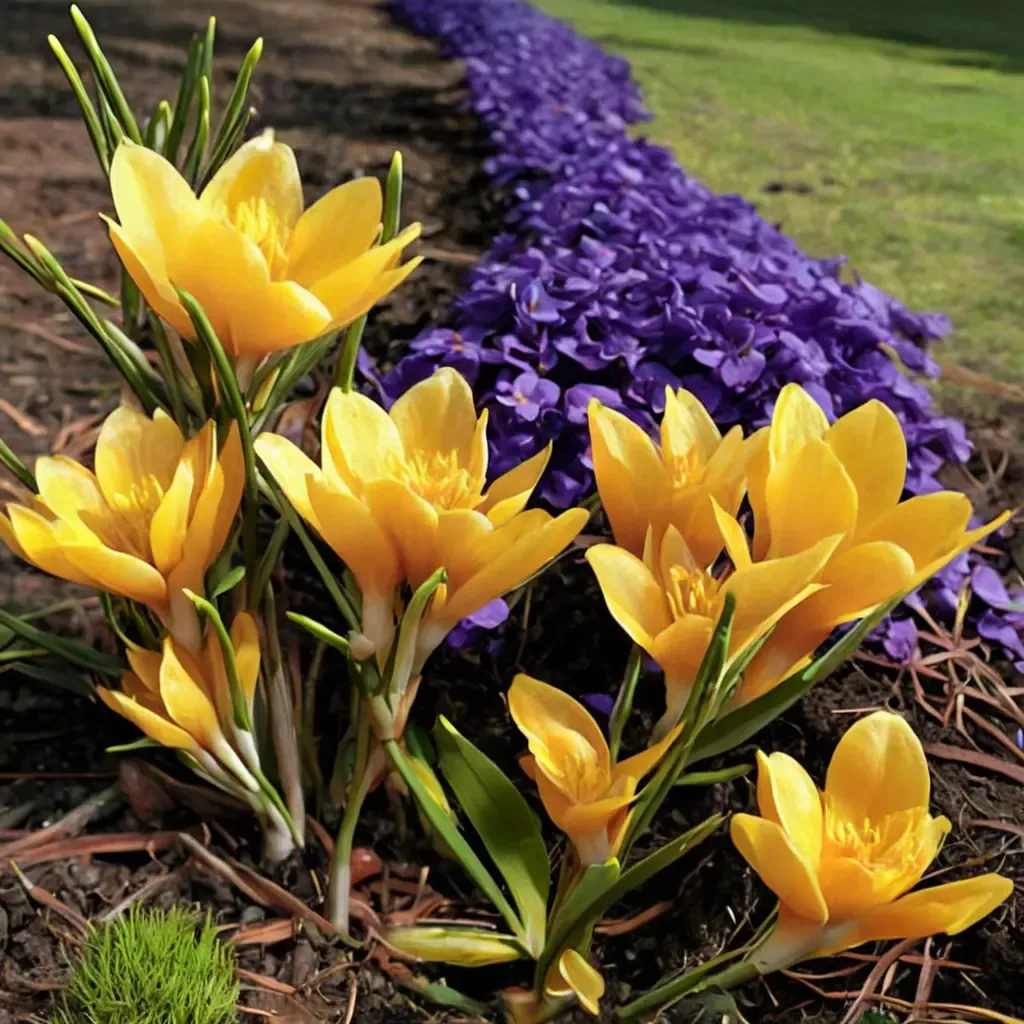
Golden Yellow Crocus
Crocus x hybrida 'Golden Yellow'
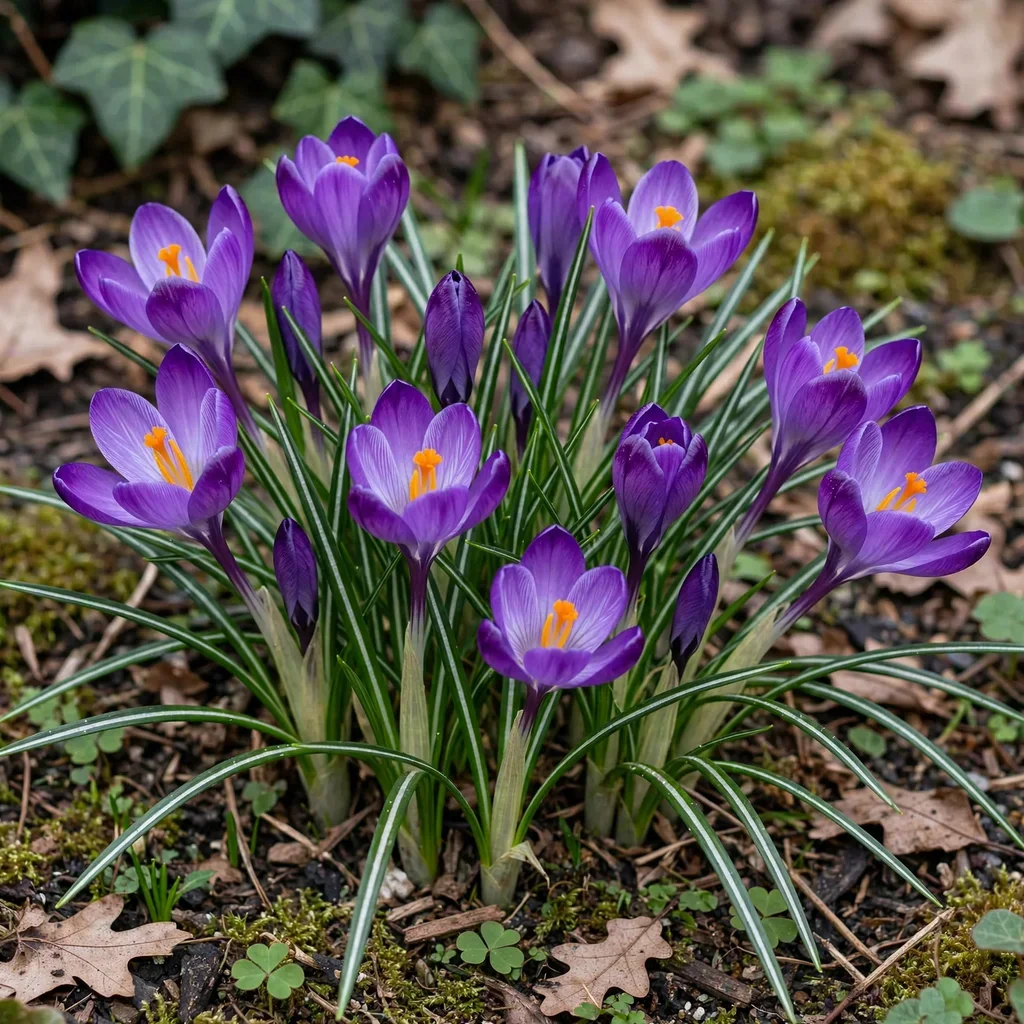
Ruby Giant Crocus
Crocus tommasinianus 'Ruby Giant'
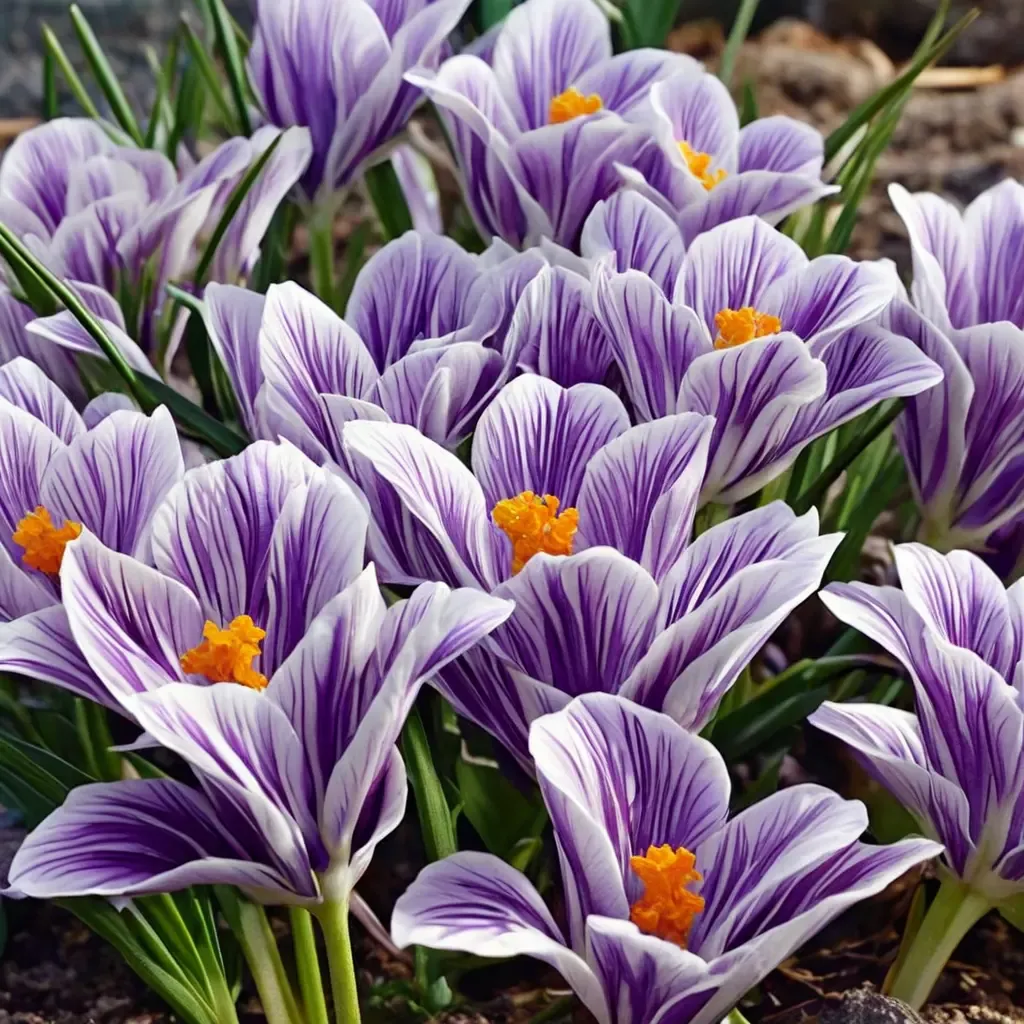
Pickwick Dutch Crocus
Crocus vernus 'Pickwick'
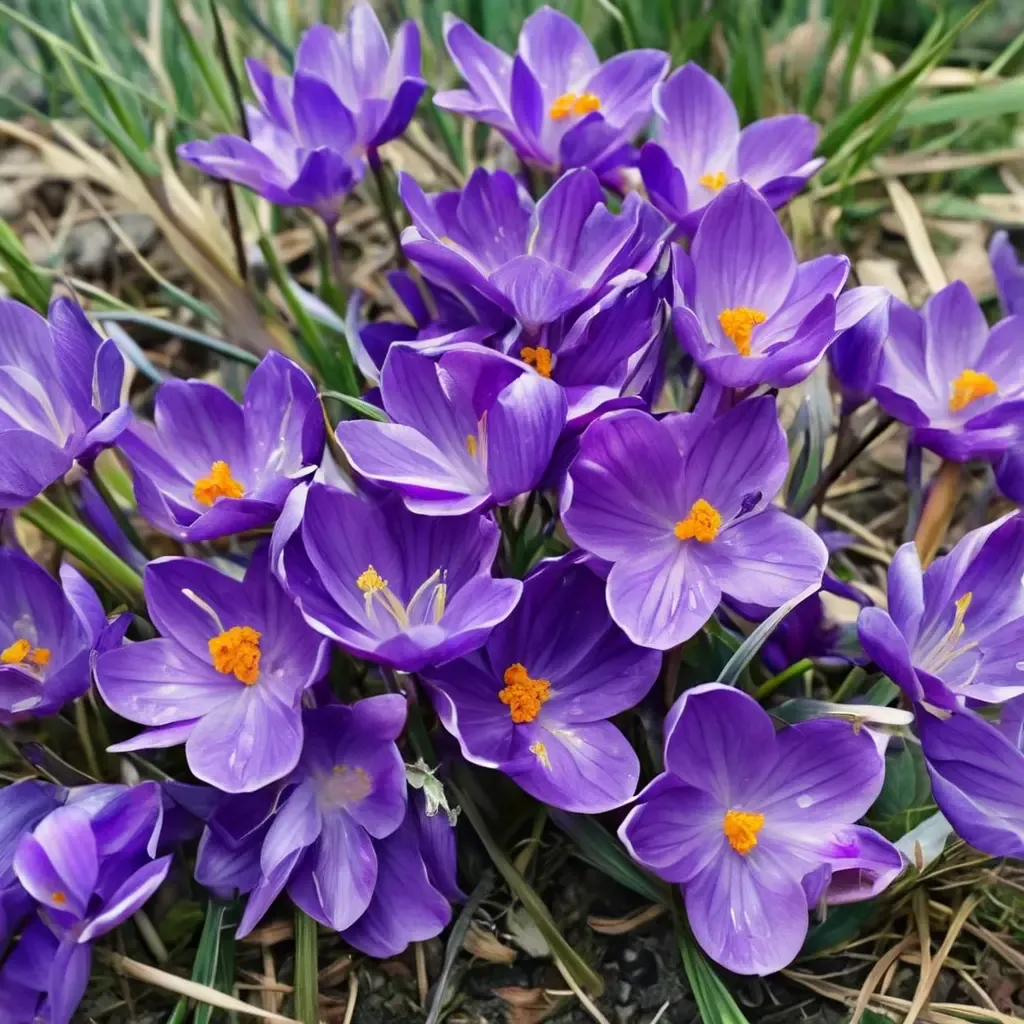
Spring Crocus
Crocus vernus
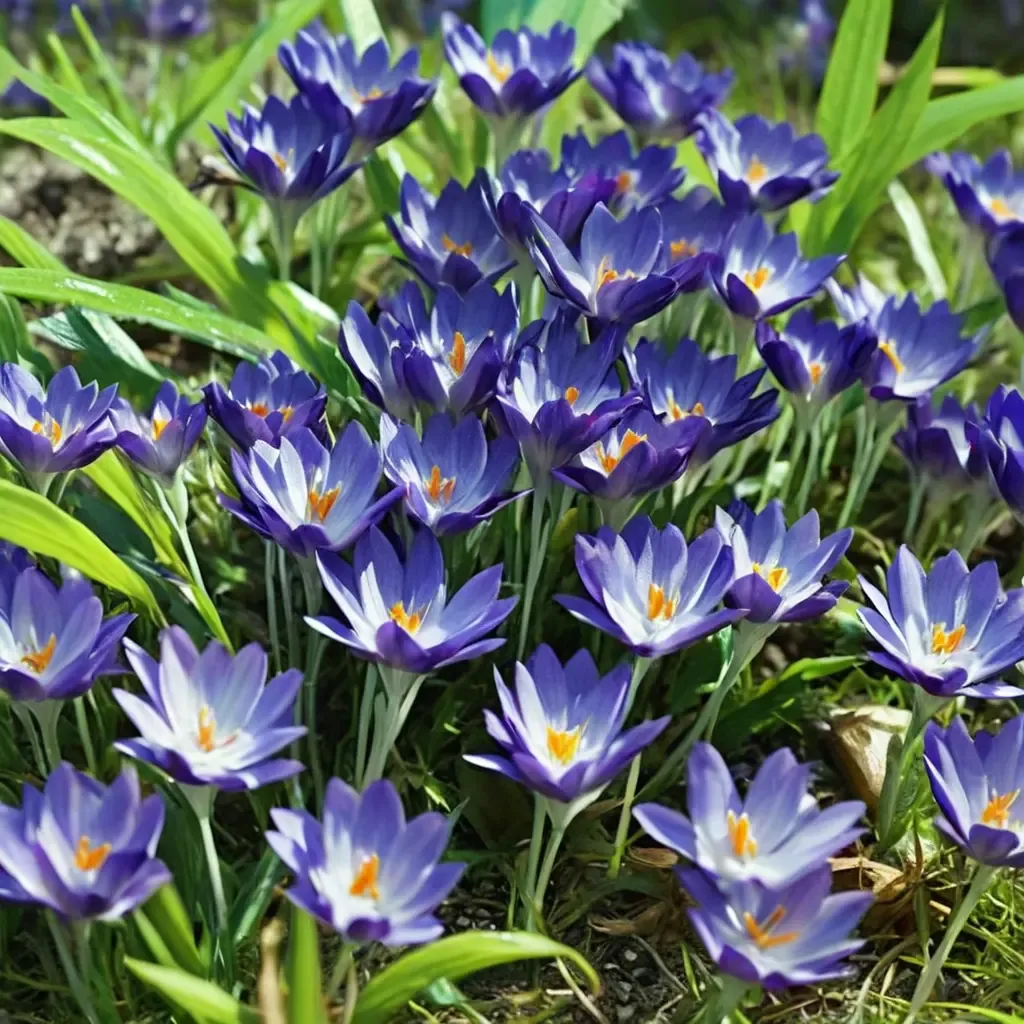
Whitewell Purple Crocus
Crocus tommasinianus 'Whitewell Purple'
Keep exploring
Explore the genus
Hardy in your zone?
Grow Saffron Crocus with confidence
See it in a design of your actual yard, get zone-matched care reminders, and track it season by season in your garden journal.