The Story
Plant Bio
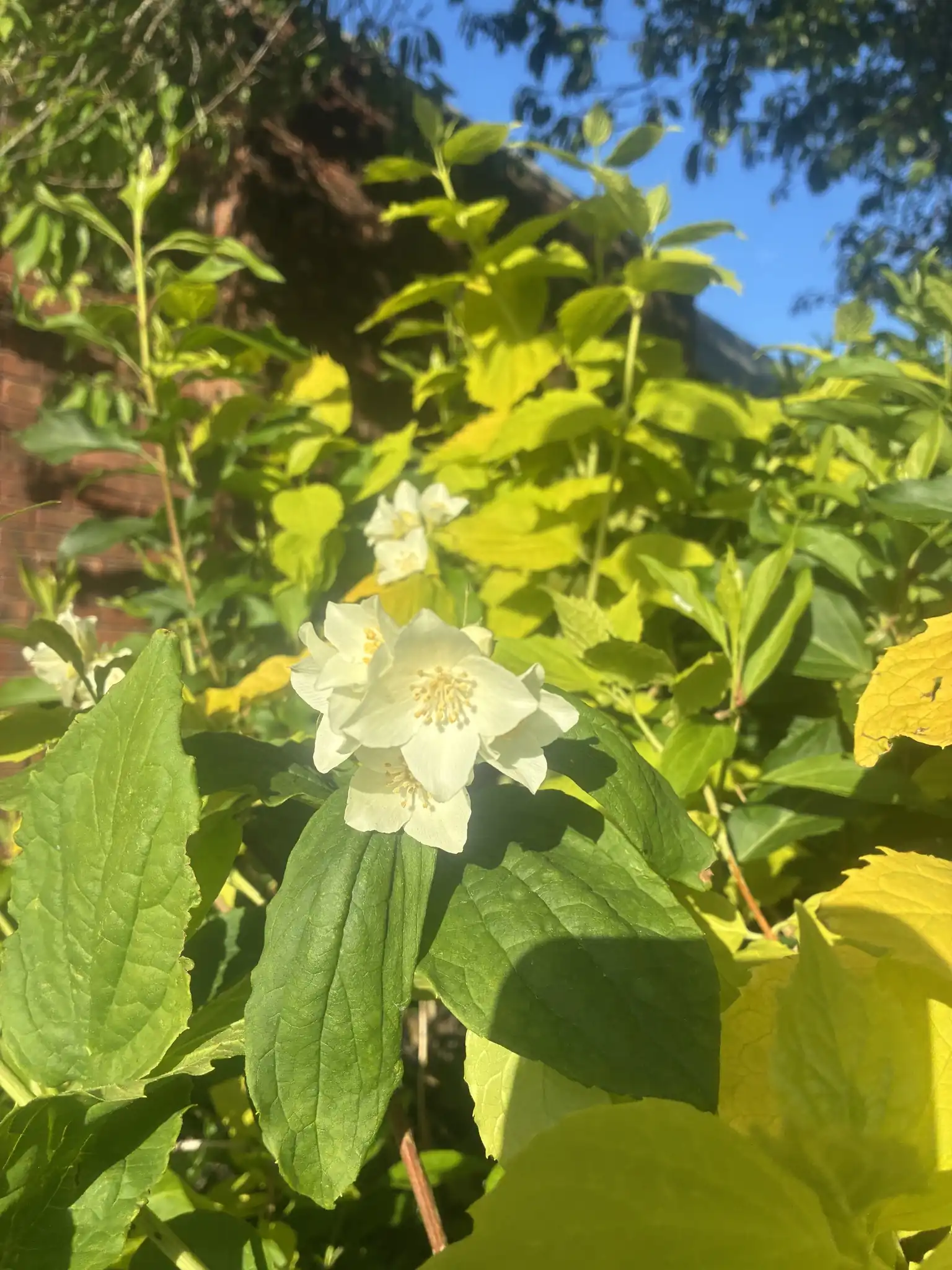
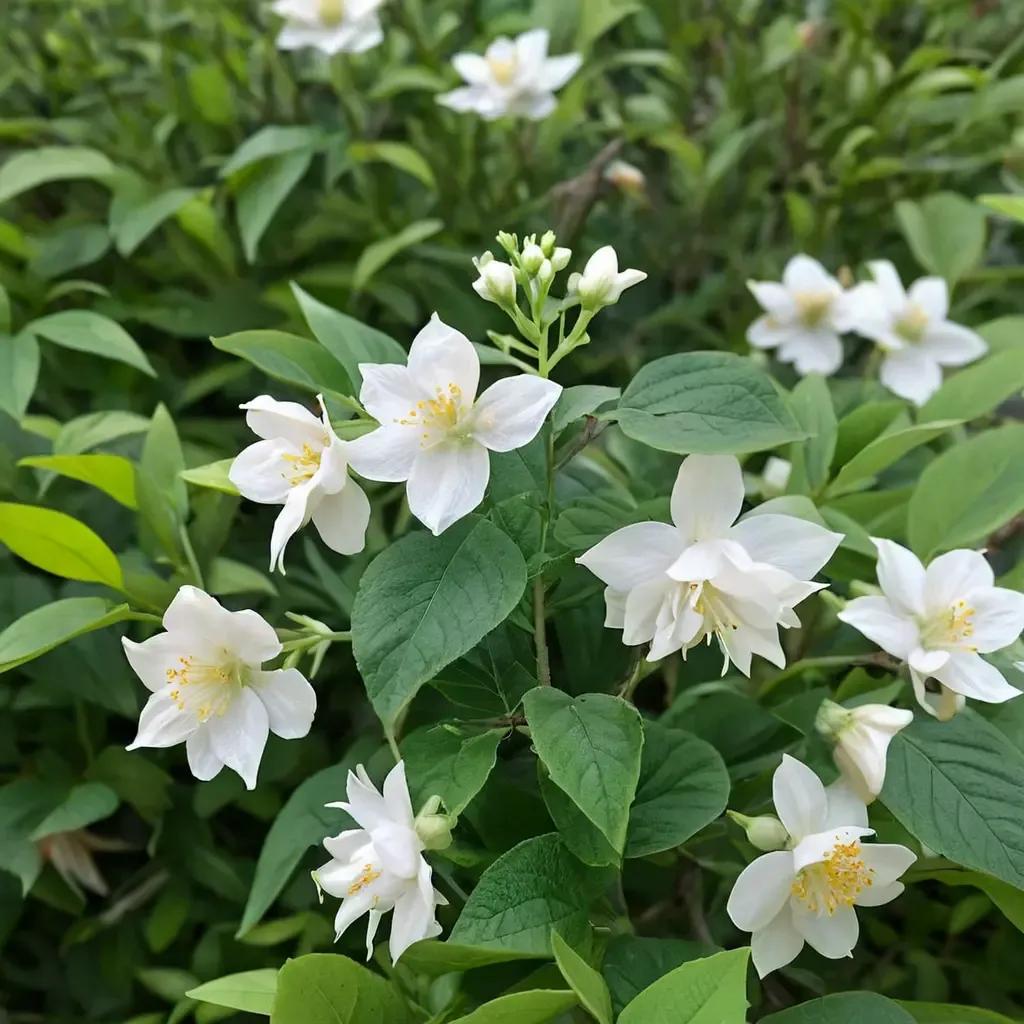
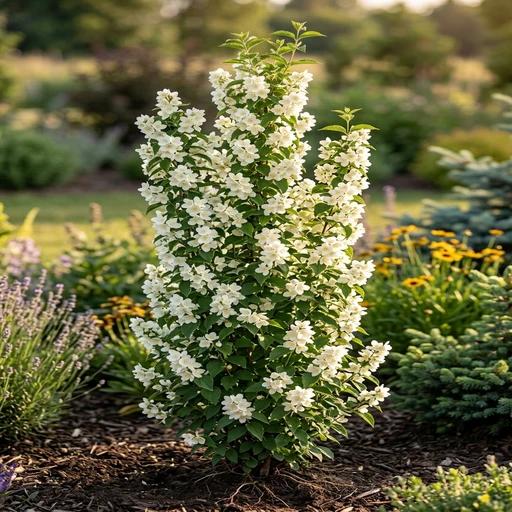
Philadelphus coronarius, sweet mock orange, is an upright arching deciduous shrub from northeastern Turkey and the Caucasus, reaching ten to twelve feet tall and eight to ten across. Cup-shaped four-petalled white flowers an inch or more wide open in short racemes in late spring, carrying an intense orange-blossom scent.
The scent is the whole point — among the strongest of any hardy shrub — so site it near a door or a window that opens rather than at the back of a border. It flowers on wood made the previous year, so prune within a few weeks of the flowers fading; a late-winter tidy removes exactly the growth that would have bloomed.
Uses & Benefits:
Essentials
At a Glance
Plant Type
Shrub
Height
132"
Width
108"
Light
Full Sun, Partial Sun
Zones
4, 5, 6, 7, 8
Water
Moderate
Humidity
Moderate
Lifespan
Perennial
Native To
Northeastern Turkey and the Caucasus
Toxicity
Non-toxic
Planting
How to Grow
- Plant in full sun or light shade in well-drained soil.
- Allow eight to ten feet of width at maturity.
- Water through the first two summers, then rarely.
- Prune immediately after flowering, never later.
- Cut a third of the oldest stems to the base each year.
- Set later perennials in front to cover the plain summer foliage.
Pro Tip
Renewal pruning beats shearing: take a third of the oldest stems out at ground level each year and it never becomes a bare-legged thicket.
Keep It Thriving
Care Guide
Do
- Prune within weeks of the flowers fading ✂️
- Remove a third of the oldest stems yearly 🪵
- Plant it where the scent will be noticed 👃
- Give it room to arch naturally 📏
Don't
- Prune in late winter — you cut off the flowers ❌
- Shear it into a formal ball ❌
- Squeeze it into a five-foot gap ❌
Seasonal Care Calendar
| Task | Jan | Feb | Mar | Apr | May | Jun | Jul | Aug | Sep | Oct | Nov | Dec |
|---|---|---|---|---|---|---|---|---|---|---|---|---|
| Mulch | ||||||||||||
| Prune |
Watch Out For
Pests & Diseases
Common Pests
Common Diseases
In the Garden
Landscape Uses & Companions
Landscape Uses
Companion Plants
Multiply
Propagation Methods
Good to Know
Common Questions
Mockorange questions
What zones can Mockorange grow in?
Mockorange is hardy in USDA Zones 4–8. Inside that range it survives winter in the ground; outside it, grow it as an annual or a container plant you protect.
Is Mockorange deer resistant?
Yes — Mockorange is rated deer-resistant. Deer typically pass it over, though extreme hunger can override any plant's defenses.
When does Mockorange bloom?
Mockorange typically blooms in late spring through early summer. Exact timing shifts a week or two with your zone — Sow's bloom calendar maps it to your garden.
Does Mockorange need full sun?
Mockorange does best in full sun to part shade. In hot climates, afternoon shade keeps blooms fresher longer.
Is Mockorange drought tolerant?
Yes — once established (usually after the first full season), Mockorange handles dry spells with minimal watering. Water deeply its first year to build the root system that makes that possible.
More Philadelphus to compare
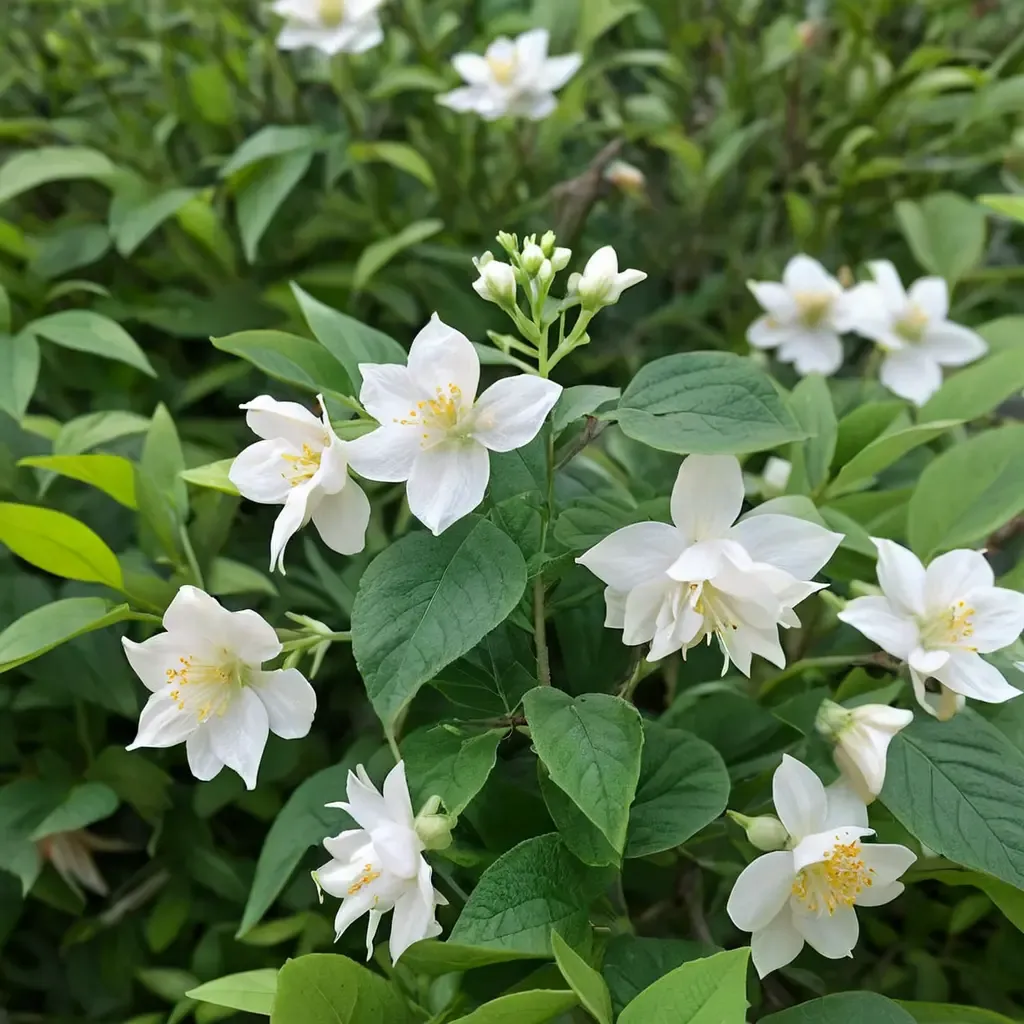
Sweet Mockorange
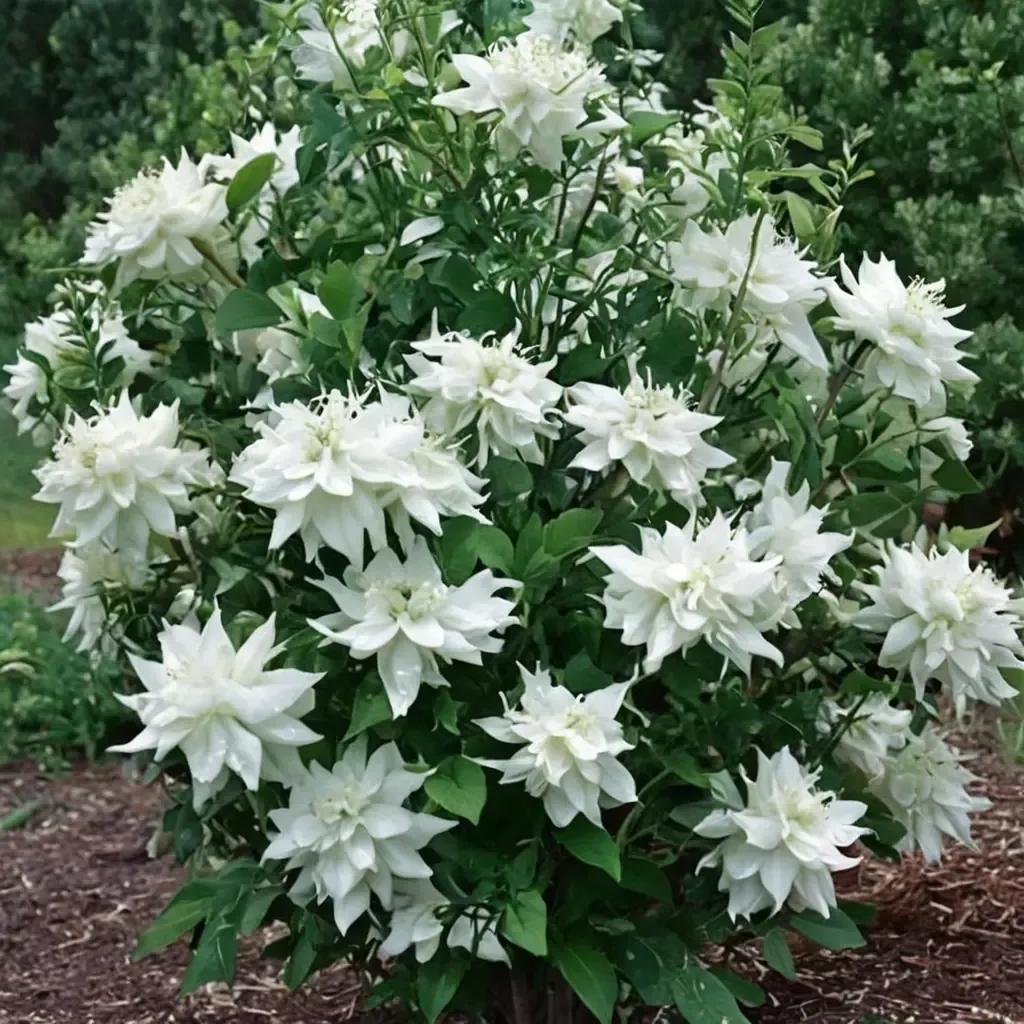
Philadelphus coronarius 'Double Mock Orange'
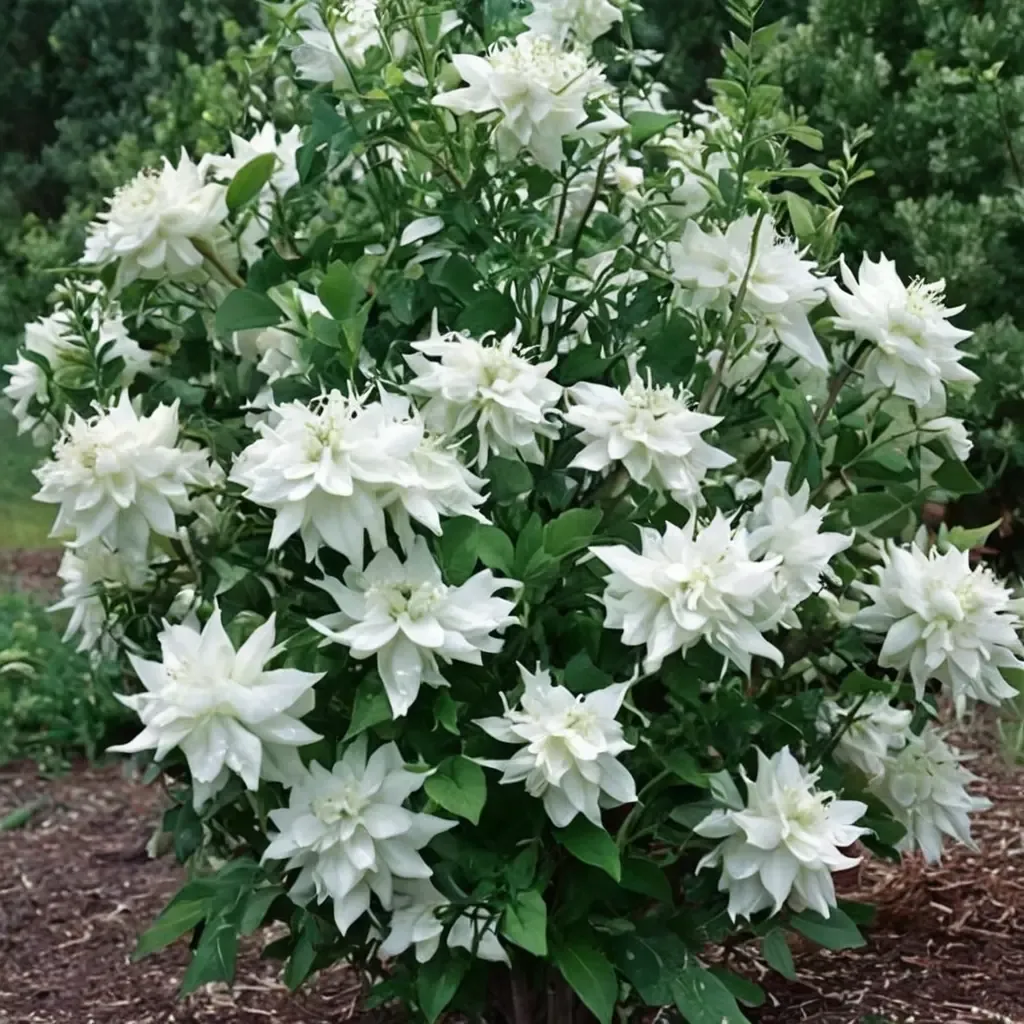
Minnesota Snowflake Mockorange
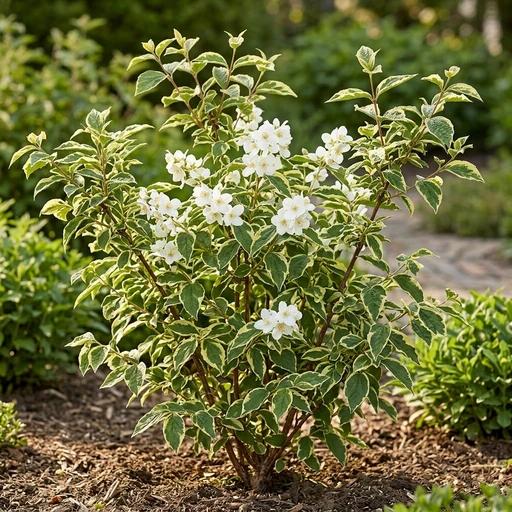
Philadelphus coronarius 'Minnesota Snowflake'
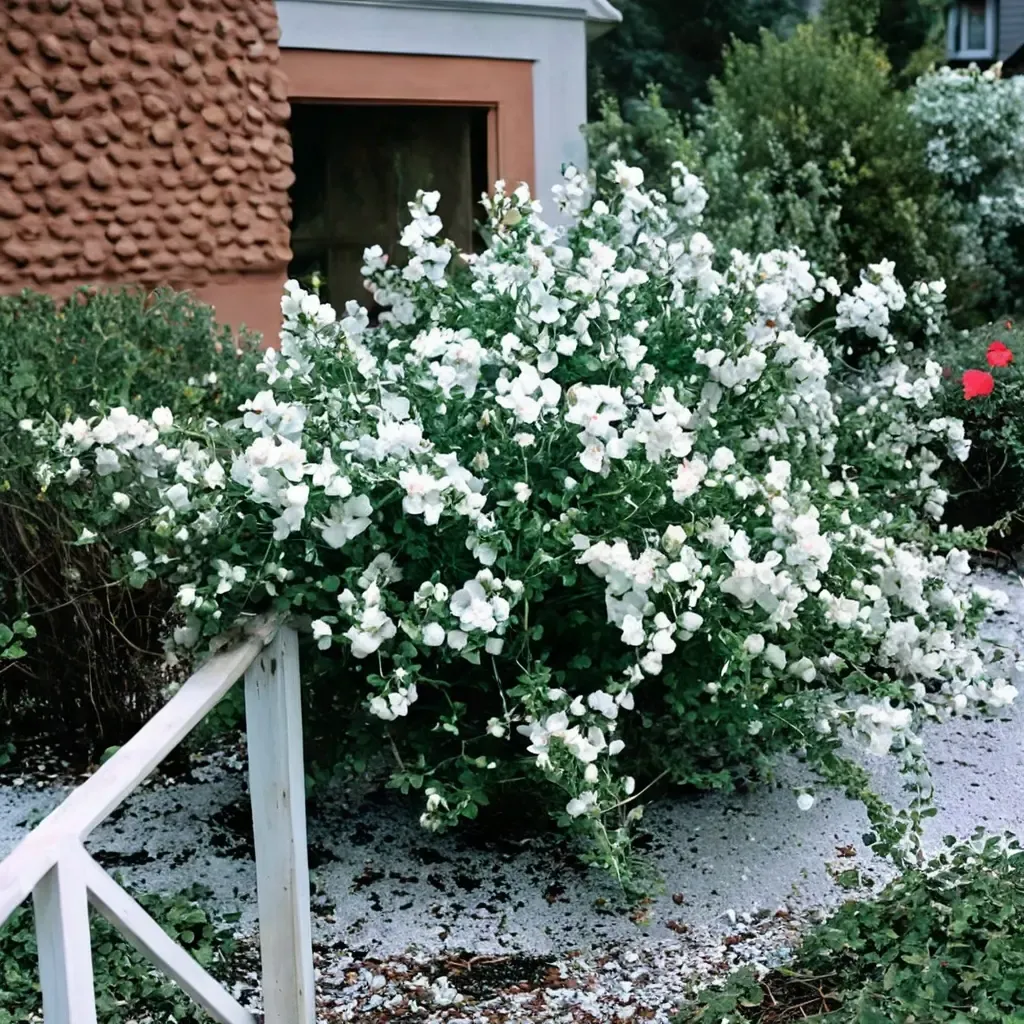
Snowbelle Mockorange
Philadelphus x virginalis 'Snowbelle'
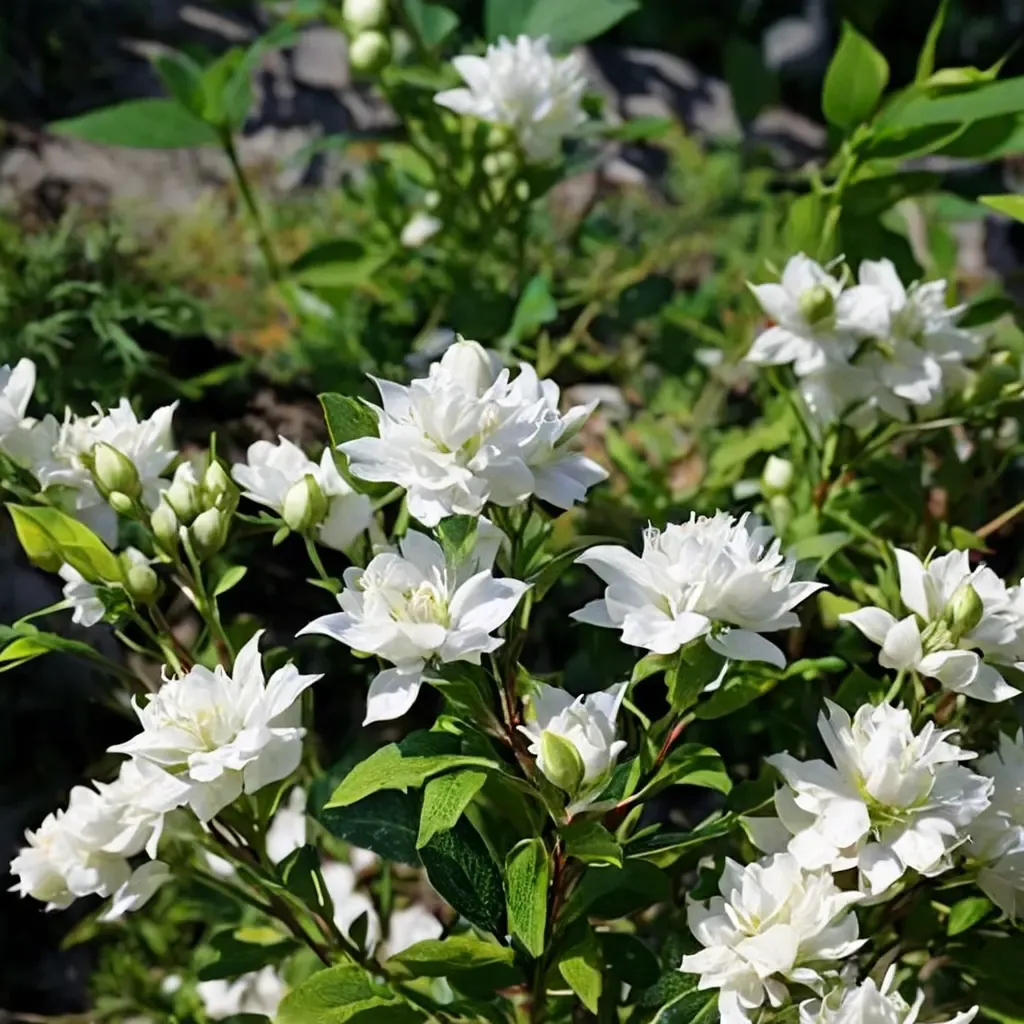
Goose Creek Mockorange
Philadelphus lewisii 'Goose Creek'
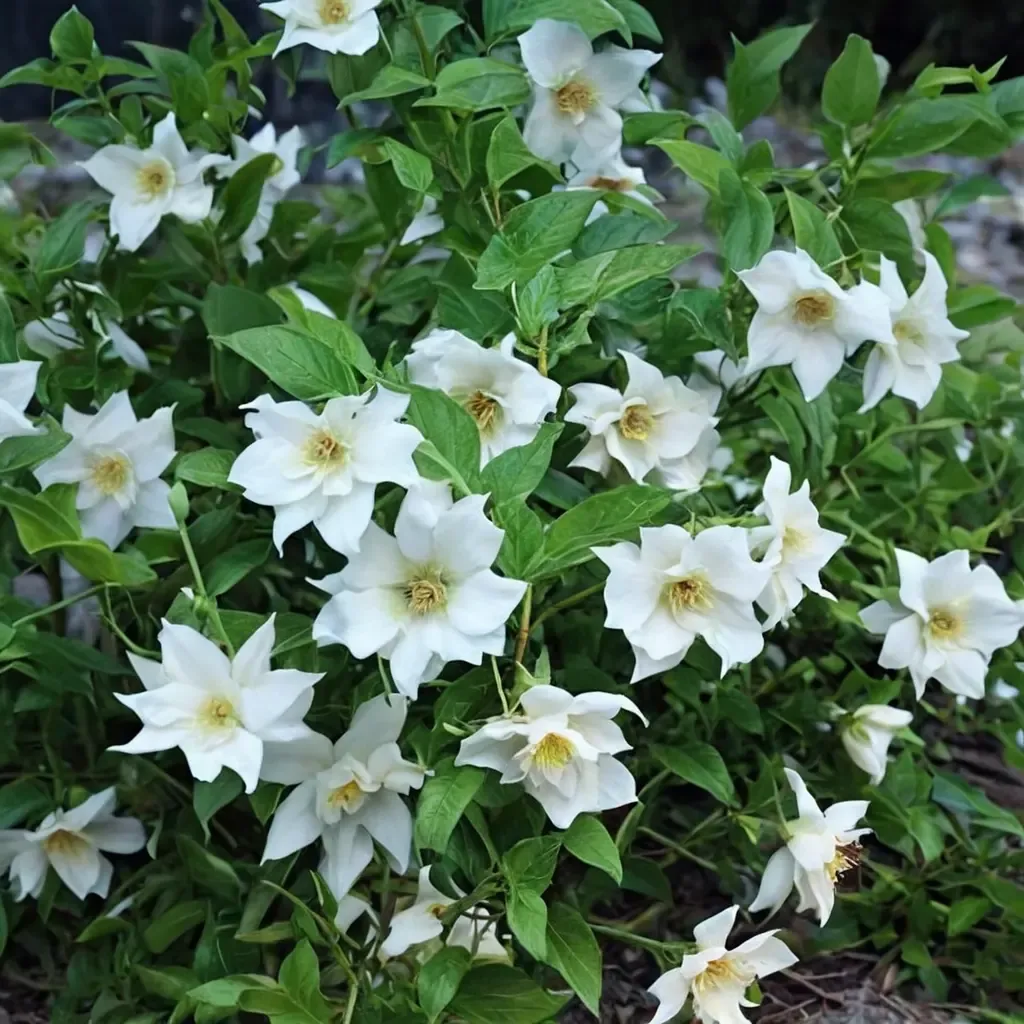
Belle Etoile Mockorange
Philadelphus x virginalis 'Belle Etoile'
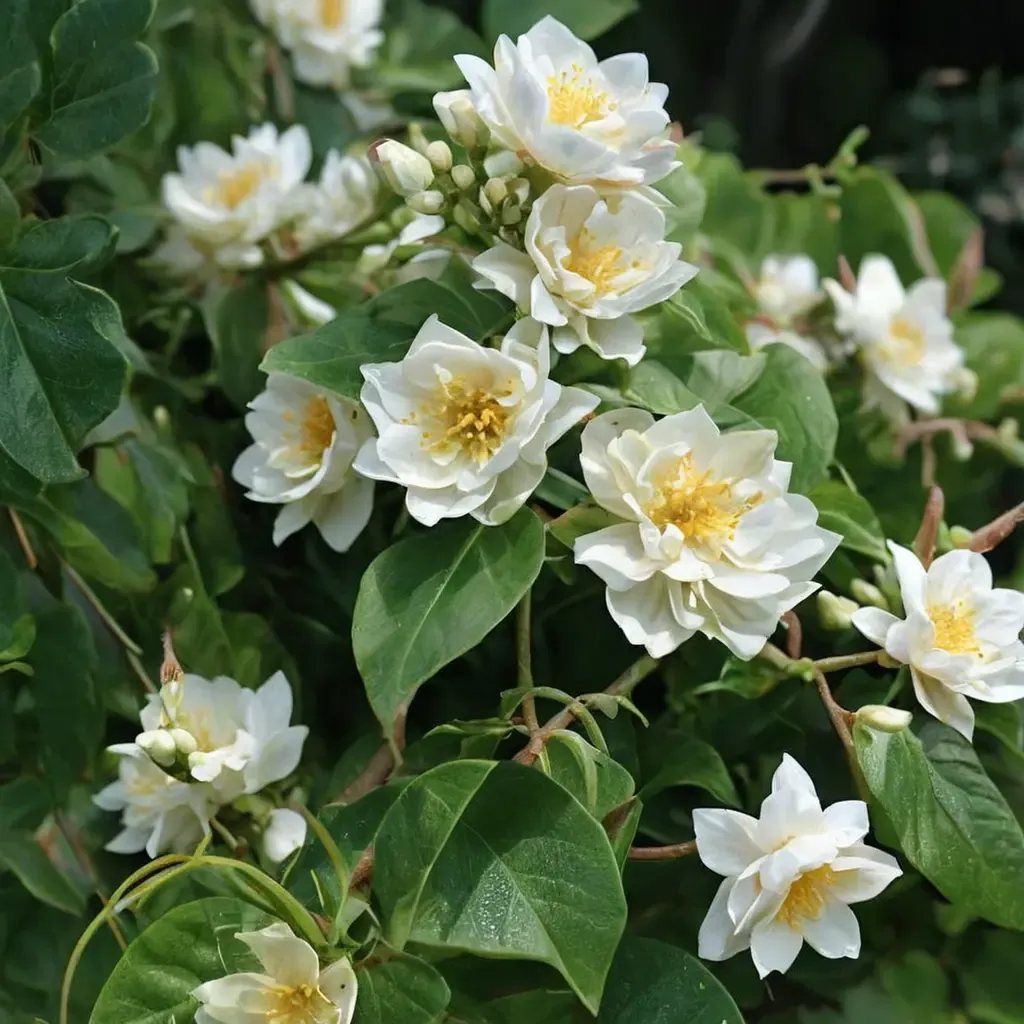
Double-Flowering Mexican Mock Orange
Philadelphus mexicanus 'Flore Plena'
Keep exploring
Explore the genus
Hardy in your zone?
Grow Mockorange with confidence
See it in a design of your actual yard, get zone-matched care reminders, and track it season by season in your garden journal.