





The Story
Plant Bio
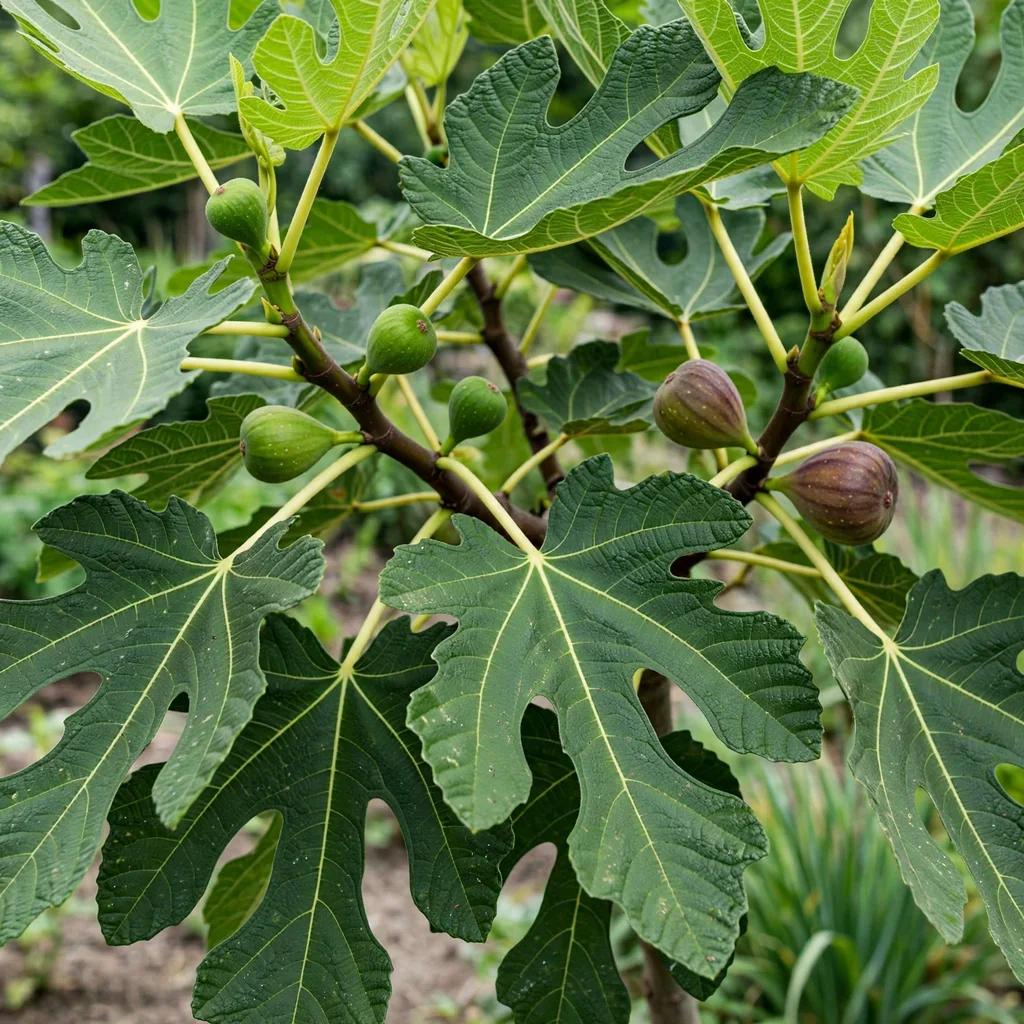
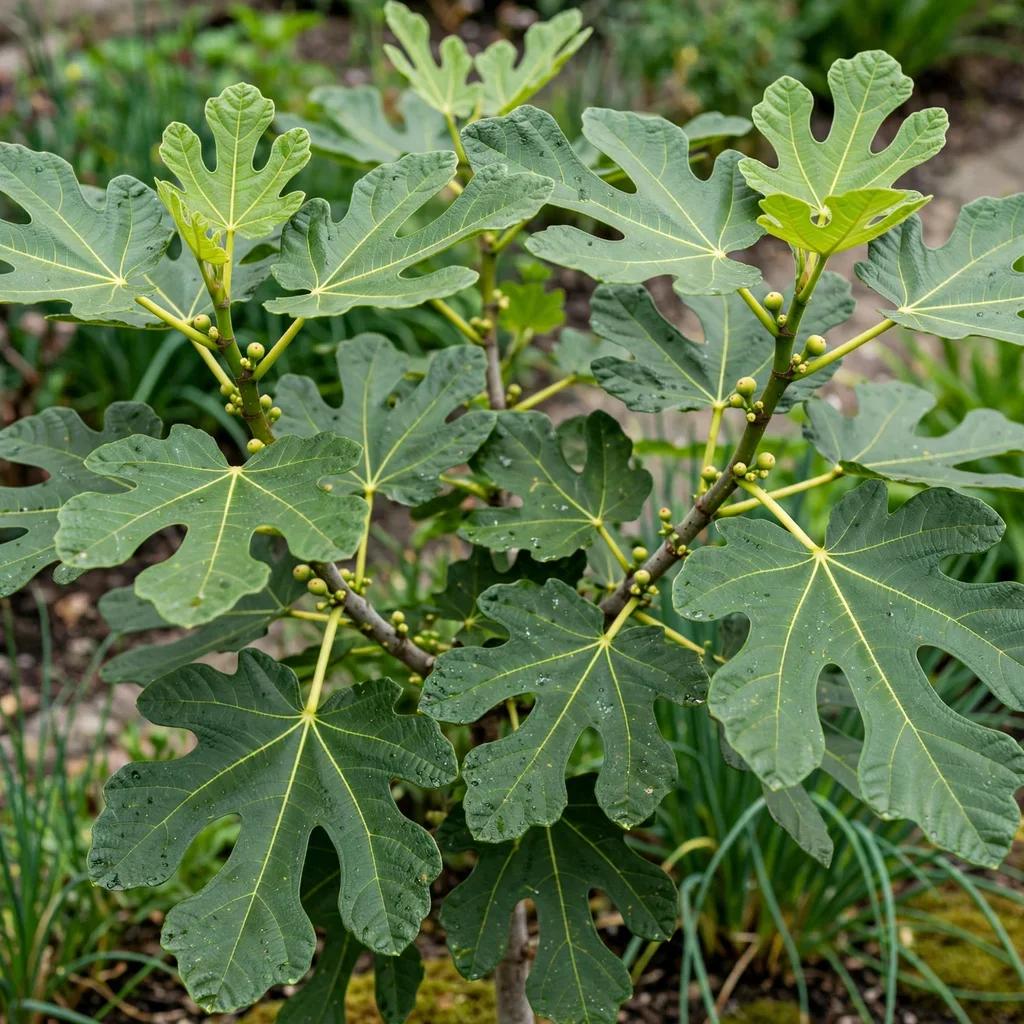
Ficus carica, the common fig, is a deciduous tree or large shrub grown for its delicious, sweet fruit. It has large, lobed leaves and smooth, gray bark, and is native to the Mediterranean region.
'Celeste', also known as the 'Sugar Fig,' is a reliable and cold-hardy variety that produces small to medium-sized, violet-skinned figs with sweet, rich, rose-colored flesh. It has a 'closed eye,' which helps resist insects and fruit splitting.
Uses & Benefits:
Essentials
At a Glance
Plant Type
Tree
Height
120"
Width
120"
Light
Full Sun
Zones
6, 7, 8, 9, 10
Water
Low to moderate
Humidity
Low to moderate
Lifespan
30-50 years
Native To
Western Asia
Toxicity
Sap is a skin irritant
Bloom period
Early summer – Late summer
In flower about 3 months of the year
Planting
How to Grow
- Select the sunniest, warmest spot in your yard, ideally near a south-facing wall.
- Ensure the soil is very well-drained; amend with organic matter.
- Dig a hole twice as wide as the pot.
- Plant at the same depth it was in the container.
- Water deeply after planting and mulch to conserve moisture.
- Water regularly during the first year and during dry spells thereafter.
Pro Tip
For sweeter figs, allow the soil to dry out slightly as the fruits are ripening.
Keep It Thriving
Care Guide
Do
- Provide at least 8 hours of direct sun per day.
- Protect young trees from winter cold in marginal zones.
- Mulch heavily to protect roots and retain moisture.
- Harvest figs when they are fully ripe for the best flavor.
Don't
- Do not plant in poorly drained or wet soil.
- Avoid heavy nitrogen fertilization, which promotes leaves over fruit.
- Don't handle the plant excessively without gloves, as the sap can irritate skin.
- Do not prune heavily, as the main crop forms on old wood.
Seasonal Care Calendar
| Task | Jan | Feb | Mar | Apr | May | Jun | Jul | Aug | Sep | Oct | Nov | Dec |
|---|---|---|---|---|---|---|---|---|---|---|---|---|
| Fertilize | ||||||||||||
| Harvest | ||||||||||||
| Prune | ||||||||||||
| Winter Prep |
Watch Out For
Pests & Diseases
Common Pests
Common Diseases
In the Garden
Landscape Uses & Companions
Landscape Uses
Multiply
Propagation Methods
Good to Know
Common Questions
Celeste Fig questions
What zones can Celeste Fig grow in?
Celeste Fig is hardy in USDA Zones 6–10. Inside that range it survives winter in the ground; outside it, grow it as an annual or a container plant you protect.
Is Celeste Fig deer resistant?
Yes — Celeste Fig is rated deer-resistant. Deer typically pass it over, though extreme hunger can override any plant's defenses.
When does Celeste Fig bloom?
Celeste Fig typically blooms in early summer through late summer. Exact timing shifts a week or two with your zone — Sow's bloom calendar maps it to your garden.
Does Celeste Fig need full sun?
Celeste Fig does best in full sun (6+ hours).
Is Celeste Fig drought tolerant?
Yes — once established (usually after the first full season), Celeste Fig handles dry spells with minimal watering. Water deeply its first year to build the root system that makes that possible.
More Ficus to compare
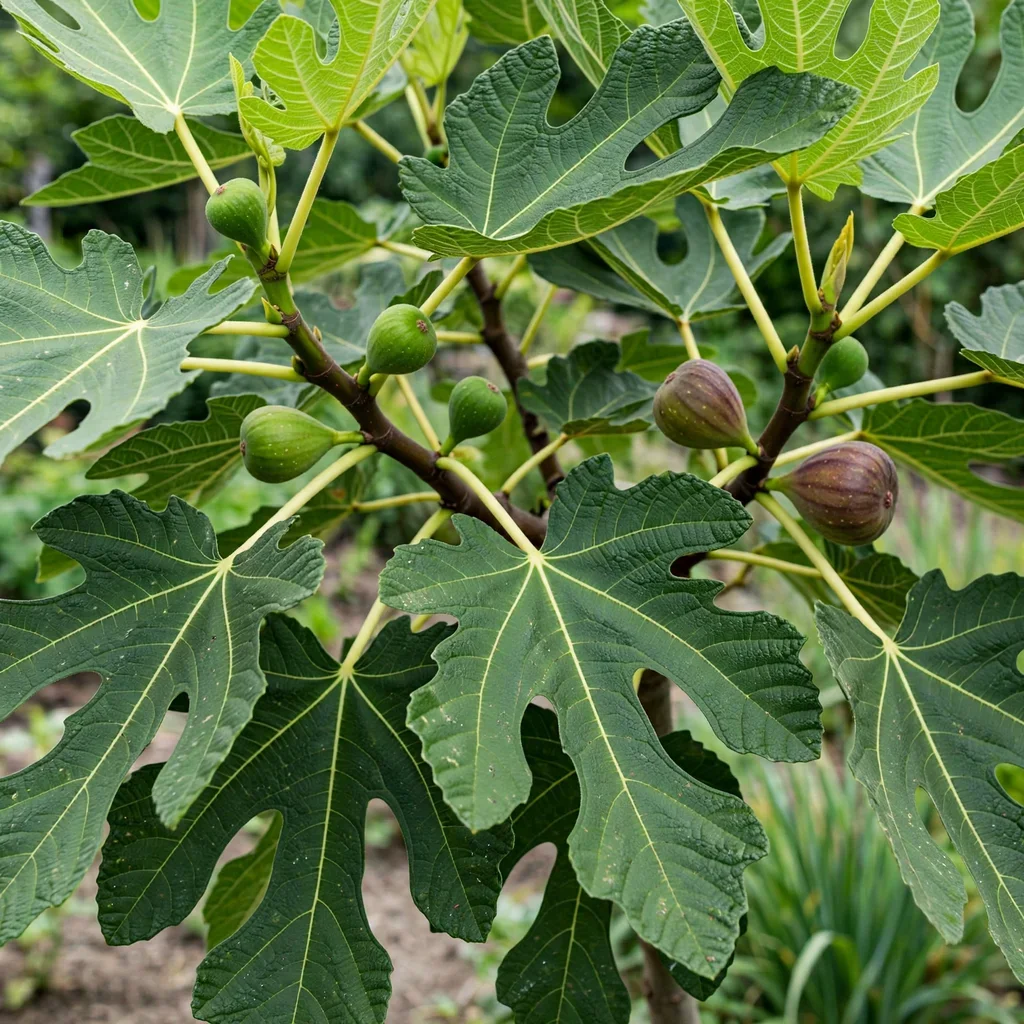
Fig Tree Brown Turkey
Ficus carica 'Brown Turkey'
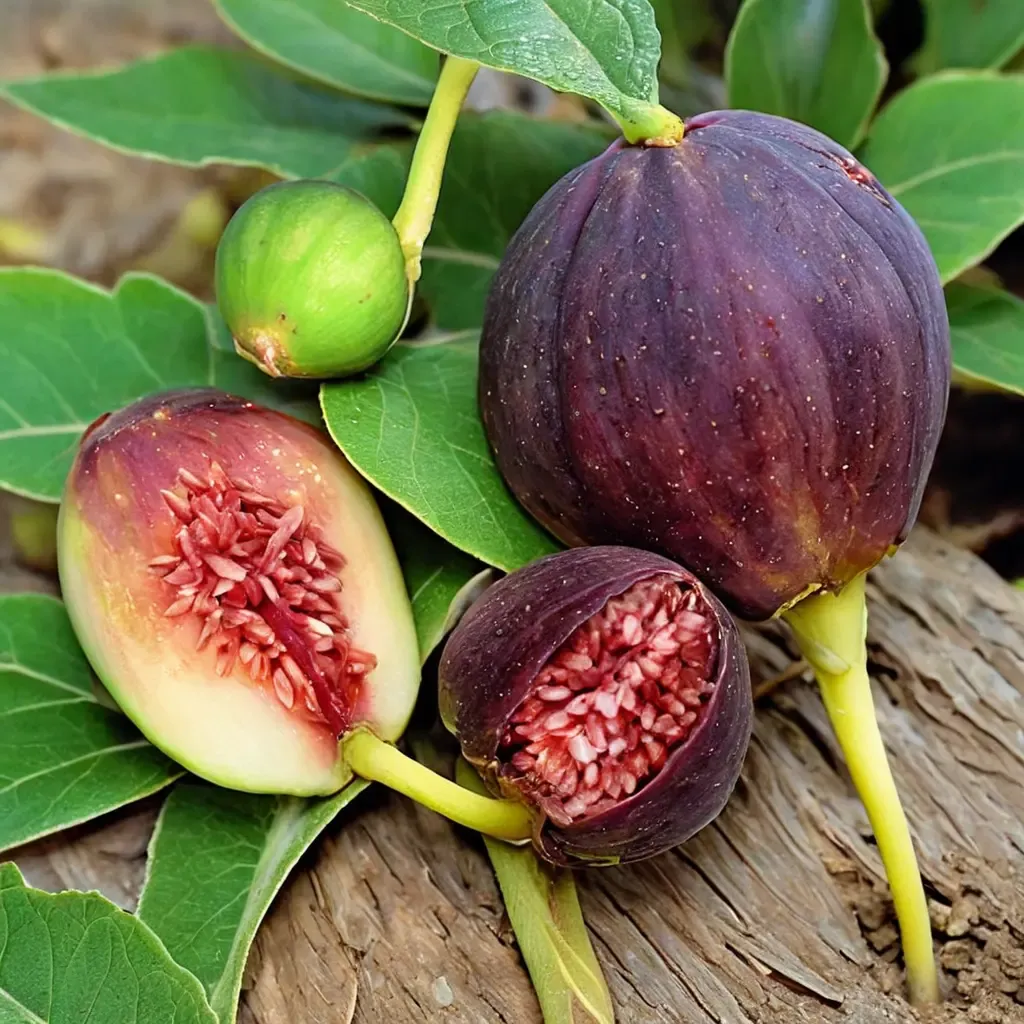
Improved Brown Turkey Fig
Ficus carica 'Improved Brown Turkey'
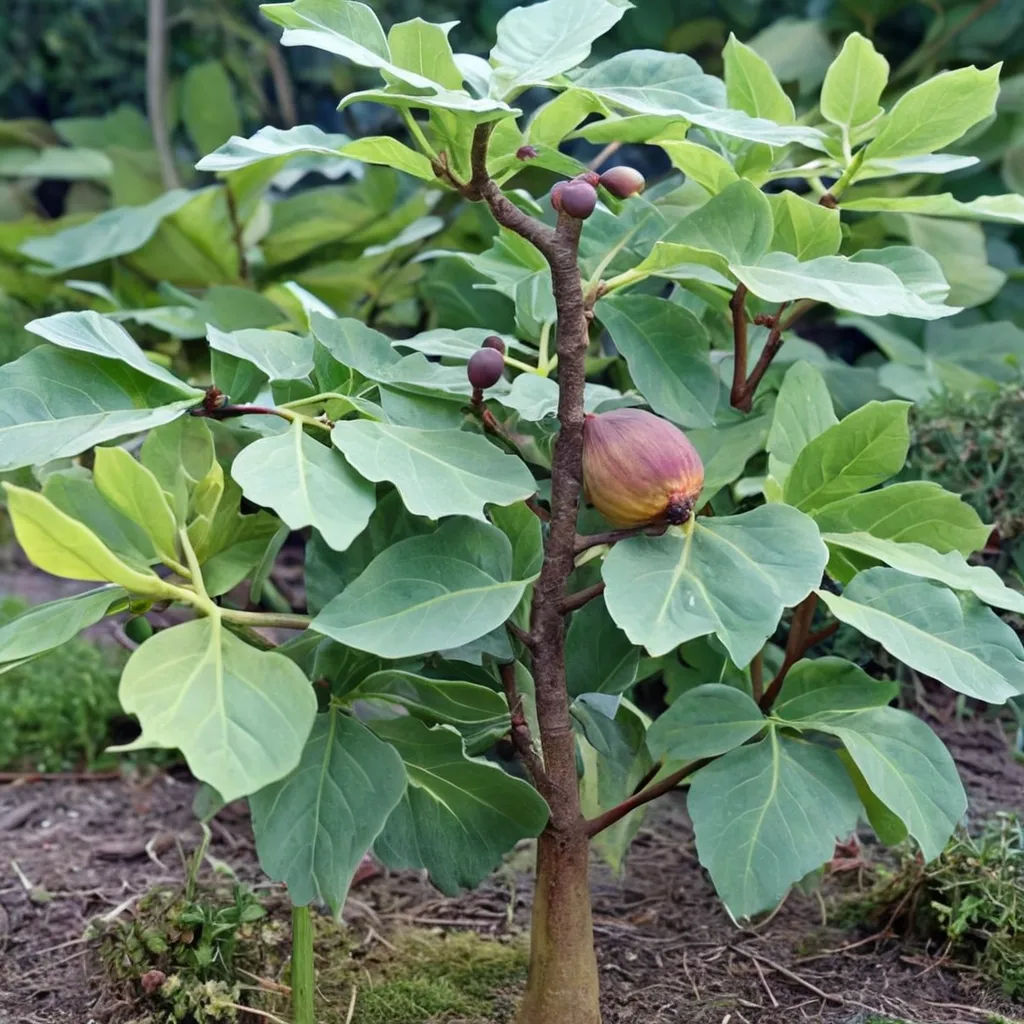
Chicago Hardy Fig
Ficus carica 'Chicago Hardy'
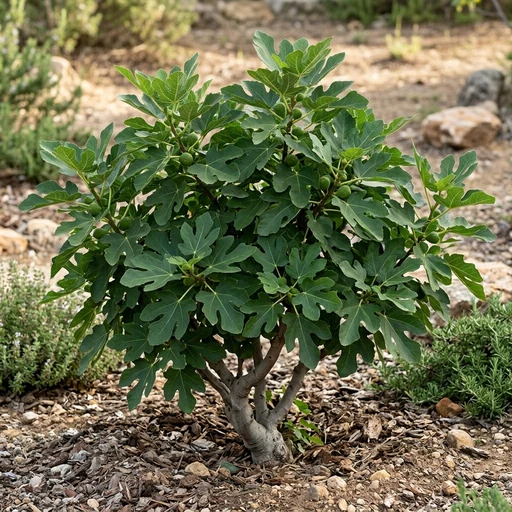
Little Miss Figgy Dwarf Fig
Ficus carica 'Little Miss Figgy'
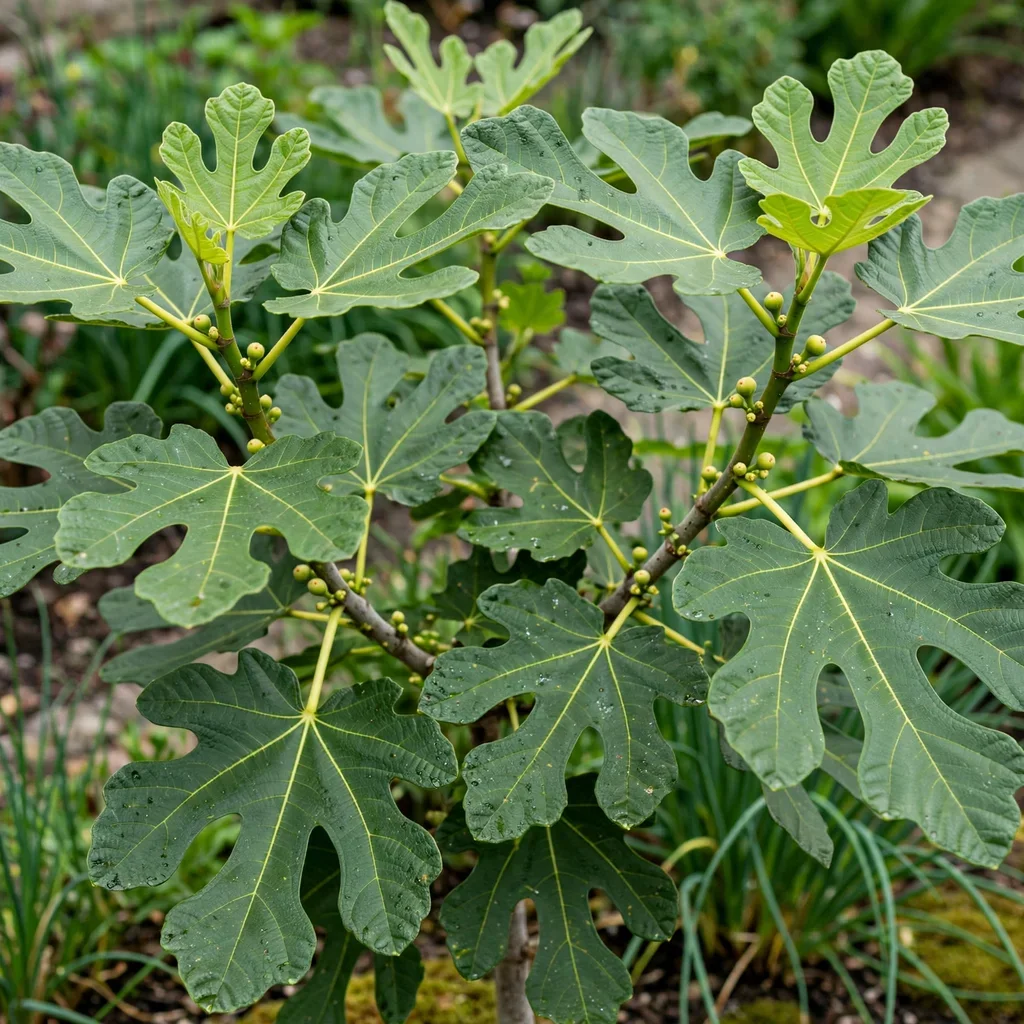
Champagne Fig
Ficus carica 'Champagne'
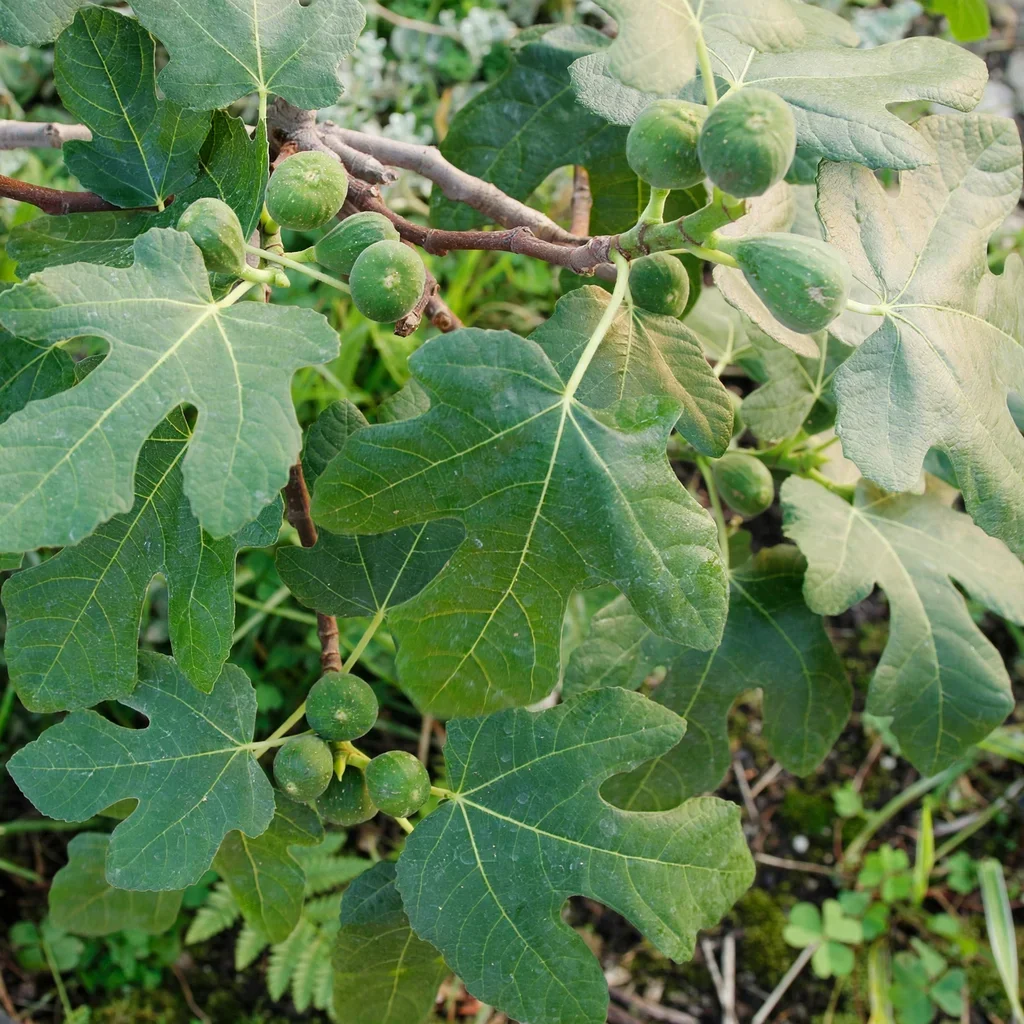
Fignomenal Fig
Ficus carica 'Fignomenal'
Keep exploring
Explore the genus
Hardy in your zone?
Grow Celeste Fig with confidence
See it in a design of your actual yard, get zone-matched care reminders, and track it season by season in your garden journal.