Also known as Fig · 197 saves
Ficus
Ficus, the genus most gardeners know as fig. We track 19 varieties; the ones most used by real gardeners.
The 19 most-saved Ficus varieties
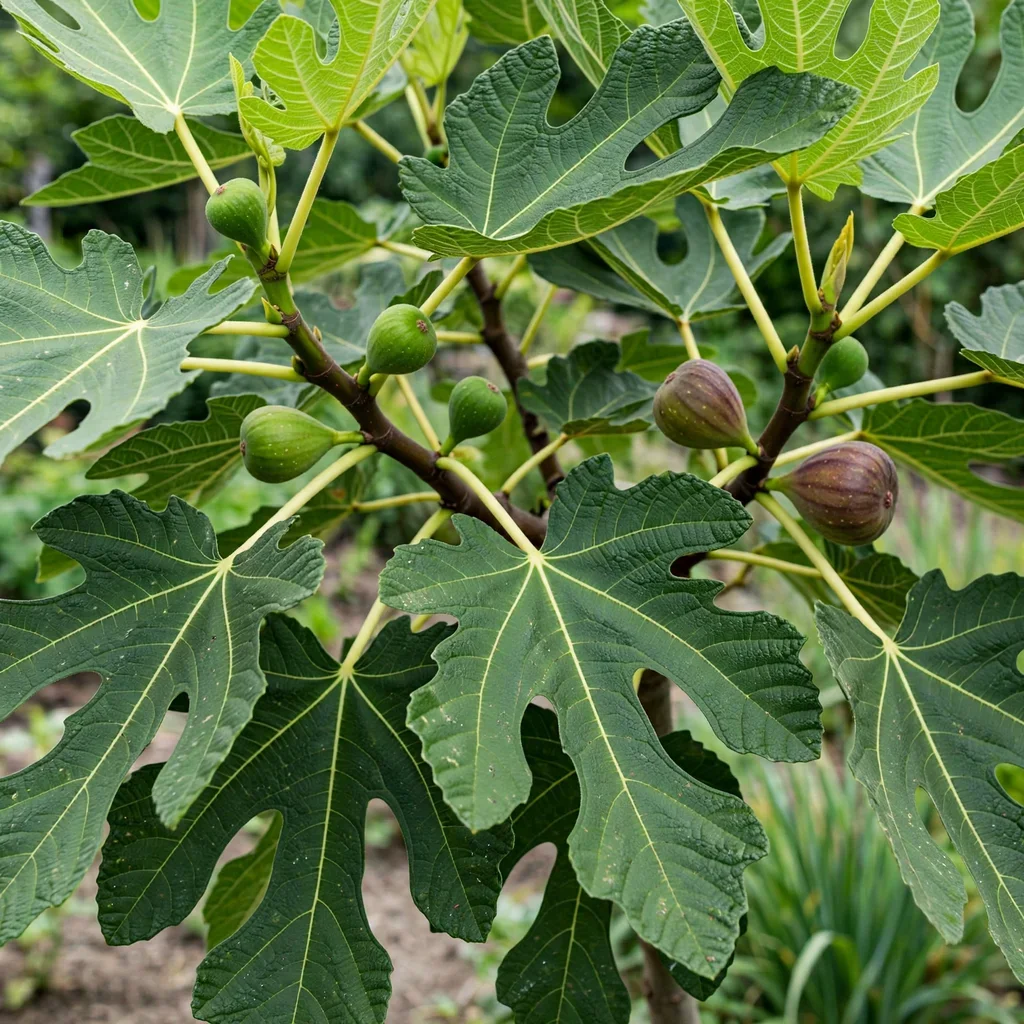
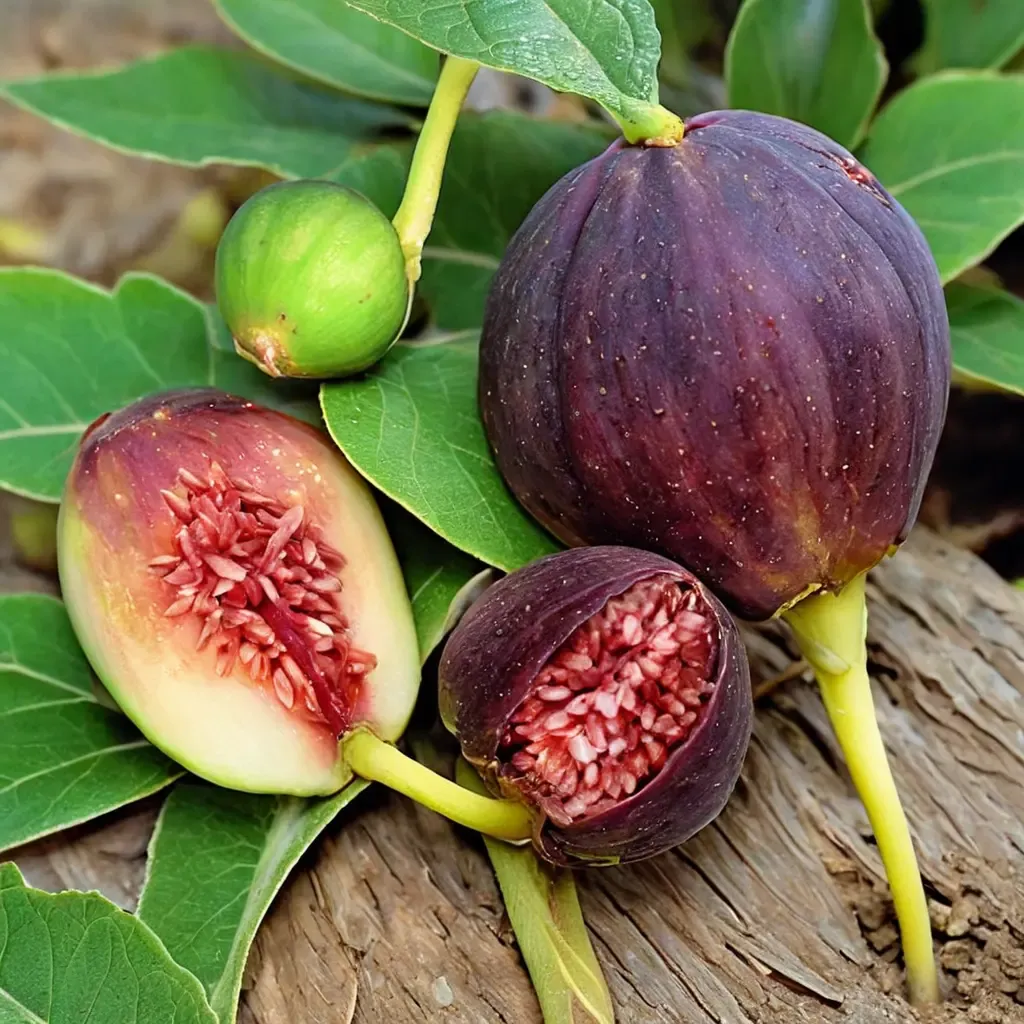
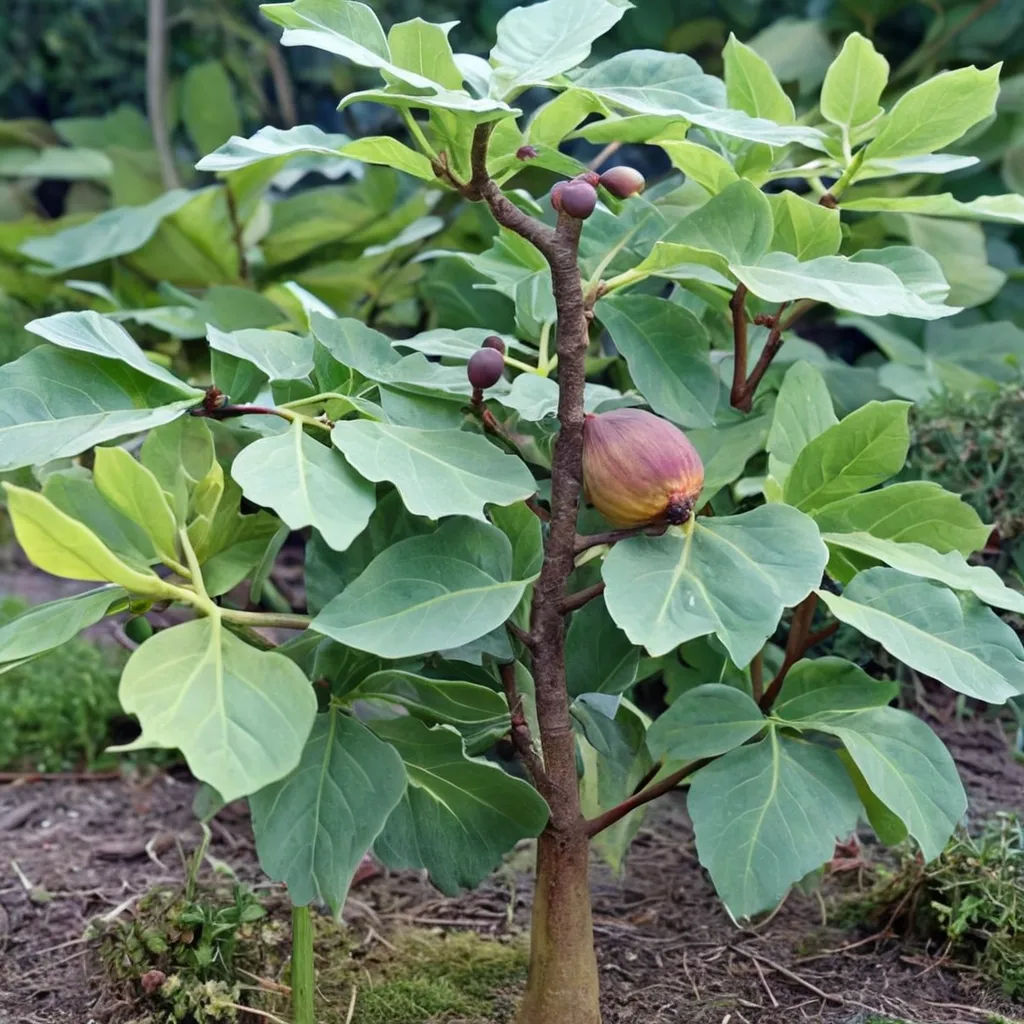
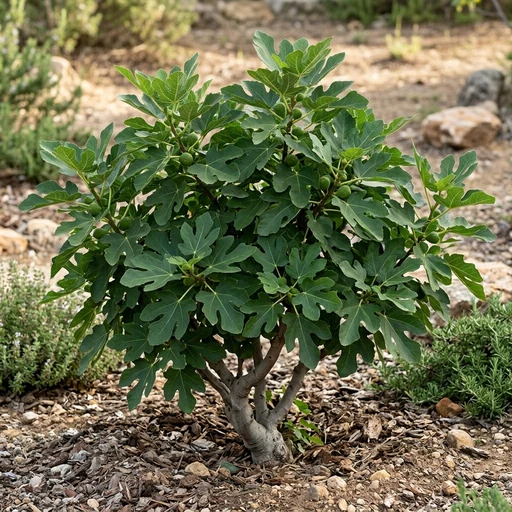
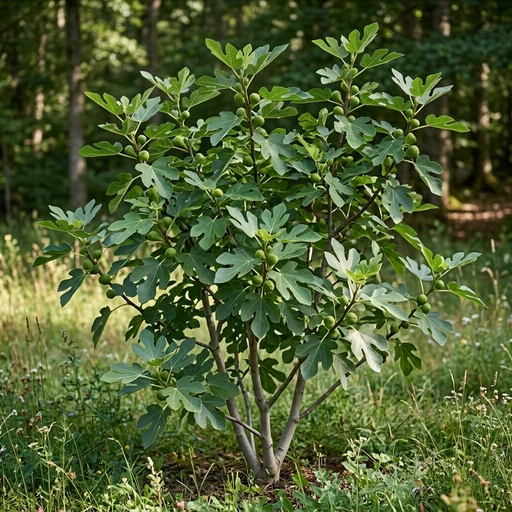
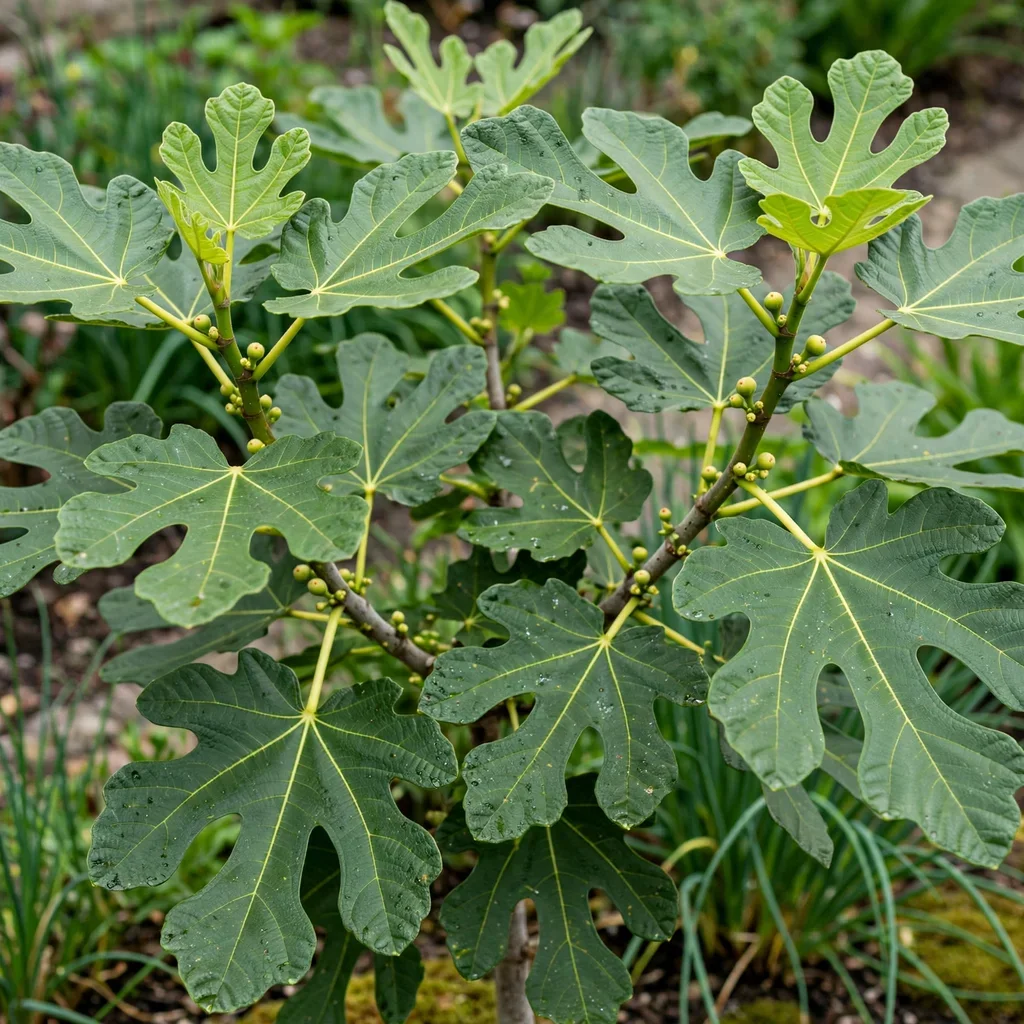
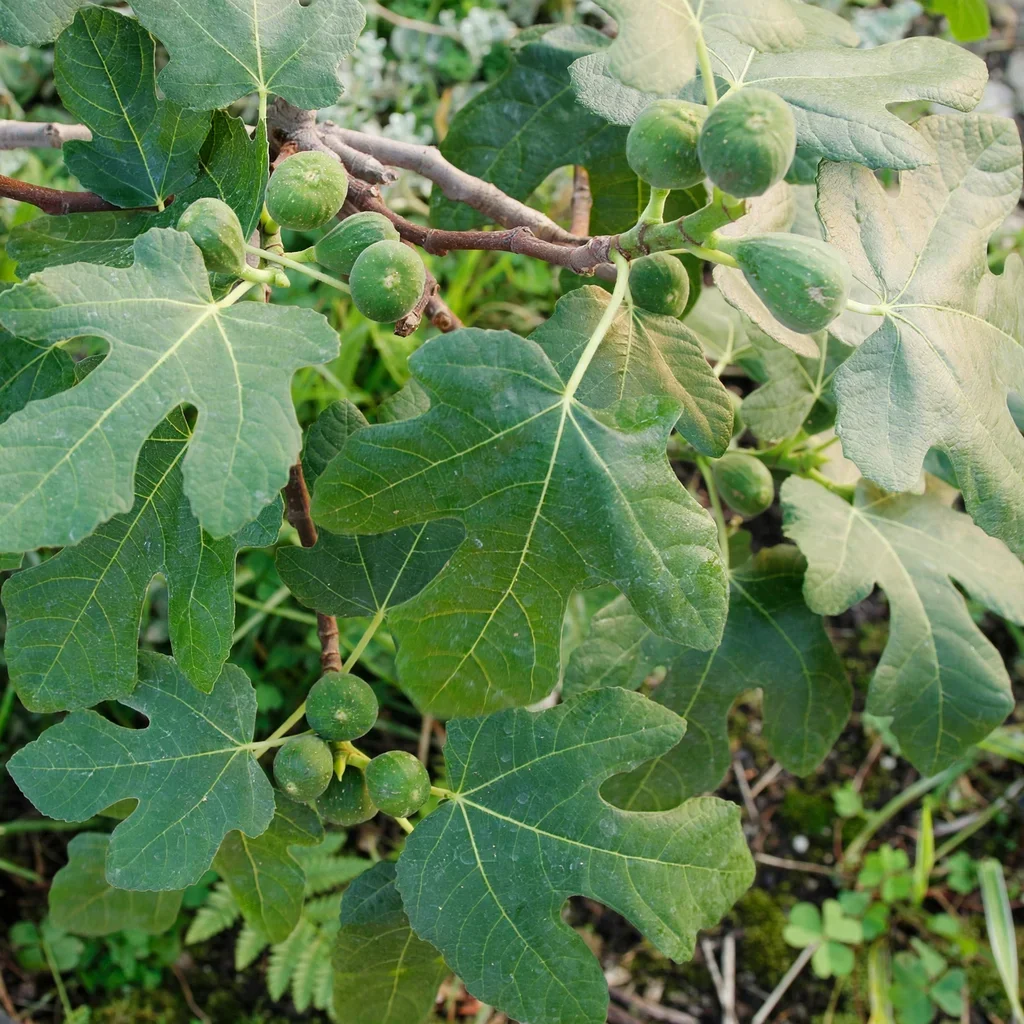
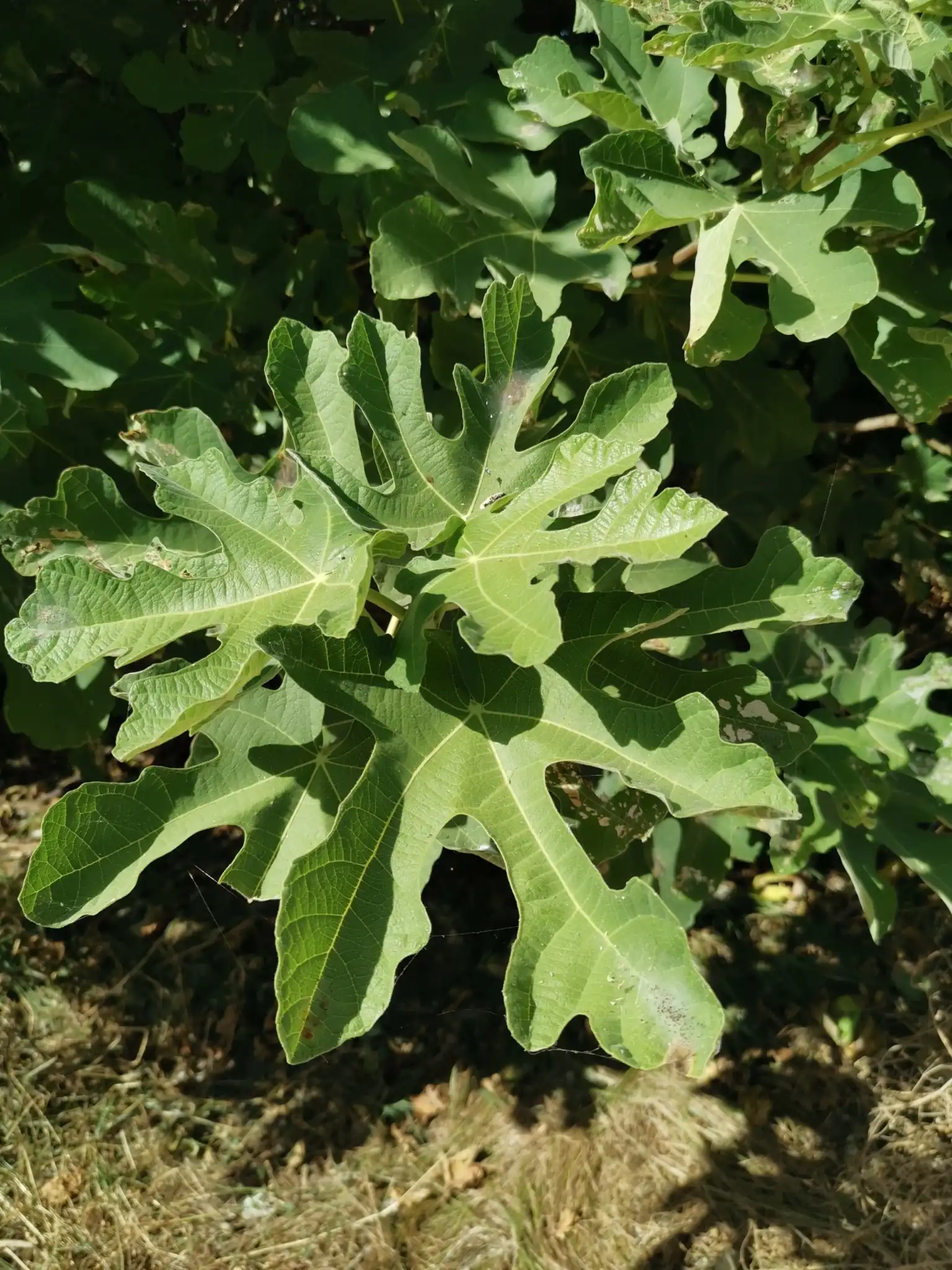

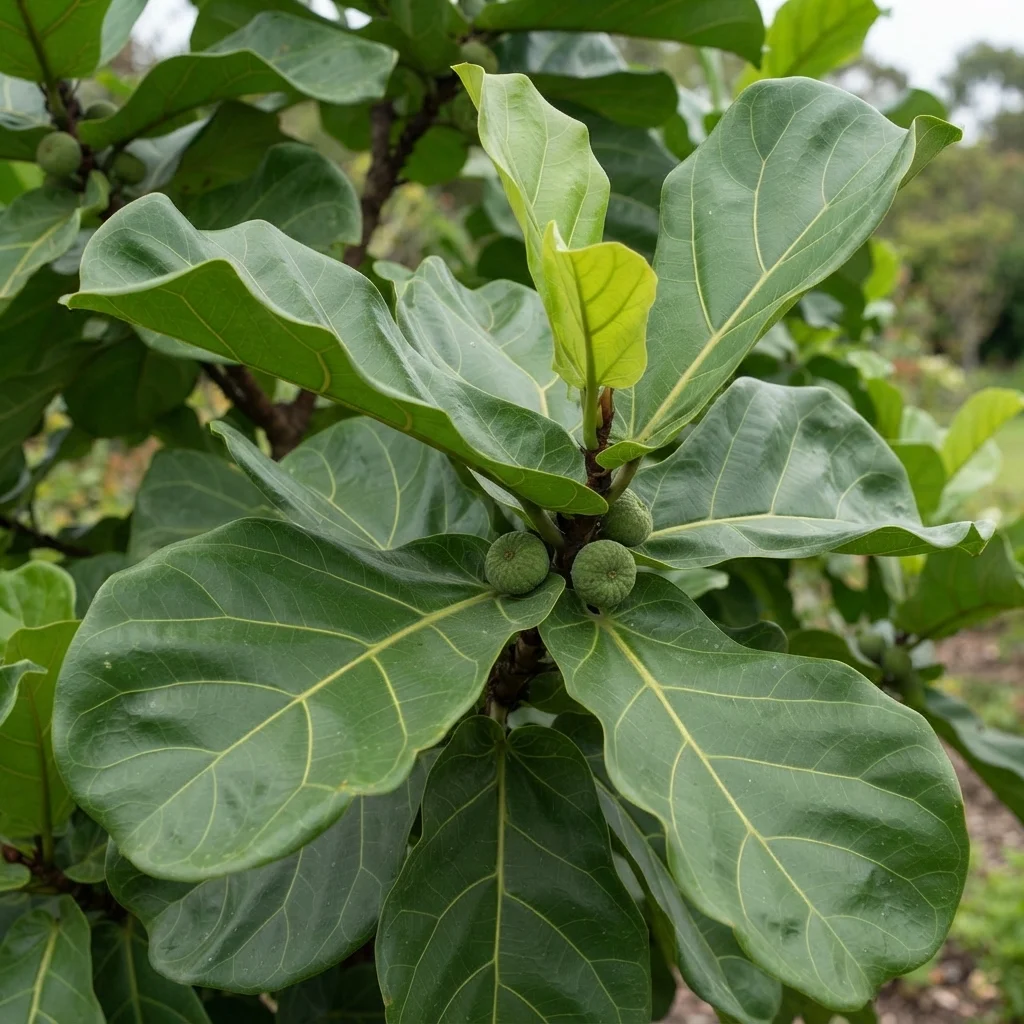
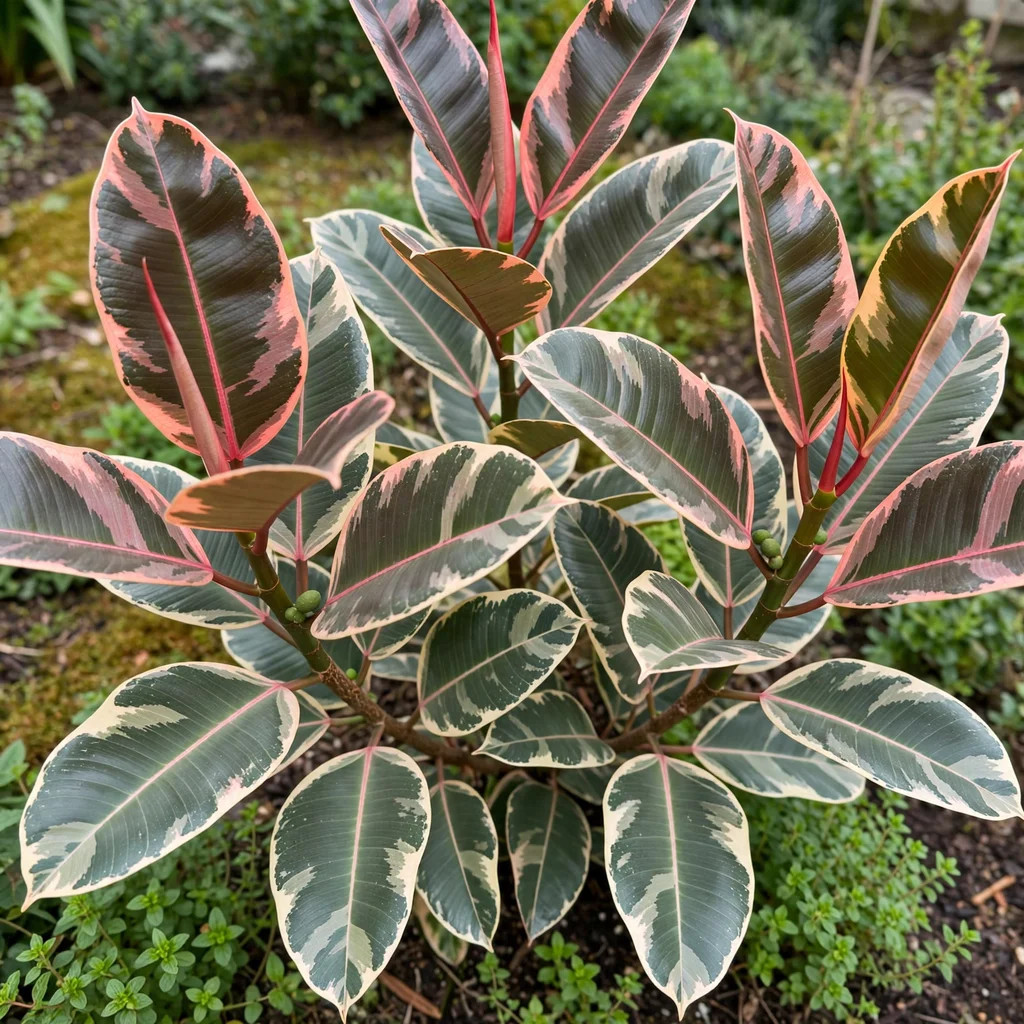
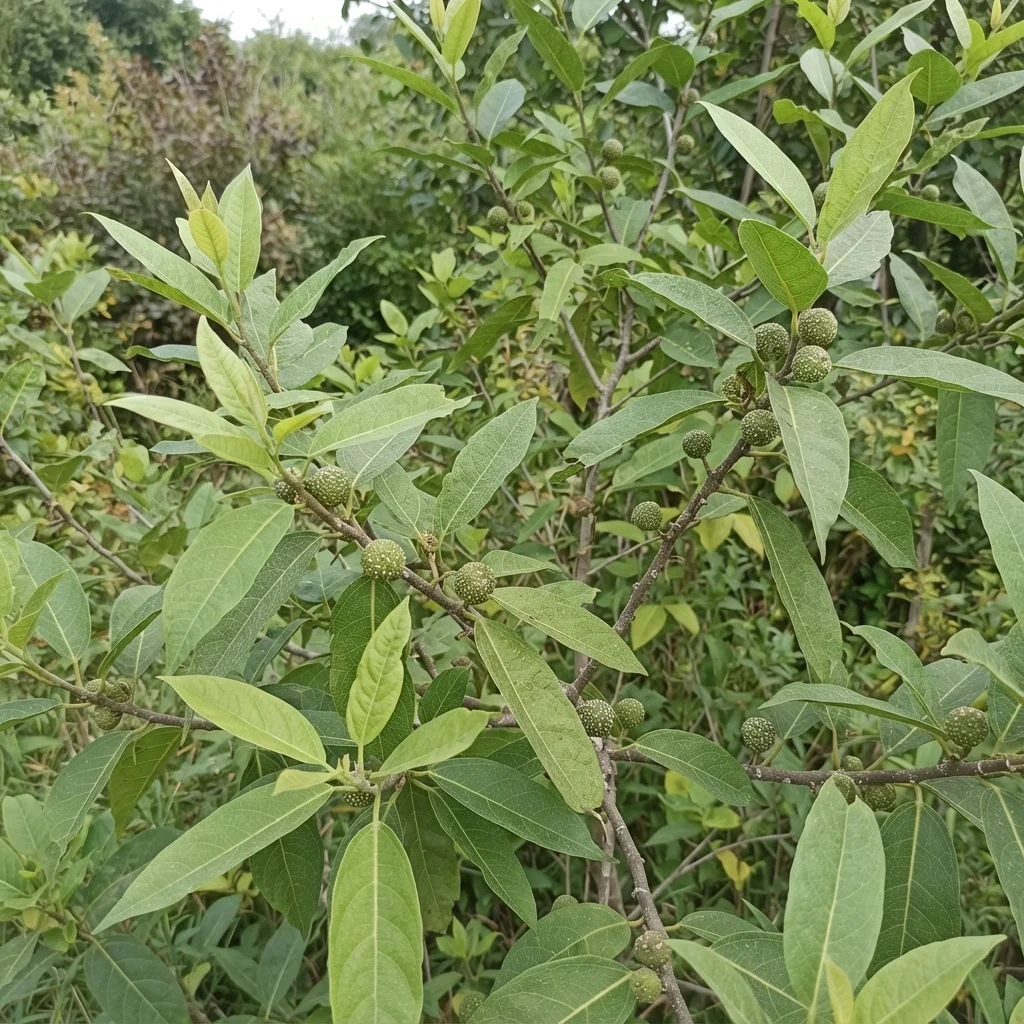
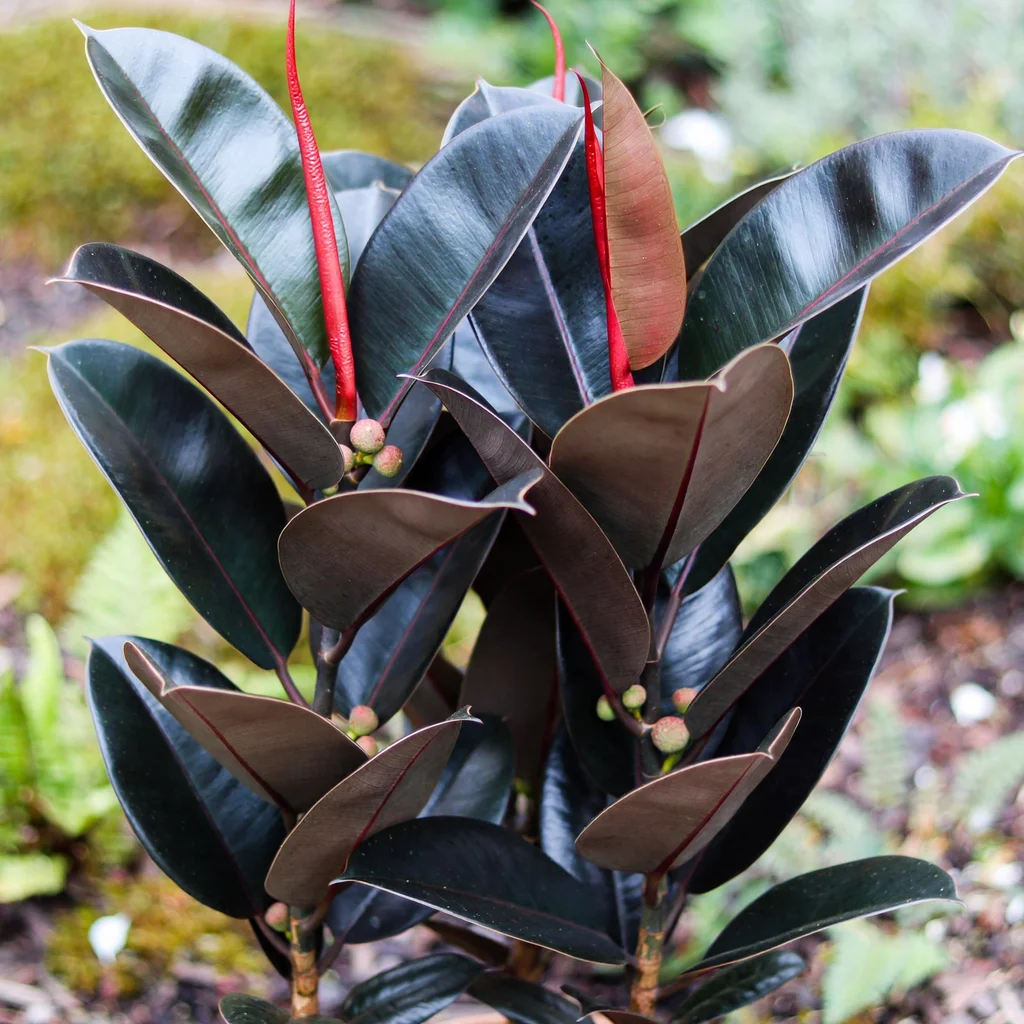
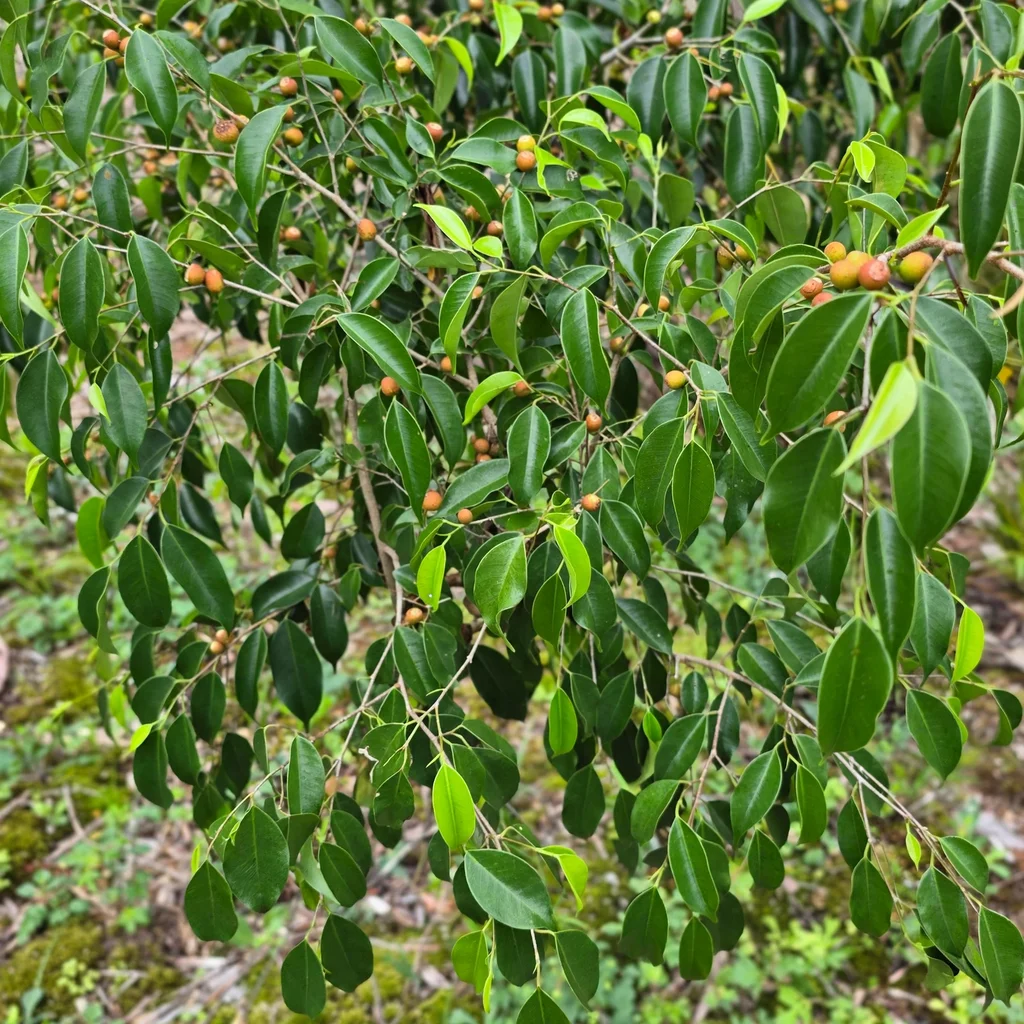
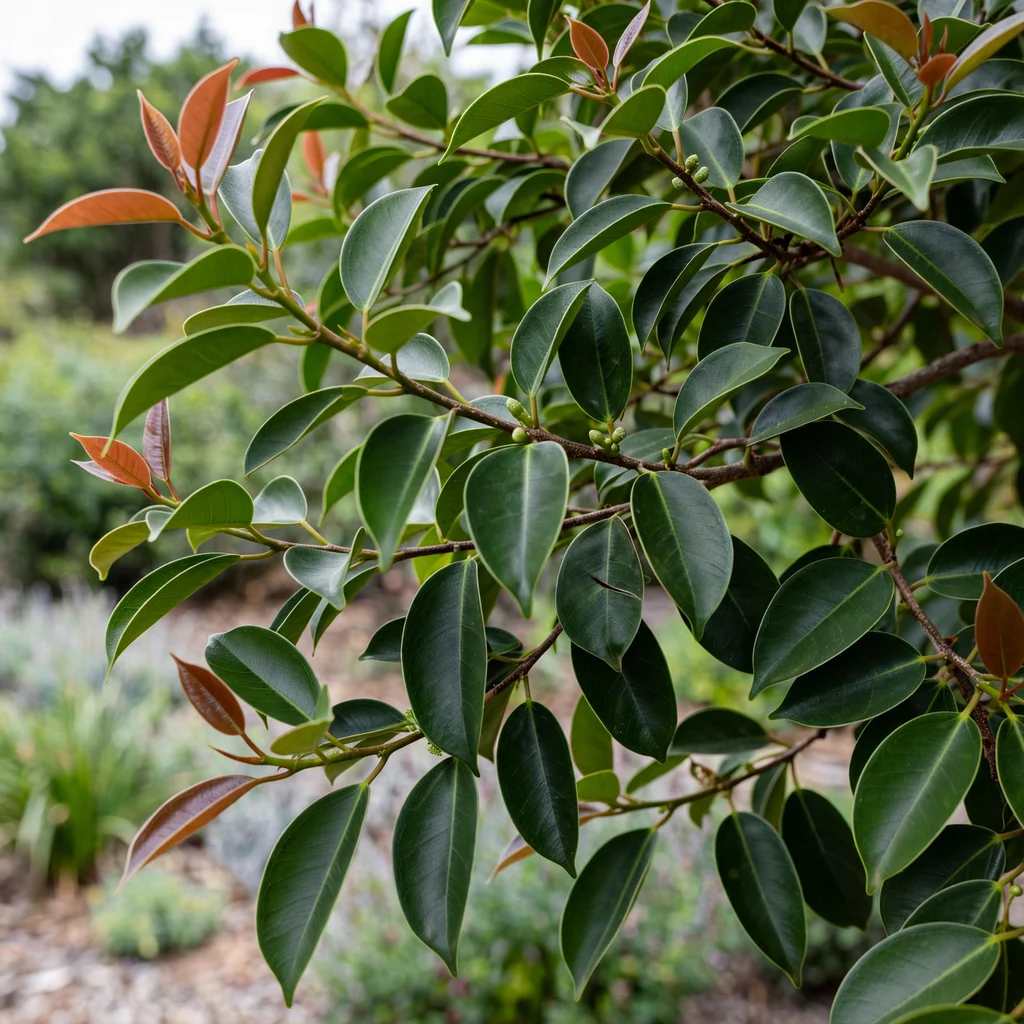
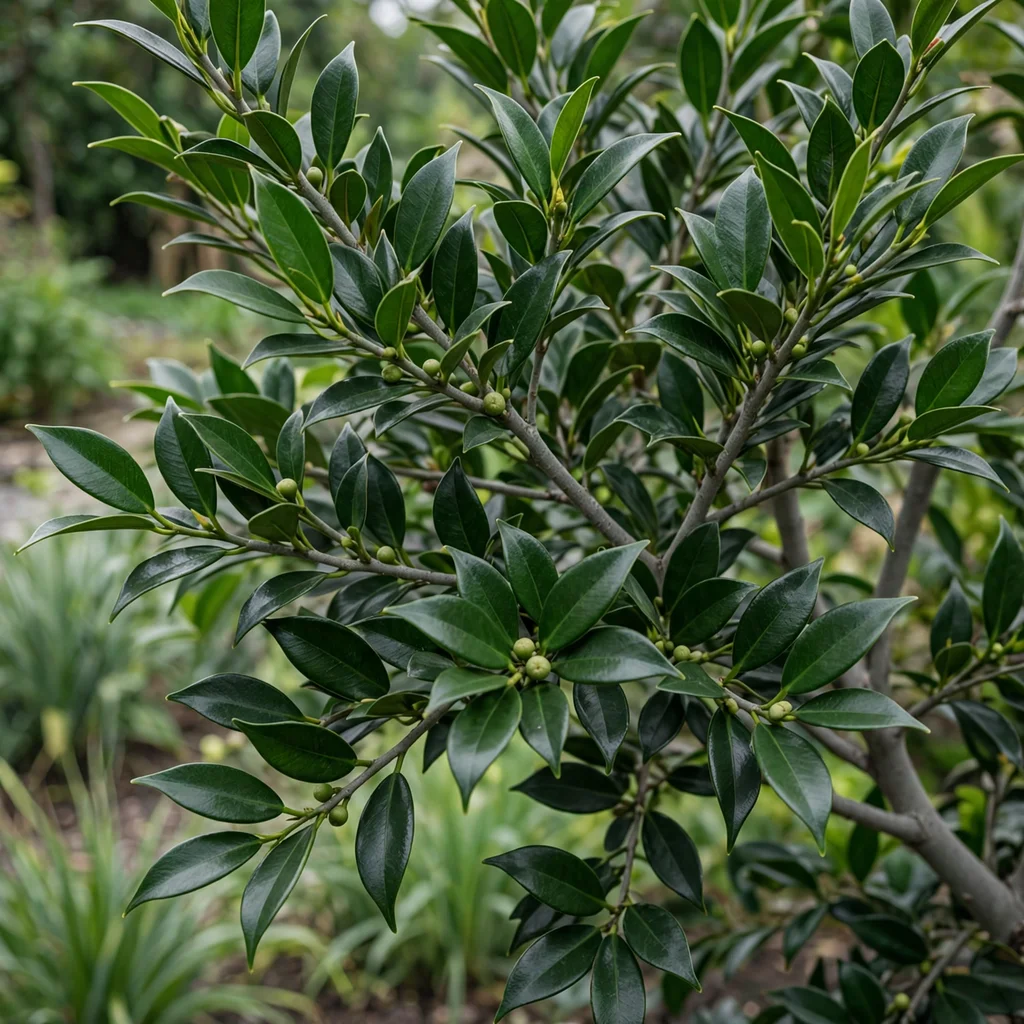
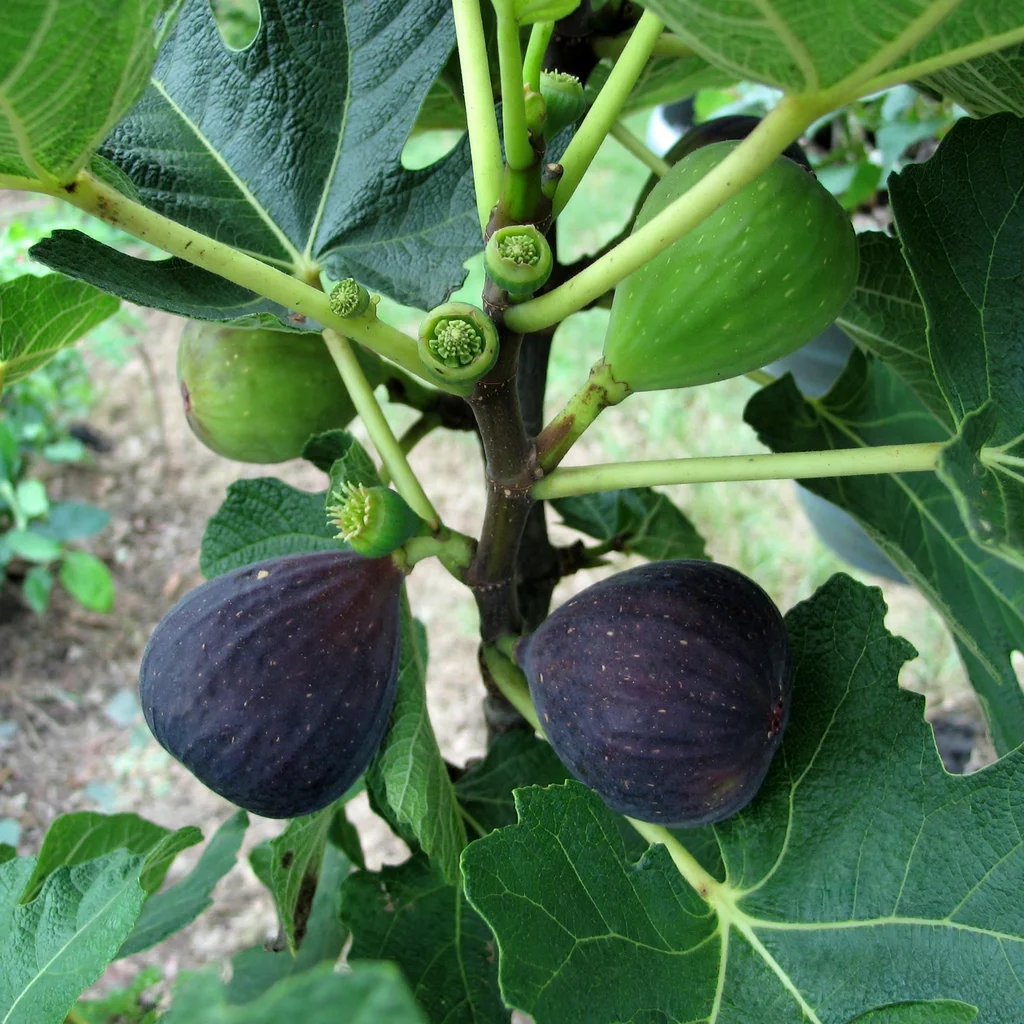
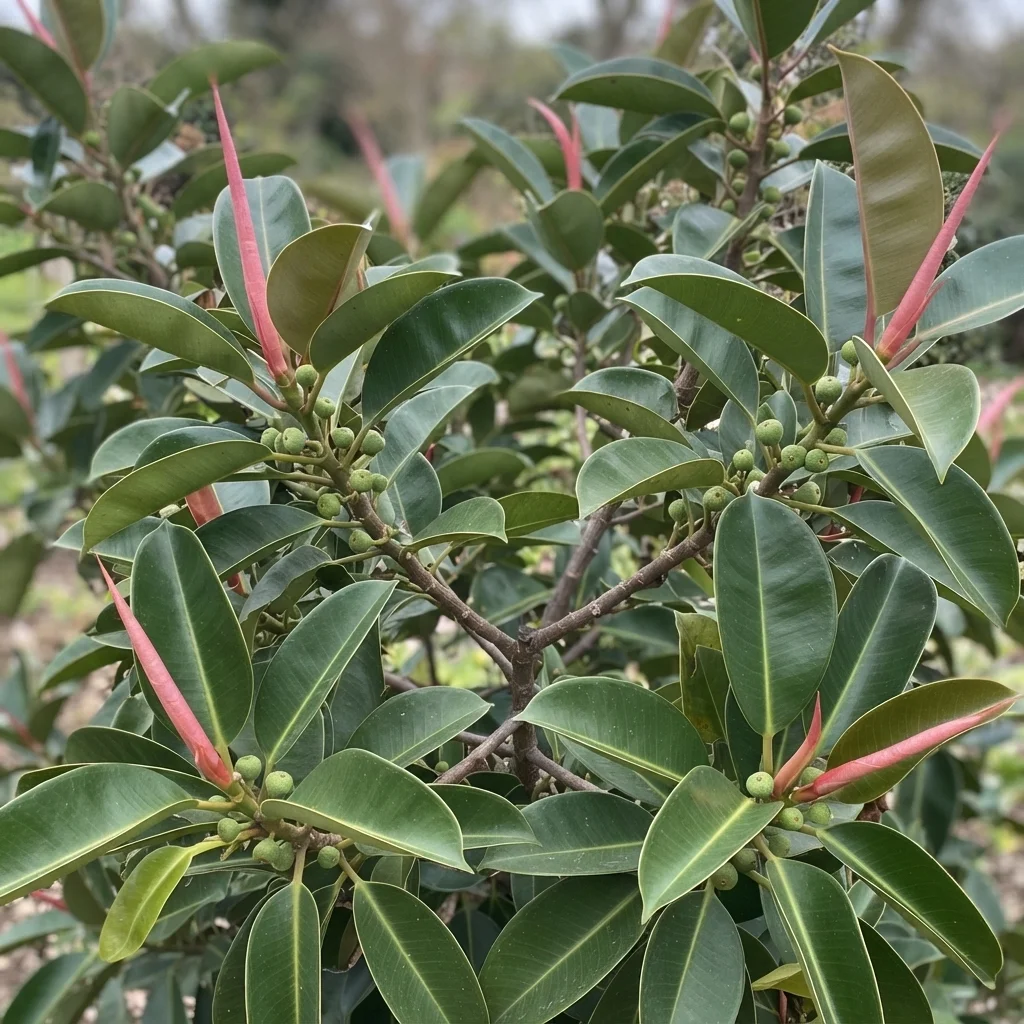
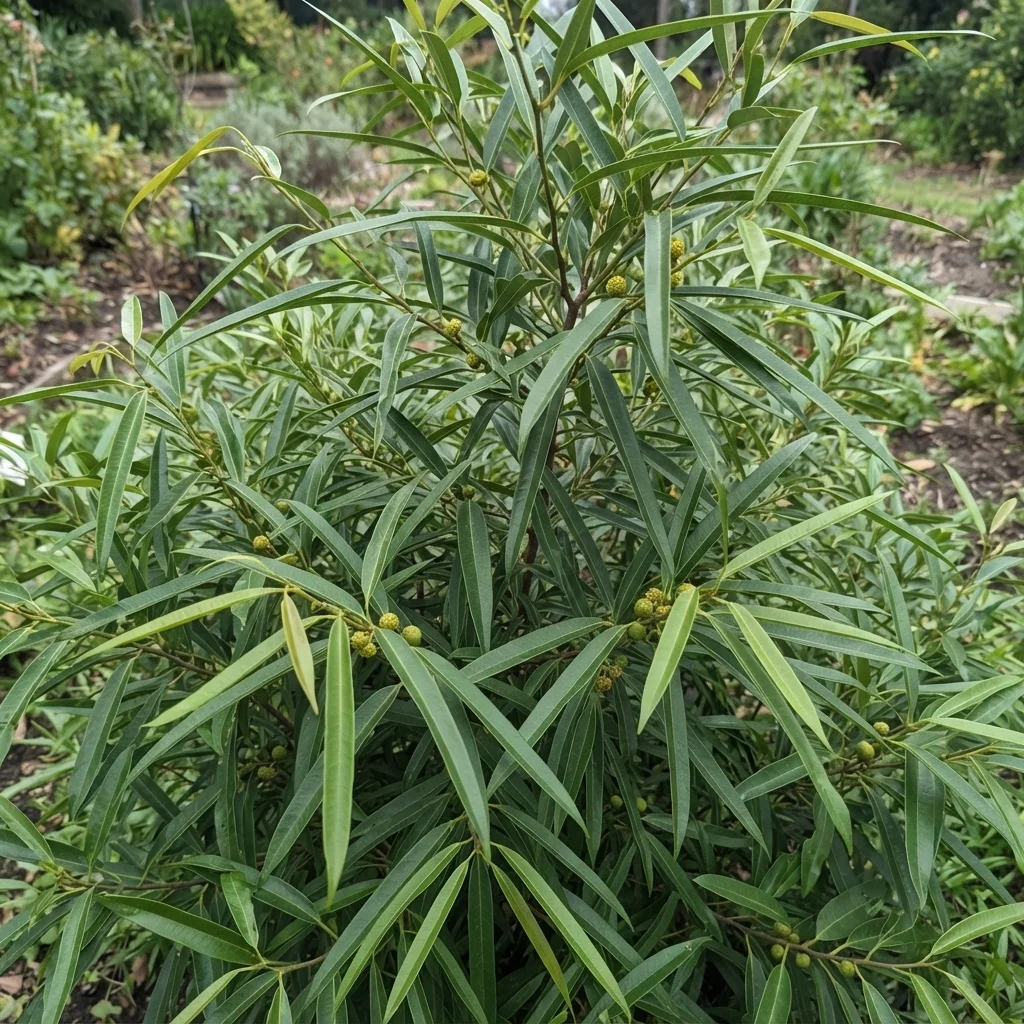
7 species of Ficus
Each one is a parent of the varieties above.
Track your Ficus in Sow
Save the Ficus you grow and get care reminders timed to your zone.
How to grow Ficus
Whats common across all Ficus varieties in our catalog — drawn from the care records of the 19 most-grown of them.
The Ficus year
- PruneMarch and April100% of varieties
Shape tree and remove dead, crossing, or weak branches in late winter.
- FertilizeApril–July95% of varieties
Apply balanced fertilizer in early spring as new growth begins.
- Check for PestsJune–August58% of varieties
Inspect leaf undersides regularly for spider mites, scale, and mealybugs.
- Winter PrepNovember and December53% of varieties
Protect in-ground trees with mulch; move container figs to a cool, dark place.
- HarvestAugust–October42% of varieties
Pick fruit when soft, fully colored, and slightly drooping.
- PropagateMay and June32% of varieties
Take hardwood cuttings during the dormant season.


Do
- Prune to shape and remove dead branches
- Water consistently, especially during dry spells 🌱
- Mulch to conserve moisture and suppress weeds
- Provide bright, indirect light with a few hours of direct morning sun.
- Allow the top two inches of soil to dry completely before watering again.
Avoid
- Avoid overwatering to prevent root rot ❌
- Don't fertilize in late fall to prevent new growth that can be damaged by frost
- Never ignore pest signs; early intervention is key
- Do not allow the pot to sit in standing water or undrained saucers.
What goes wrong with Ficus
| Problem | What you'll see | What to do |
|---|---|---|
| Scale insects | Brown, immobile bumps on stems and leaf undersides. | Wipe pests off with rubbing alcohol or apply systemic insecticides. |
| Spider mites | Fine webbing and pale stippling on the leaves. | Apply insecticidal soap or horticultural oils and increase surrounding humidity. |
| Mealybugs | White, cottony masses nesting in the leaf axils. | Dab pests with alcohol-soaked cotton swabs or spray with horticultural oils. |
| Aphids | Sticky honeydew and distorted leaves | Apply insecticidal soap or introduce beneficial insects |
| Root rot | Yellowing leaves, blackening stems, and mushy, collapsing roots. | Reduce watering frequency, improve soil drainage, and apply a suitable fungicide. |
| Root Rot | Wilting and yellowing leaves | Improve drainage and reduce watering |
| Powdery mildew | White, powdery coating on leaf surfaces, reducing plant vigor. | Improve air circulation and apply a fungicide if severe. |
Making more Ficus
Cuttings
- Select healthy, semi-hardwood branches in late summer
- Cut 6-inch sections with a sharp knife
- Dip cuttings in rooting hormone
- Plant in moist, well-draining soil
- Keep in warm, bright location for 6 weeks
Stem cuttings
- Cut a healthy stem tip containing at least two leaves during spring or summer.
- Allow the milky latex sap to dry and calluses to form on the cut end.
- Place the cutting in clean water or a moist, well-draining propagation medium.
- Maintain high humidity and bright indirect light until roots develop.
Ficus questions
How many types of Ficus are there?
The Sow catalog tracks 19 distinct Ficus varieties. The most popular — ranked by 197 real gardeners — are shown first above.
What zones does Ficus grow in?
Across its varieties, Ficus covers USDA Zones 6–10. Individual varieties differ — each plant page lists its exact range, and Sow filters the catalog to your zone automatically.
When does Ficus bloom?
Most Ficus varieties bloom in late summer, early summer, spring. Staggering early, mid, and late varieties extends the genus's season in one bed.
Which Ficus should I choose?
Start from the most-saved varieties above — popularity across thousands of gardens is a strong signal of reliability — then filter by your zone and sun. In the Sow app you can preview any of them in a photo of your actual yard before you buy.