



The Story
Plant Bio
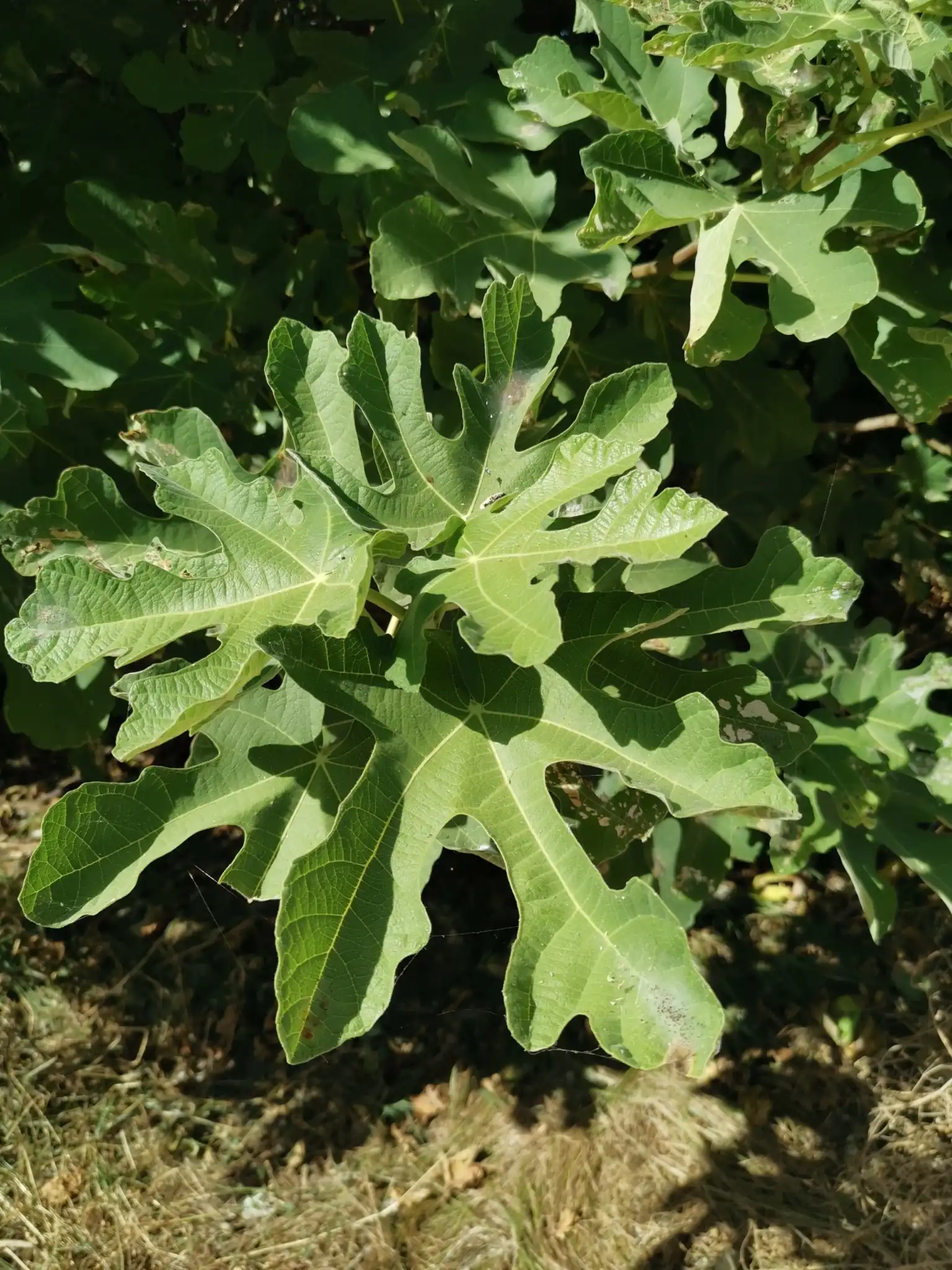
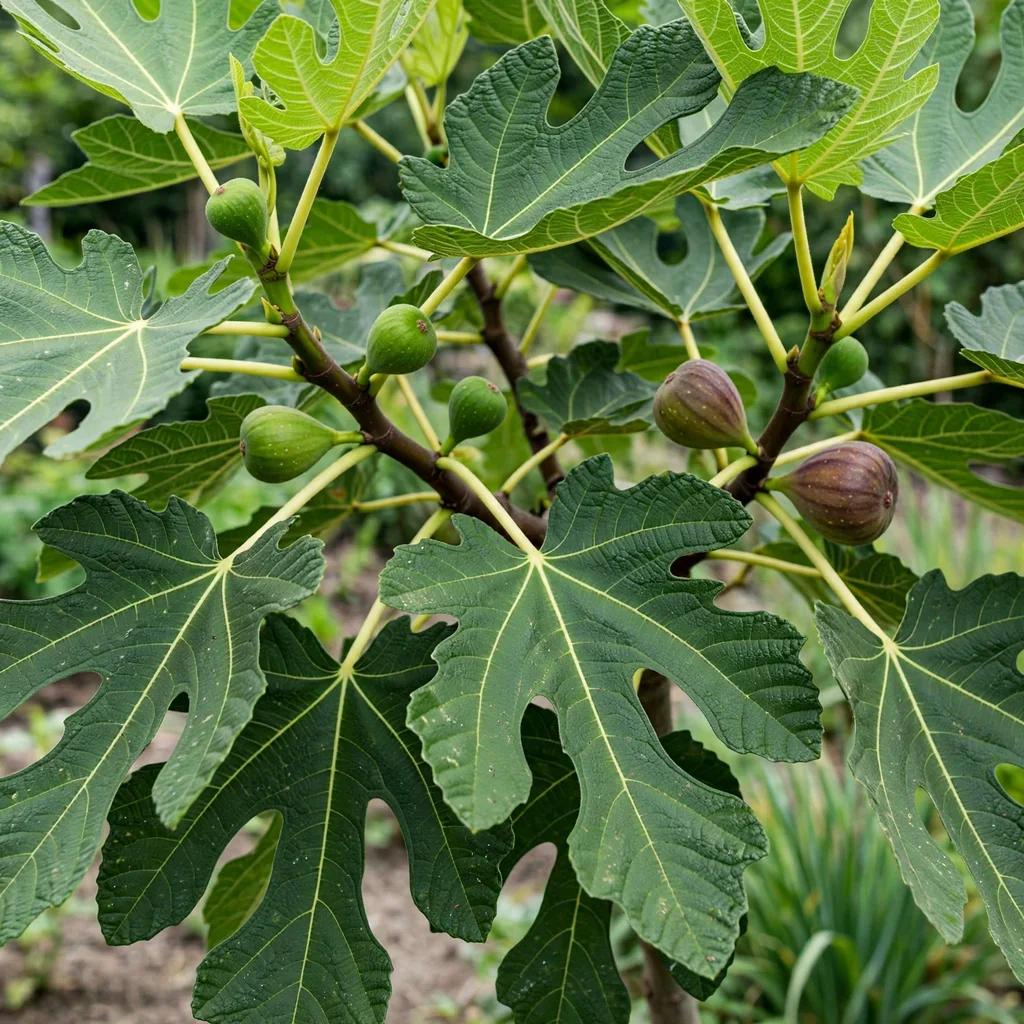
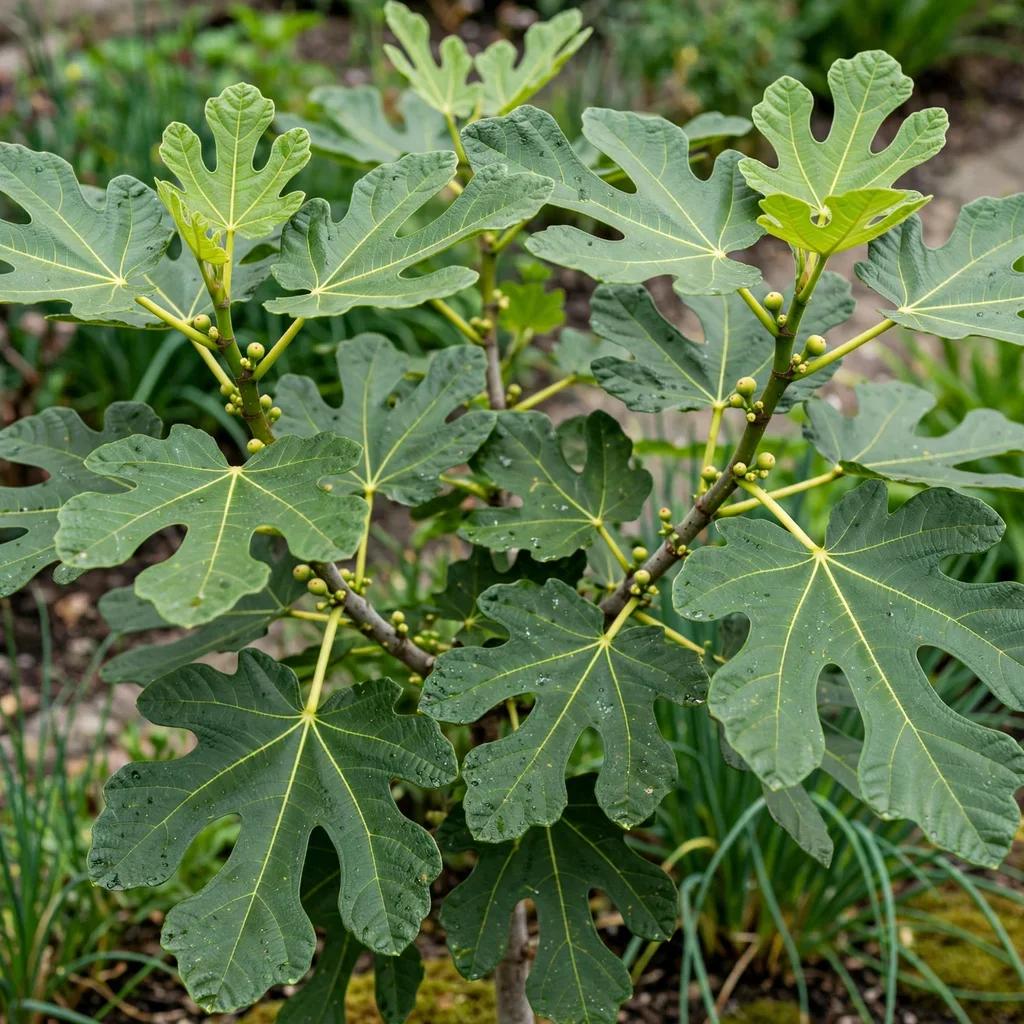
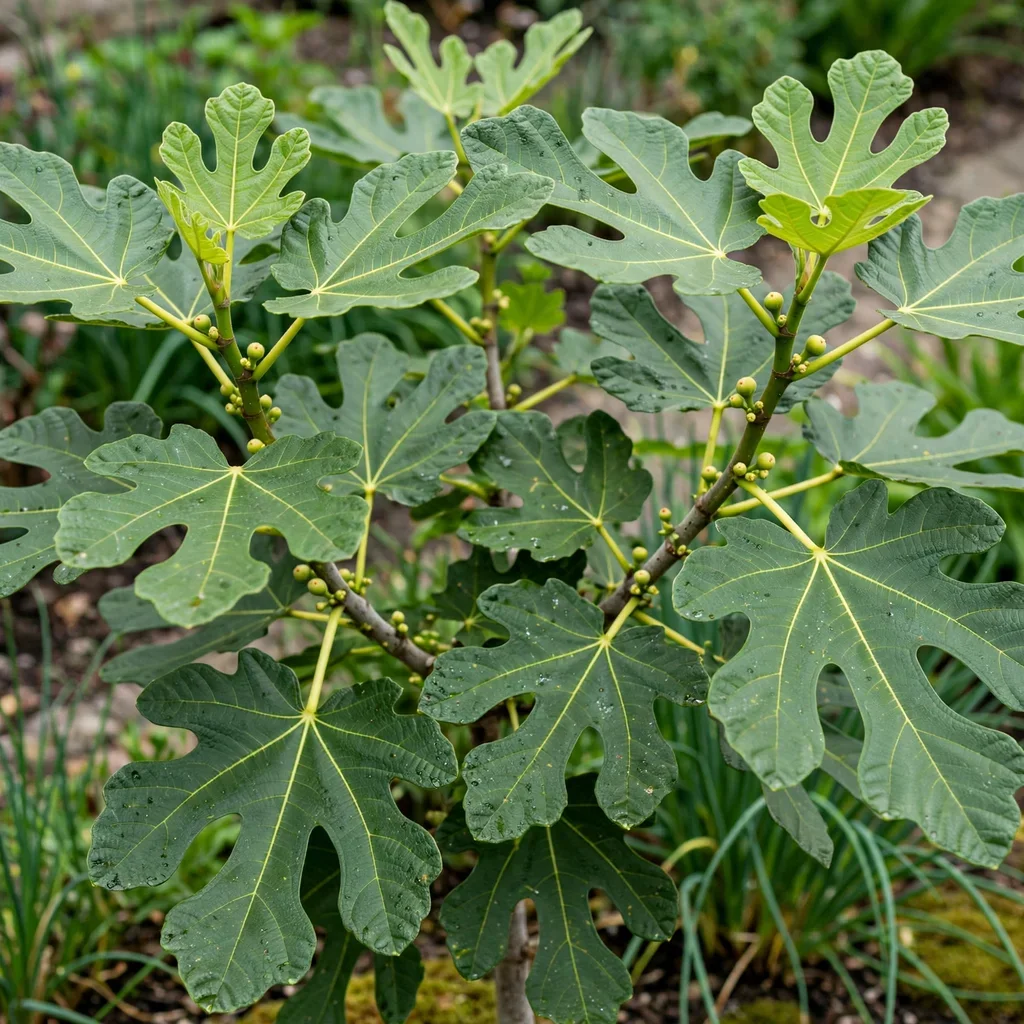
Ficus carica, common fig, is a multi-stemmed deciduous shrub or small tree native from the Mediterranean to central Asia, reaching ten to thirty feet. Large deeply lobed leaves five to ten inches across give it a distinctly tropical look, and the fruit is technically an inverted flower cluster — the flowers bloom inside what we eat.
Most figs grown in gardens are common-type cultivars that set fruit without pollination, which is why they crop reliably far outside the fig wasp's range — check the label for 'common' or self-fertile type, since Smyrna types will drop every fruit without the wasp. Many cultivars crop twice, a light breba crop on old wood and a main crop on new.
Uses & Benefits:
Essentials
At a Glance
Plant Type
Fruit Vegetable
Height
240"
Width
240"
Light
Full Sun, Partial Sun
Zones
7, 8, 9, 10
Water
Moderate
Humidity
Low
Lifespan
Perennial
Native To
Mediterranean to central Asia
Toxicity
Non-toxic
Marketplace
Where to Buy
Shipping costs Year-round shipping Free shipping
Planting
How to Grow
- Plant in spring in well-drained soil.
- Choose a warm sheltered position, ideally against a south wall.
- Restrict the roots to encourage fruiting over foliage.
- Water regularly while fruit is swelling.
- Prune in late winter, removing crossing and old wood.
- Protect the crown in zone 7 and colder.
Pro Tip
Restrict the roots — a fig planted in a container or a lined pit fruits far better than one given free run of rich soil, which makes leaves instead.
Keep It Thriving
Care Guide
Do
- Plant against a warm sheltered wall 🧱
- Restrict the roots for better fruiting 🪣
- Water steadily while fruit swells 💧
- Prune in late winter ✂️
Don't
- Plant in rich unrestricted soil ❌
- Let fruit dry out mid-swell; it drops ❌
- Prune in summer and lose the crop ❌
Seasonal Care Calendar
| Task | Jan | Feb | Mar | Apr | May | Jun | Jul | Aug | Sep | Oct | Nov | Dec |
|---|---|---|---|---|---|---|---|---|---|---|---|---|
| Prune |
Watch Out For
Pests & Diseases
Common Pests
Common Diseases
In the Garden
Landscape Uses & Companions
Landscape Uses
Companion Plants
Multiply
Propagation Methods
Good to Know
Common Questions
Fig questions
What zones can Fig grow in?
Fig is hardy in USDA Zones 7–10. Inside that range it survives winter in the ground; outside it, grow it as an annual or a container plant you protect.
Is Fig deer resistant?
Yes — Fig is rated deer-resistant. Deer typically pass it over, though extreme hunger can override any plant's defenses.
When does Fig bloom?
Fig typically blooms in spring through early fall. Exact timing shifts a week or two with your zone — Sow's bloom calendar maps it to your garden.
Does Fig need full sun?
Fig does best in full sun to part shade. In hot climates, afternoon shade keeps blooms fresher longer.
Is Fig drought tolerant?
Yes — once established (usually after the first full season), Fig handles dry spells with minimal watering. Water deeply its first year to build the root system that makes that possible.
More Ficus to compare
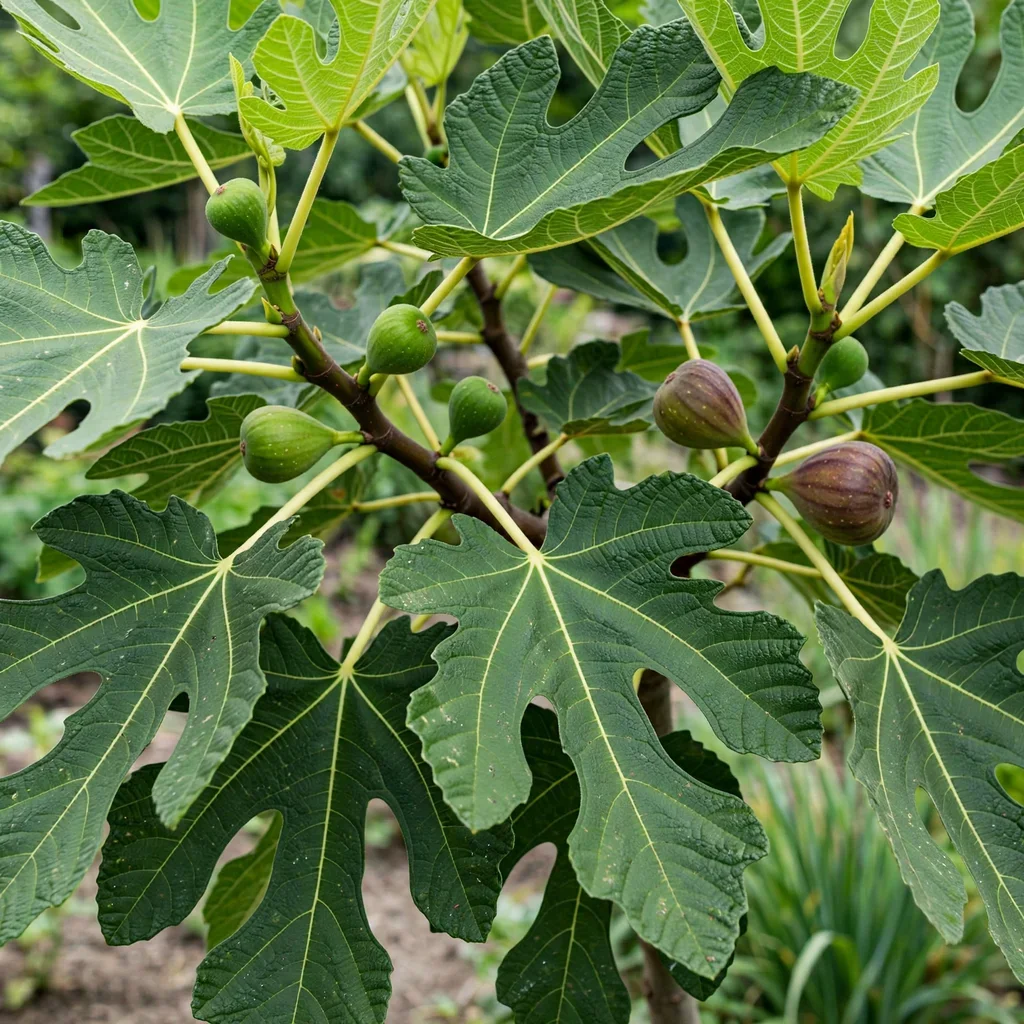
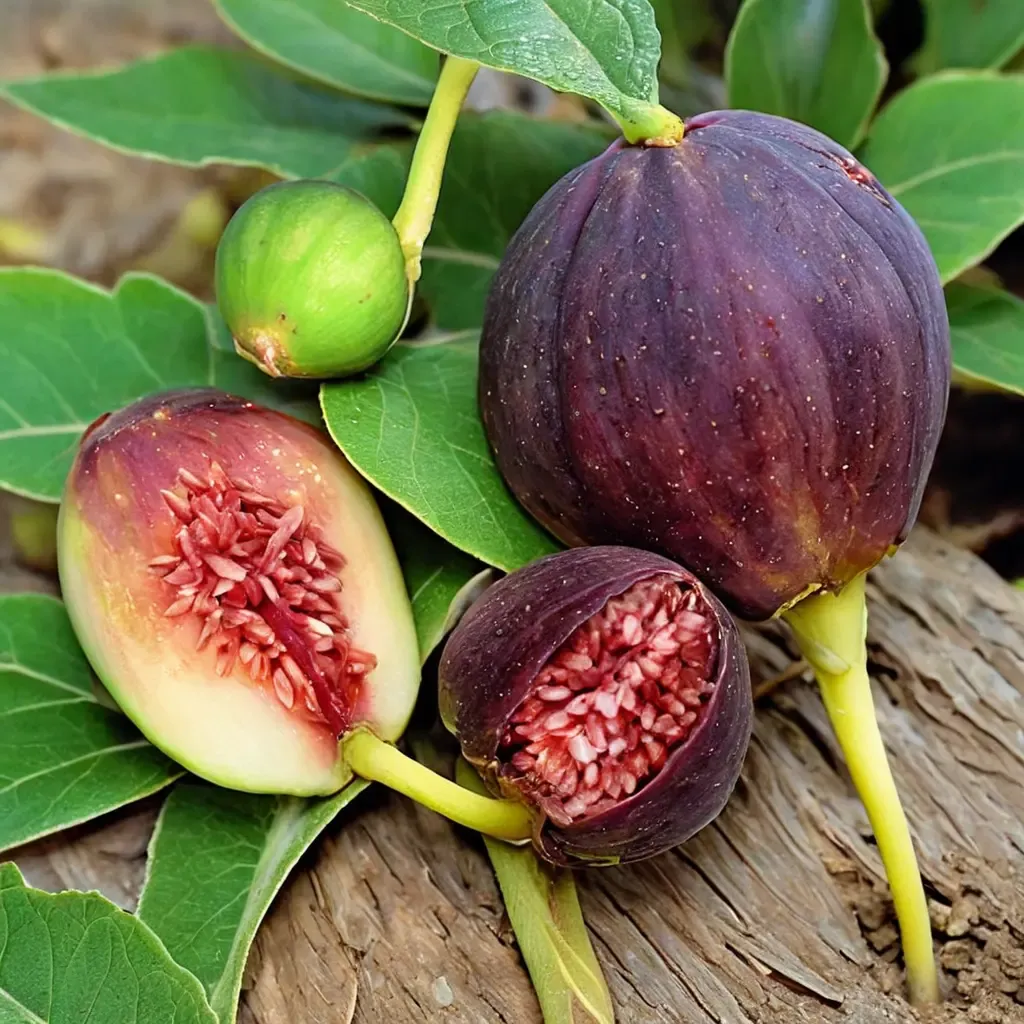
Fig Tree Brown Turkey
Ficus carica 'Brown Turkey'
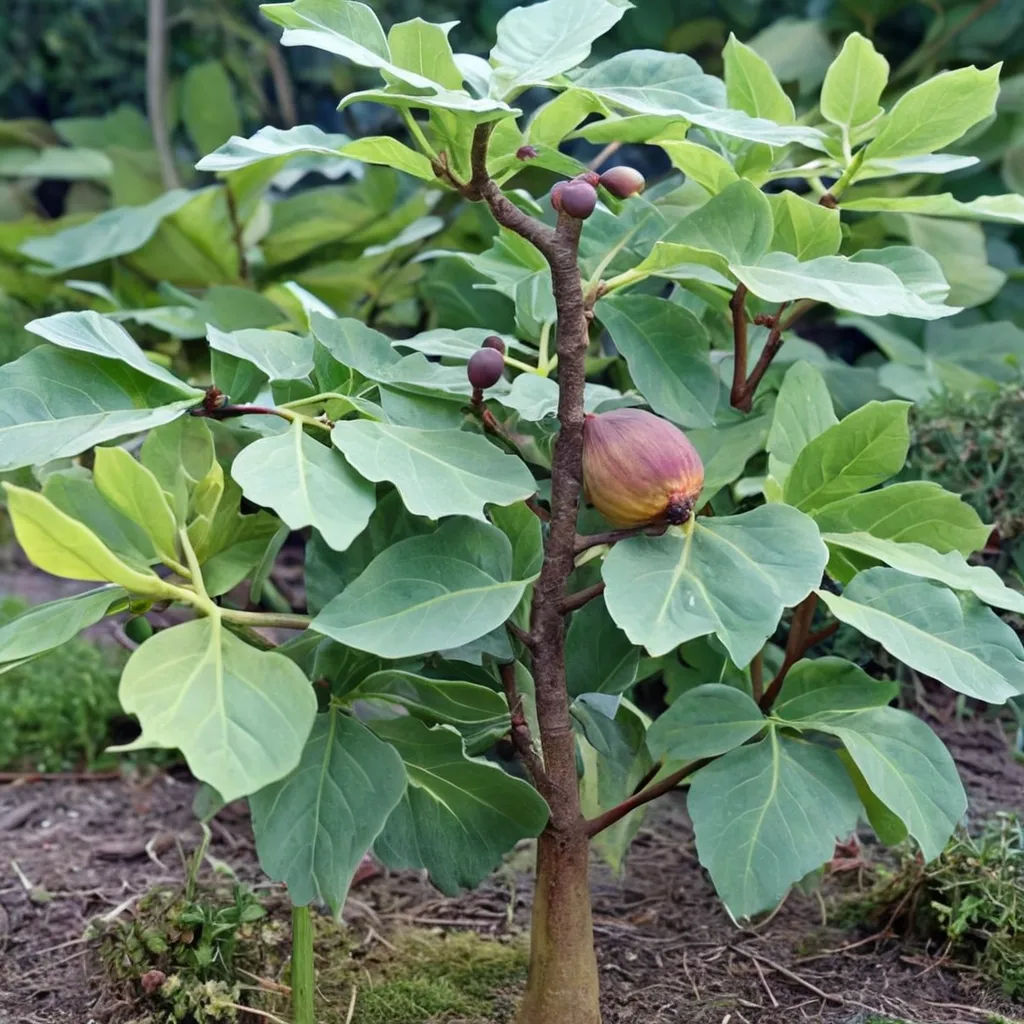
Improved Brown Turkey Fig
Ficus carica 'Improved Brown Turkey'
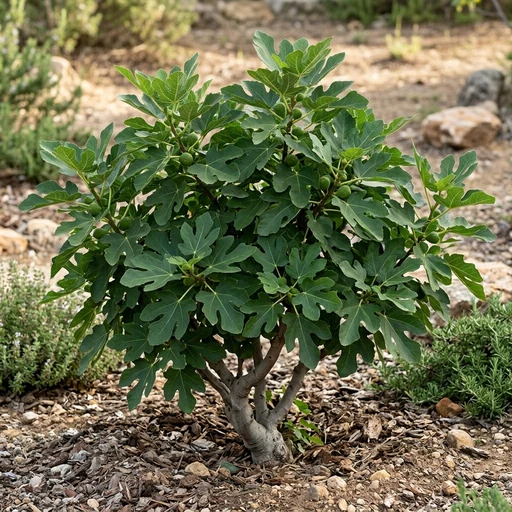
Chicago Hardy Fig
Ficus carica 'Chicago Hardy'
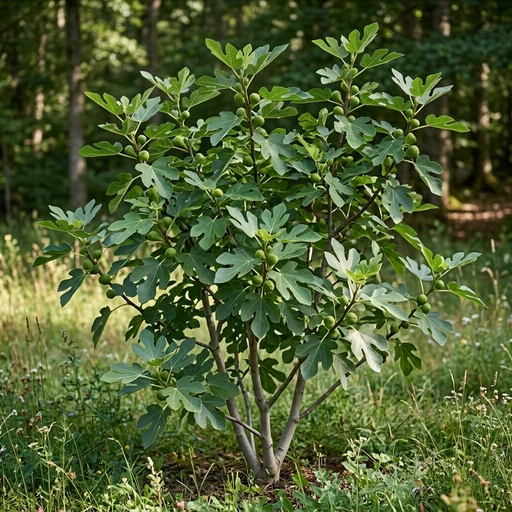
Little Miss Figgy Dwarf Fig
Ficus carica 'Little Miss Figgy'
Celeste Fig
Ficus carica 'Celeste'
Champagne Fig
Ficus carica 'Champagne'
Keep exploring
Explore the genus
Hardy in your zone?
Grow Fig with confidence
See it in a design of your actual yard, get zone-matched care reminders, and track it season by season in your garden journal.