The Story
Plant Bio
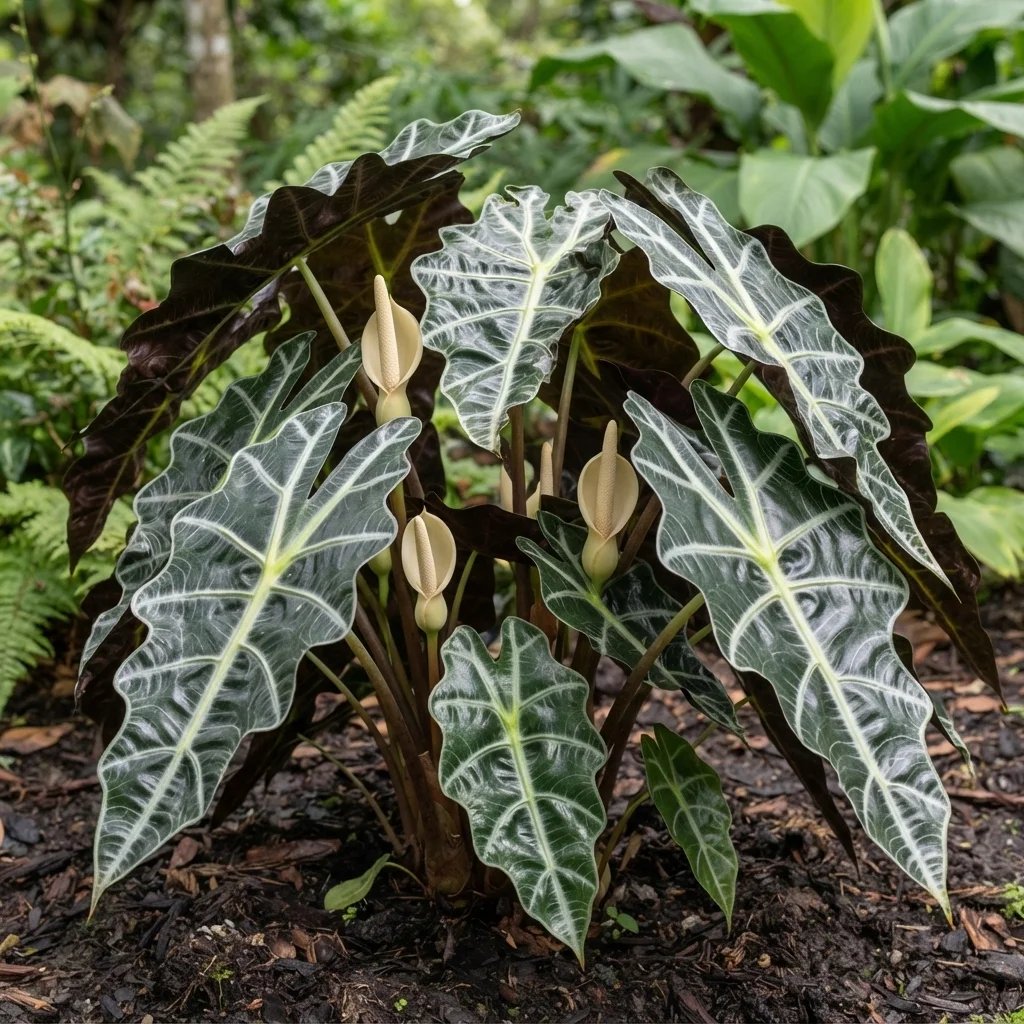
Alocasia sanderiana is an evergreen, clumping tropical subshrub native to the wet tropical biomes of the Philippines, characterized by an upright, architectural foliage structure. The plant grows from a creeping underground rhizome, producing striking, deeply-lobed leaves that resemble the blade of a traditional kris sword.
The large, peltate leaves feature a glossy, dark metallic green to blackish-green upper surface contrasted by prominent white to yellowish-white veins and margins, with a deep reddish-purple underside. In summer and fall, it occasionally produces pairs of creamy-white spadixes enclosed by pale green, hooded spathes.
Uses & Benefits:
Essentials
At a Glance
Plant Type
Tropical
Height
24"
Width
24"
Light
Partial Sun, Shade
Zones
10
Water
Consistently moist
Humidity
High (above 60%)
Lifespan
Perennial
Native To
Philippines
Toxicity
Highly toxic; contains calcium oxalate crystals
Bloom period
Summer – Fall
In flower about 6 months of the year
Planting
How to Grow
- Select a container with exceptional drainage holes and fill it with a loose, organic-rich aroid potting mix.
- Position the plant in a location that receives bright, indirect light, ensuring it is completely shielded from direct midday sun.
- Water consistently to keep the soil evenly moist, but never allow the pot to sit in standing water.
- Maintain high indoor humidity above 60 percent and protect the plant from cold drafts below 50 degrees Fahrenheit.
Pro Tip
Avoid heavy, dense potting soils; instead, plant in a highly aerated, loose aroid mix containing orchid bark and perlite to prevent the rapid root and corm rot caused by stagnant moisture.
Keep It Thriving
Care Guide
Do
- Wipe dust from the large leaves weekly with a damp cloth to maintain their glossy appearance.
- Apply a balanced, water-soluble liquid fertilizer diluted to half strength monthly during the active spring and summer growth.
- Prune away naturally yellowed or dead lower leaves by cutting cleanly at the base of the petiole.
Don't
- Do not use heavy, water-retaining garden soils that suffocate the roots and cause rapid corm rot.
- Never expose the plant to direct, hot sunlight, which quickly scorches the foliage.
- Do not fertilize during the autumn and winter dormancy period when active growth stops.
- Avoid exposing the plant to temperatures below 50 degrees Fahrenheit, which triggers premature collapse.
Seasonal Care Calendar
| Task | Jan | Feb | Mar | Apr | May | Jun | Jul | Aug | Sep | Oct | Nov | Dec |
|---|---|---|---|---|---|---|---|---|---|---|---|---|
| Fertilize | ||||||||||||
| Pest Check | ||||||||||||
| Prune | ||||||||||||
| Winter Prep |
Watch Out For
Pests & Diseases
Common Pests
Common Diseases
In the Garden
Landscape Uses & Companions
Landscape Uses
Companion Plants
Multiply
Propagation Methods
Good to Know
Common Questions
Kris Plant questions
What zones can Kris Plant grow in?
Kris Plant is hardy in USDA Zone 10. Inside that range it survives winter in the ground; outside it, grow it as an annual or a container plant you protect.
When does Kris Plant bloom?
Kris Plant typically blooms in summer through fall. Exact timing shifts a week or two with your zone — Sow's bloom calendar maps it to your garden.
Does Kris Plant need full sun?
Kris Plant does best in part shade.
More Alocasia to compare
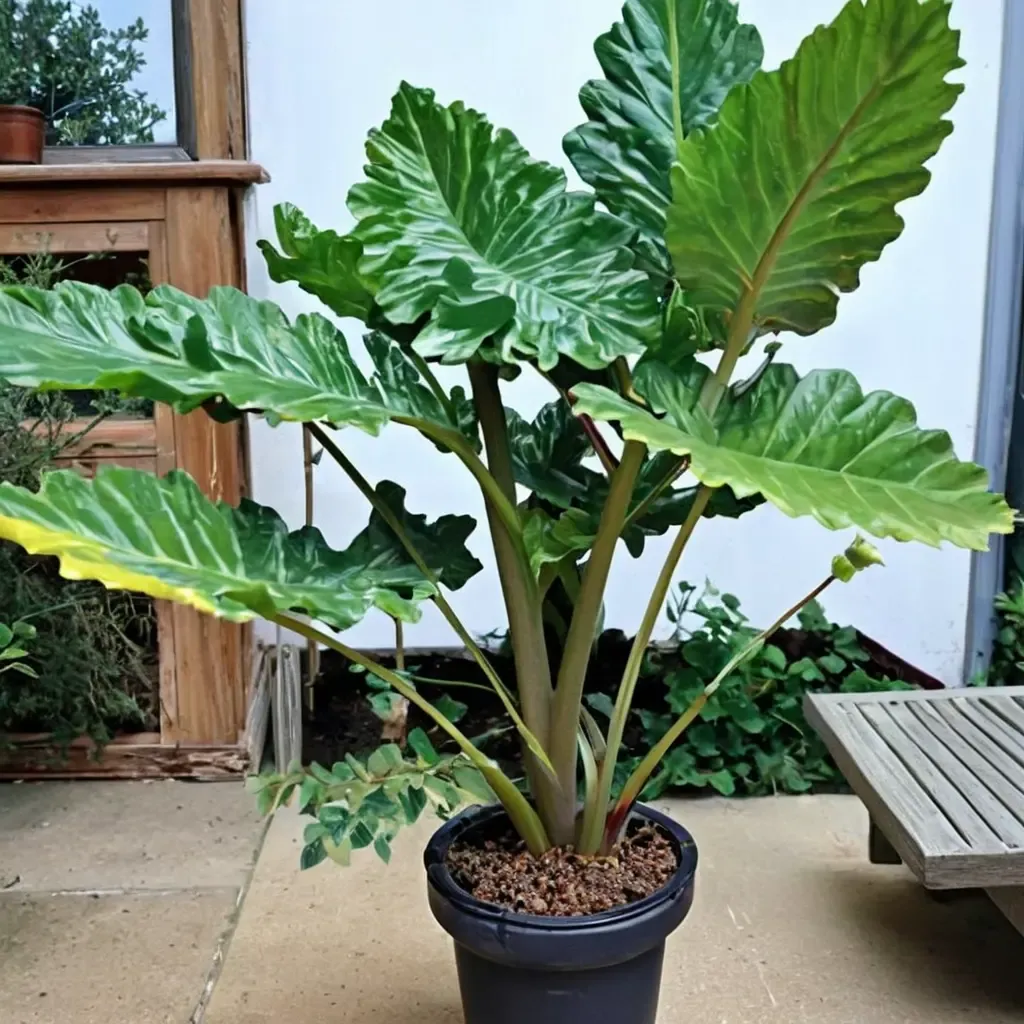
Portodora Elephant Ear
Alocasia x hybrida 'Portora'
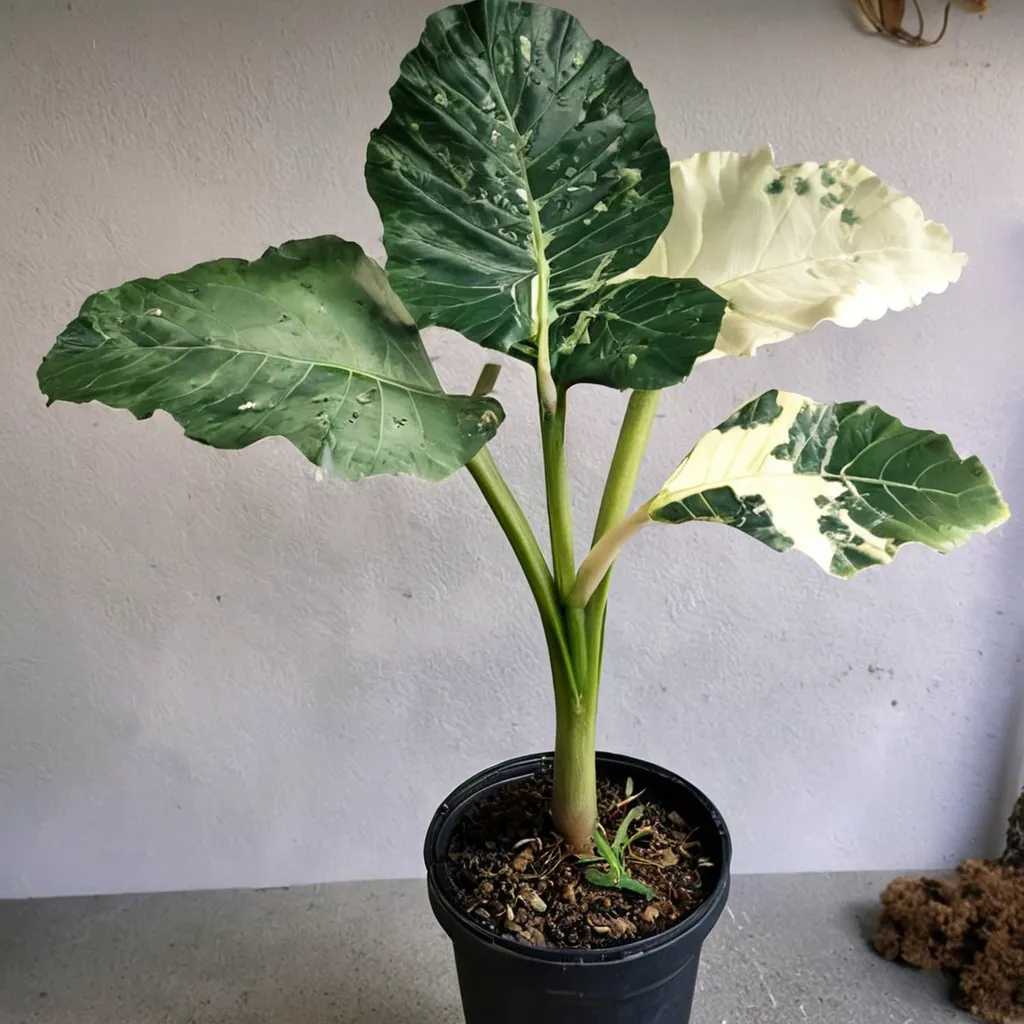
Variegated Elephant Ear
Alocasia macrorrhizos 'Variegata'
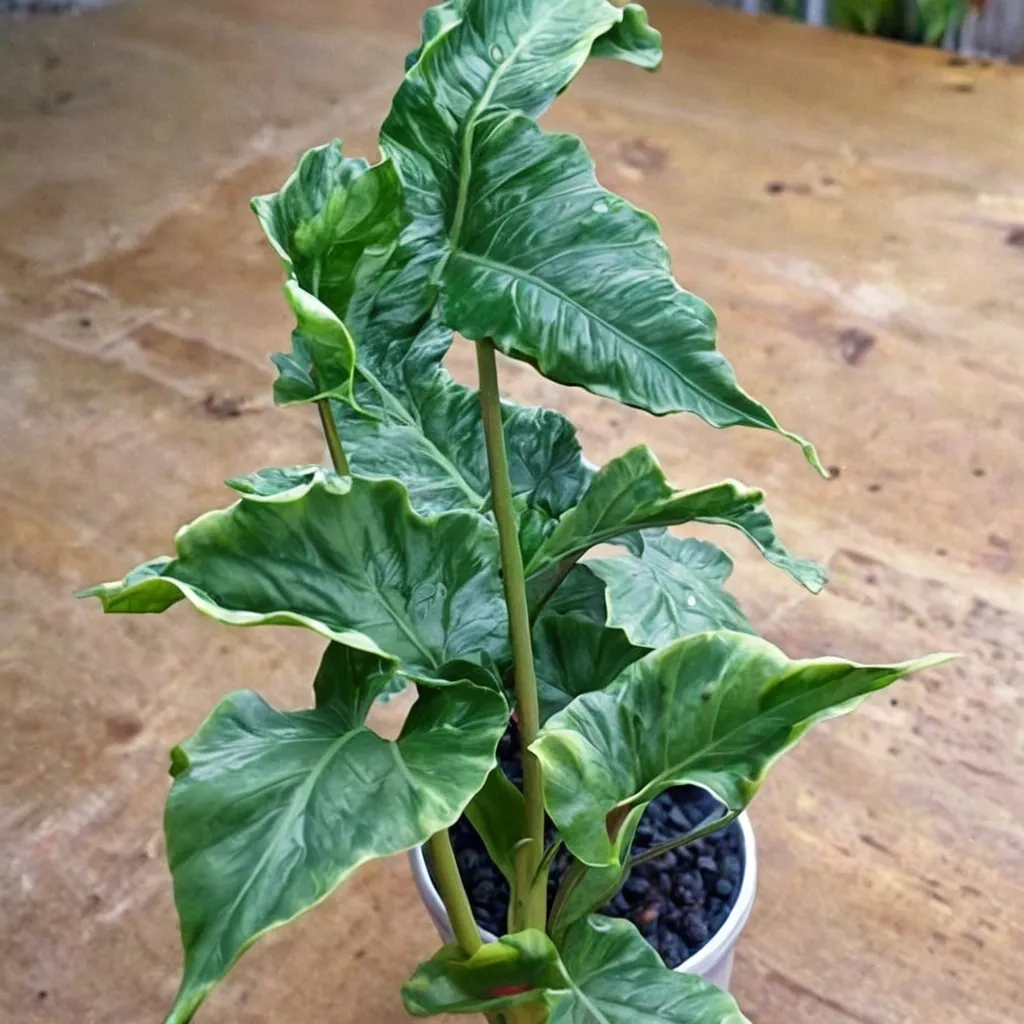
Giant Elephant Ear
Alocasia macrorrhizos 'Shock Treatment'
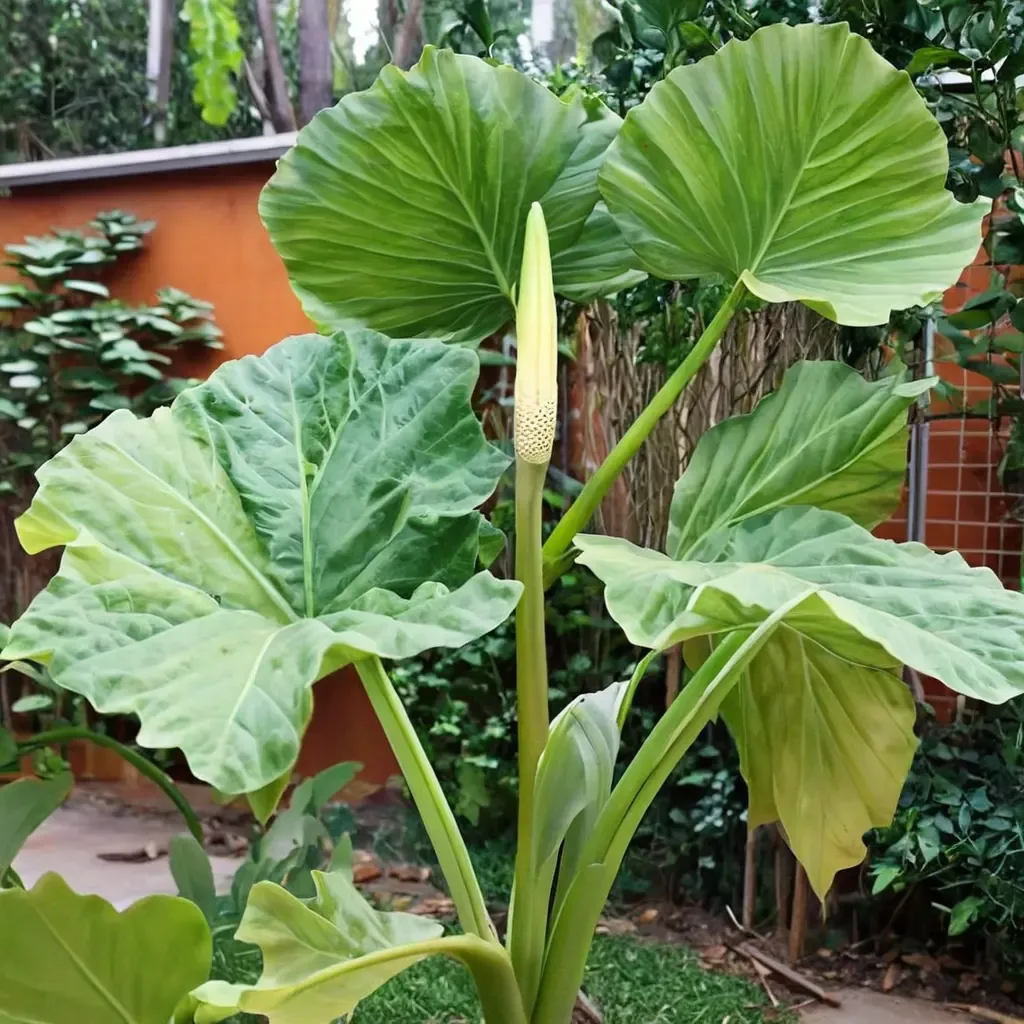
Giant Taro
Alocasia macrorrhizos
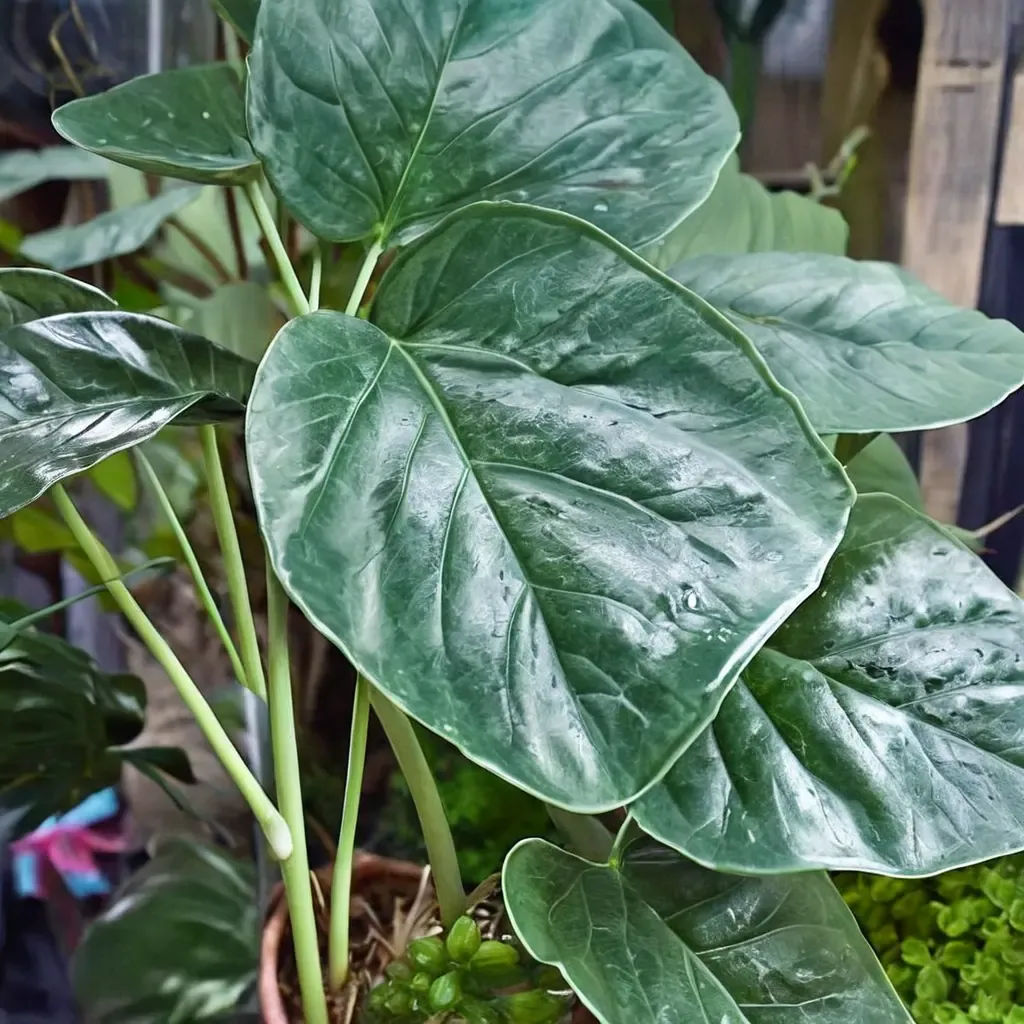
Hardy Elephant Ear
Alocasia wentii
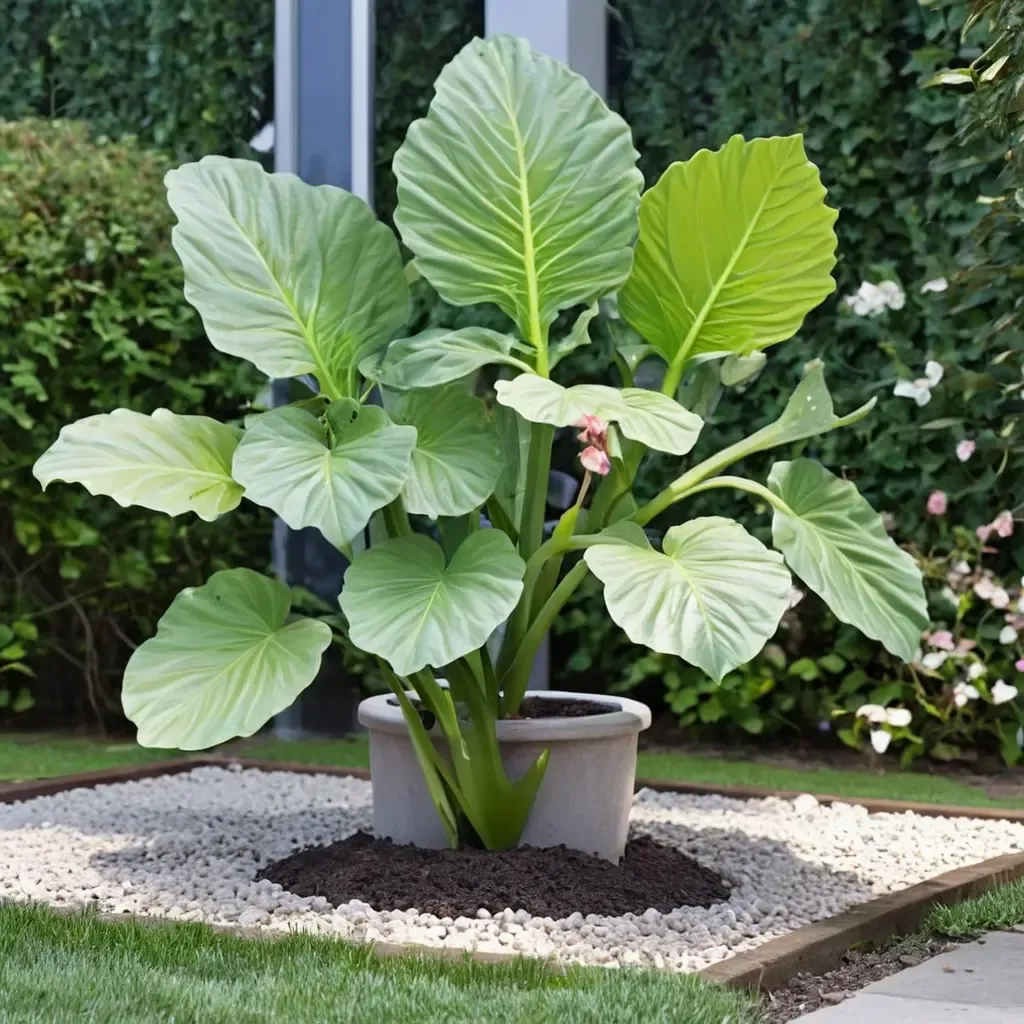
African Mask Plant Elephant Ear
Alocasia indica 'Odora'
Keep exploring
Explore the genus
Hardy in your zone?
Grow Kris Plant with confidence
See it in a design of your actual yard, get zone-matched care reminders, and track it season by season in your garden journal.