2 saves
Calathea
We track 4 varieties; the ones most used by real gardeners.
The 4 most-saved Calathea varieties
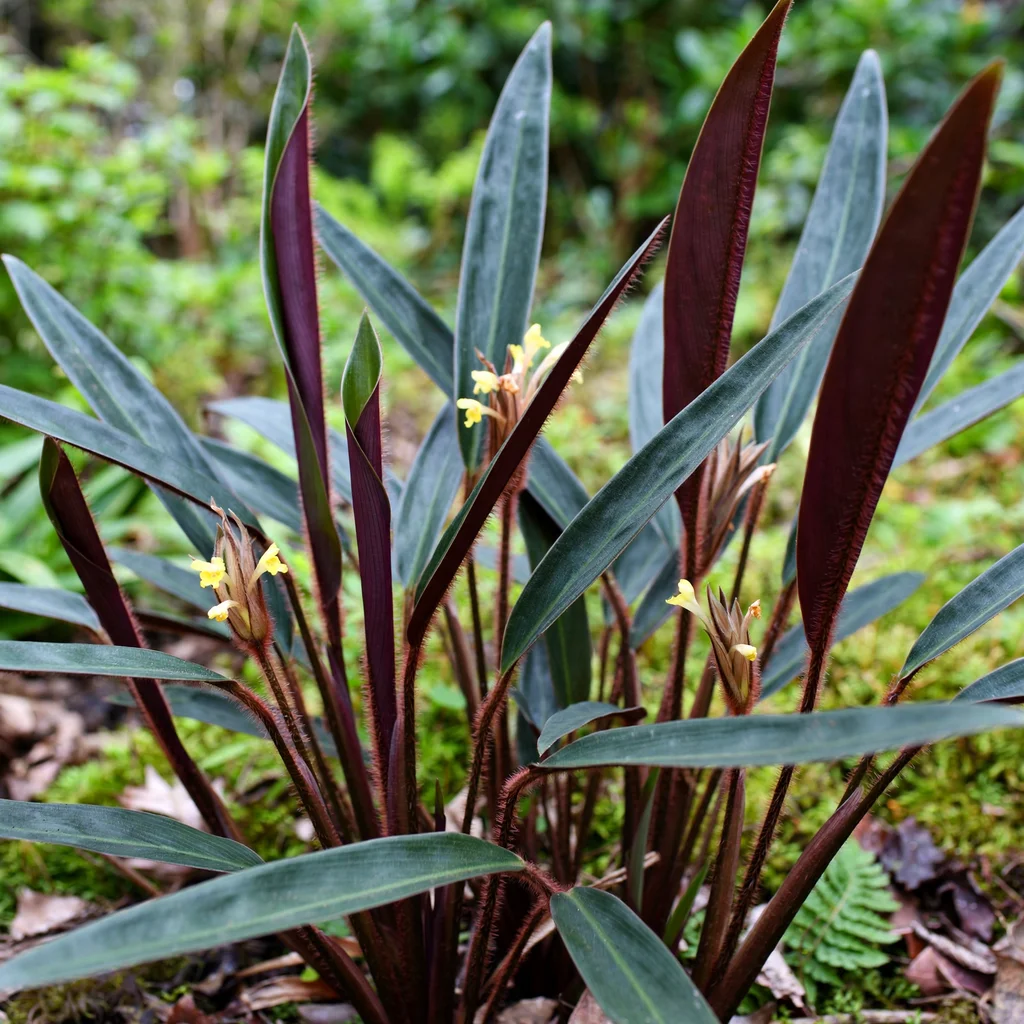
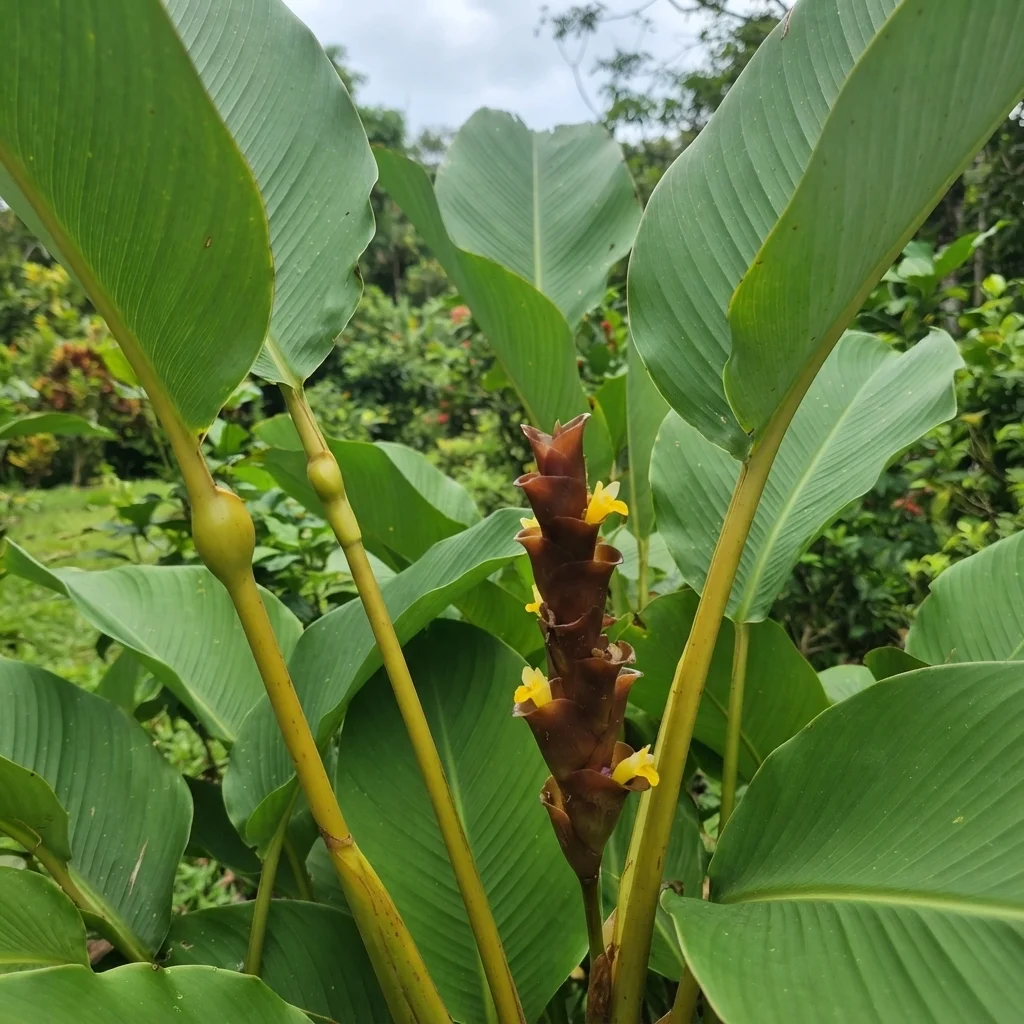
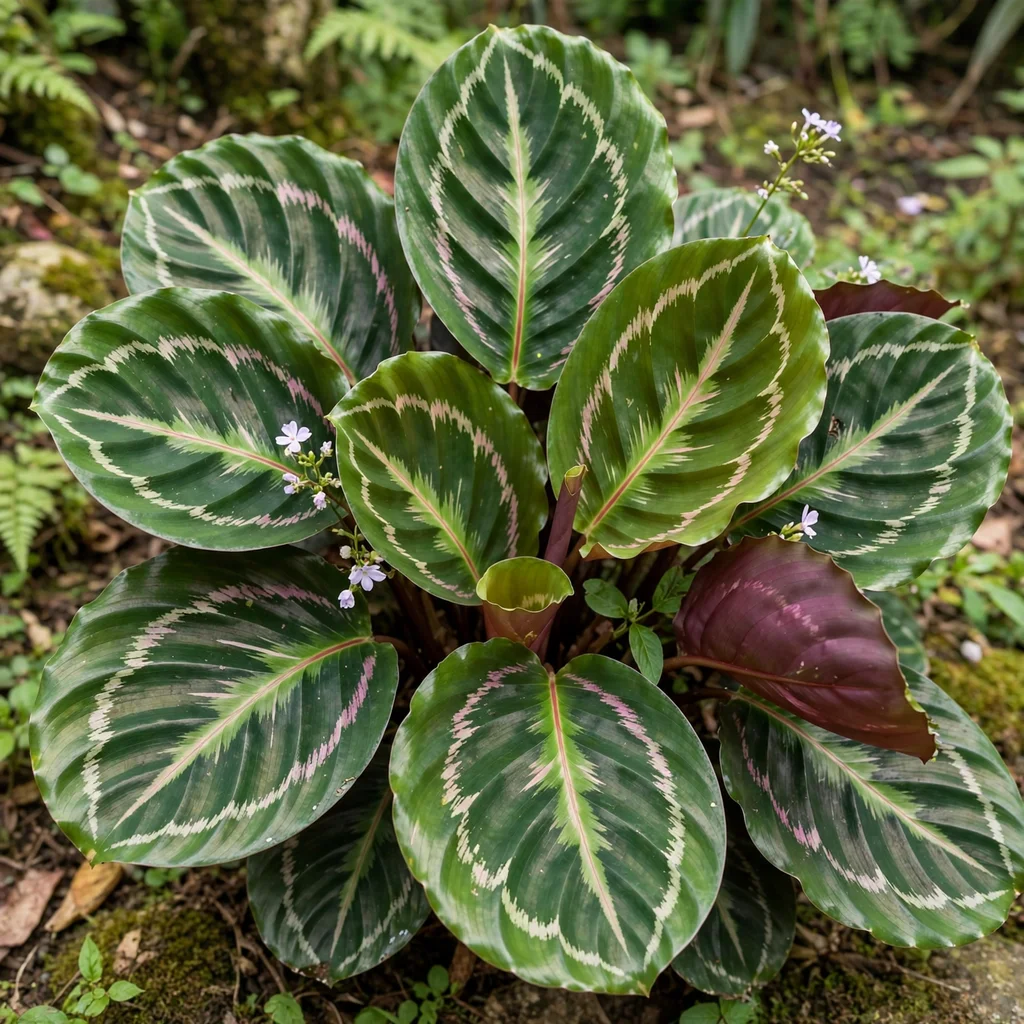
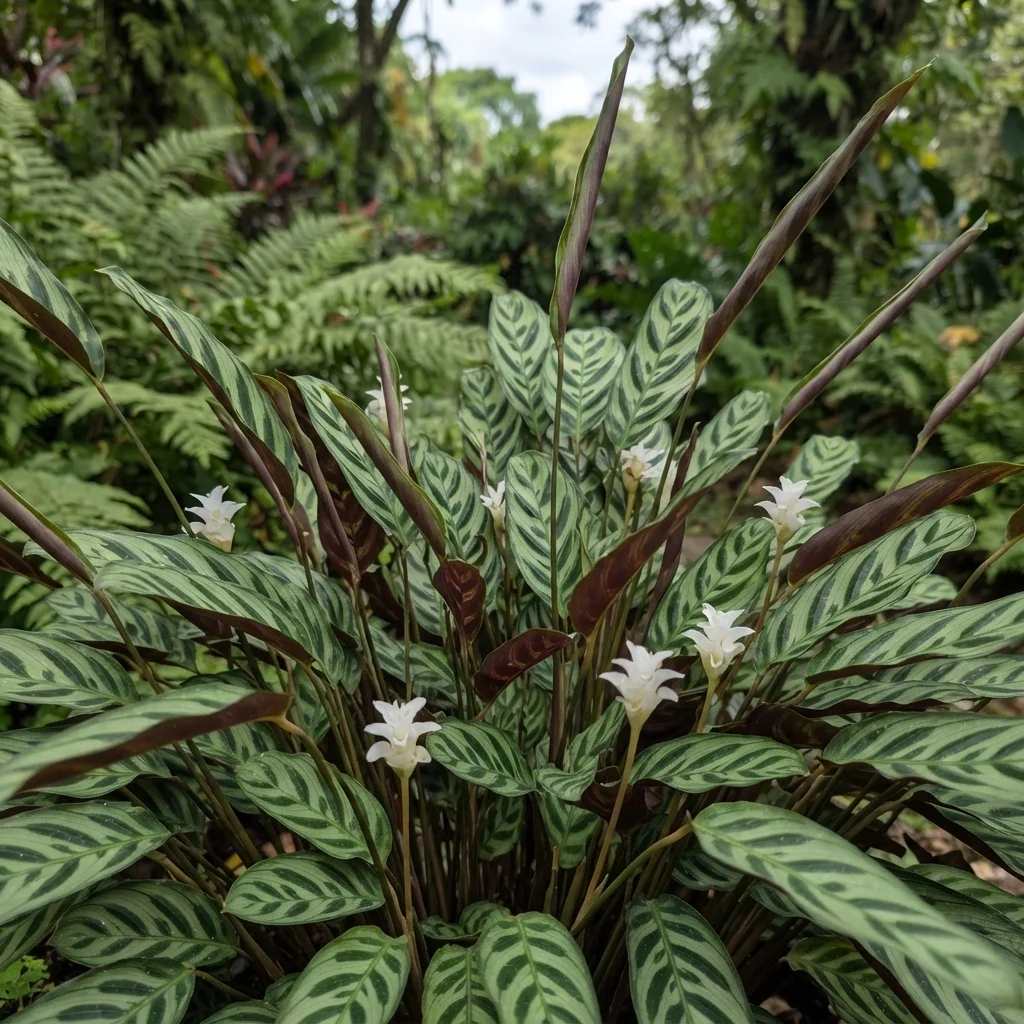
4 species of Calathea
Each one is a parent of the varieties above.
Track your Calathea in Sow
Save the Calathea you grow and get care reminders timed to your zone.
How to grow Calathea
Whats common across all Calathea varieties in our catalog — drawn from the care records of the 4 most-grown of them.
The Calathea year
- PruneMarch and April100% of varieties
Remove damaged leaves only and wipe dust with a damp cloth.
- PropagateMarch–May100% of varieties
Divide crowded rhizome clumps in spring.
- Check for PestsJanuary, February, June, August and December100% of varieties
Check leaf undersides for spider mites and mealybugs in dry indoor air.
- FertilizeApril–August75% of varieties
Feed once a month in spring and summer during active growth.


Do
- Keep humidity above 60 percent with a humidifier or pebble tray
- Water with rain or distilled water to avoid fluoride browning
- Feed once a month in spring and summer during active growth
- Use distilled water, rainwater, or reverse-osmosis water to prevent chemical leaf burn.
- Keep the ambient temperature consistently above 61 degrees Fahrenheit to avoid chilling injury.
Avoid
- Do not place in direct sun, which scorches and fades the leaves
- Do not overwater or leave the pot soggy, which causes root rot
- Do not let temperatures fall below 61 degrees Fahrenheit
- Do not allow the pot to sit in standing water, which rapidly induces root rot.
What goes wrong with Calathea
| Problem | What you'll see | What to do |
|---|---|---|
| Spider mites | Stippling and fine webbing on leaf undersides in dry air | Raise humidity and wash foliage; apply insecticidal soap or neem to undersides |
| Mealybugs | Cottony masses on leaf undersides and joints | Wipe with alcohol and apply insecticidal soap; isolate plant until clear |
| Fungus gnats | Small black flies hovering around the soil surface, indicating consistently wet potting media. | Allow the top inch of soil to dry slightly between waterings and apply beneficial nematodes. |
| Scale insects | Small, hard brown bumps on the leaf stems and sticky honeydew residue on the foliage. | Scrape off manually with a soft brush or treat with horticultural oil. |
| Root rot | Wilting and mushy base from soggy mix and poor drainage | Repot into fresh well-drained mix and water only when top feels lightly moist |
| Leaf spot | Spots from wet leaves and poor air circulation | Avoid wetting foliage and improve airflow around the plant |
| Leaf spot fungi | Brown or black spots with yellow halos appearing on the large leaves. | Avoid wetting the foliage when watering and improve air circulation around the plant. |
Making more Calathea
Division
- Unpot a crowded clump in spring and shake off loose mix
- Separate rhizomatous roots into sections with leaves attached
- Repot each division at the same depth in moist peaty mix
- Water with distilled water and hold warm with high humidity until established
Rhizome Division
- Gently remove the mature plant from its container during spring repotting.
- Locate the natural divisions in the underground rhizome system.
- Use a clean, sharp knife to cut the rhizome, ensuring each section has at least one healthy fan of leaves and roots.
- Pot the new divisions into a moist, peat-rich potting mix and keep them in warm, humid conditions.
Calathea questions
How many types of Calathea are there?
The Sow catalog tracks 4 distinct Calathea varieties. The most popular — ranked by 2 real gardeners — are shown first above.
What zones does Calathea grow in?
Across its varieties, Calathea covers USDA Zones 10–10. Individual varieties differ — each plant page lists its exact range, and Sow filters the catalog to your zone automatically.
When does Calathea bloom?
Most Calathea varieties bloom in summer.
Which Calathea should I choose?
Start from the most-saved varieties above — popularity across thousands of gardens is a strong signal of reliability — then filter by your zone and sun. In the Sow app you can preview any of them in a photo of your actual yard before you buy.