The Story
Plant Bio
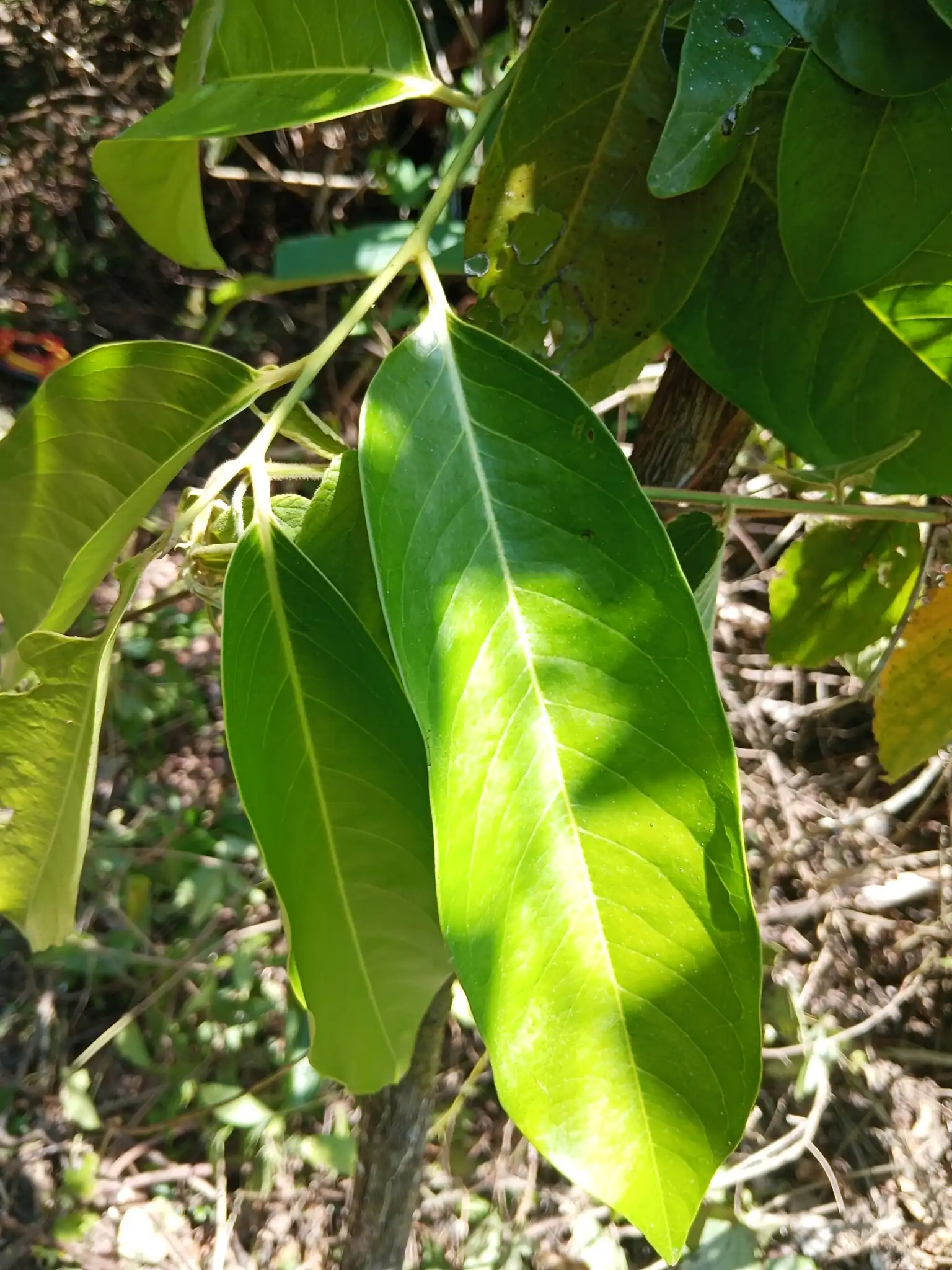
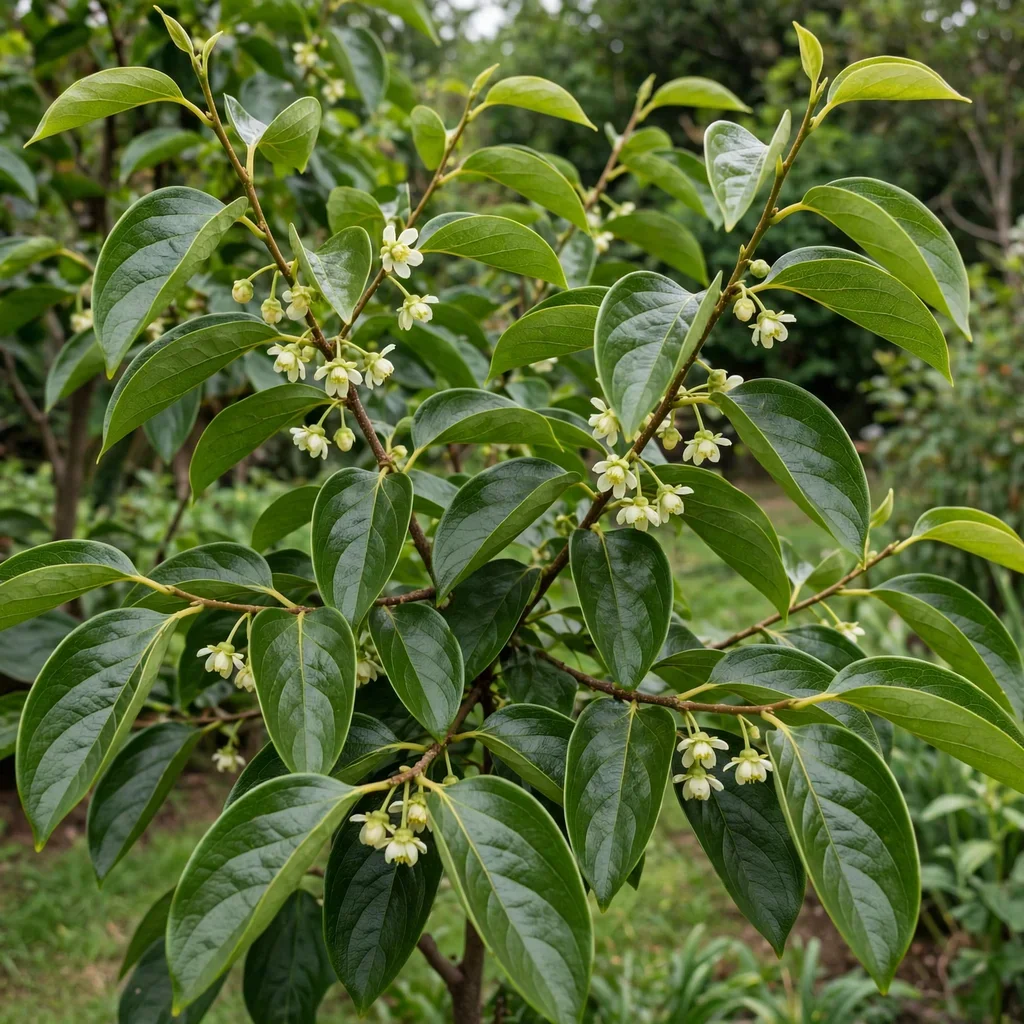
Diospyros nigra, the black sapote, is an upright, round-headed evergreen tree native to Central America and Mexico, forming a dense, rounded canopy of glossy dark green foliage. The small, bell-shaped, greenish-white flowers are fragrant and borne in leaf axils, primarily appearing in spring.
This species is highly prized for its edible, tomato-sized fruit, which transitions from bright green to olive-brown when ripe, housing a dark, custard-like pulp with a mild flavor. New foliage emerges as a contrasting light chartreuse green, adding seasonal color to the dense canopy.
Uses & Benefits:
Essentials
At a Glance
Plant Type
Tree
Height
984"
Width
984"
Light
Full Sun, Partial Sun
Zones
10
Water
Moderate
Humidity
High
Lifespan
Long-lived
Native To
Central America, Mexico, Colombia
Toxicity
Unripe fruit is caustic and toxic
Bloom period
Spring
In flower about 3 months of the year
Planting
How to Grow
- Select a planting site in full sun to partial shade with well-drained soil, avoiding low-lying areas prone to standing water.
- Dig a hole twice as wide as the root ball and of equal depth, backfilling with native soil without adding soil amendments.
- Water deeply immediately after planting, and maintain consistent soil moisture while the young tree establishes.
- Apply a balanced organic fertilizer or slow-release fruit tree formula sparingly during the active spring and summer growing seasons.
Pro Tip
Prune only to remove dead or crossing limbs; cutting further back into old, leafless wood results in slow, patchy regrowth.
Keep It Thriving
Care Guide
Do
- Ensure immaculate soil drainage to prevent root rot.
- Allow the topsoil to dry slightly between waterings once the tree is established.
- Protect young trees from temperatures near 30°F, as frost will kill tender growth.
Don't
- Do not allow the soil to become waterlogged or subject the tree to standing water.
- Do not make severe heading cuts into old, leafless wood when pruning.
- Do not consume the fruit while it is still firm and unripe, as it is intensely bitter and caustic.
Seasonal Care Calendar
| Task | Jan | Feb | Mar | Apr | May | Jun | Jul | Aug | Sep | Oct | Nov | Dec |
|---|---|---|---|---|---|---|---|---|---|---|---|---|
| Fertilize | ||||||||||||
| Harvest | ||||||||||||
| Pest Check | ||||||||||||
| Prune | ||||||||||||
| Winter Prep |
Watch Out For
Pests & Diseases
Common Pests
Common Diseases
In the Garden
Landscape Uses & Companions
Landscape Uses
Companion Plants
Multiply
Propagation Methods
Good to Know
Common Questions
Black sapote questions
What zones can Black sapote grow in?
Black sapote is hardy in USDA Zone 10. Inside that range it survives winter in the ground; outside it, grow it as an annual or a container plant you protect.
When does Black sapote bloom?
Black sapote typically blooms in spring through spring. Exact timing shifts a week or two with your zone — Sow's bloom calendar maps it to your garden.
Does Black sapote need full sun?
Black sapote does best in full sun to part shade. In hot climates, afternoon shade keeps blooms fresher longer.
Is Black sapote drought tolerant?
Yes — once established (usually after the first full season), Black sapote handles dry spells with minimal watering. Water deeply its first year to build the root system that makes that possible.
More Diospyros to compare
Keep exploring
Explore the genus
Hardy in your zone?
Grow Black sapote with confidence
See it in a design of your actual yard, get zone-matched care reminders, and track it season by season in your garden journal.