The Story
Plant Bio
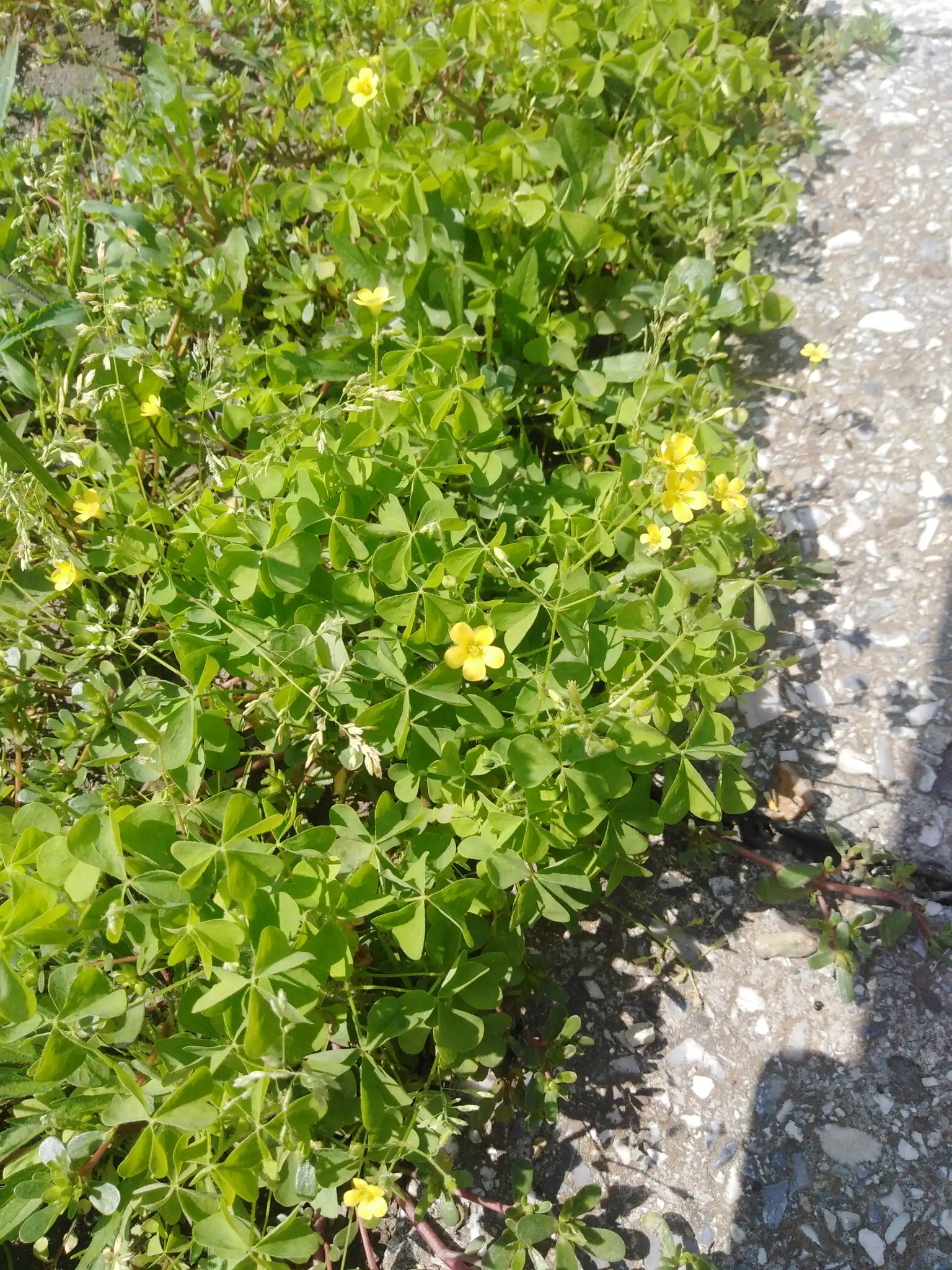
Oxalis stricta, common yellow woodsorrel, is a low spreading perennial native to both North America and Eurasia, reaching two to twelve inches. Clover-like leaves of three heart-shaped leaflets fold shut at night and in bright sun. Small five-petalled yellow flowers appear from spring through autumn, followed by upright cylindrical seed capsules held above the foliage.
Those capsules are the reason it is so hard to be rid of: when ripe they split explosively and can fling seed up to sixteen feet, well beyond wherever you were weeding. The whole plant is edible with a sharp lemony taste from oxalic acid, which is also the reason to eat it only in small quantities.
Uses & Benefits:
Essentials
At a Glance
Plant Type
Perennial
Height
8"
Width
12"
Light
Partial Sun
Zones
8, 9, 10
Water
Low
Humidity
Moderate
Lifespan
Perennial
Native To
North America and Eurasia
Toxicity
Edible in small amounts
Planting
How to Grow
- It arrives on its own; deliberate planting is rare.
- It accepts full sun to partial shade and poor soil.
- Nothing needs watering or feeding for it to thrive.
- Remove seed capsules before they ripen to limit spread.
- Hand-weed while plants are small and roots shallow.
- Mulch bare soil, since seed needs light and open ground.
Pro Tip
Weed it before the seed capsules stand upright — once they are ripe, disturbing the plant fires seed several feet in every direction.
Keep It Thriving
Care Guide
Do
- Hand-weed while plants are still small 🌱
- Remove capsules before they ripen ✂️
- Mulch bare soil to deny it germination sites 🍂
- Use leaves sparingly as a sharp salad herb 🍋
Don't
- Pull it once the capsules are ripe; that scatters the seed ❌
- Eat it in quantity, because of the oxalic acid ❌
- Leave bare soil, where it germinates fastest ❌
Seasonal Care Calendar
| Task | Jan | Feb | Mar | Apr | May | Jun | Jul | Aug | Sep | Oct | Nov | Dec |
|---|---|---|---|---|---|---|---|---|---|---|---|---|
| Monitor | ||||||||||||
| Prune |
Watch Out For
Pests & Diseases
Common Pests
Common Diseases
In the Garden
Landscape Uses & Companions
Landscape Uses
Multiply
Propagation Methods
Good to Know
Common Questions
Yellow Woodsorrel questions
What zones can Yellow Woodsorrel grow in?
Yellow Woodsorrel is hardy in USDA Zones 8–10. Inside that range it survives winter in the ground; outside it, grow it as an annual or a container plant you protect.
Is Yellow Woodsorrel deer resistant?
Yes — Yellow Woodsorrel is rated deer-resistant. Deer typically pass it over, though extreme hunger can override any plant's defenses.
When does Yellow Woodsorrel bloom?
Yellow Woodsorrel typically blooms in spring to fall through early summer. Exact timing shifts a week or two with your zone — Sow's bloom calendar maps it to your garden.
Does Yellow Woodsorrel need full sun?
Yellow Woodsorrel does best in part shade.
More Oxalis to compare
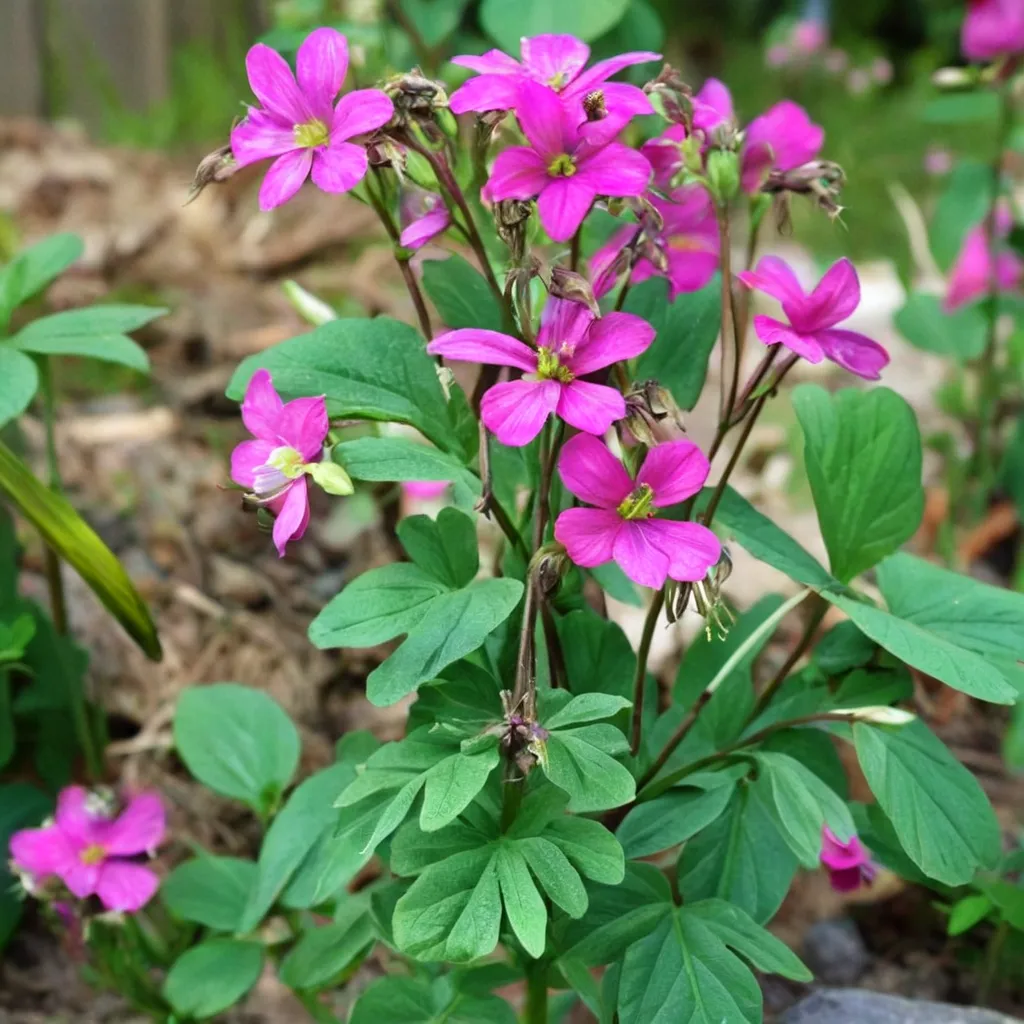
Oxalis Lasiandra
Oxalis lasiandra
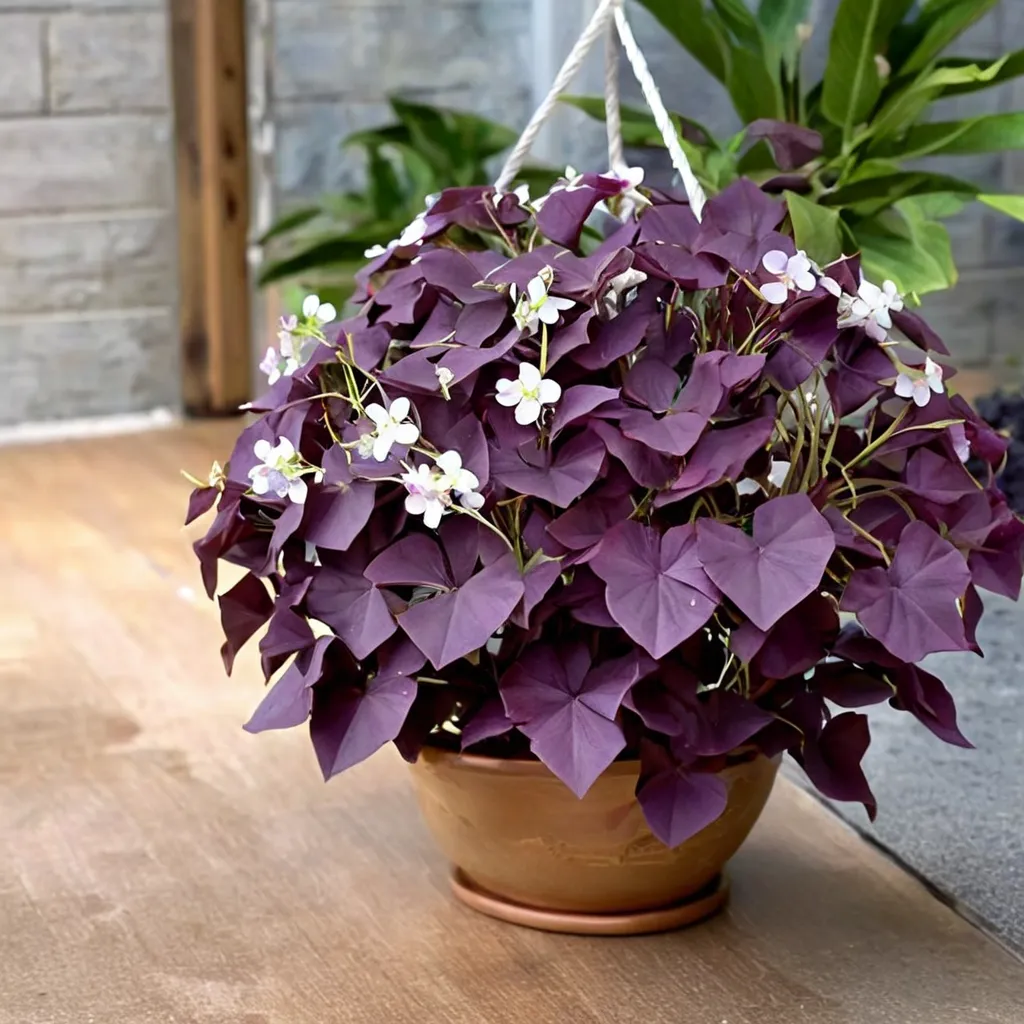
Triangular Oxalis Purple Shamrock
Oxalis triangularis
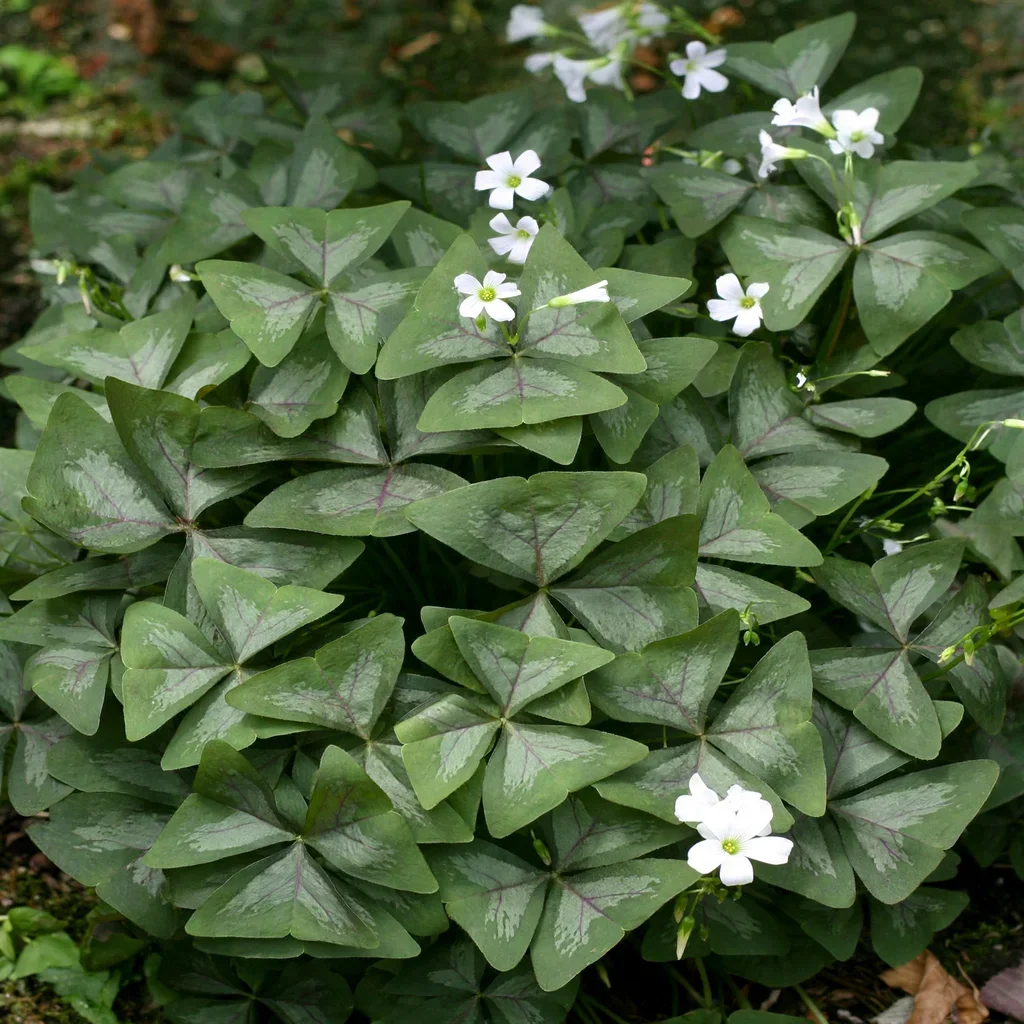
False Shamrock
Oxalis triangularis 'Fanny'
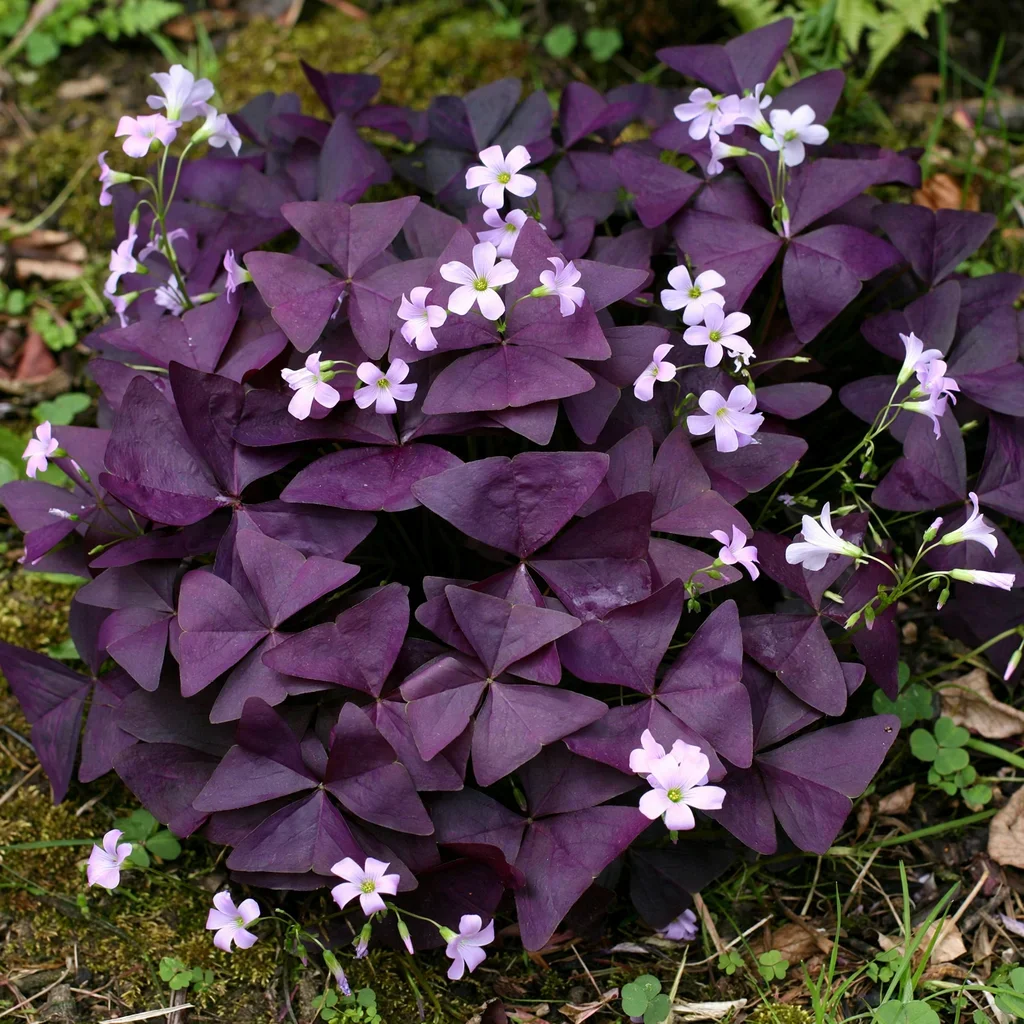
Atropurpurea Purple Shamrock
Oxalis triangularis 'Atropurpurea'
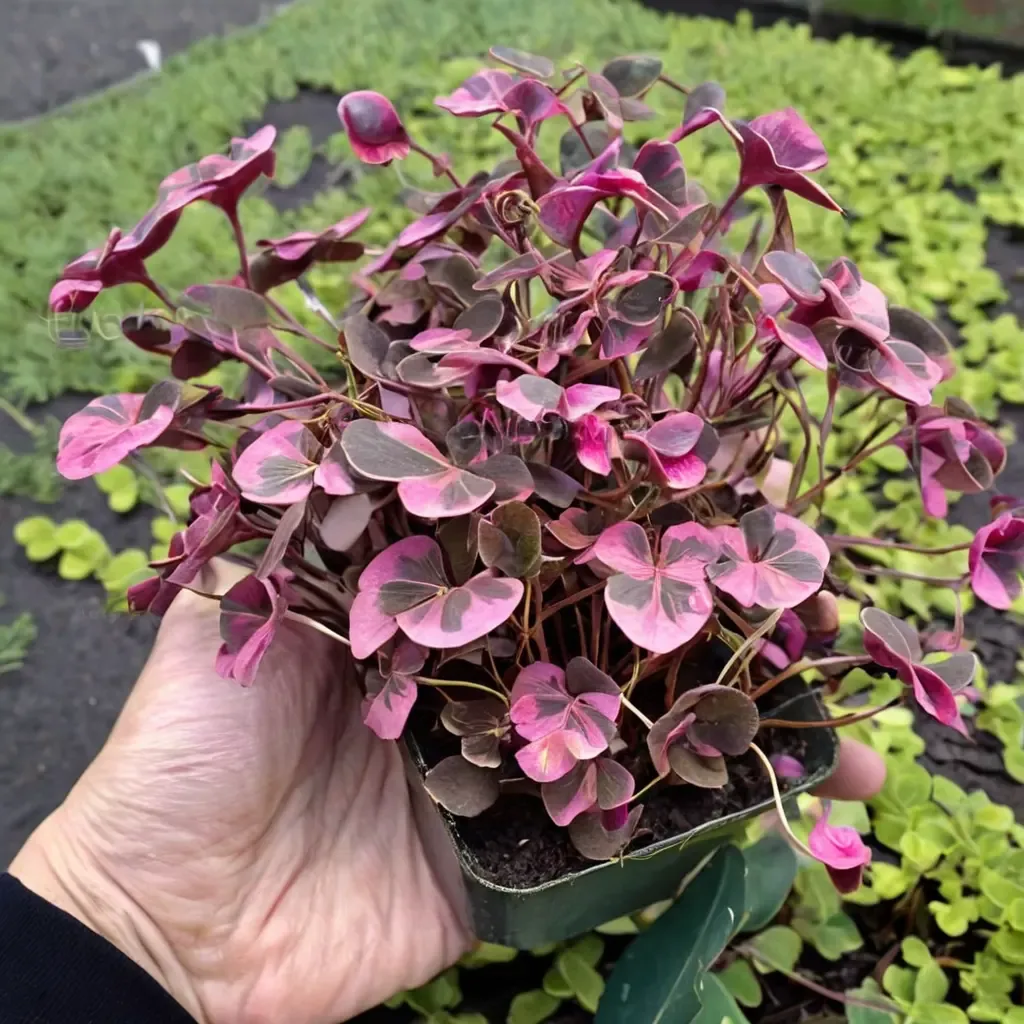
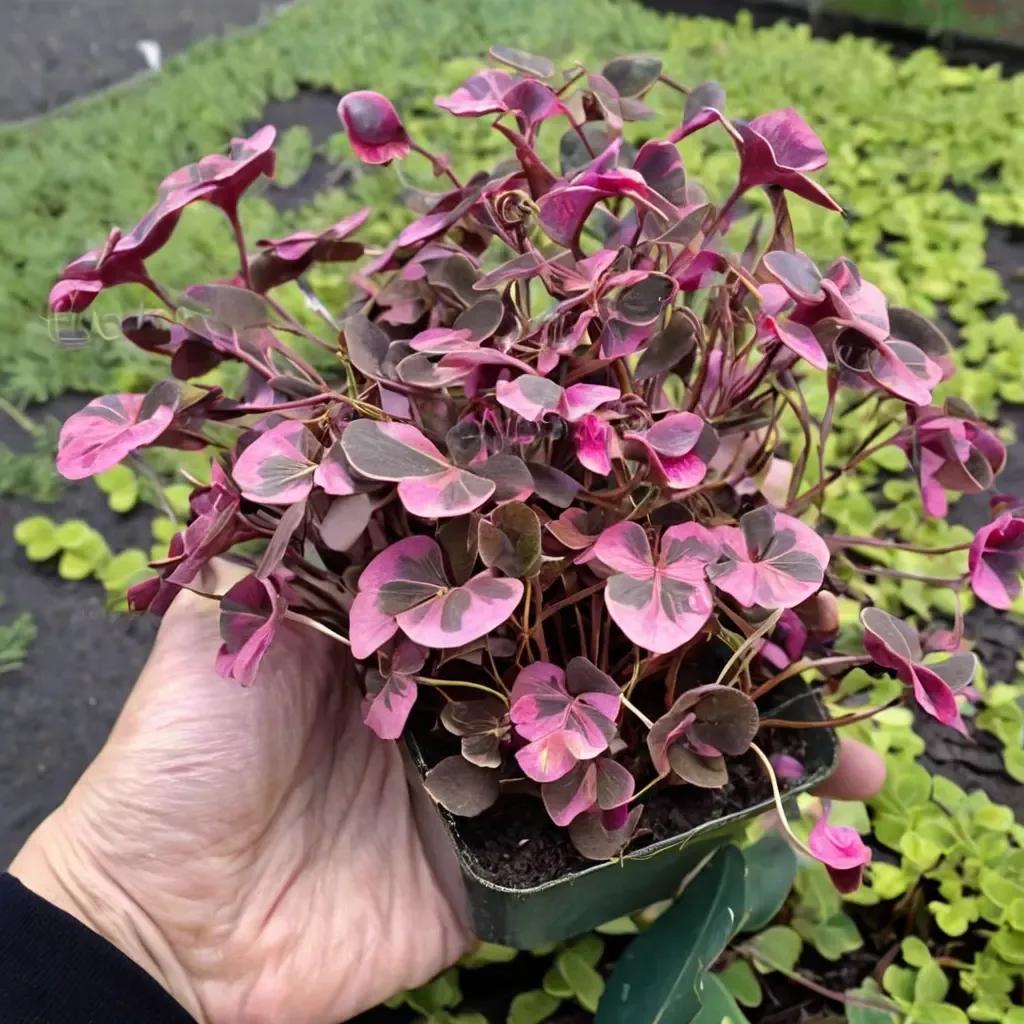
Plum Crazy Yellow Woodsorrel
Oxalis stricta 'Plum Crazy'
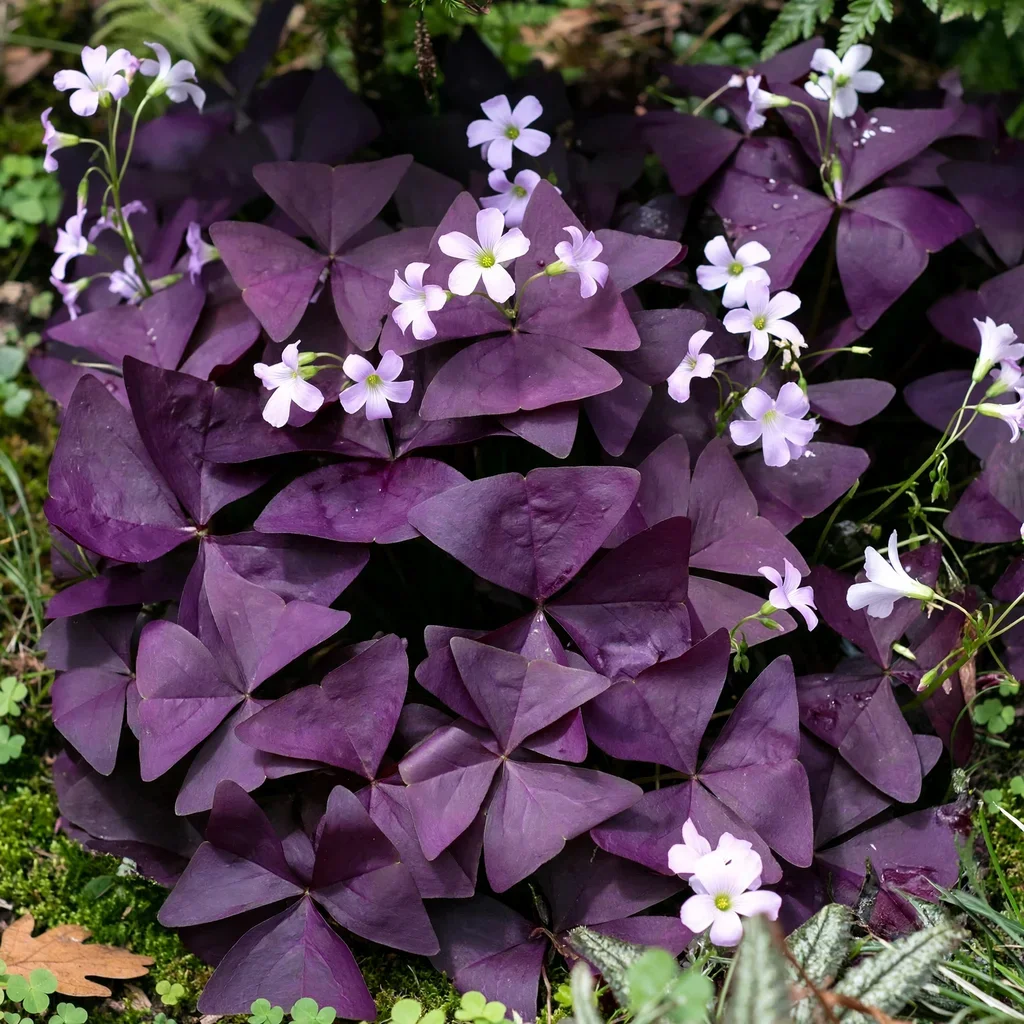
Purple Shamrock
Oxalis triangularis ssp papilionacea
Keep exploring
Explore the genus
Hardy in your zone?
Grow Yellow Woodsorrel with confidence
See it in a design of your actual yard, get zone-matched care reminders, and track it season by season in your garden journal.