The Story
Plant Bio
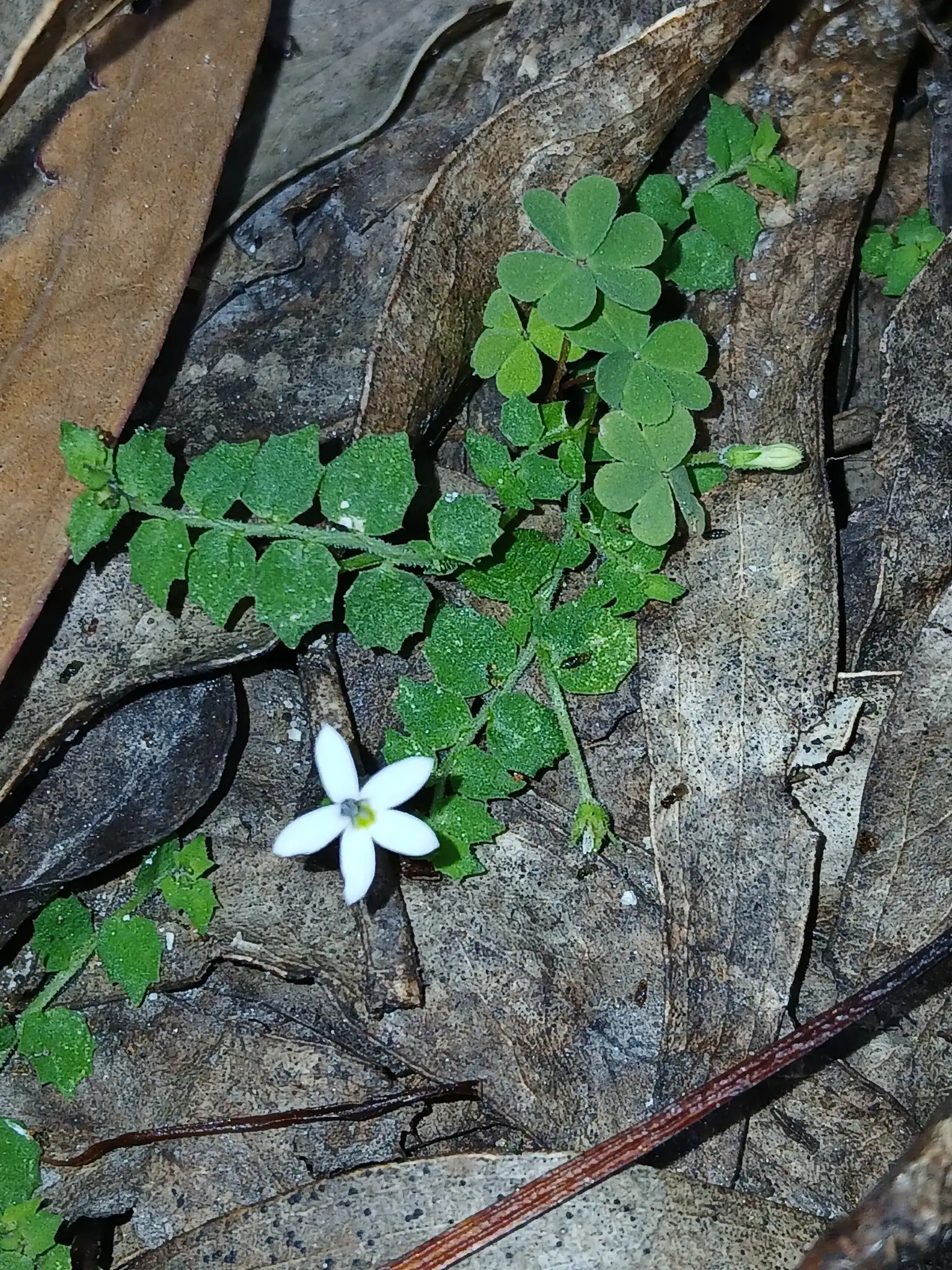
Lobelia pedunculata is a low-growing, mat-forming perennial herb that spreads via underground rhizomes and stolons to form a dense, carpet-like ground cover. The prostrate stems root readily at the nodes and carry small, bright green leaves with finely toothed margins.
This species is distinguished by its star-shaped, pale blue to violet flowers that rise individually on slender, upright stems from spring through fall. In cold weather or intense sunlight, the foliage frequently develops distinctive reddish-purple tones.
Uses & Benefits:
Essentials
At a Glance
Plant Type
Groundcover
Height
6"
Width
24"
Light
Full Sun, Partial Sun
Zones
7, 8, 9, 10
Water
High
Humidity
Moderate to high
Lifespan
Perennial
Native To
Australia
Toxicity
Mildly toxic if ingested
Bloom period
Spring – Fall
In flower about 9 months of the year
Planting
How to Grow
- Select a planting site in full sun to partial shade that receives at least four to six hours of direct sunlight daily.
- Amend the soil with organic matter to ensure it retains moisture while remaining reasonably well-drained.
- Space plugs or cell-grown plants six to twelve inches apart, pressing the root balls firmly into the soil.
- Water thoroughly immediately after planting and maintain consistently damp soil until the runners begin to spread and root.
Pro Tip
Do not use this species as a high-traffic lawn substitute on dry, sunny slopes; it thins rapidly under heavy foot traffic and scorches without consistent soil moisture.
Keep It Thriving
Care Guide
Do
- Keep the soil consistently moist, especially during hot summer spells.
- Shear the mat back lightly with a mower on a high setting in early spring if the foliage becomes matted or untidy.
- Apply a light, balanced slow-release fertilizer in spring if growth appears sluggish.
Don't
- Do not allow the soil to dry out completely, as the shallow root system suffers rapid and irreversible dieback.
- Do not plant this species directly adjacent to delicate, moist garden beds where its aggressive stolons can easily invade.
- Avoid digging into or clearing the old, leafless woody core of established mats.
Seasonal Care Calendar
| Task | Jan | Feb | Mar | Apr | May | Jun | Jul | Aug | Sep | Oct | Nov | Dec |
|---|---|---|---|---|---|---|---|---|---|---|---|---|
| Divide | ||||||||||||
| Fertilize | ||||||||||||
| Pest Check | ||||||||||||
| Spring Cleanup |
Watch Out For
Pests & Diseases
Common Pests
Common Diseases
In the Garden
Landscape Uses & Companions
Landscape Uses
Companion Plants
Multiply
Propagation Methods
Good to Know
Common Questions
Blue star creeper questions
What zones can Blue star creeper grow in?
Blue star creeper is hardy in USDA Zones 7–10. Inside that range it survives winter in the ground; outside it, grow it as an annual or a container plant you protect.
When does Blue star creeper bloom?
Blue star creeper typically blooms in spring through fall. Exact timing shifts a week or two with your zone — Sow's bloom calendar maps it to your garden.
Does Blue star creeper need full sun?
Blue star creeper does best in full sun to part shade. In hot climates, afternoon shade keeps blooms fresher longer.
More Lobelia to compare
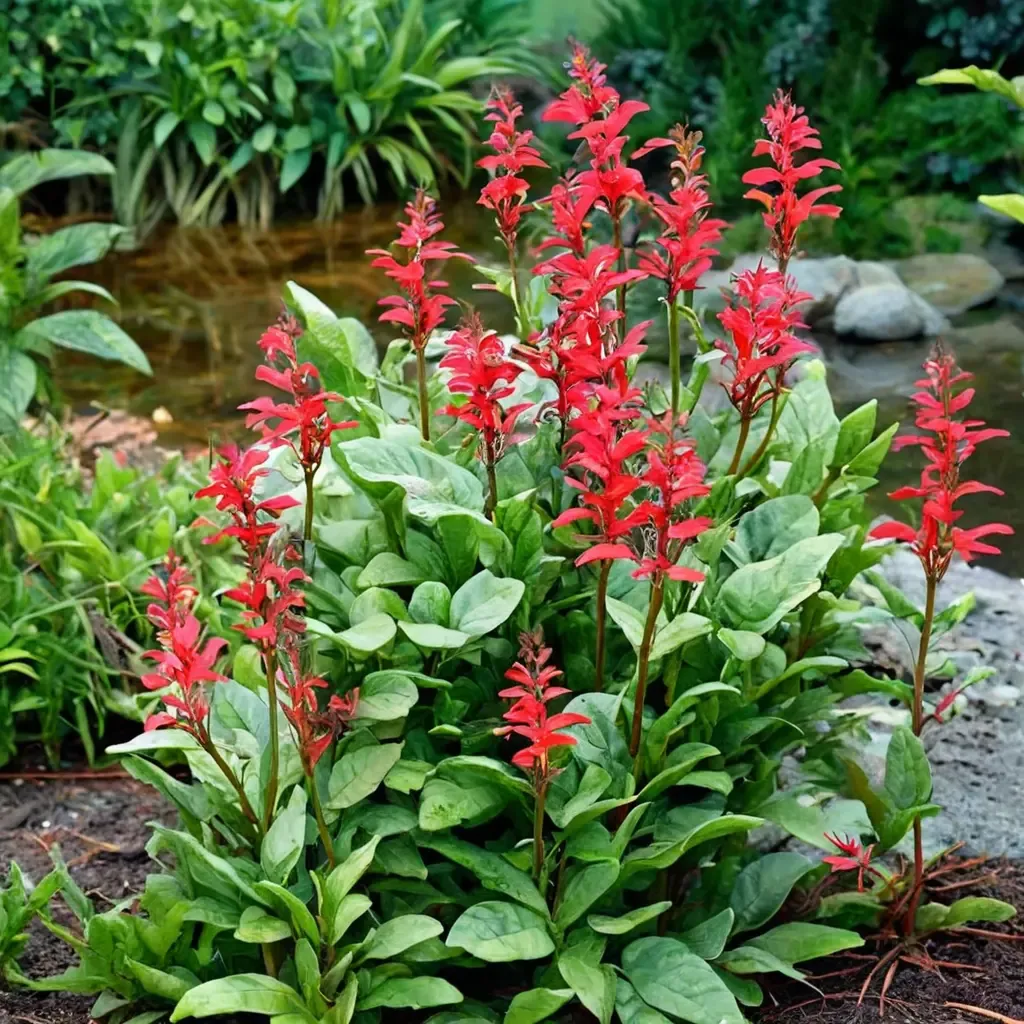
Cardinal Flower
Lobelia cardinalis
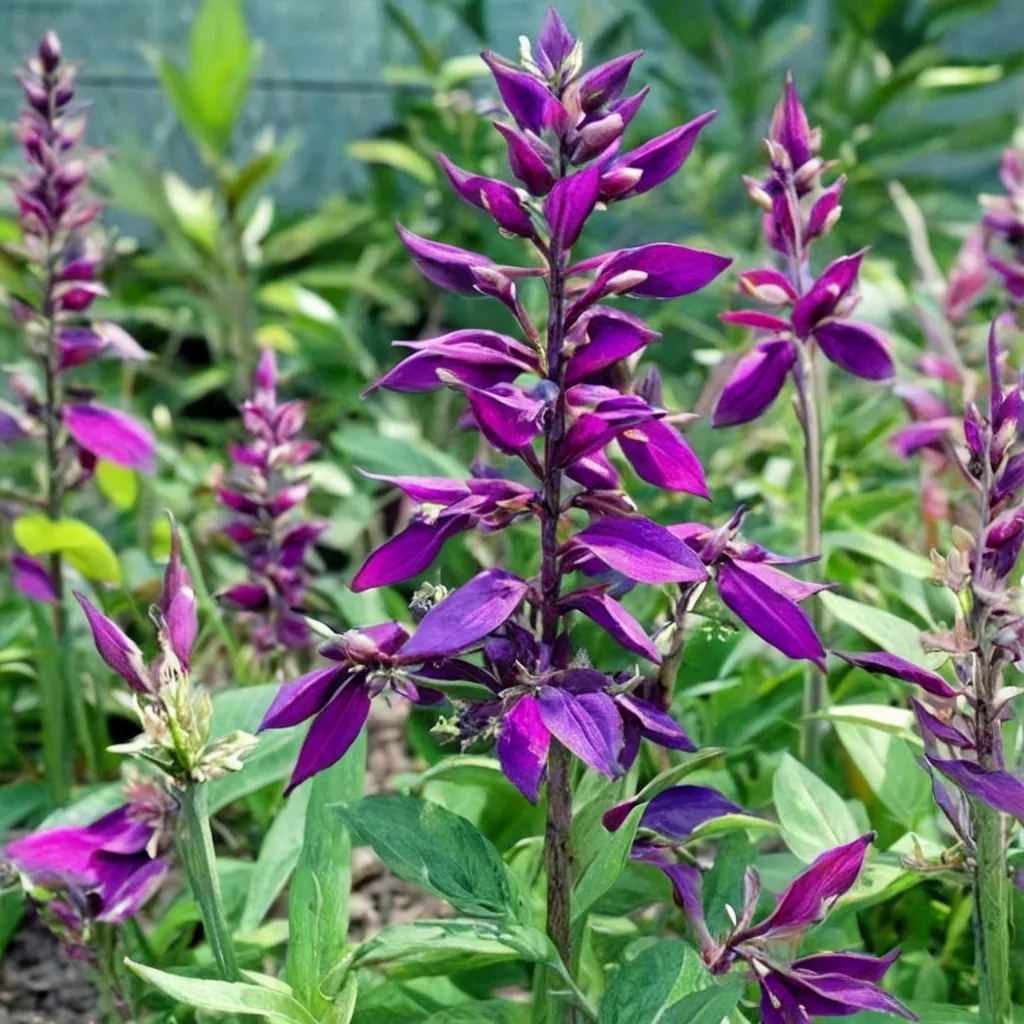
Hybrid Cardinal Flower
Lobelia speciosa 'Compliment Violet'
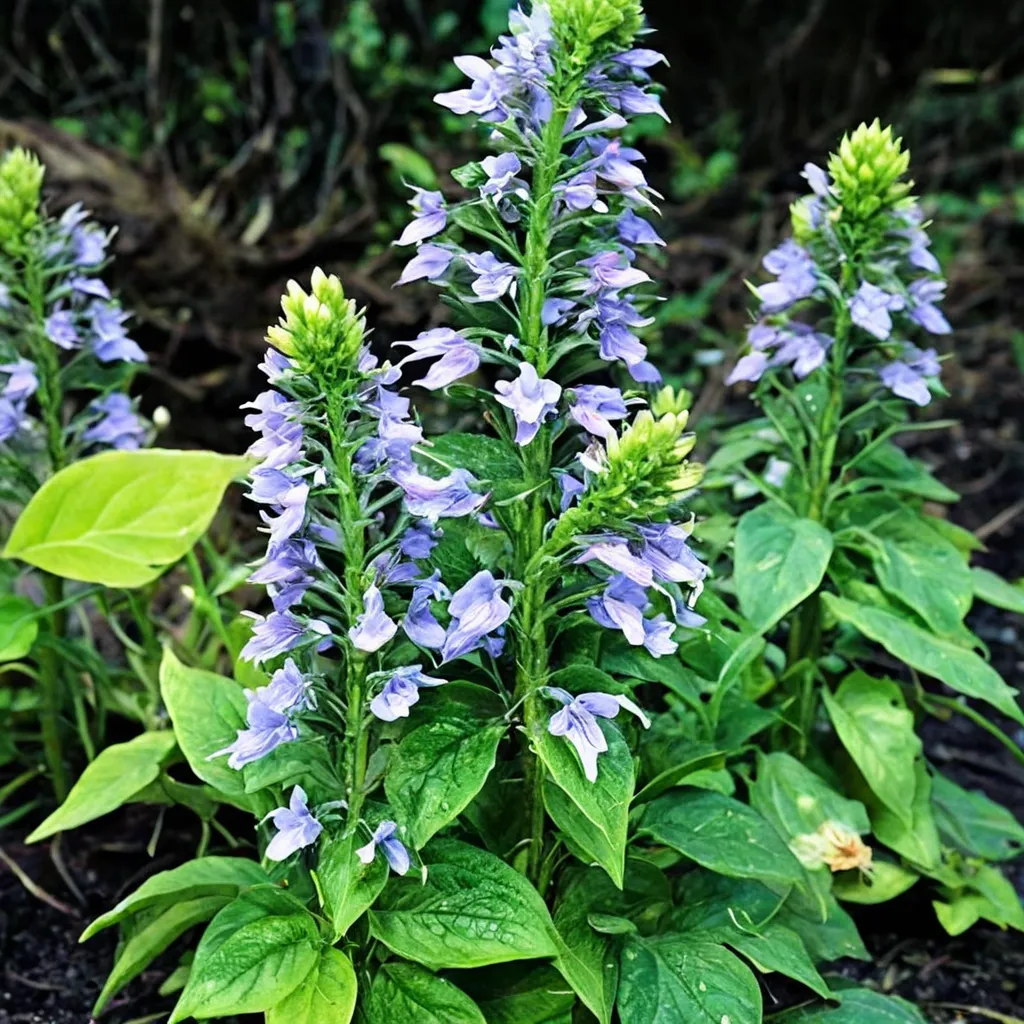
Lilac Candles Great Blue Lobelia
Lobelia siphilitica 'Lilac Candles'
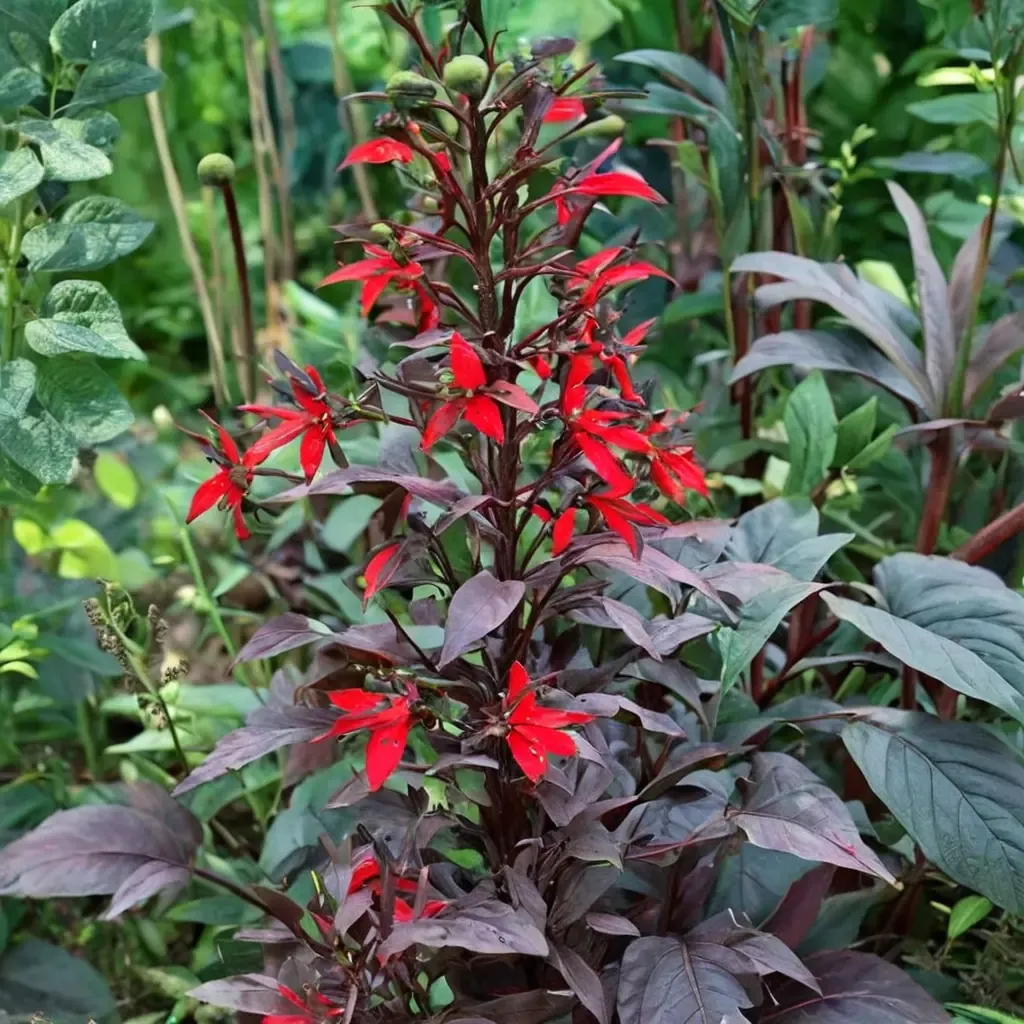
Cardinal Flower 'Black Truffle'
Lobelia cardinalis 'Black Truffle'
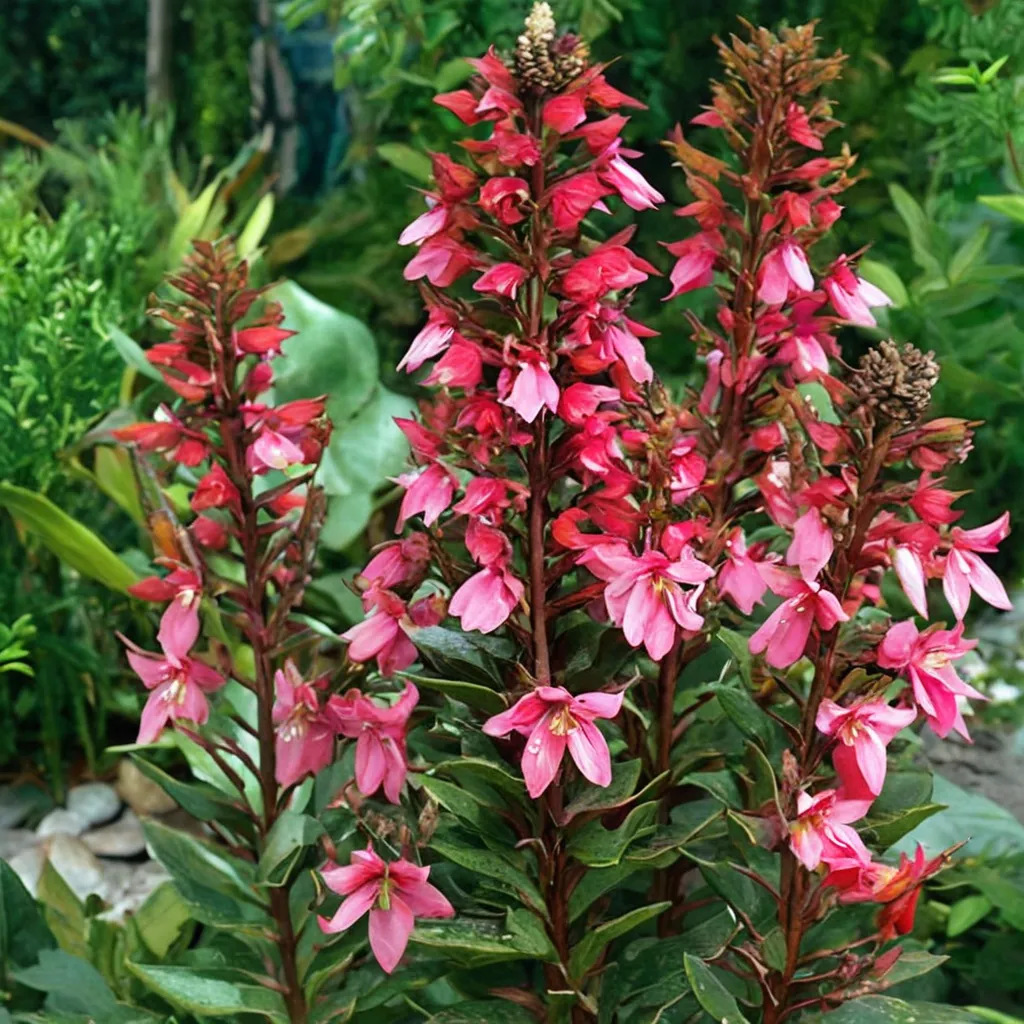
Fan Cinnabar Rose Lobelia
Lobelia speciosa 'Fan Cinnabar Rose'
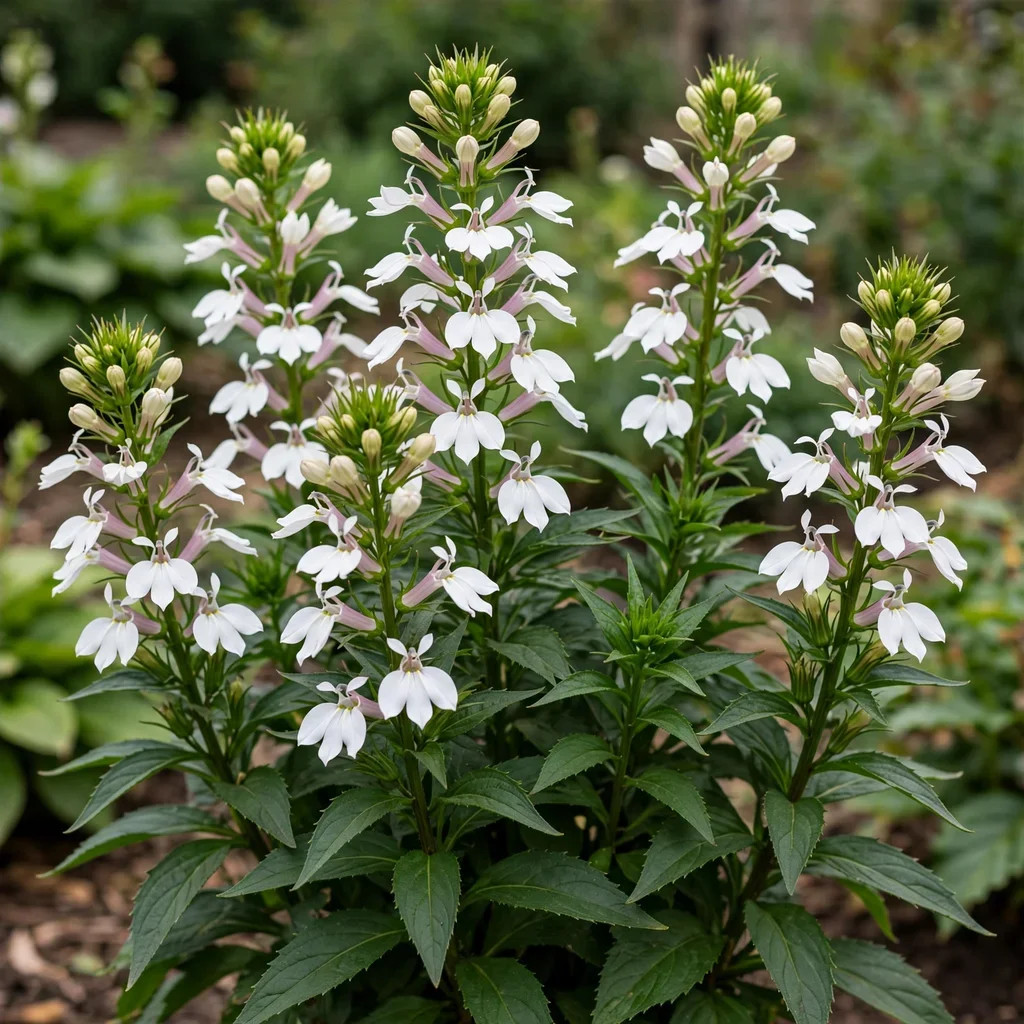
Perrys White Cardinal Flower
Lobelia cardinalis 'Perrys White'
Keep exploring
Explore the genus
Hardy in your zone?
Grow Blue star creeper with confidence
See it in a design of your actual yard, get zone-matched care reminders, and track it season by season in your garden journal.