The Story
Plant Bio
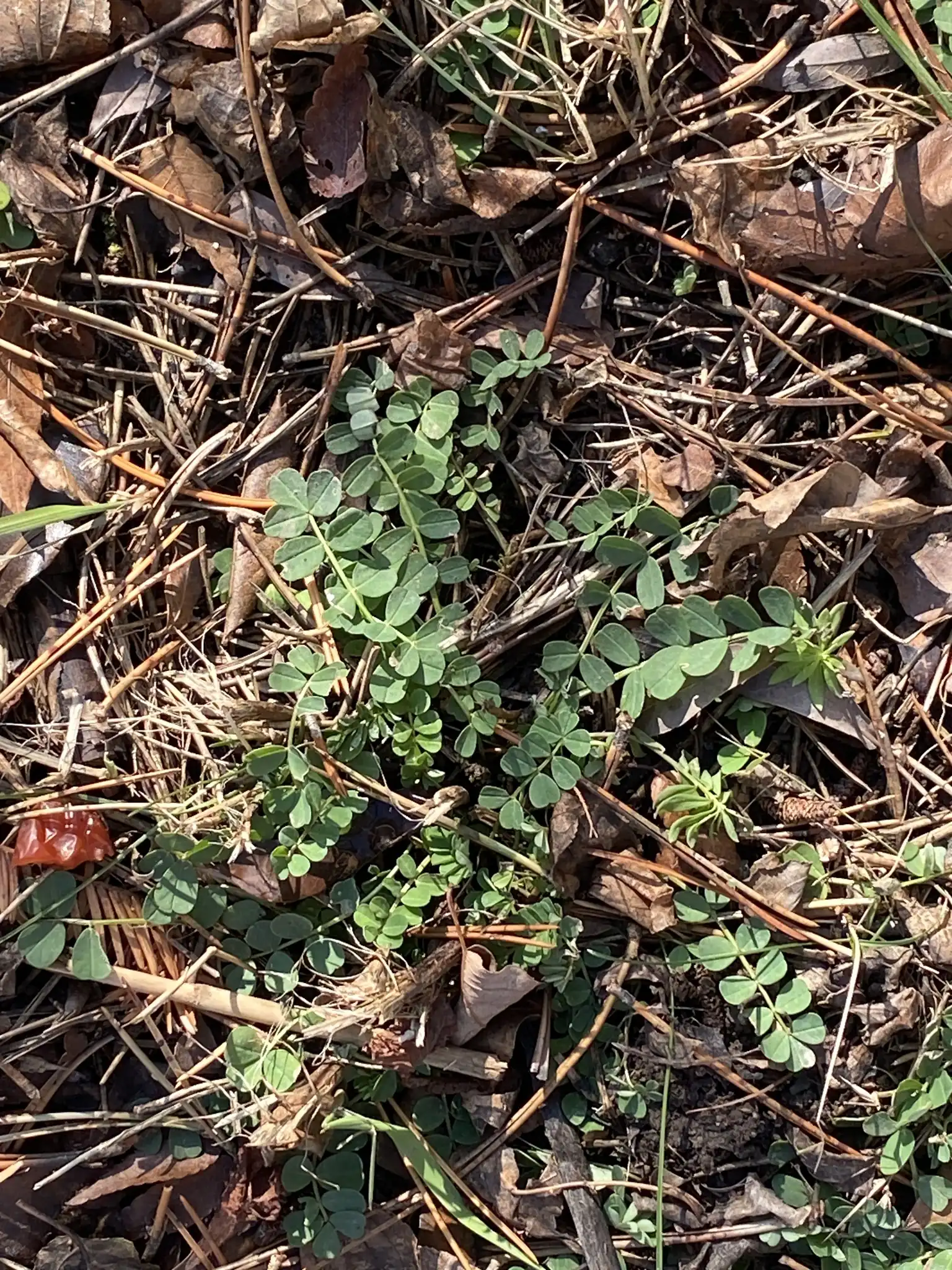
Coronilla varia, commonly known as crownvetch, is a sprawling herbaceous perennial groundcover that spreads indefinitely via tough, creeping underground rhizomes. The compound leaves bear up to 27 small, oblong leaflets, forming a dense green mat that produces spherical clusters of pink-and-white pea-like flowers from late spring through summer.
This species is highly valued for rapid erosion control on steep, dry banks due to its deep, tenacious root system and ability to fix its own nitrogen. However, its aggressive spreading habit allows it to quickly escape cultivation, smothering neighboring vegetation and forming dense monocultures in open landscapes.
Uses & Benefits:
Essentials
At a Glance
Plant Type
Groundcover
Height
24"
Width
120"
Light
Full Sun
Zones
4, 5, 6, 7, 8, 9
Water
Low
Humidity
Moderate
Lifespan
Perennial
Native To
Europe, North Africa, Western and Central Asia
Toxicity
Toxic to monogastric animals
Bloom period
Late spring – Autumn
In flower about 7 months of the year
Planting
How to Grow
- Select a planting site in full sun with coarse, well-drained soil, avoiding any areas near delicate garden beds or natural waterways.
- Install deep physical root barriers at least 12 inches into the ground to contain the creeping rhizomes.
- Sow seeds or plant plugs in spring, watering occasionally only until the root system establishes.
- Mow or cut back the foliage late in the season to manage height, ensuring you do not slice into bare woody stems.
Pro Tip
Planting crownvetch to enrich poor soil often backfires; the nitrogen it fixes fuels its own aggressive expansion, allowing the rhizomes to rapidly travel beneath borders and choke out desirable garden plants.
Keep It Thriving
Care Guide
Do
- Install physical underground barriers to restrict the aggressive spread of rhizomes.
- Grow only in well-drained, low-fertility soils where other groundcovers struggle.
Don't
- Do not plant near garden borders or native woodlands where it can easily escape and smother other plants.
- Do not apply nitrogen-based fertilizers, as this legume fixes its own nitrogen.
Seasonal Care Calendar
| Task | Jan | Feb | Mar | Apr | May | Jun | Jul | Aug | Sep | Oct | Nov | Dec |
|---|---|---|---|---|---|---|---|---|---|---|---|---|
| Pest Check | ||||||||||||
| Propagate | ||||||||||||
| Prune | ||||||||||||
| Spring Cleanup |
Watch Out For
Pests & Diseases
Common Pests
Common Diseases
In the Garden
Landscape Uses & Companions
Landscape Uses
Companion Plants
Multiply
Propagation Methods
Good to Know
Common Questions
Crownvetch questions
What zones can Crownvetch grow in?
Crownvetch is hardy in USDA Zones 4–9. Inside that range it survives winter in the ground; outside it, grow it as an annual or a container plant you protect.
Is Crownvetch deer resistant?
Not reliably. Deer may browse Crownvetch, especially tender spring growth — plan on repellents or fencing where pressure is high.
When does Crownvetch bloom?
Crownvetch typically blooms in late spring through autumn. Exact timing shifts a week or two with your zone — Sow's bloom calendar maps it to your garden.
Does Crownvetch need full sun?
Crownvetch does best in full sun (6+ hours).
Is Crownvetch drought tolerant?
Yes — once established (usually after the first full season), Crownvetch handles dry spells with minimal watering. Water deeply its first year to build the root system that makes that possible.
Keep exploring
Explore the genus
Grow Crownvetch with confidence
See it in a design of your actual yard, get zone-matched care reminders, and track it season by season in your garden journal.