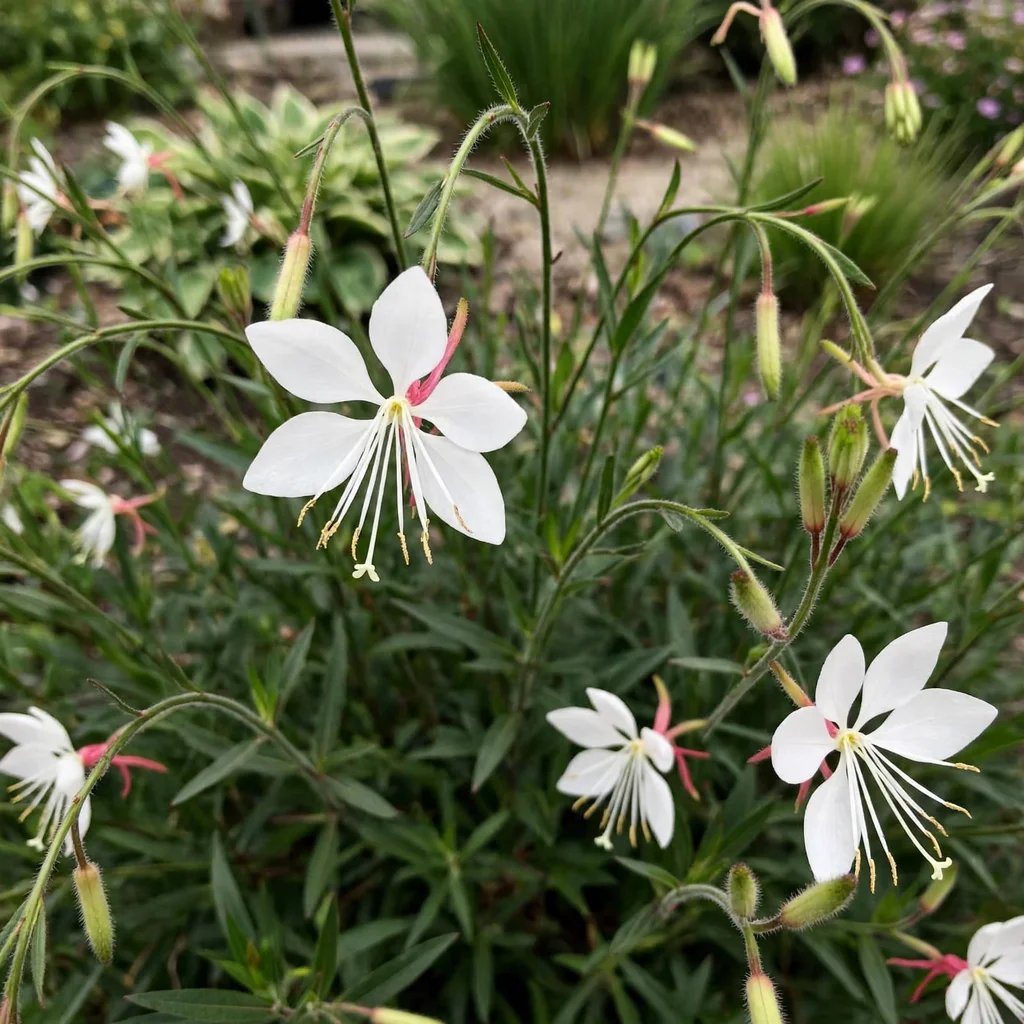
Species
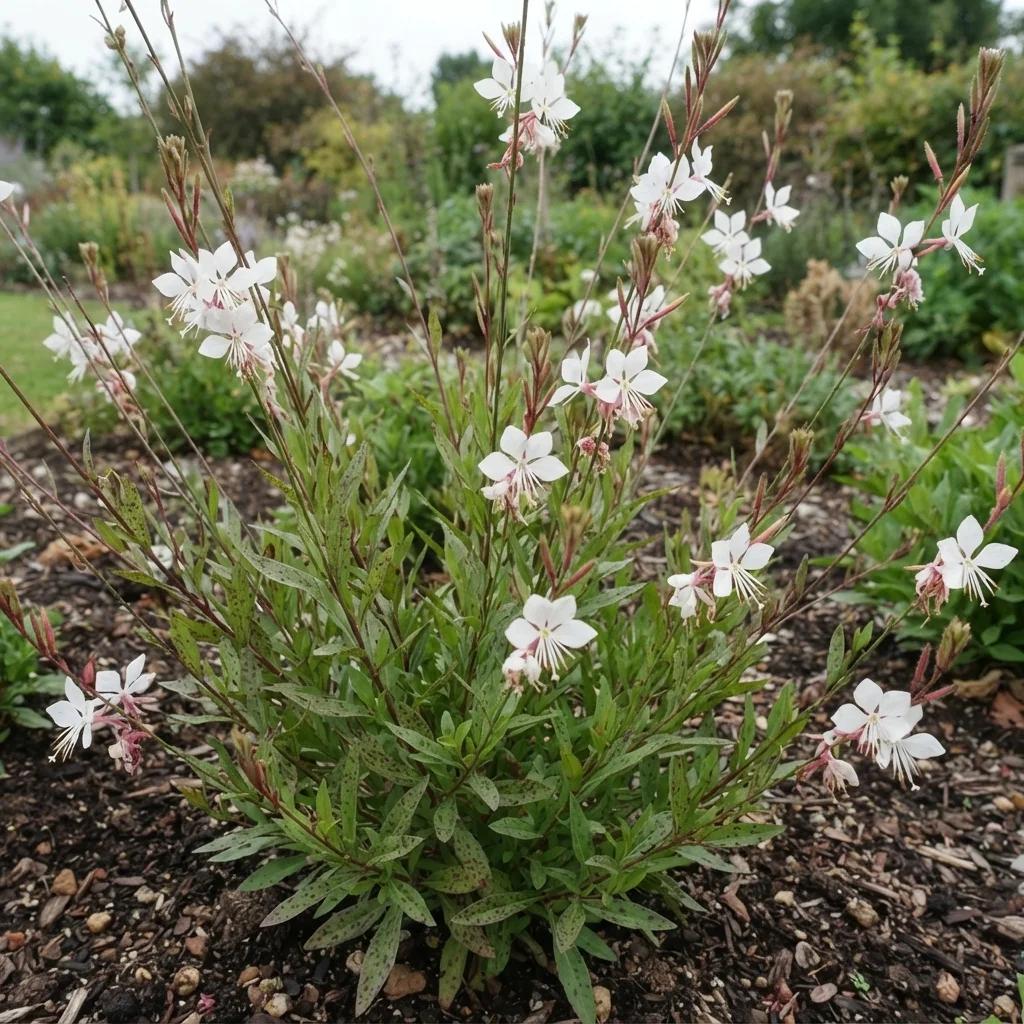 Oenothera lindheimeriGaura
The Story
Plant Bio
Oenothera lindheimeri is a clump-forming herbaceous perennial native to the sandy, well-draining soils of Texas and Louisiana. It produces airy, upright-to-arching wiry stems clad in narrow, hairy dark green leaves that grow from a basal clump.
'Cool Breeze' is distinguished by its pure white flowers that open sequentially along wand-like spikes from summer until the first frost. Unlike older wild selections, the blossoms and their supporting sepals and stamens remain clean white without fading to pink.
Uses & Benefits:
Essentials
At a Glance
Plant Type
Perennial
Height
48"
Width
24"
Light
Full Sun
Zones
6, 7, 8, 9
Water
Low
Humidity
Moderate
Lifespan
Short-lived Perennial
Native To
North America
Toxicity
Non-toxic
Bloom period
Summer – Fall
In flower about 6 months of the year
Planting
How to Grow
- Select a planting site that receives full sun throughout the day to ensure strong, upright stem growth.
- Incorporate sand, grit, or organic matter into the planting area to guarantee sharp drainage, as heavy or waterlogged soil causes rapid root failure.
- Dig a hole twice as wide as the root ball but equal in depth, ensuring the crown sits level with the surrounding soil surface.
- Water deeply immediately after planting to settle the soil around the taproot, then reduce watering once the root system is established.
Pro Tip
Avoid planting in rich soils or applying heavy nitrogen fertilizers, which cause the wiry stems to become weak, excessively tall, and prone to severe flopping. Natural maroon spotting on the foliage is a normal genetic trait and should not be mistaken for a fungal infection.
Keep It Thriving
Care Guide
Do
- Prune stems back by up to fifty percent in late spring to encourage a bushier habit and prevent late-season flopping.
- Cut the plant back in midsummer to stimulate a fresh flush of clean foliage and autumn flowers.
- Ensure excellent air circulation around the foliage to minimize the risk of powdery mildew and rust.
Don't
- Do not fertilize heavily, as excess nutrients ruin the naturally upright form and lead to weak, lodging stems.
- Do not attempt to transplant or divide established specimens, as the deep taproot resents soil disturbance.
- Do not cut back into old, leafless wood that lacks visible, living buds.
Seasonal Care Calendar
| Task | Jan | Feb | Mar | Apr | May | Jun | Jul | Aug | Sep | Oct | Nov | Dec |
|---|---|---|---|---|---|---|---|---|---|---|---|---|
| Pest Check | ||||||||||||
| Propagate | ||||||||||||
| Prune | ||||||||||||
| Winter Prep |
Watch Out For
Pests & Diseases
Common Pests
Common Diseases
In the Garden
Landscape Uses & Companions
Landscape Uses
Multiply
Propagation Methods
Good to Know
Common Questions
White Gaura questions
What zones can White Gaura grow in?
White Gaura is hardy in USDA Zones 6–9. Inside that range it survives winter in the ground; outside it, grow it as an annual or a container plant you protect.
Is White Gaura deer resistant?
Yes — White Gaura is rated deer-resistant. Deer typically pass it over, though extreme hunger can override any plant's defenses.
When does White Gaura bloom?
White Gaura typically blooms in summer through fall. Exact timing shifts a week or two with your zone — Sow's bloom calendar maps it to your garden.
Does White Gaura need full sun?
White Gaura does best in full sun (6+ hours).
Is White Gaura drought tolerant?
Yes — once established (usually after the first full season), White Gaura handles dry spells with minimal watering. Water deeply its first year to build the root system that makes that possible.
More Oenothera to compare
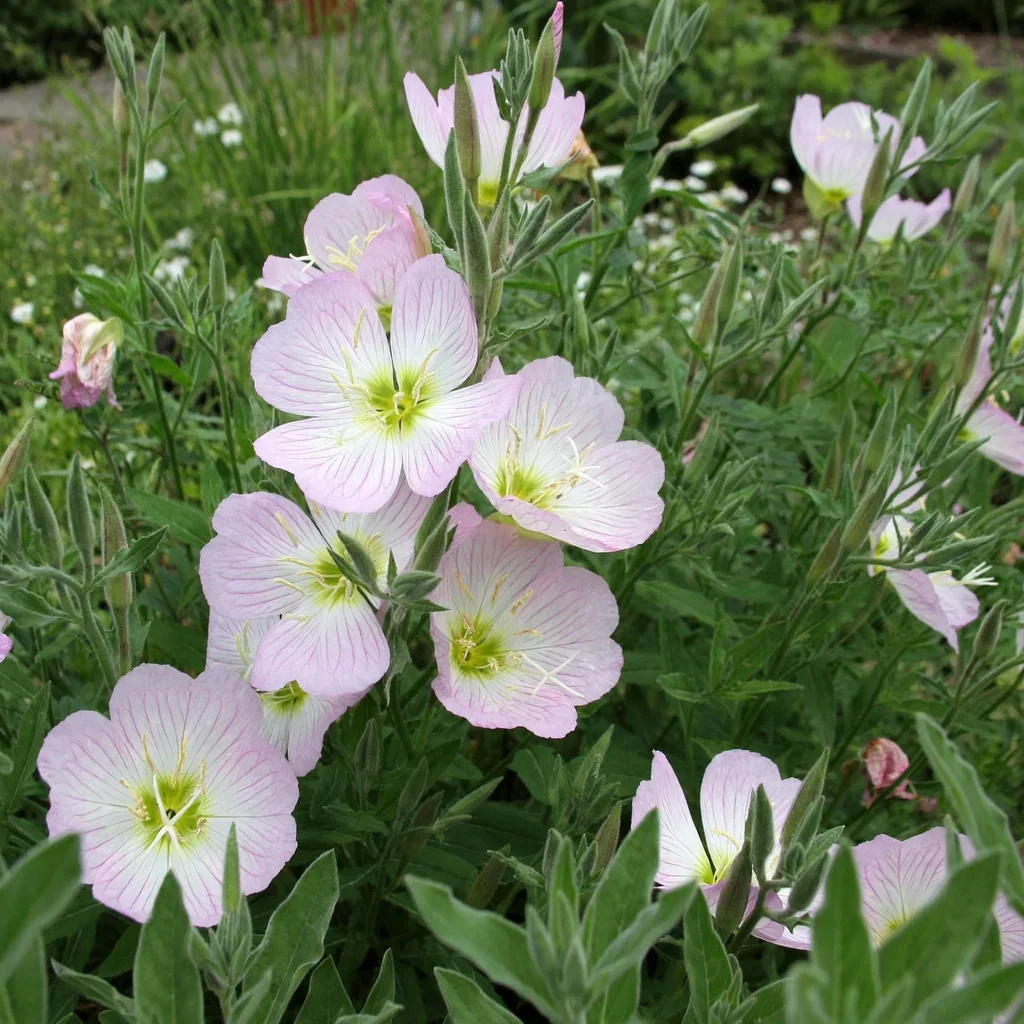
Pink Evening Primrose
Oenothera speciosa
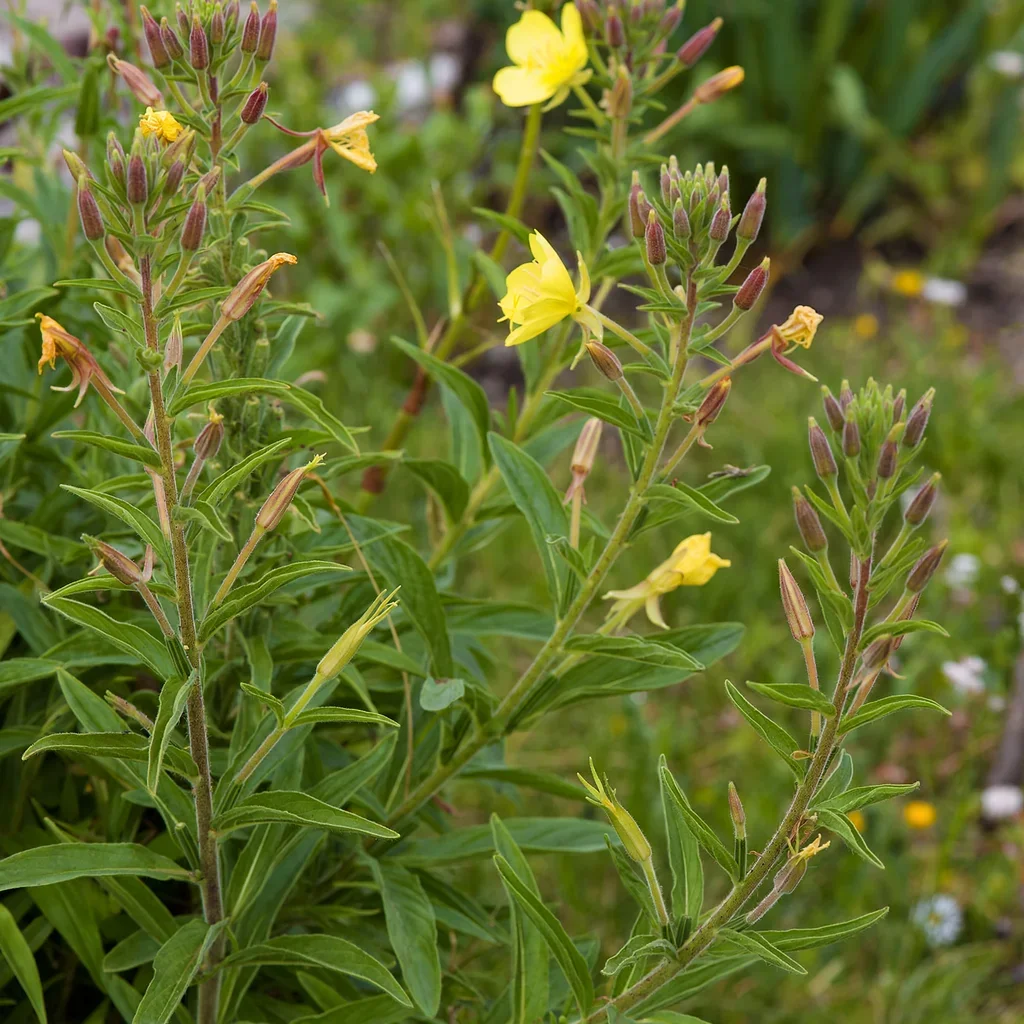
Evening Primrose
Oenothera biennis
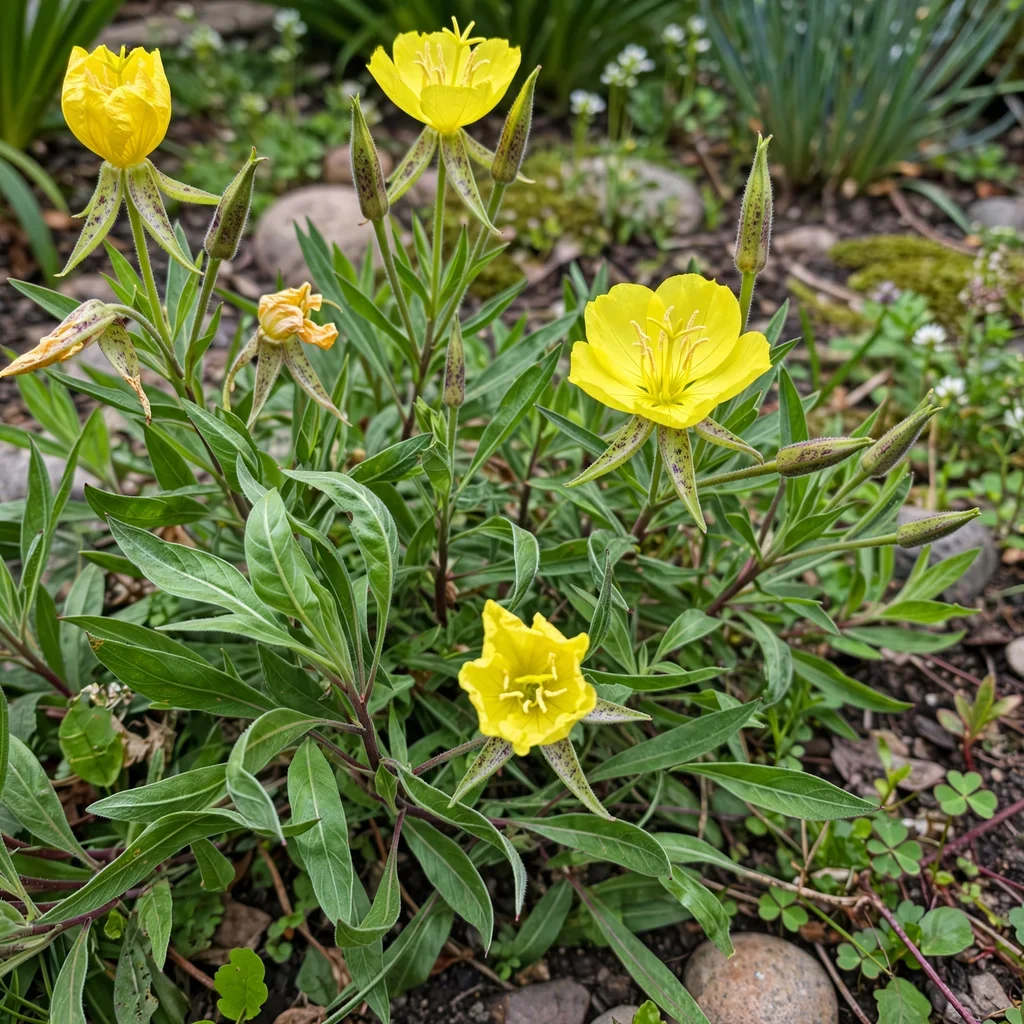
Missouri Evening Primrose Giant Evening Primrose
Oenothera macrocarpa
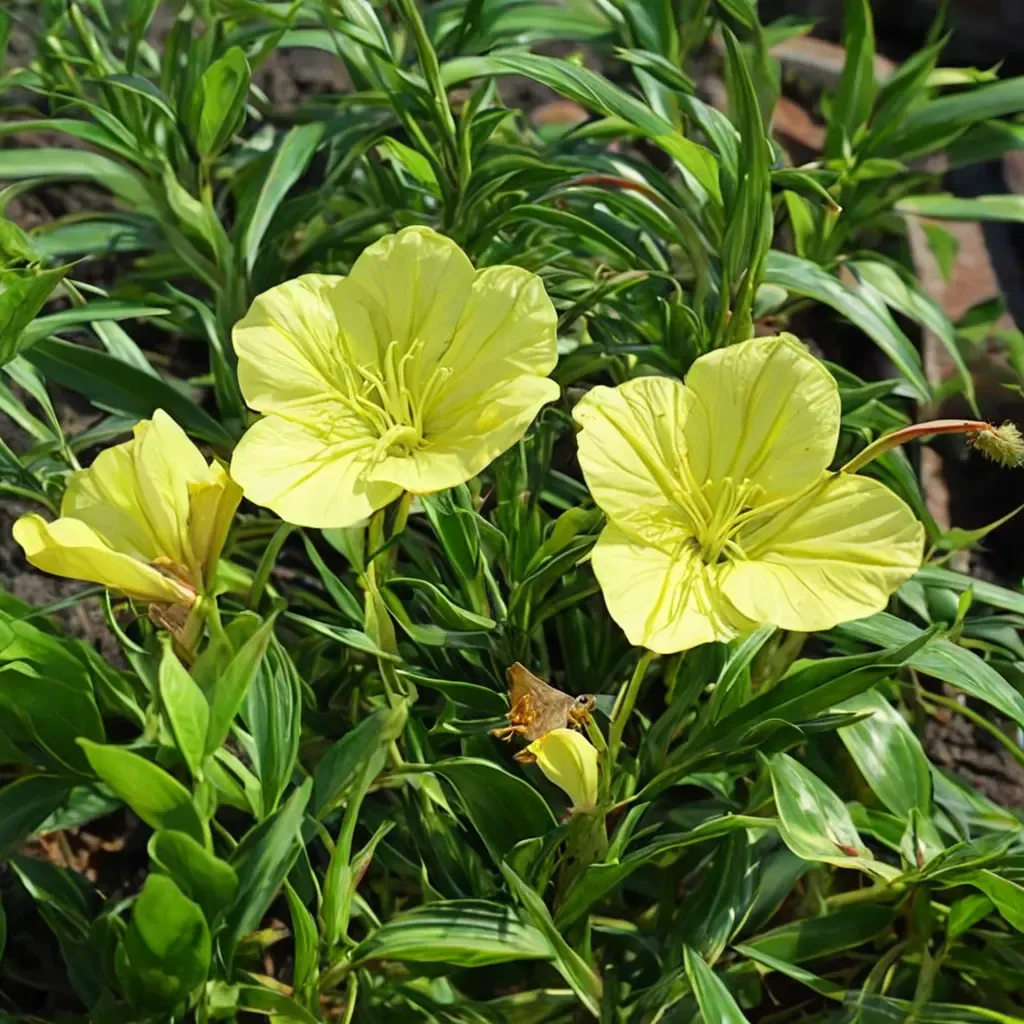
Ozark Sundrop
Oenothera missouriensis 'Ozark Sundrop'
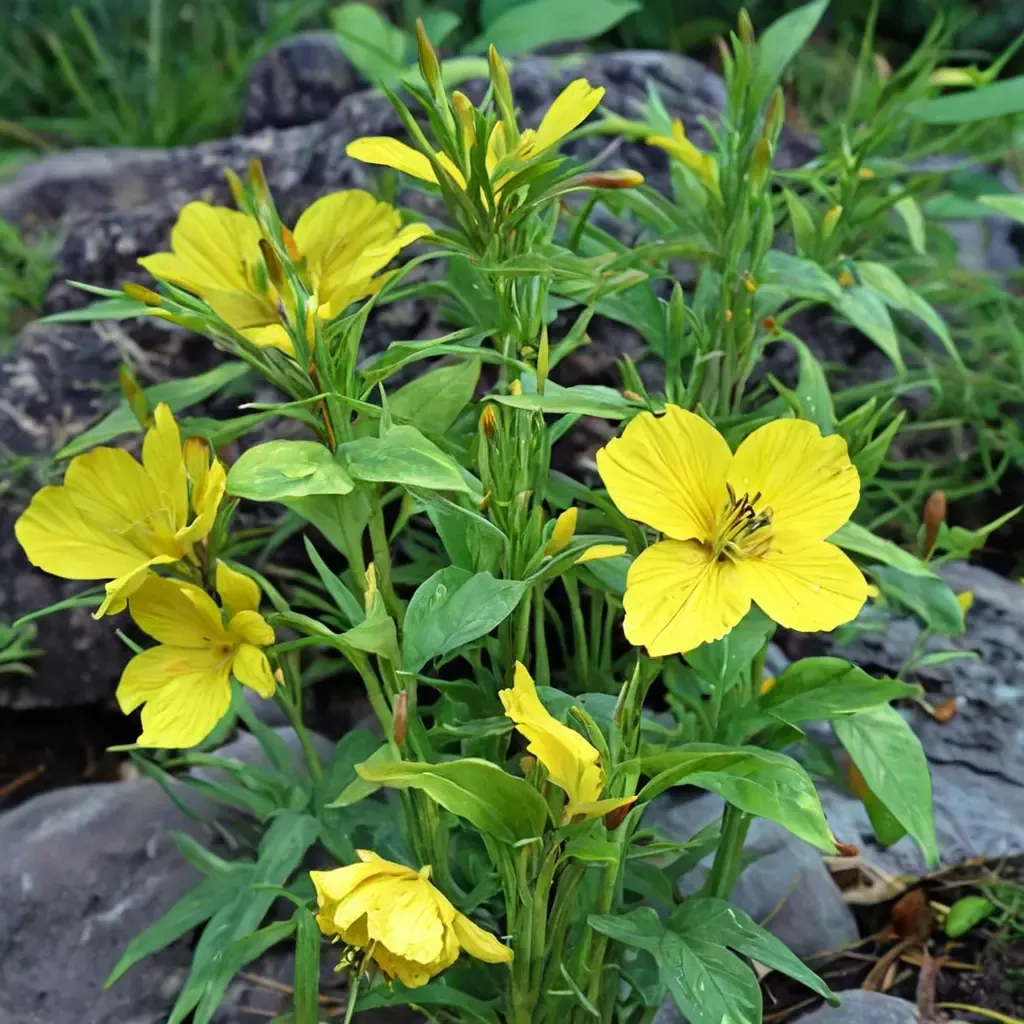
Native Yellow Sundrops
Oenothera fruticosa 'Native Yellow Bellflower'
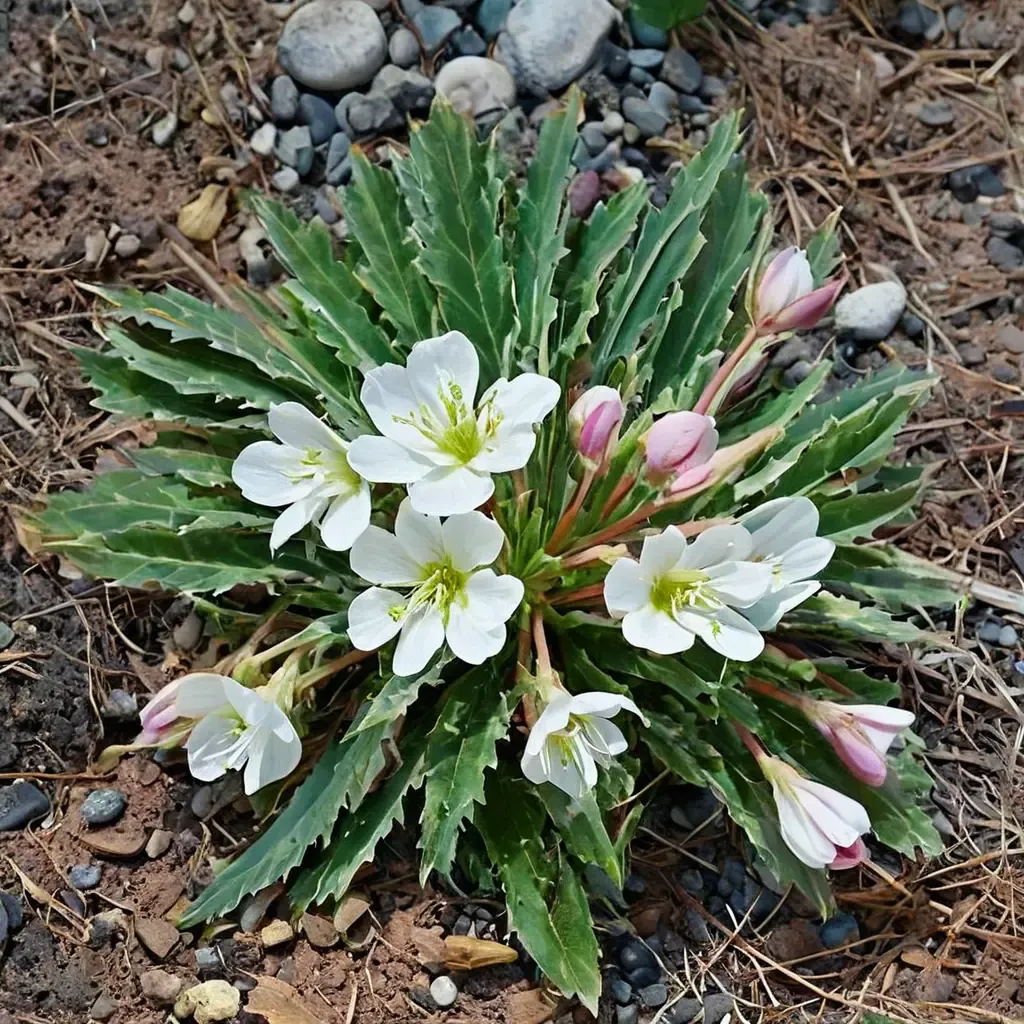
Tufted Evening Primrose
Oenothera caespitosa
Keep exploring
Explore the genus
Hardy in your zone?
Grow White Gaura with confidence
See it in a design of your actual yard, get zone-matched care reminders, and track it season by season in your garden journal.