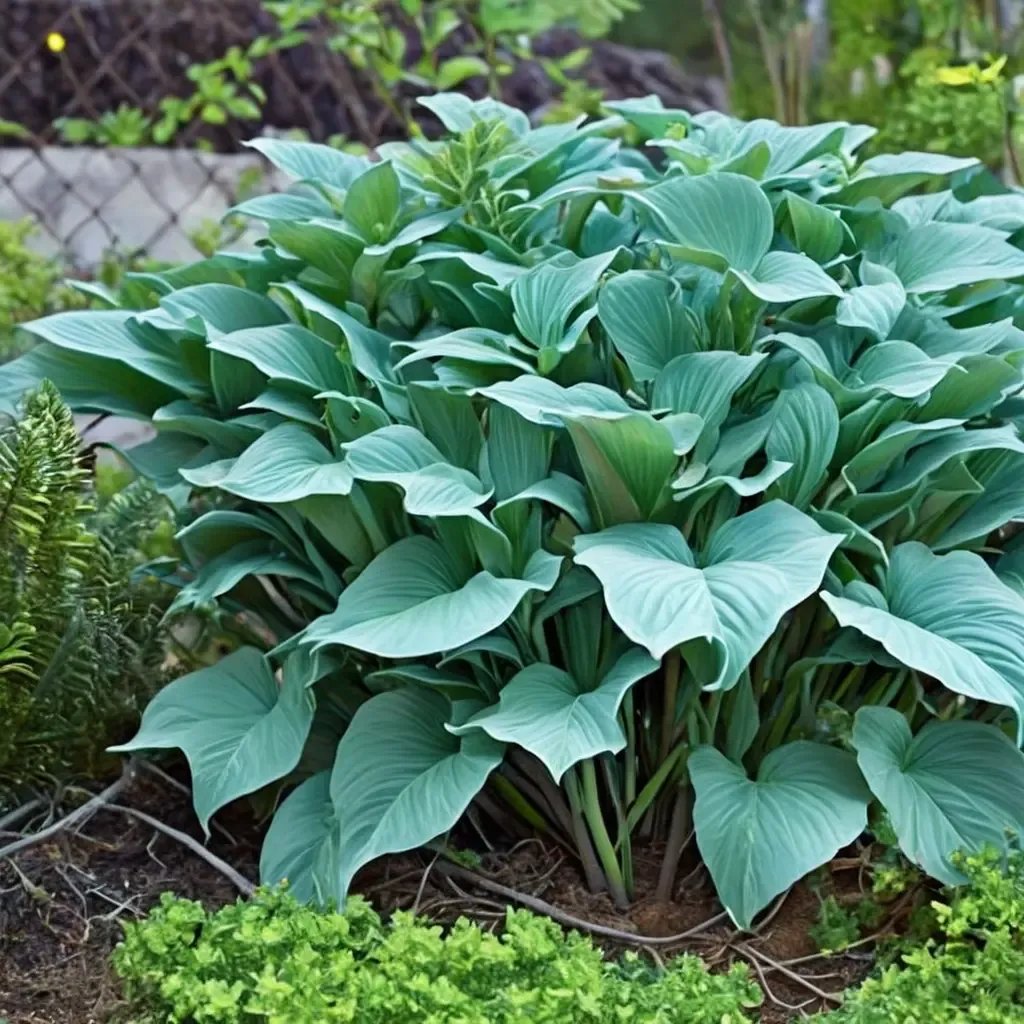
The Story
Plant Bio
Deciduous shrub known for its large, showy flowers and strong growth habit.
This cultivar is noted for its large, showy, lavender-blue flowers with a reddish-purple throat, blooming profusely from mid-summer to fall.
Uses & Benefits:
Krossa Regal hibiscus features large, showy flowers that add vibrant color and tropical flair to gardens and landscapes.
Its dense foliage provides privacy and acts as a windbreak, while attracting pollinators supports local ecology.
The plant supports bees and hummingbirds, promoting biodiversity and ecological health.
Essentials
At a Glance
Plant Type
Shrub
Height
120"
Width
96"
Light
Full Sun, Partial Sun
Zones
5, 6, 7, 8, 9
Water
Moderate
Humidity
Moderate to high
Lifespan
Perennial
Native To
East Asia
Toxicity
Non-toxic to humans and pets
Bloom period
Late summer – Early fall
J
F
M
A
M
J
J
A
S
O
N
D
In flower about 2 months of the year
Planting
How to Grow
- Choose a sunny location with well-draining soil to plant the hibiscus.
- Tuck seeds or cuttings into moist soil, ensuring good contact for root development.
- Water regularly, keeping soil consistently moist but not waterlogged for 6 weeks.
- Fertilize monthly during the growing season with a balanced fertilizer.
- Prune lightly after flowering to shape the plant and encourage new growth.
- Mulch around the base to retain moisture and suppress weeds.
Pro Tip
Use organic compost to boost flowering and soil health for vibrant blooms.
Keep It Thriving
Care Guide
Do
- Water deeply during dry spells 🌱
- Prune after flowering to maintain shape
- Apply fertilizer monthly during active growth
- Mulch to conserve moisture
- Monitor for pests regularly
Don't
- Overwater to prevent root rot ❌
- Prune excessively during blooming period ❌
- Ignore pest signs ❌
- Plant in poorly drained soil ❌
- Use harsh chemicals without caution ❌
Seasonal Care Calendar
| Task | Jan | Feb | Mar | Apr | May | Jun | Jul | Aug | Sep | Oct | Nov | Dec |
|---|---|---|---|---|---|---|---|---|---|---|---|---|
| Fertilize | ||||||||||||
| Pest Check | ||||||||||||
| Prune |
Watch Out For
Pests & Diseases
Common Pests
Common Diseases
In the Garden
Landscape Uses & Companions
Landscape Uses
Vibrant shrub borderColorful patio specimenAttractive hedge
Companion Plants
Multiply
Propagation Methods
Good to Know