
Species
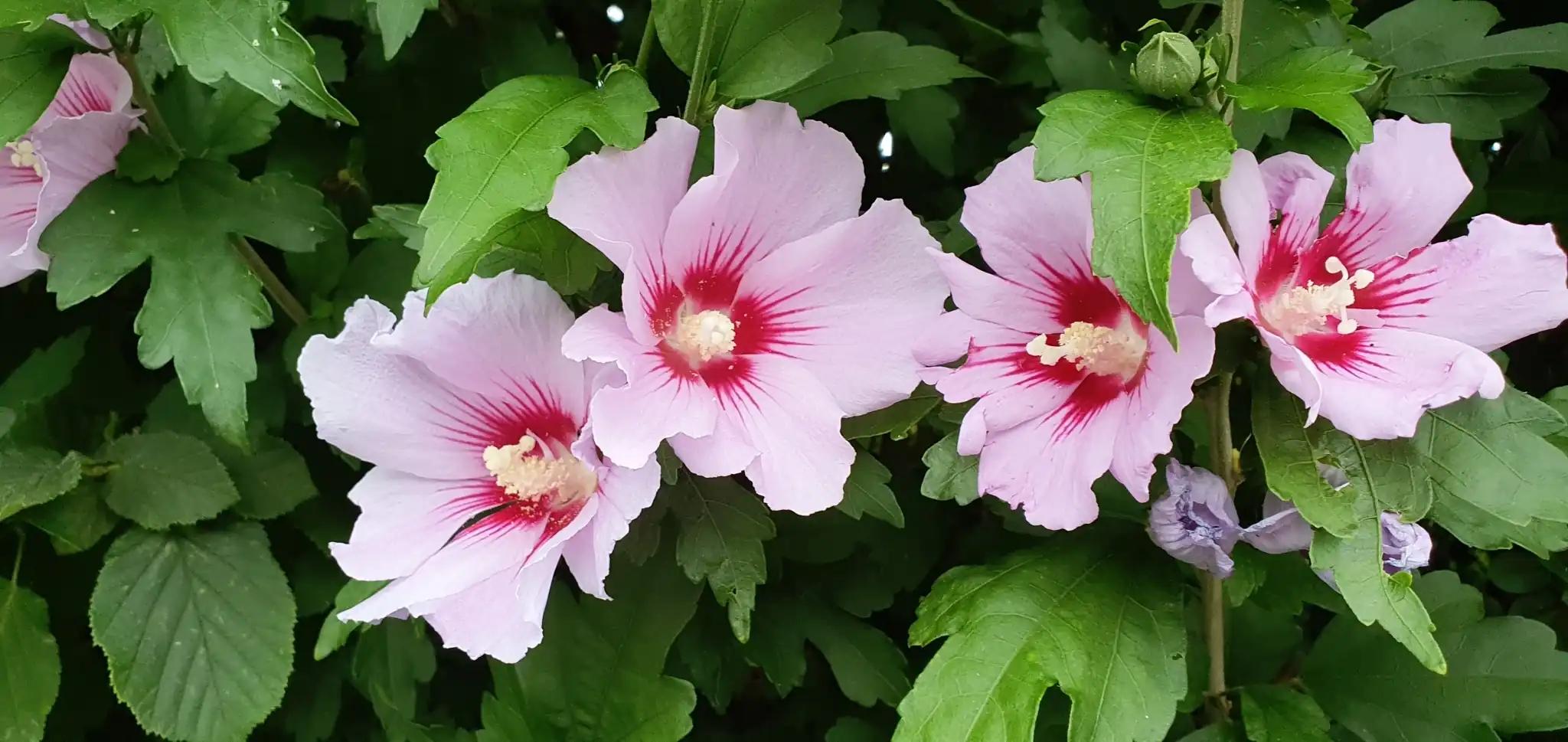 Hibiscus syriacusRose of Sharon
33 other cultivars
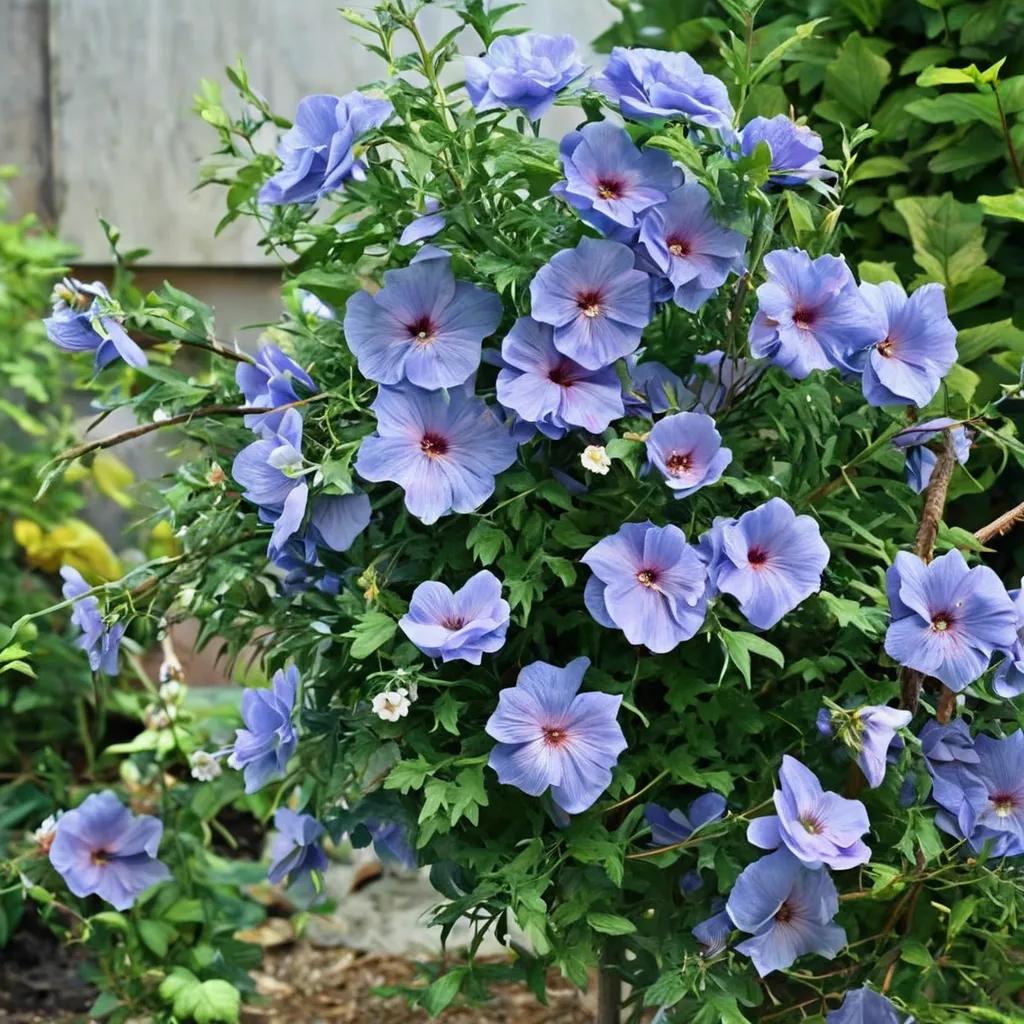 ‘Azurri Blue Satin’Rose of Sharon Hibiscus
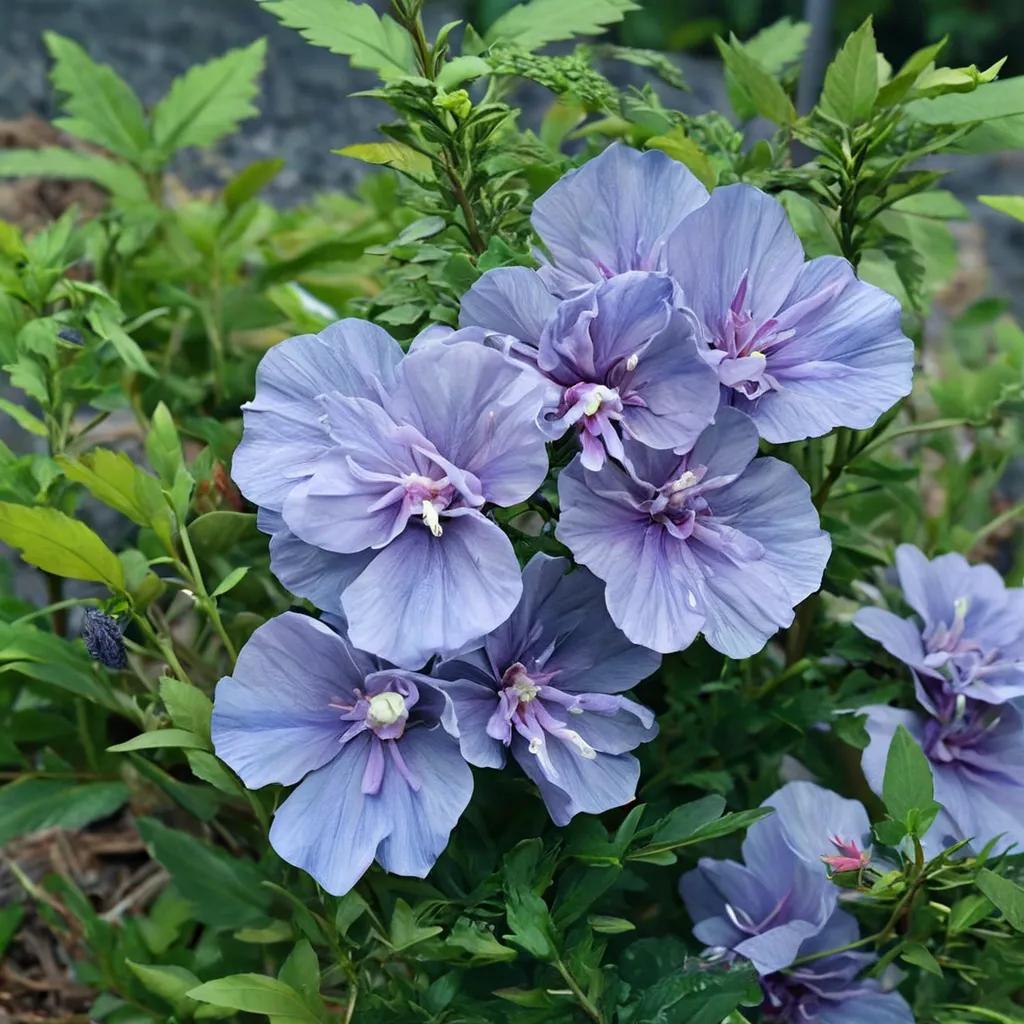 ‘Blue Chiffon’Blue Chiffon Rose of Sharon
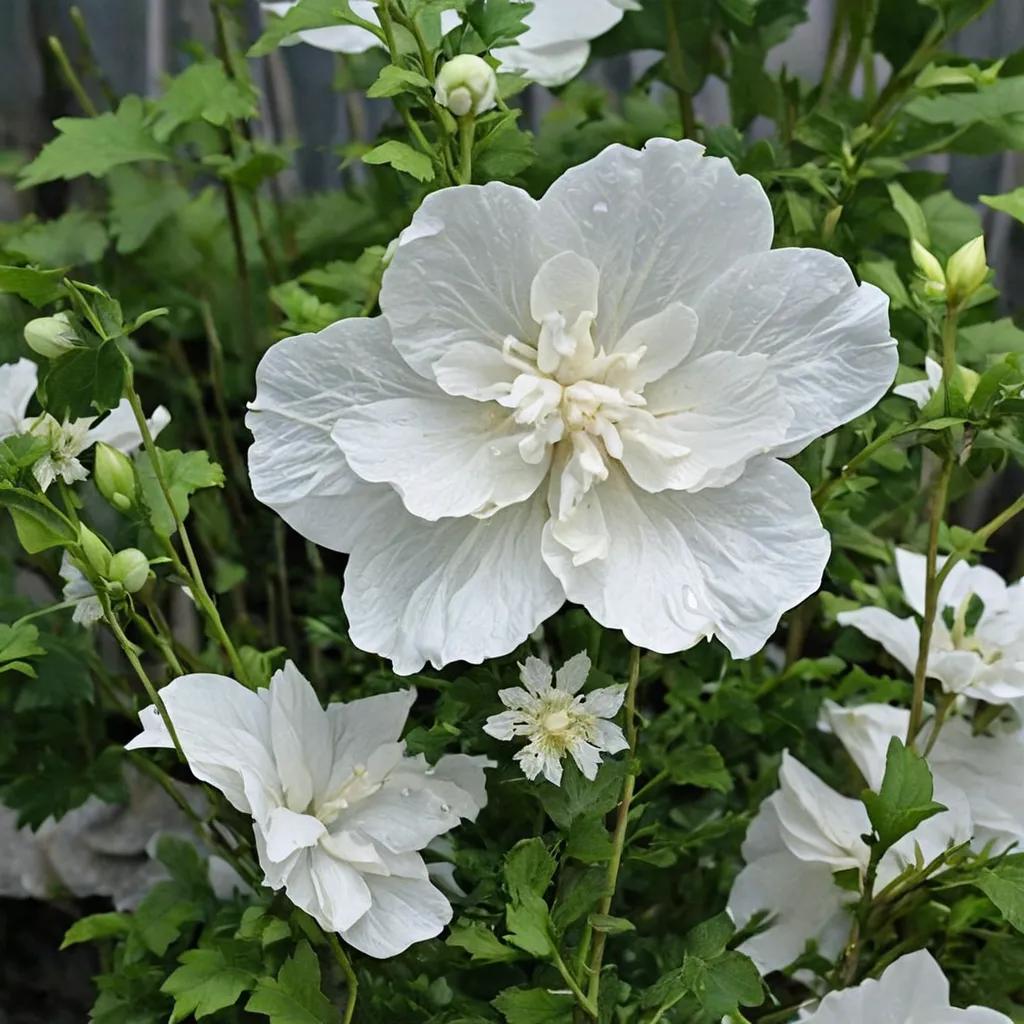 ‘White Chiffon’White Chiffon Hibiscus
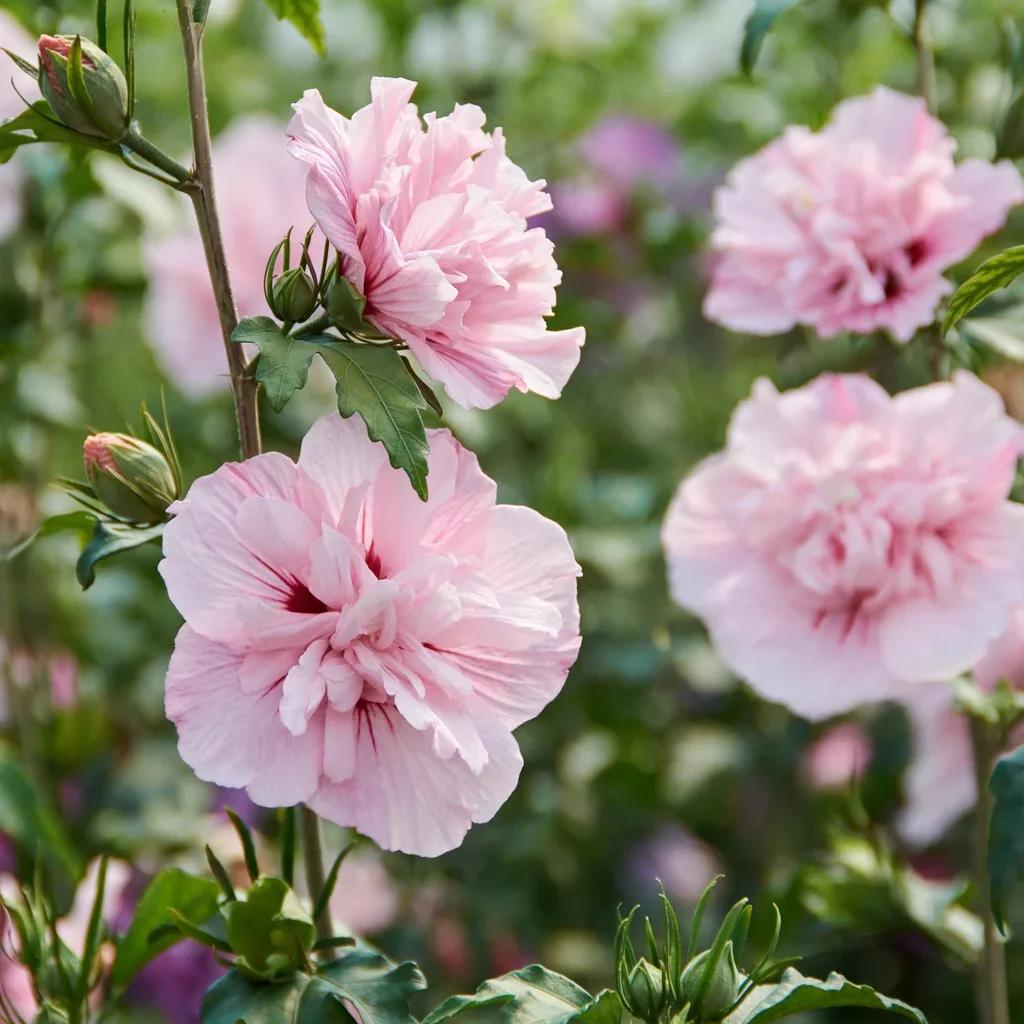 ‘Pink Chiffon’Pink Chiffon Rose of Sharon
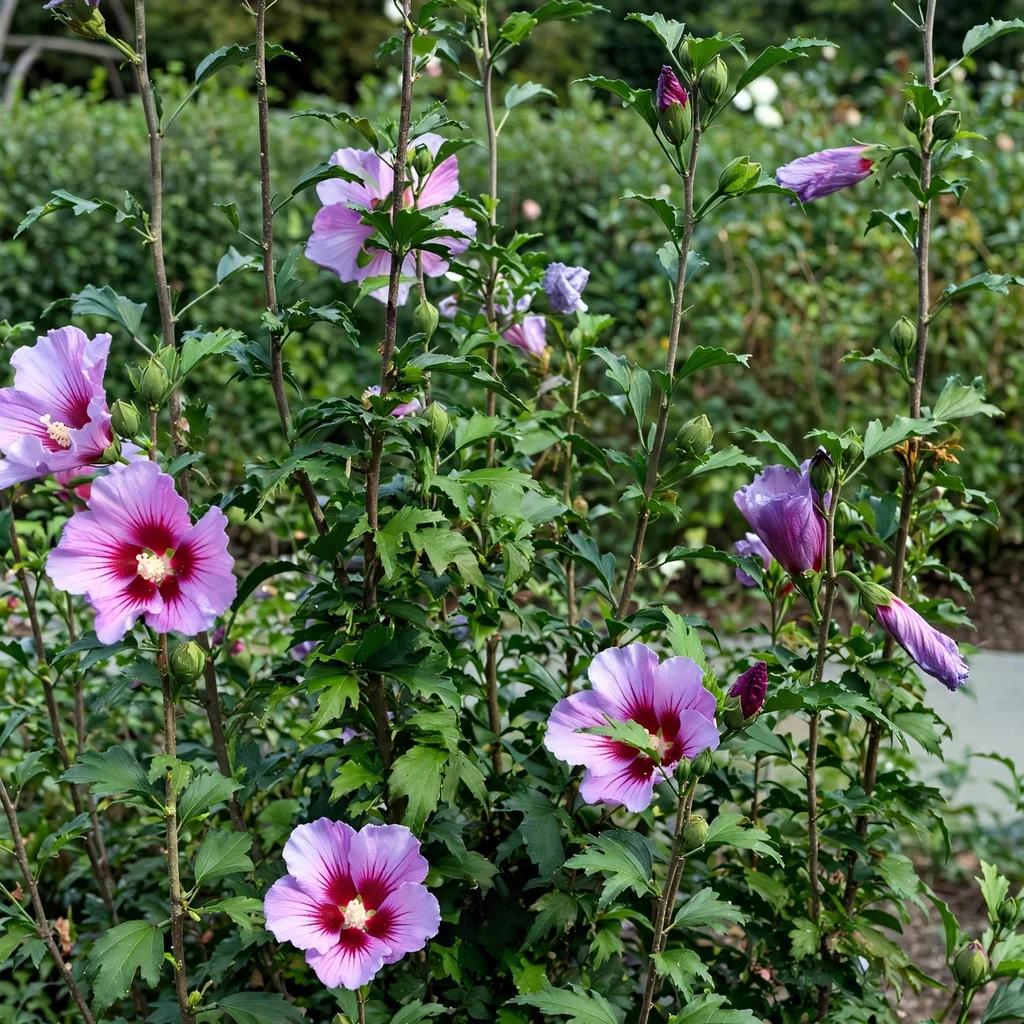 ‘Purple Pillar’Purple Pillar Hibiscus
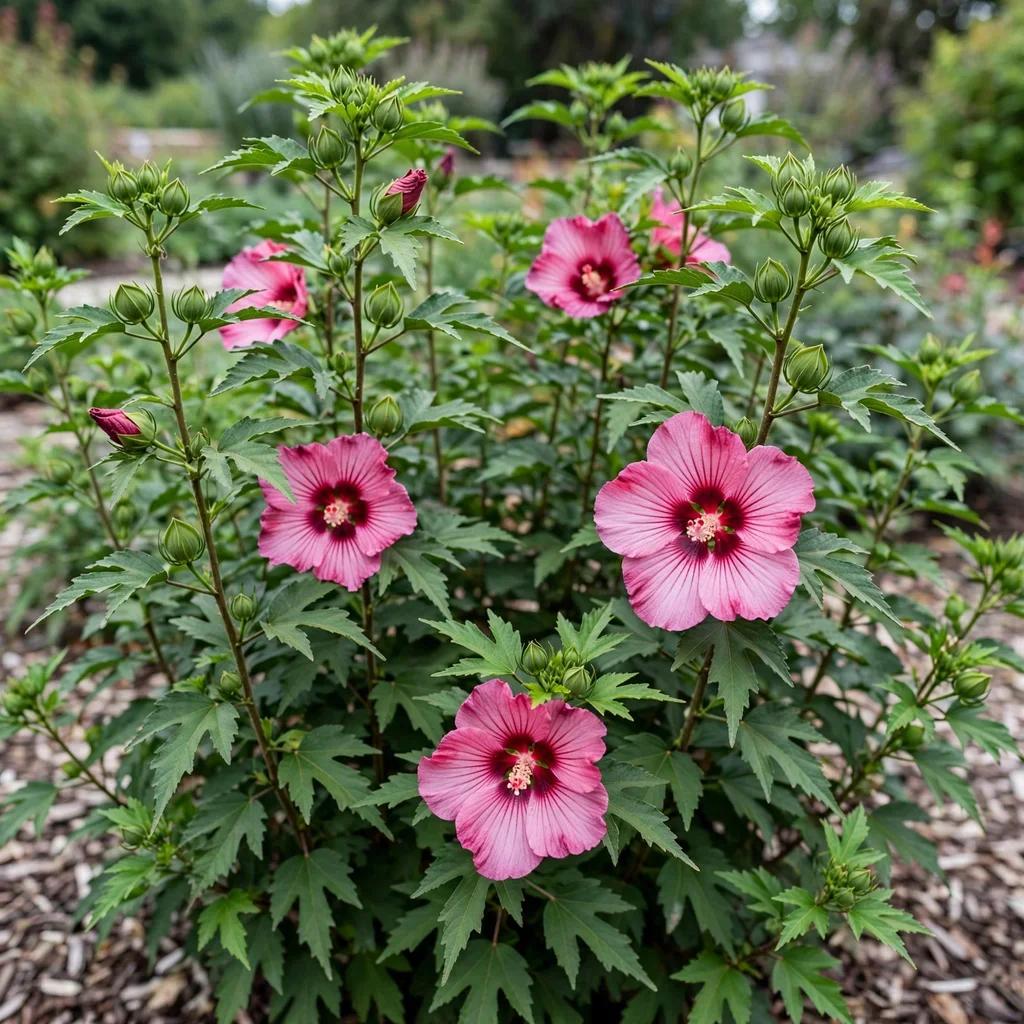 ‘Red Pillar’Red Pillar Rose-of-Sharon
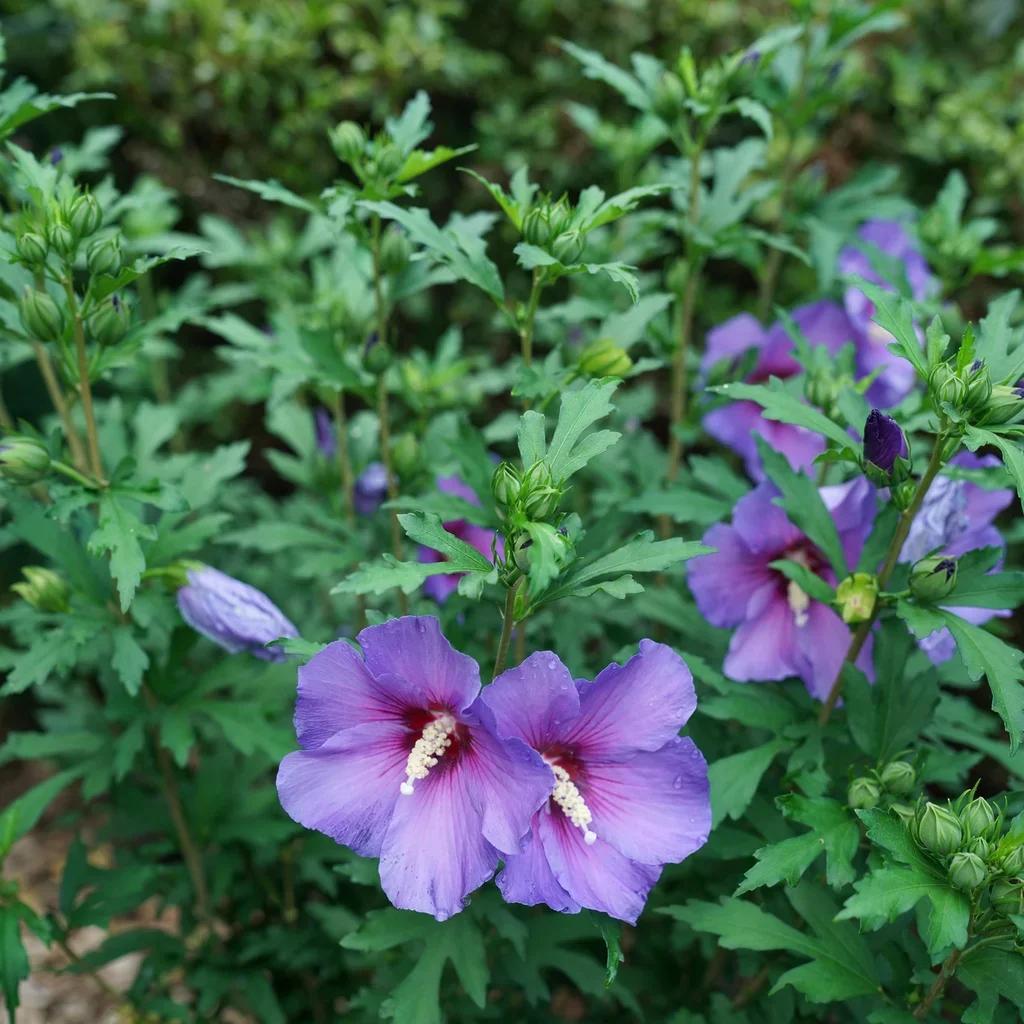 ‘Paraplu Violet’Rose of Sharon Paraplu Violet
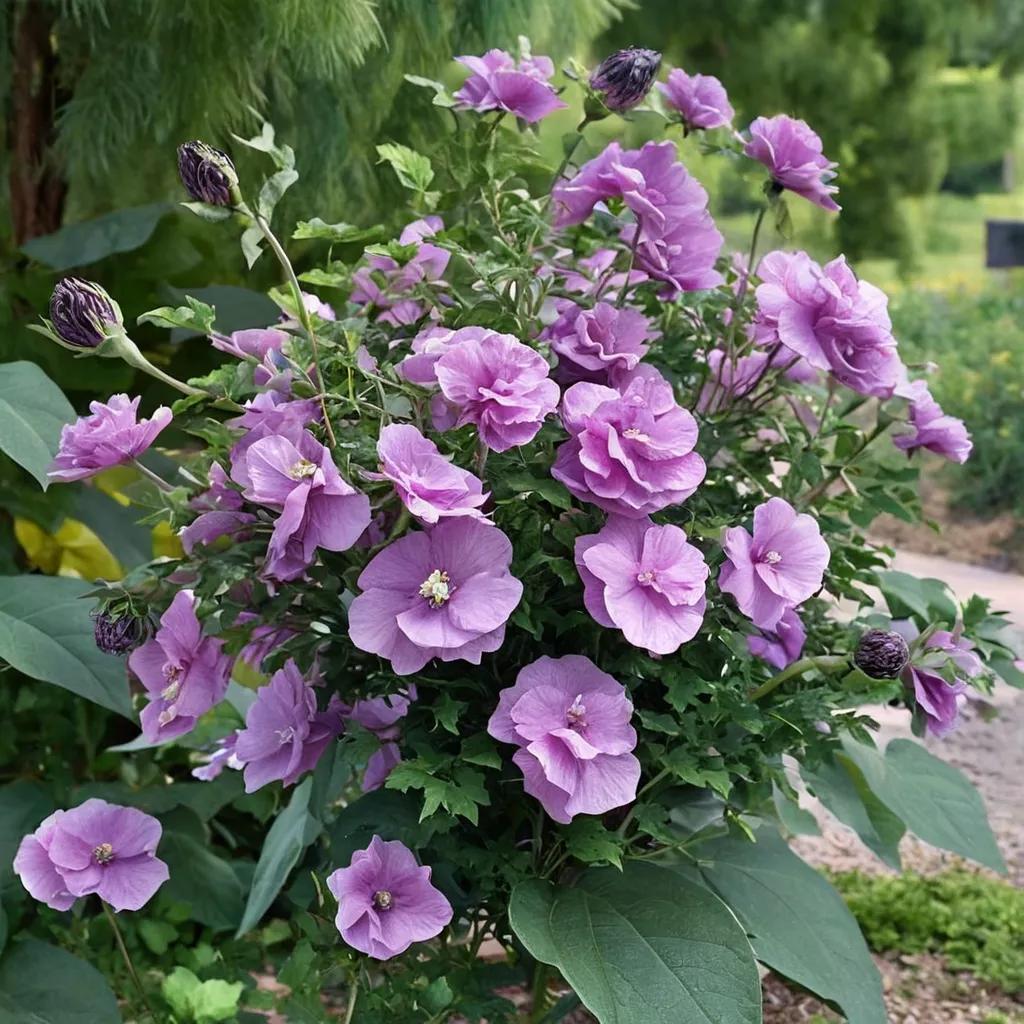 ‘Dark Lavender Chiffon’Rose of Sharon Dark Lavender Chiffon
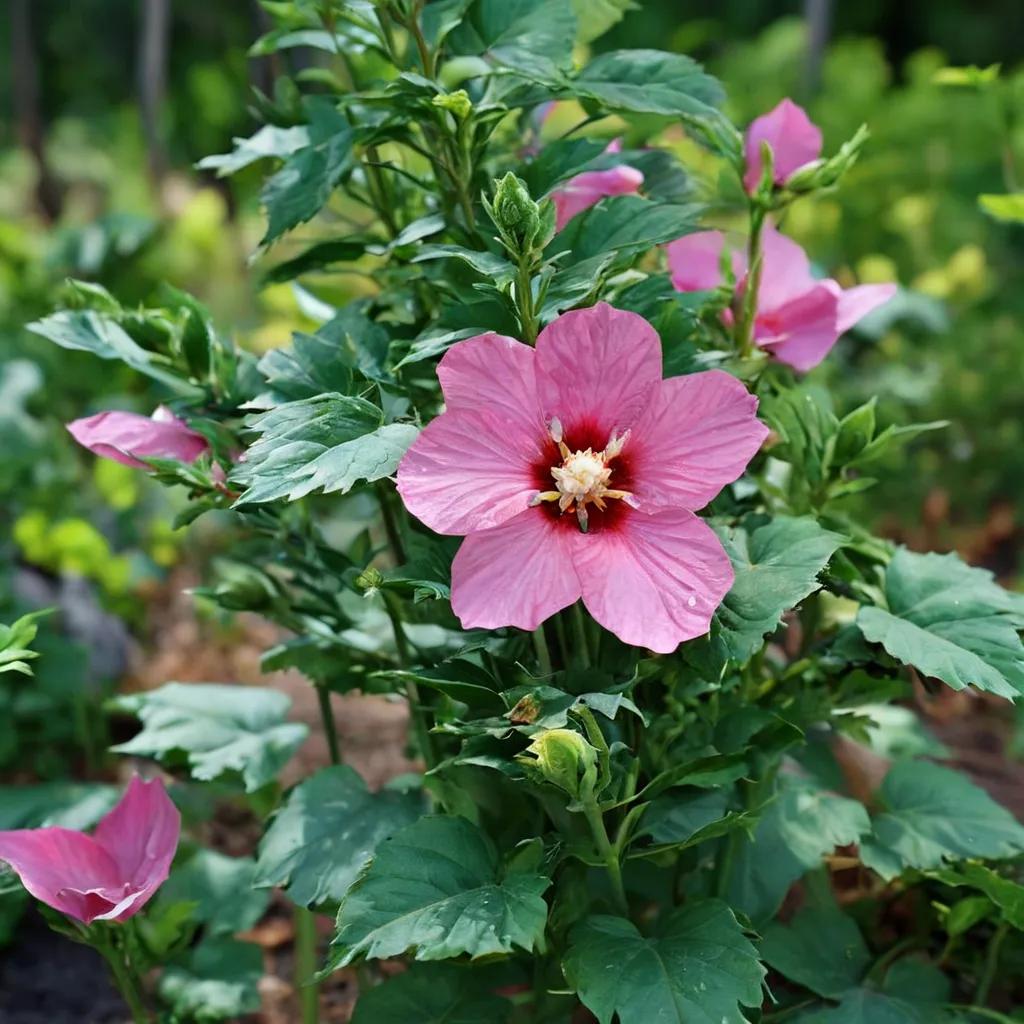 ‘Paraplu Rouge’Rose of Sharon Paraplu Rouge
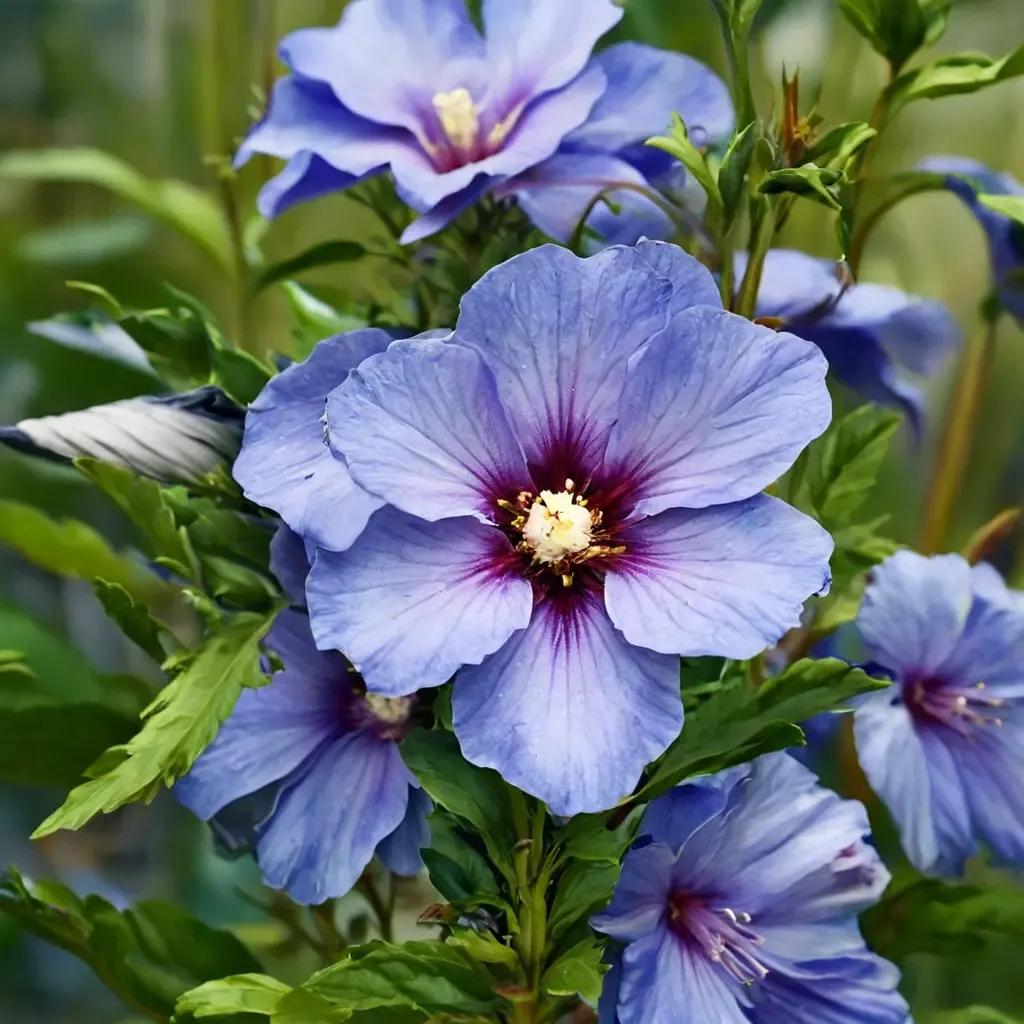 ‘Blue Bird’Blue Bird Rose of Sharon
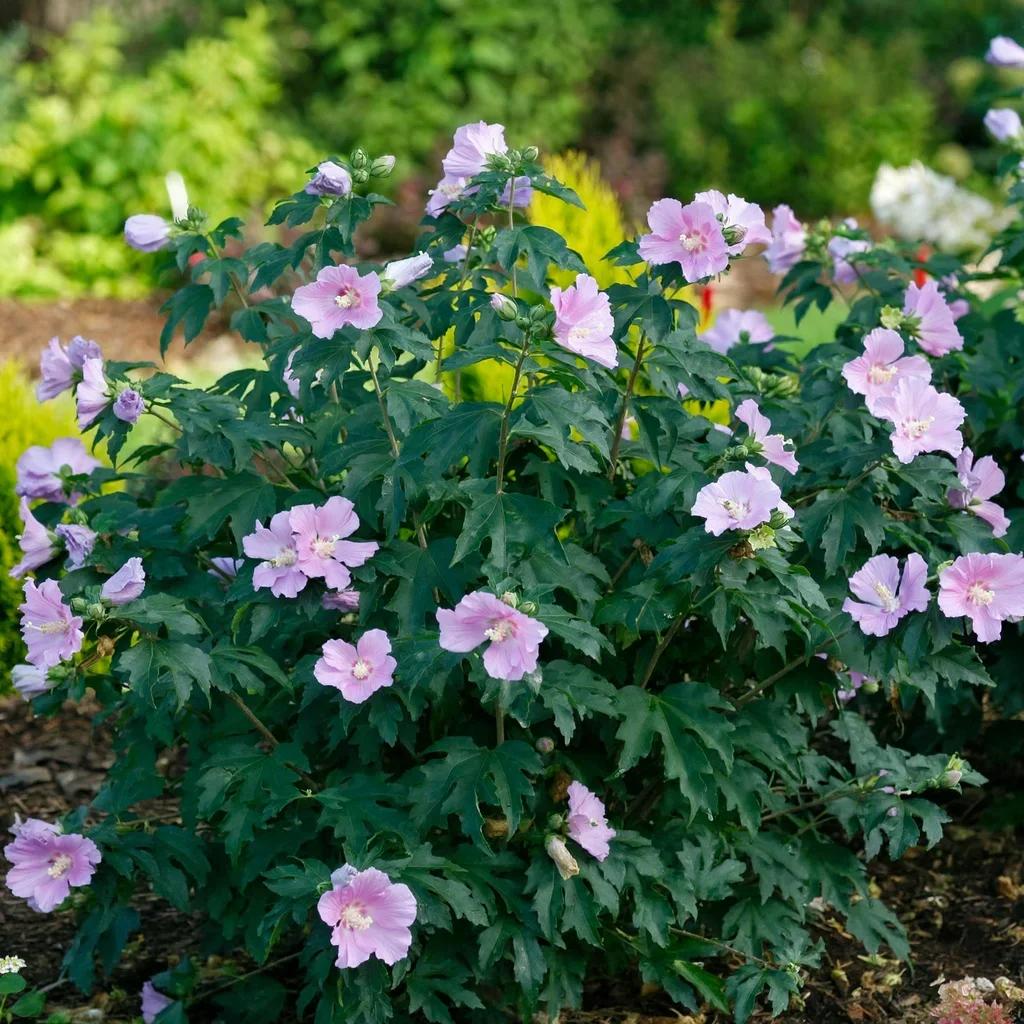 ‘Pollypetite’Pollypetite Hibiscus
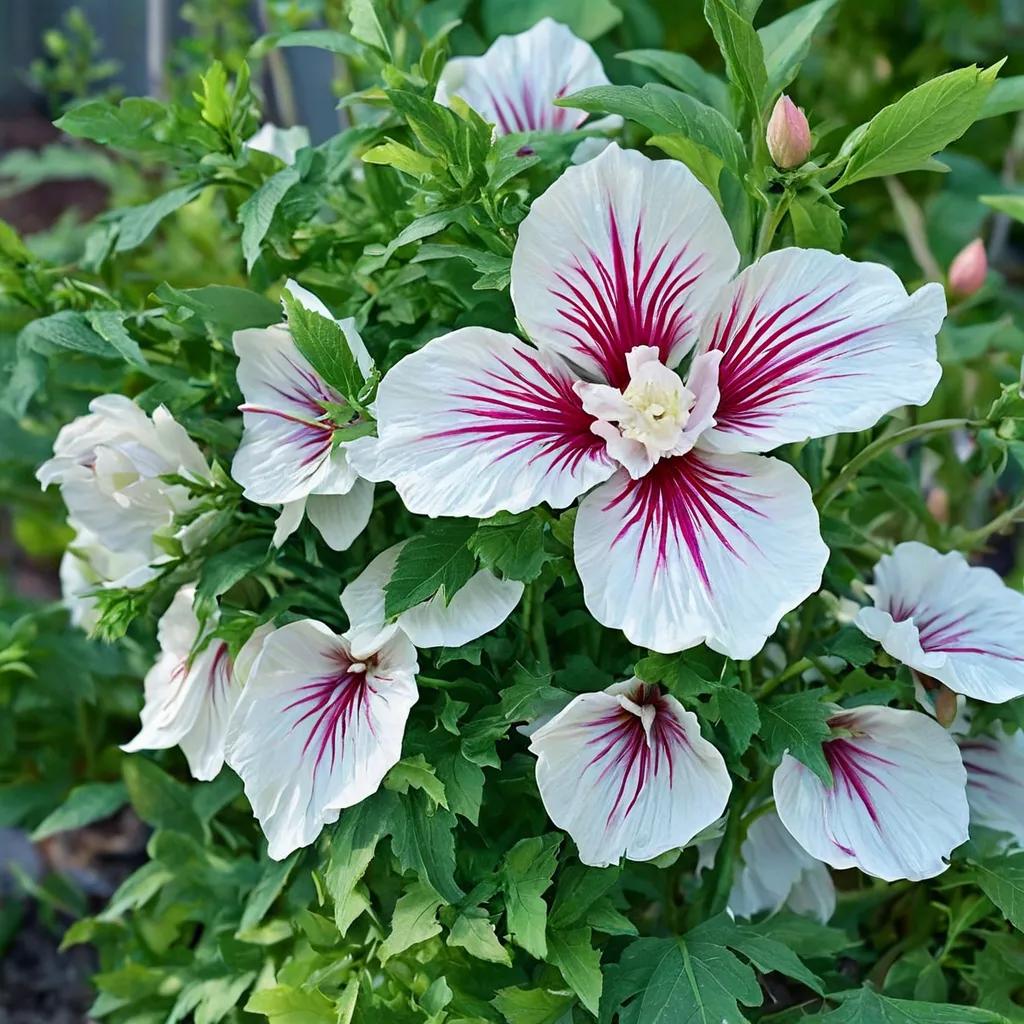 ‘STARBLAST CHIFFON’Starblast Chiffon Rose of Sharon
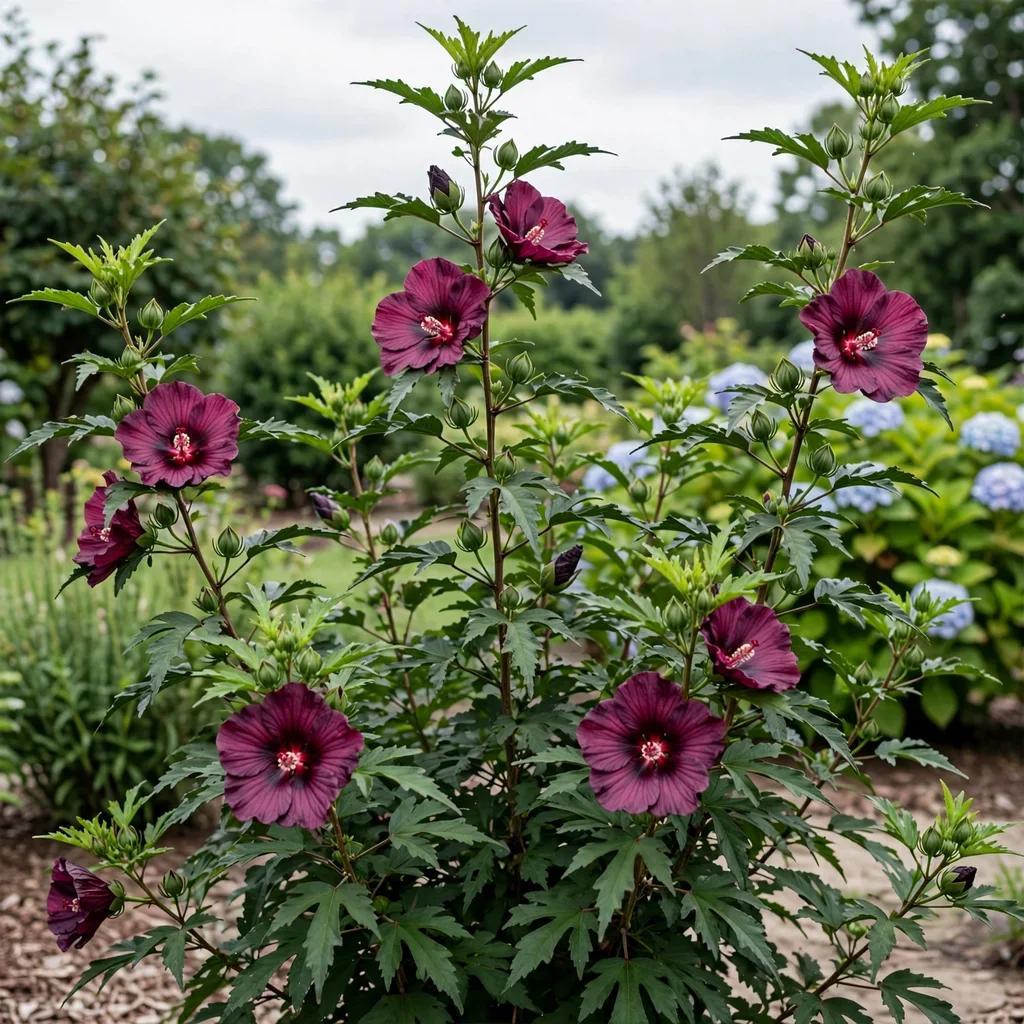 ‘Blackberry Merlot’Rose of Sharon Blackberry Merlot
 ‘Minerva’Minerva Rose of Sharon
 ‘Minfren’Minfren White Chiffon Rose of Sharon
 ‘Rwoods5’Azurri Blue Satin Rose of Sharon
 ‘Notwoodthree’Notwoodthree White Chiffon Rose of Sharon
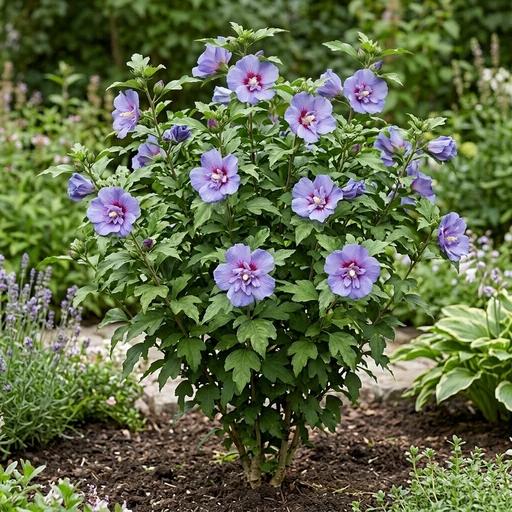 ‘Blueberry Smoothie’Blueberry Smoothie Rose of Sharon
 ‘Antong Two’Lil' Kim Rose of Sharon
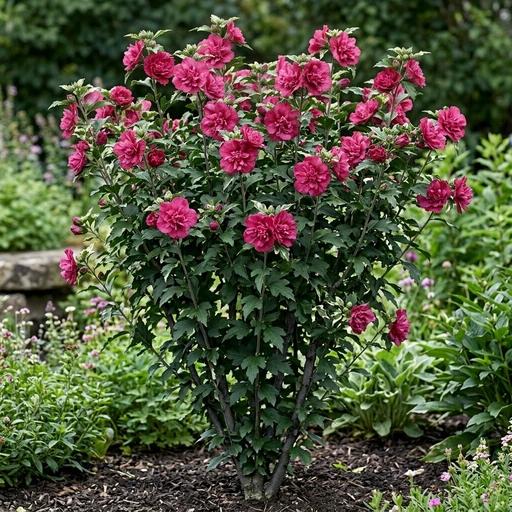 ‘Raspberry Smoothie’Raspberry Smoothie Rose of Sharon
 ‘Mineru’Tahiti Rose of Sharon
 ‘Lucy’Lucy Rose of Sharon
 ‘Dvpazurri’Dvpazurri Blue Chiffon Rose of Sharon
 ‘Minsybv3S01’Minsybv3S01 Purple Pillar Rose of Sharon
 ‘Gandini Santiago’Gandini Santiago Purple Pillar Rose of Sharon
 ‘Aphrodite’Aphrodite Rose of Sharon
 ‘Notwoodone’Notwoodone White Chiffon Rose of Sharon
 ‘Blushing Bride’Blushing Bride Rose of Sharon
 ‘Paraplu Pink Ink’Paraplu Pink Ink Rose of Sharon
 ‘Minspot’Fiji Rose of Sharon
 ‘America Irene Scott’America Irene Scott Rose of Sharon
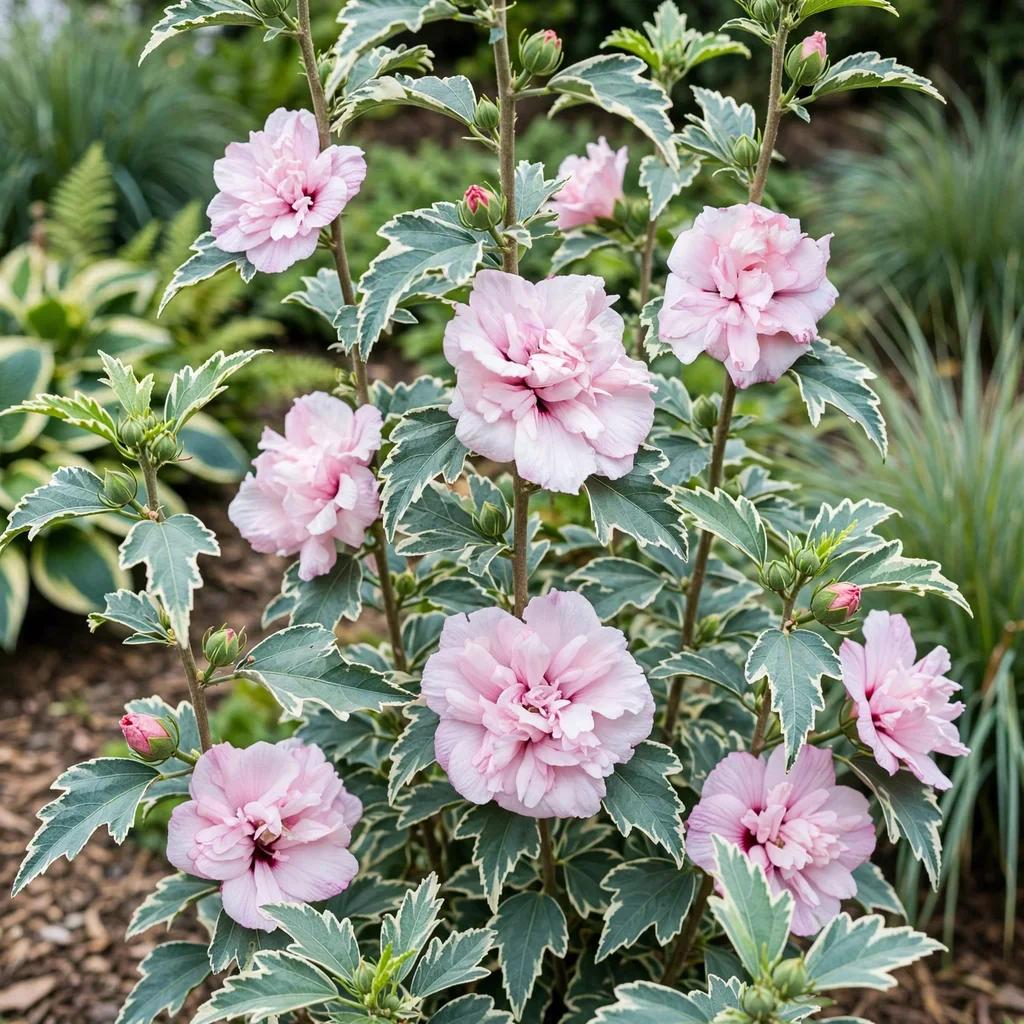 ‘Sugar Tip’Sugar Tip Rose of Sharon
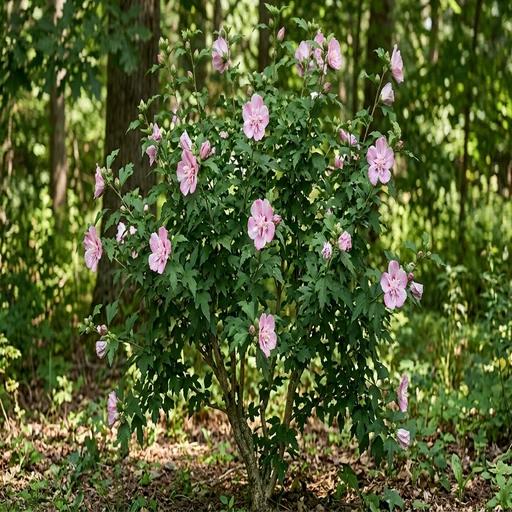 ‘Lady Stanley’Lady Stanley Rose of Sharon
The Story
Plant Bio
Hibiscus syriacus, or Rose of Sharon, is a vigorous, upright, vase-shaped deciduous shrub that provides excellent late summer color with its large, trumpet-shaped flowers.
'Diana' is a prized cultivar featuring large, pure white, saucer-shaped flowers that remain open at night. It is a triploid, resulting in a long bloom period and very few, if any, viable seeds.
Uses & Benefits:
Essentials
At a Glance
Plant Type
Shrub
Height
120"
Width
96"
Light
Full Sun, Partial Sun
Zones
5, 6, 7, 8, 9
Water
Medium
Humidity
Adaptable
Lifespan
20-30 years
Native To
China, India (species)
Toxicity
Non-toxic
Bloom period
Mid-summer – Early fall
In flower about 3 months of the year
Planting
How to Grow
- Select a site that receives at least six hours of direct sun daily.
- Ensure the soil is well-drained; amend with compost if needed.
- Dig a hole twice the width of the plant's root ball.
- Place the plant in the hole, with the root flare at soil level.
- Backfill the hole and water deeply to settle the soil.
- Mulch around the base to conserve moisture and suppress weeds.
Pro Tip
Prune back hard in early spring, cutting stems back to 2-3 buds, to encourage larger flowers and a more compact shape.
Keep It Thriving
Care Guide
Do
- Provide full sun for the best flower production.
- Water regularly during dry spells, especially the first year.
- Prune in early spring to maintain size and shape.
- Deadhead spent flowers if you want to improve appearance, though not necessary.
Don't
- Don't plant in poorly drained or waterlogged soil.
- Avoid heavy fertilization, which can promote leaves over flowers.
- Don't prune in late summer or fall, as this can remove flower buds.
- Avoid overhead watering to help prevent fungal diseases.
Seasonal Care Calendar
| Task | Jan | Feb | Mar | Apr | May | Jun | Jul | Aug | Sep | Oct | Nov | Dec |
|---|---|---|---|---|---|---|---|---|---|---|---|---|
| Fertilize | ||||||||||||
| Pest Check | ||||||||||||
| Plant | ||||||||||||
| Prune |
Watch Out For
Pests & Diseases
Common Pests
Common Diseases
In the Garden
Landscape Uses & Companions
Landscape Uses
Multiply
Propagation Methods
Good to Know
Common Questions
Diana Rose of Sharon questions
What zones can Diana Rose of Sharon grow in?
Diana Rose of Sharon is hardy in USDA Zones 5–9. Inside that range it survives winter in the ground; outside it, grow it as an annual or a container plant you protect.
Is Diana Rose of Sharon deer resistant?
Yes — Diana Rose of Sharon is rated deer-resistant. Deer typically pass it over, though extreme hunger can override any plant's defenses.
When does Diana Rose of Sharon bloom?
Diana Rose of Sharon typically blooms in mid-summer through early fall. Exact timing shifts a week or two with your zone — Sow's bloom calendar maps it to your garden.
Does Diana Rose of Sharon need full sun?
Diana Rose of Sharon does best in full sun to part shade. In hot climates, afternoon shade keeps blooms fresher longer.
Is Diana Rose of Sharon drought tolerant?
Yes — once established (usually after the first full season), Diana Rose of Sharon handles dry spells with minimal watering. Water deeply its first year to build the root system that makes that possible.
More Hibiscus to compare
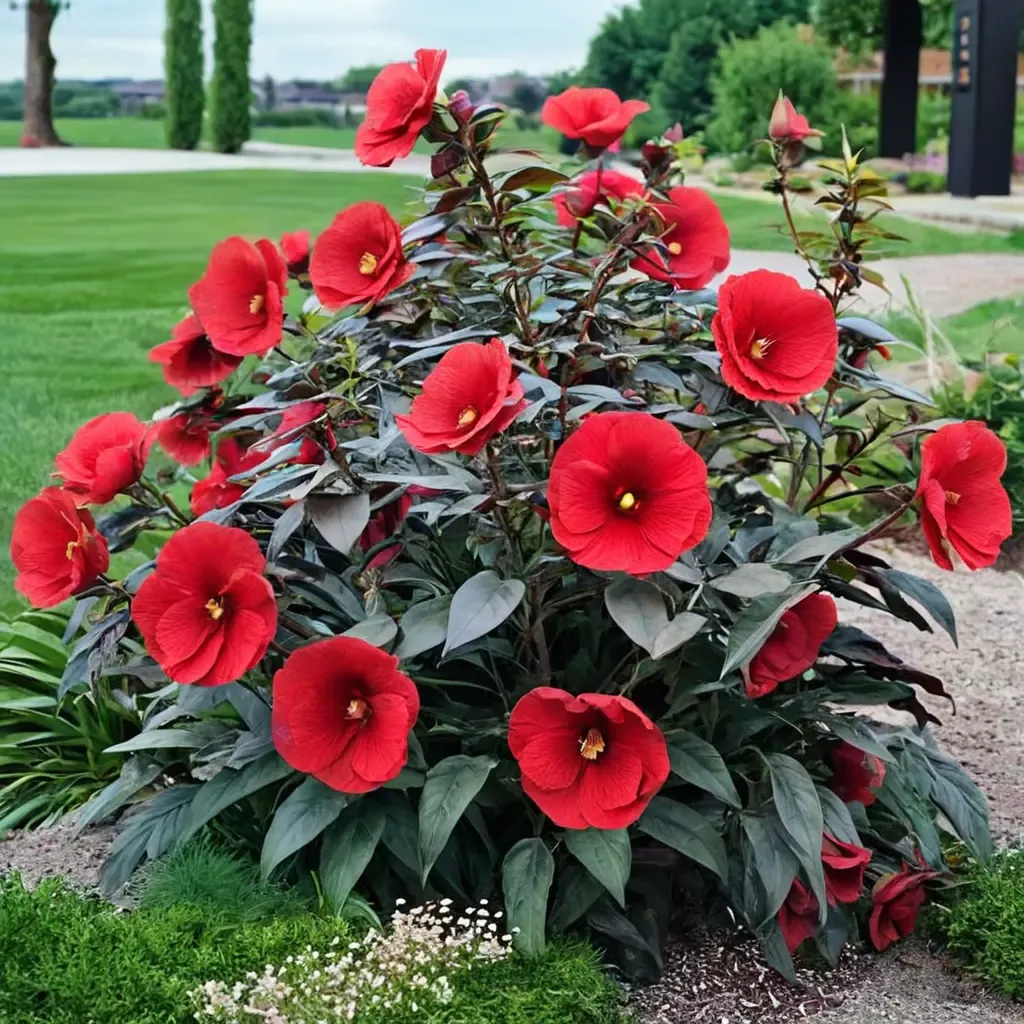
Midnight Marvel Swamp Hibiscus
Hibiscus moscheutos 'Midnight Marvel'
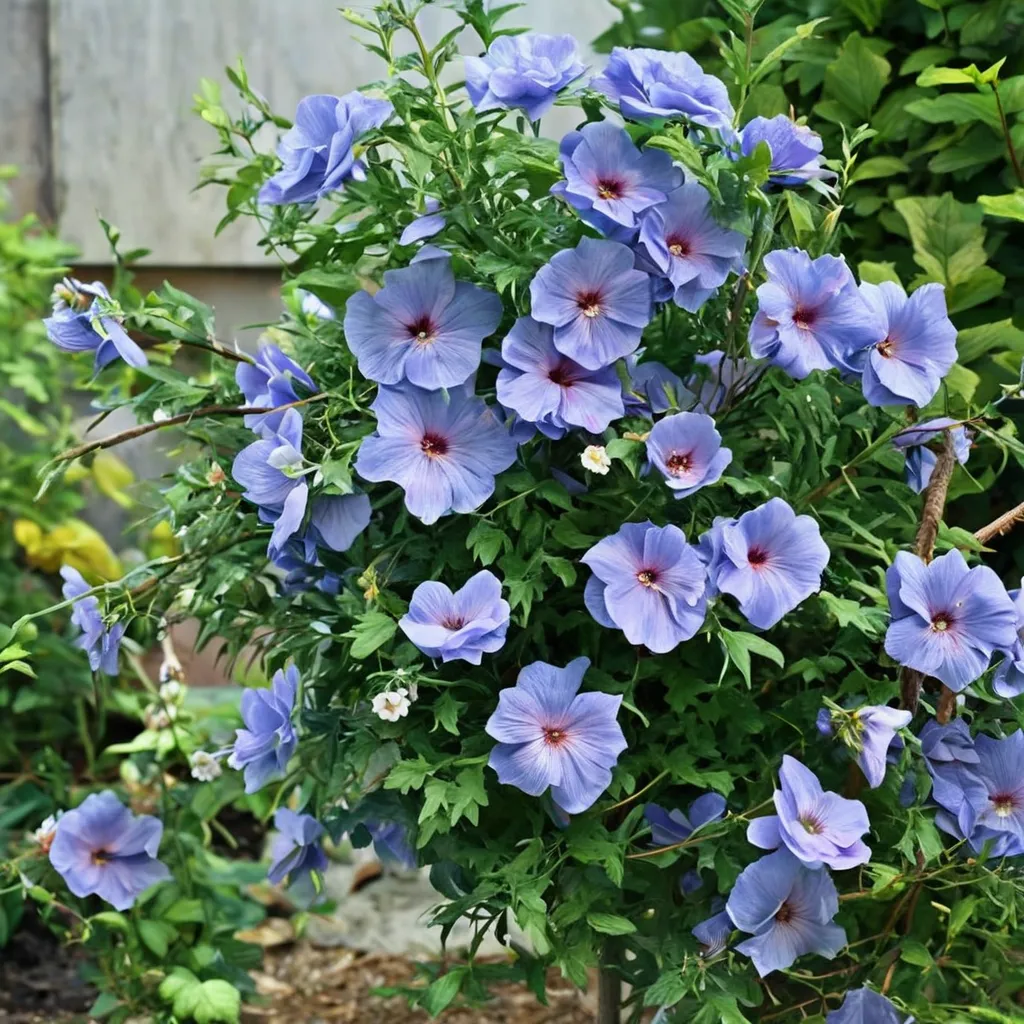
Rose of Sharon Hibiscus
Hibiscus syriacus 'Azurri Blue Satin'
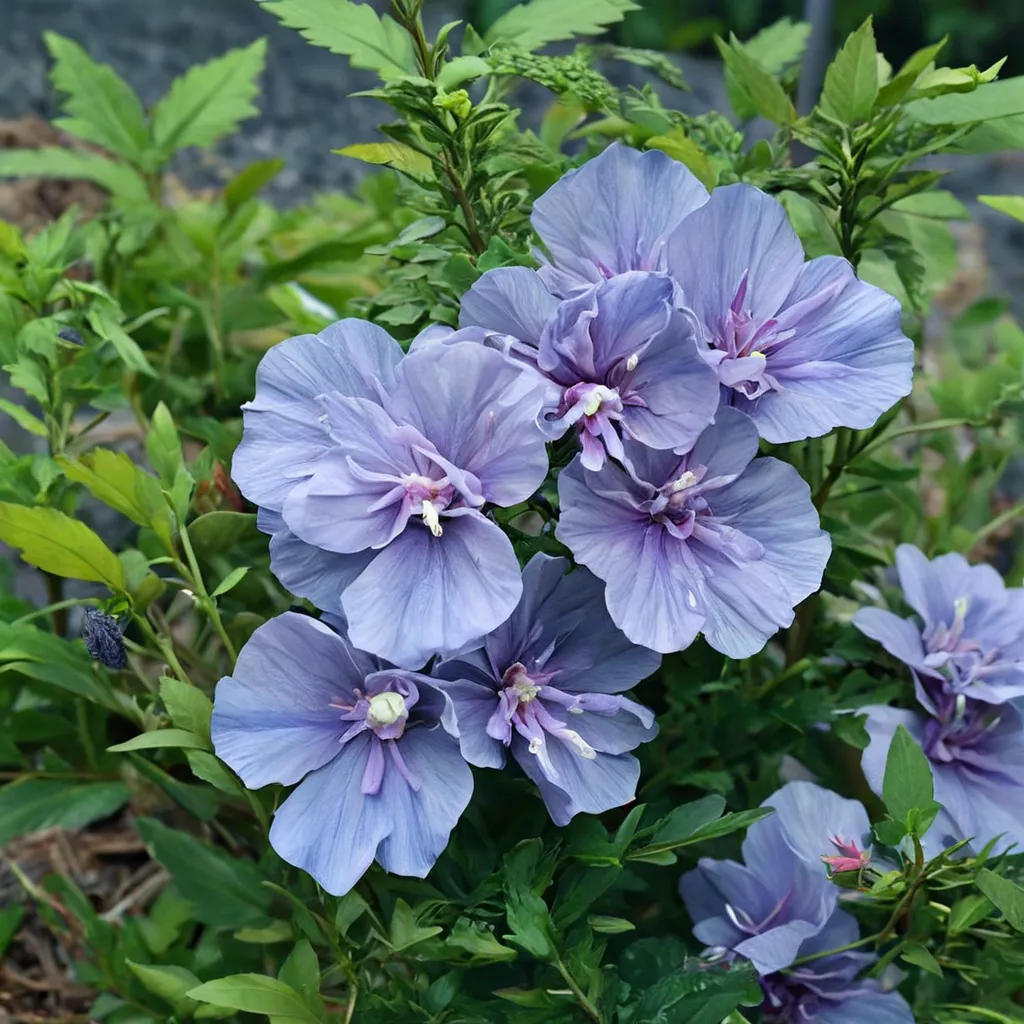
Blue Chiffon Rose of Sharon
Hibiscus syriacus 'Blue Chiffon'
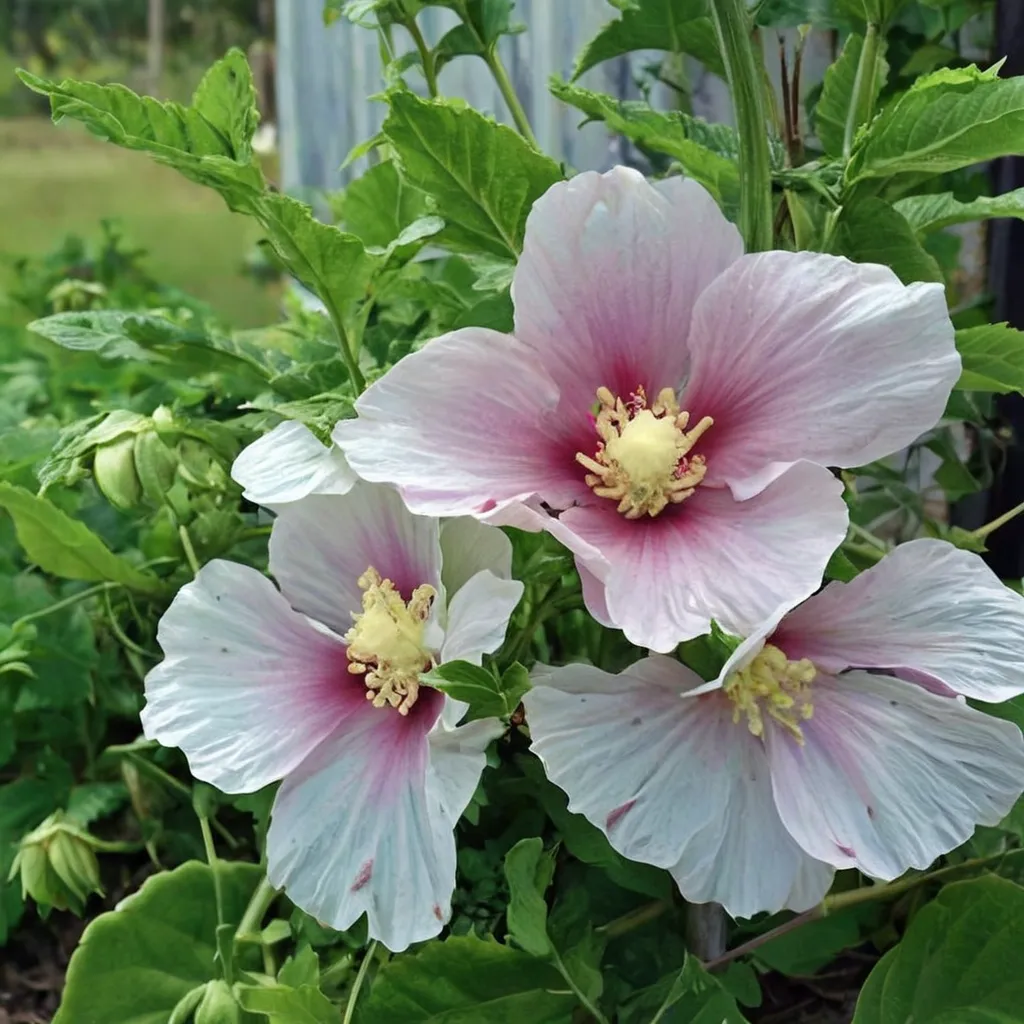
Confederate Rose
Hibiscus paramutabilis
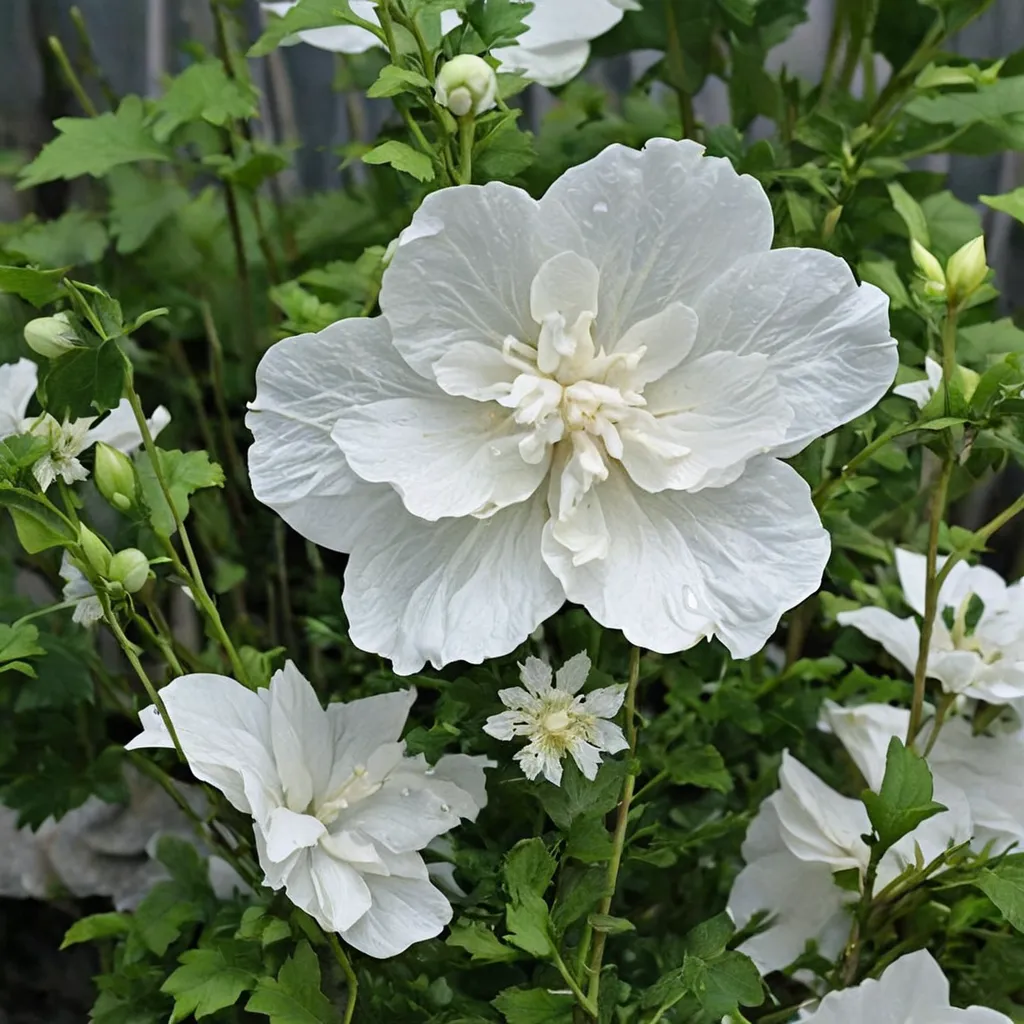
White Chiffon Hibiscus
Hibiscus syriacus 'White Chiffon'
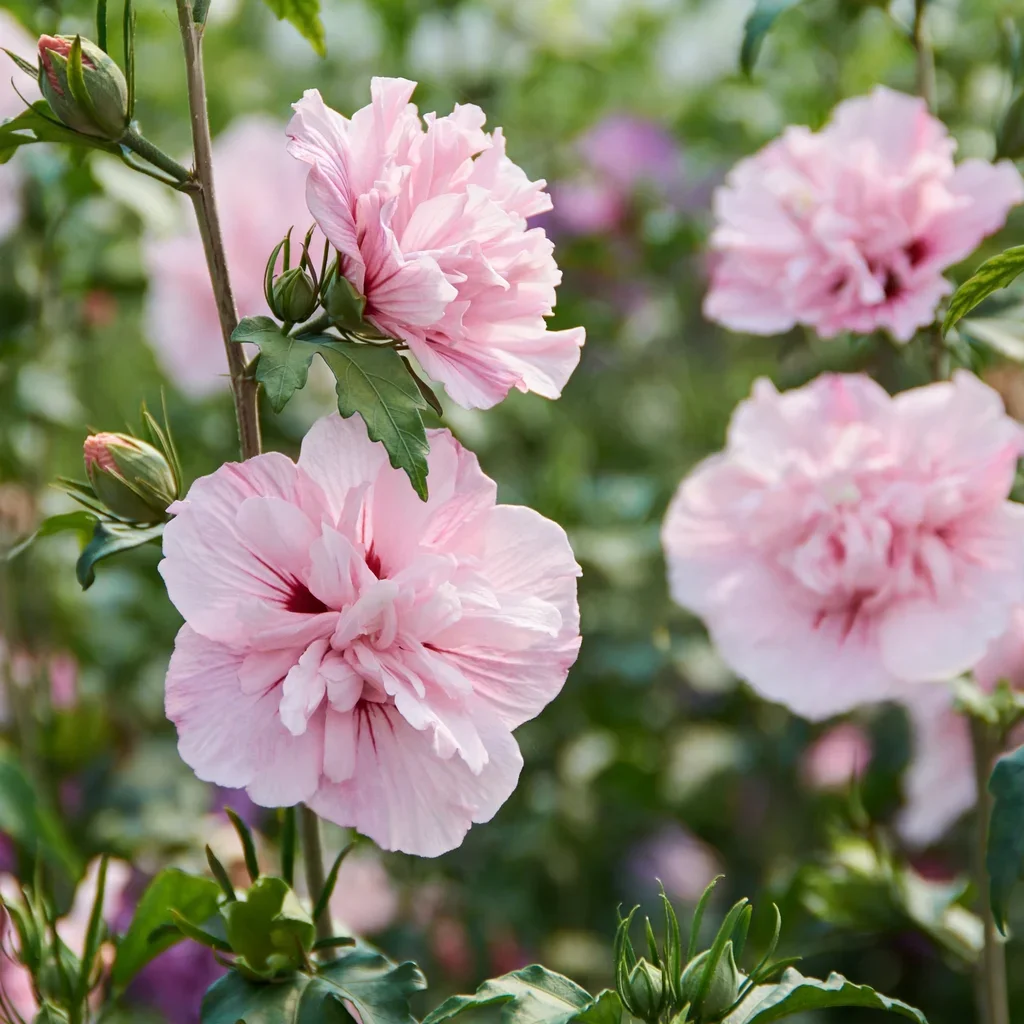
Pink Chiffon Rose of Sharon
Hibiscus syriacus 'Pink Chiffon'
Keep exploring
Explore the genus
Hardy in your zone?
Grow Diana Rose of Sharon with confidence
See it in a design of your actual yard, get zone-matched care reminders, and track it season by season in your garden journal.