
The Story
Plant Bio
Aster tongolensis is a low-growing, clump-forming herbaceous perennial native to the alpine and mountain regions of Central Asia and western China. The species forms a dense, mat-like mound of deep green, lance-shaped leaves covered in a soft, hairy texture.
'Wartburgstern' is distinguished by its exceptionally large, daisy-like flower heads that span up to two and a half inches across. These composite flowers feature vivid lavender-blue ray florets surrounding a prominent, contrasting orange-yellow center disc.
Uses & Benefits:
Essentials
At a Glance
Plant Type
Perennial
Height
24"
Width
16"
Light
Full Sun, Partial Sun
Zones
4, 5, 6, 7, 8
Water
Medium
Humidity
Medium
Lifespan
Perennial
Native To
Central Asia, China
Toxicity
Non-toxic
Bloom period
Late spring – Late summer
In flower about 4 months of the year
Planting
How to Grow
- Select a planting site in full sun to partial shade with excellent drainage.
- Amend heavy soils with compost or coarse sand to prevent waterlogging around the root zone.
- Dig a hole twice the width of the root ball and set the plant so the crown sits level with the soil surface.
- Water thoroughly at the base to settle the soil, and maintain even moisture until the root system is established.
Pro Tip
Avoid planting in heavy, unamended clay soils where water pools; wet winter conditions rot the dormant crown. When cleaning up the garden in early spring, cut back the dead foliage cleanly to ground level before new shoots emerge, ensuring you do not nick the fragile crown.
Keep It Thriving
Care Guide
Do
- Provide at least five to six hours of direct sunlight daily for optimal flowering.
- Water at the base of the plant to keep foliage dry and reduce the risk of powdery mildew.
- Divide mature clumps every three to four years in early spring to maintain vigor.
Don't
- Do not plant in boggy or poorly drained areas where water stands after rain.
- Do not cut back the dormant crown late in winter when it is invisible and easily damaged.
- Do not over-fertilize, as excess nitrogen leads to weak, floppy stems and fewer flowers.
Seasonal Care Calendar
| Task | Jan | Feb | Mar | Apr | May | Jun | Jul | Aug | Sep | Oct | Nov | Dec |
|---|---|---|---|---|---|---|---|---|---|---|---|---|
| Divide | ||||||||||||
| Fertilize | ||||||||||||
| Pest Check | ||||||||||||
| Spring Cleanup |
Watch Out For
Pests & Diseases
Common Pests
Common Diseases
In the Garden
Landscape Uses & Companions
Landscape Uses
Multiply
Propagation Methods
Good to Know
Common Questions
Wartburg Star Aster questions
What zones can Wartburg Star Aster grow in?
Wartburg Star Aster is hardy in USDA Zones 4–8. Inside that range it survives winter in the ground; outside it, grow it as an annual or a container plant you protect.
Is Wartburg Star Aster deer resistant?
Yes — Wartburg Star Aster is rated deer-resistant. Deer typically pass it over, though extreme hunger can override any plant's defenses.
When does Wartburg Star Aster bloom?
Wartburg Star Aster typically blooms in late spring through late summer. Exact timing shifts a week or two with your zone — Sow's bloom calendar maps it to your garden.
Does Wartburg Star Aster need full sun?
Wartburg Star Aster does best in full sun to part shade. In hot climates, afternoon shade keeps blooms fresher longer.
Is Wartburg Star Aster drought tolerant?
Yes — once established (usually after the first full season), Wartburg Star Aster handles dry spells with minimal watering. Water deeply its first year to build the root system that makes that possible.
More Aster to compare
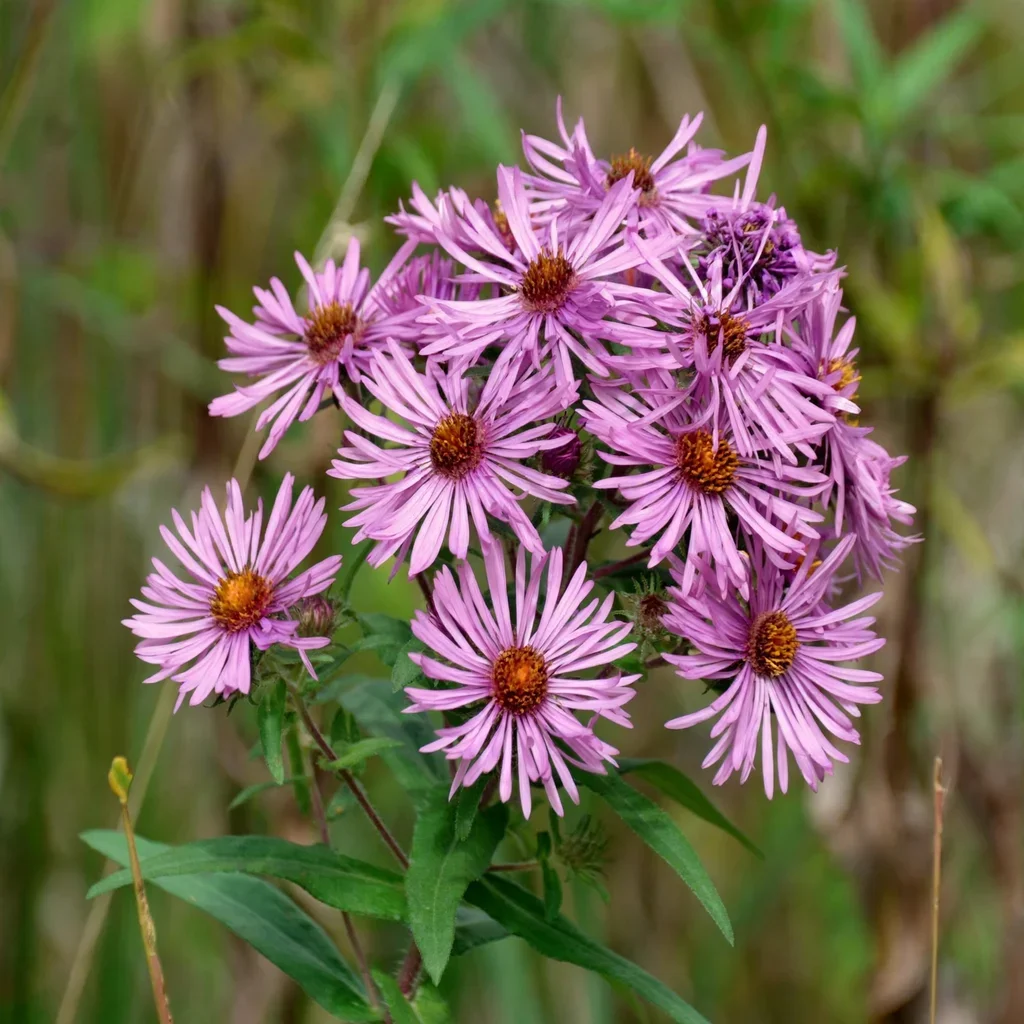
Lou Williams New England Aster
Aster novae-angliae 'Lou Williams'
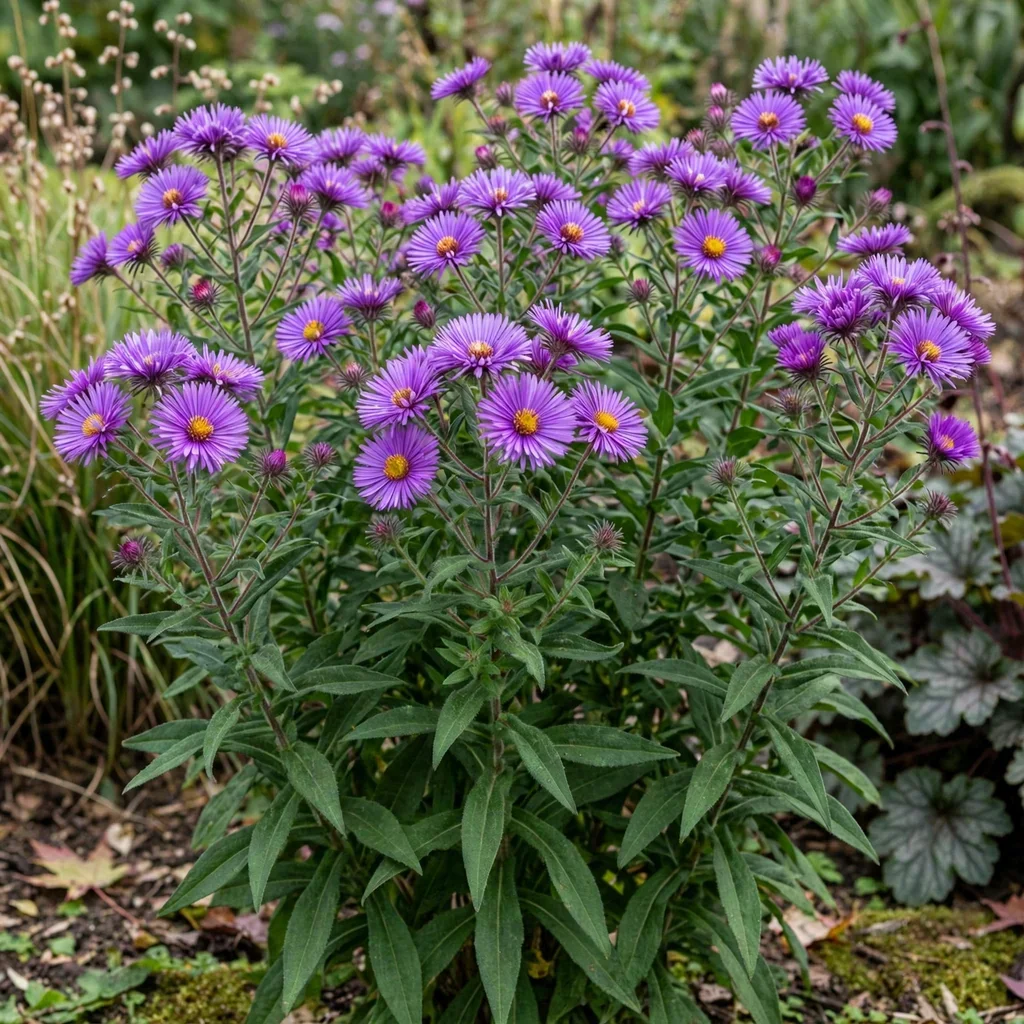
New England Aster 'Violetta'
Aster novae-angliae 'Violetta'
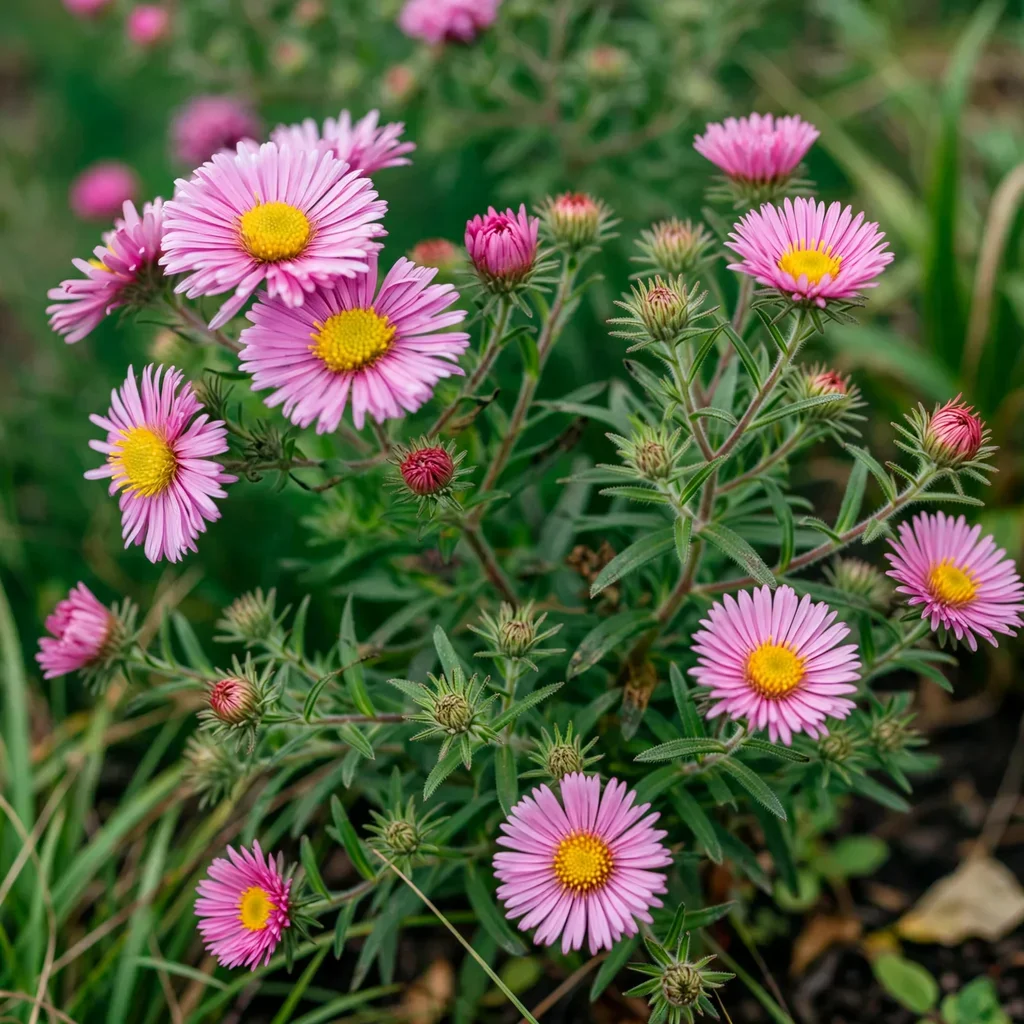
Rosa Sieger New England Aster
Aster novae-angliae 'Rosa Sieger'
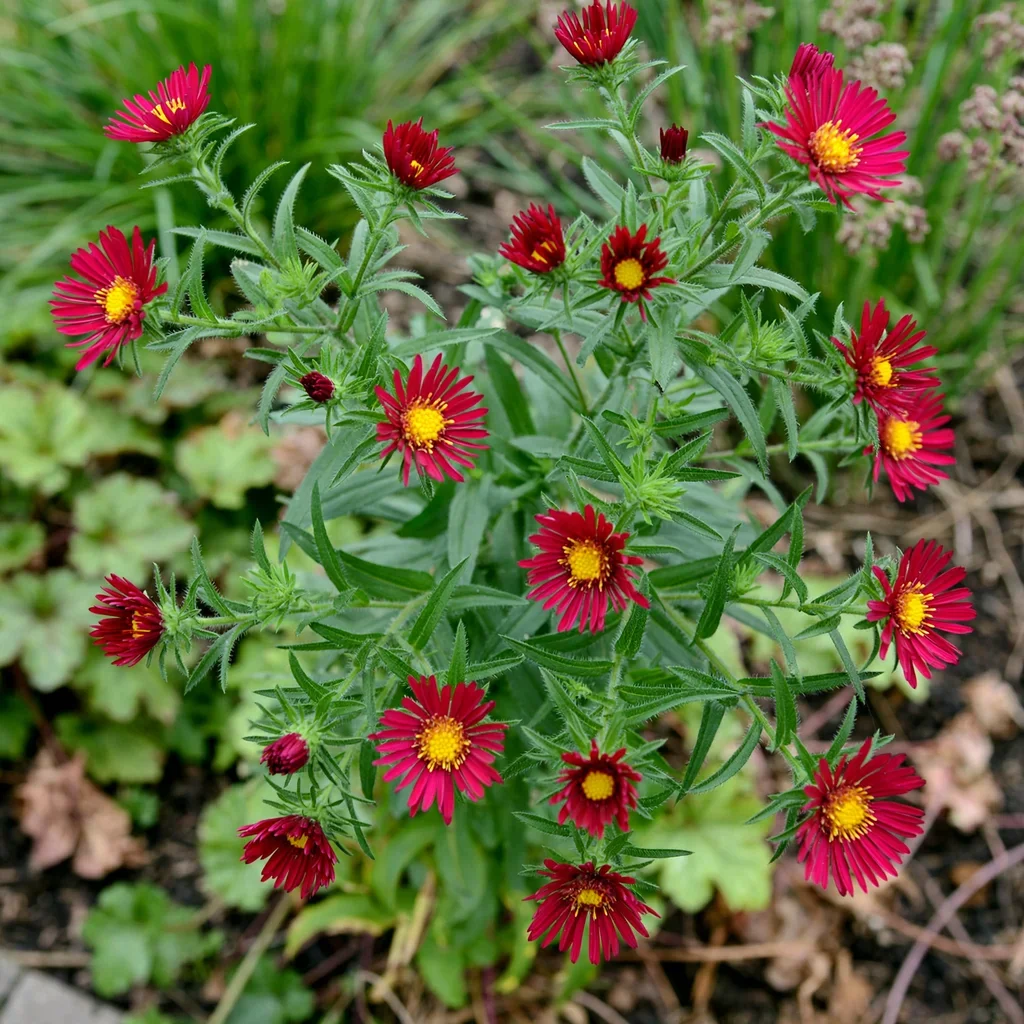
Crimson Brocade New England Aster
Aster x hybrida 'Crimson Brocade'
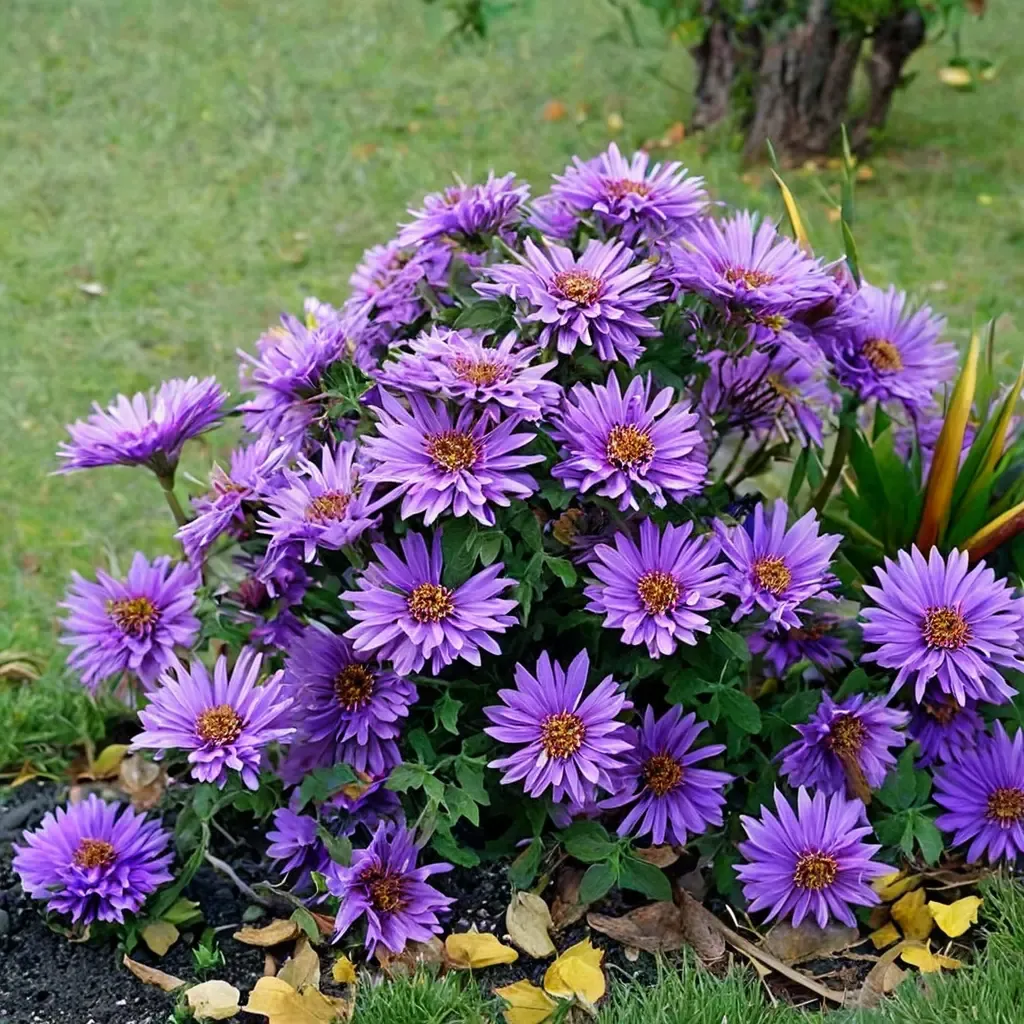
Purple Dome New England Aster
Aster novae-angliae 'Purple Dome'
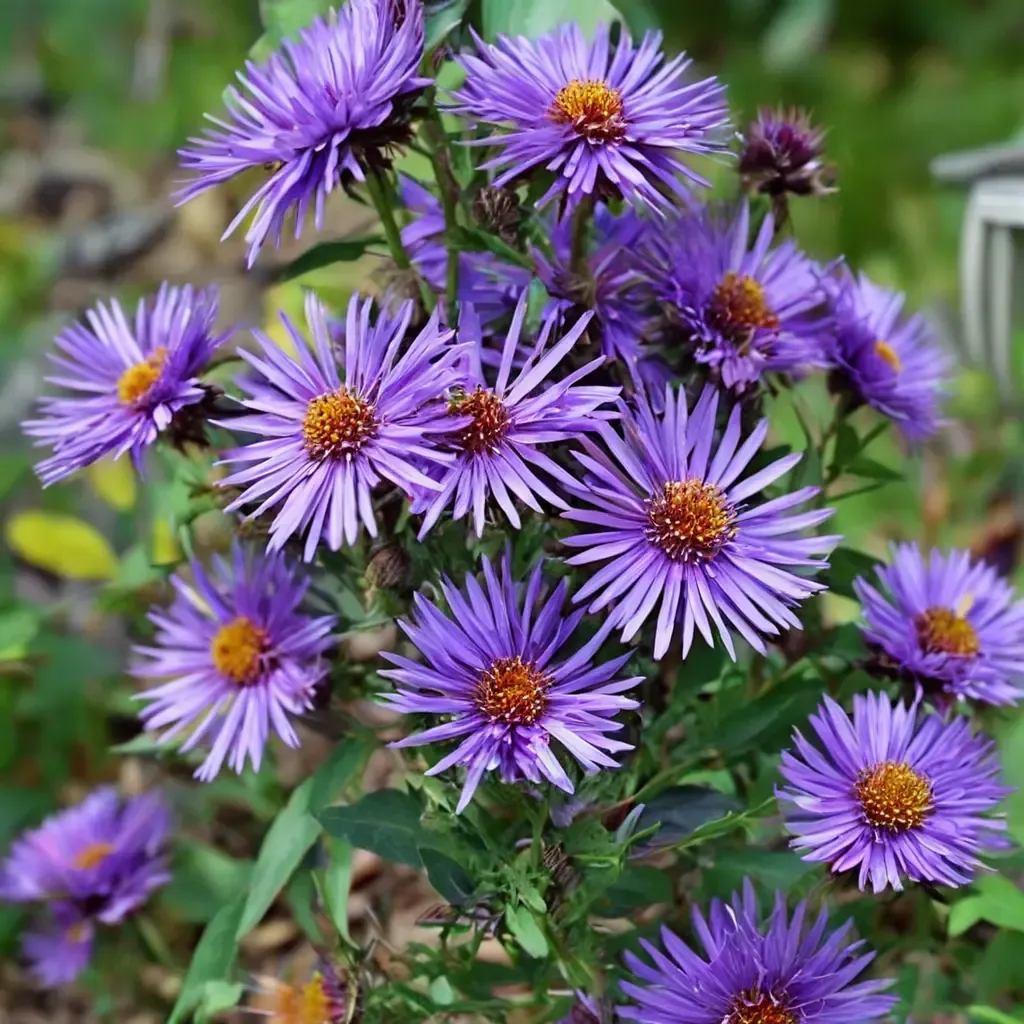
New England Aster
Aster novae-angliae
Keep exploring
Explore the genus
Hardy in your zone?
Grow Wartburg Star Aster with confidence
See it in a design of your actual yard, get zone-matched care reminders, and track it season by season in your garden journal.