
The Story
Plant Bio
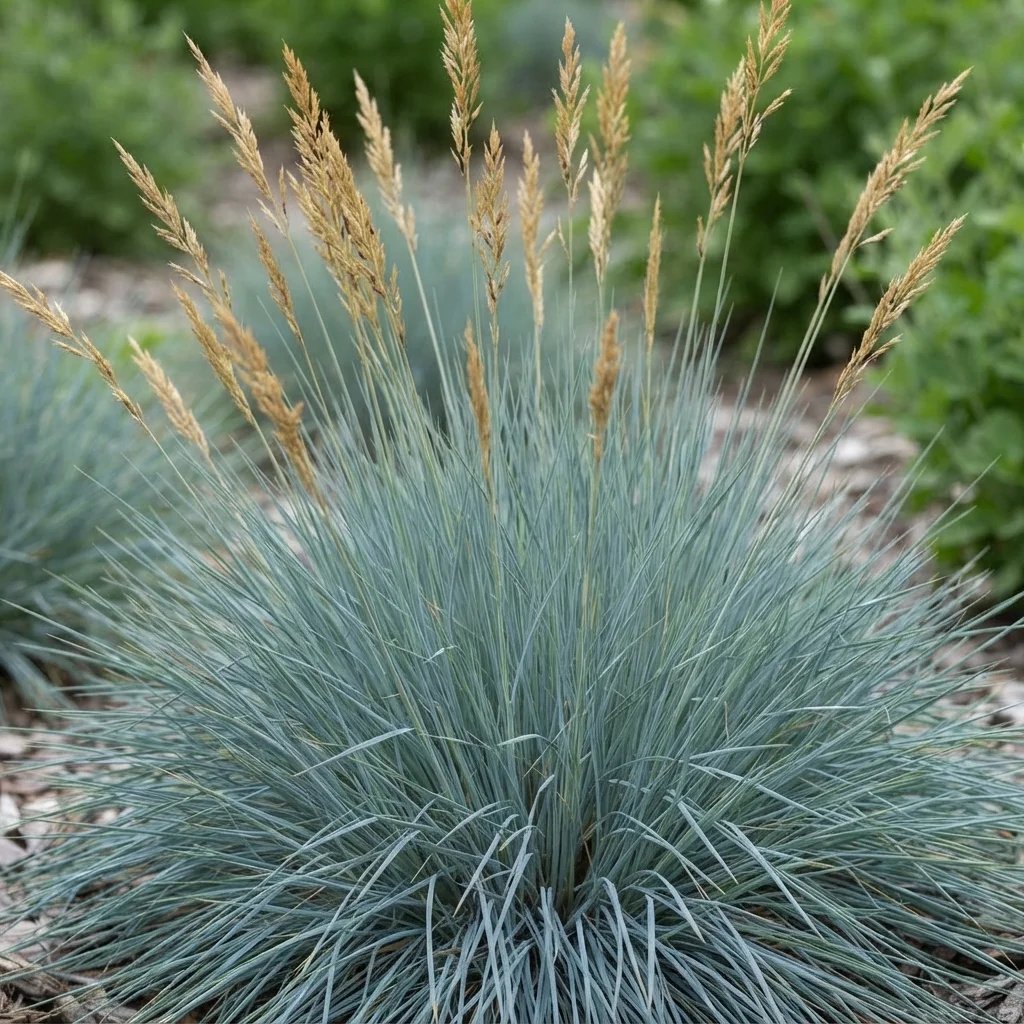
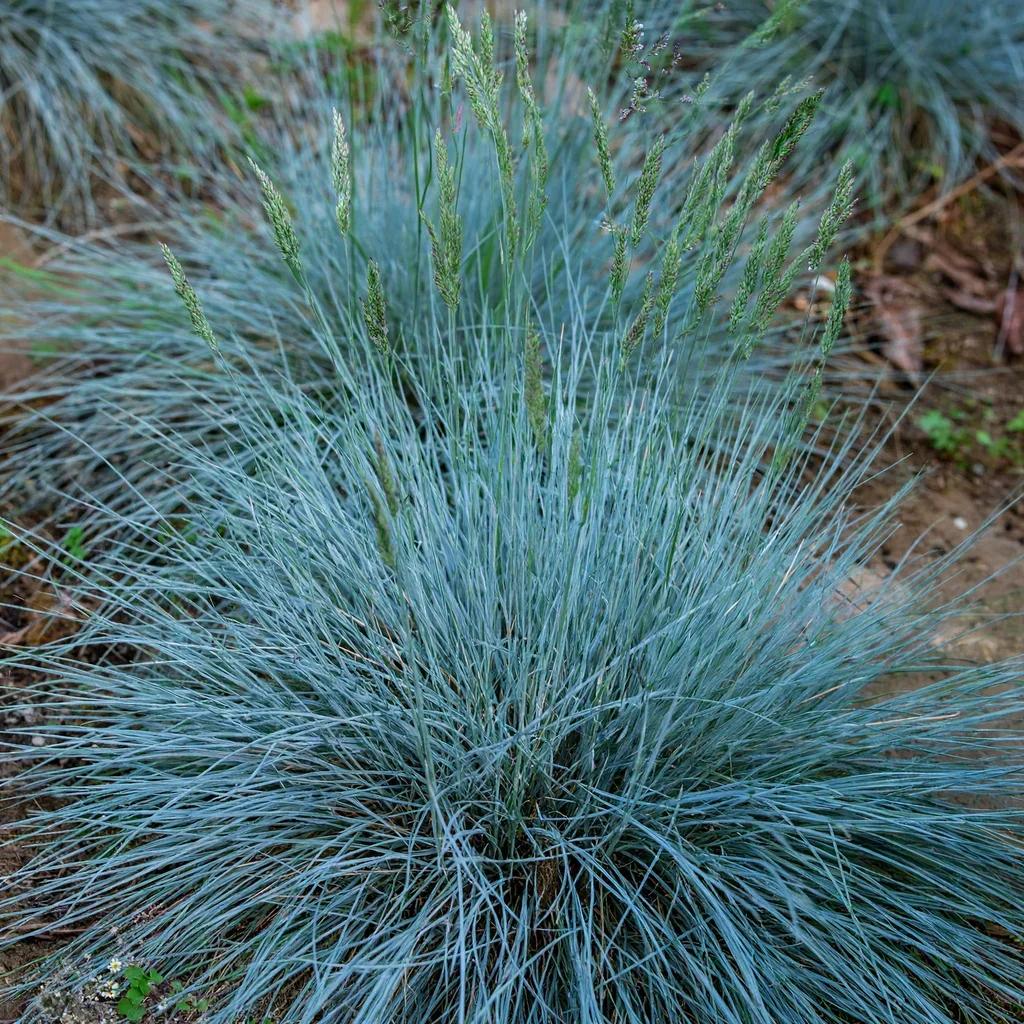
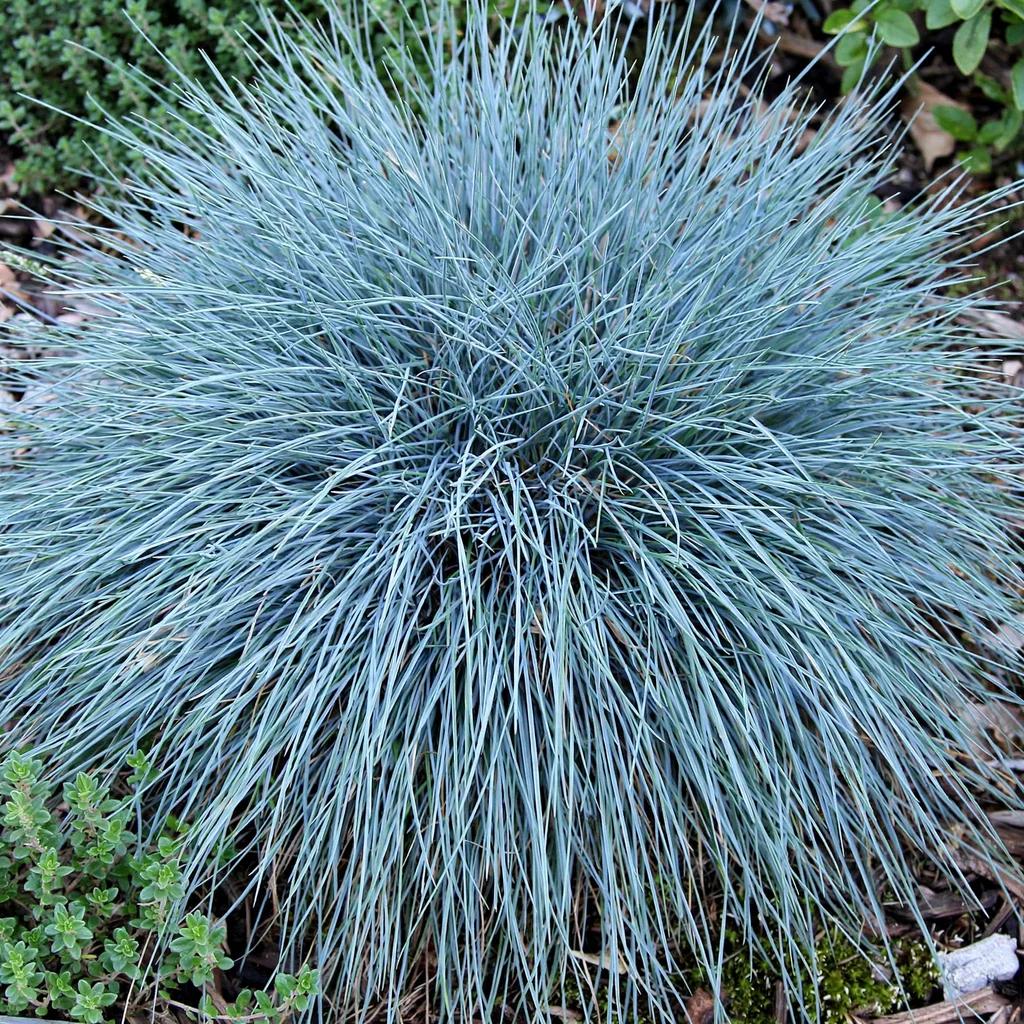
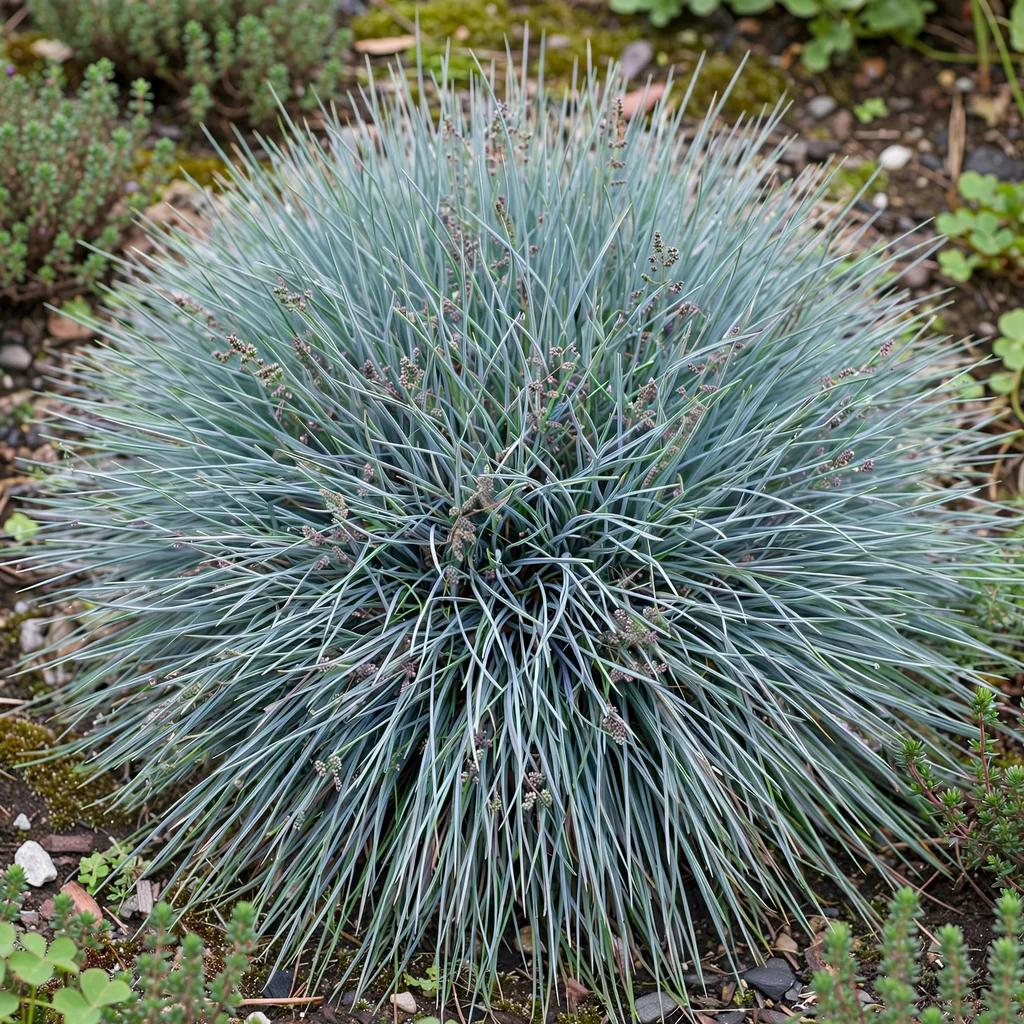
Festuca glauca, commonly known as blue fescue, is a small, clump-forming evergreen grass native to the dry slopes of Europe. The species forms dense, rounded tufts of exceptionally fine, needle-like foliage and produces narrow flower panicles on slender stems in early summer.
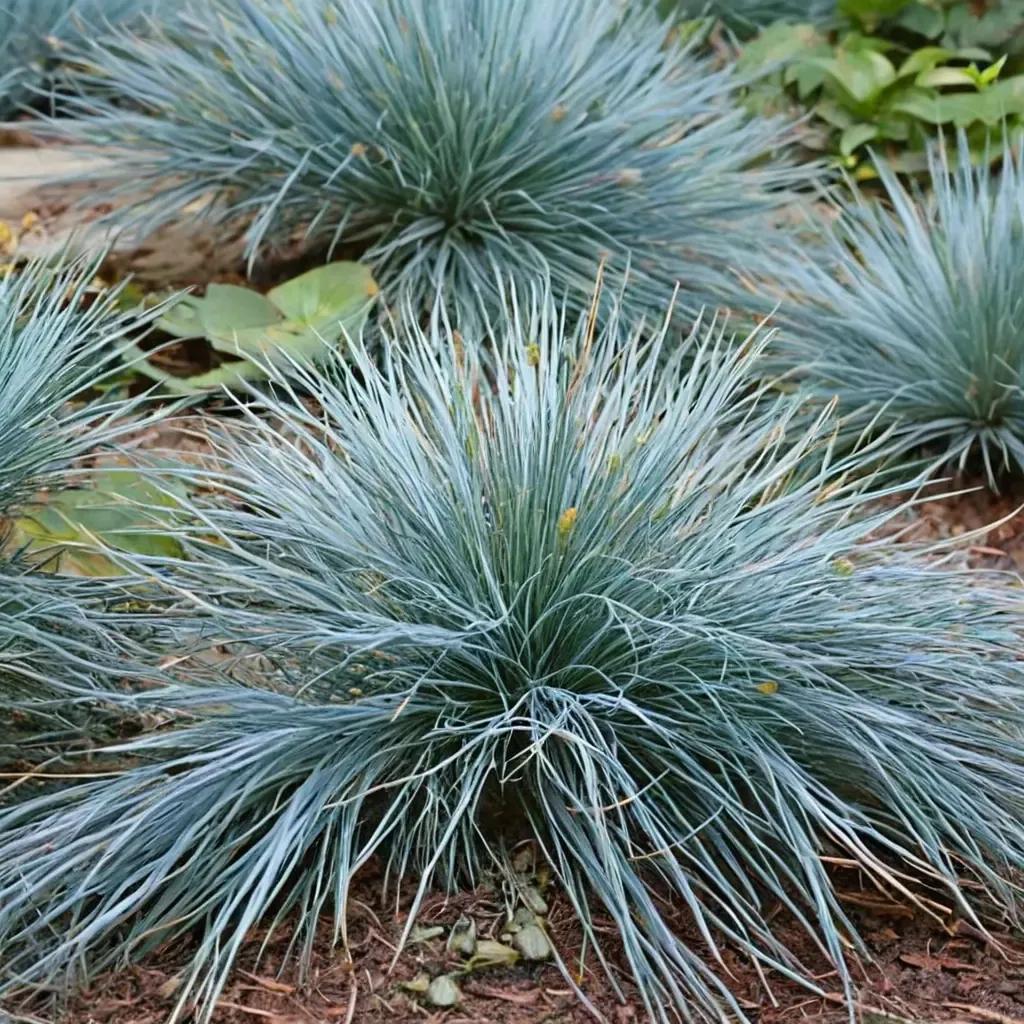
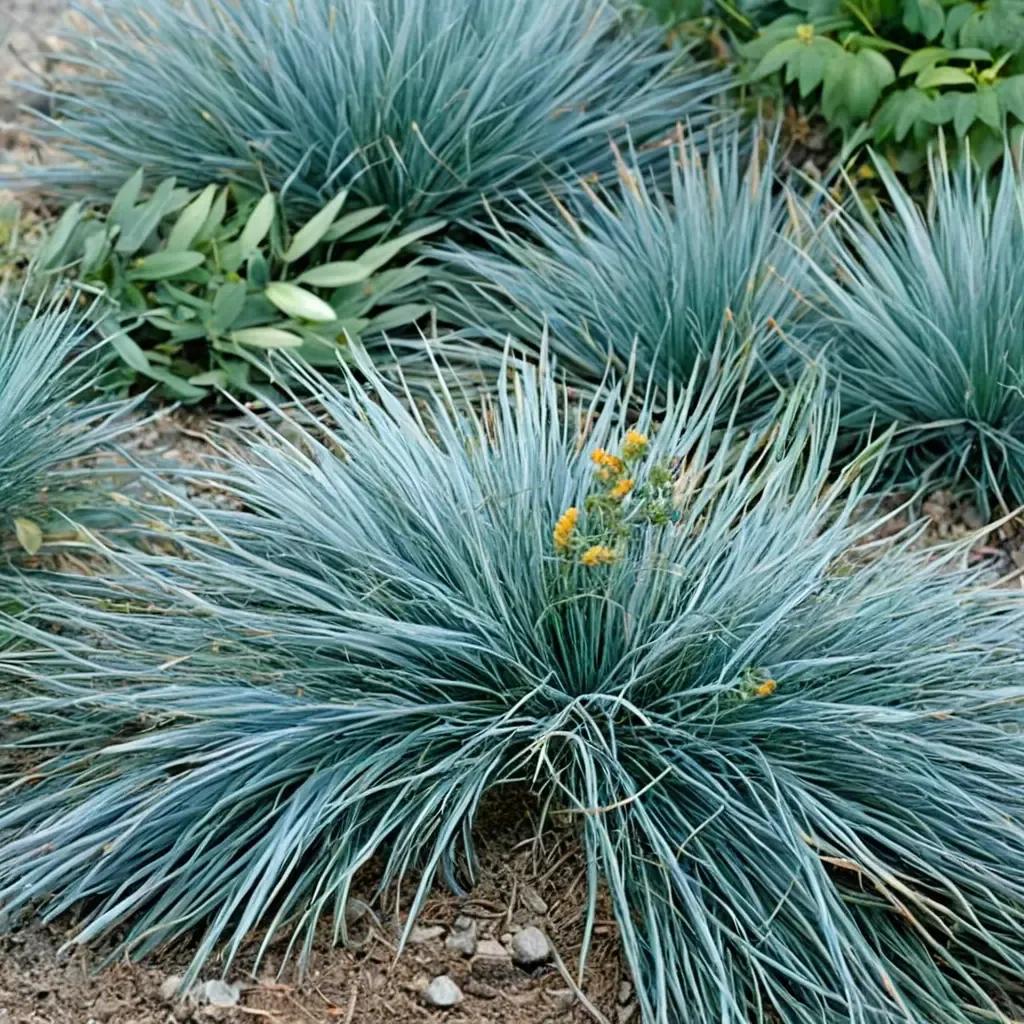
'Cool as Ice' is a vigorous hybrid selection distinguished by its intense, powdery steel-blue foliage that resists summer color-fade better than older cultivars. This cultivar exhibits improved tolerance to heat and humidity, though it retains the characteristic compact, porcupine-like habit.
Uses & Benefits:
Essentials
At a Glance
Plant Type
Grass
Height
15"
Width
18"
Light
Full Sun, Partial Sun
Zones
4, 5, 6, 7, 8, 9
Water
Low
Humidity
Medium
Lifespan
Short-lived perennial (requires division every 2-3 years)
Native To
Europe (parent species)
Toxicity
Non-toxic
Bloom period
Early summer – Mid-summer
In flower about 2 months of the year
Marketplace
Where to Buy
Shipping costs Year-round shipping Free shipping
Planting
How to Grow
- Select a planting site in full sun with sharply draining, sandy or gravelly soil.
- Dig a hole twice the width of the root ball and set the plant so the crown sits slightly above the surrounding soil level.
- Water thoroughly at planting, then water sparingly only until the root system is established.
- Refrain from applying fertilizer during the first growing season to encourage deep, search-driven root growth.
Pro Tip
Clean the clump in early spring by combing through the foliage with gloved fingers to pull out dead blades; shearing flat to the ground or cutting into the woody crown kills the growing points.
Keep It Thriving
Care Guide
Do
- Plant in poor, lean soils to maintain a tight, compact growth habit.
- Provide excellent drainage to prevent crown and root rot.
- Divide the clump every two to three years in early spring to prevent center die-out.
Don't
- Do not plant in heavy clay or wet, poorly drained areas.
- Do not shear the foliage flat to the ground or cut into the woody basal crown.
- Do not over-fertilize, which causes weak, floppy growth and open centers.
Seasonal Care Calendar
| Task | Jan | Feb | Mar | Apr | May | Jun | Jul | Aug | Sep | Oct | Nov | Dec |
|---|---|---|---|---|---|---|---|---|---|---|---|---|
| Divide | ||||||||||||
| Pest Check | ||||||||||||
| Plant | ||||||||||||
| Spring Cleanup |
Watch Out For
Pests & Diseases
Common Pests
Common Diseases
In the Garden
Landscape Uses & Companions
Landscape Uses
Companion Plants
Multiply
Propagation Methods
Good to Know
Common Questions
Blue Fescue questions
What zones can Blue Fescue grow in?
Blue Fescue is hardy in USDA Zones 4–9. Inside that range it survives winter in the ground; outside it, grow it as an annual or a container plant you protect.
Is Blue Fescue deer resistant?
Yes — Blue Fescue is rated deer-resistant. Deer typically pass it over, though extreme hunger can override any plant's defenses.
When does Blue Fescue bloom?
Blue Fescue typically blooms in early summer through mid-summer. Exact timing shifts a week or two with your zone — Sow's bloom calendar maps it to your garden.
Does Blue Fescue need full sun?
Blue Fescue does best in full sun to part shade. In hot climates, afternoon shade keeps blooms fresher longer.
Is Blue Fescue drought tolerant?
Yes — once established (usually after the first full season), Blue Fescue handles dry spells with minimal watering. Water deeply its first year to build the root system that makes that possible.
More Festuca to compare
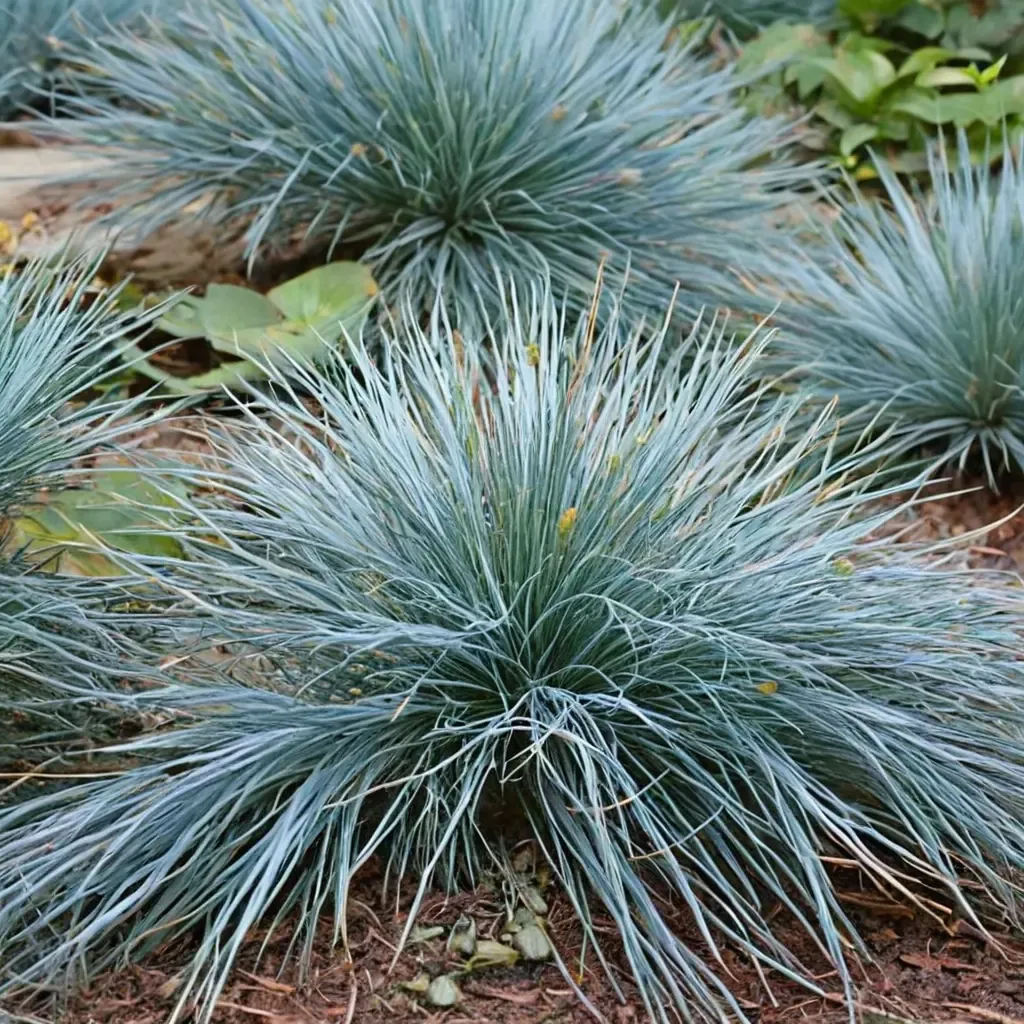
Elijah Blue Fescue
Festuca glauca 'Elijah Blue'
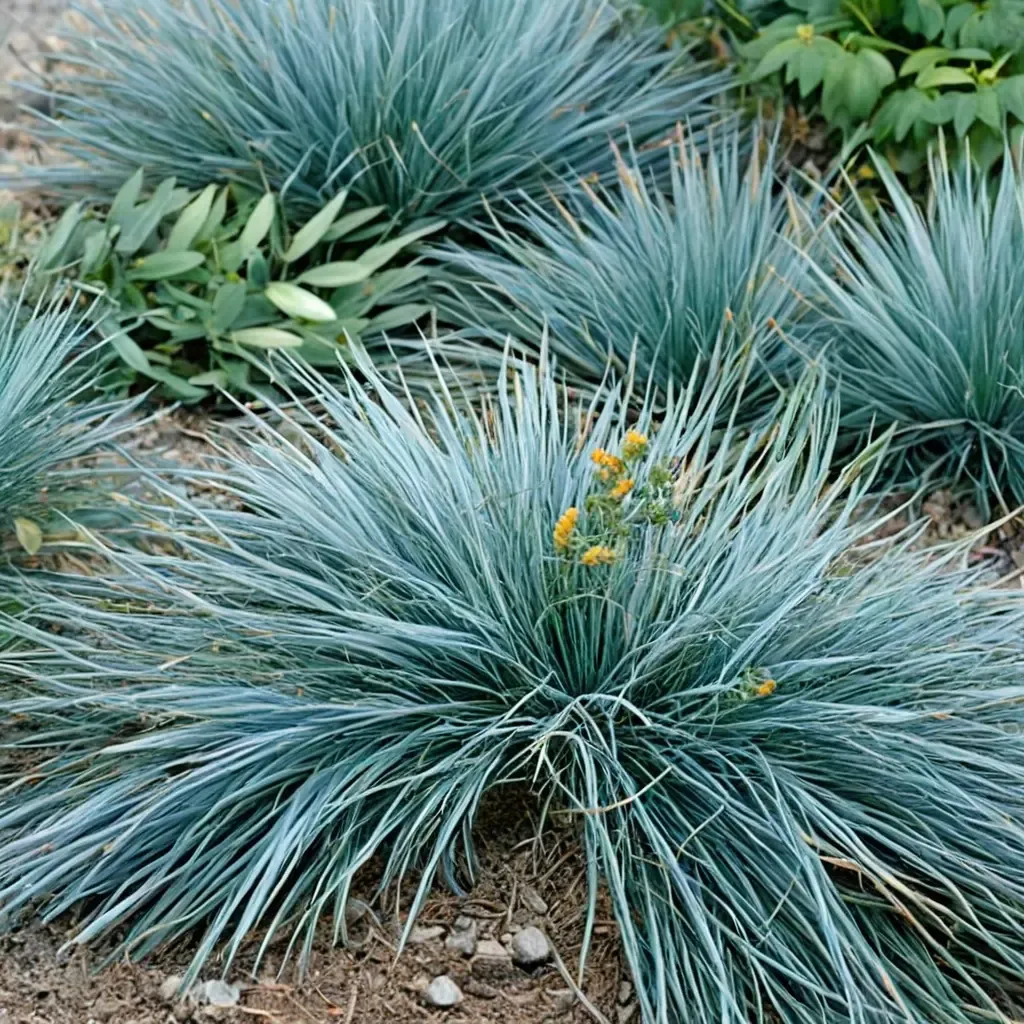
Blue Fox Fescue
Festuca glauca 'Blaufuchs'
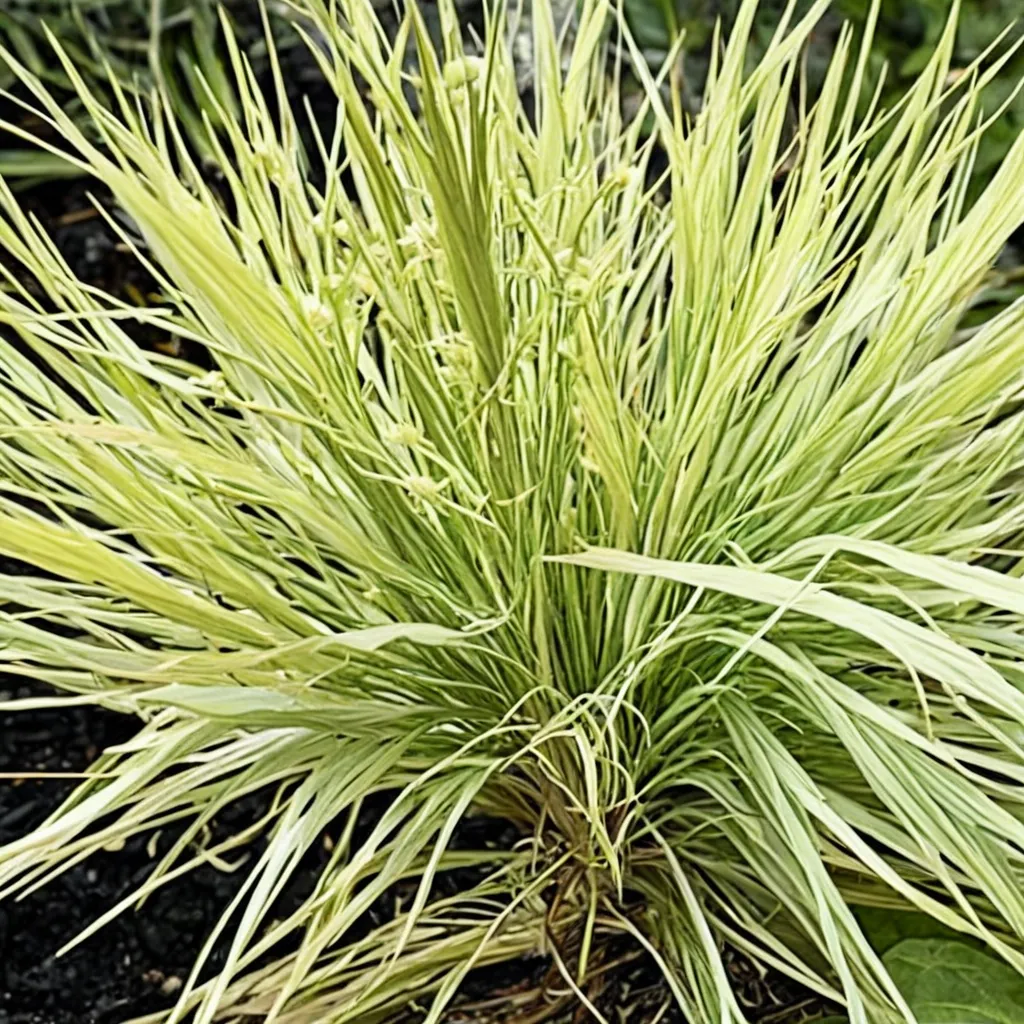
Golden Toupee Fescue
Festuca glauca 'Golden Toupee'
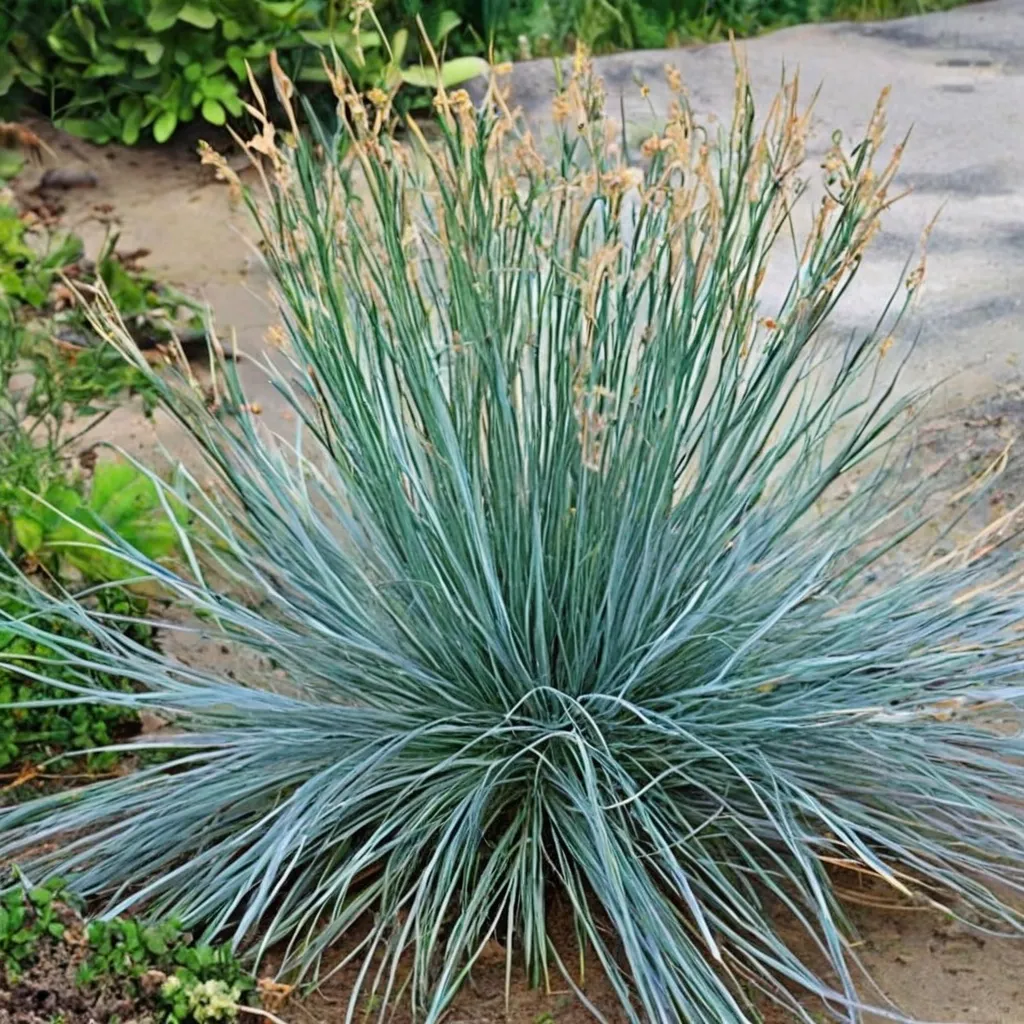
Festuca Mix
Festuca x hybrida 'Mix'
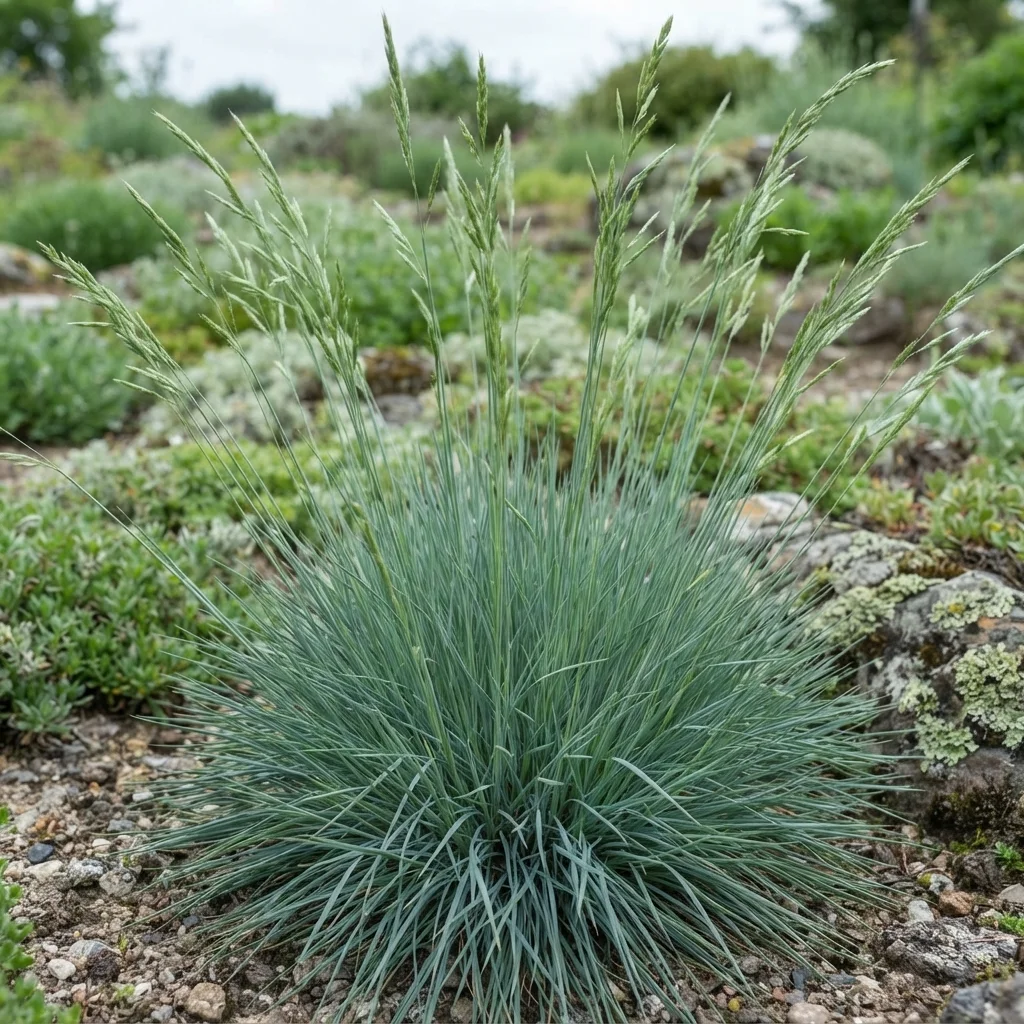
Idaho Fescue
Festuca idahoensis
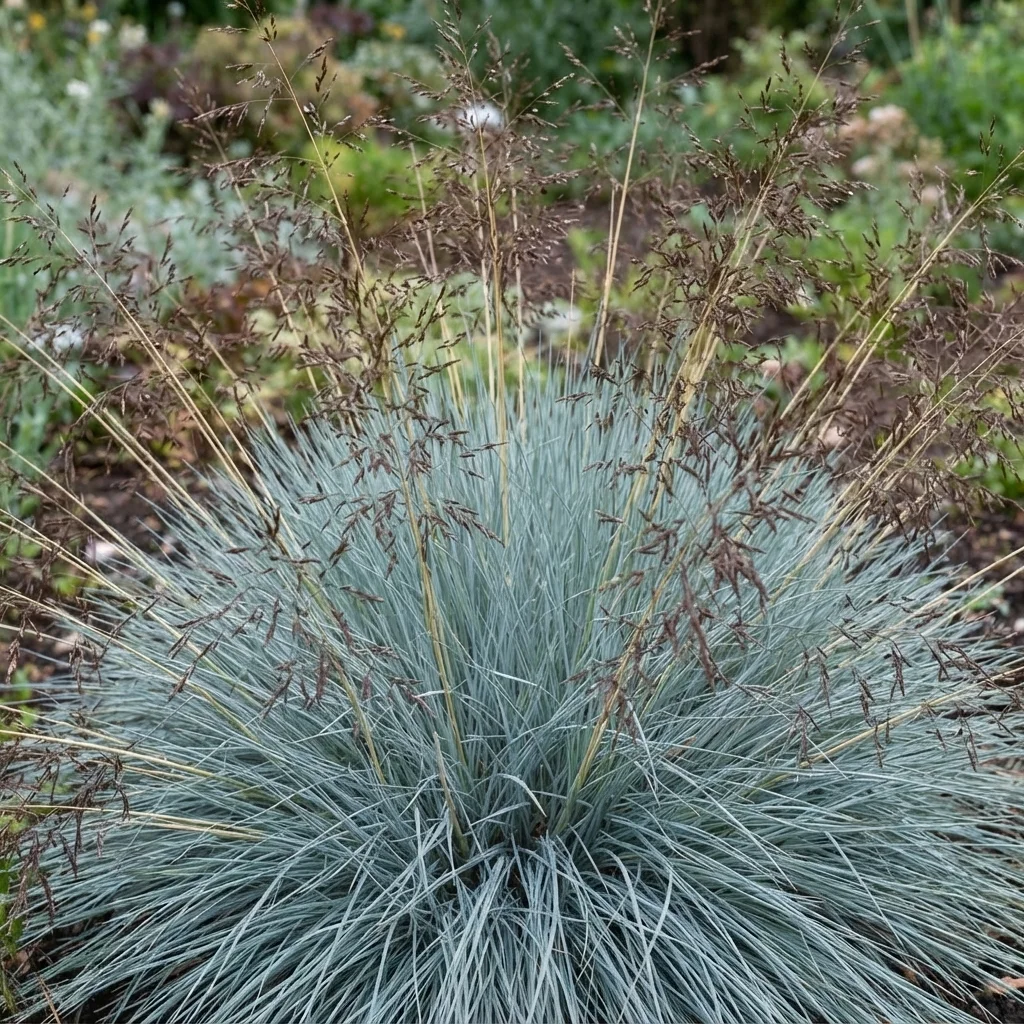
Banks Peninsula Blue Tussock
Festuca actae 'Banks Peninsula Blue'
Keep exploring
Explore the genus
Grow Blue Fescue with confidence
See it in a design of your actual yard, get zone-matched care reminders, and track it season by season in your garden journal.