Species
 Lamprocapnos spectabilisBleeding Heart
1 other cultivar

The Story
Plant Bio
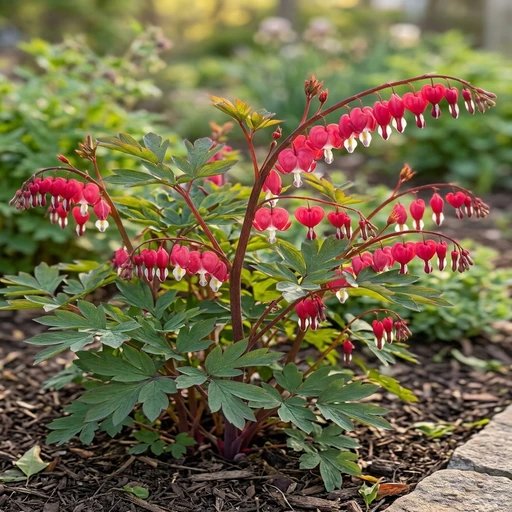
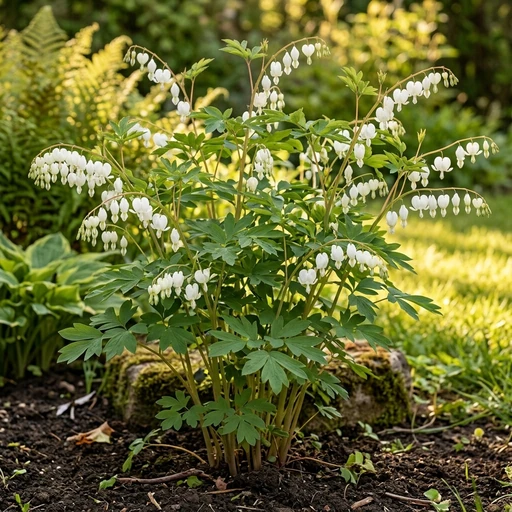
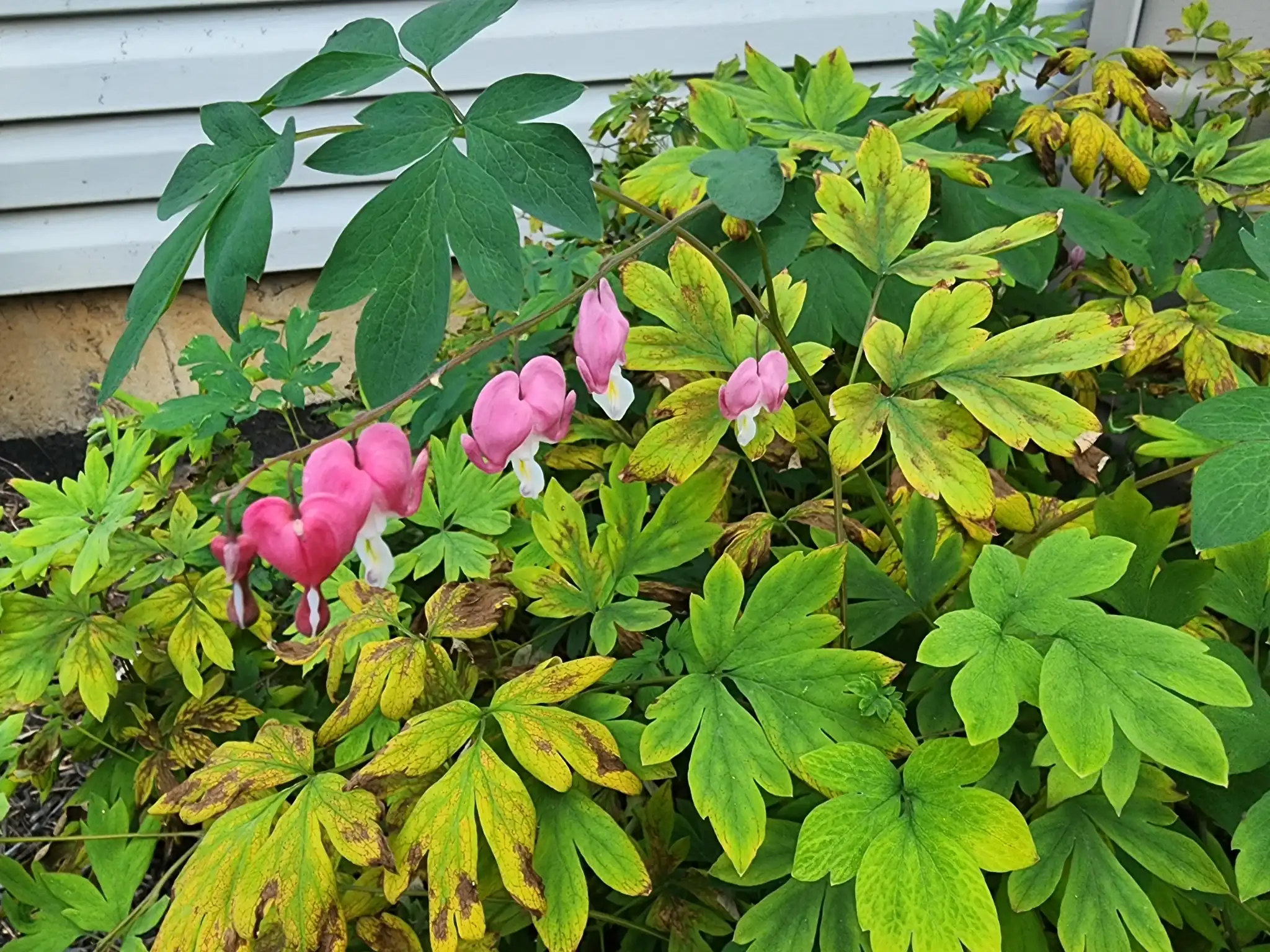
Lamprocapnos spectabilis, the common bleeding heart, is a classic shade perennial known for its arching stems of distinctive, heart-shaped flowers with a dangling 'drop' at the base. The foliage is soft, fern-like, and typically goes dormant in summer.
'Valentine' is a striking cultivar featuring intense cherry-red and white flowers held on graceful, arching, deep red stems. The foliage emerges with a purplish-bronze tint before maturing to gray-green, providing a beautiful contrast.
Uses & Benefits:
Essentials
At a Glance
Plant Type
Perennial
Height
30"
Width
30"
Light
Partial Sun, Shade
Zones
4, 5, 6, 7, 8, 9
Water
Moderate to high
Humidity
Prefers moderate to high
Lifespan
Long-lived perennial
Native To
Siberia, Northern China, Korea, Japan (species)
Toxicity
Can cause skin irritation; toxic if ingested
Bloom period
Mid-spring – Late spring
In flower about 2 months of the year
Planting
How to Grow
- Choose a spot in partial to full shade with rich, moist soil.
- Amend the soil with plenty of compost or leaf mold.
- Dig a hole wide enough for the brittle roots to spread out.
- Set the crown of the plant about 1-2 inches below the soil surface.
- Backfill gently, water thoroughly, and apply mulch.
- Keep the soil consistently moist, especially during the growing season.
Pro Tip
Mark the plant's location before it goes dormant in summer to avoid accidentally digging it up later.
Keep It Thriving
Care Guide
Do
- Provide consistently moist, humus-rich soil.
- Plant in a location protected from strong winds.
- Allow the foliage to die back naturally to replenish the roots.
Don't
- Don't plant in hot, dry, sunny locations.
- Avoid letting the soil dry out completely, which can trigger early dormancy.
- Be careful when cultivating nearby, as the roots are brittle.
Seasonal Care Calendar
| Task | Jan | Feb | Mar | Apr | May | Jun | Jul | Aug | Sep | Oct | Nov | Dec |
|---|---|---|---|---|---|---|---|---|---|---|---|---|
| Mulch | ||||||||||||
| Plant | ||||||||||||
| Spring Cleanup |
Watch Out For
Pests & Diseases
Common Pests
Common Diseases
In the Garden
Landscape Uses & Companions
Landscape Uses
Companion Plants
Multiply
Propagation Methods
Good to Know
Common Questions
Valentine Common Bleeding Heart questions
What zones can Valentine Common Bleeding Heart grow in?
Valentine Common Bleeding Heart is hardy in USDA Zones 4–9. Inside that range it survives winter in the ground; outside it, grow it as an annual or a container plant you protect.
Is Valentine Common Bleeding Heart deer resistant?
Yes — Valentine Common Bleeding Heart is rated deer-resistant. Deer typically pass it over, though extreme hunger can override any plant's defenses.
When does Valentine Common Bleeding Heart bloom?
Valentine Common Bleeding Heart typically blooms in mid-spring through late spring. Exact timing shifts a week or two with your zone — Sow's bloom calendar maps it to your garden.
Does Valentine Common Bleeding Heart need full sun?
Valentine Common Bleeding Heart does best in part shade.
More Lamprocapnos to compare
Keep exploring
Explore the genus
Grow Valentine Common Bleeding Heart with confidence
See it in a design of your actual yard, get zone-matched care reminders, and track it season by season in your garden journal.