Also known as Bleeding Heart · 38 saves
Lamprocapnos
Lamprocapnos, the genus most gardeners know as bleeding heart. We track 3 varieties; the ones most used by real gardeners.
The 3 most-saved Lamprocapnos varieties
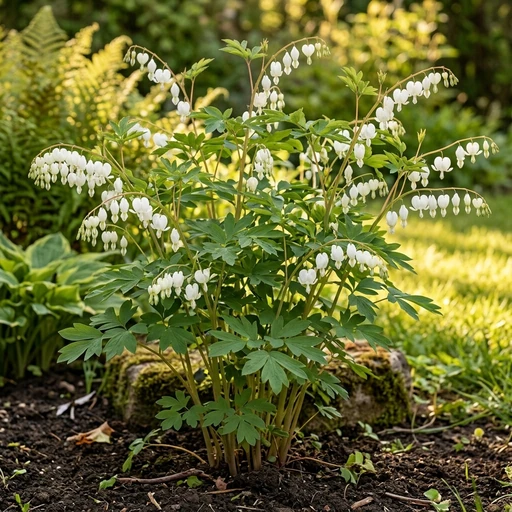
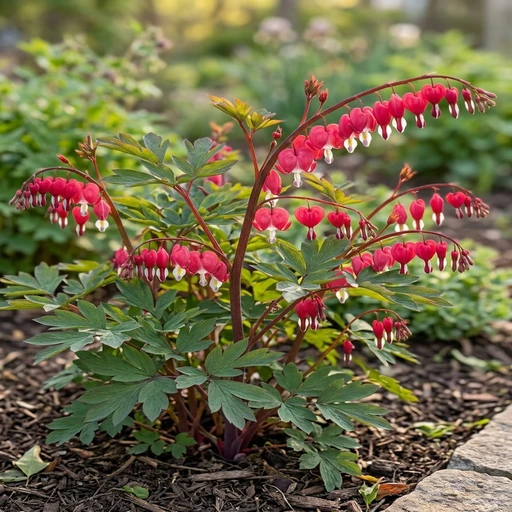
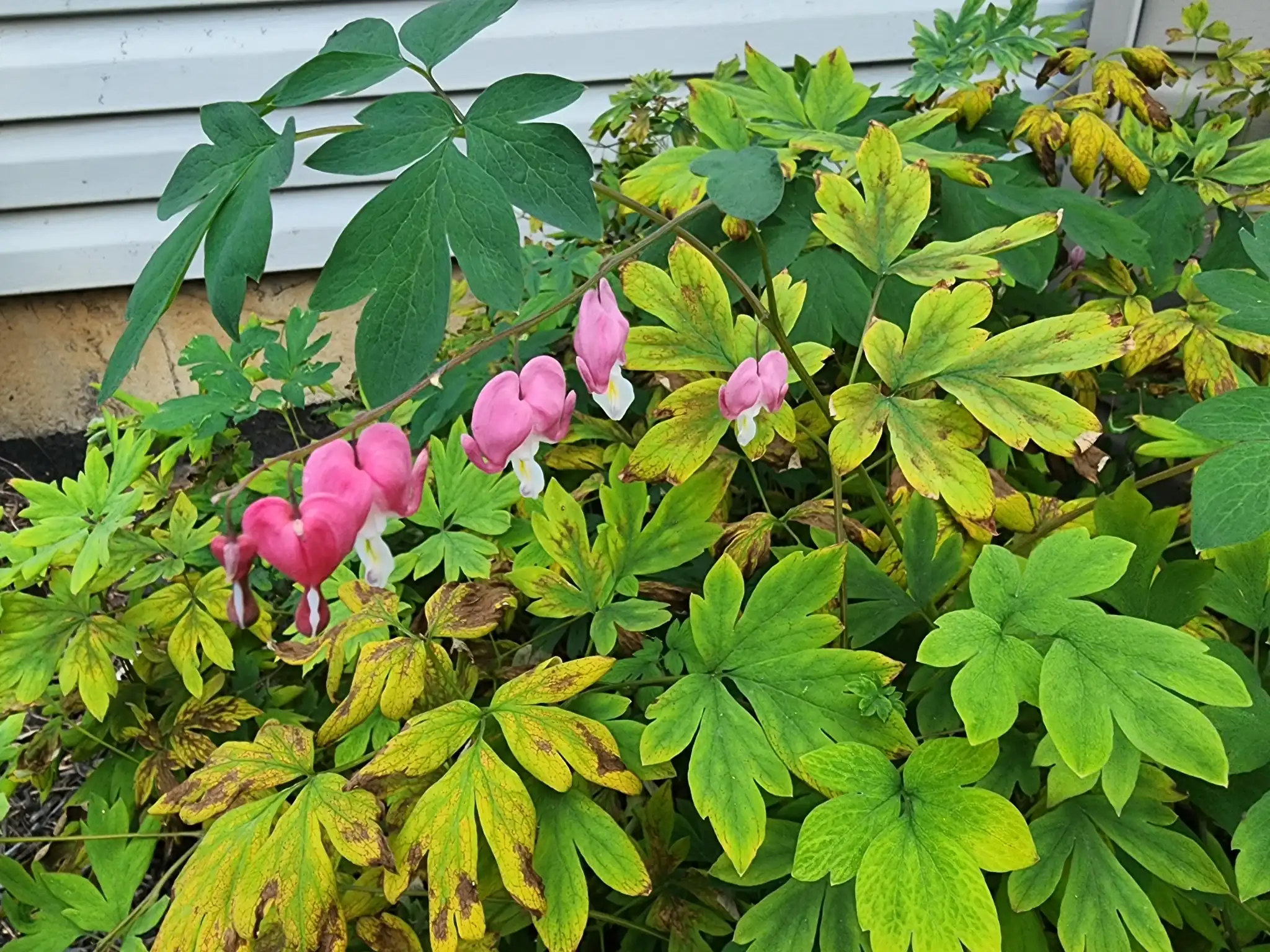
Species of Lamprocapnos
Each one is a parent of the varieties above.
Track your Lamprocapnos in Sow
Save the Lamprocapnos you grow and get care reminders timed to your zone.
How to grow Lamprocapnos
Whats common across all Lamprocapnos varieties in our catalog — drawn from the care records of the 3 most-grown of them.
The Lamprocapnos year
- PlantApril, October and November67% of varieties
Plant bare roots or container plants in spring or fall.
- Spring CleanupAugust and September67% of varieties
Cut back yellowing foliage after the plant goes dormant in summer.


Do
- Plant it in shade with moist soil 🌿
- Pair it with hostas or ferns 🌱
- Mark the crown before dormancy 📍
- Wear gloves when handling it 🧤
- Provide consistently moist, humus-rich soil.
Avoid
- Assume midsummer dieback is disease ❌
- Dig near the dormant crown ❌
- Let it sit in waterlogged soil ❌
- Don't plant in hot, dry, sunny locations.
What goes wrong with Lamprocapnos
| Problem | What you'll see | What to do |
|---|---|---|
| Aphids | Clusters of small insects on new growth and flower buds | A strong spray of water can dislodge them. Use insecticidal soap if necessary. |
| Generally pest-free | No significant insect damage is typical | Monitor only; NCSU rates it resistant to deer, rabbits and black walnut |
| Slugs and snails | Holes chewed through the soft new spring foliage as it emerges | Clear damp cover near the crown and use traps or barriers as shoots appear |
| Powdery Mildew | White, powdery coating on leaves | Improve air circulation. Water at the base of the plant. Fungicides are rarely needed. |
| Crown rot | Stems blacken at the base and the clump collapses, in wet or poorly drained soil | Improve drainage before planting; the thick fleshy crown rots readily in waterlogged ground |
| Root Rot | Yellowing leaves, wilting, plant collapse | Caused by poorly drained, waterlogged soil. Amend soil to improve drainage before planting. |
Making more Lamprocapnos
Division
- Lift the clump in early spring before growth extends.
- Cut the brittle fleshy roots into pieces with buds.
- Replant immediately and water in well.
Root cuttings
- Lift a plant in early spring and take root sections.
- Set them horizontally in gritty compost.
- Grow on under cover until well rooted.
Lamprocapnos questions
How many types of Lamprocapnos are there?
The Sow catalog tracks 3 distinct Lamprocapnos varieties. The most popular — ranked by 38 real gardeners — are shown first above.
What zones does Lamprocapnos grow in?
Across its varieties, Lamprocapnos covers USDA Zones 4–9. Individual varieties differ — each plant page lists its exact range, and Sow filters the catalog to your zone automatically.
When does Lamprocapnos bloom?
Most Lamprocapnos varieties bloom in mid-spring, spring. Staggering early, mid, and late varieties extends the genus's season in one bed.
Which Lamprocapnos should I choose?
Start from the most-saved varieties above — popularity across thousands of gardens is a strong signal of reliability — then filter by your zone and sun. In the Sow app you can preview any of them in a photo of your actual yard before you buy.