
Species
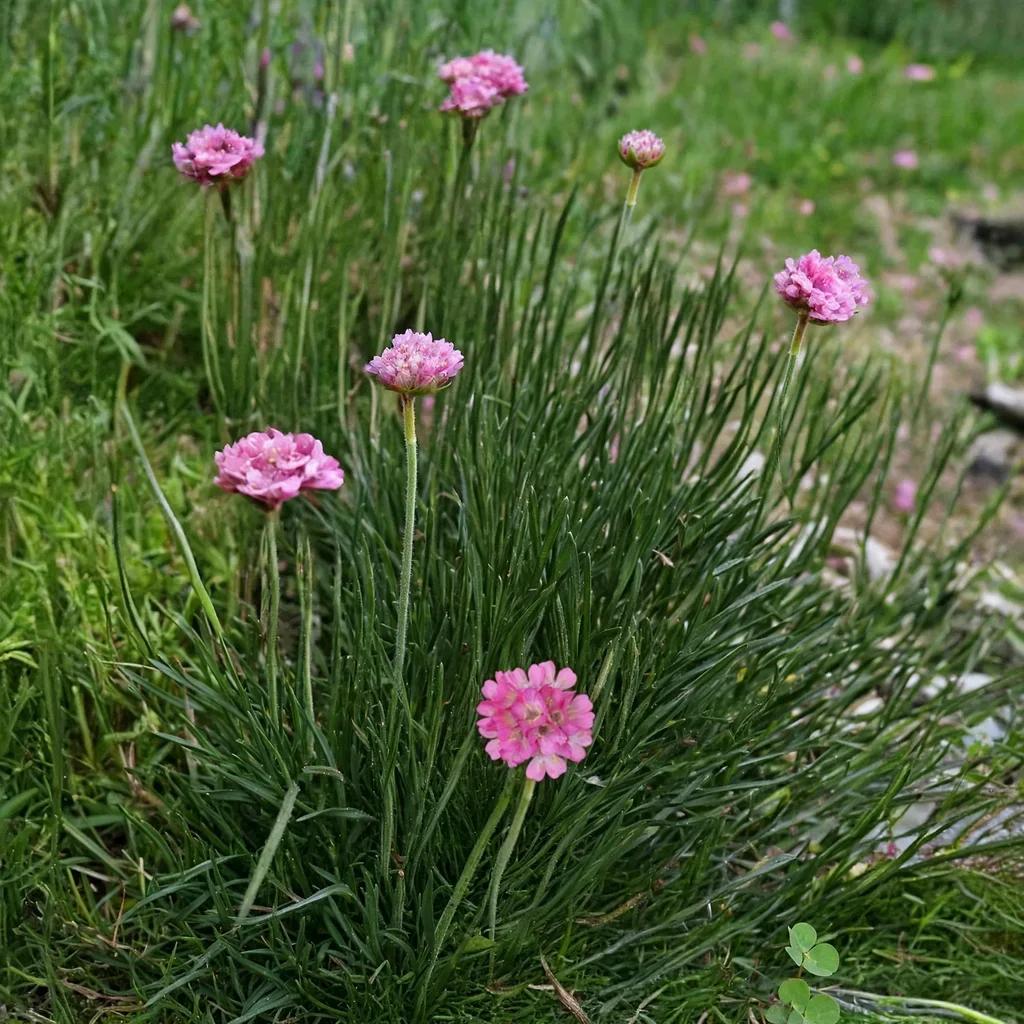 Armeria maritimaSea Thrift
11 other cultivars
 ‘Morning Star Rose’Morning Star Rose Sea Thrift
 ‘Vivid Dreams’Sea Thrift Vivid Dreams
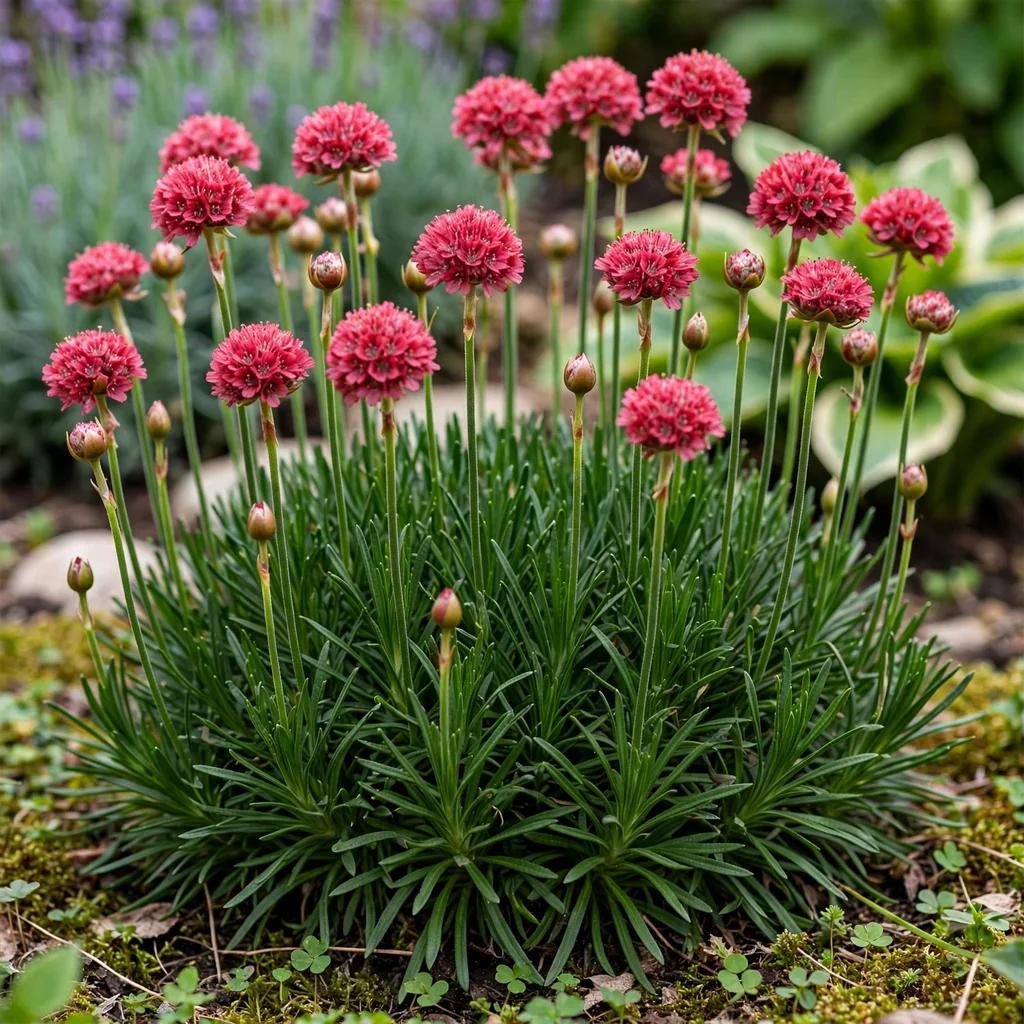 ‘Ballerina Red’Ballerina Red Sea Thrift
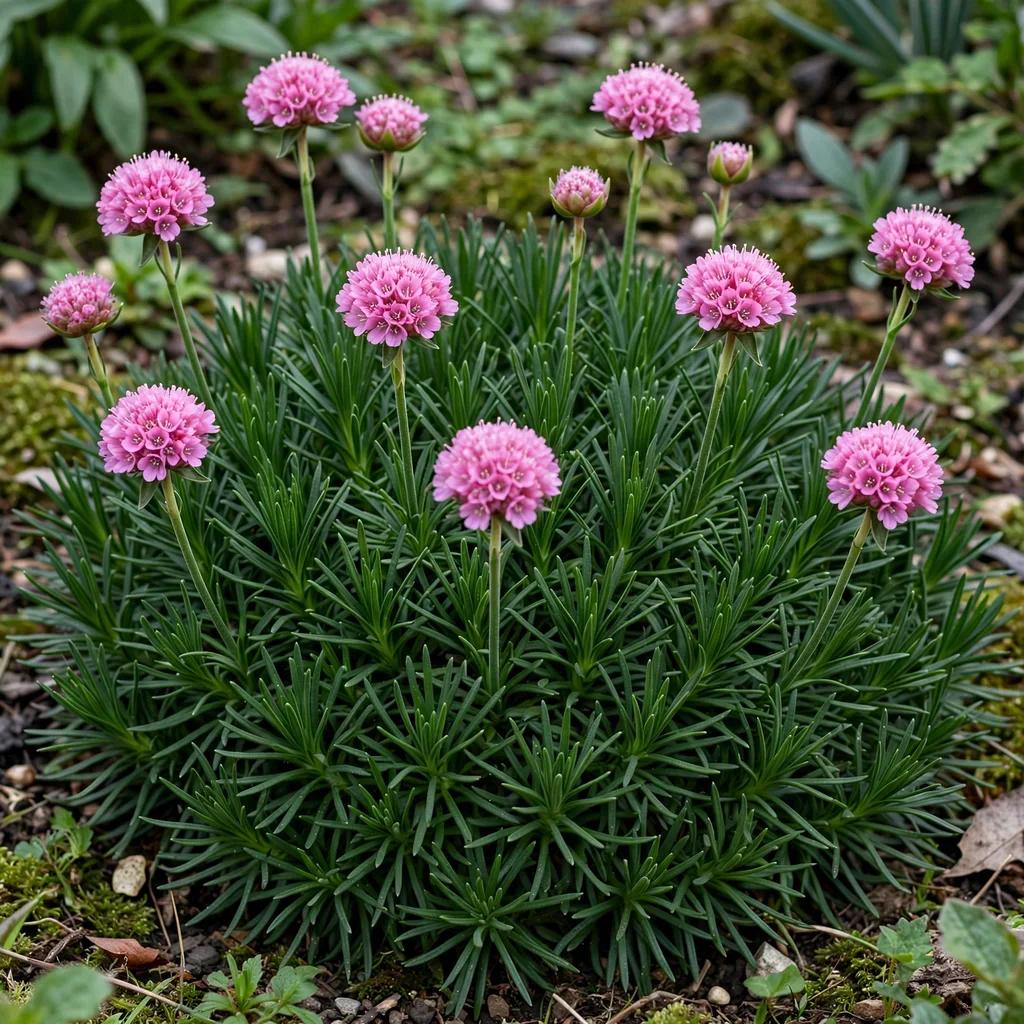 ‘Dreamland’Dreamland Sea Thrift
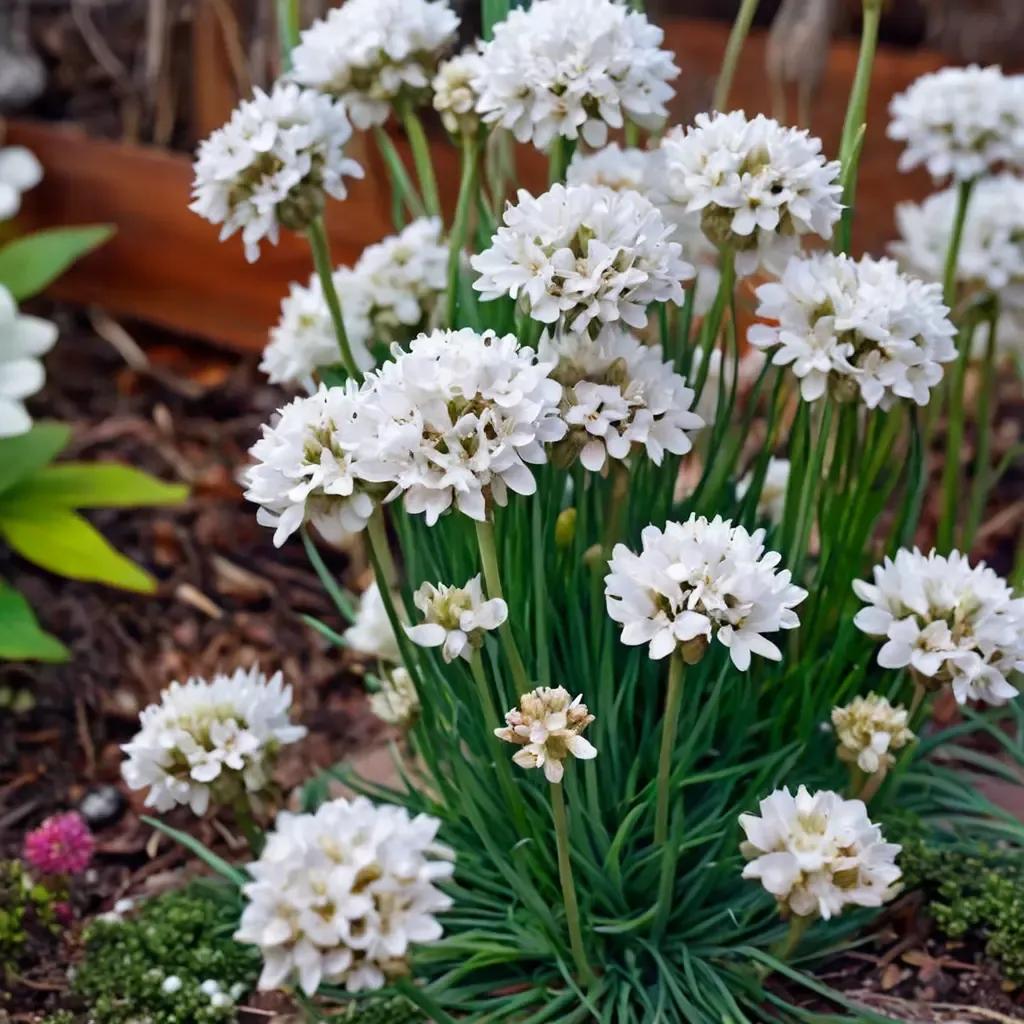 ‘Ballerina White’Ballerina White Sea Thrift
 ‘Rubrifolia’Red Leaf Sea Thrift
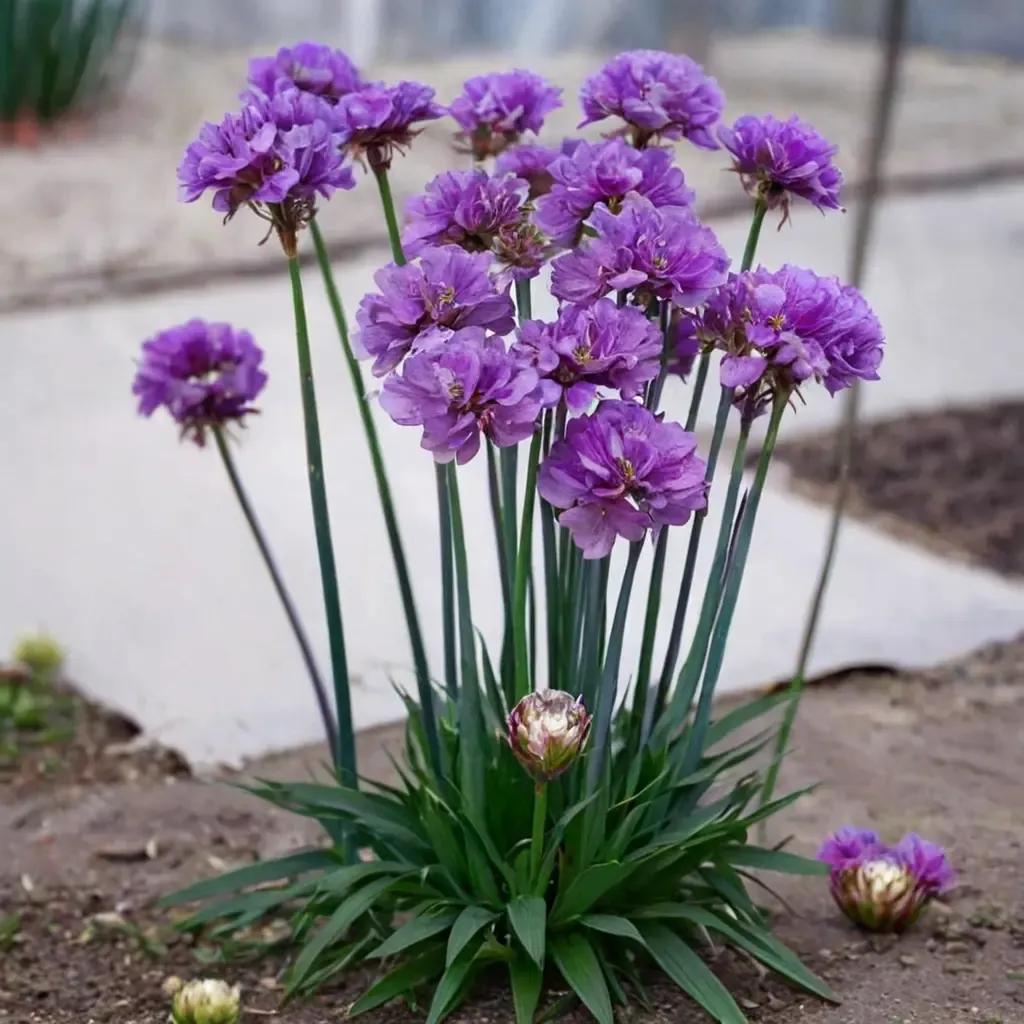 ‘Ballerina Lilac’Ballerina Lilac Sea Thrift
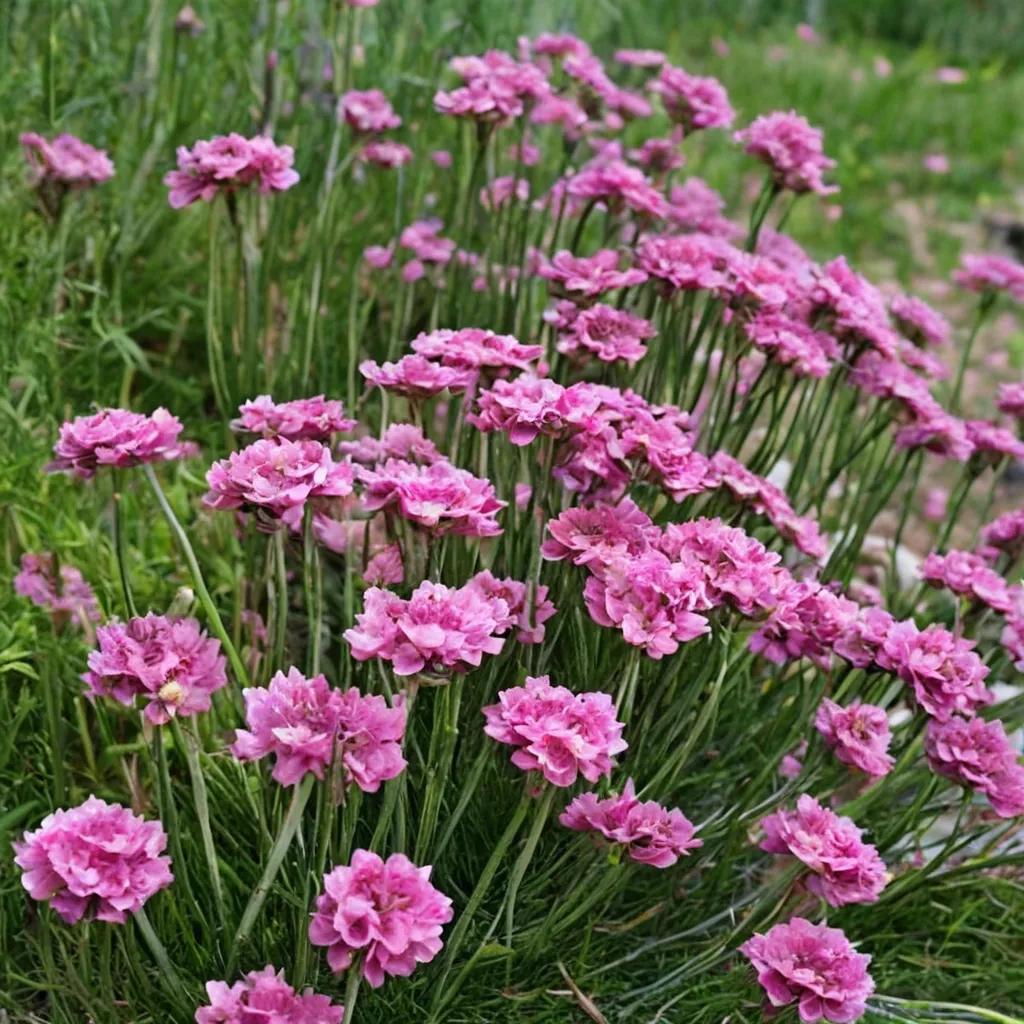 ‘Bloodstone’Sea Thrift Bloodstone
 ‘Daydream’Daydream Sea Thrift
 ‘Ministicks Rose’Ministicks Rose Sea Thrift
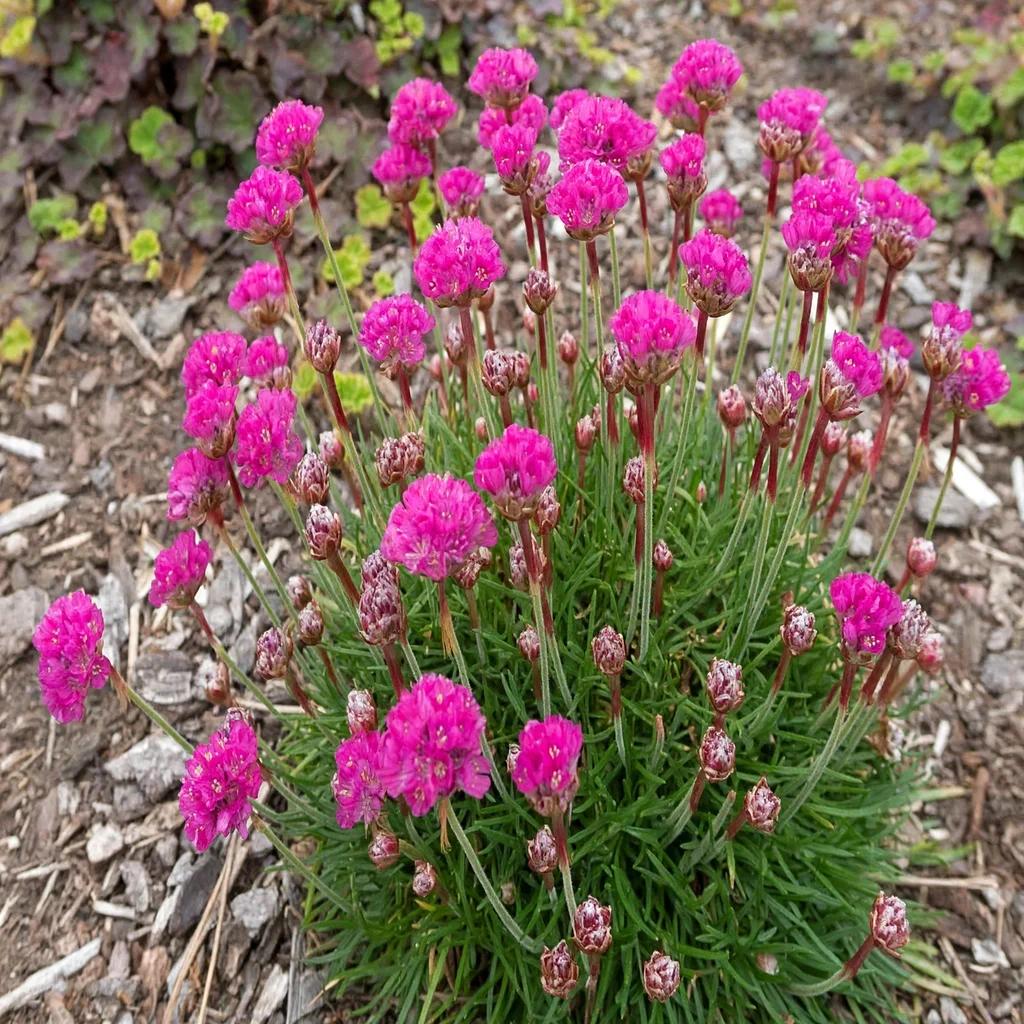 ‘Splendens’Sea Thrift
The Story
Plant Bio
Armeria maritima is an evergreen herbaceous perennial native to coastal cliffs, salt marshes, and mountain rocks across the Northern Hemisphere. It forms a dense, tight cushion of stiff, linear, grass-like foliage that remains green year-round.
'Pink Petite' is an ultra-compact selection distinguished by its low-growing, mounded habit reaching only four to six inches in height. It produces dense, rounded, globose pom-pom heads of soft mauve-pink to bright pink flowers on slender, leafless scapes.
Uses & Benefits:
Essentials
At a Glance
Plant Type
Perennial
Height
6"
Width
8"
Light
Full Sun
Zones
4, 5, 6, 7, 8, 9
Water
Low
Humidity
Moderate
Lifespan
Perennial
Native To
Europe, North America
Toxicity
Non-toxic
Bloom period
Spring – Autumn
In flower about 9 months of the year
Planting
How to Grow
- Select a planting site with full sun and exceptionally well-drained, sandy, or gravelly soil.
- Dig a hole twice the width of the root ball but equal in depth to ensure the crown sits slightly above the soil line.
- Backfill with lean, unamended native soil, pressing firmly to eliminate air pockets.
- Water sparingly to settle the soil, then withhold regular irrigation once the plant is established.
Pro Tip
Plant in lean, gritty, exceptionally well-drained soil; planting in rich, moisture-retentive loam or applying regular summer irrigation causes the center of the cushion to rot out rapidly.
Keep It Thriving
Care Guide
Do
- Deadhead spent flower scapes down to the basal cushion regularly to prolong the blooming period.
- Divide congested clumps every three to four years in spring or fall to maintain vigor.
- Plant in raised beds or rock gardens to guarantee the mandatory sharp drainage.
Don't
- Do not apply heavy organic mulches or rich compost around the crown, which traps moisture and induces rot.
- Do not overwater or plant in heavy clay soils.
- Do not over-fertilize, as excessive nitrogen weakens the foliage and causes the center of the mound to split.
Seasonal Care Calendar
| Task | Jan | Feb | Mar | Apr | May | Jun | Jul | Aug | Sep | Oct | Nov | Dec |
|---|---|---|---|---|---|---|---|---|---|---|---|---|
| Deadhead | ||||||||||||
| Divide | ||||||||||||
| Fertilize | ||||||||||||
| Pest Check | ||||||||||||
| Spring Cleanup |
Watch Out For
Pests & Diseases
Common Pests
Common Diseases
In the Garden
Landscape Uses & Companions
Landscape Uses
Multiply
Propagation Methods
Good to Know
Common Questions
Sea Thrift questions
What zones can Sea Thrift grow in?
Sea Thrift is hardy in USDA Zones 4–9. Inside that range it survives winter in the ground; outside it, grow it as an annual or a container plant you protect.
Is Sea Thrift deer resistant?
Yes — Sea Thrift is rated deer-resistant. Deer typically pass it over, though extreme hunger can override any plant's defenses.
When does Sea Thrift bloom?
Sea Thrift typically blooms in spring through autumn. Exact timing shifts a week or two with your zone — Sow's bloom calendar maps it to your garden.
Does Sea Thrift need full sun?
Sea Thrift does best in full sun (6+ hours).
Is Sea Thrift drought tolerant?
Yes — once established (usually after the first full season), Sea Thrift handles dry spells with minimal watering. Water deeply its first year to build the root system that makes that possible.
More Armeria to compare
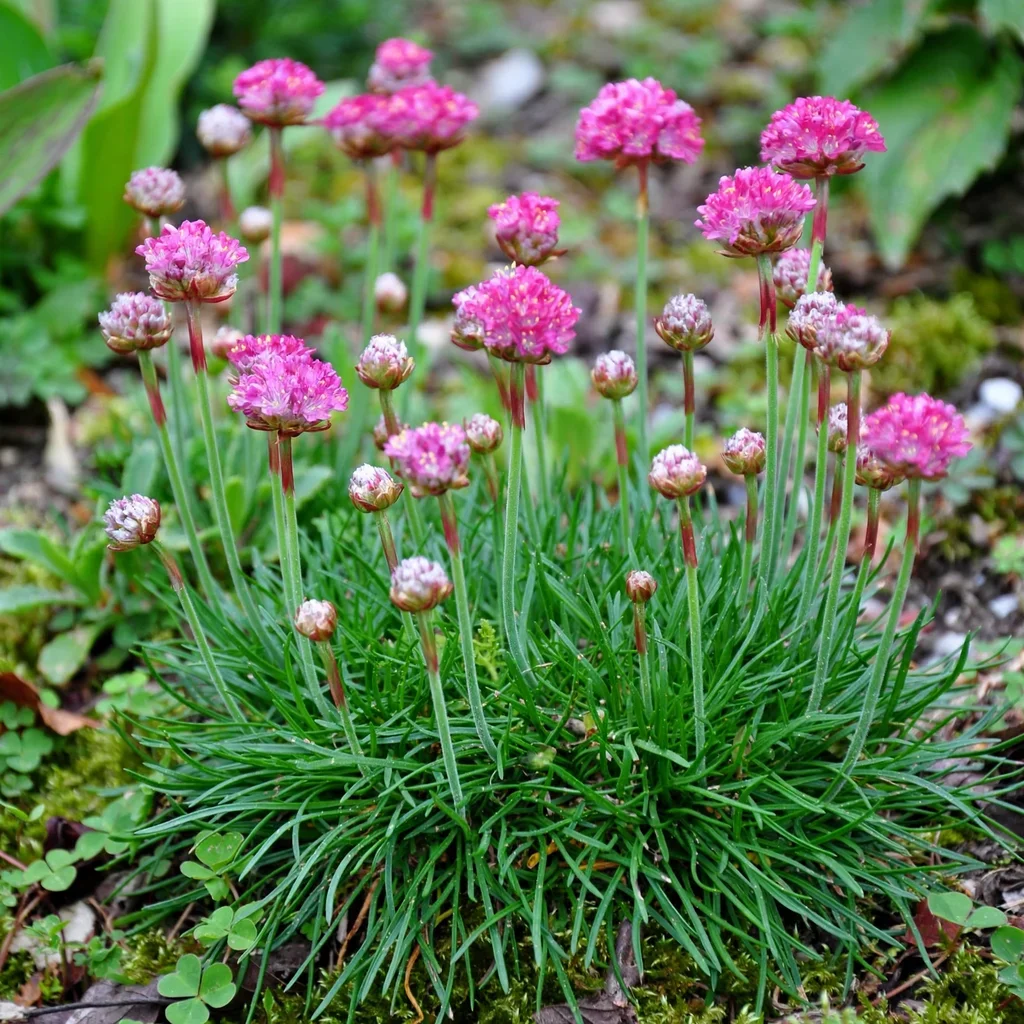
Morning Star Rose Sea Thrift
Armeria maritima 'Morning Star Rose'
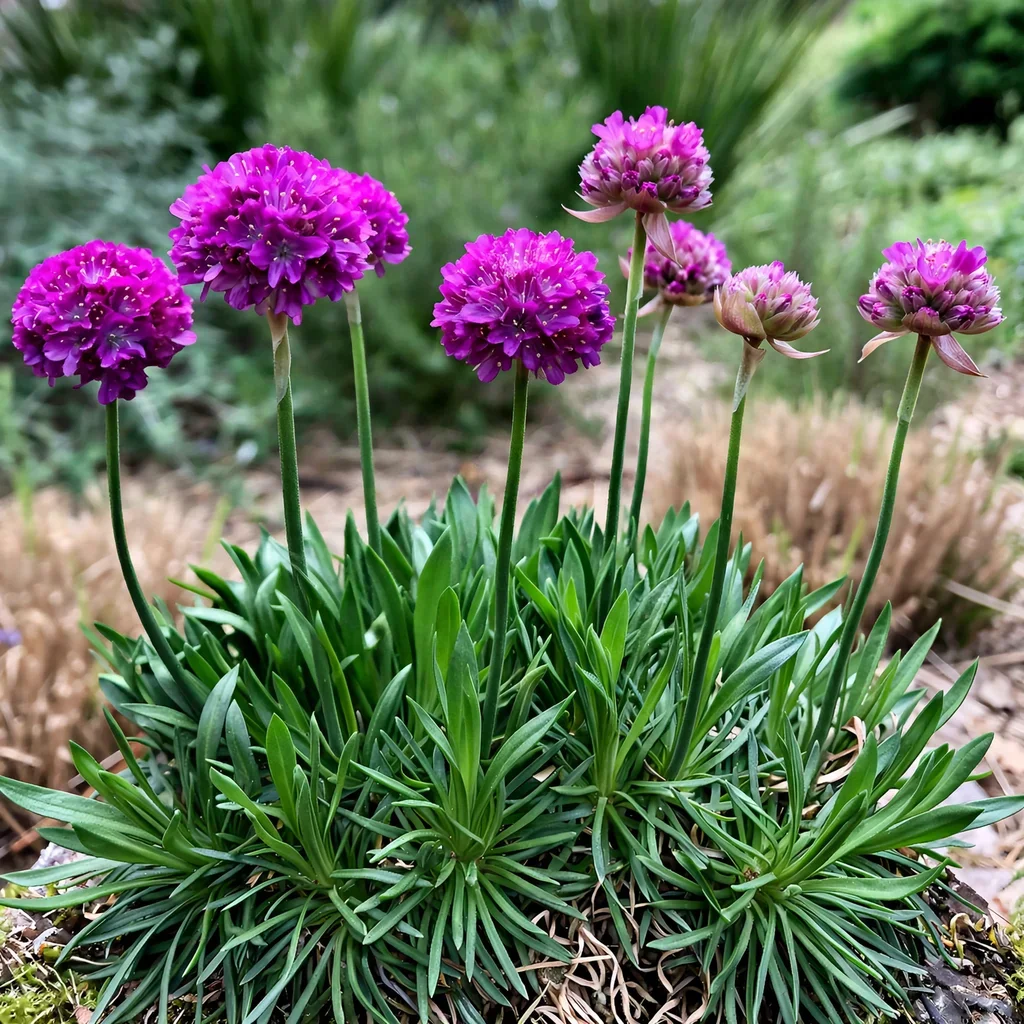
Sea Thrift Vivid Dreams
Armeria maritima 'Vivid Dreams'
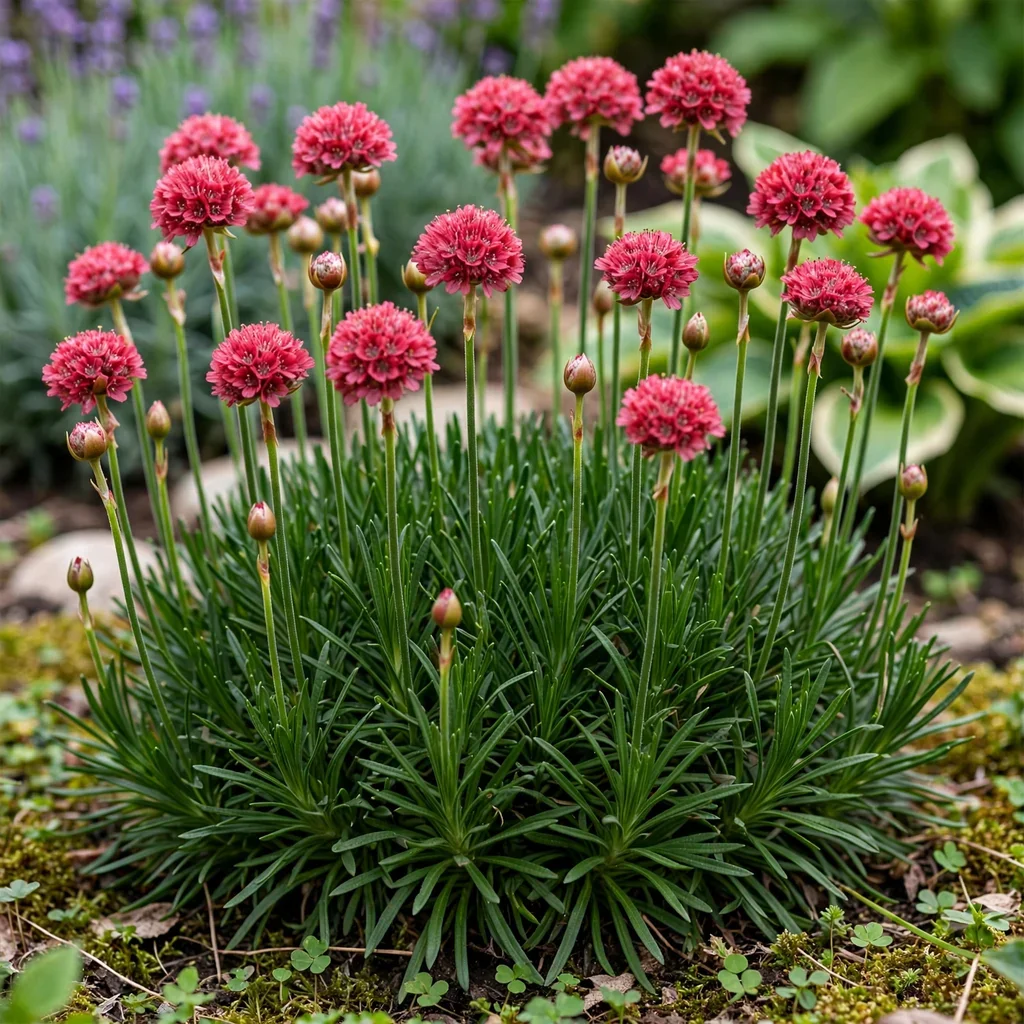
Ballerina Red Sea Thrift
Armeria maritima 'Ballerina Red'
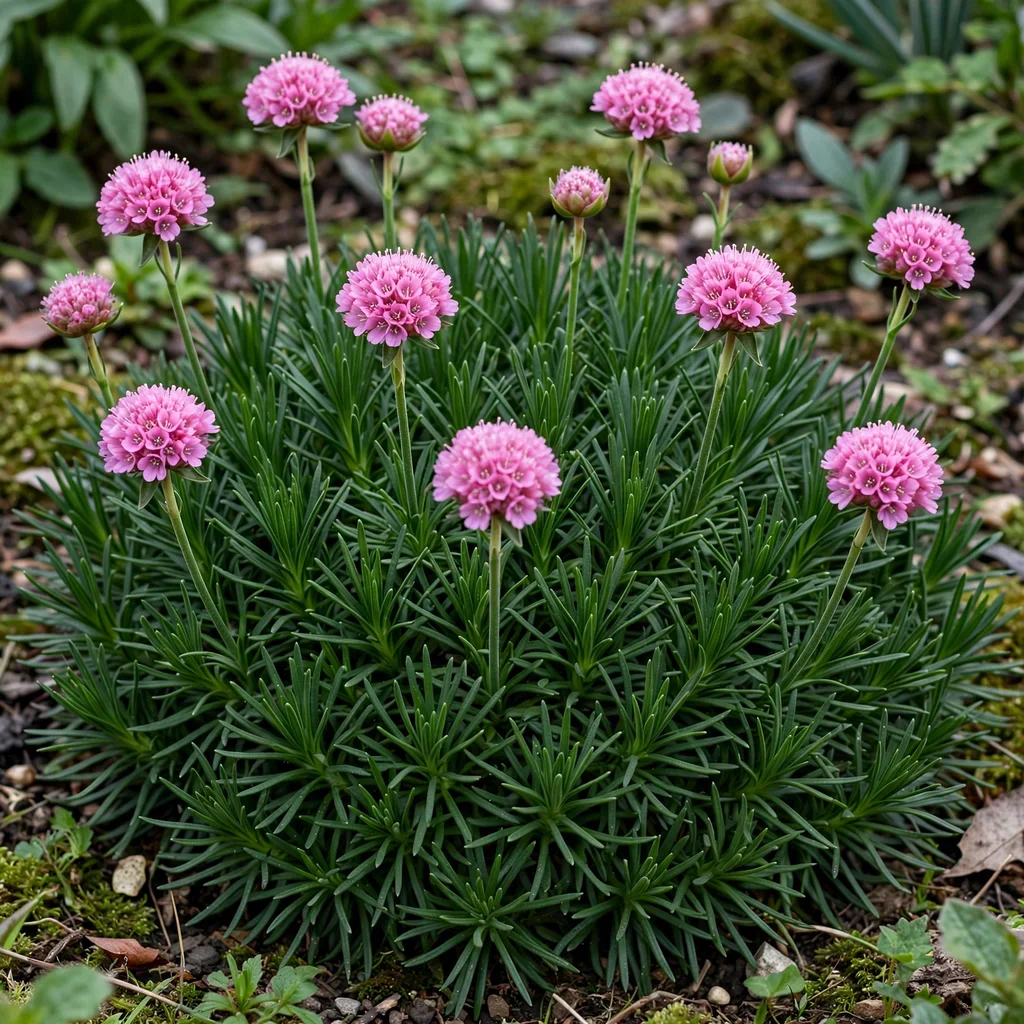
Dreamland Sea Thrift
Armeria maritima 'Dreamland'
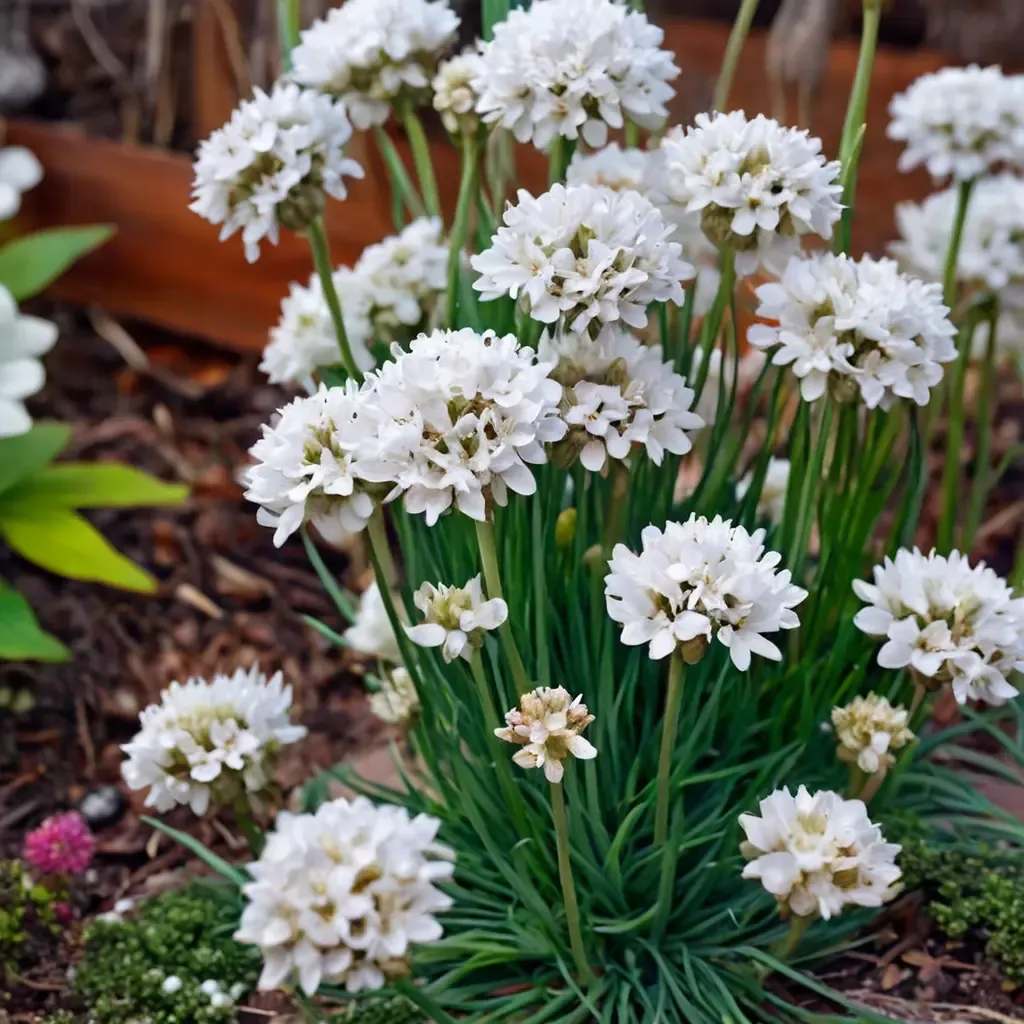
Ballerina White Sea Thrift
Armeria maritima 'Ballerina White'
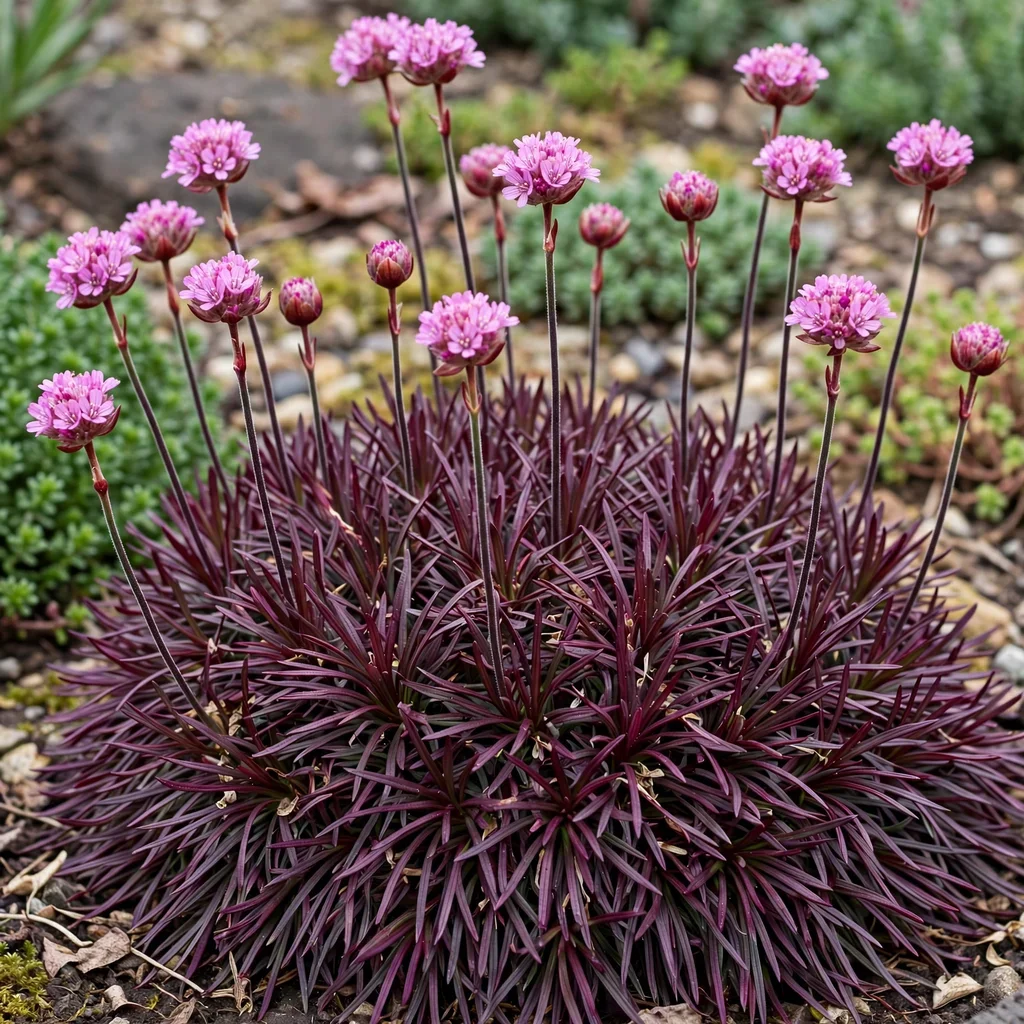
Red Leaf Sea Thrift
Armeria maritima 'Rubrifolia'
Keep exploring
Explore the genus
Grow Sea Thrift with confidence
See it in a design of your actual yard, get zone-matched care reminders, and track it season by season in your garden journal.