



The Story
Plant Bio
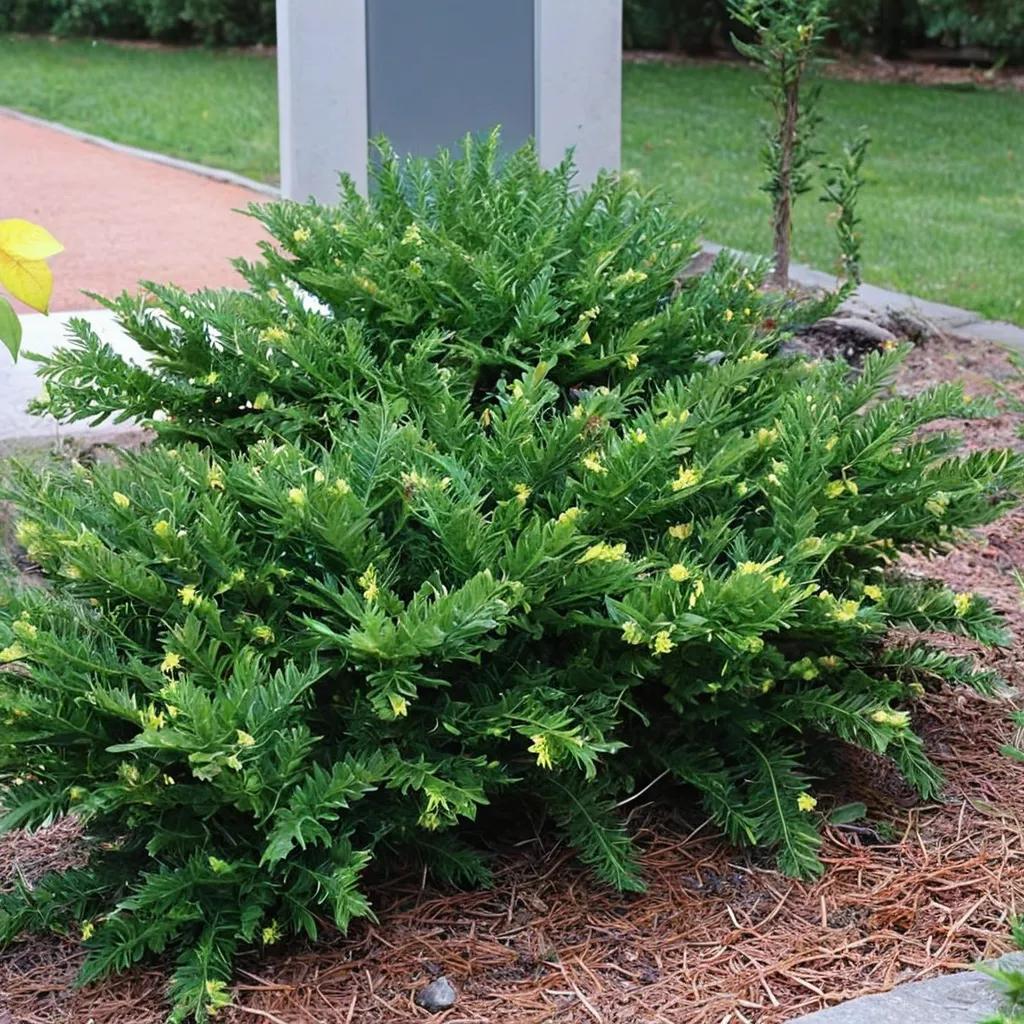
Cephalotaxus harringtonia is a durable, shade-tolerant conifer with dark green, linear needles. It serves as a superb alternative to other evergreens in challenging shady locations.
'Fastigiata' is a distinct cultivar with a strong, upright, columnar form. Its needles are arranged radially around the vertical stems, creating a unique, bottlebrush-like texture and a strong vertical accent.
Uses & Benefits:
Essentials
At a Glance
Plant Type
Shrub
Height
108"
Width
48"
Light
Full Sun, Partial Sun, Shade
Zones
6, 7, 8, 9
Water
Medium
Humidity
Tolerant of high humidity
Lifespan
Long-lived
Native To
Japan, Korea, China
Toxicity
Non-toxic, unlike true yews (Taxus).
Marketplace
Where to Buy
Shipping costs Year-round shipping Free shipping
Planting
How to Grow
- Choose a site with well-drained soil in partial to full shade.
- Dig a hole that is twice as wide as the container but just as deep.
- Gently loosen the roots if they are circling the pot.
- Place the plant in the hole, making sure the root flare is at soil level.
- Backfill with soil, firm it gently, and water thoroughly.
- Apply a layer of mulch to conserve moisture, keeping it off the stems.
Pro Tip
Its narrow form is perfect for adding height and structure to tight spaces where other plants won't fit.
Keep It Thriving
Care Guide
Do
- Plant in a location protected from harsh winter winds and hot afternoon sun.
- Provide consistent moisture during the first few years of establishment.
- Use it to create a formal, vertical element in a shade garden design.
- Allow it to grow to its natural form with minimal pruning.
Don't
- Do not plant in poorly drained or constantly wet soil.
- Avoid full sun locations, which can cause the needles to burn.
- Don't shear it like a formal hedge; this will ruin its natural form.
- Avoid letting it dry out completely during periods of drought.
Seasonal Care Calendar
| Task | Jan | Feb | Mar | Apr | May | Jun | Jul | Aug | Sep | Oct | Nov | Dec |
|---|---|---|---|---|---|---|---|---|---|---|---|---|
| Prune | ||||||||||||
| Winter Prep |
Watch Out For
Pests & Diseases
Common Pests
Common Diseases
In the Garden
Landscape Uses & Companions
Landscape Uses
Multiply
Propagation Methods
Good to Know
Common Questions
Upright Japanese Plum Yew questions
What zones can Upright Japanese Plum Yew grow in?
Upright Japanese Plum Yew is hardy in USDA Zones 6–9. Inside that range it survives winter in the ground; outside it, grow it as an annual or a container plant you protect.
Is Upright Japanese Plum Yew deer resistant?
Yes — Upright Japanese Plum Yew is rated deer-resistant. Deer typically pass it over, though extreme hunger can override any plant's defenses.
Does Upright Japanese Plum Yew need full sun?
Upright Japanese Plum Yew does best in full sun to part shade. In hot climates, afternoon shade keeps blooms fresher longer.
Is Upright Japanese Plum Yew drought tolerant?
Yes — once established (usually after the first full season), Upright Japanese Plum Yew handles dry spells with minimal watering. Water deeply its first year to build the root system that makes that possible.
More Cephalotaxus to compare
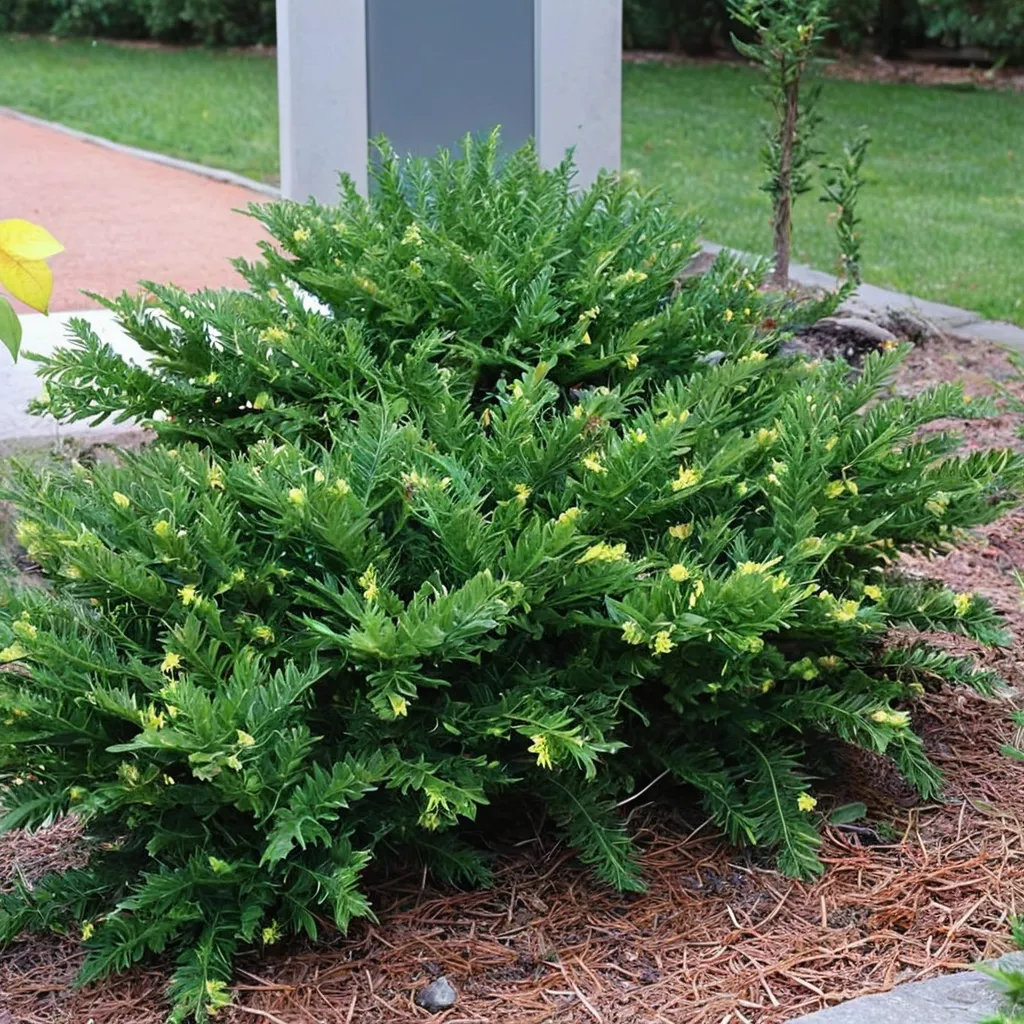
Duke Gardens Plum Yew
Cephalotaxus harringtonia 'Duke Gardens'
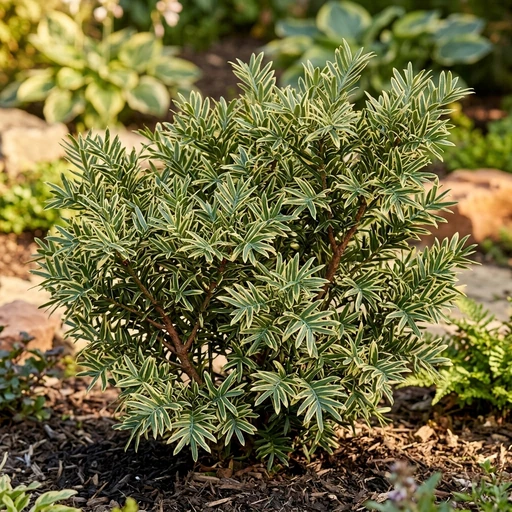
Yewtopia Plum Yew
Cephalotaxus harringtonia 'Plania'
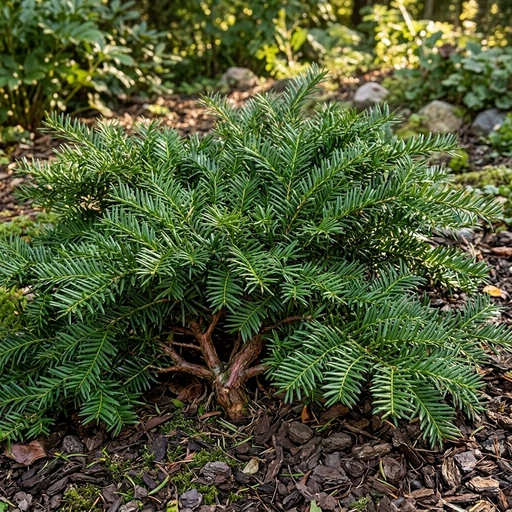
Spreading Japanese Plum Yew
Cephalotaxus harringtonia 'Prostrata'
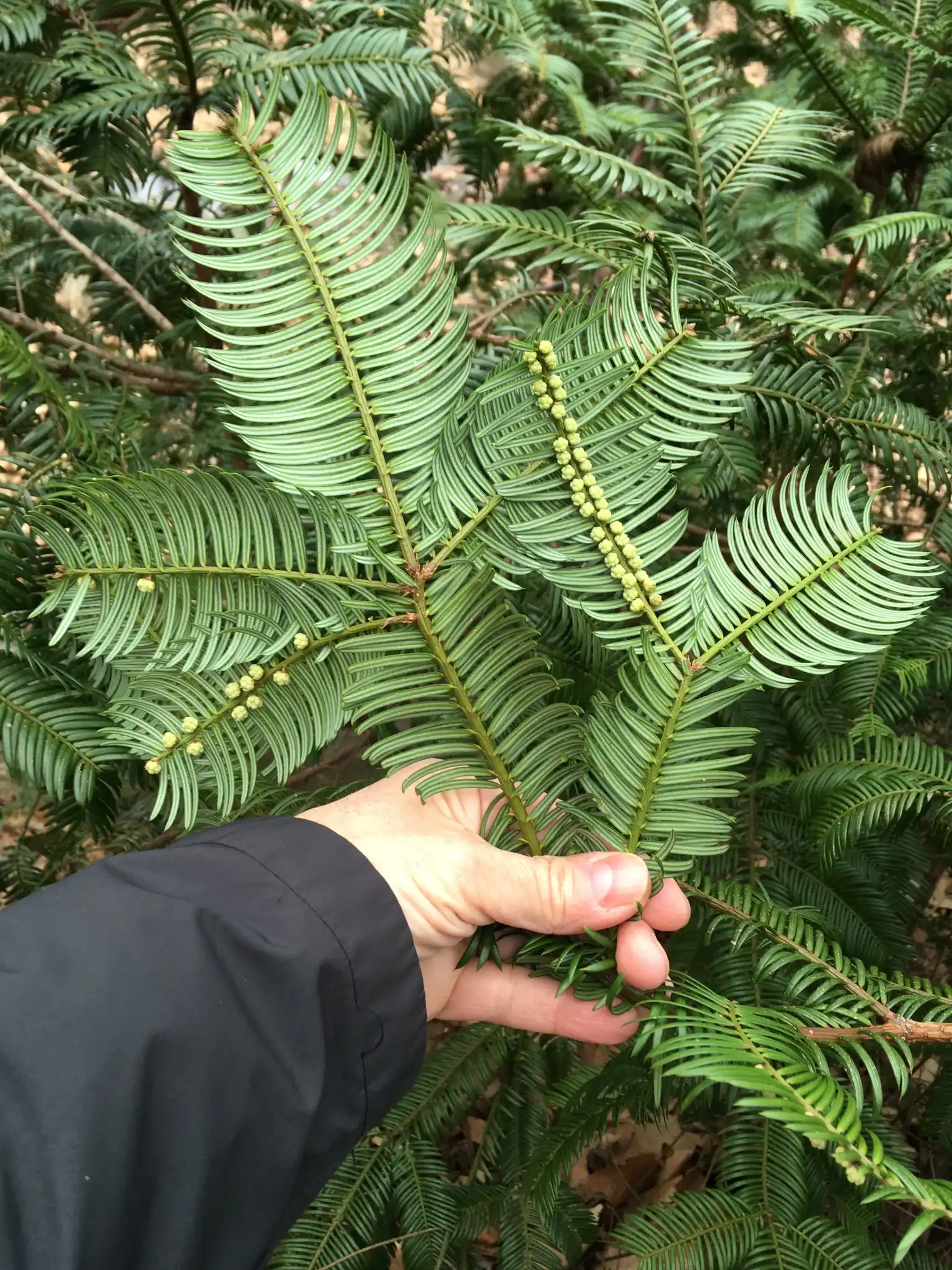
Japanese Plum Yew
Cephalotaxus harringtonia
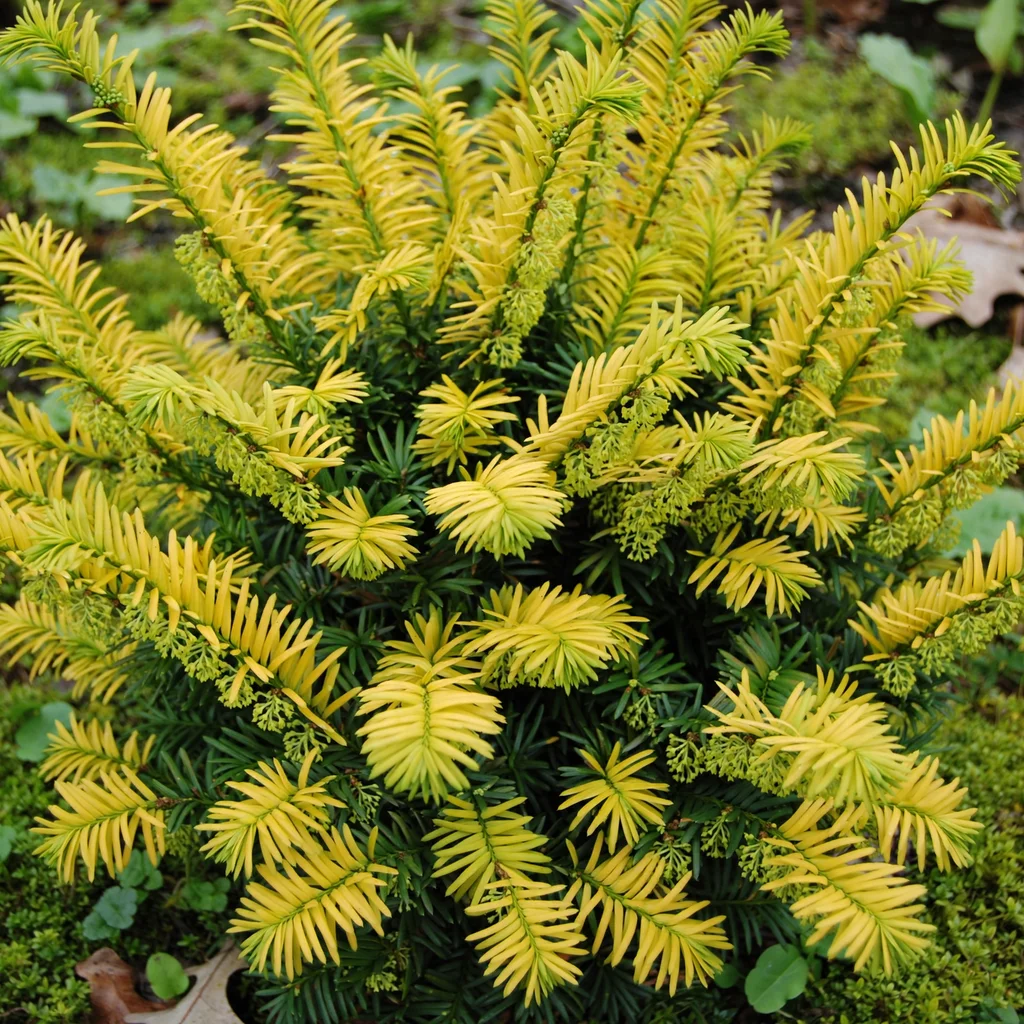
Golden Dragon Japanese Plum Yew
Cephalotaxus harringtonia 'Golden Dragon'
Keep exploring
Explore the genus
Hardy in your zone?
Grow Upright Japanese Plum Yew with confidence
See it in a design of your actual yard, get zone-matched care reminders, and track it season by season in your garden journal.