

The Story
Plant Bio
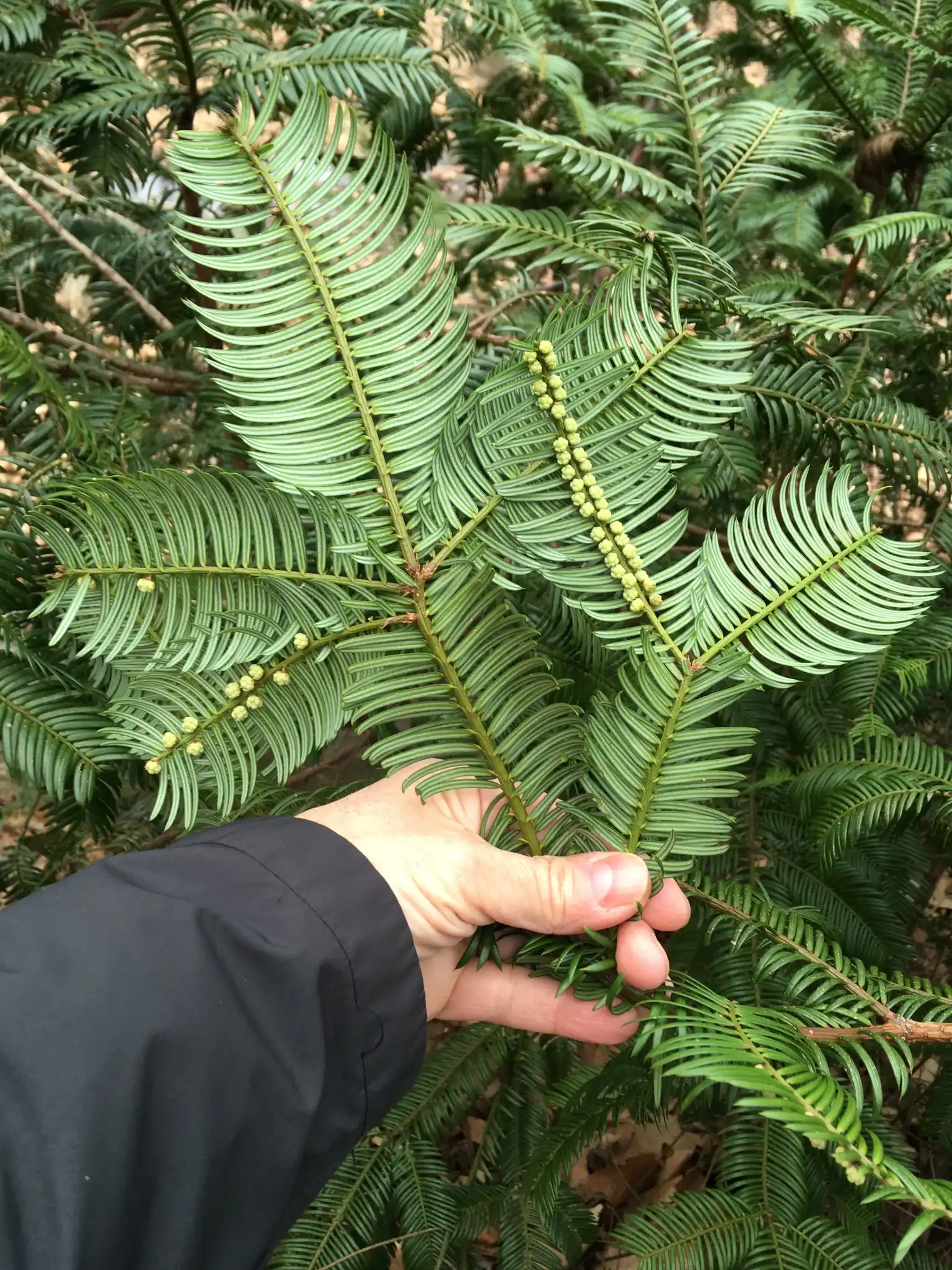
Cephalotaxus harringtonia, Japanese plum yew, is a slow-growing needled evergreen shrub or small tree from Assam and China, reaching about 5 to 10 ft tall and 5 to 14 ft wide. The habit is arching and open, with fine-textured dark needles arranged along the shoots. Female plants carry olive-like fleshy seeds resembling small plums.
It looks like a yew but takes far more summer heat and humidity, which makes it the practical substitute across the south where Taxus struggles. NCSU records it as particularly resistant to deer damage, and it will grow in anything from deep shade to full sun. It is not edible and should be treated as potentially toxic.
Uses & Benefits:
Essentials
At a Glance
Plant Type
Shrub
Height
90"
Width
114"
Light
Full Sun, Partial Sun, Shade
Zones
6, 7, 8, 9
Water
Low to medium; drought tolerant once established
Humidity
Tolerates hot humid summers better than yew
Lifespan
Long-lived; many decades
Native To
Assam and central, southern and southeastern China
Toxicity
Not edible; treat as potentially toxic
Planting
How to Grow
- Choose any aspect from deep shade to full sun; shade suits it best.
- Plant into well-drained soil of any pH, including clay or sand.
- Allow up to 14 ft of width for the spreading species form.
- Water in well and keep moist through the first two seasons.
- Mulch to conserve moisture; established plants tolerate dry soil.
- Prune only lightly in spring; growth is slow and does not need much.
Pro Tip
This is the yew substitute that takes southern heat and humidity, so use it where Taxus browns out each summer.
Keep It Thriving
Care Guide
Do
- Use it in deep shade where few conifers hold their colour 🌑
- Plant it where deer browse other evergreens 🦌
- Give it free drainage in any soil type 🪨
- Allow full width rather than clipping it hard 🌿
Don't
- Do not plant it in waterlogged ground ❌
- Do not expect fast cover; growth is genuinely slow ❌
- Do not eat the plum-like seeds; they are not edible ❌
Seasonal Care Calendar
| Task | Jan | Feb | Mar | Apr | May | Jun | Jul | Aug | Sep | Oct | Nov | Dec |
|---|---|---|---|---|---|---|---|---|---|---|---|---|
| Light Pruning | ||||||||||||
| Mulch |
Watch Out For
Pests & Diseases
Common Pests
Common Diseases
In the Garden
Landscape Uses & Companions
Landscape Uses
Multiply
Propagation Methods
Good to Know
Common Questions
Japanese Plum Yew questions
What zones can Japanese Plum Yew grow in?
Japanese Plum Yew is hardy in USDA Zones 6–9. Inside that range it survives winter in the ground; outside it, grow it as an annual or a container plant you protect.
Is Japanese Plum Yew deer resistant?
Yes — Japanese Plum Yew is rated deer-resistant. Deer typically pass it over, though extreme hunger can override any plant's defenses.
When does Japanese Plum Yew bloom?
Japanese Plum Yew typically blooms in non-flowering; fleshy seeds on female plants. Exact timing shifts a week or two with your zone — Sow's bloom calendar maps it to your garden.
Does Japanese Plum Yew need full sun?
Japanese Plum Yew does best in full sun to part shade. In hot climates, afternoon shade keeps blooms fresher longer.
Is Japanese Plum Yew drought tolerant?
Yes — once established (usually after the first full season), Japanese Plum Yew handles dry spells with minimal watering. Water deeply its first year to build the root system that makes that possible.
More Cephalotaxus to compare
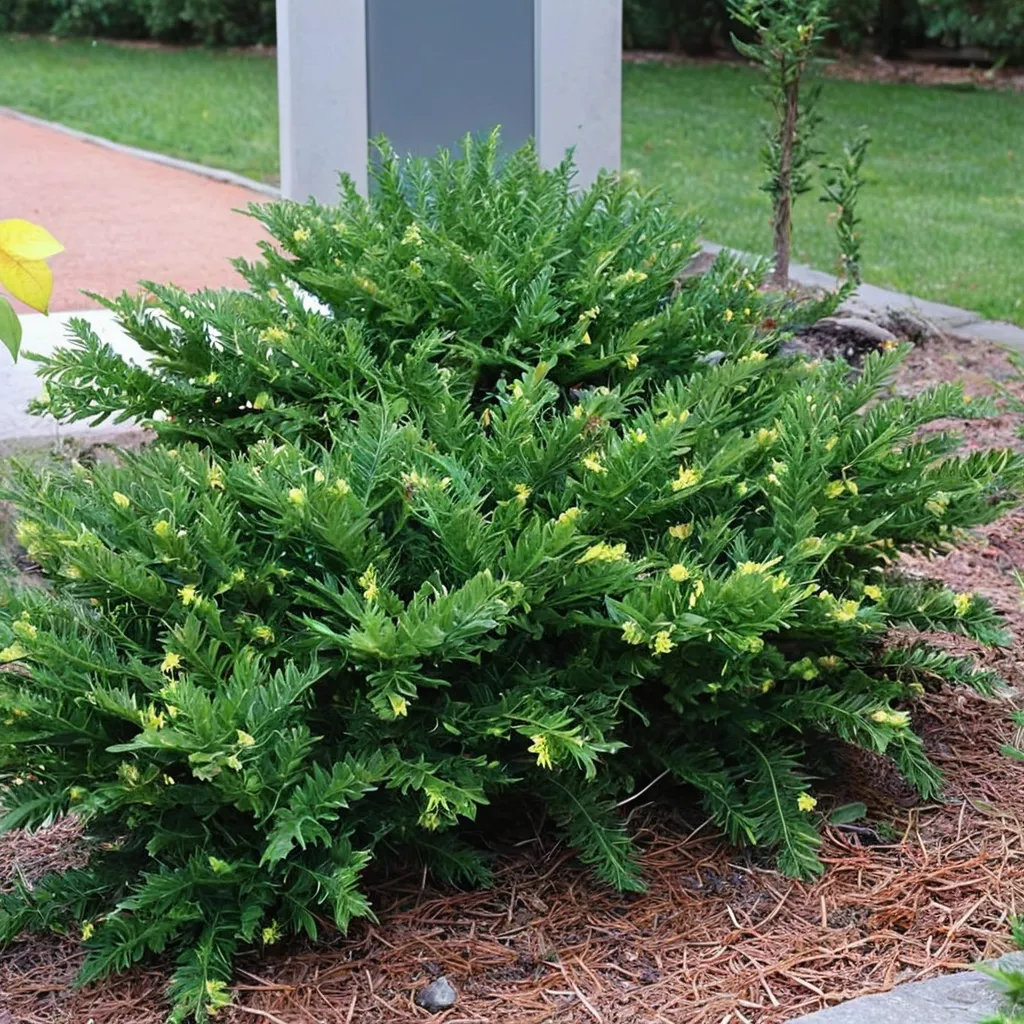
Duke Gardens Plum Yew
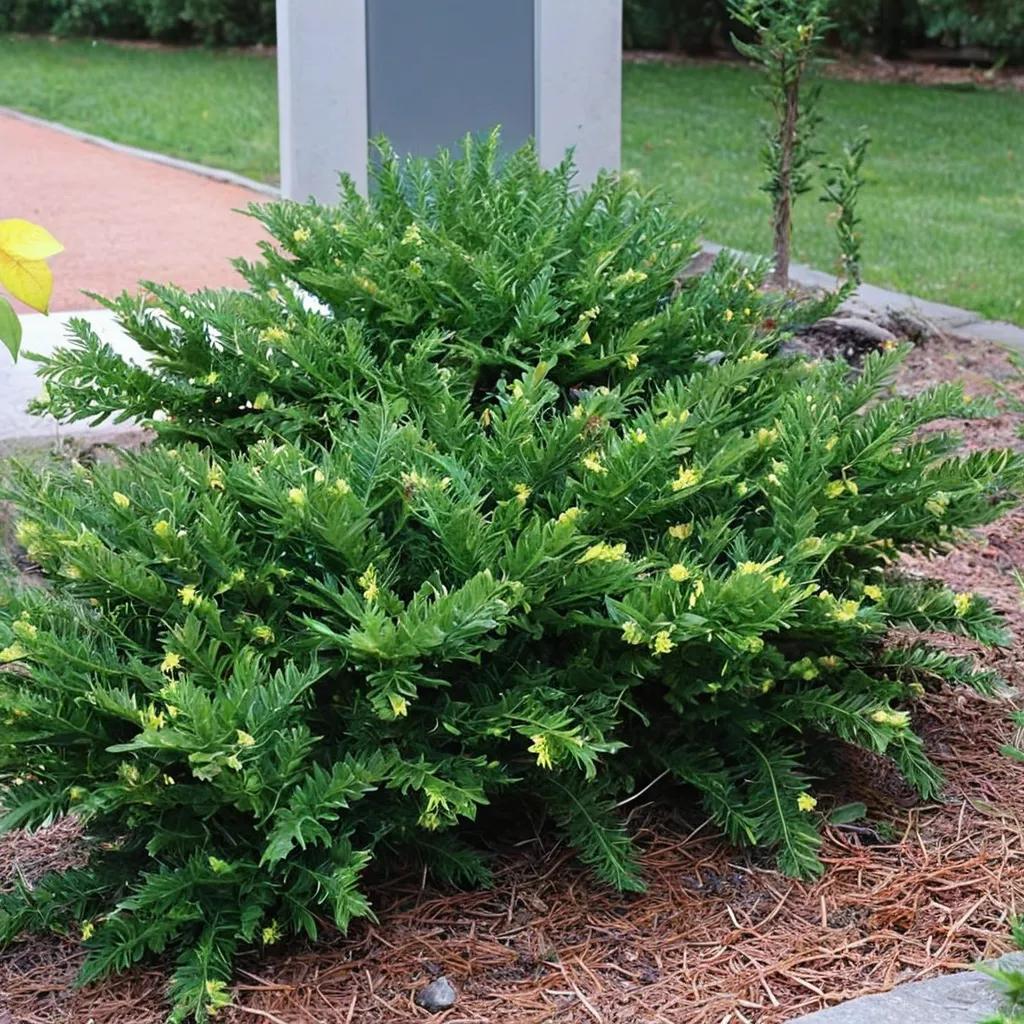
Cephalotaxus harringtonia 'Duke Gardens'
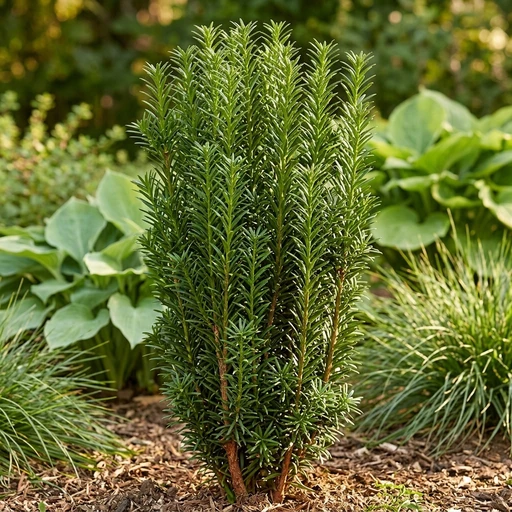
Upright Japanese Plum Yew
Cephalotaxus harringtonia 'Fastigiata'
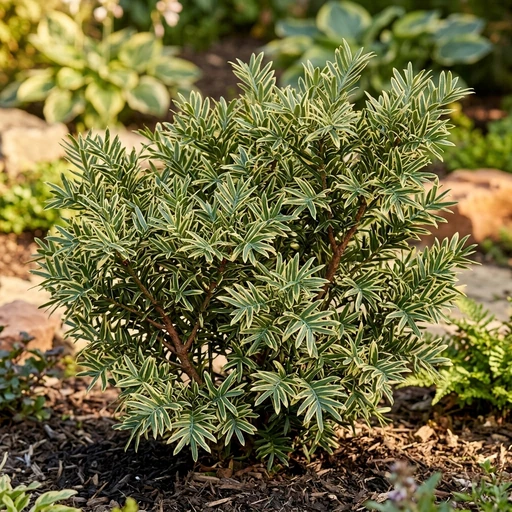
Yewtopia Plum Yew
Cephalotaxus harringtonia 'Plania'
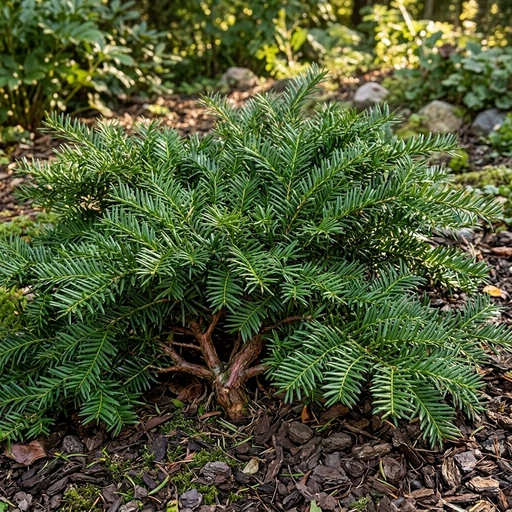
Spreading Japanese Plum Yew
Cephalotaxus harringtonia 'Prostrata'
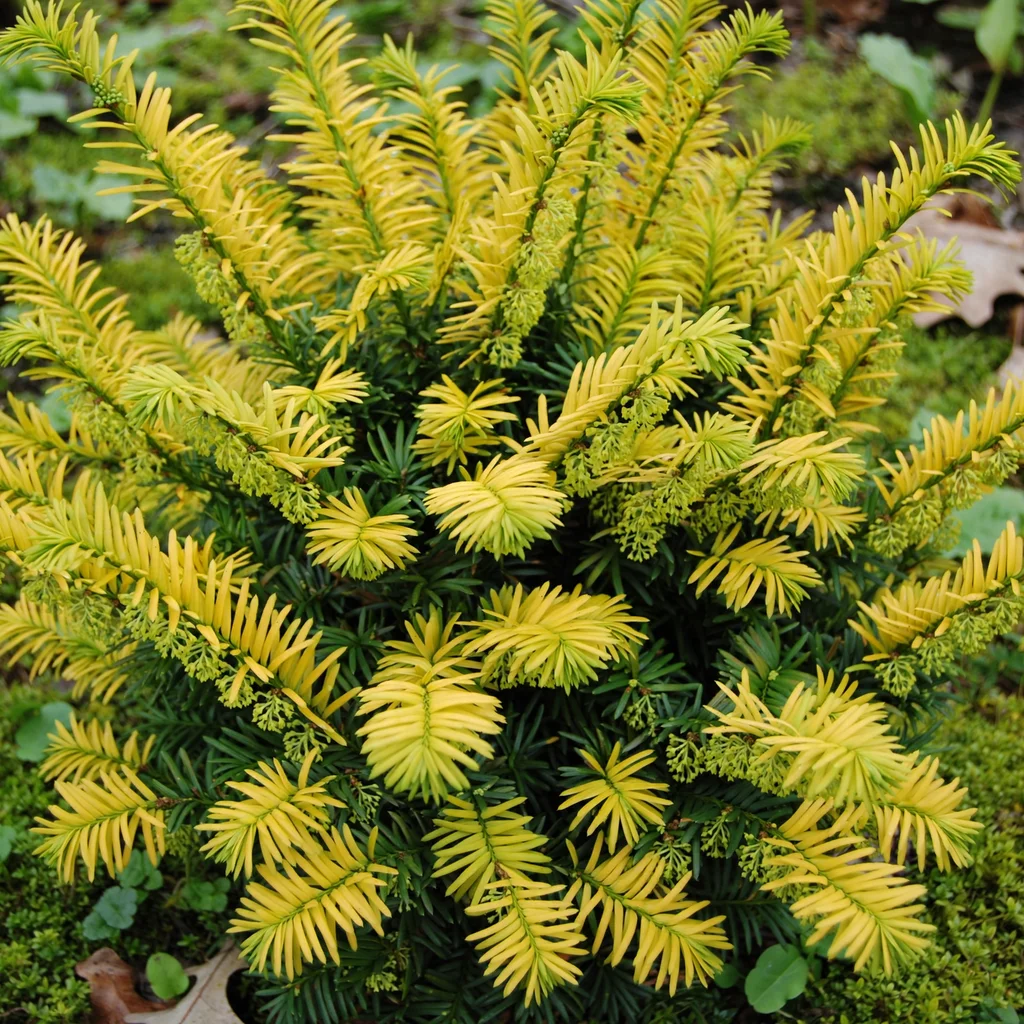
Golden Dragon Japanese Plum Yew
Cephalotaxus harringtonia 'Golden Dragon'
Keep exploring
Explore the genus
Hardy in your zone?
Grow Japanese Plum Yew with confidence
See it in a design of your actual yard, get zone-matched care reminders, and track it season by season in your garden journal.