Also known as Plum Yew · 64 saves
Cephalotaxus
Cephalotaxus, the genus most gardeners know as plum yew. We track 6 varieties; the ones most used by real gardeners.
The 6 most-saved Cephalotaxus varieties
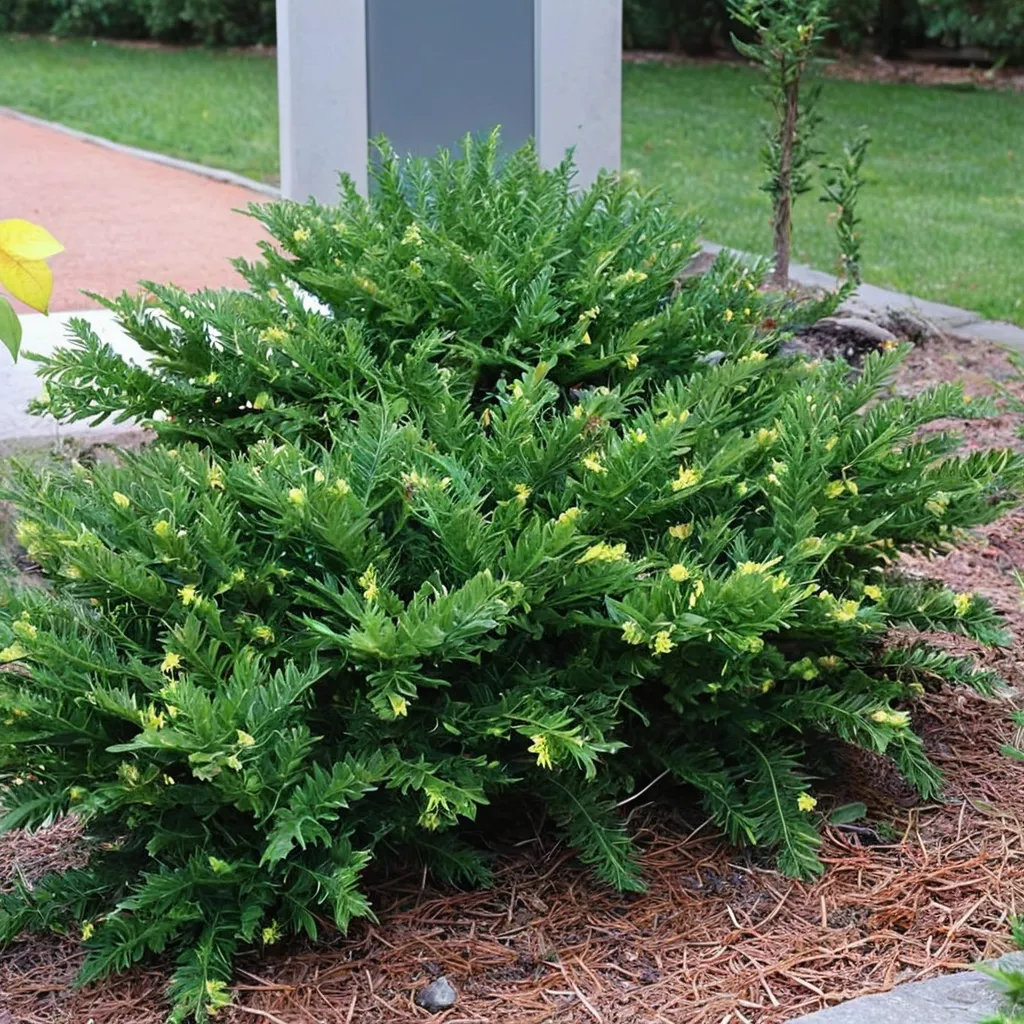
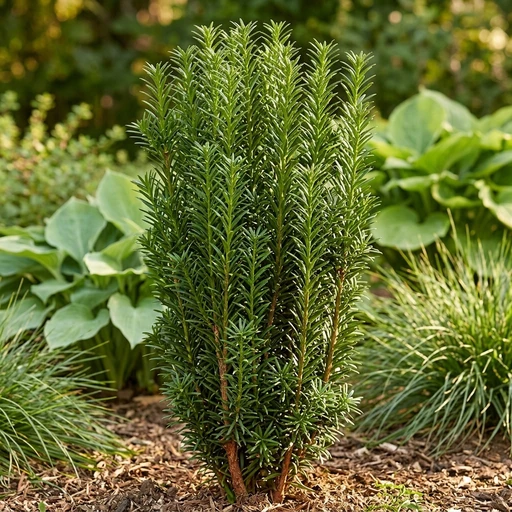
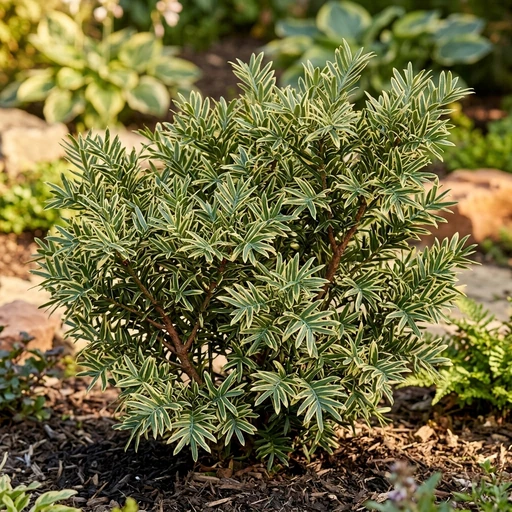
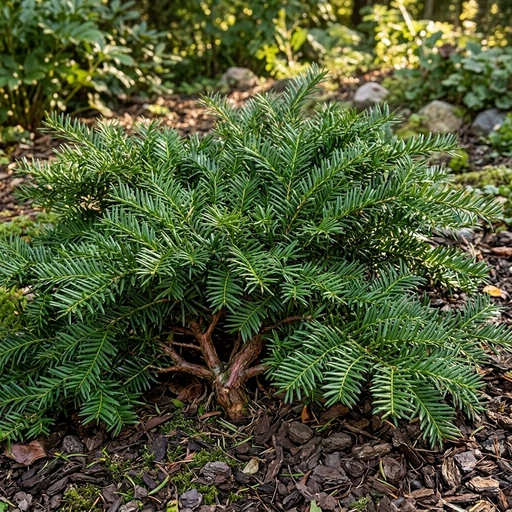
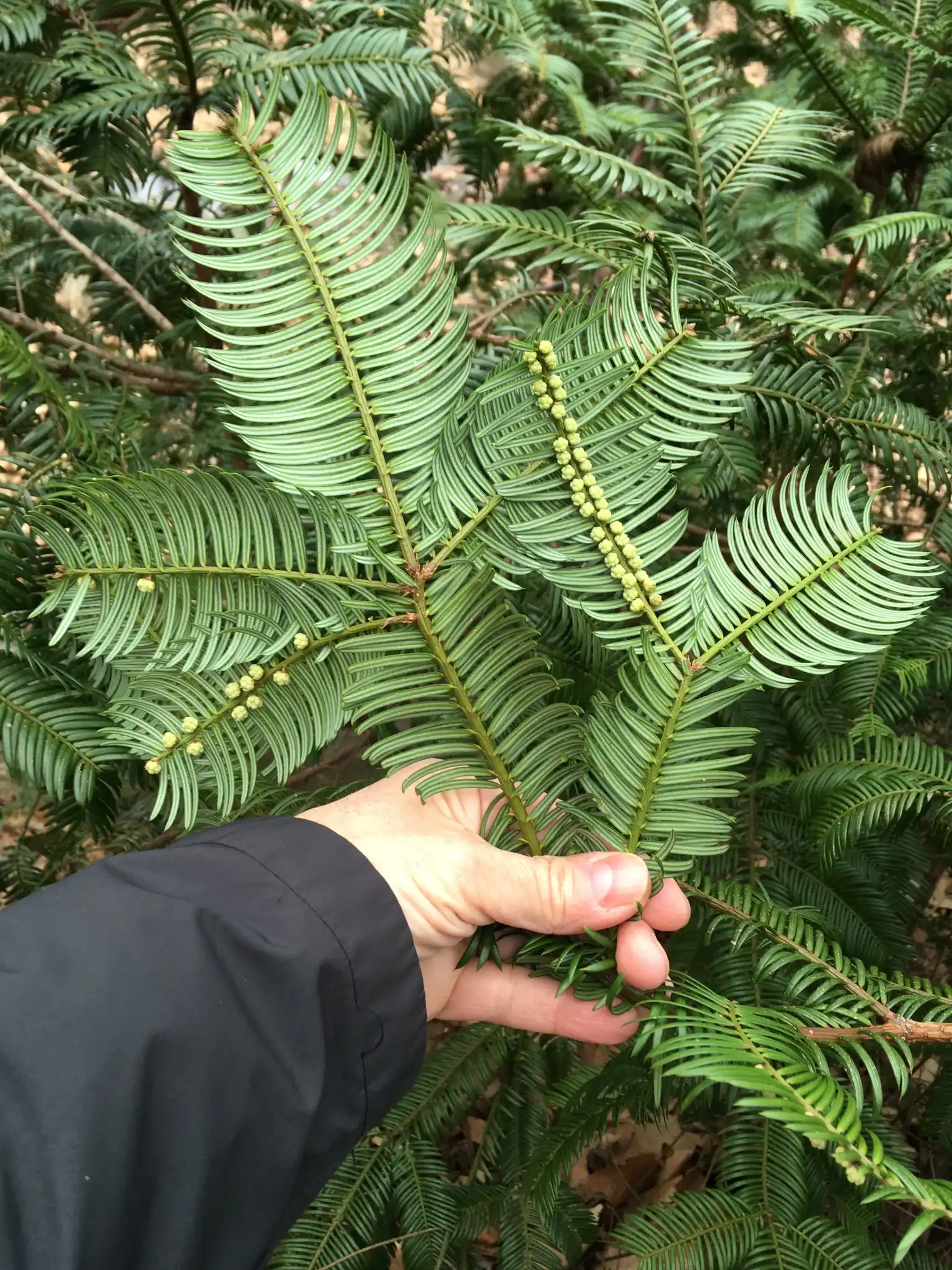
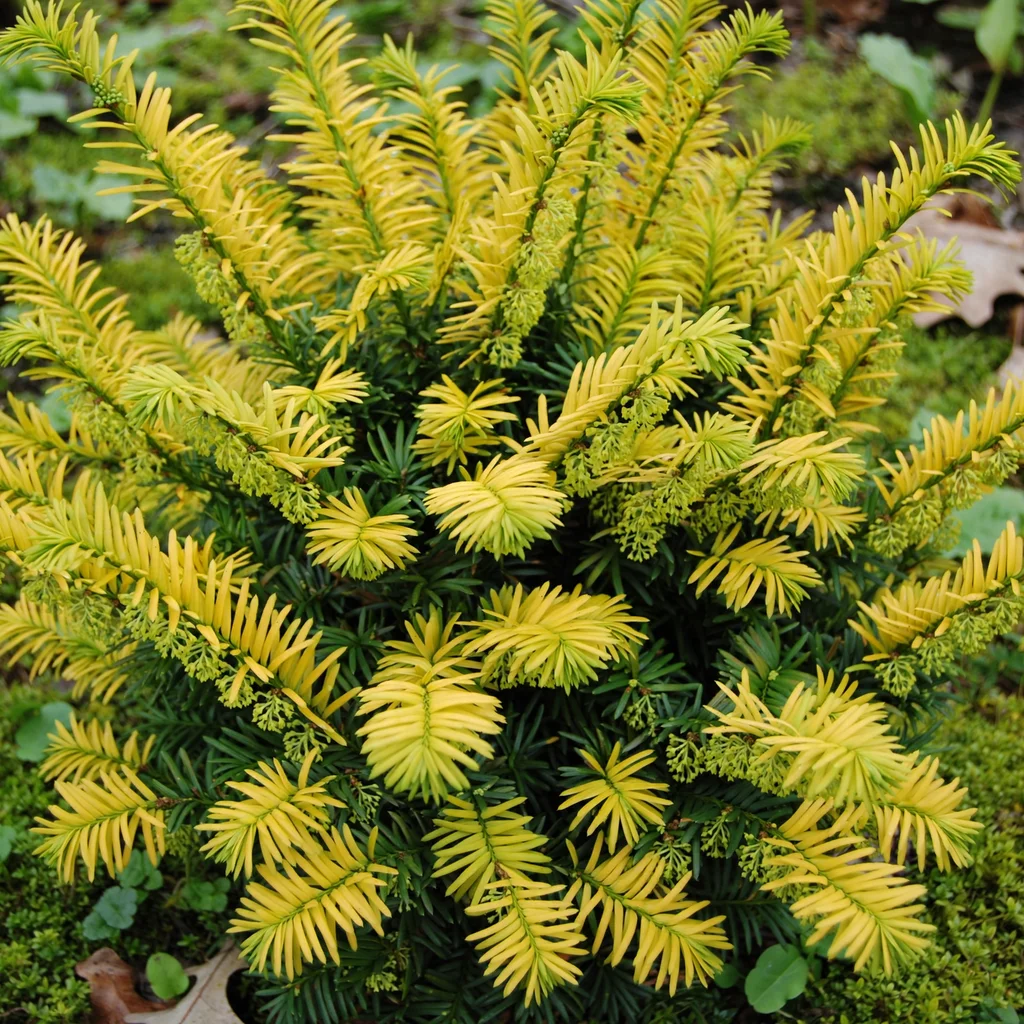
Species of Cephalotaxus
Each one is a parent of the varieties above.
Track your Cephalotaxus in Sow
Save the Cephalotaxus you grow and get care reminders timed to your zone.
How to grow Cephalotaxus
Whats common across all Cephalotaxus varieties in our catalog — drawn from the care records of the 6 most-grown of them.
The Cephalotaxus year
- PruneMarch and April83% of varieties
Remove dead, damaged, or stray branches in late winter before spring growth begins.
- MulchApril, May and November67% of varieties
Refresh organic mulch around the root zone to conserve soil moisture and moderate temperatures.
- FertilizeApril33% of varieties
Apply a balanced, slow-release evergreen fertilizer around the drip line in early spring.


Do
- Provide well-drained soil to prevent fungal root rot.
- Ensure several hours of direct sun daily to maintain vibrant golden foliage.
- Apply a balanced slow-release fertilizer in early spring if soil fertility is poor.
- Water during dry spells 🌱
- Prune to maintain shape after new growth
Avoid
- Do not cut back into old leafless interior wood, as it fails to break new buds.
- Do not plant in poorly drained or waterlogged soils.
- Do not over-prune; allow the naturally arching, mounding form to develop.
- Don’t overwater in winter ❌
What goes wrong with Cephalotaxus
| Problem | What you'll see | What to do |
|---|---|---|
| Scale insects | Small immobile brown or white bumps on stems and undersides of needles. | — |
| Scale Insects | Small bumps on stems, sometimes with sticky honeydew. Generally rare on this plant. | Apply horticultural oil during the dormant season. Manually remove small infestations. |
| Spider mites | Fine webbing and stippled or dull foliage during dry, hot weather. | — |
| Scale | Small bumps on stems, sometimes with sticky honeydew. Pests are rare on this plant. | Scrape off by hand for light infestations. Apply horticultural oil in the dormant season for heavier ones. |
| Root Rot | Yellowing foliage, lack of vigor, and eventual death. | Caused by waterlogged soil. There is no cure; prevention through proper site selection is essential. |
| Root rot (Phytophthora spp.) | Foliage yellowing, sudden wilting, and stem dieback in wet soil. | — |
| Root rot | Wilting and browning foliage | Improve drainage and reduce watering |
Making more Cephalotaxus
Semi-hardwood cuttings
- Take 4- to 6-inch semi-hardwood cuttings from mature current-season growth in late summer.
- Strip lower foliage and dip the cut stem end into rooting hormone powder.
- Insert cuttings into a moist, well-draining medium of perlite and peat under high humidity.
- Keep shaded until roots form, then pot up into individual nursery containers.
Cuttings
- Take semi-hardwood cuttings in late summer.
- Dip in rooting hormone.
- Plant in moist, well-drained soil.
- Keep soil humid for 6 weeks.
Cephalotaxus questions
How many types of Cephalotaxus are there?
The Sow catalog tracks 6 distinct Cephalotaxus varieties. The most popular — ranked by 64 real gardeners — are shown first above.
What zones does Cephalotaxus grow in?
Across its varieties, Cephalotaxus covers USDA Zones 6–9. Individual varieties differ — each plant page lists its exact range, and Sow filters the catalog to your zone automatically.
When does Cephalotaxus bloom?
Most Cephalotaxus varieties bloom in early spring, non-flowering; fleshy seeds on female plants, spring. Staggering early, mid, and late varieties extends the genus's season in one bed.
Which Cephalotaxus should I choose?
Start from the most-saved varieties above — popularity across thousands of gardens is a strong signal of reliability — then filter by your zone and sun. In the Sow app you can preview any of them in a photo of your actual yard before you buy.