



The Story
Plant Bio
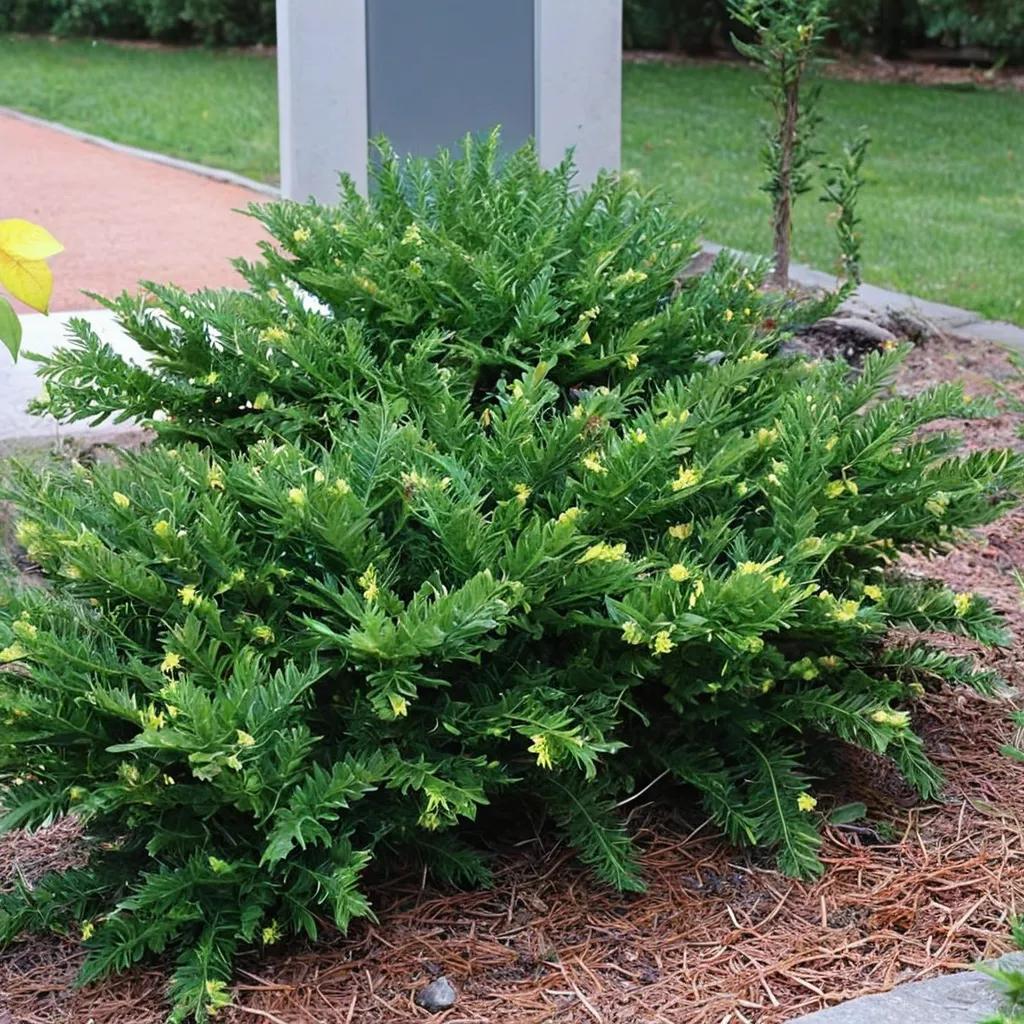
Cephalotaxus harringtonia is a slow-growing, shade-loving evergreen conifer with handsome, yew-like, dark green needles. It is exceptionally tolerant of heat, humidity, and shade.
'Prostrata' is a low-growing, spreading cultivar that forms a dense, vase-shaped mound. Its arching branches and dark green foliage provide excellent texture as a groundcover or foundation plant in shady areas.
Uses & Benefits:
Essentials
At a Glance
Plant Type
Shrub
Height
30"
Width
48"
Light
Full Sun, Partial Sun, Shade
Zones
6, 7, 8, 9
Water
Medium
Humidity
Tolerant of high humidity
Lifespan
Long-lived
Native To
Japan, Korea, China
Toxicity
Non-toxic, unlike true yews (Taxus).
Marketplace
Where to Buy
Shipping costs Year-round shipping Free shipping
Planting
How to Grow
- Select a location with partial to full shade and well-drained soil.
- Dig a hole twice as wide as the root ball.
- Amend the soil with compost to improve its structure and fertility.
- Set the plant at the same depth it was growing in the container.
- Backfill the hole and water deeply to settle the soil.
- Apply a 2-3 inch layer of mulch to conserve moisture.
Pro Tip
An excellent, deer-resistant and non-toxic substitute for yews (Taxus) in shady, southern gardens.
Keep It Thriving
Care Guide
Do
- Plant in a shady location, especially protecting it from hot afternoon sun.
- Provide consistent water until the plant is well-established.
- Use as a groundcover on shady slopes where grass will not grow.
- Appreciate its extreme resistance to deer and rabbits.
Don't
- Do not plant in waterlogged or poorly drained soils, which can cause root rot.
- Avoid planting in full, harsh sun, which can scorch the needles.
- Don't worry about heavy pruning; it rarely needs it.
- Avoid high-nitrogen fertilizers that can cause leggy growth.
Seasonal Care Calendar
| Task | Jan | Feb | Mar | Apr | May | Jun | Jul | Aug | Sep | Oct | Nov | Dec |
|---|---|---|---|---|---|---|---|---|---|---|---|---|
| Mulch | ||||||||||||
| Prune |
Watch Out For
Pests & Diseases
Common Pests
Common Diseases
In the Garden
Landscape Uses & Companions
Landscape Uses
Multiply
Propagation Methods
Good to Know
Common Questions
Spreading Japanese Plum Yew questions
What zones can Spreading Japanese Plum Yew grow in?
Spreading Japanese Plum Yew is hardy in USDA Zones 6–9. Inside that range it survives winter in the ground; outside it, grow it as an annual or a container plant you protect.
Is Spreading Japanese Plum Yew deer resistant?
Yes — Spreading Japanese Plum Yew is rated deer-resistant. Deer typically pass it over, though extreme hunger can override any plant's defenses.
Does Spreading Japanese Plum Yew need full sun?
Spreading Japanese Plum Yew does best in full sun to part shade. In hot climates, afternoon shade keeps blooms fresher longer.
Is Spreading Japanese Plum Yew drought tolerant?
Yes — once established (usually after the first full season), Spreading Japanese Plum Yew handles dry spells with minimal watering. Water deeply its first year to build the root system that makes that possible.
More Cephalotaxus to compare
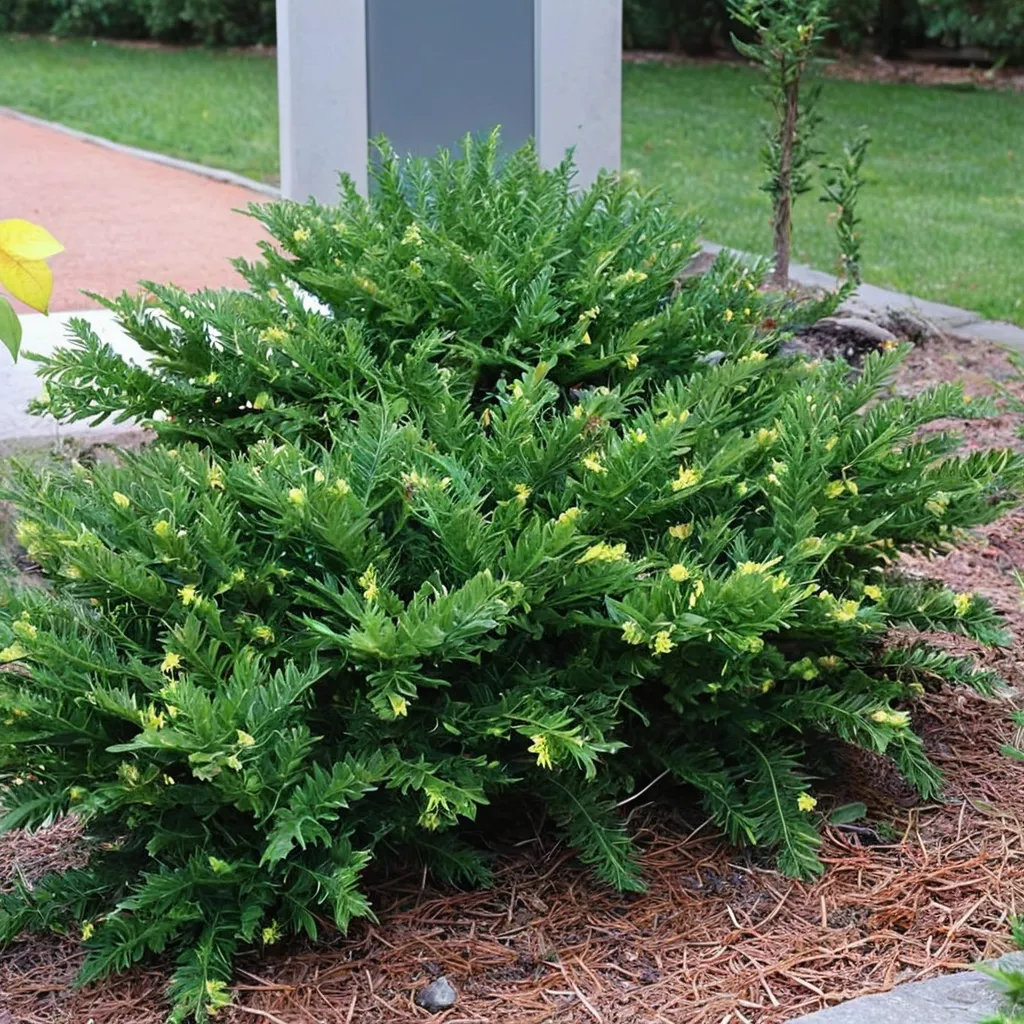
Duke Gardens Plum Yew
Cephalotaxus harringtonia 'Duke Gardens'
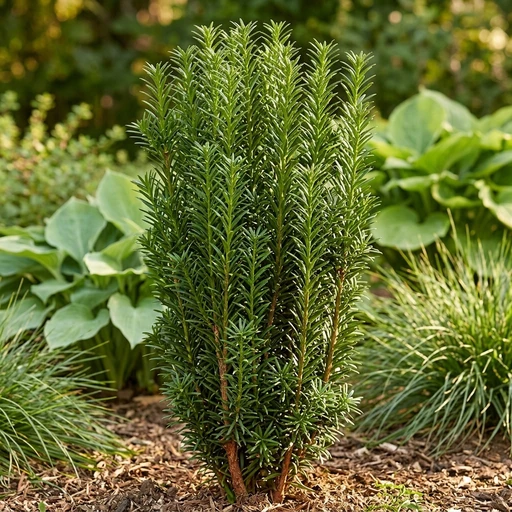
Upright Japanese Plum Yew
Cephalotaxus harringtonia 'Fastigiata'
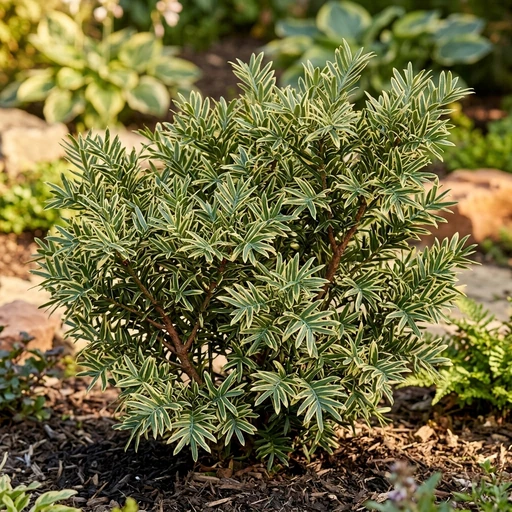
Yewtopia Plum Yew
Cephalotaxus harringtonia 'Plania'
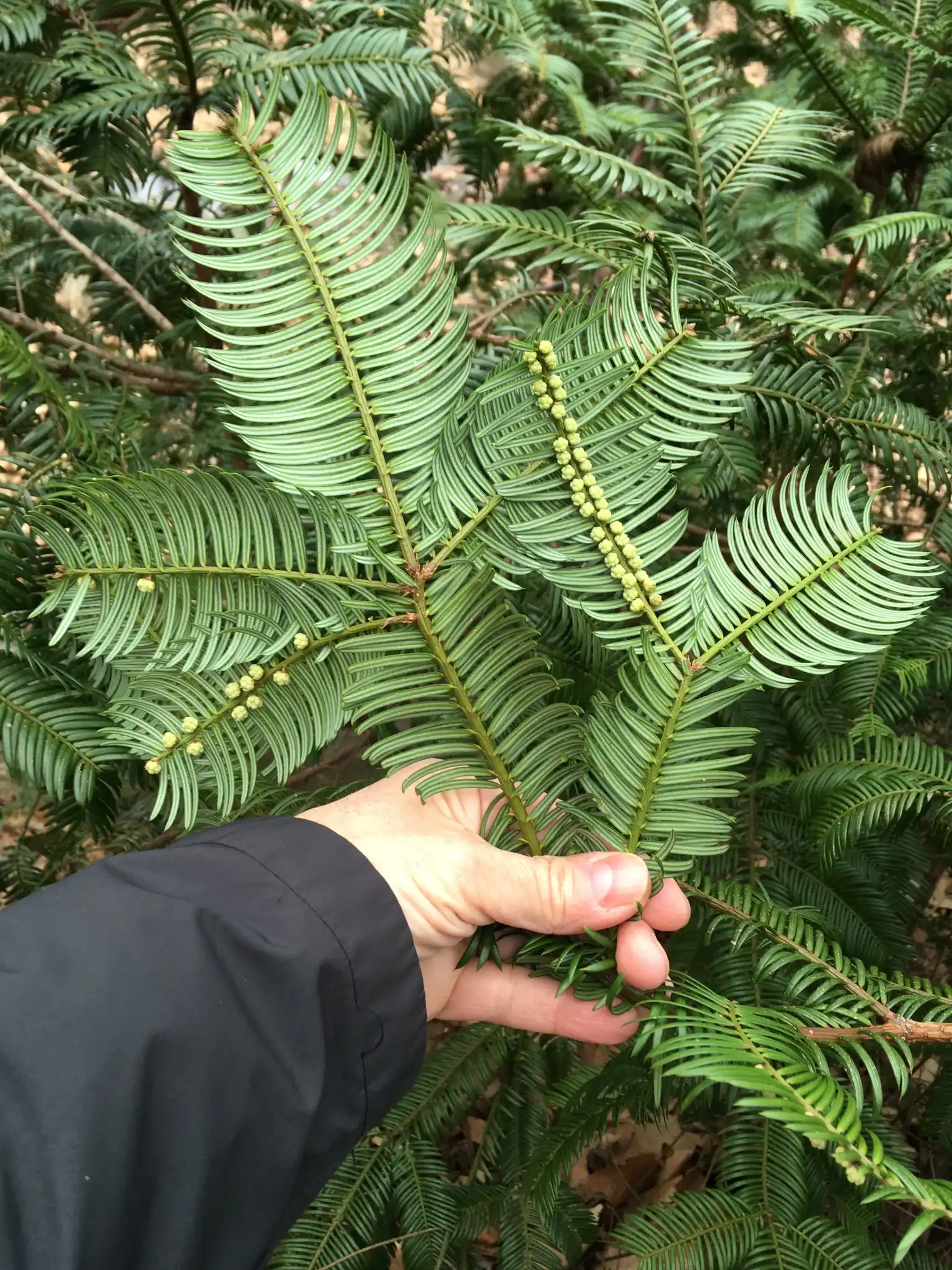
Japanese Plum Yew
Cephalotaxus harringtonia
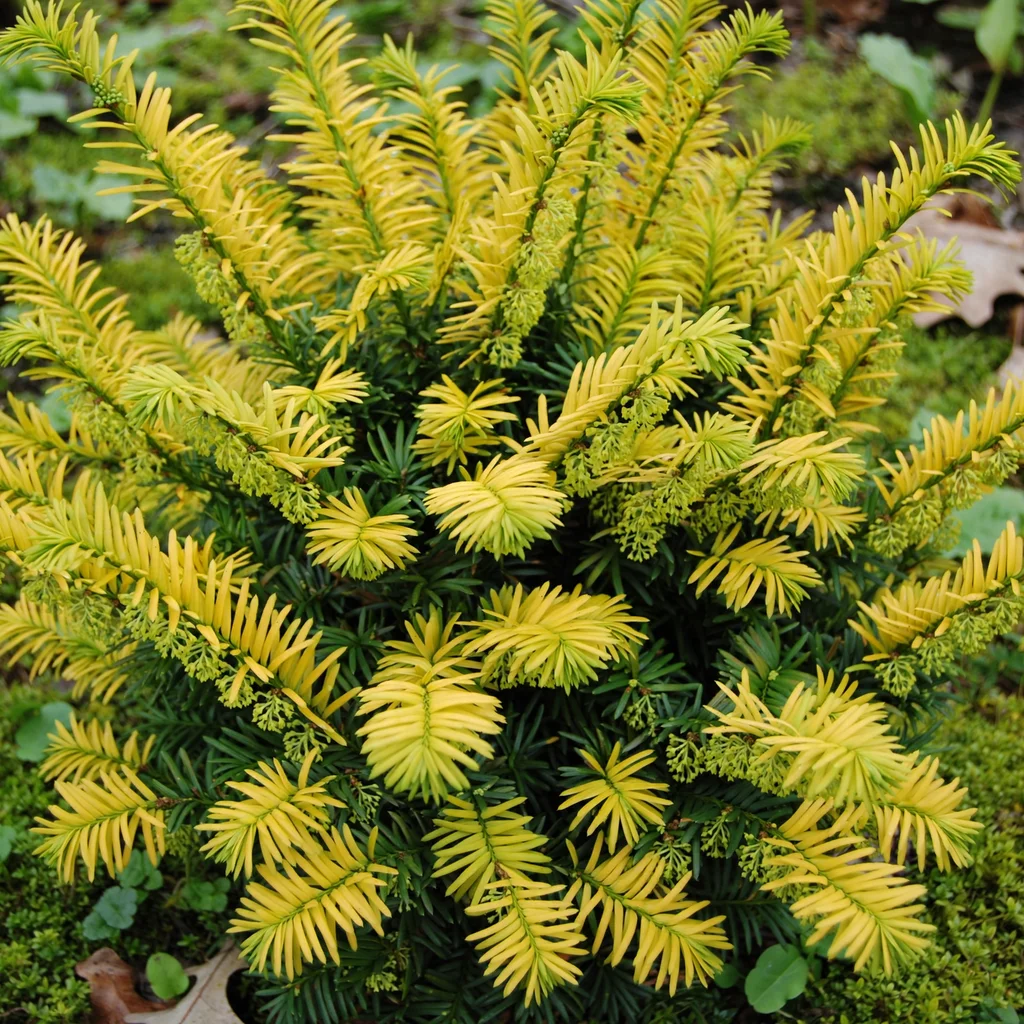
Golden Dragon Japanese Plum Yew
Cephalotaxus harringtonia 'Golden Dragon'
Keep exploring
Explore the genus
Hardy in your zone?
Grow Spreading Japanese Plum Yew with confidence
See it in a design of your actual yard, get zone-matched care reminders, and track it season by season in your garden journal.