Species
1 other cultivar
The Story
Plant Bio
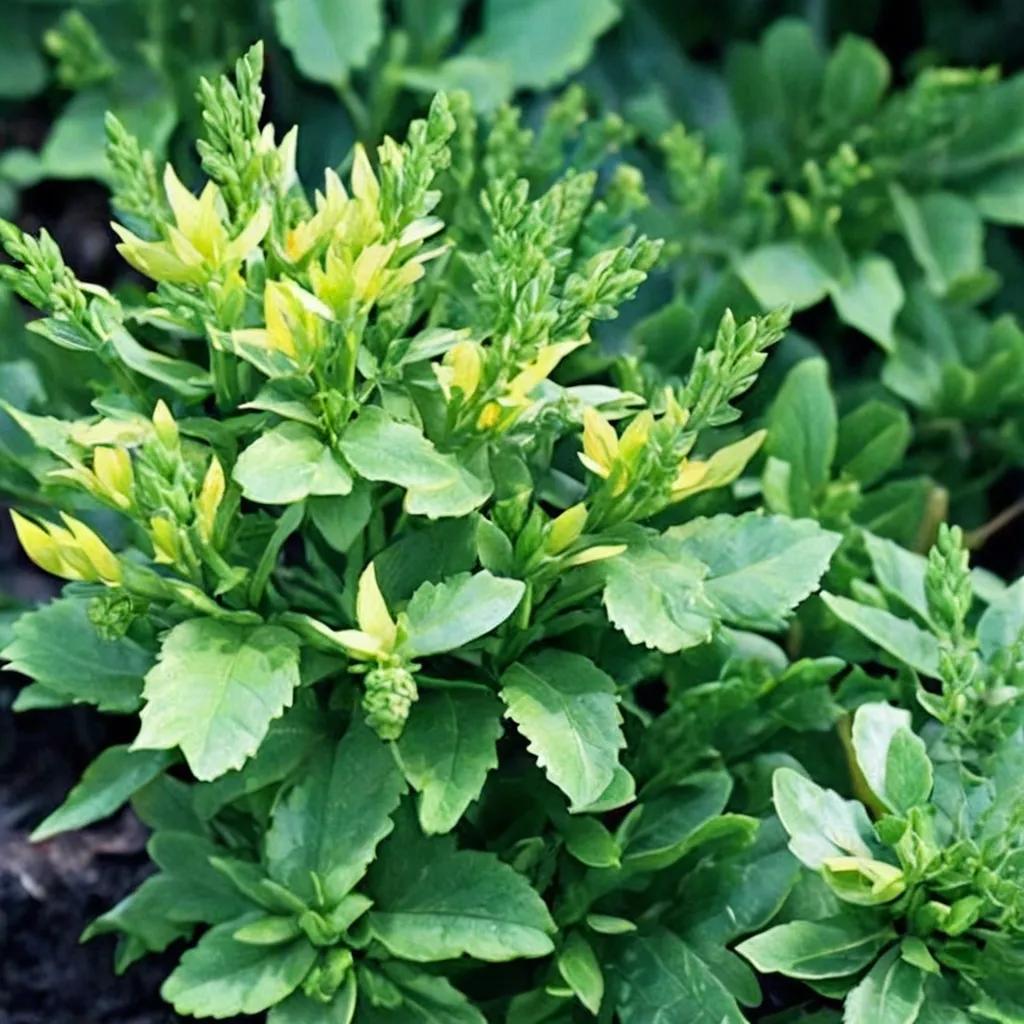
Sedum takesimense is a low-growing, mat-forming succulent perennial native to the Korean island of Ulleungdo. It features fleshy, toothed leaves and clusters of star-shaped yellow flowers.
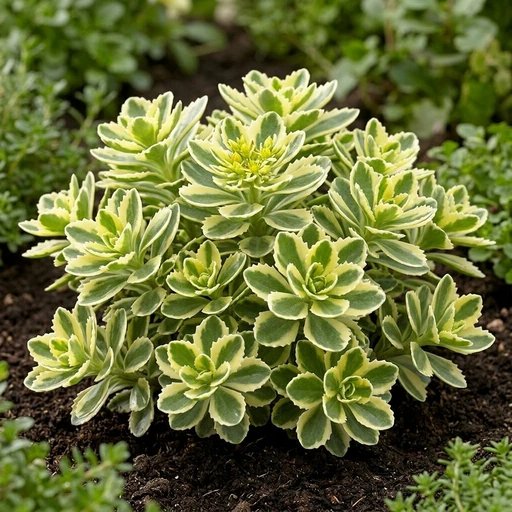
'Atlantis' is a spectacular variegated sport, winning the 2019 Chelsea Plant of the Year. It forms a dense mat of striking green leaves with wide, creamy-yellow, serrated margins that take on a pink blush in cool weather.
Uses & Benefits:
Essentials
At a Glance
Plant Type
Perennial
Height
6"
Width
12"
Light
Full Sun
Zones
4, 5, 6, 7, 8, 9
Water
Low
Humidity
Low
Lifespan
Perennial
Native To
Korea
Toxicity
Mildly toxic if ingested
Bloom period
Mid-summer – Early fall
In flower about 3 months of the year
Marketplace
Where to Buy
Shipping costs Year-round shipping Free shipping
Planting
How to Grow
- Choose a location that receives at least 6 hours of direct sun.
- Ensure the soil is very well-drained, amending with grit if necessary.
- Dig a shallow hole just large enough for the root ball.
- Place the plant in the hole, ensuring the crown is not buried.
- Backfill with soil and press gently to secure.
- Water lightly after planting, then only when the soil is dry.
Pro Tip
Plant in lean, gritty soil for the best foliage color and to prevent rot; rich soil can cause floppy growth.
Keep It Thriving
Care Guide
Do
- Provide full sun for the most intense foliage color.
- Use a gritty, fast-draining soil.
- Allow the soil to dry out between waterings.
- Plant on slopes or in rock walls where drainage is naturally sharp.
Don't
- Do not overwater or plant in a wet location.
- Avoid planting in rich, heavy soil.
- Don't fertilize; it thrives in poor soil.
- Do not bury the crown of the plant when planting or mulching.
Seasonal Care Calendar
| Task | Jan | Feb | Mar | Apr | May | Jun | Jul | Aug | Sep | Oct | Nov | Dec |
|---|---|---|---|---|---|---|---|---|---|---|---|---|
| Plant | ||||||||||||
| Spring Cleanup |
Watch Out For
Pests & Diseases
Common Pests
Common Diseases
In the Garden
Landscape Uses & Companions
Landscape Uses
Multiply
Propagation Methods
Good to Know
Common Questions
Atlantis Sedum questions
What zones can Atlantis Sedum grow in?
Atlantis Sedum is hardy in USDA Zones 4–9. Inside that range it survives winter in the ground; outside it, grow it as an annual or a container plant you protect.
Is Atlantis Sedum deer resistant?
Yes — Atlantis Sedum is rated deer-resistant. Deer typically pass it over, though extreme hunger can override any plant's defenses.
When does Atlantis Sedum bloom?
Atlantis Sedum typically blooms in mid-summer through early fall. Exact timing shifts a week or two with your zone — Sow's bloom calendar maps it to your garden.
Does Atlantis Sedum need full sun?
Atlantis Sedum does best in full sun (6+ hours).
Is Atlantis Sedum drought tolerant?
Yes — once established (usually after the first full season), Atlantis Sedum handles dry spells with minimal watering. Water deeply its first year to build the root system that makes that possible.
More Sedum to compare
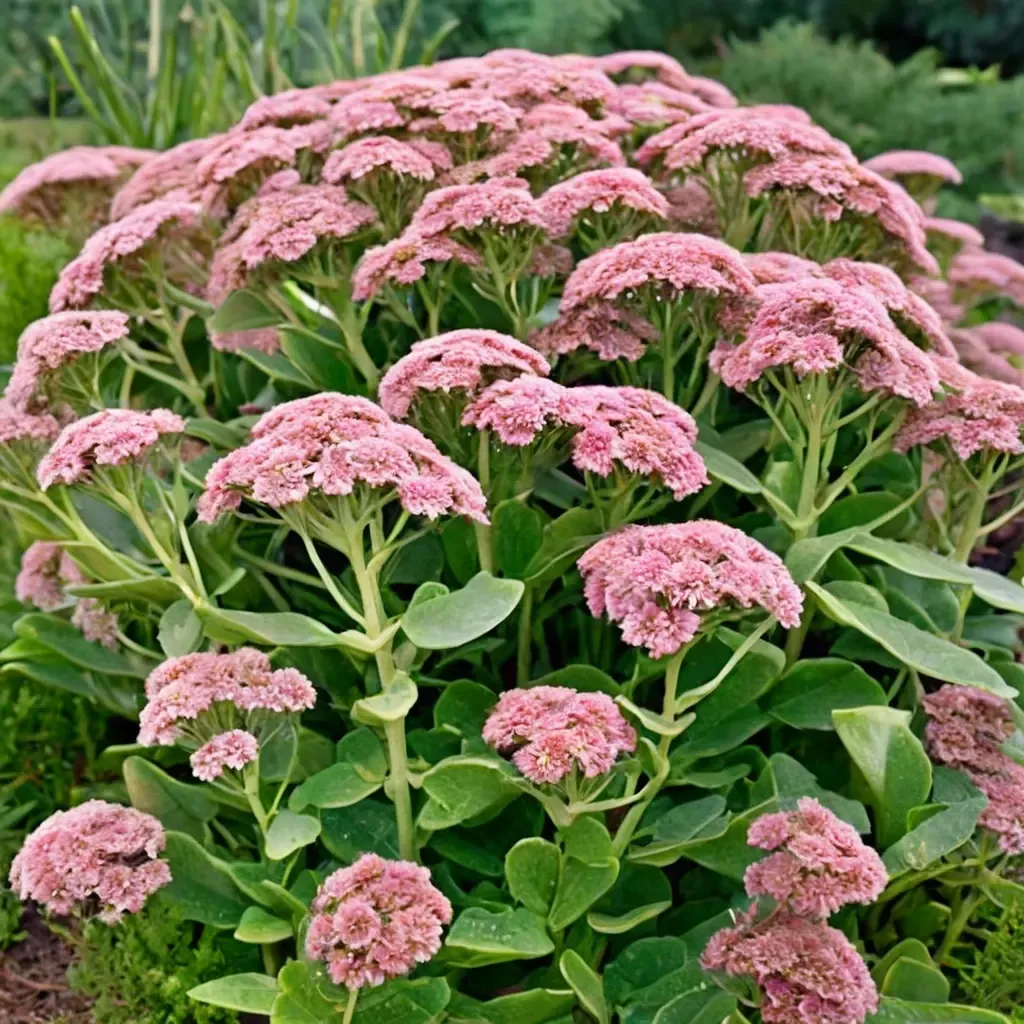
Autumn Joy Stonecrop
Sedum telephium 'Autumn Joy'
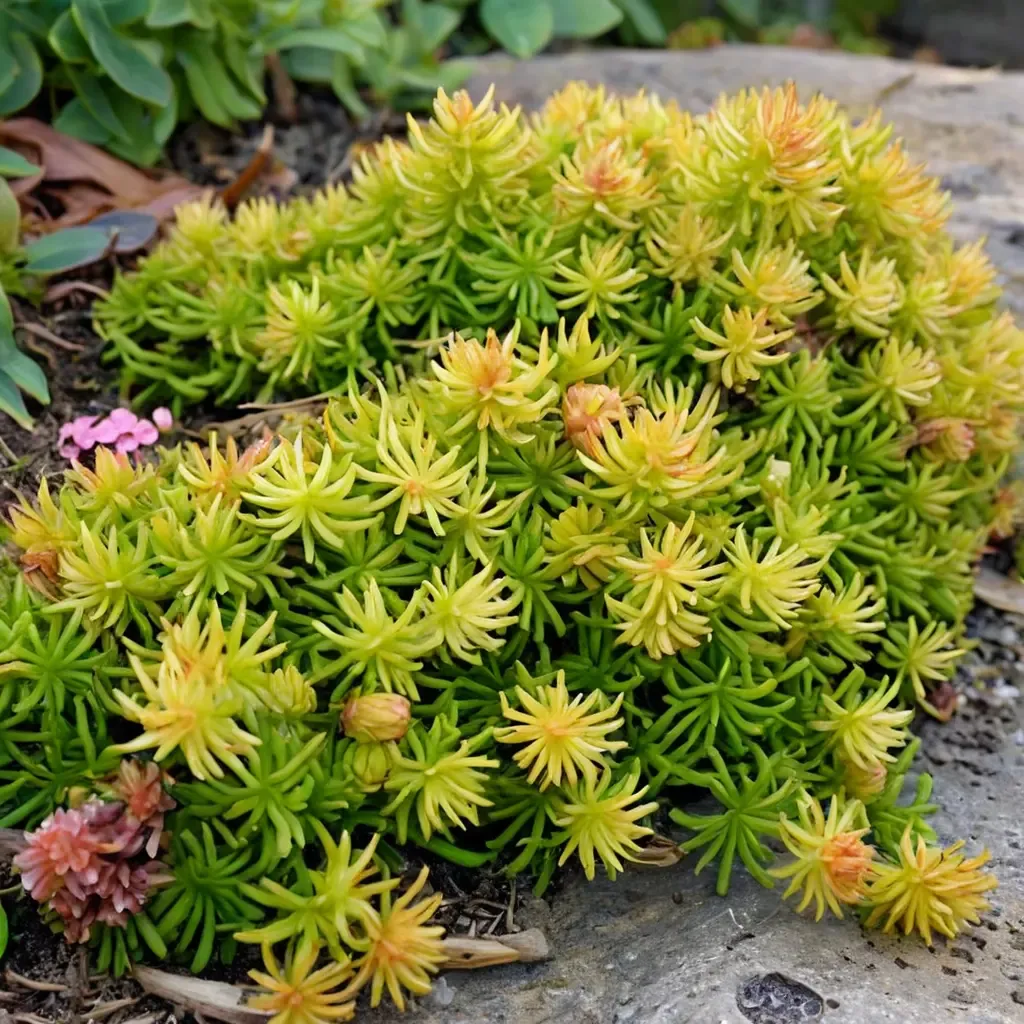
Angelina Stonecrop
Sedum rupestre 'Angelina'
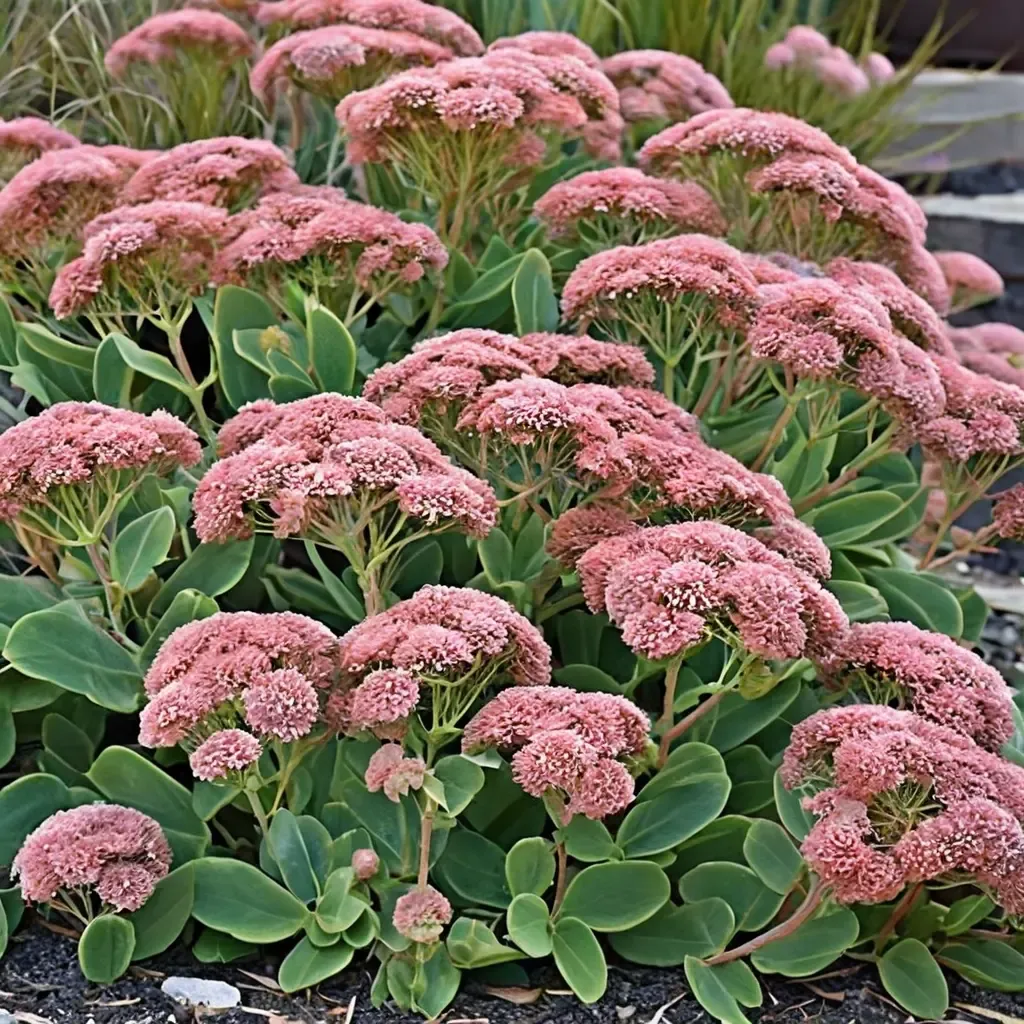
Autumn Fire Stonecrop
Sedum spectabile 'Autumn Fire'
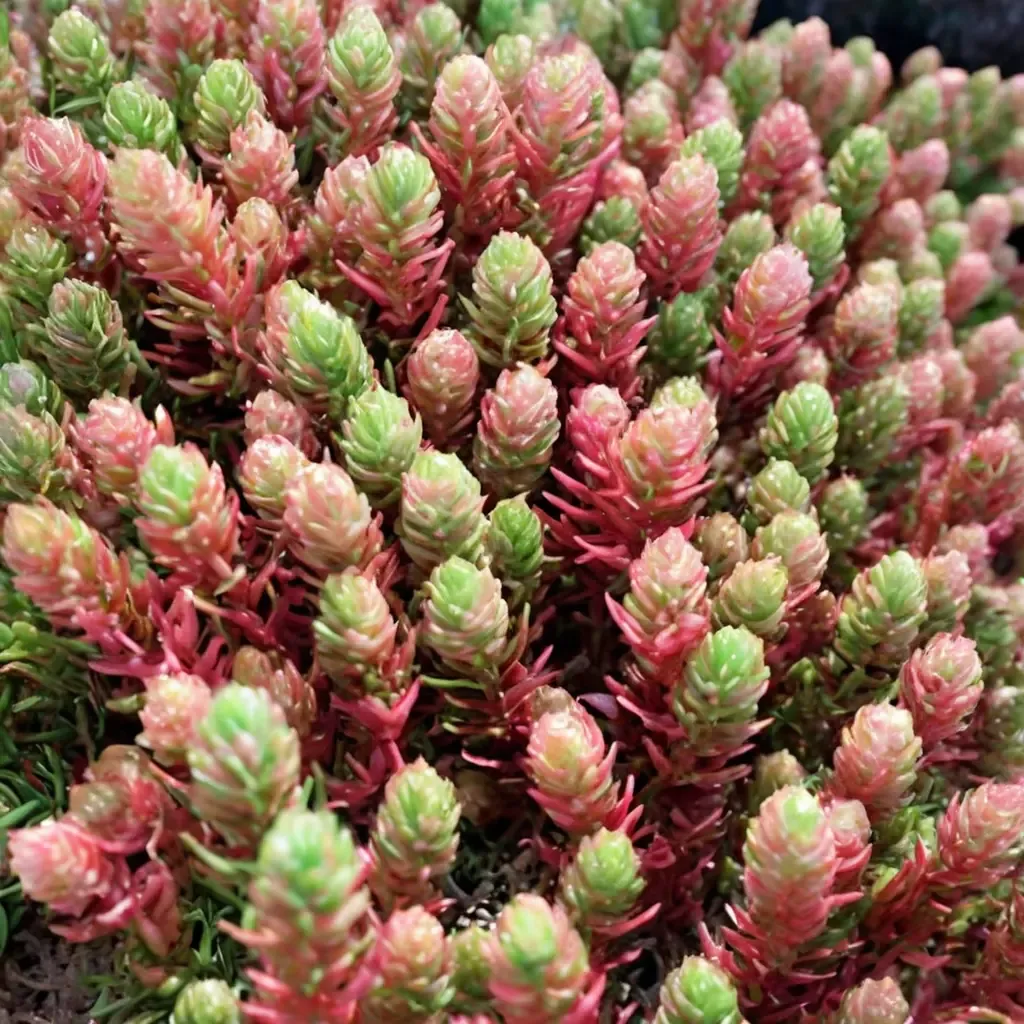
Red Wiggle Stonecrop
Sedum ochroleucum 'Red Wiggle'
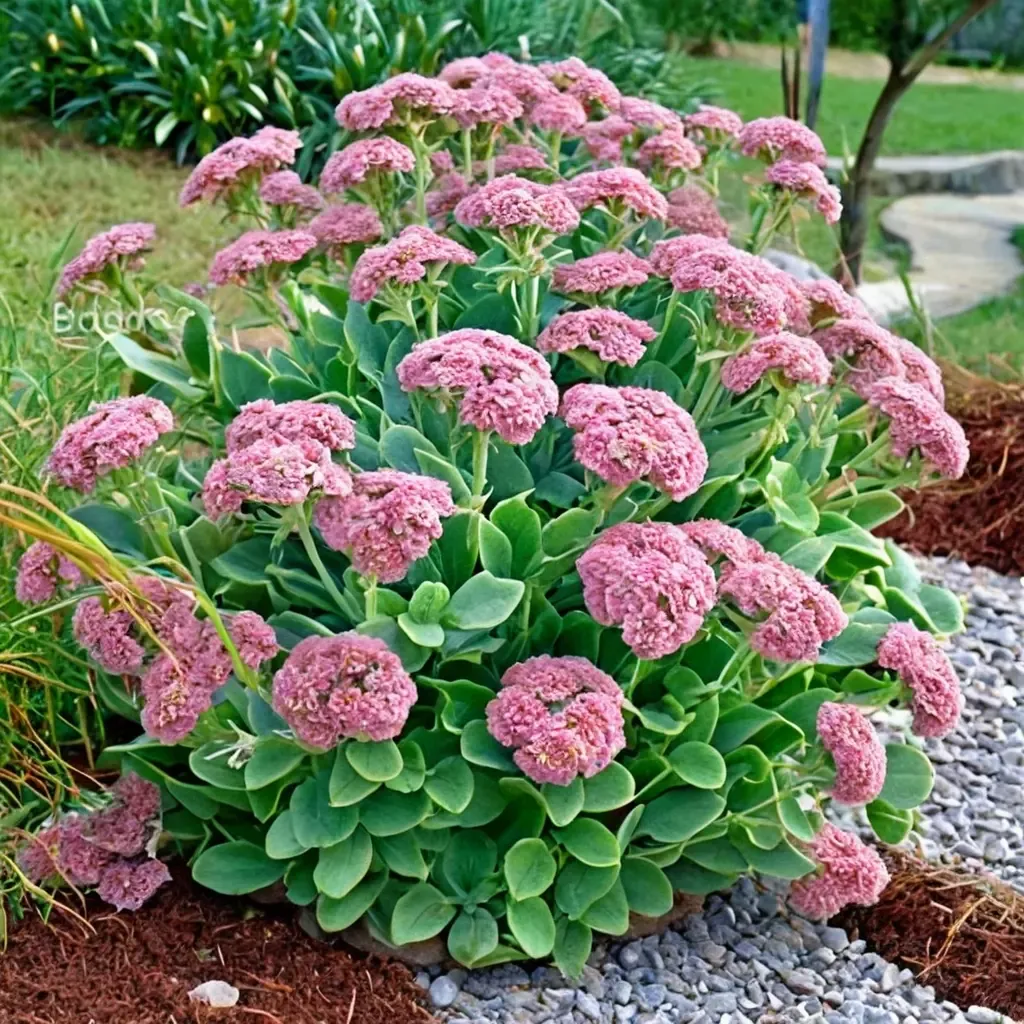
Autumn Joy Sedum
Sedum telephium 'Herbstfreude'
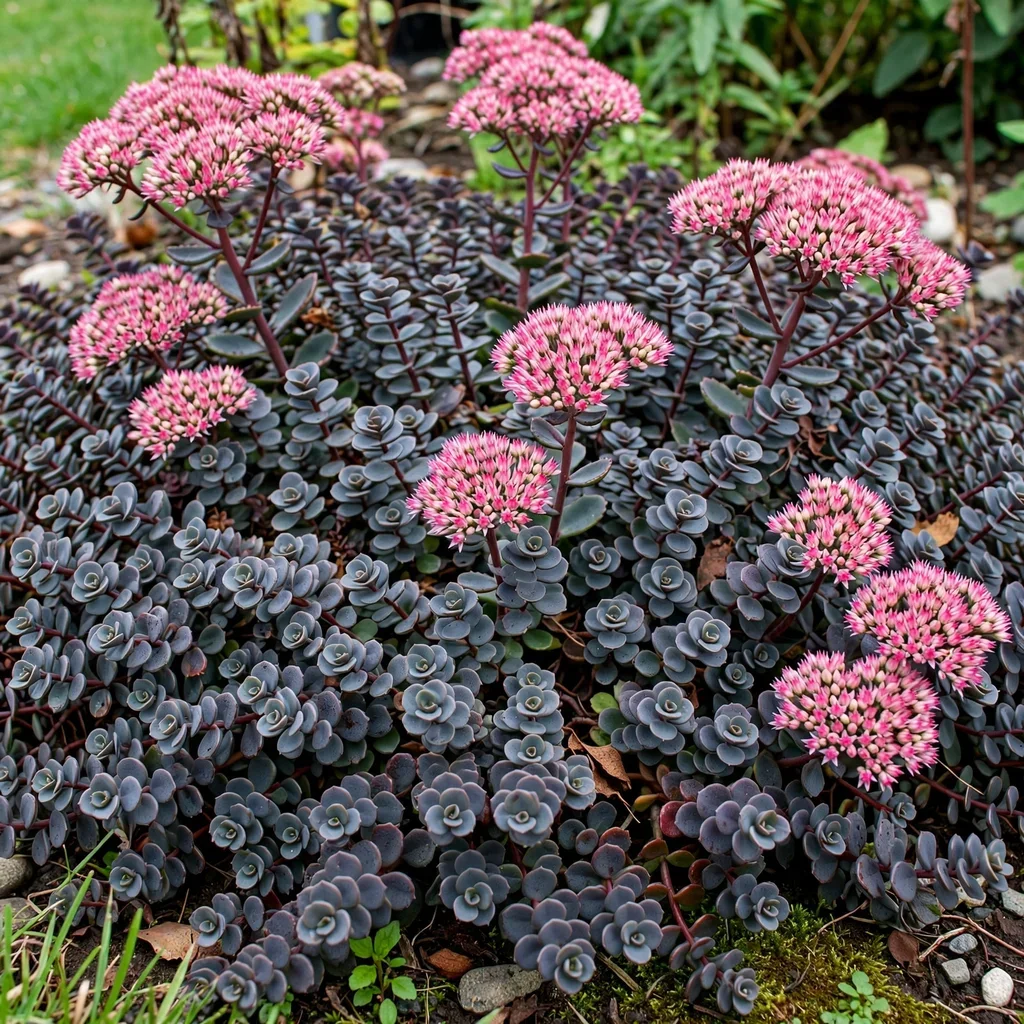
Dazzleberry Sedum
Sedum rubrotinctum 'Dazzleberry'
Keep exploring
Explore the genus
Grow Atlantis Sedum with confidence
See it in a design of your actual yard, get zone-matched care reminders, and track it season by season in your garden journal.