The Story
Plant Bio
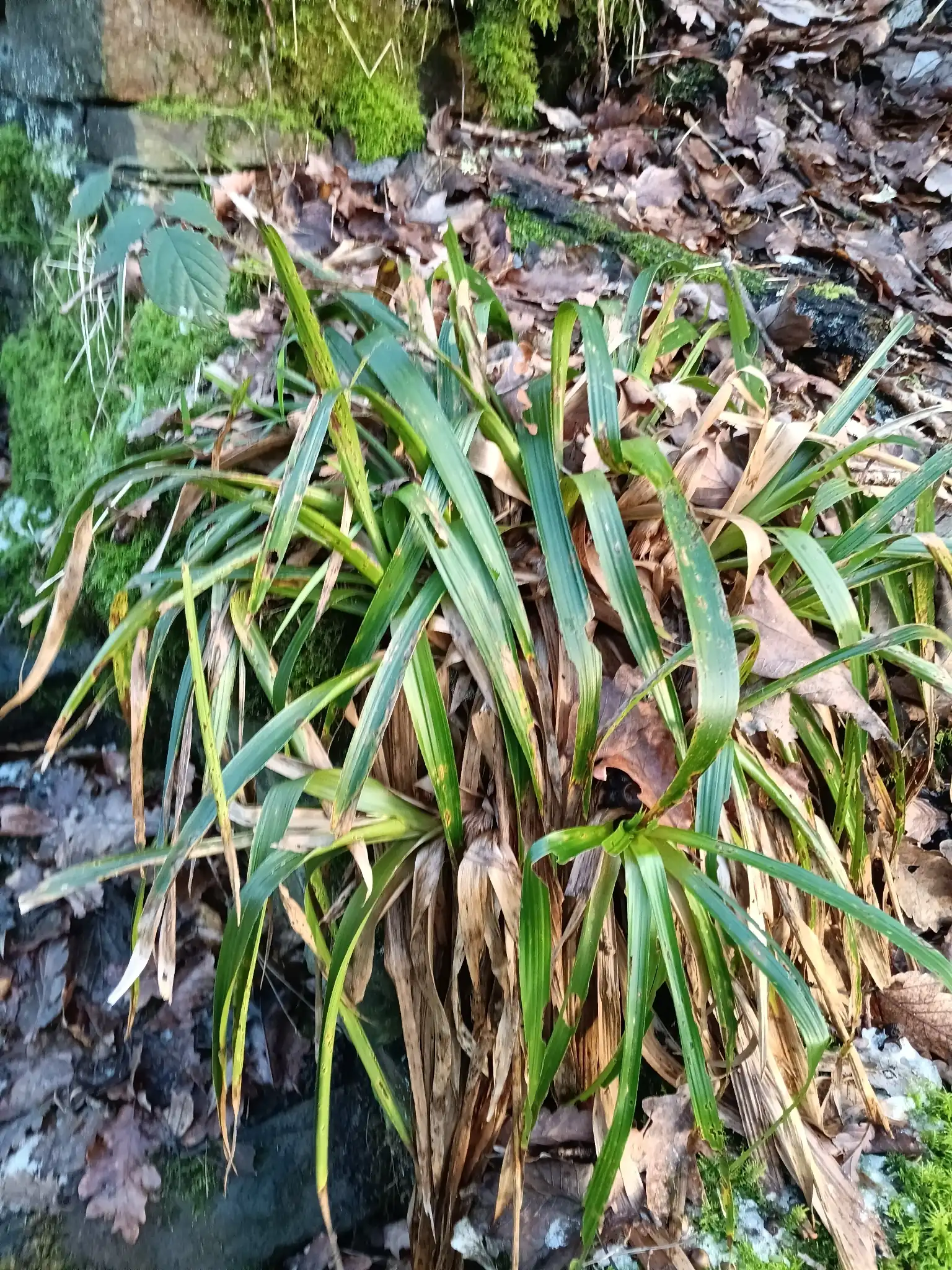
Luzula sylvatica, commonly known as great wood-rush, is a densely tufted, evergreen grass-like perennial native to European woodlands. It spreads slowly via short rhizomes to form thick, ground-covering clumps of glossy, dark green foliage fringed with distinctive white hairs.
The chestnut-brown flowers emerge in loose, airy panicles from mid-spring to early summer, rising just above the foliage. Unlike true rushes, this species thrives in dry shade once established, making it highly effective for stabilizing soil under mature deciduous trees.
Uses & Benefits:
Essentials
At a Glance
Plant Type
Grass
Height
31"
Width
24"
Light
Partial Sun, Shade
Zones
4, 5, 6, 7, 8, 9
Water
Medium
Humidity
Moderate
Lifespan
Perennial
Native To
Europe, Caucasus
Toxicity
Non-toxic
Bloom period
Mid-spring – Early summer
In flower about 3 months of the year
Planting
How to Grow
- Plant in partial to full shade in well-drained, moist soil.
- Water regularly during the first growing season to establish a deep root system.
- Apply a light layer of organic mulch around the base to retain soil moisture.
- Divide established clumps in spring or fall to propagate or control spread.
Pro Tip
Avoid shearing the entire clump to the ground like turfgrass or cutting back into the old woody crown, which prevents new shoots from breaking. Instead, gently comb out dead foliage or selectively snip tattered leaf tips in early spring before new growth begins.
Keep It Thriving
Care Guide
Do
- Keep soil consistently moist until the root system is fully established.
- Plant under deciduous trees where it can tolerate dry summer shade once rooted.
- Clean up tattered foliage in early spring by combing through the leaves.
Don't
- Do not shear the plant to the ground like turfgrass.
- Do not plant in poorly drained, stagnant soils where water pools.
- Do not cut back into the old, leafless woody crown.
Seasonal Care Calendar
| Task | Jan | Feb | Mar | Apr | May | Jun | Jul | Aug | Sep | Oct | Nov | Dec |
|---|---|---|---|---|---|---|---|---|---|---|---|---|
| Divide | ||||||||||||
| Fertilize | ||||||||||||
| Pest Check | ||||||||||||
| Spring Cleanup |
Watch Out For
Pests & Diseases
Common Pests
Common Diseases
In the Garden
Landscape Uses & Companions
Landscape Uses
Companion Plants
Multiply
Propagation Methods
Good to Know
Common Questions
Great Wood-Rush questions
What zones can Great Wood-Rush grow in?
Great Wood-Rush is hardy in USDA Zones 4–9. Inside that range it survives winter in the ground; outside it, grow it as an annual or a container plant you protect.
Is Great Wood-Rush deer resistant?
Yes — Great Wood-Rush is rated deer-resistant. Deer typically pass it over, though extreme hunger can override any plant's defenses.
When does Great Wood-Rush bloom?
Great Wood-Rush typically blooms in mid-spring through early summer. Exact timing shifts a week or two with your zone — Sow's bloom calendar maps it to your garden.
Does Great Wood-Rush need full sun?
Great Wood-Rush does best in part shade.
Is Great Wood-Rush drought tolerant?
Yes — once established (usually after the first full season), Great Wood-Rush handles dry spells with minimal watering. Water deeply its first year to build the root system that makes that possible.
Keep exploring
Explore the genus
Grow Great Wood-Rush with confidence
See it in a design of your actual yard, get zone-matched care reminders, and track it season by season in your garden journal.