1 named cultivar

The Story
Plant Bio
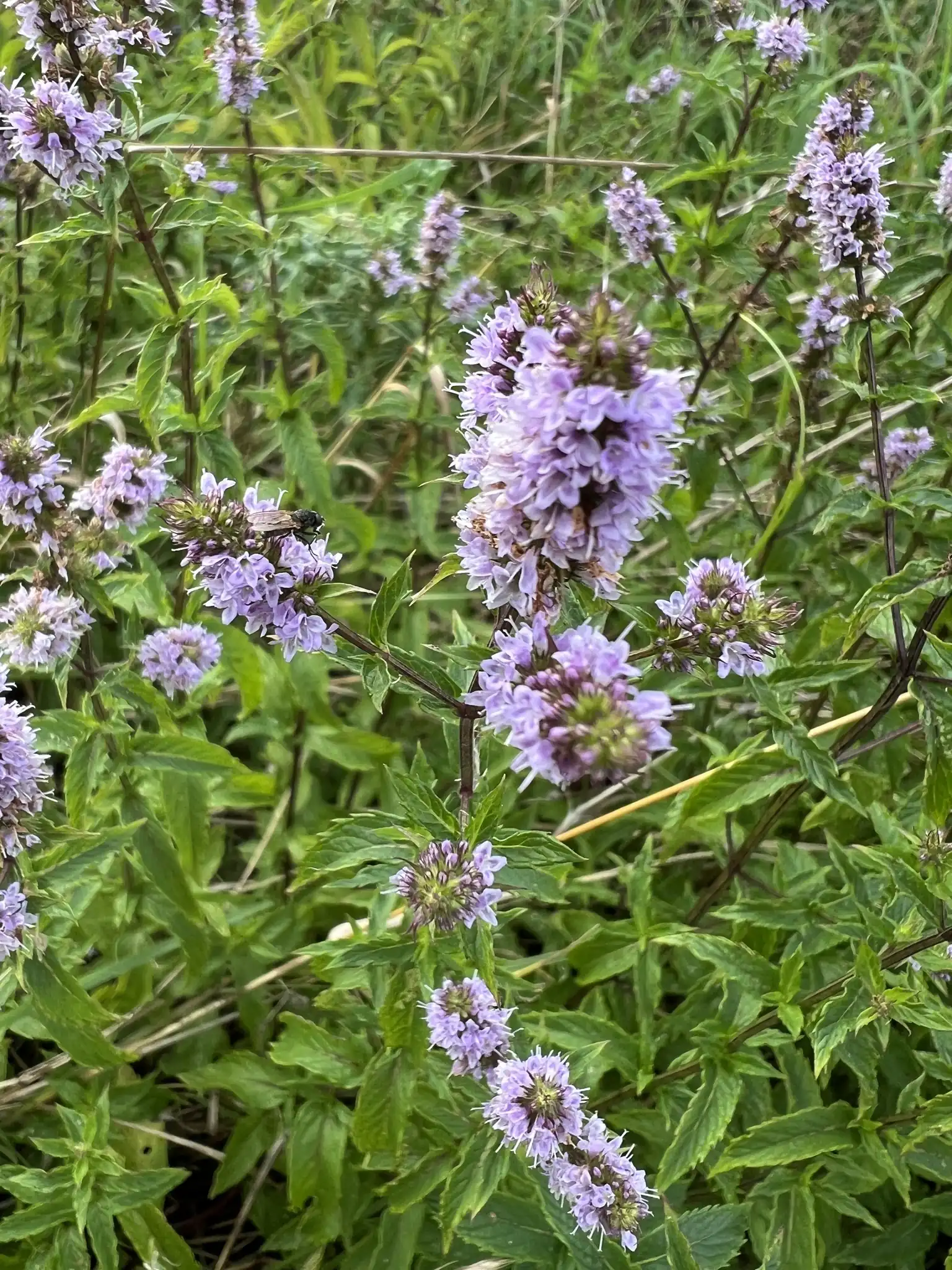
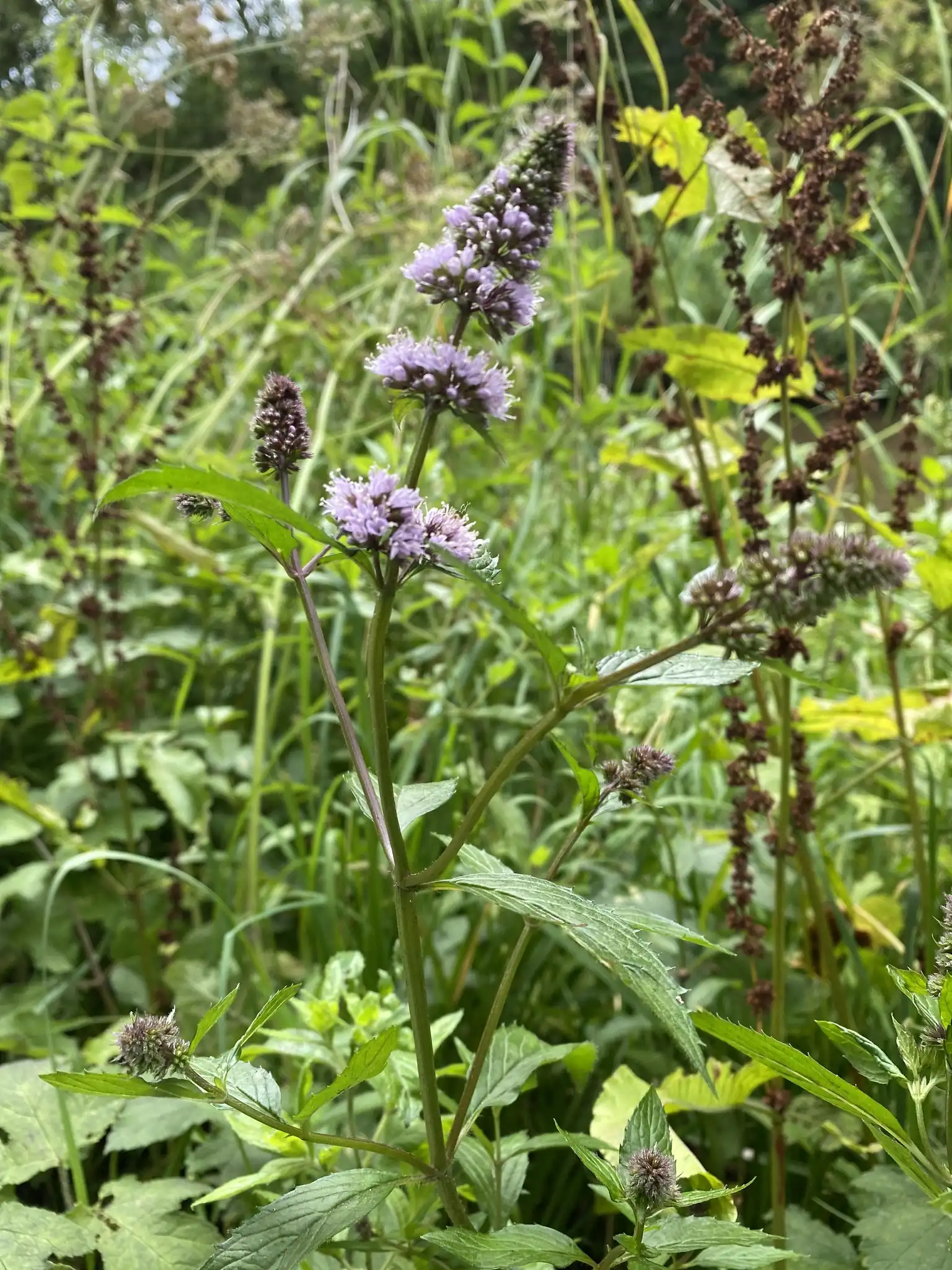
Mentha spicata, spearmint, is a vigorous rhizomatous perennial herb from Europe and Asia, twelve to twenty-four inches high. Bright green lance-shaped leaves with toothed edges sit in pairs on square stems, and slender tapering spikes of small pale lilac flowers open through summer and autumn.
It runs by underground rhizome and will take over a bed within two seasons, so the standing advice is to grow it in a container — and a pot sunk into the ground still escapes through the drainage holes, so stand it on a hard surface. It is the mint for cooking, milder and sweeter than peppermint, and NCSU rates it resistant to deer, rabbits, heat, humidity, pests and disease alike.
Uses & Benefits:
Essentials
At a Glance
Plant Type
Perennial
Height
24"
Width
18"
Light
Full Sun, Partial Sun
Zones
4, 5, 6, 7, 8
Water
Moderate to high
Humidity
Moderate
Lifespan
Perennial
Native To
Europe to China
Toxicity
Non-toxic; leaves are edible
Planting
How to Grow
- Grow it in a container, not open ground.
- Stand the pot on a hard surface, not on soil.
- Give it sun or partial shade and moist soil.
- Harvest often; picking keeps growth young and tender.
- Cut back hard after flowering for a fresh flush.
- Divide and repot every year or two.
Pro Tip
A pot sunk into a bed still escapes through the drainage holes — stand it on paving if you actually want it contained.
Keep It Thriving
Care Guide
Do
- Grow it in a contained pot 🪴
- Harvest often to keep it tender ✂️
- Cut back hard after flowering 🌿
- Divide and repot yearly 🔁
Don't
- Plant it in open ground ❌
- Sink the pot into soil ❌
- Let it dry out completely ❌
Seasonal Care Calendar
| Task | Jan | Feb | Mar | Apr | May | Jun | Jul | Aug | Sep | Oct | Nov | Dec |
|---|---|---|---|---|---|---|---|---|---|---|---|---|
| Cut Back | ||||||||||||
| Harvest |
Watch Out For
Pests & Diseases
Common Pests
Common Diseases
In the Garden
Landscape Uses & Companions
Landscape Uses
Multiply
Propagation Methods
Good to Know
Common Questions
Spearmint questions
What zones can Spearmint grow in?
Spearmint is hardy in USDA Zones 4–8. Inside that range it survives winter in the ground; outside it, grow it as an annual or a container plant you protect.
Is Spearmint deer resistant?
Yes — Spearmint is rated deer-resistant. Deer typically pass it over, though extreme hunger can override any plant's defenses.
When does Spearmint bloom?
Spearmint typically blooms in summer through late summer. Exact timing shifts a week or two with your zone — Sow's bloom calendar maps it to your garden.
Does Spearmint need full sun?
Spearmint does best in full sun to part shade. In hot climates, afternoon shade keeps blooms fresher longer.
More Mentha to compare
Keep exploring
Explore the genus
Hardy in your zone?
Grow Spearmint with confidence
See it in a design of your actual yard, get zone-matched care reminders, and track it season by season in your garden journal.