The Story
Plant Bio
Stevia rebaudiana is a tender herbaceous perennial native to South America, forming a compact, shrubby clump of weak, somewhat floppy stems. The slender, papery green leaves feature slightly serrated margins and a pronounced midrib, carrying a highly concentrated natural sweetness.
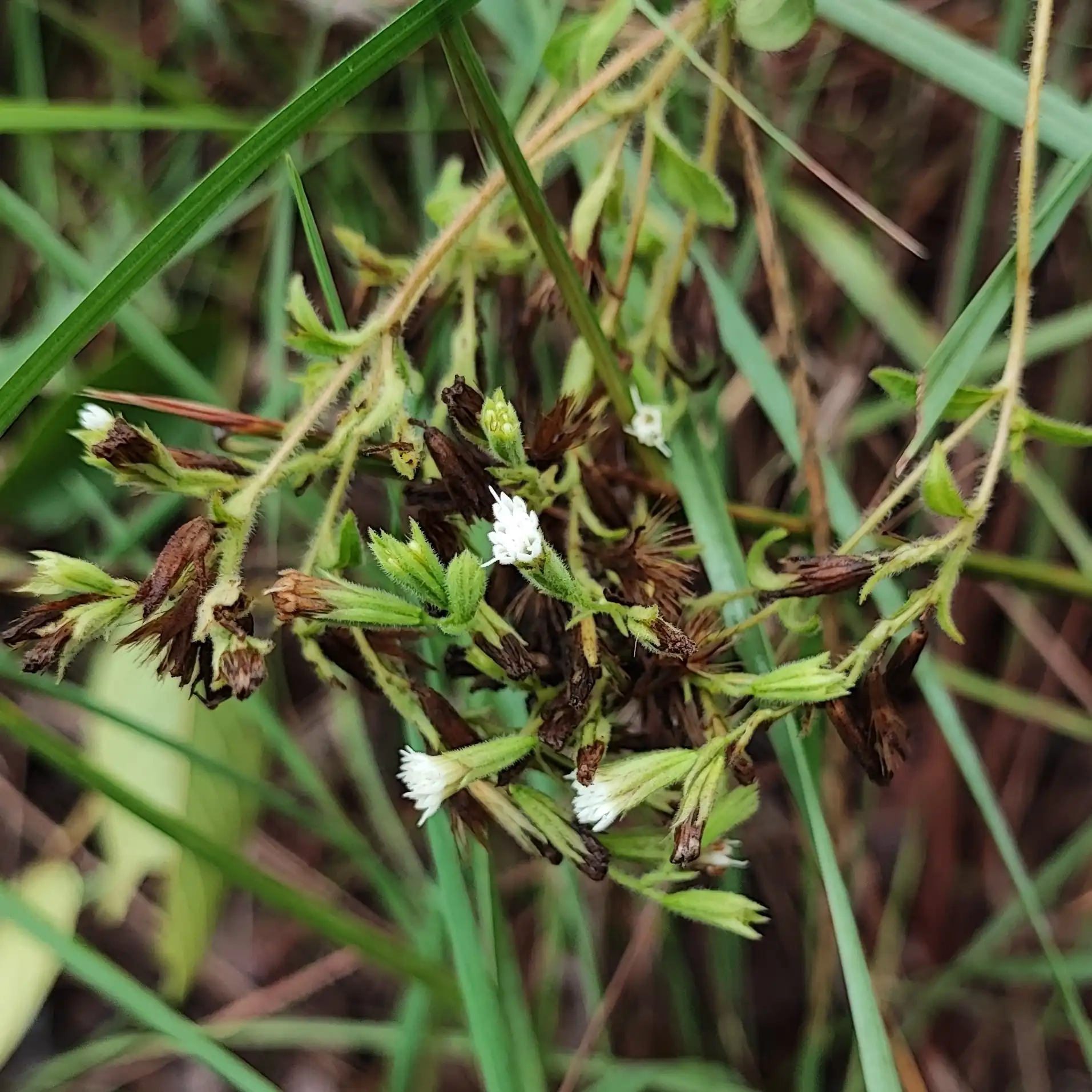
The small, non-fragrant white flowers with faint purple accents appear in terminal clusters during summer and fall. Because energy diversion to flowering reduces the sweetness of the foliage, the plant is primarily grown for its leaves rather than its modest floral display.
Uses & Benefits:
Essentials
At a Glance
Plant Type
Perennial
Height
24"
Width
24"
Light
Full Sun, Partial Sun
Zones
10
Water
Medium
Humidity
High
Lifespan
Perennial (grown as annual)
Native To
South America (Paraguay and Brazil)
Toxicity
Non-toxic
Bloom period
Summer – Fall
In flower about 6 months of the year
Marketplace
Where to Buy
Shipping costs Year-round shipping Free shipping
Planting
How to Grow
- Select a planting site with rich, well-draining loamy or sandy soil and a slightly acidic pH between 6.0 and 6.5.
- Space plants 12 to 24 inches apart in full sun to partial shade, ensuring the crown sits level with the soil surface.
- Water regularly to maintain consistent soil moisture, taking care to avoid waterlogging which triggers root rot.
- Pinch back the growing tips of young plants every few weeks to encourage lateral branching and a bushier habit.
Pro Tip
Pinch off flower buds as soon as they emerge; leaf sweetness peaks just before flowering, and allowing the plant to bloom significantly degrades the flavor profile of the foliage.
Keep It Thriving
Care Guide
Do
- Grow in containers in regions colder than USDA Zone 10 to easily move the plant indoors before the first frost.
- Provide sharp drainage by mixing coarse sand or organic compost into heavy soils.
- Harvest leaves in the morning when the sweet steviol glycoside levels are at their highest.
Don't
- Do not allow the plant to sit in standing water or heavy, poorly draining clay soils.
- Do not let the plant flower fully if you intend to harvest sweet leaves.
- Do not apply heavy doses of high-nitrogen fertilizer, which produces rapid but flavorless foliage growth.
Seasonal Care Calendar
| Task | Jan | Feb | Mar | Apr | May | Jun | Jul | Aug | Sep | Oct | Nov | Dec |
|---|---|---|---|---|---|---|---|---|---|---|---|---|
| Fertilize | ||||||||||||
| Harvest | ||||||||||||
| Pinch | ||||||||||||
| Winter Prep |
Watch Out For
Pests & Diseases
Common Pests
Common Diseases
In the Garden
Landscape Uses & Companions
Landscape Uses
Companion Plants
Multiply
Propagation Methods
Good to Know
Common Questions
Stevia questions
What zones can Stevia grow in?
Stevia is hardy in USDA Zone 10. Inside that range it survives winter in the ground; outside it, grow it as an annual or a container plant you protect.
Is Stevia deer resistant?
Not reliably. Deer may browse Stevia, especially tender spring growth — plan on repellents or fencing where pressure is high.
When does Stevia bloom?
Stevia typically blooms in summer through fall. Exact timing shifts a week or two with your zone — Sow's bloom calendar maps it to your garden.
Does Stevia need full sun?
Stevia does best in full sun to part shade. In hot climates, afternoon shade keeps blooms fresher longer.
Keep exploring
Explore the genus
Hardy in your zone?
Grow Stevia with confidence
See it in a design of your actual yard, get zone-matched care reminders, and track it season by season in your garden journal.