Also known as Basil · 84 saves
Ocimum
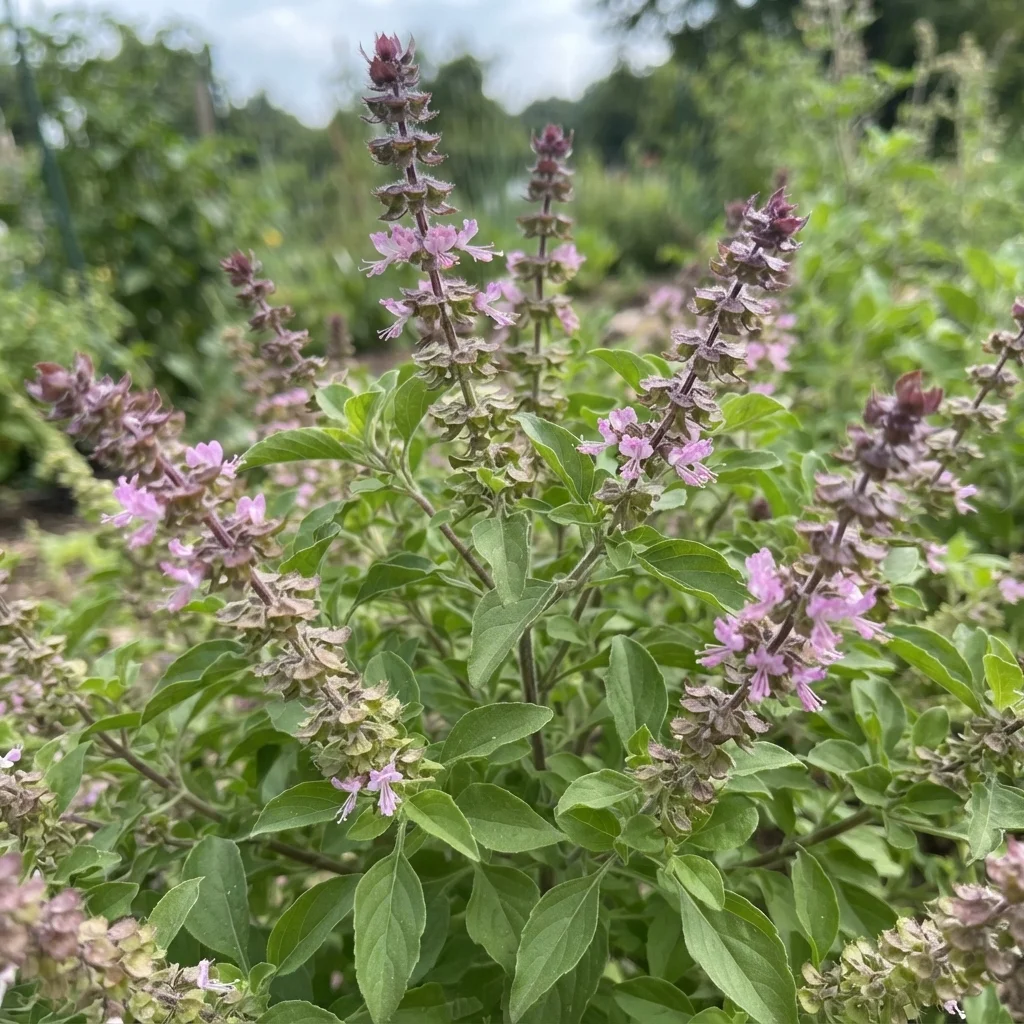
Ocimum, the genus most gardeners know as basil. We track 10 varieties; the ones most used by real gardeners.
The 9 most-saved Ocimum varieties
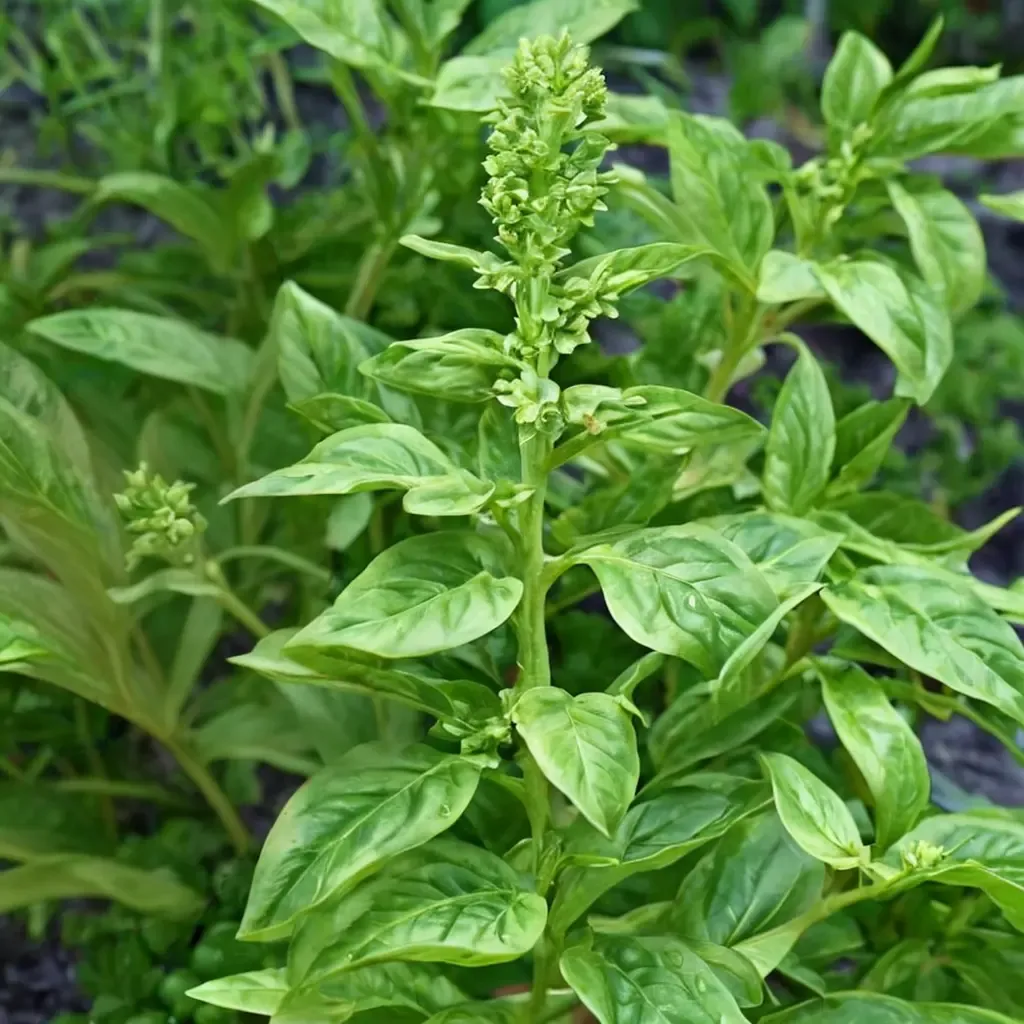
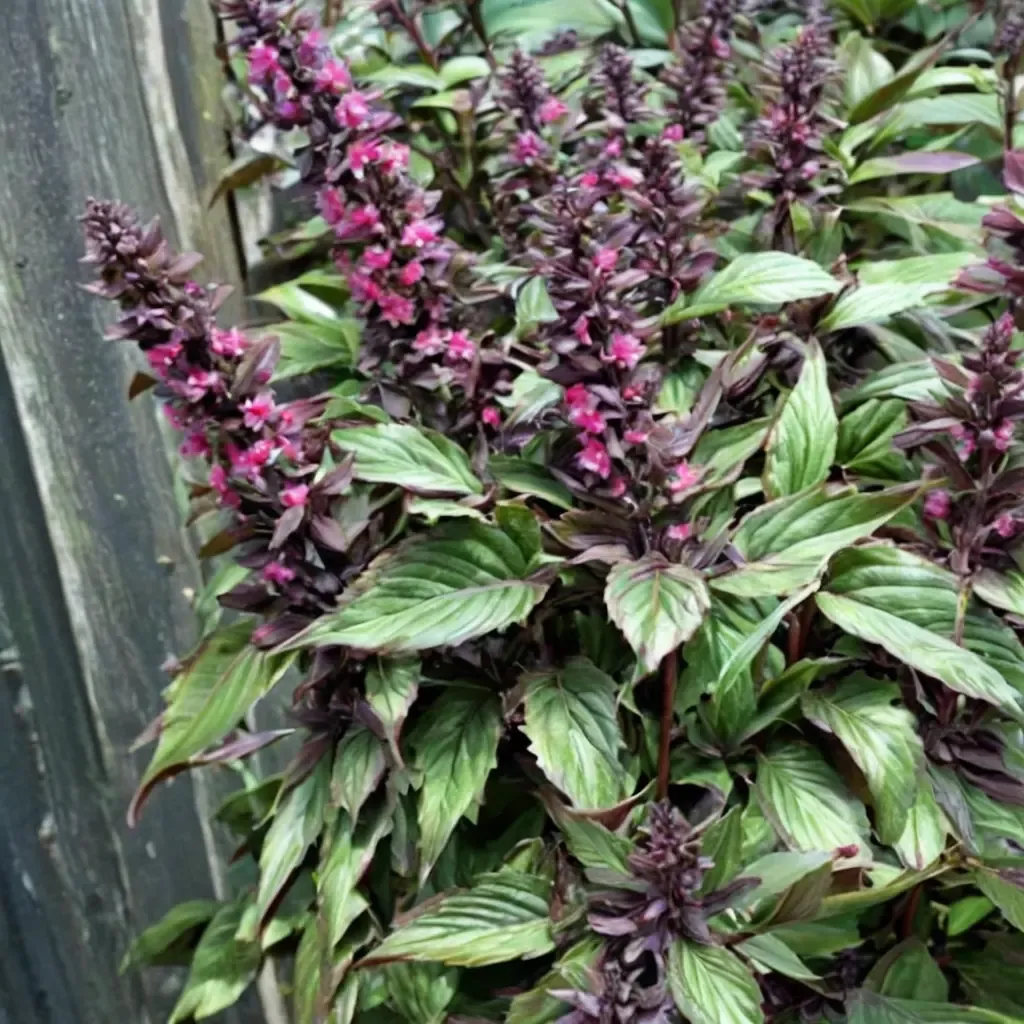
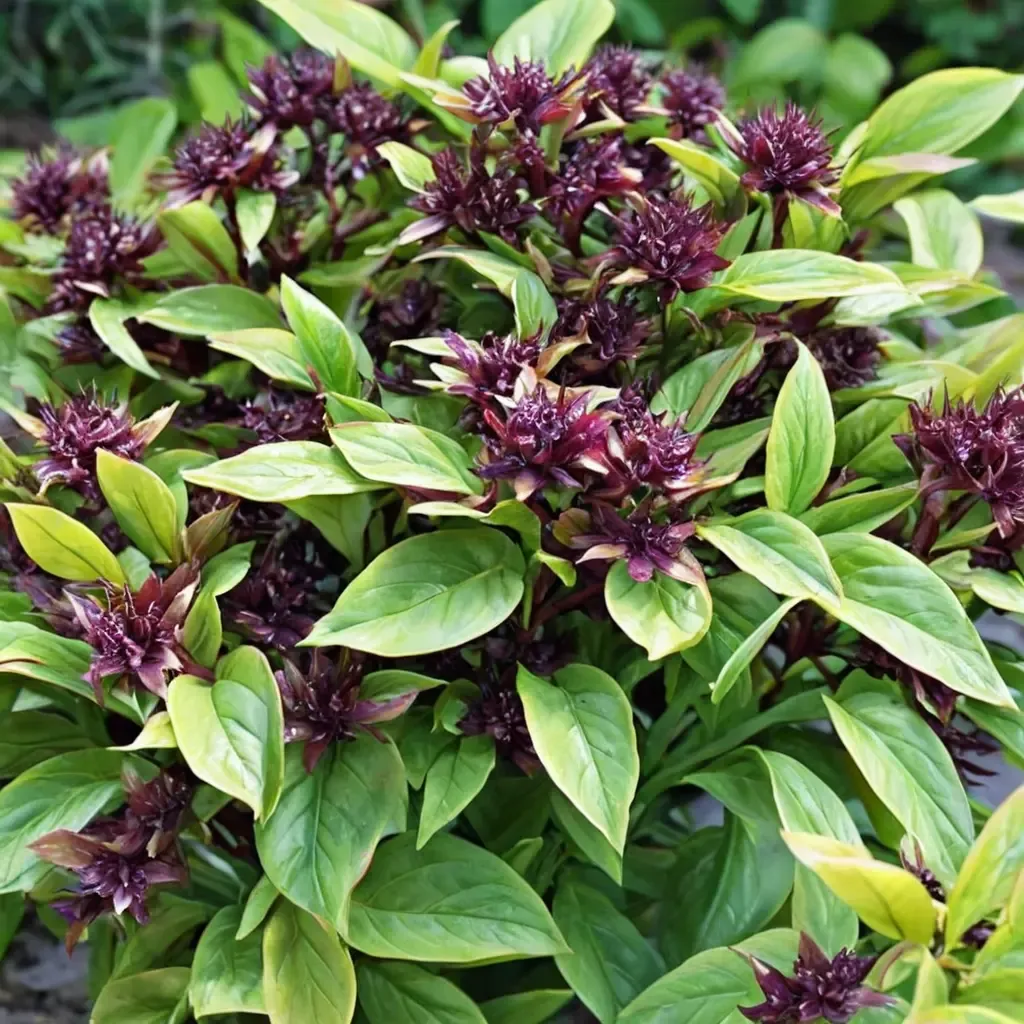
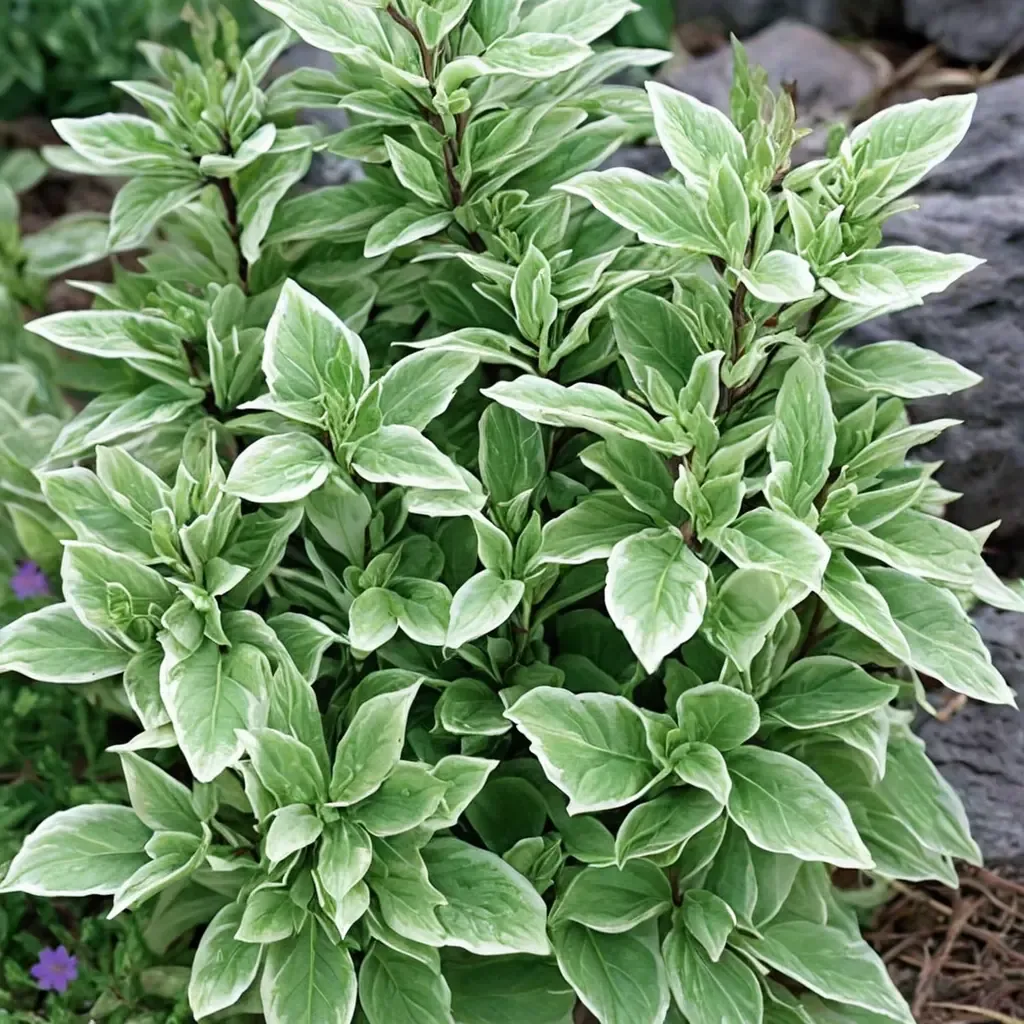
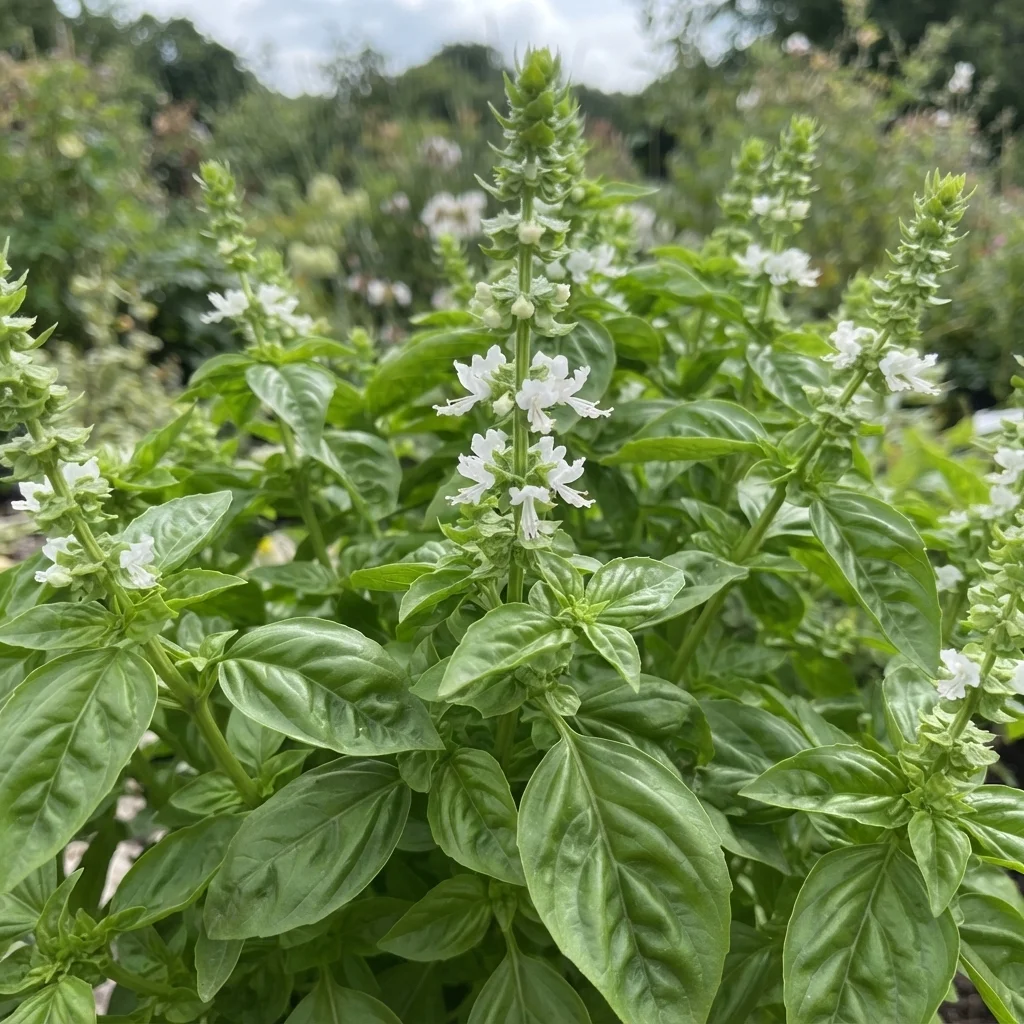
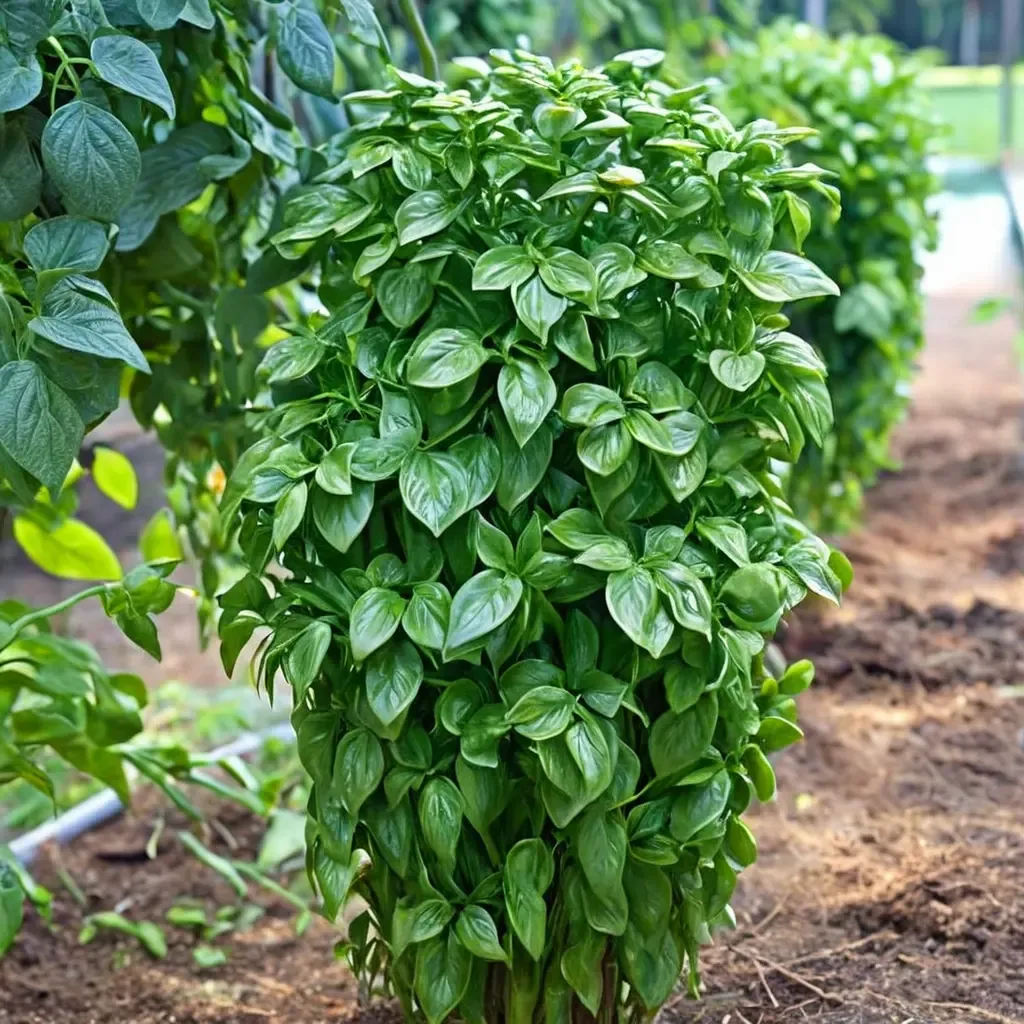
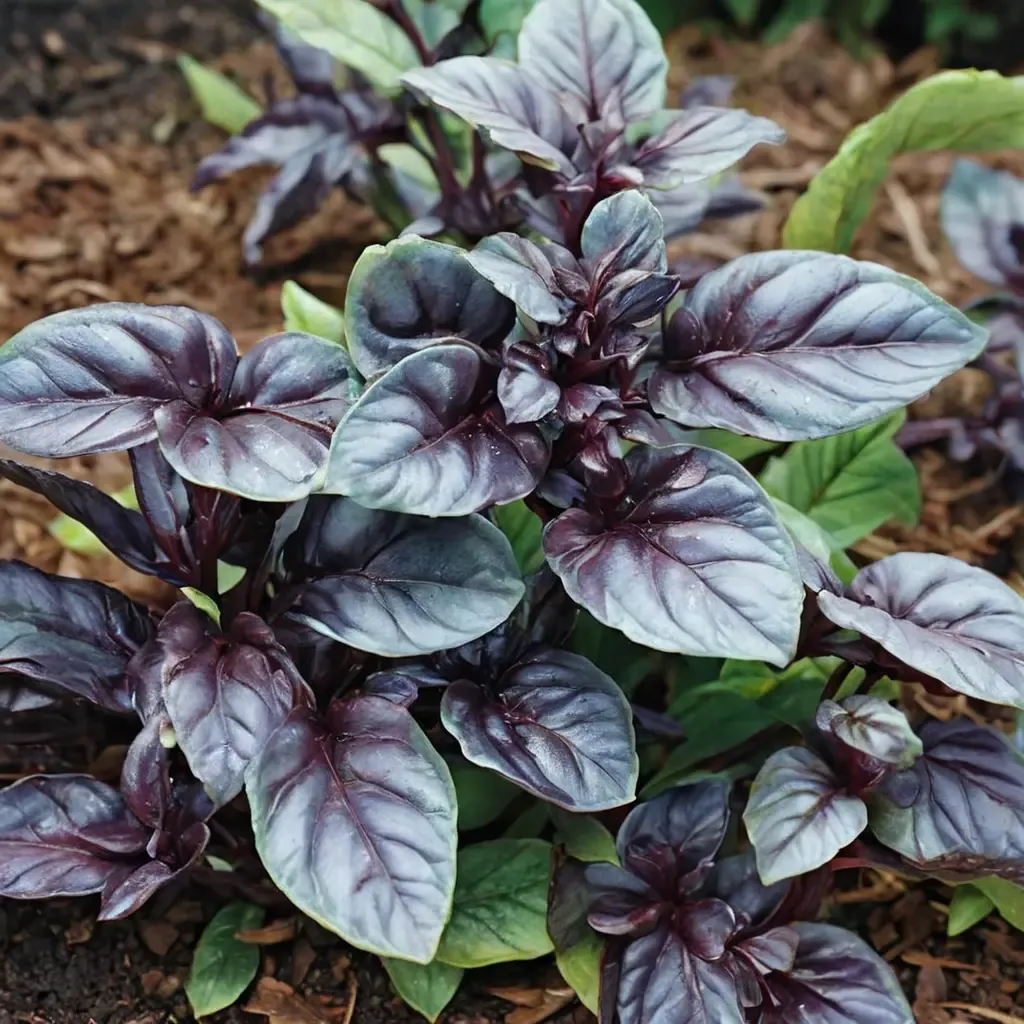
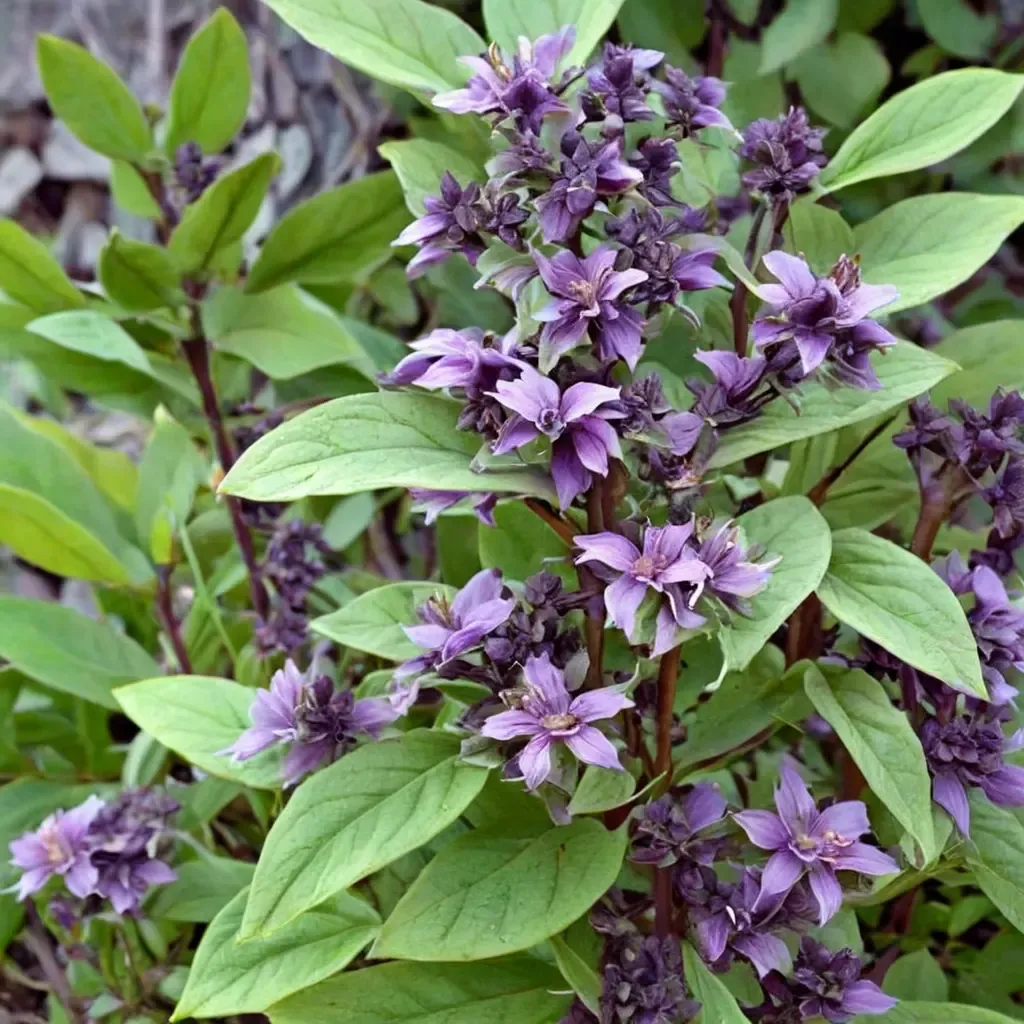
Browse all 10 Ocimum varieties →
Species of Ocimum
Each one is a parent of the varieties above.
Track your Ocimum in Sow
Save the Ocimum you grow and get care reminders timed to your zone.
How to grow Ocimum
Whats common across all Ocimum varieties in our catalog — drawn from the care records of the 10 most-grown of them.
The Ocimum year
- HarvestJune–October100% of varieties
Harvest leaves regularly by clipping stems just above a leaf node.
- FertilizeJune–August100% of varieties
Apply a balanced, water-soluble organic fertilizer lightly to container-grown plants.
- Pinch TipsJune–September90% of varieties
Pinch back growing tips every few weeks to encourage bushy growth and delay flowering.
- PlantMay and June80% of varieties
Transplant seedlings or starter pots outdoors after the final spring frost.
- Check for PestsJune–August30% of varieties
Monitor leaf undersides for aphids, spider mites, and whiteflies.


Do
- Water regularly to keep soil evenly moist 🌱
- Pinch off flower buds as they appear to prolong the harvesting period and maintain foliage quality.
- Provide excellent drainage to prevent root rot and other soil-borne fungal pathogens.
- Apply a light organic fertilizer every 4 to 6 weeks if growing in containers.
- Pinch off flower buds as soon as they appear to preserve leaf flavor and prolong the harvest.
Avoid
- Avoid overwatering to prevent root rot ❌
- Don’t let soil dry out completely
- Do not let the soil dry out completely
- Do not overwater or plant in heavy, compacted clay soils that retain standing water.
What goes wrong with Ocimum
| Problem | What you'll see | What to do |
|---|---|---|
| Aphids | Clusters of small, soft-bodied insects on new growth and leaf undersides, causing distorted leaves. | Spray with insecticidal soap or horticultural oil, targeting the undersides of the leaves. |
| Japanese beetles | Chewed leaves and skeletonized foliage | Handpick or use organic beetle traps |
| Spider mites | Fine webbing on the foliage and yellow stippling on the leaves. | Increase humidity around the plants and apply insecticidal soap or neem oil. |
| Whiteflies | Tiny white insects fluttering when the plant is disturbed, accompanied by sticky honeydew. | Introduce beneficial insects or apply insecticidal soap regularly. |
| Downy mildew | Yellowing leaves with greyish-purple fuzzy growth on the undersides. | Ensure wide spacing, water from below, and apply approved fungicides if necessary. |
| Root rot | Yellowing leaves, wilting despite moist soil, and mushy, brown roots. | Improve soil drainage, reduce watering frequency, and discard severely affected plants. |
| Fusarium wilt | Wilting, yellowing leaves, and stunted growth, often starting on one side of the plant. | Remove and destroy infected plants; avoid planting Lamiaceae species in the same soil for several years. |
Making more Ocimum
Seed
- Sow seeds indoors four to six weeks before the last expected spring frost.
- Press seeds lightly into moist seed-starting mix, as they require light to germinate.
- Maintain a temperature of 70°F to 75°F until seedlings emerge in seven to ten days.
- Transplant outdoors after all danger of frost has passed and soil has warmed.
Cuttings
- Take 4-inch stem cuttings in early summer.
- Remove lower leaves and dip in rooting hormone.
- Plant in moist soil or water for 3-4 weeks.
- Transplant rooted cuttings into garden beds.
Ocimum questions
How many types of Ocimum are there?
The Sow catalog tracks 10 distinct Ocimum varieties. The most popular — ranked by 84 real gardeners — are shown first above.
What zones does Ocimum grow in?
Across its varieties, Ocimum covers USDA Zones 4–10. Individual varieties differ — each plant page lists its exact range, and Sow filters the catalog to your zone automatically.
When does Ocimum bloom?
Most Ocimum varieties bloom in late summer, mid-summer, summer. Staggering early, mid, and late varieties extends the genus's season in one bed.
Which Ocimum should I choose?
Start from the most-saved varieties above — popularity across thousands of gardens is a strong signal of reliability — then filter by your zone and sun. In the Sow app you can preview any of them in a photo of your actual yard before you buy.