The Story
Plant Bio
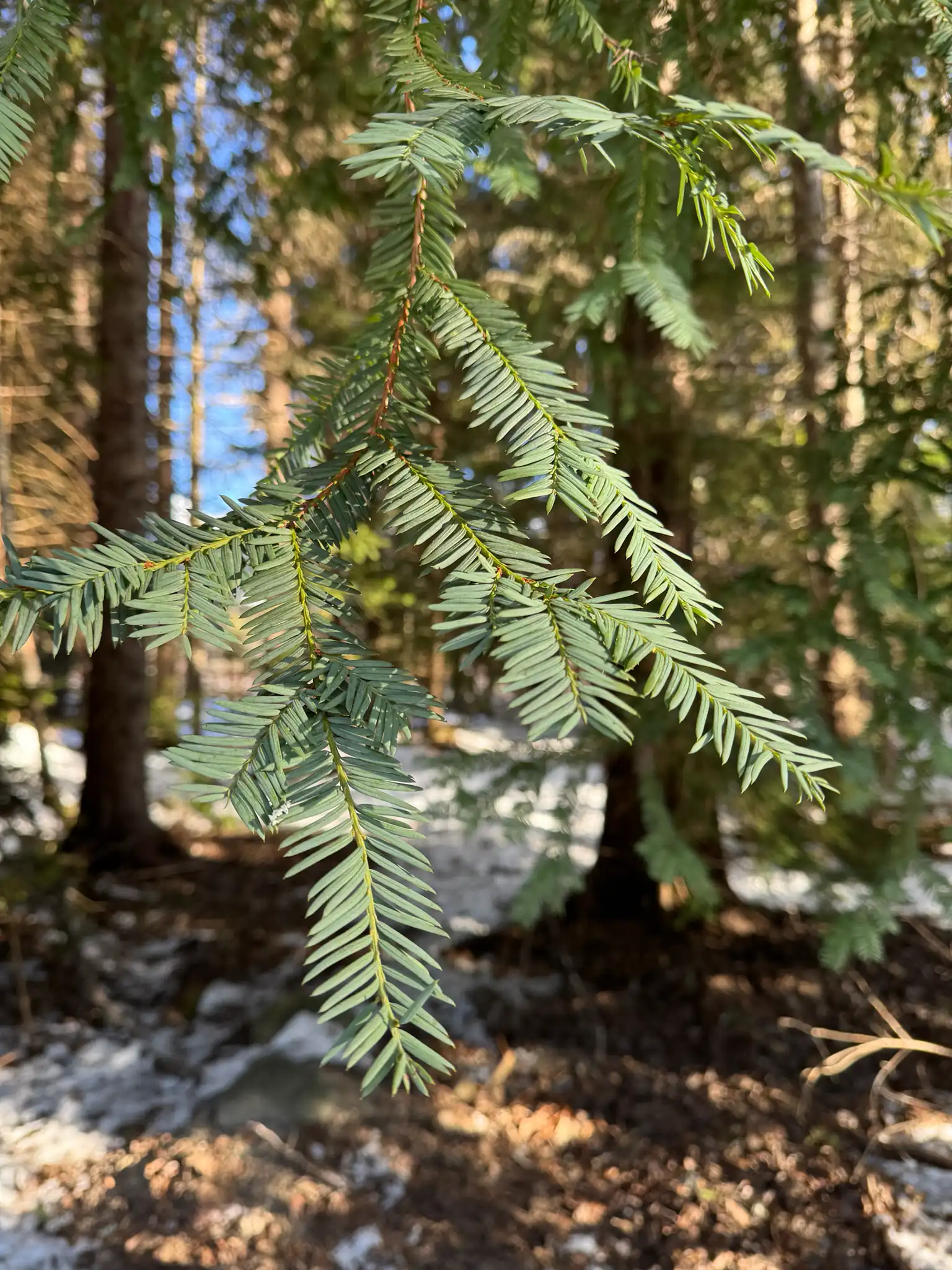
Taxus brevifolia, commonly known as Pacific yew, is a slow-growing evergreen conifer native to the shaded understories and stream banks of western North America. It forms a small conical tree or sprawling multi-stemmed shrub with thin reddish-purple bark and dark green, linear needles arranged in two flat ranks.
Unlike cultivated hedge yews, this species thrives in deep shade and high atmospheric humidity, producing fleshy red arils around its seeds rather than woody cones. Mature specimens hollow out internally over decades while continuing to maintain dense, flexible foliage.
Uses & Benefits:
Essentials
At a Glance
Plant Type
Tree
Height
590"
Width
177"
Light
Partial Sun, Shade
Zones
5, 6, 7, 8, 9
Water
Medium
Humidity
High
Lifespan
Perennial
Native To
North America
Toxicity
High (Taxine alkaloids)
Bloom period
Early spring – Mid-spring
In flower about 2 months of the year
Planting
How to Grow
- Select a planting site in partial to full shade with rich, well-draining loam and protection from harsh midday sun.
- Dig a hole twice as wide as the root ball and set the crown level with the surrounding soil surface.
- Backfill with native soil mixed with compost, firming gently to eliminate air pockets.
- Water thoroughly after planting and maintain consistent soil moisture throughout the first two growing seasons.
Pro Tip
Never shear back into old, bare wood, as Pacific yew lacks the dormant buds required to push new growth from leafless timber.
Keep It Thriving
Care Guide
Do
- Maintain a deep layer of organic mulch around the root zone to conserve moisture.
- Plant in shaded positions protected from drying summer winds.
- Ensure soil drains freely to prevent root rot.
Don't
- Do not plant in hot, full sun or dry urban soils.
- Do not prune hard into thick, bare branch interior wood.
- Do not allow soil to remain waterlogged or compacted.
Seasonal Care Calendar
| Task | Jan | Feb | Mar | Apr | May | Jun | Jul | Aug | Sep | Oct | Nov | Dec |
|---|---|---|---|---|---|---|---|---|---|---|---|---|
| Fertilize | ||||||||||||
| Mulch | ||||||||||||
| Pest Check | ||||||||||||
| Prune |
Watch Out For
Pests & Diseases
Common Pests
Common Diseases
In the Garden
Landscape Uses & Companions
Landscape Uses
Multiply
Propagation Methods
Good to Know
Common Questions
Pacific Yew questions
What zones can Pacific Yew grow in?
Pacific Yew is hardy in USDA Zones 5–9. Inside that range it survives winter in the ground; outside it, grow it as an annual or a container plant you protect.
Is Pacific Yew deer resistant?
Not reliably. Deer may browse Pacific Yew, especially tender spring growth — plan on repellents or fencing where pressure is high.
When does Pacific Yew bloom?
Pacific Yew typically blooms in early spring through mid-spring. Exact timing shifts a week or two with your zone — Sow's bloom calendar maps it to your garden.
Does Pacific Yew need full sun?
Pacific Yew does best in part shade.
More Taxus to compare
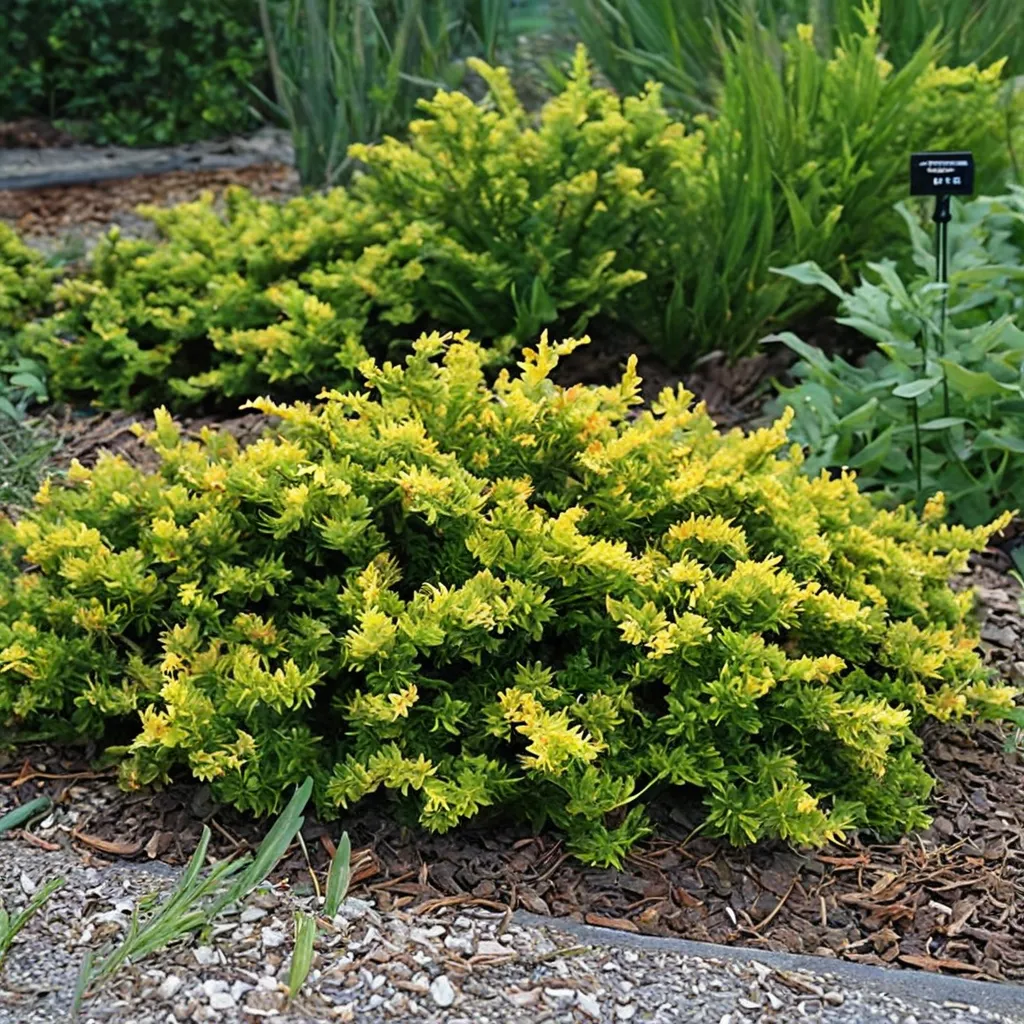
Golden Japanese Yew
Taxus cuspidata 'Aurescens'
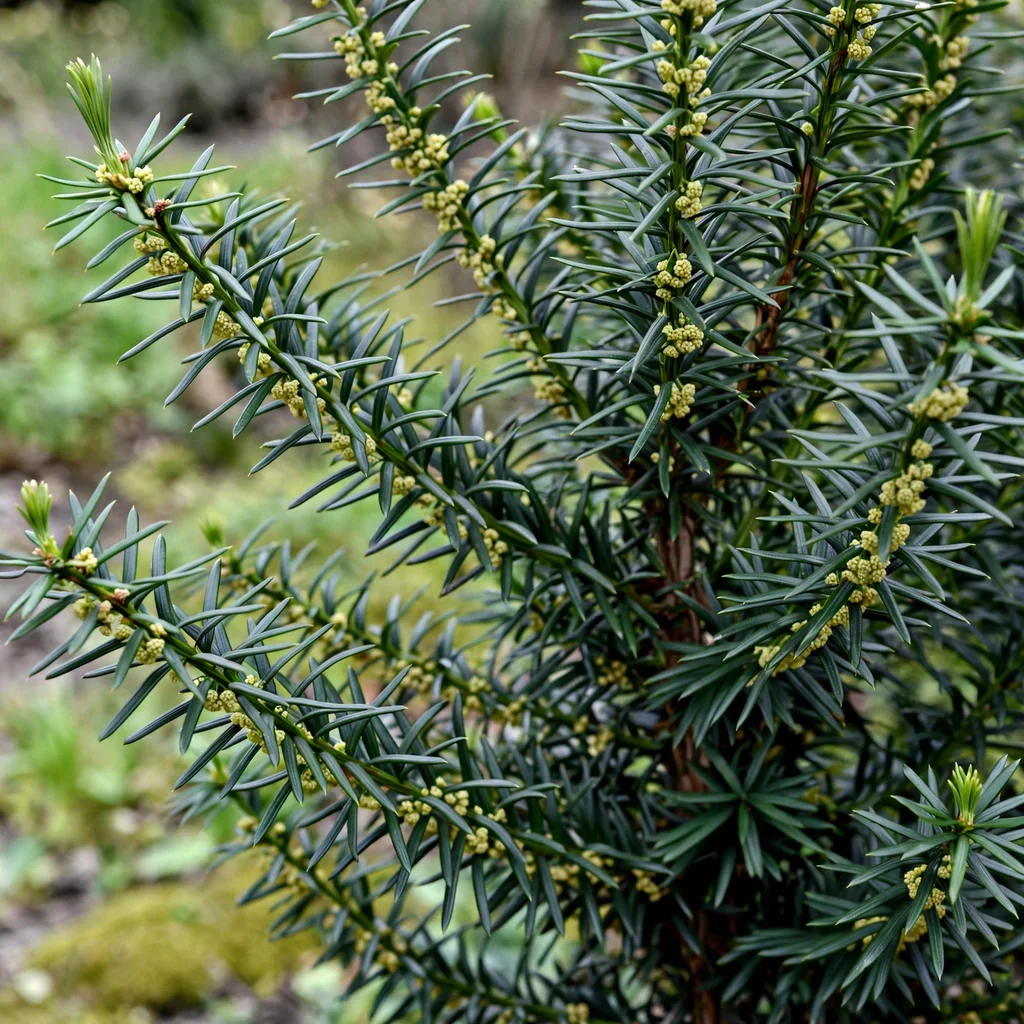
Hicks Yew
Taxus baccata 'Hicksii'
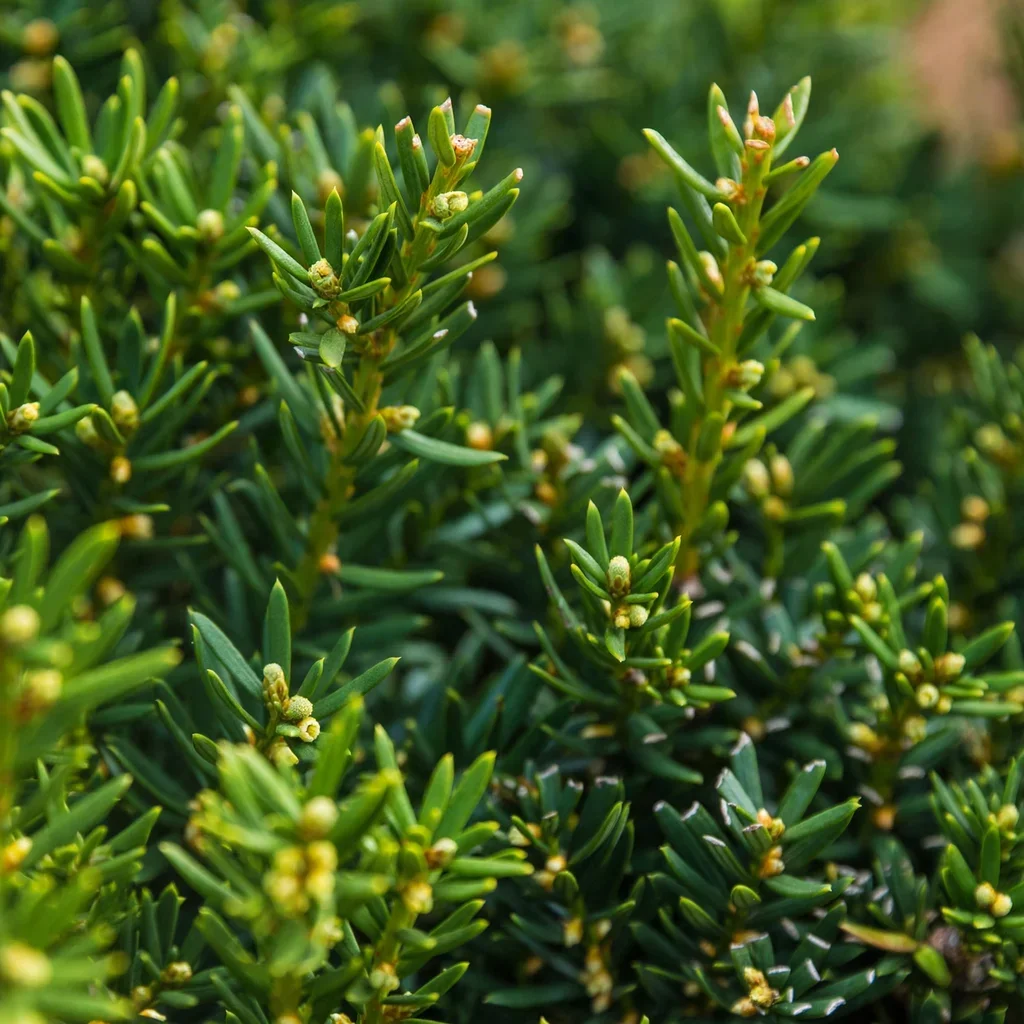
Dark Green Spreader Yew
Taxus baccata 'Dark Green Spreader'
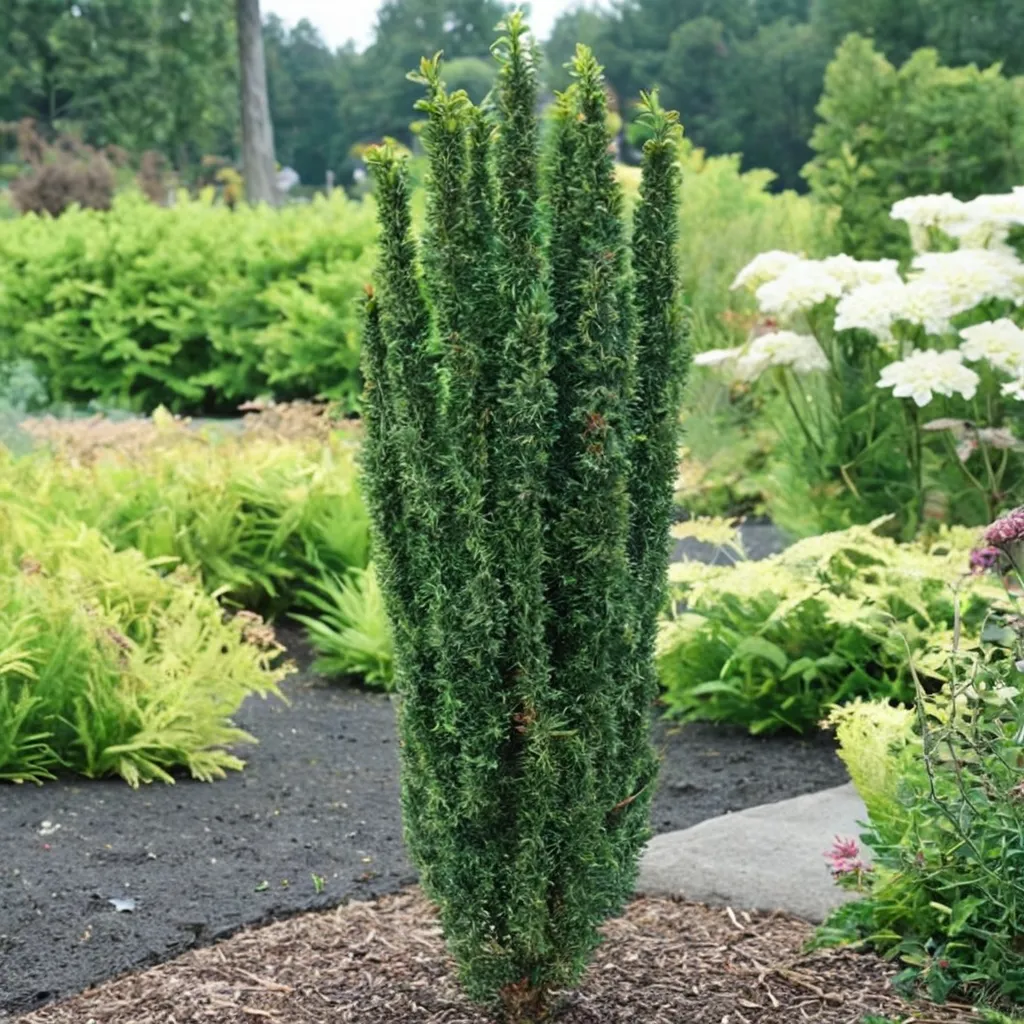
English Yew Skinny
Taxus baccata 'Skinny'
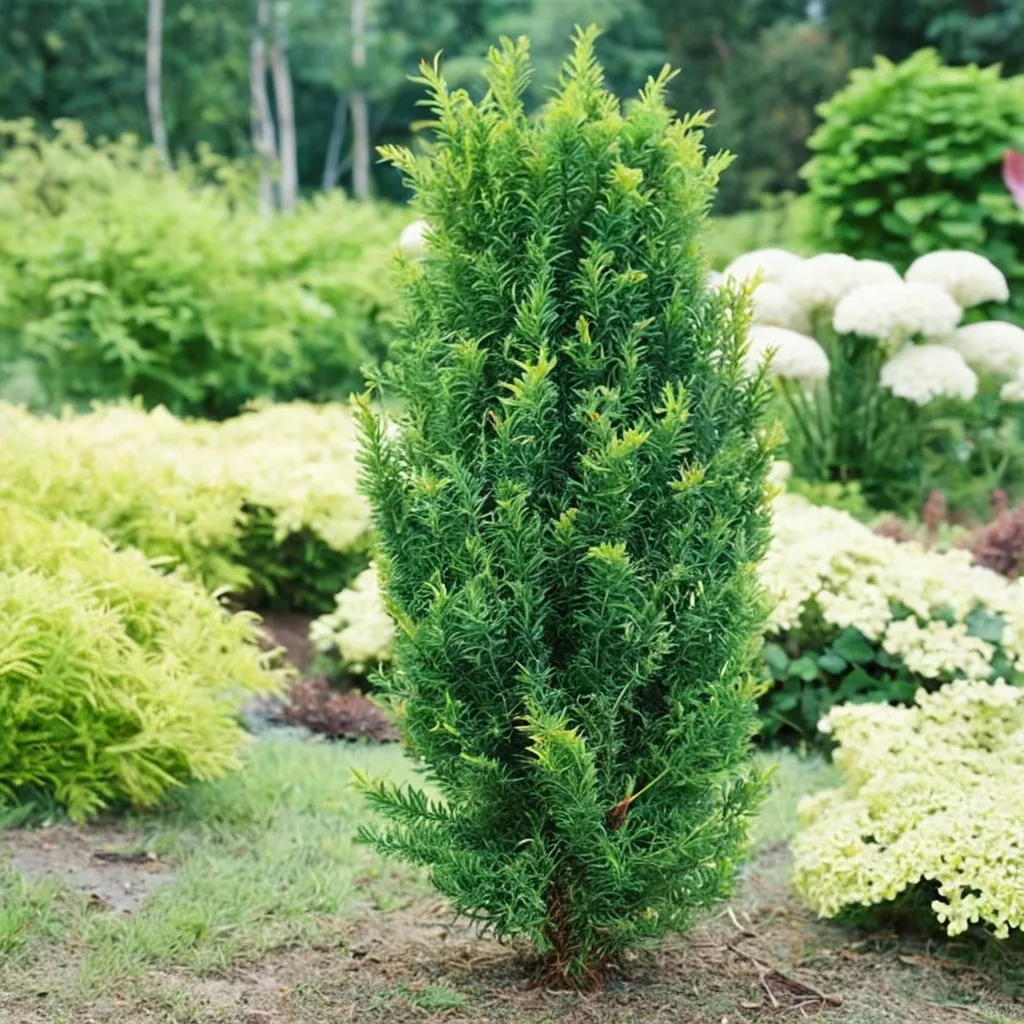
Stonehenge English Yew
Taxus baccata 'Stonehenge'
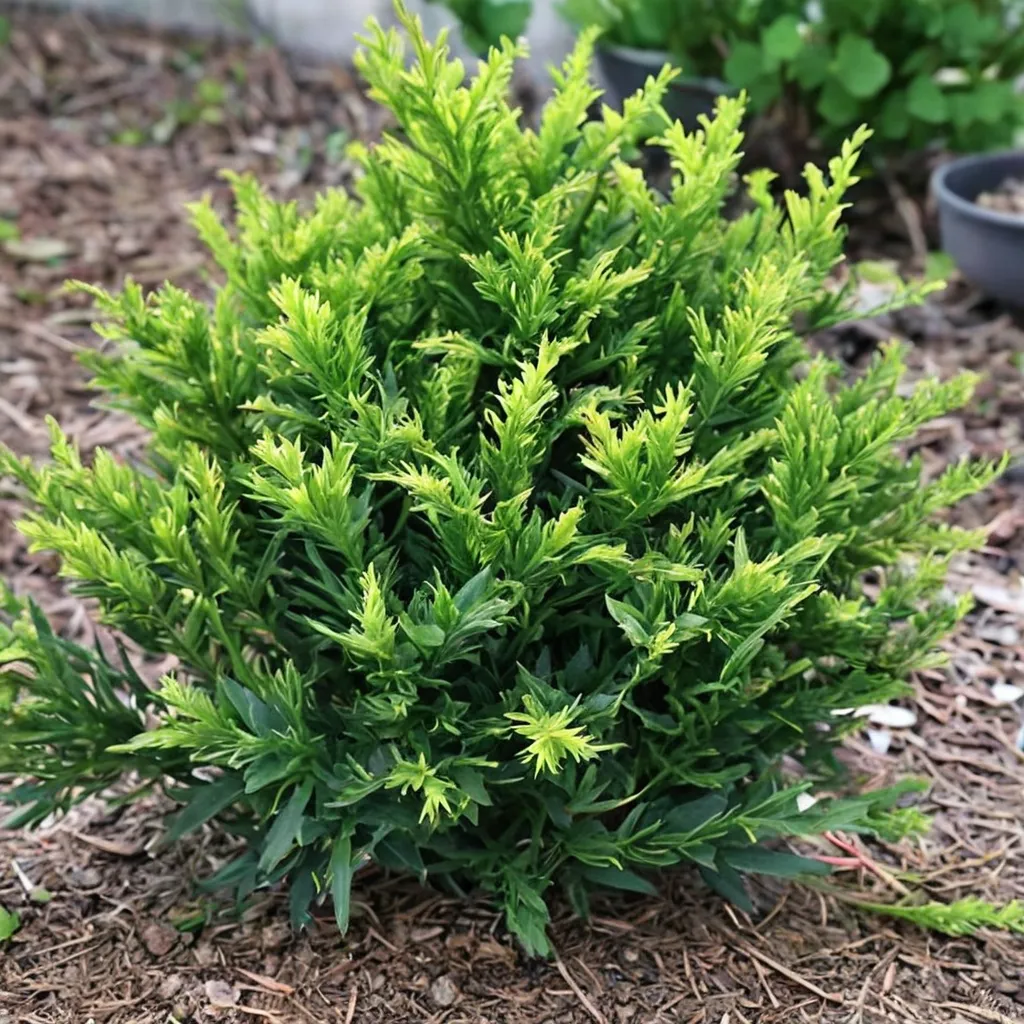
English Yew 'Dark Druid'
Taxus baccata 'Dark Druid'
Keep exploring
Explore the genus
Hardy in your zone?
Grow Pacific Yew with confidence
See it in a design of your actual yard, get zone-matched care reminders, and track it season by season in your garden journal.