The Story
Plant Bio
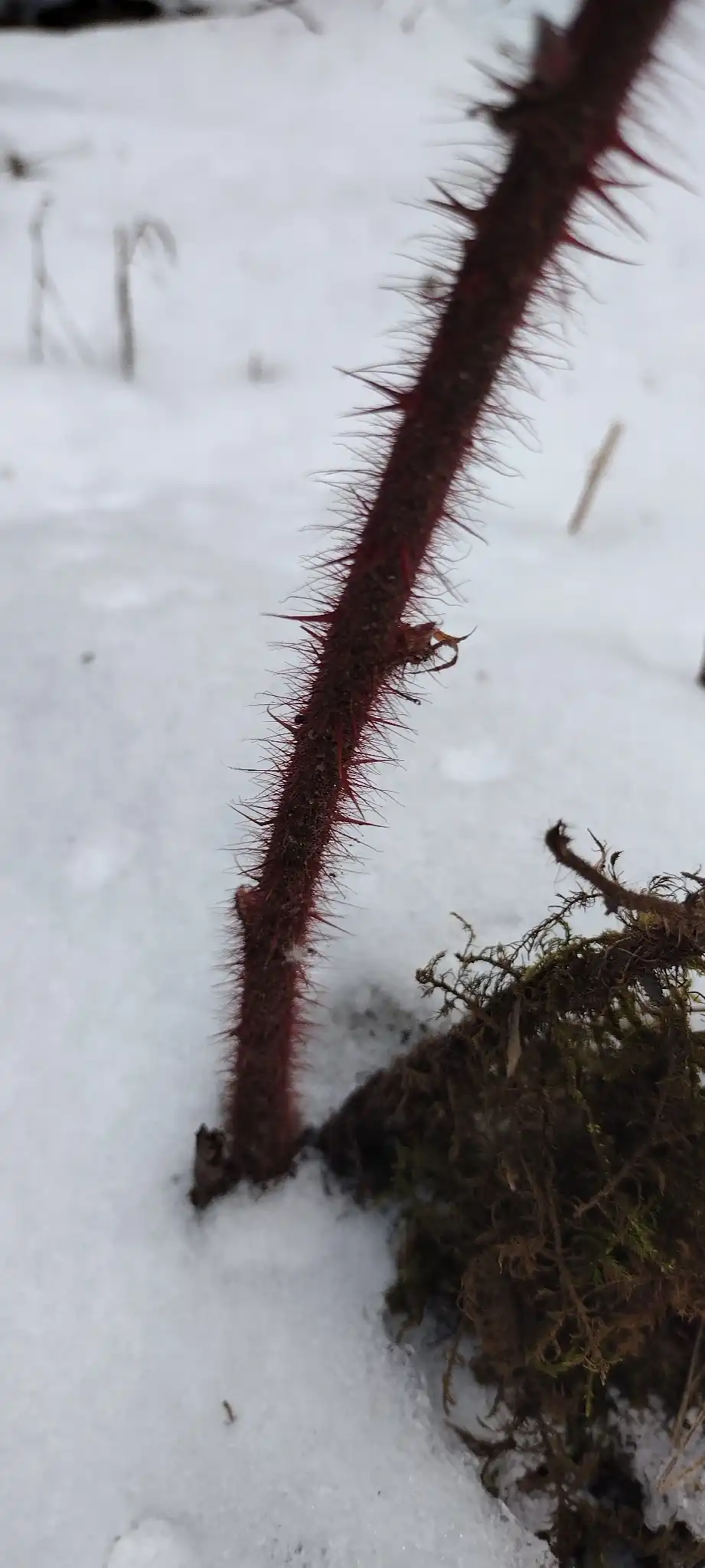
Rubus phoenicolasius is a deciduous, multi-stemmed scrambling shrub native to Eastern Asia, characterized by arching biennial canes that form dense, spreading thickets. The stems are distinctive for their dense covering of reddish-purple glandular hairs, bristles, and weak prickles, bearing trifoliate leaves with bright green tops and stark, silvery-white woolly undersides.
The species is easily distinguished from native brambles by its sticky, intensely colored red stem hairs and small, inconspicuous white-to-pink flowers enclosed in hairy, reddish-purple sepals. It spreads aggressively via tip-rooting canes and is classified as a regulated invasive weed in multiple eastern US states.
Uses & Benefits:
Essentials
At a Glance
Plant Type
Shrub
Height
118"
Width
79"
Light
Full Sun, Partial Sun
Zones
5, 6, 7, 8
Water
Moderate
Humidity
High
Lifespan
Perennial
Native To
Eastern Asia
Toxicity
Non-toxic
Bloom period
Late spring – Summer
In flower about 4 months of the year
Planting
How to Grow
- Select a site in full sun to partial shade with well-drained sandy, loamy, or clay soil.
- Plant containerized stock or bare-root bundles in spring, ensuring the crown sits level with the soil surface.
- Erect a sturdy trellis system to support the scrambling biennial canes and keep them off the ground.
- Apply a thick layer of organic mulch or compost annually in early spring to retain moisture and suppress weeds.
Pro Tip
Install physical containment barriers or train canes strictly to a trellis to prevent the arching tips from touching the ground and rapidly naturalizing.
Keep It Thriving
Care Guide
Do
- Prune out spent floricanes down to ground level every year in late winter.
- Wear thick gloves when handling the bristly, glandular stems to avoid skin irritation.
- Train primocanes to a trellis to prevent aggressive tip-layering.
Don't
- Do not cut back living first-year primocanes unless managing boundary spread.
- Do not apply high-nitrogen fertilizers, which stimulate weak, disease-prone cane growth.
- Do not plant in low-lying areas prone to standing water or waterlogged conditions.
Seasonal Care Calendar
| Task | Jan | Feb | Mar | Apr | May | Jun | Jul | Aug | Sep | Oct | Nov | Dec |
|---|---|---|---|---|---|---|---|---|---|---|---|---|
| Mulch | ||||||||||||
| Pest Check | ||||||||||||
| Propagate | ||||||||||||
| Prune |
Watch Out For
Pests & Diseases
Common Pests
Common Diseases
In the Garden
Landscape Uses & Companions
Landscape Uses
Multiply
Propagation Methods
Good to Know
Common Questions
Wineberry questions
What zones can Wineberry grow in?
Wineberry is hardy in USDA Zones 5–8. Inside that range it survives winter in the ground; outside it, grow it as an annual or a container plant you protect.
Is Wineberry deer resistant?
Not reliably. Deer may browse Wineberry, especially tender spring growth — plan on repellents or fencing where pressure is high.
When does Wineberry bloom?
Wineberry typically blooms in late spring through summer. Exact timing shifts a week or two with your zone — Sow's bloom calendar maps it to your garden.
Does Wineberry need full sun?
Wineberry does best in full sun to part shade. In hot climates, afternoon shade keeps blooms fresher longer.
Is Wineberry drought tolerant?
Yes — once established (usually after the first full season), Wineberry handles dry spells with minimal watering. Water deeply its first year to build the root system that makes that possible.
More Rubus to compare
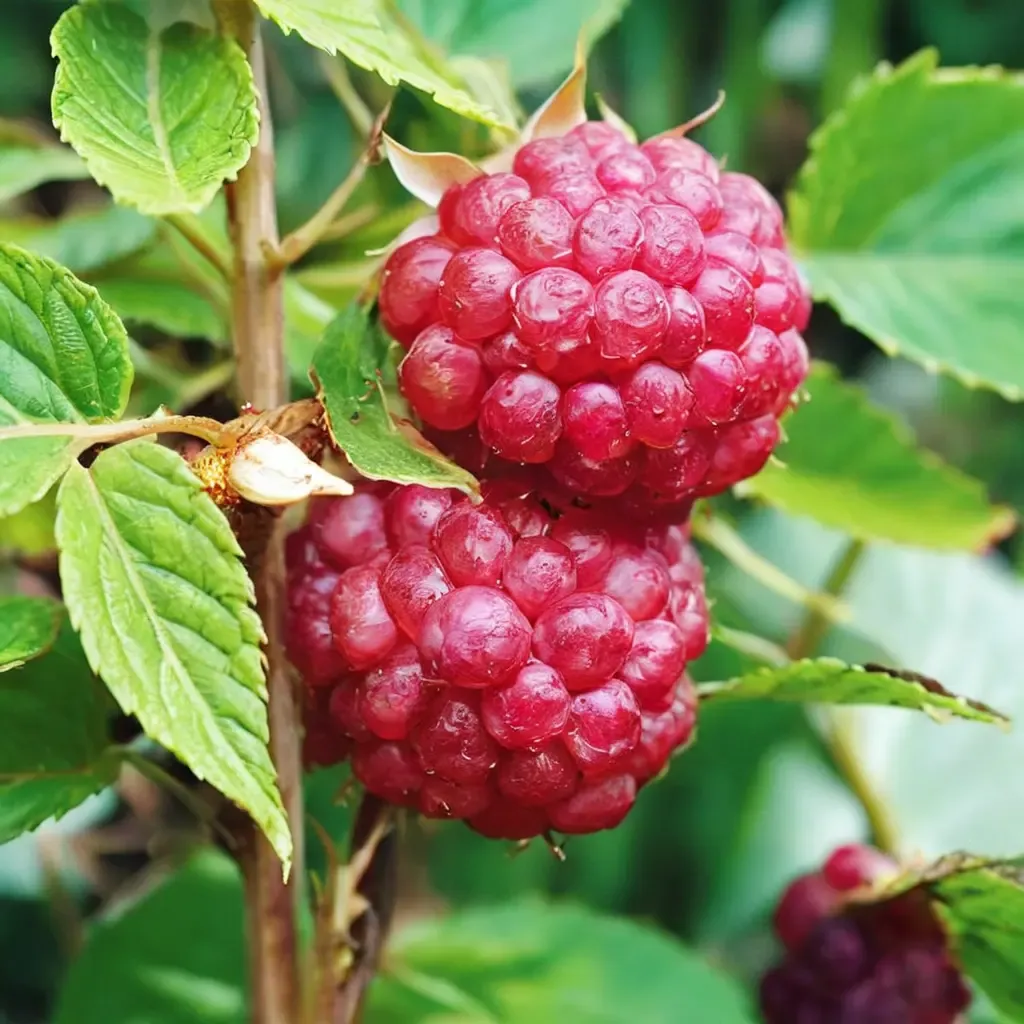
Mammoth Red Raspberry
Rubus idaeus 'Mammoth Red'
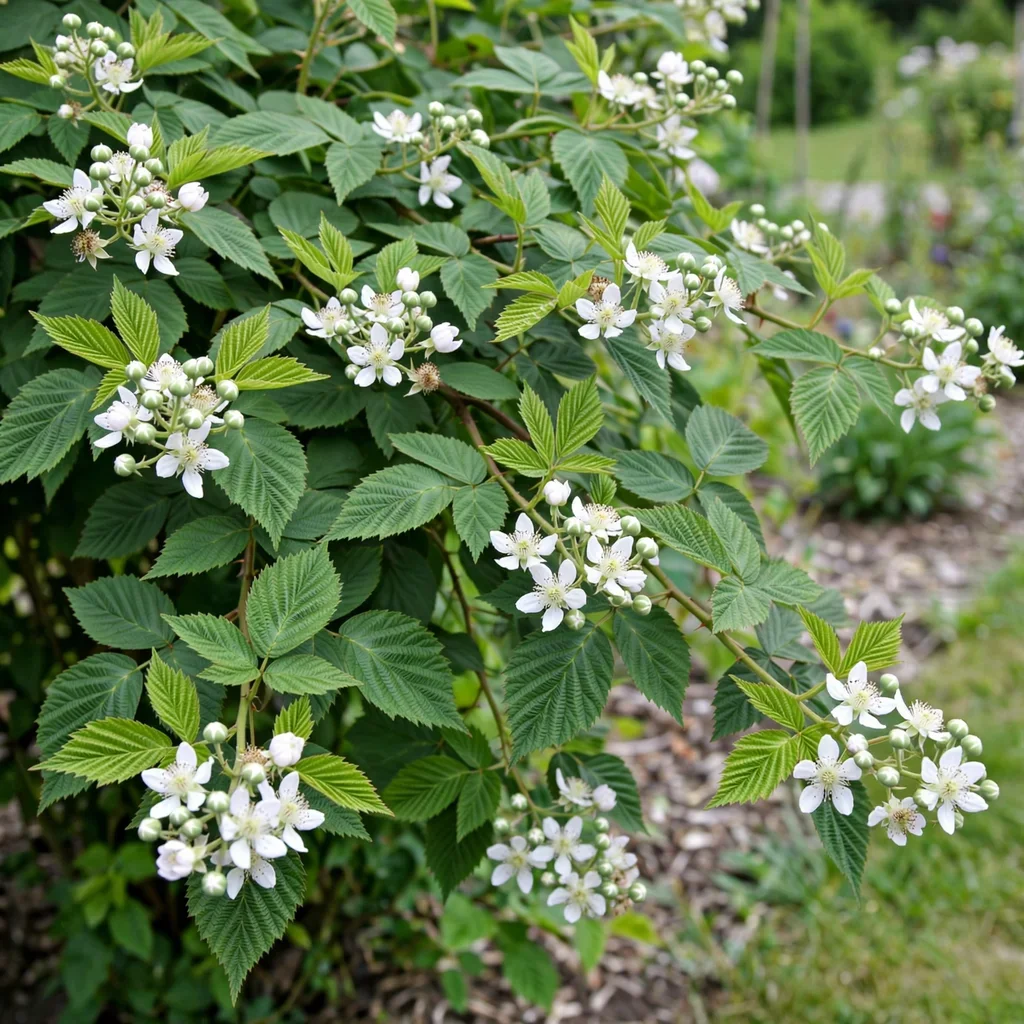
Triple Crown Blackberry
Rubus fruticosus 'Triple Crown'
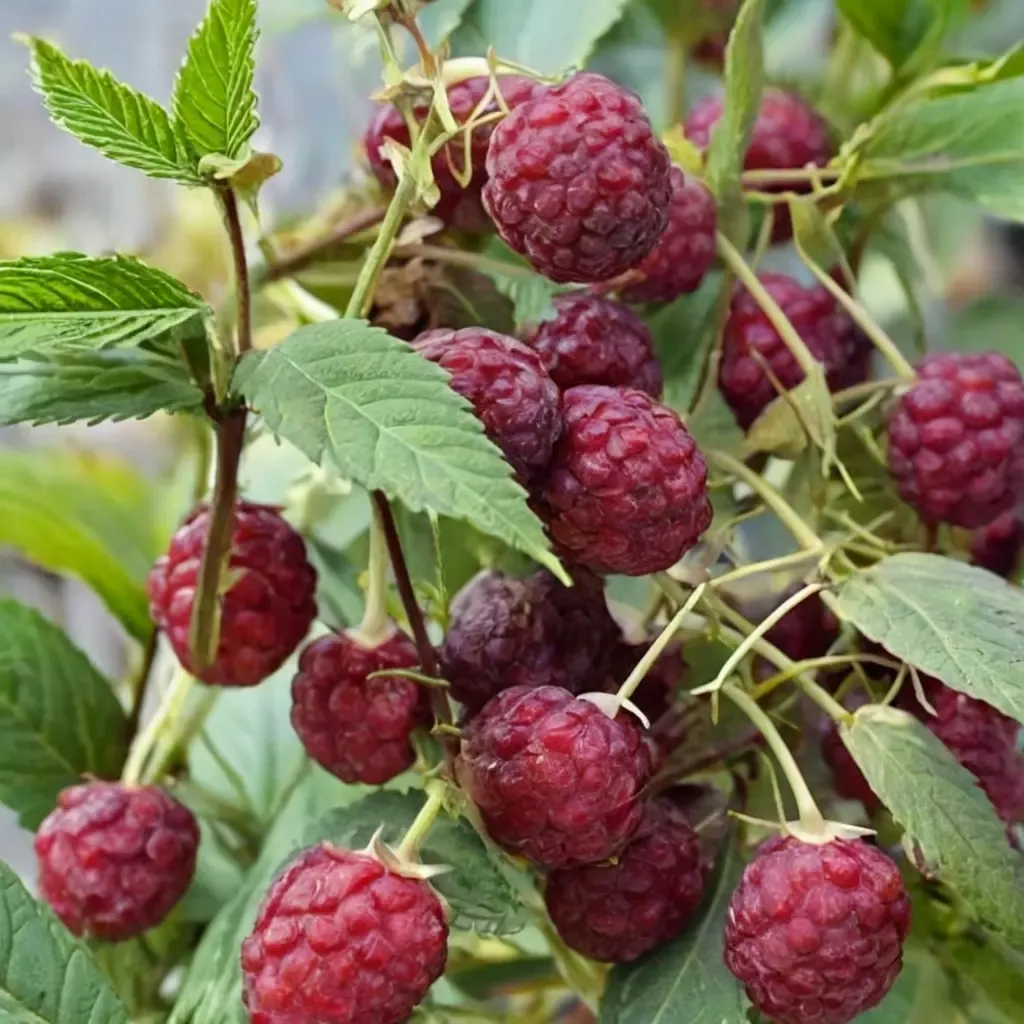
Crimson Night Raspberry
Rubus idaeus 'Crimson Night'
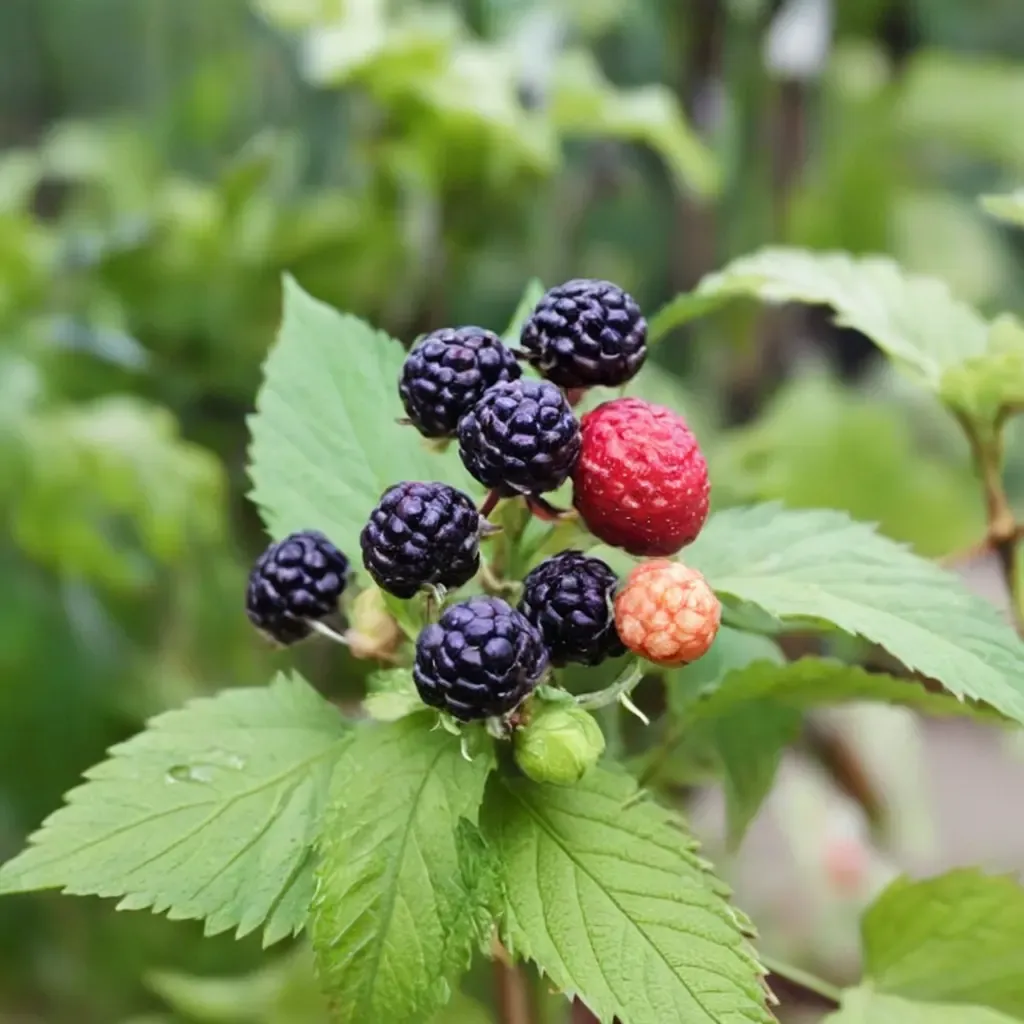
Jewel Black Raspberry
Rubus idaeus 'Jewel'
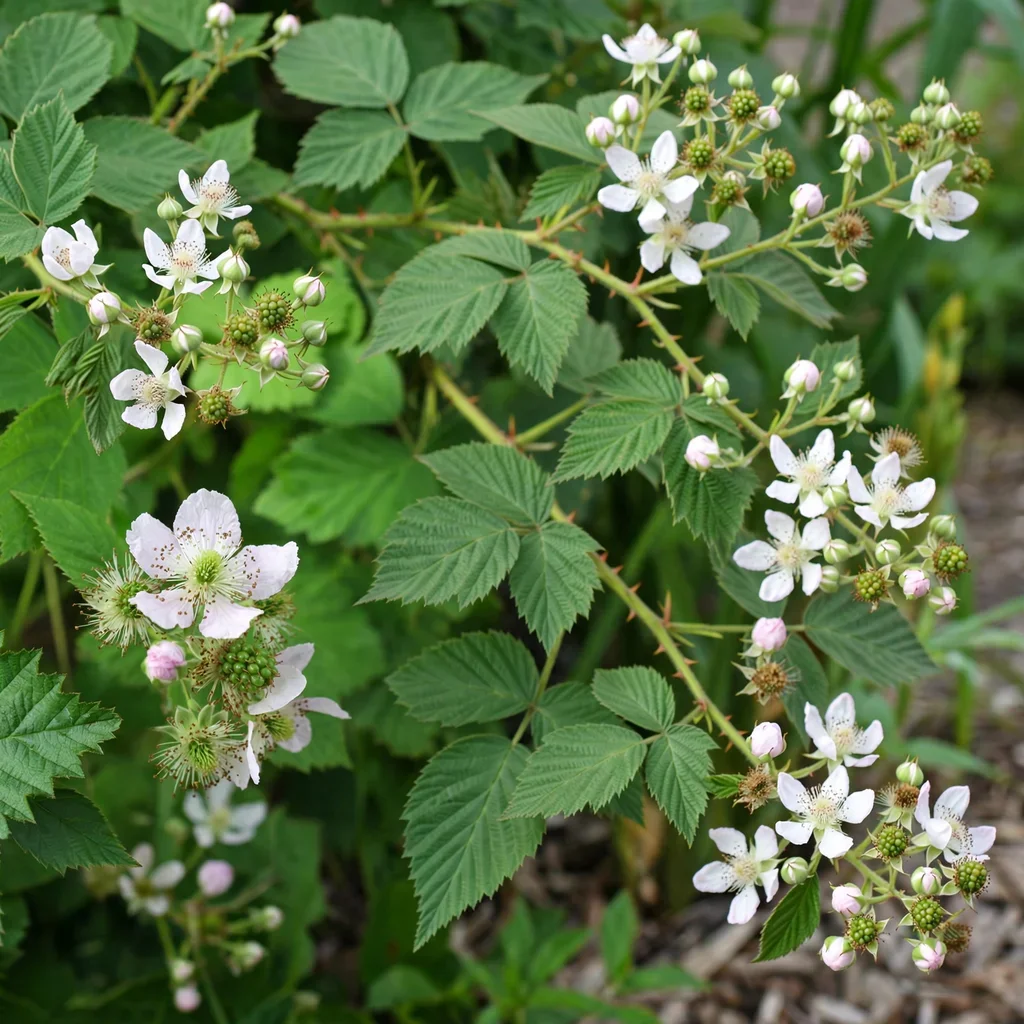
Apache Thornless Blackberry
Rubus fruticosus 'Apache Thornless'
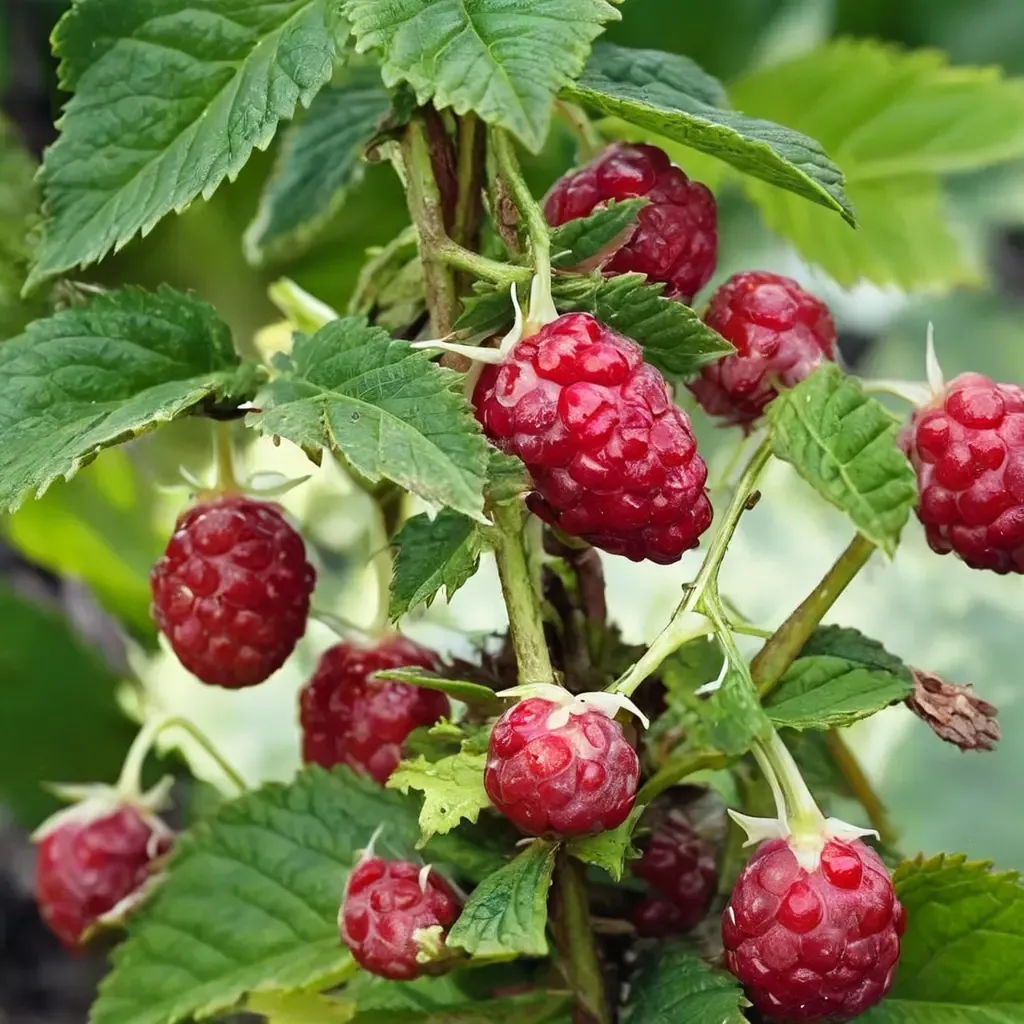
Canby raspberry
Rubus idaeus 'Canby'
Keep exploring
Explore the genus
Hardy in your zone?
Grow Wineberry with confidence
See it in a design of your actual yard, get zone-matched care reminders, and track it season by season in your garden journal.