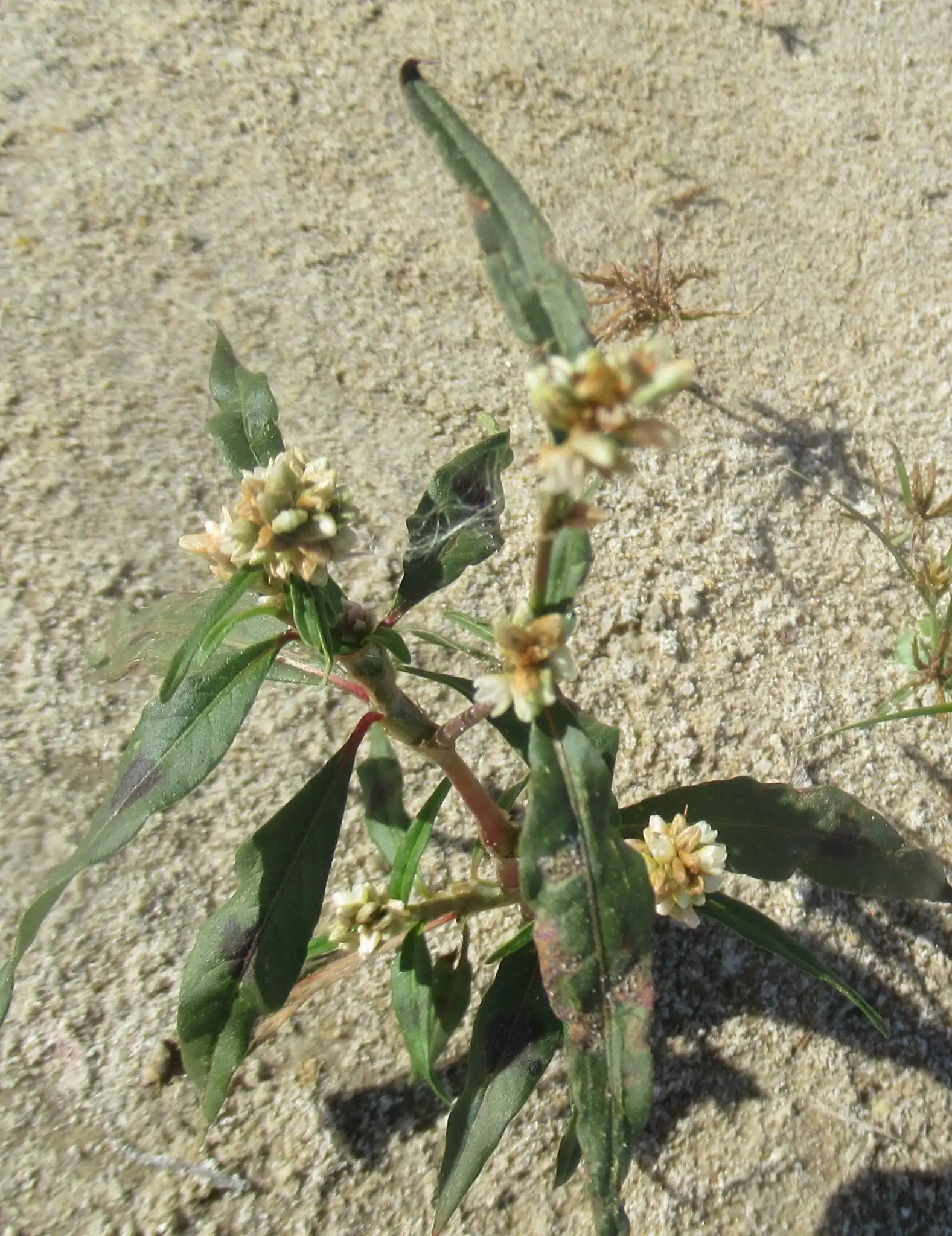
The Story
Plant Bio
Persicaria lapathifolia, commonly known as pale smartweed, is a widespread annual herb that thrives in wet, disturbed soils and along wetland margins. The plant features erect, swollen-jointed stems and lance-shaped leaves often marked with a dark, central triangular blotch.
The small, pink or greenish-white flowers are densely packed into nodding, cylindrical spikes that arch gracefully from the upper leaf axils. This species is distinguished from similar smartweeds by its ocreae, which lack long, hair-like bristles along the upper margins.
Uses & Benefits:
Essentials
At a Glance
Plant Type
Annual
Height
70"
Width
40"
Light
Full Sun, Partial Sun
Zones
4, 5, 6, 7, 8, 9
Water
High
Humidity
High
Lifespan
Annual
Native To
Europe, Asia, Africa, North America
Toxicity
Skin Irritant
Bloom period
Summer – Fall
In flower about 6 months of the year
Planting
How to Grow
- Sow seeds directly onto wet, bare mineral soil in spring once soil temperatures warm.
- Select a site in full sun to partial shade that remains consistently moist or seasonally flooded.
- Maintain high soil moisture throughout the growing season to support rapid vegetative growth.
- Allow the plants to flower and set seed naturally in late summer to ensure self-sowing for the following year.
Pro Tip
To distinguish this species from the aggressive spotted ladysthumb, inspect the cylindrical leaf sheaths; pale smartweed sheaths lack a fringe of long bristles and the leaf undersides are dotted with tiny yellow glands.
Keep It Thriving
Care Guide
Do
- Keep the soil consistently damp or wet, especially during hot summer months.
- Sow seeds in areas prone to seasonal flooding where other plants struggle.
- Learn to identify the seedling stage to avoid accidentally weeding it out of restoration areas.
Don't
- Do not plant in dry, sandy upland soils where moisture cannot be maintained.
- Do not apply high-nitrogen fertilizers, which trigger excessive, weak stem growth.
- Do not use broadleaf herbicides in areas where you want this native annual to self-seed.
Seasonal Care Calendar
| Task | Jan | Feb | Mar | Apr | May | Jun | Jul | Aug | Sep | Oct | Nov | Dec |
|---|---|---|---|---|---|---|---|---|---|---|---|---|
| Deadhead | ||||||||||||
| Pest Check | ||||||||||||
| Plant | ||||||||||||
| Spring Cleanup |
Watch Out For
Pests & Diseases
Common Pests
Common Diseases
In the Garden
Landscape Uses & Companions
Landscape Uses
Companion Plants
Multiply
Propagation Methods
Good to Know
Common Questions
Pale smartweed questions
What zones can Pale smartweed grow in?
Pale smartweed is hardy in USDA Zones 4–9. Inside that range it survives winter in the ground; outside it, grow it as an annual or a container plant you protect.
Is Pale smartweed deer resistant?
Yes — Pale smartweed is rated deer-resistant. Deer typically pass it over, though extreme hunger can override any plant's defenses.
When does Pale smartweed bloom?
Pale smartweed typically blooms in summer through fall. Exact timing shifts a week or two with your zone — Sow's bloom calendar maps it to your garden.
Does Pale smartweed need full sun?
Pale smartweed does best in full sun to part shade. In hot climates, afternoon shade keeps blooms fresher longer.
More Persicaria to compare
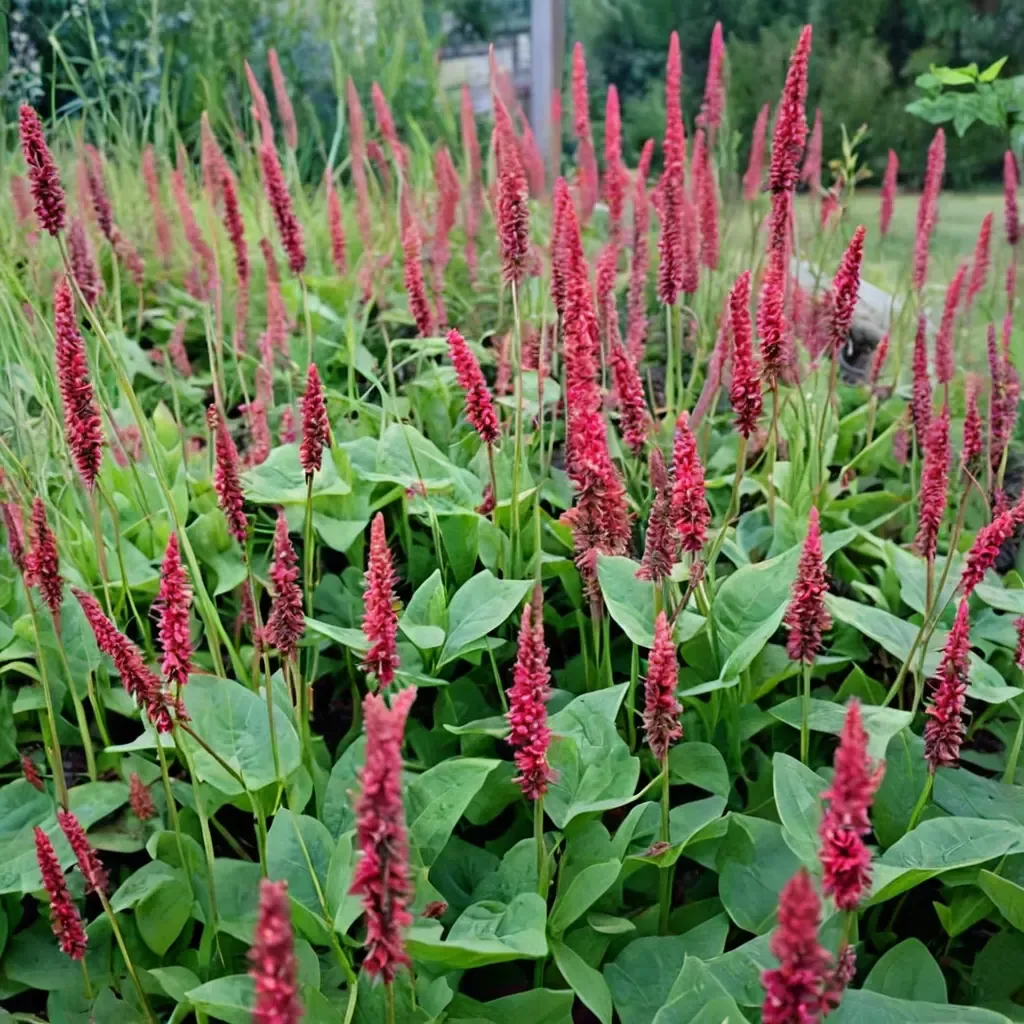
Mountain Fleece Chinese Fleeceflower
Persicaria amplexicaulis
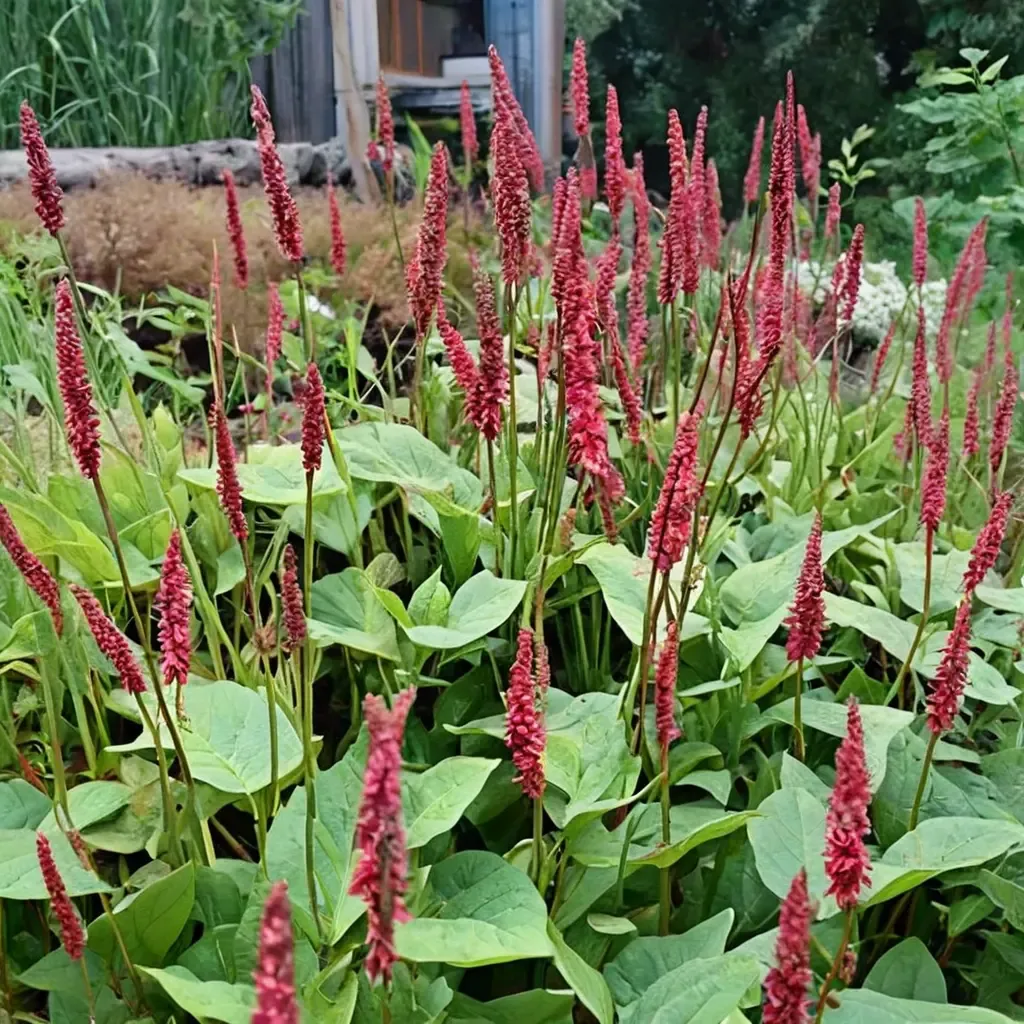
Mountain Fleece 'Firetail'
Persicaria amplexicaulis 'Firetail'
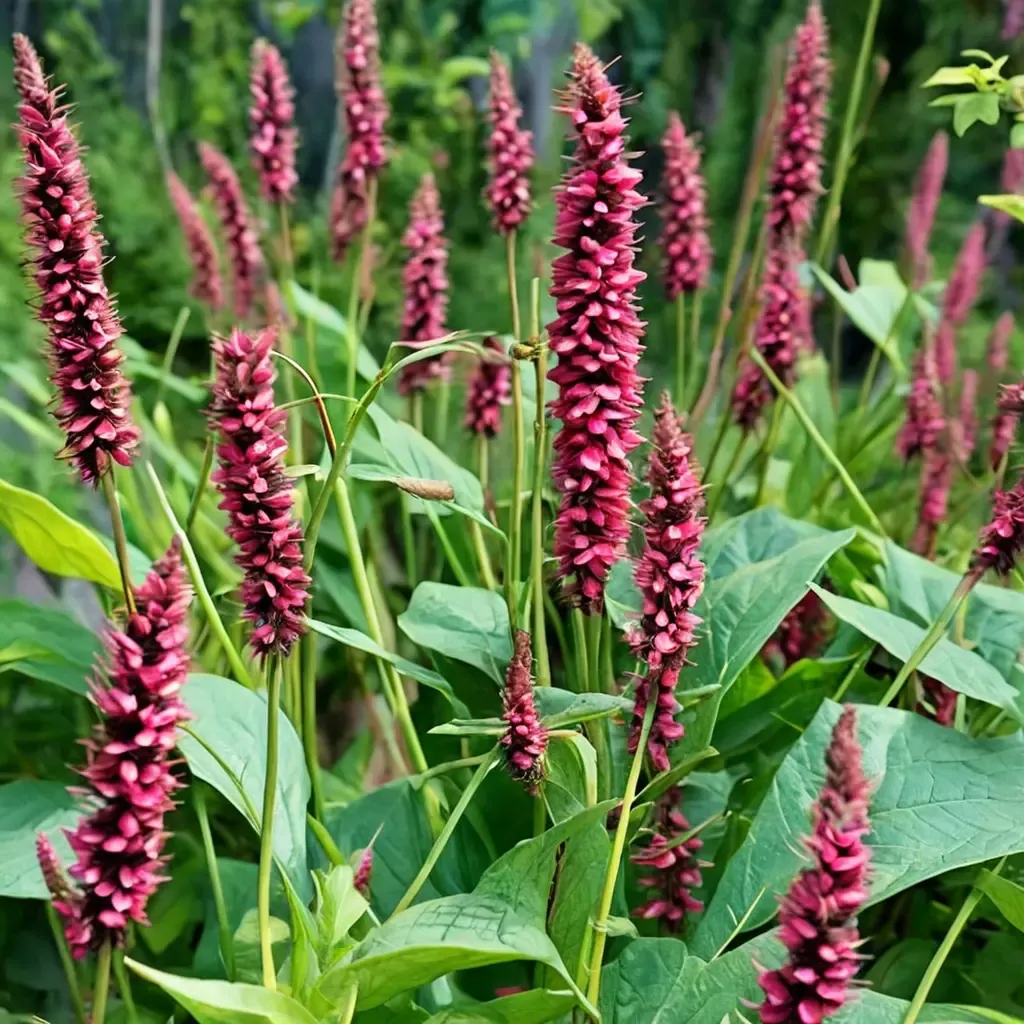
Taurus Mountain Fleece
Persicaria amplexicaulis 'Taurus'
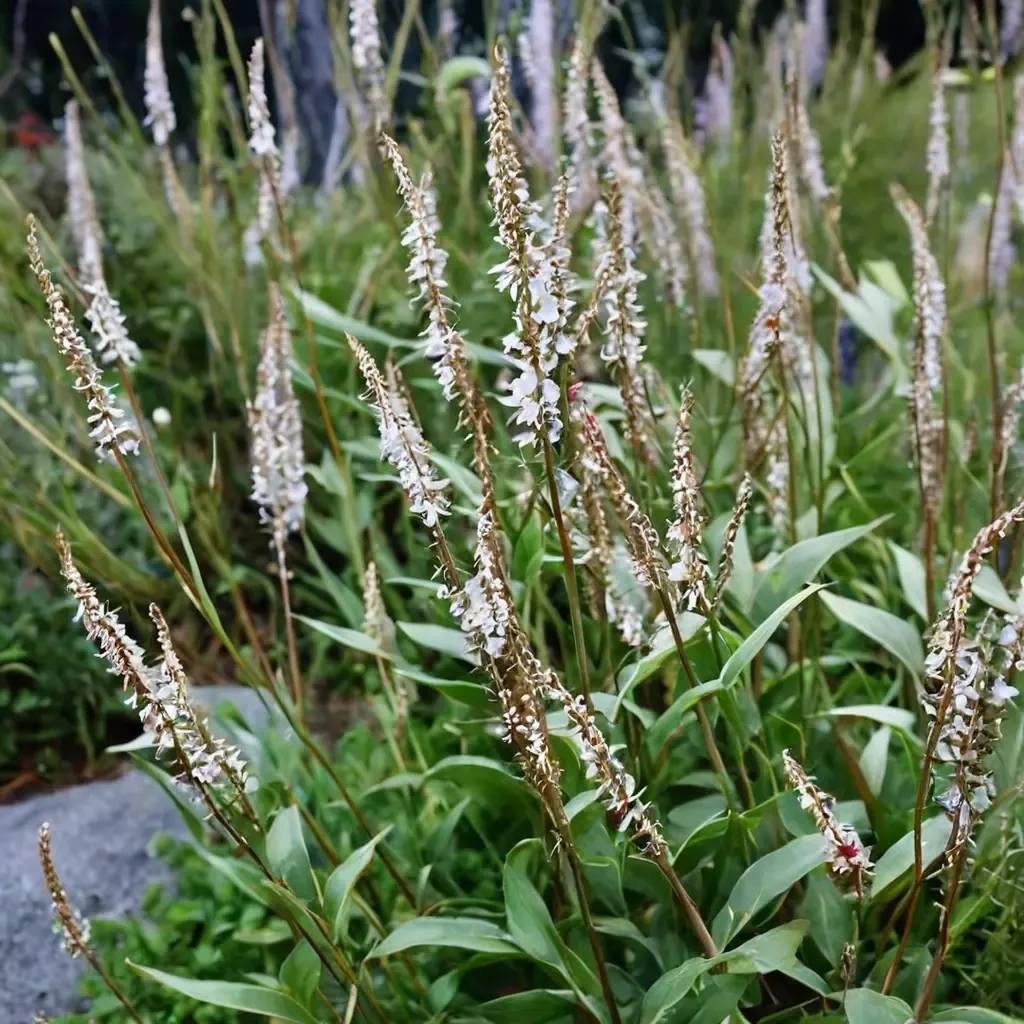
White Mountain Knotweed
Persicaria amplexicaulis 'Alba'
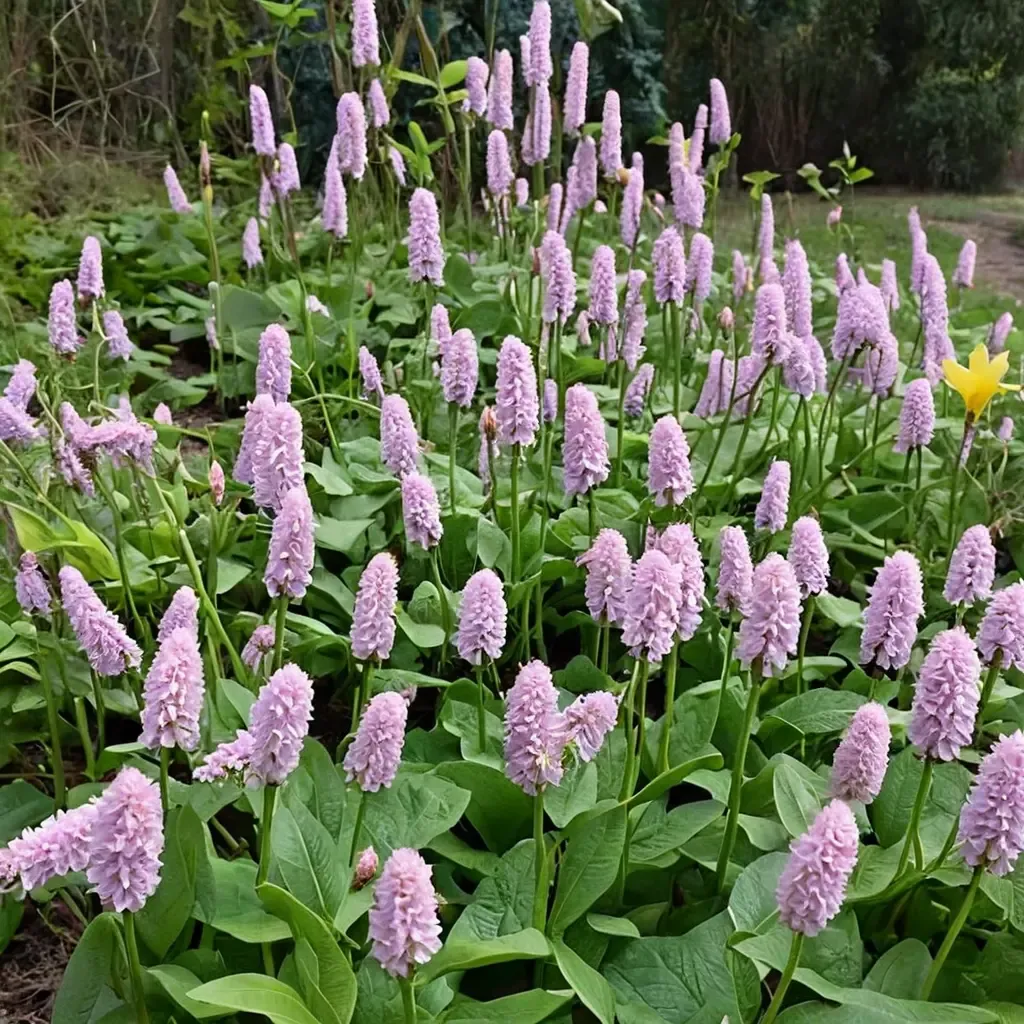
Superba bistort
Persicaria bistorta 'Superba'
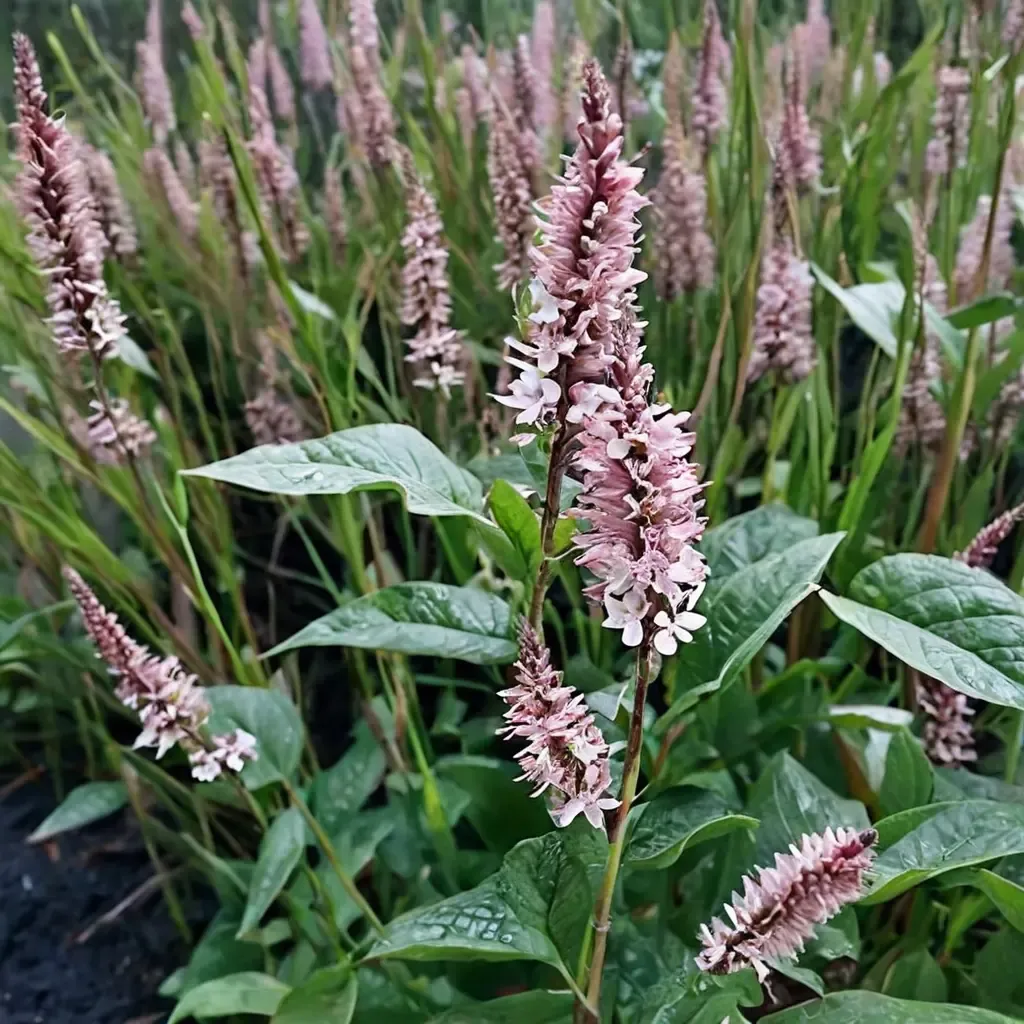
Rosea Mountain Fleece
Persicaria amplexicaulis 'Rosea'
Keep exploring
Explore the genus
Grow Pale smartweed with confidence
See it in a design of your actual yard, get zone-matched care reminders, and track it season by season in your garden journal.