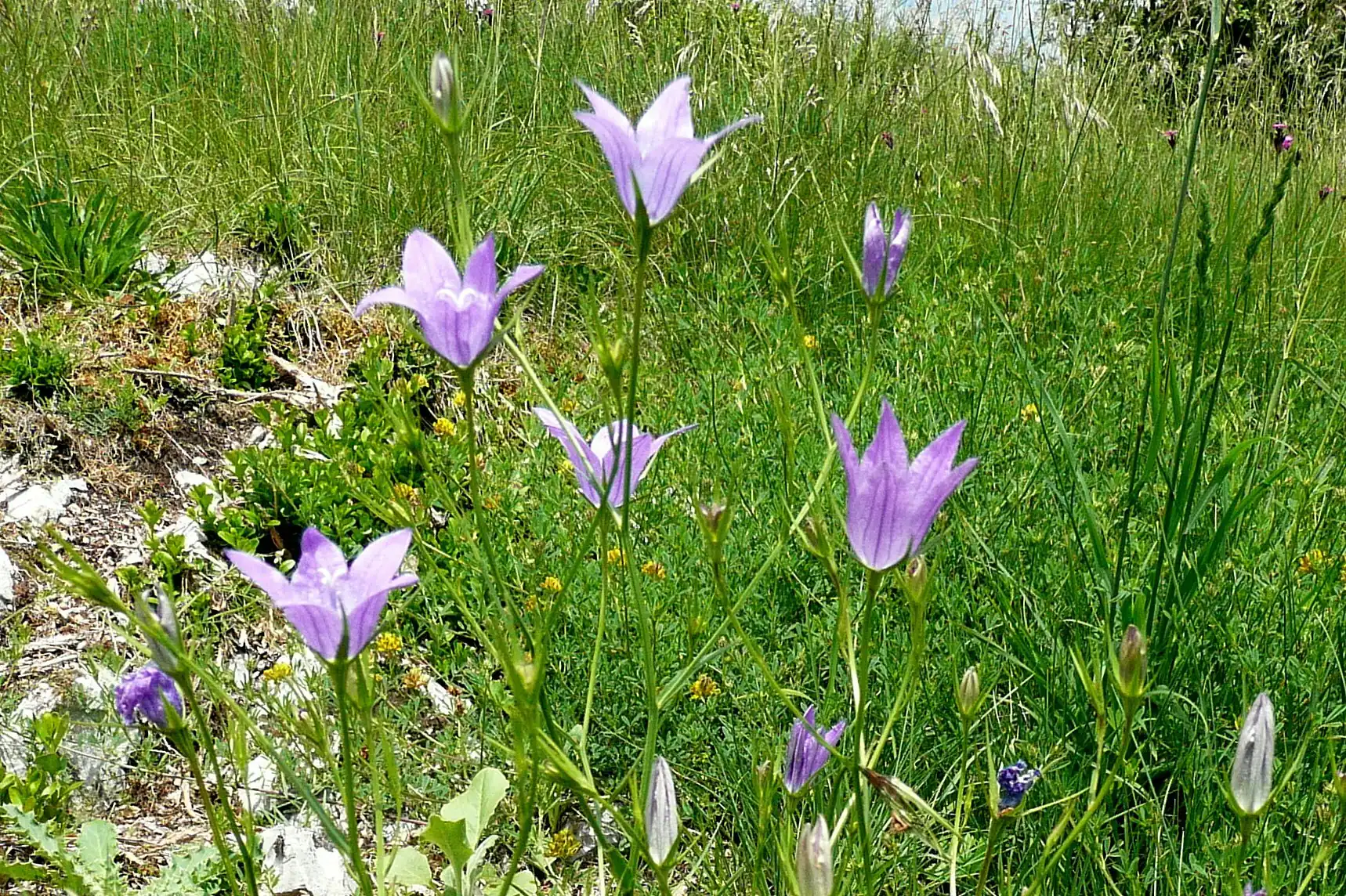
1 named cultivar

The Story
Plant Bio
Campanula rapunculus, or rampion, is a biennial bellflower from Europe, western Asia and northern Africa. It spends its first year as a low basal rosette over a thickened white root, then sends up branching stems two to three feet high in its second summer, carrying narrow spires of lilac-blue or white bells from July to August.
It is a biennial, not a perennial, so a plant that flowers is finished afterwards and the patch continues only from seed; sow in two consecutive years to get flowers every season. Both the root and the young leaves were historically eaten as a vegetable, which is where the name in the Rapunzel story comes from.
Uses & Benefits:
Essentials
At a Glance
Plant Type
Perennial
Height
30"
Width
12"
Light
Full Sun, Partial Sun
Zones
4, 5, 6, 7, 8
Water
Medium
Humidity
Average
Lifespan
Biennial
Native To
Northern Africa, western Asia and Europe
Toxicity
Edible
Planting
How to Grow
- Sow seed in early summer for flowers the following year.
- Choose full sun, or part shade where summers are hot.
- Use average, medium-moisture, well-drained soil.
- Keep the soil regularly moist while plants grow.
- Sow again the next year to keep flowers coming annually.
- Leave some plants to seed if you want a self-sustaining patch.
Pro Tip
Sow in two consecutive years from the start; with a single sowing you get a year of rosettes and then a gap.
Keep It Thriving
Care Guide
Do
- Sow in consecutive years for annual flowers 🌱
- Give it full sun in cool-summer regions ☀️
- Keep the soil regularly moist 💧
- Let a few plants seed to sustain the patch 🌸
Don't
- Expect a flowered plant to return the next year ❌
- Let the soil dry out during growth ❌
- Site it in deep shade ❌
Seasonal Care Calendar
| Task | Jan | Feb | Mar | Apr | May | Jun | Jul | Aug | Sep | Oct | Nov | Dec |
|---|---|---|---|---|---|---|---|---|---|---|---|---|
| Harvest | ||||||||||||
| Sow |
Watch Out For
Pests & Diseases
Common Pests
Common Diseases
In the Garden
Landscape Uses & Companions
Landscape Uses
Multiply
Propagation Methods
Good to Know
Common Questions
Bellflower questions
What zones can Bellflower grow in?
Bellflower is hardy in USDA Zones 4–8. Inside that range it survives winter in the ground; outside it, grow it as an annual or a container plant you protect.
Is Bellflower deer resistant?
Yes — Bellflower is rated deer-resistant. Deer typically pass it over, though extreme hunger can override any plant's defenses.
When does Bellflower bloom?
Bellflower typically blooms in mid to late summer through early summer. Exact timing shifts a week or two with your zone — Sow's bloom calendar maps it to your garden.
Does Bellflower need full sun?
Bellflower does best in full sun to part shade. In hot climates, afternoon shade keeps blooms fresher longer.
More Campanula to compare
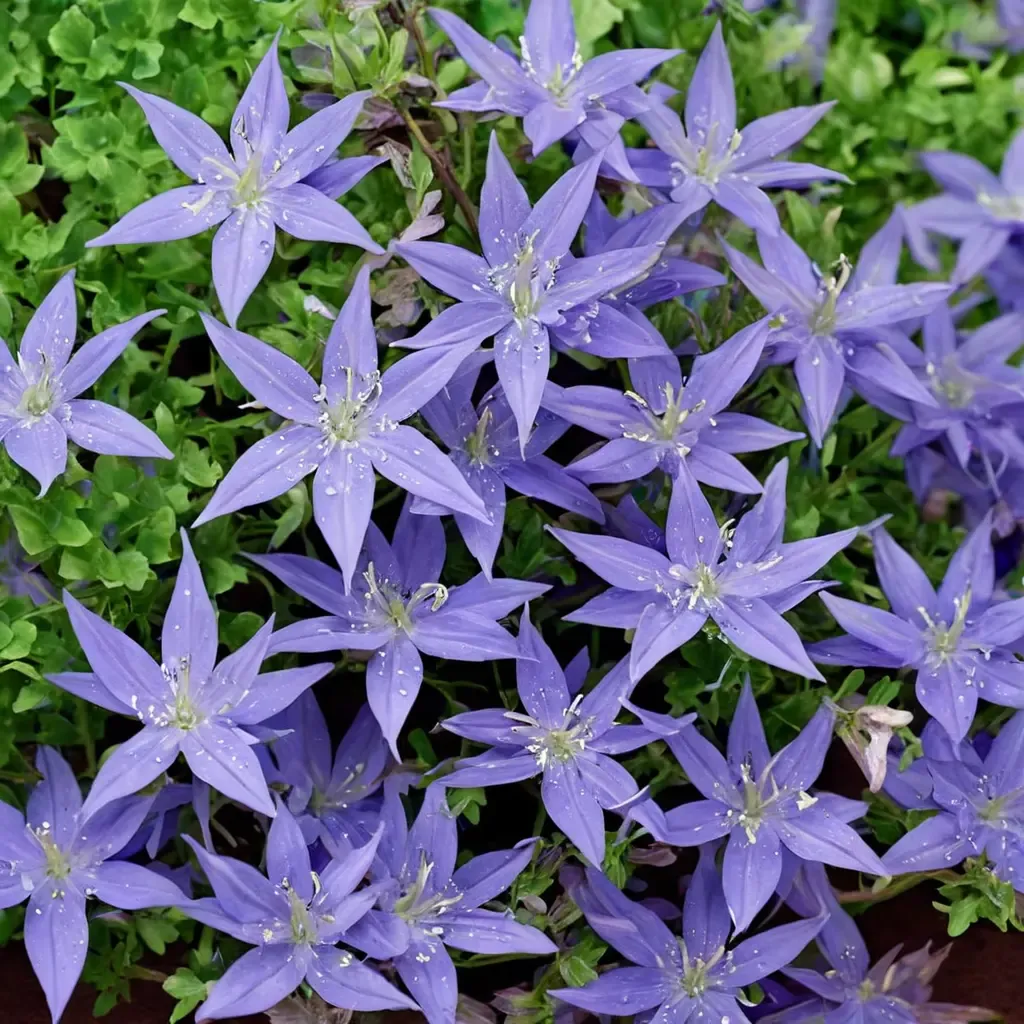
Blue Waterfall Bellflower
Campanula poscharskyana 'Blue Waterfall'
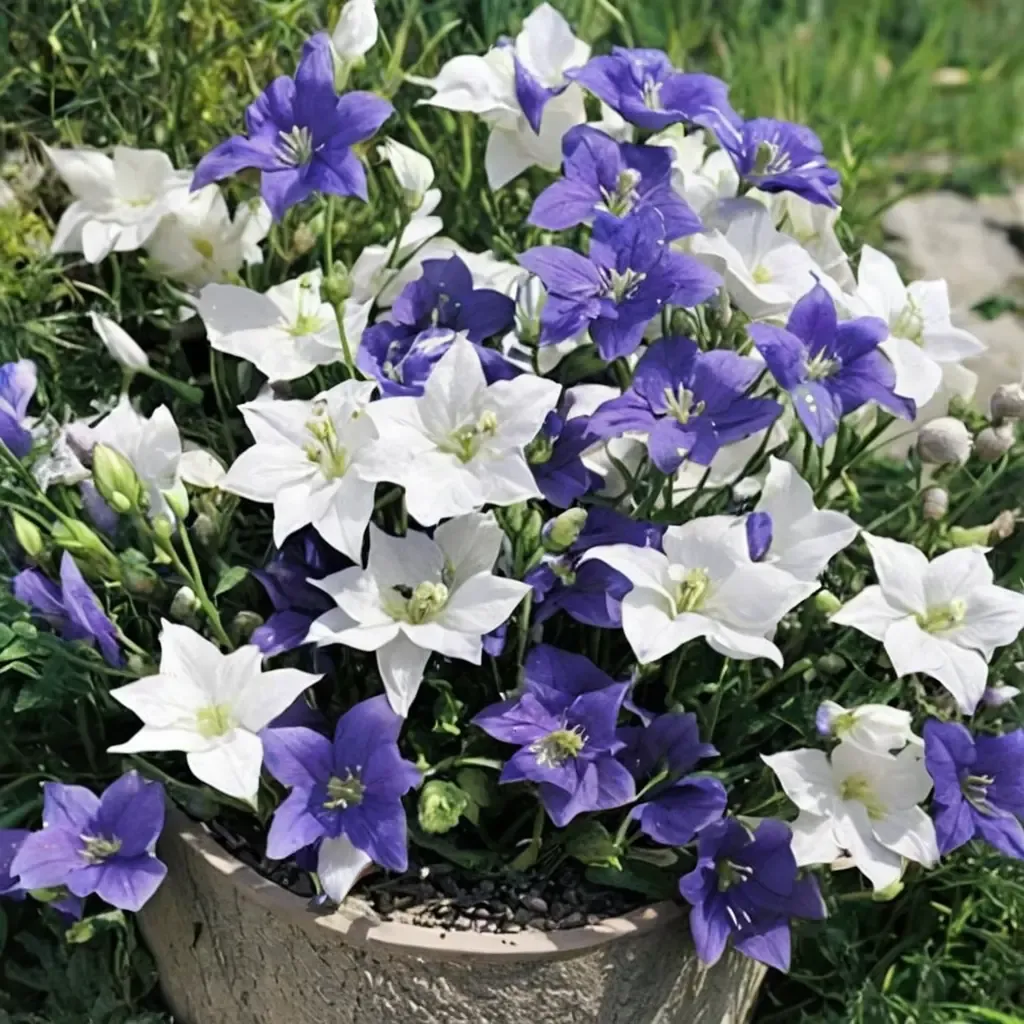
Carpathian Bellflower
Campanula carpatica 'Mix'
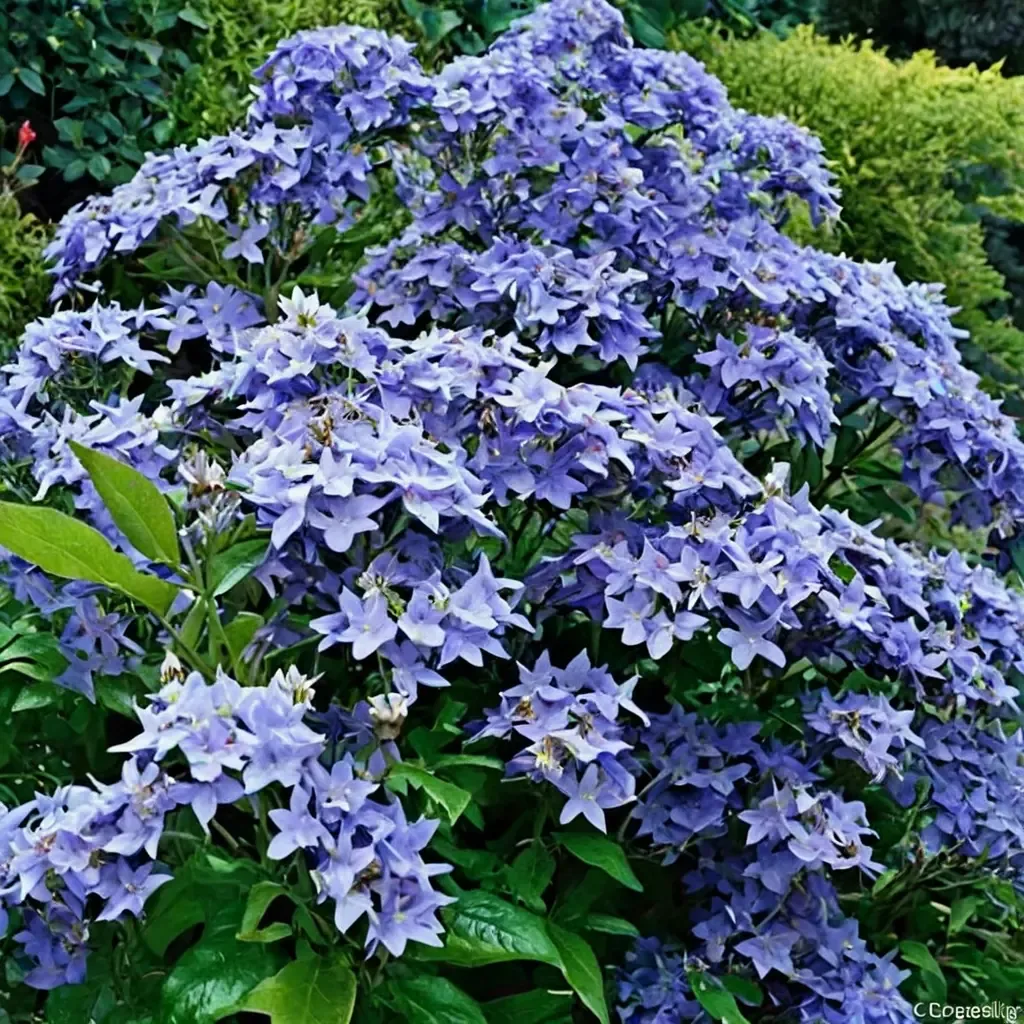
Prichard Milky Bellflower
Campanula lactiflora 'Prichard'
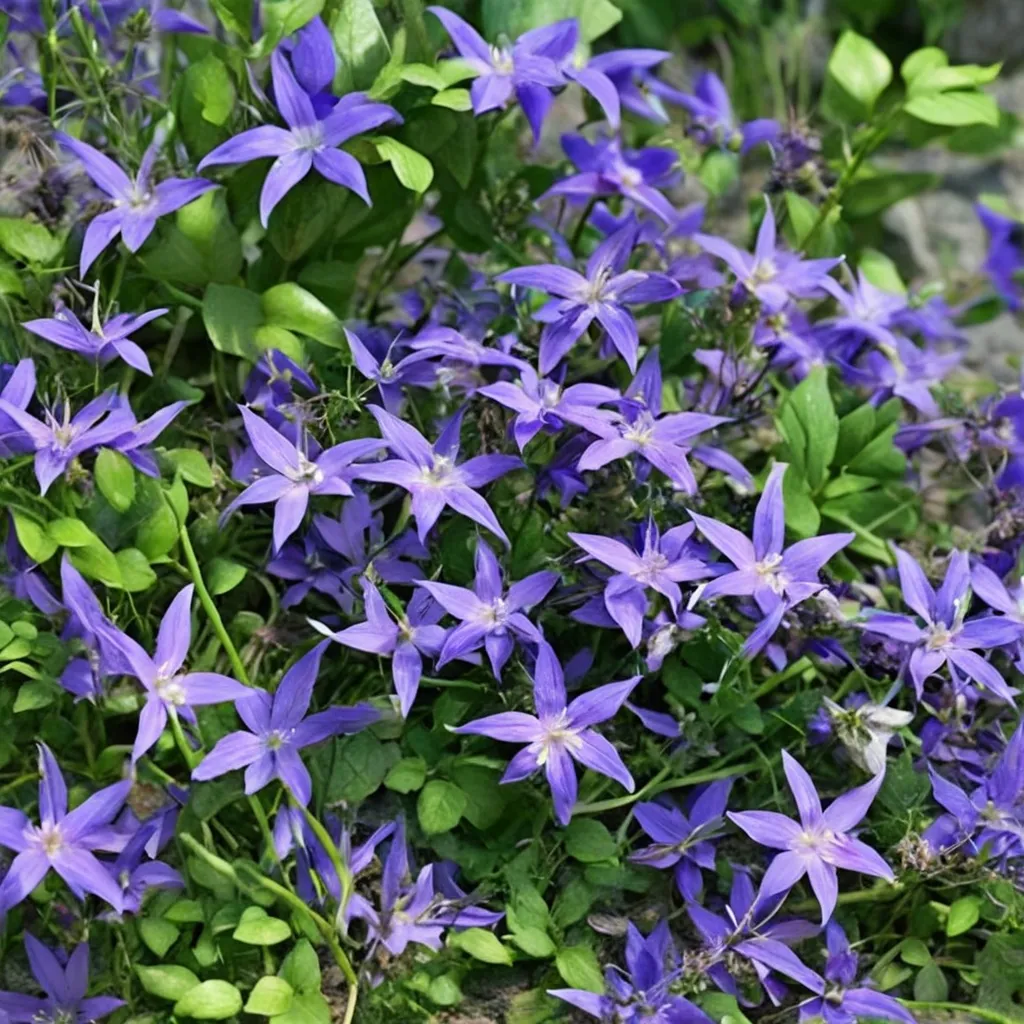
Serrated Bellflower
Campanula poscharskyana 'Stella'
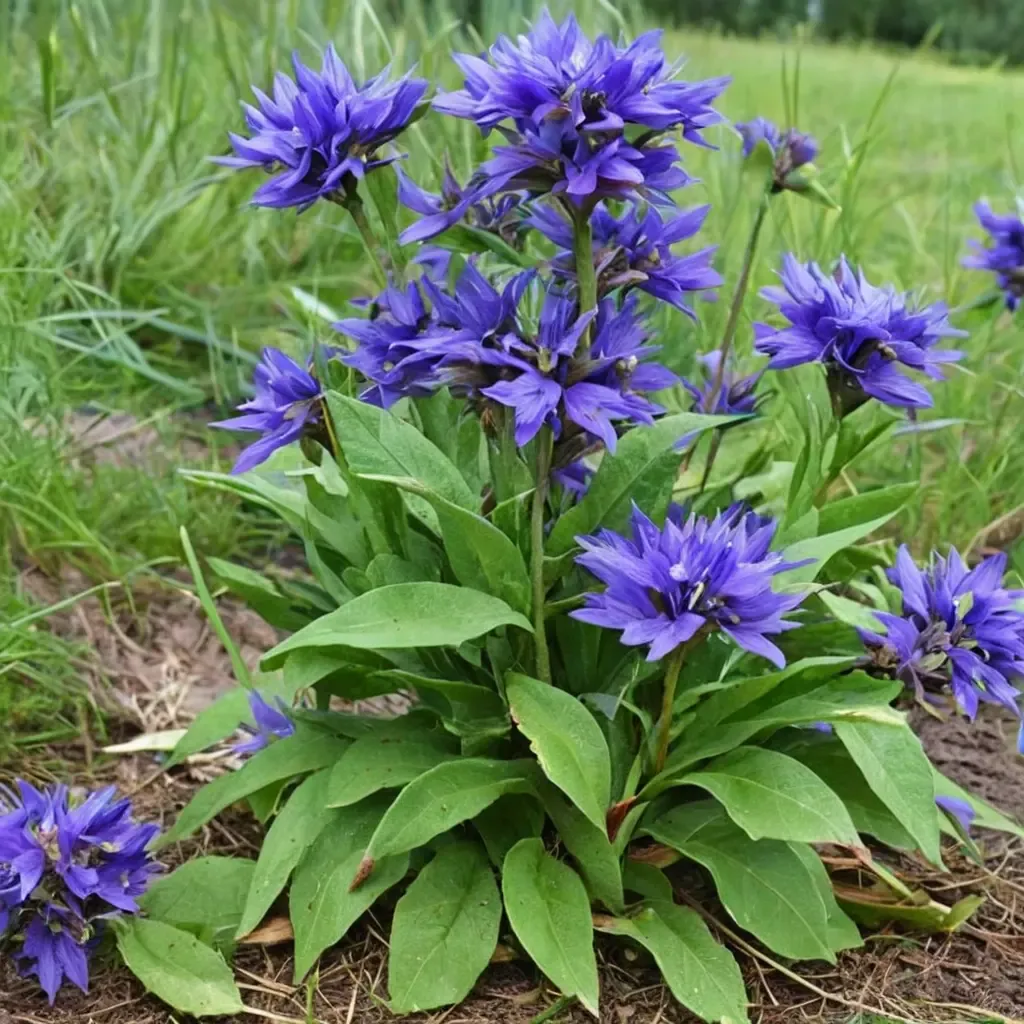
Clustered Bellflower
Campanula glomerata
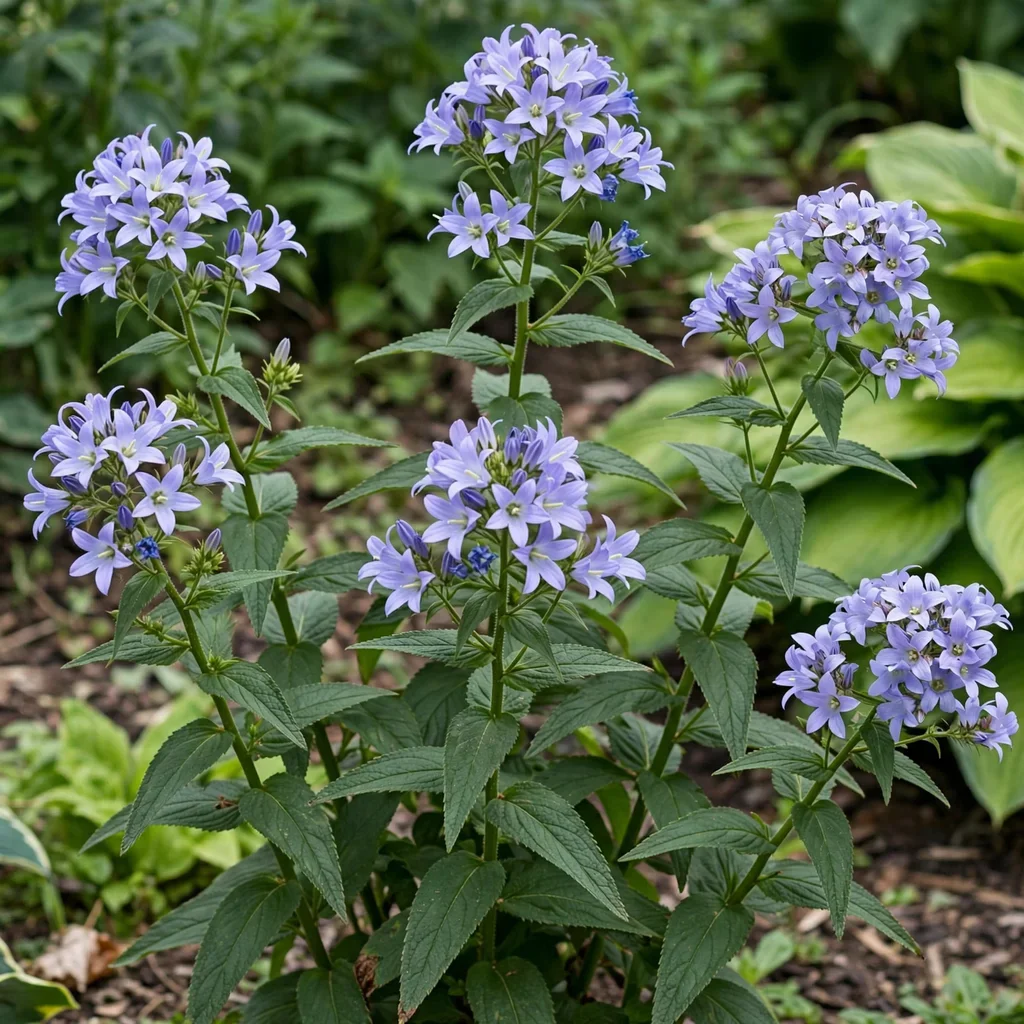
Prichard's Variety Milky Bellflower
Campanula lactiflora 'Prichard's Variety'
Keep exploring
Explore the genus
Hardy in your zone?
Grow Bellflower with confidence
See it in a design of your actual yard, get zone-matched care reminders, and track it season by season in your garden journal.