
The Story
Plant Bio
Primula elatior, the oxlip, is a semi-evergreen or herbaceous perennial forming a compact basal rosette of wrinkled, light green leaves. In spring, it produces upright, unbranched flowering scapes bearing one-sided clusters of nodding, pale yellow blooms.
The species is distinguished by its fragrant, bell-shaped flowers that feature a darker yellow center eye and face outward in a single direction. The foliage has finely toothed margins and winged petioles, remaining tidy throughout the growing season.
Uses & Benefits:
Essentials
At a Glance
Plant Type
Perennial
Height
12"
Width
12"
Light
Partial Sun, Shade
Zones
4, 5, 6, 7, 8
Water
Medium
Humidity
Moderate
Lifespan
Perennial
Native To
Europe, Turkey, the Caucasus, and western Asia
Toxicity
Low
Bloom period
Spring
In flower about 3 months of the year
Planting
How to Grow
- Select a planting site with partial shade and humus-rich, moist, well-draining loam or clay-loam soil.
- Dig a hole twice the width of the root ball and set the plant so the crown rests exactly at the soil level.
- Water thoroughly after planting to settle the soil, and apply a thin layer of organic mulch to retain moisture.
- Maintain consistent soil moisture, especially during dry summer spells, to prevent the plant from entering premature dormancy.
Pro Tip
Divide the clump every two to three years immediately after flowering; this prevents the center of the crown from dying out and maintains prolific flower production.
Keep It Thriving
Care Guide
Do
- Prune away dead or withered leaves from the base after flowering or in early spring.
- Divide overcrowded clumps every two to three years in early spring or post-flowering to maintain vigor.
- Top-dress with compost annually in spring to provide gentle, slow-release nutrients.
Don't
- Do not plant in hot, unshaded locations where the soil dries out completely.
- Do not prune into the old, dry, leafless woody crown stems.
- Do not allow the soil to become waterlogged during the winter months.
Seasonal Care Calendar
| Task | Jan | Feb | Mar | Apr | May | Jun | Jul | Aug | Sep | Oct | Nov | Dec |
|---|---|---|---|---|---|---|---|---|---|---|---|---|
| Divide | ||||||||||||
| Fertilize | ||||||||||||
| Pest Check | ||||||||||||
| Spring Cleanup |
Watch Out For
Pests & Diseases
Common Pests
Common Diseases
In the Garden
Landscape Uses & Companions
Landscape Uses
Companion Plants
Multiply
Propagation Methods
Good to Know
Common Questions
Oxlip questions
What zones can Oxlip grow in?
Oxlip is hardy in USDA Zones 4–8. Inside that range it survives winter in the ground; outside it, grow it as an annual or a container plant you protect.
Is Oxlip deer resistant?
Yes — Oxlip is rated deer-resistant. Deer typically pass it over, though extreme hunger can override any plant's defenses.
When does Oxlip bloom?
Oxlip typically blooms in spring through spring. Exact timing shifts a week or two with your zone — Sow's bloom calendar maps it to your garden.
Does Oxlip need full sun?
Oxlip does best in part shade.
More Primula to compare
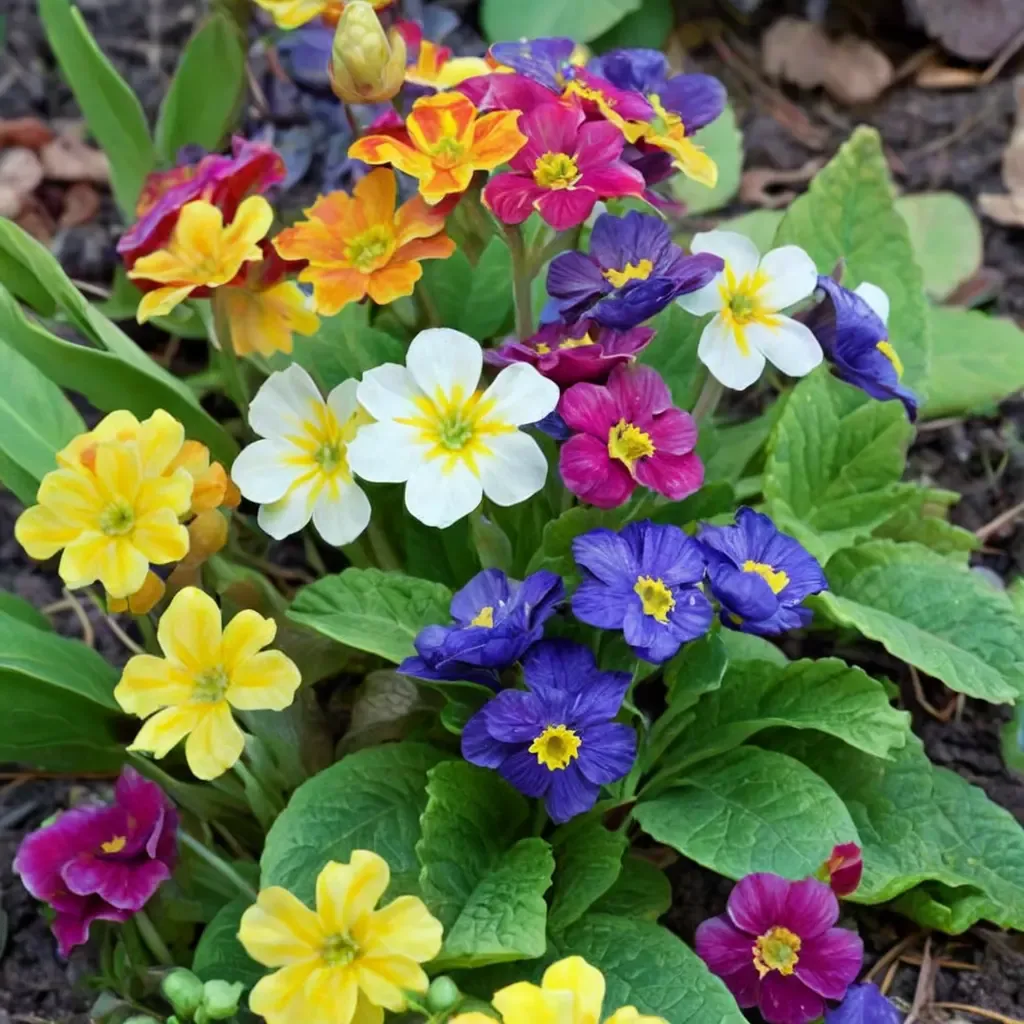
Pacific Hybrids Primrose
Primula x polyantha 'Pacific Hybrids'
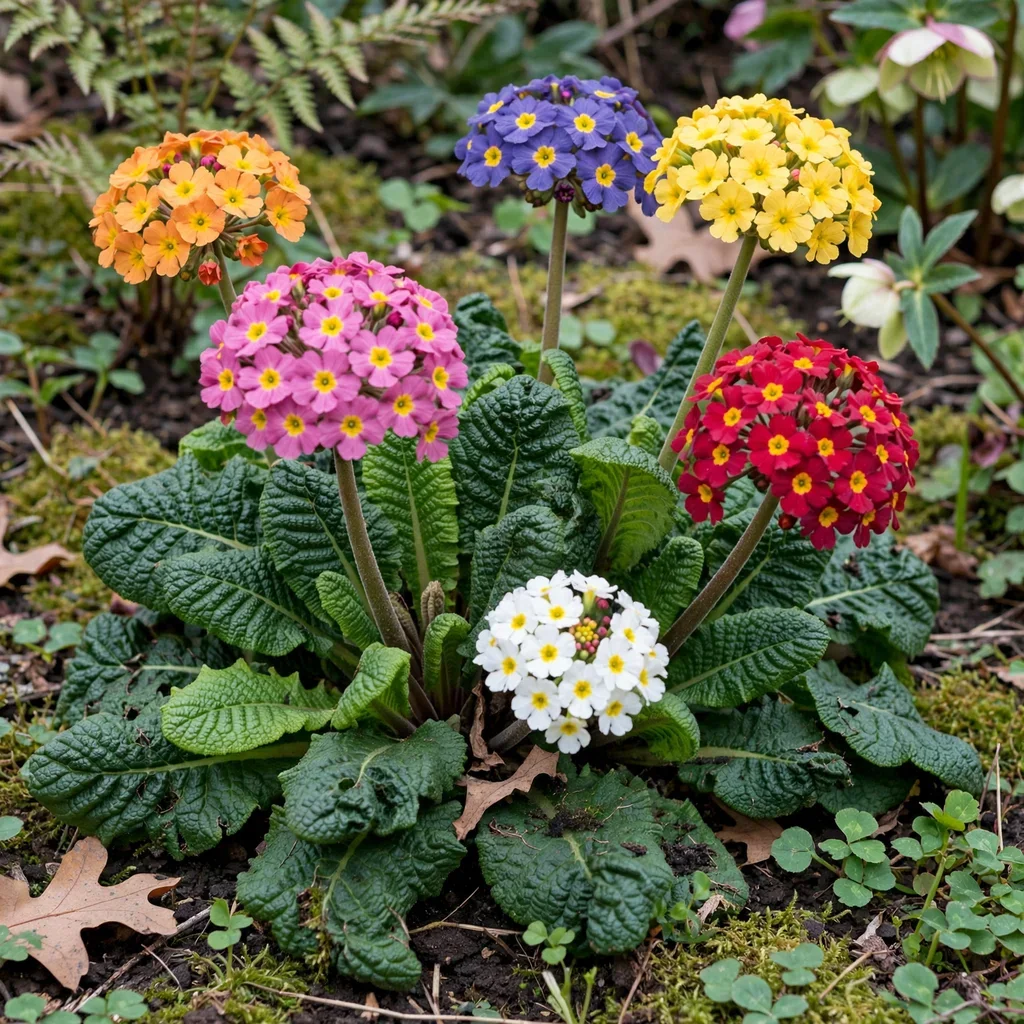
Primula Crescendo Mix
Primula x polyantha 'Crescendo Mix'
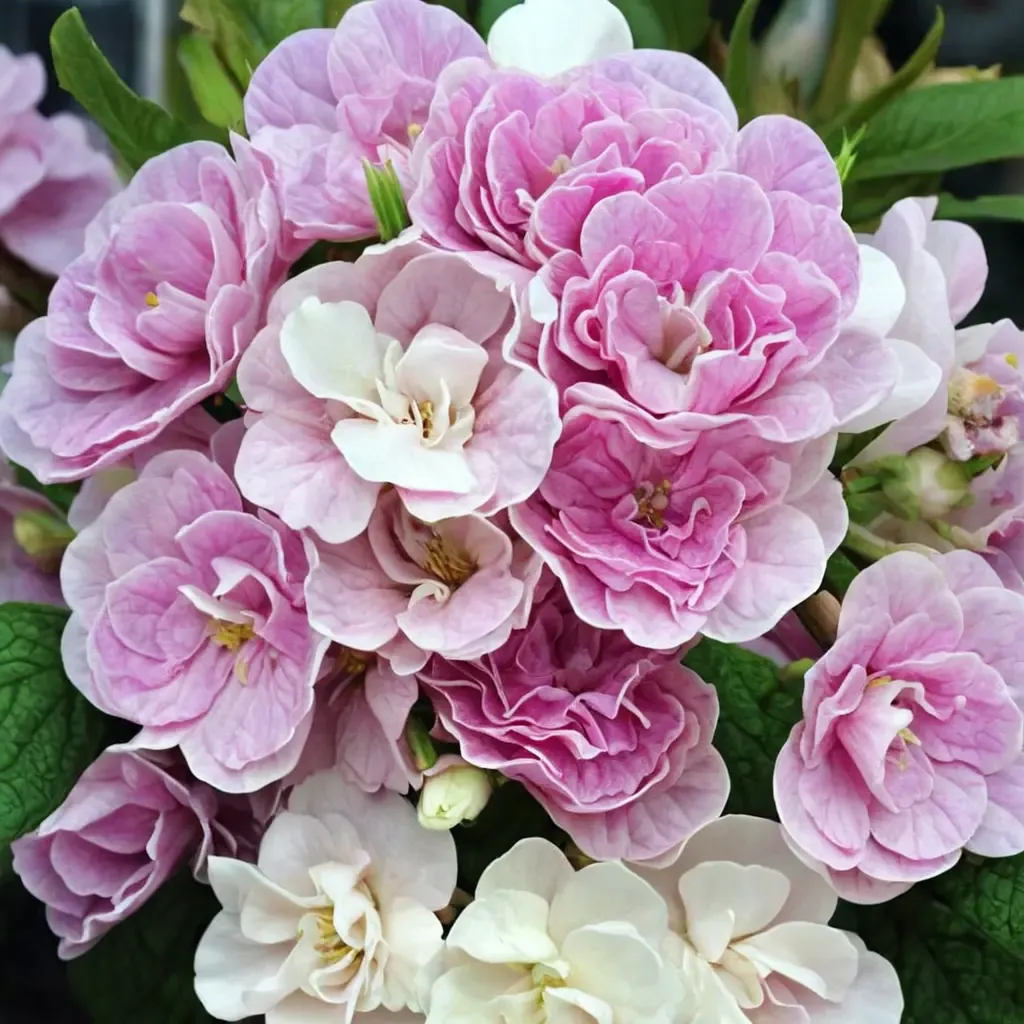
Belarina Pink Ice Primrose
Primula vulgaris 'Belarina Pink Ice'
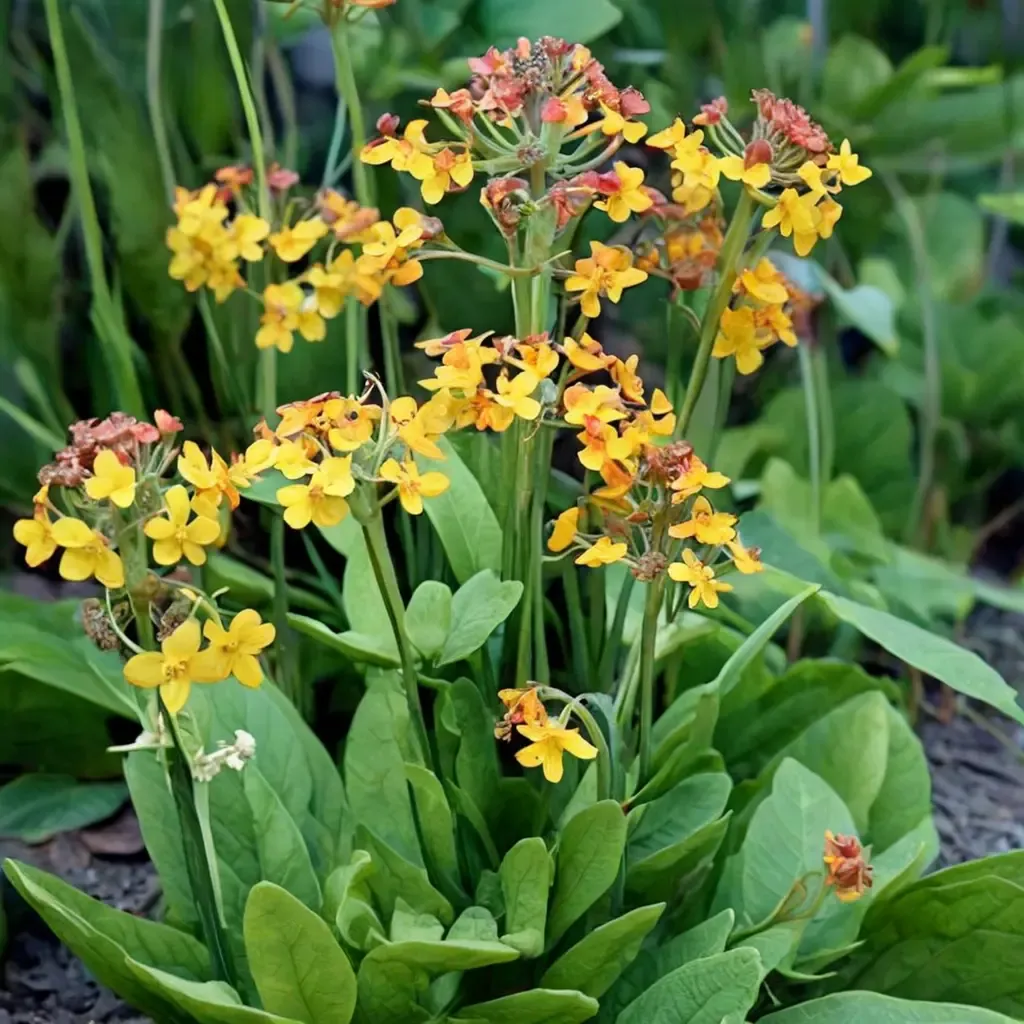
Bulley's Primrose
Primula bulleyana
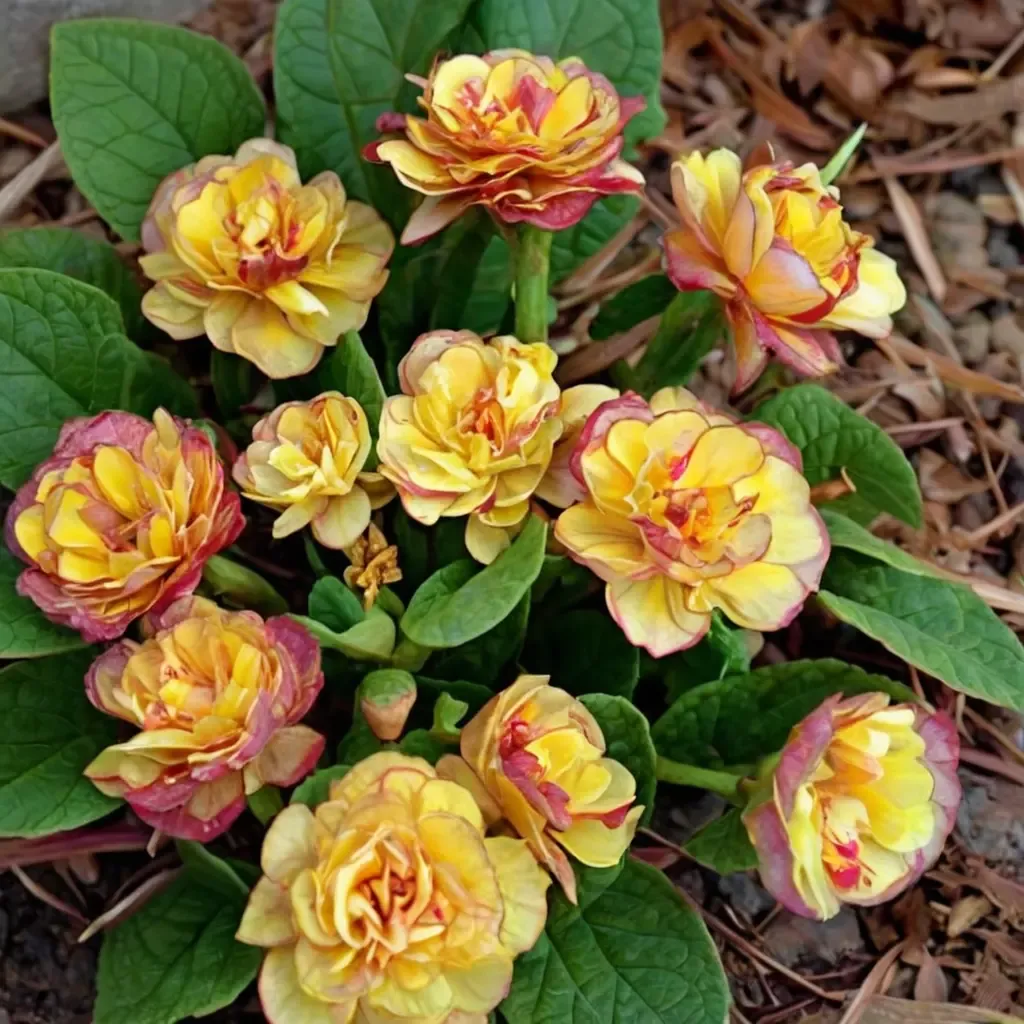
Nectarine Cowslip
Primula veris 'Nectarine'
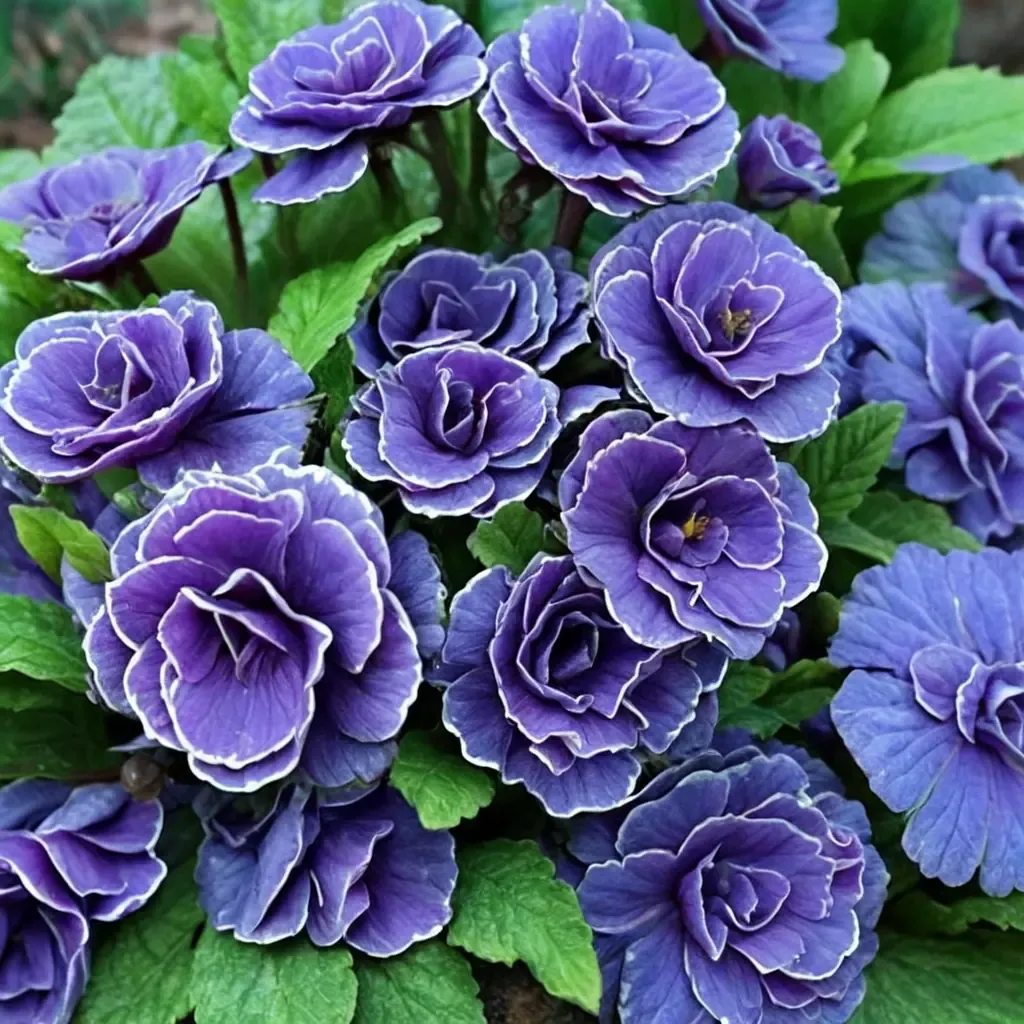
Amethyst Ice Primrose
Primula vulgaris 'Belarina Amethyst Ice'
Keep exploring
Explore the genus
Hardy in your zone?
Grow Oxlip with confidence
See it in a design of your actual yard, get zone-matched care reminders, and track it season by season in your garden journal.