Also known as Scorpionweed · 165 saves
Phacelia
Phacelia, the genus most gardeners know as scorpionweed. We track 7 varieties; the ones most used by real gardeners.
The 7 most-saved Phacelia varieties
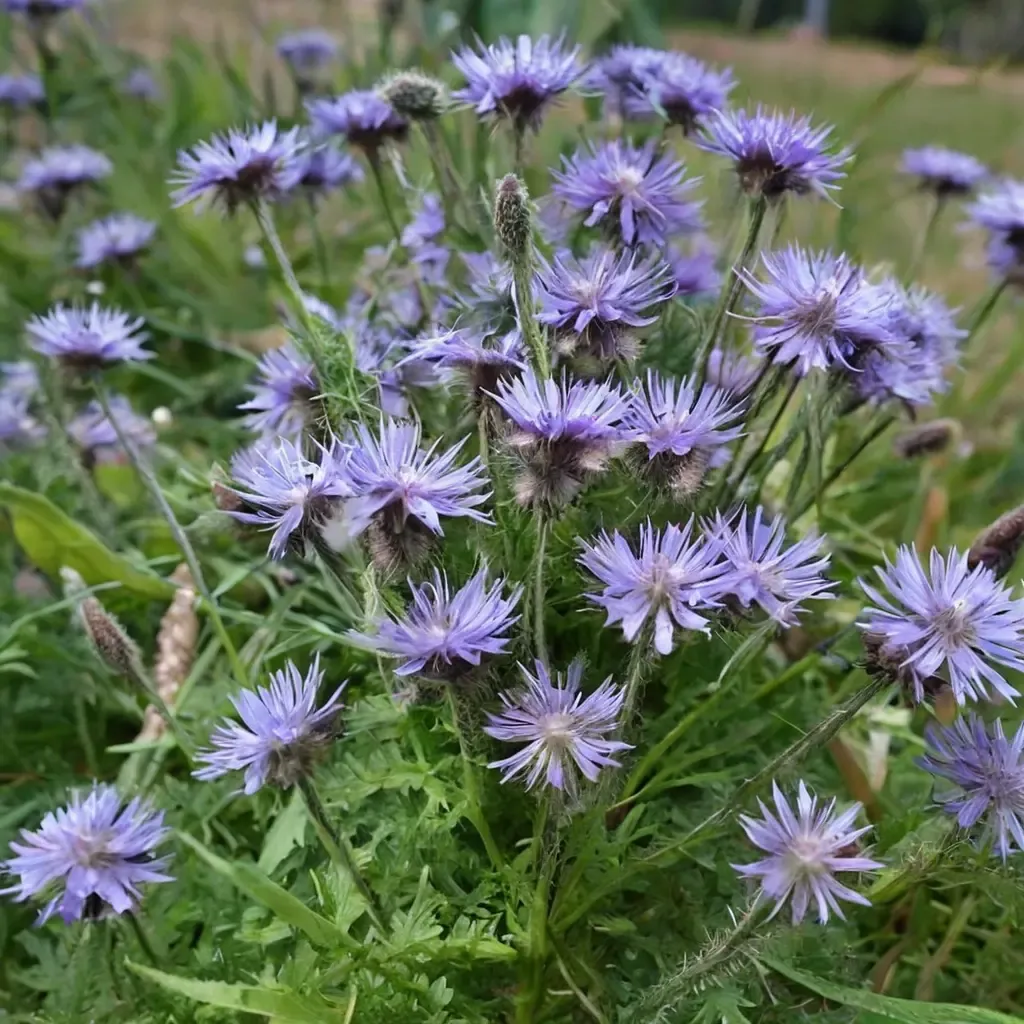
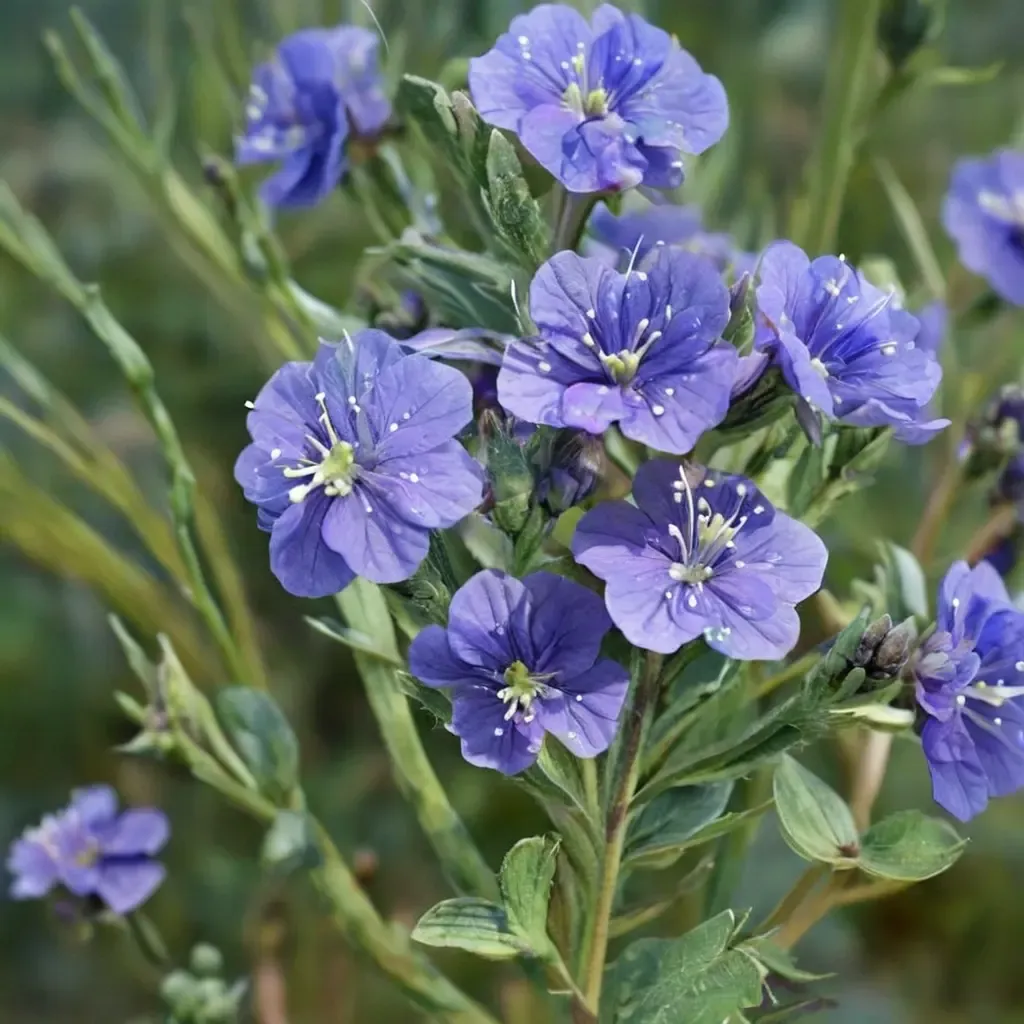
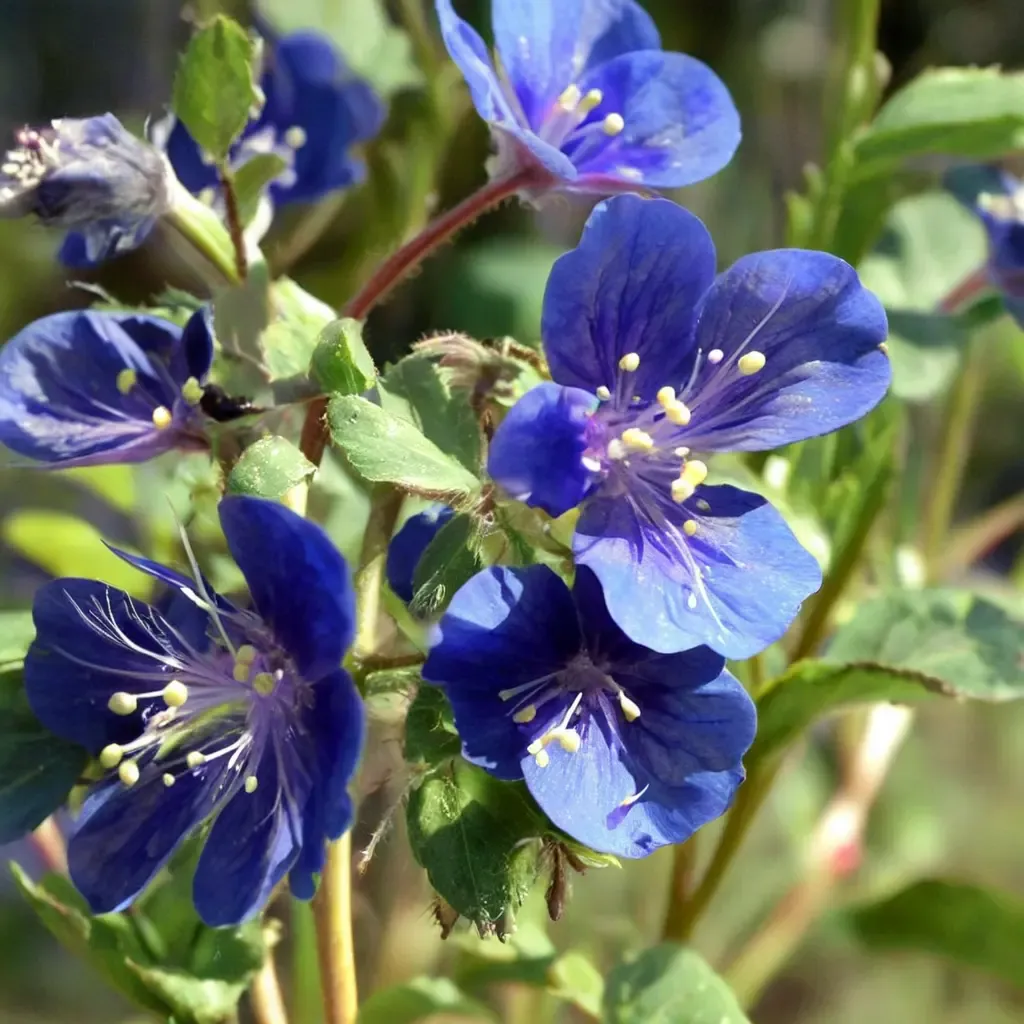
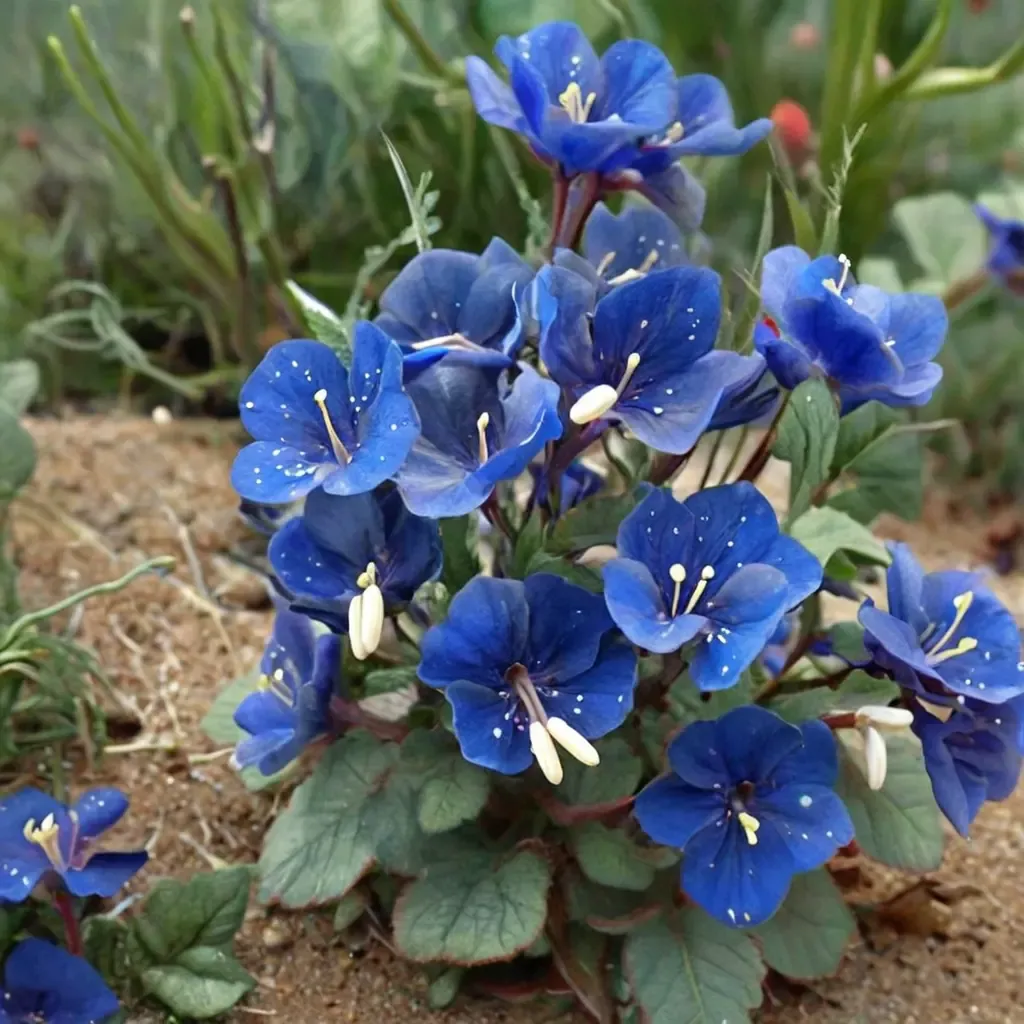
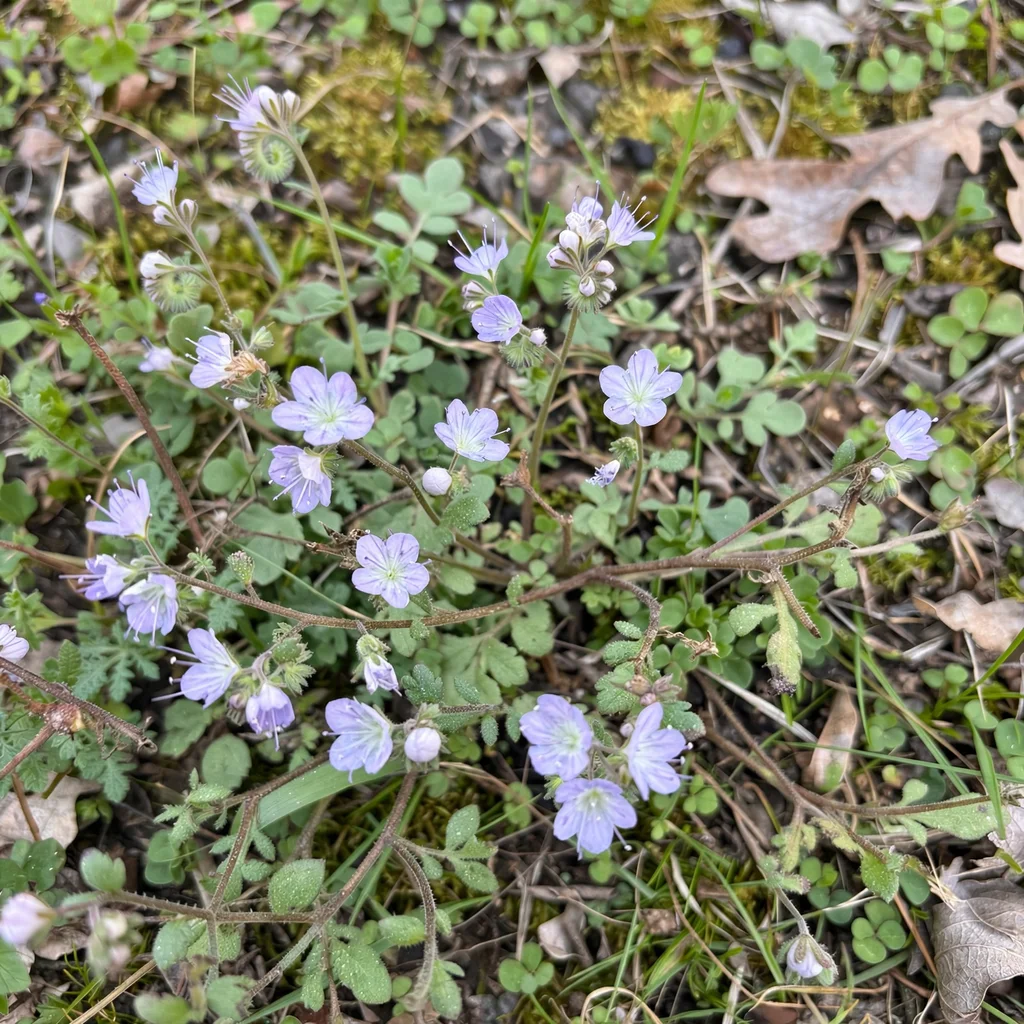
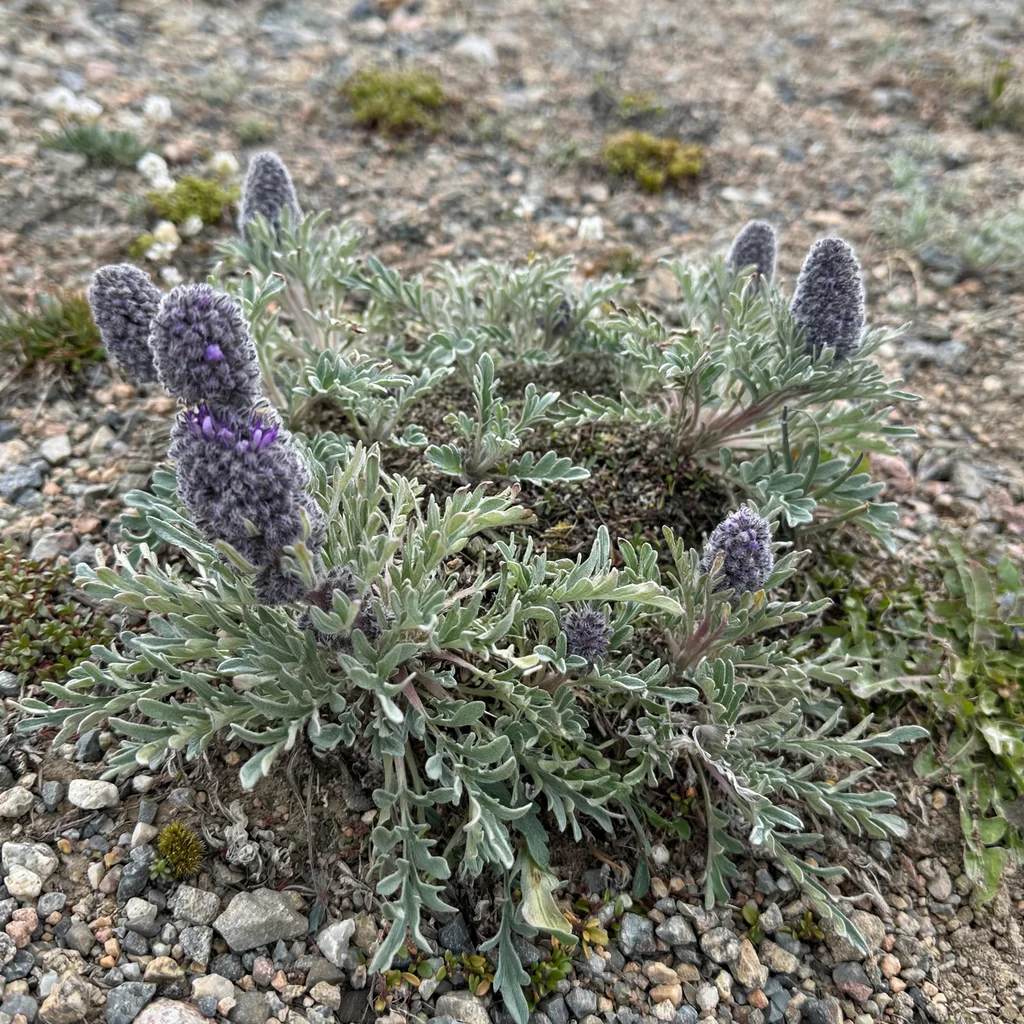
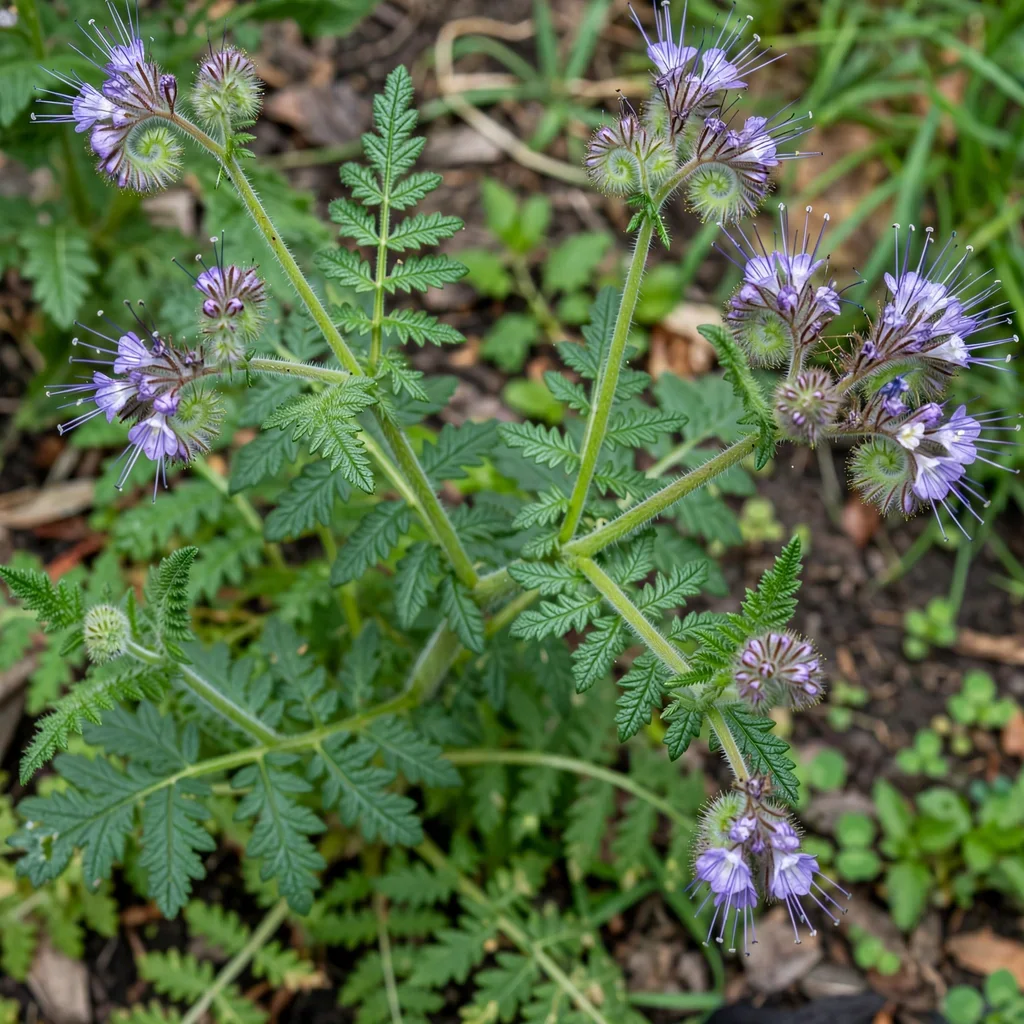
7 species of Phacelia
Each one is a parent of the varieties above.
Track your Phacelia in Sow
Save the Phacelia you grow and get care reminders timed to your zone.
How to grow Phacelia
Whats common across all Phacelia varieties in our catalog — drawn from the care records of the 7 most-grown of them.
The Phacelia year
- PlantApril, October and November100% of varieties
Plant young plugs or container-grown specimens into gravelly scree beds in early spring.
- DeadheadJune–August43% of varieties
Remove spent flower spikes after seed set to maintain a tidy appearance if desired.


Do
- Water consistently during dry spells 🌱
- Grow in lean, nutrient-poor mineral soils with excellent drainage.
- Provide full sun exposure to maintain the compact, silvery growth habit.
- Wear gloves when handling the foliage to avoid potential skin irritation from glandular hairs.
- Water regularly without overwatering 🌱
Avoid
- Avoid overwatering to prevent root rot ❌
- Don’t disturb roots during flowering
- Refrain from fertilizing late in the season
- Do not apply fertilizers, which cause weak, floppy growth and shorten the plant's lifespan.
What goes wrong with Phacelia
| Problem | What you'll see | What to do |
|---|---|---|
| Aphids | Sticky residue and distorted leaves | Use insecticidal soap or neem oil |
| Spider mites | Fine webbing on foliage | Increase humidity and apply miticide if needed |
| Deer and rabbits | Chewed foliage and severed flower stems on young growth. | Protect vulnerable plants with physical cages or wire mesh until they are established. |
| Deer browsing | Chewed stems and stripped foliage on young spring growth. | Protect vulnerable patches with physical cages or apply scent-based repellents early in the season. |
| Powdery mildew | White powdery coating on leaves | Apply organic fungicide or improve air circulation |
| Root and crown rot | Yellowing foliage, wilting, and softening of the woody base, leading to plant collapse. | Ensure flawless drainage by planting in gravelly scree and avoiding organic mulches or overhead watering. |
| Root rot | Stems collapse and rot at the soil line, particularly during wet winter periods. | Plant exclusively in sharply drained, sandy, or rocky soils and avoid low-lying areas. |
Making more Phacelia
Seed
- Sow seeds in late summer or early fall directly into a gritty, well-draining seed-starting mix.
- Expose the sown containers to cold winter temperatures to provide natural stratification.
- Keep the medium barely damp, avoiding saturated conditions that cause damping-off.
- Transplant young seedlings carefully into individual deep pots to accommodate the developing taproot.
Cuttings
- Take softwood cuttings in late spring
- Dip cuttings in rooting hormone
- Place in moist soil and keep humid for 4 weeks
Phacelia questions
How many types of Phacelia are there?
The Sow catalog tracks 7 distinct Phacelia varieties. The most popular — ranked by 165 real gardeners — are shown first above.
What zones does Phacelia grow in?
Across its varieties, Phacelia covers USDA Zones 4–10. Individual varieties differ — each plant page lists its exact range, and Sow filters the catalog to your zone automatically.
When does Phacelia bloom?
Most Phacelia varieties bloom in mid-summer, spring, late spring. Staggering early, mid, and late varieties extends the genus's season in one bed.
Which Phacelia should I choose?
Start from the most-saved varieties above — popularity across thousands of gardens is a strong signal of reliability — then filter by your zone and sun. In the Sow app you can preview any of them in a photo of your actual yard before you buy.