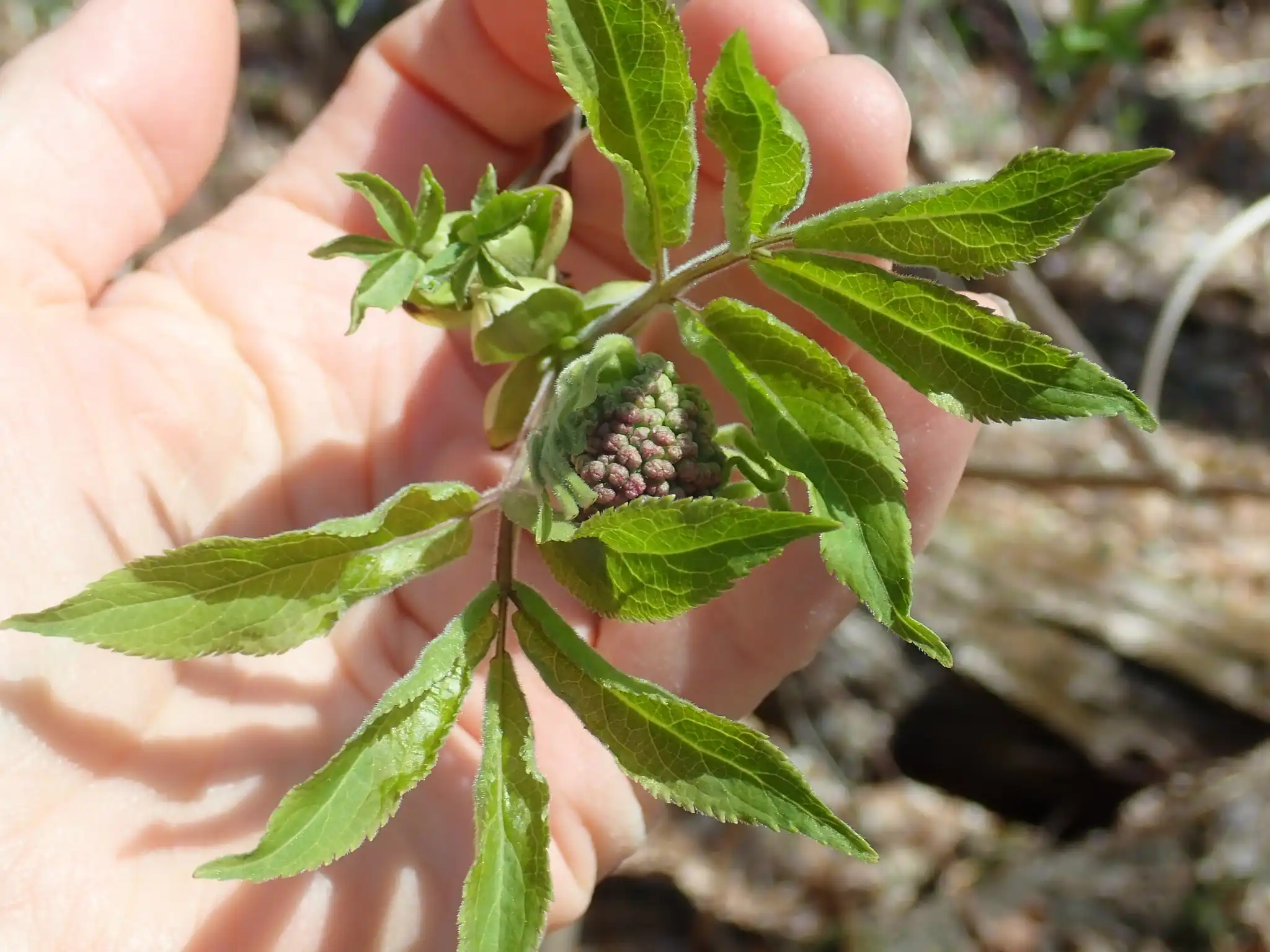
1 named cultivar

The Story
Plant Bio
Sambucus racemosa, the red elderberry, is a fast deciduous shrub native across North America and Eurasia, reaching eight to twelve feet high and eight to fifteen across. Deeply cut compound leaves clothe arching stems, and dome-shaped clusters of small fragrant white flowers open in May and June. Bright scarlet berries follow in dense conical heads.
Every green part, and the raw fruit and seeds, contains cyanogenic glycosides, so despite the berries being a traditional preserve they must be cooked and strained of seed before use. The shrub also suckers and its brittle branches break in wind and heavy snow, both of which suit it better to a naturalised planting than a formal one.
Uses & Benefits:
Essentials
At a Glance
Plant Type
Shrub
Height
120"
Width
120"
Light
Full Sun, Partial Sun
Zones
4, 5, 6, 7
Water
Medium to high
Humidity
Average to high
Lifespan
Perennial
Native To
North America and Eurasia
Toxicity
Toxic raw; fruit edible only when cooked and strained
Planting
How to Grow
- Plant in spring or autumn in full sun to part shade.
- Choose deep soil that stays medium to wet.
- Allow room for a twelve-foot shrub that suckers.
- Water through the first seasons while establishing.
- Prune out damaged and old stems in late winter.
- Cut back hard every few years to renew the shrub.
Pro Tip
Best foliage colour is in full sun, but the wood is brittle, so keep it out of wind funnels and away from anything a broken branch could damage.
Keep It Thriving
Care Guide
Do
- Plant it in full sun for the best foliage colour ☀️
- Give it deep, moist soil 💧
- Renew old stems in late winter ✂️
- Cook and strain fruit before any culinary use 🍲
Don't
- Eat the raw berries, seeds or any green part ❌
- Plant it in an exposed, windy site ❌
- Site it where suckering will be a problem ❌
Seasonal Care Calendar
| Task | Jan | Feb | Mar | Apr | May | Jun | Jul | Aug | Sep | Oct | Nov | Dec |
|---|---|---|---|---|---|---|---|---|---|---|---|---|
| Harvest | ||||||||||||
| Prune |
Watch Out For
Pests & Diseases
Common Pests
Common Diseases
In the Garden
Landscape Uses & Companions
Landscape Uses
Multiply
Propagation Methods
Good to Know
Common Questions
Elderberry questions
What zones can Elderberry grow in?
Elderberry is hardy in USDA Zones 4–7. Inside that range it survives winter in the ground; outside it, grow it as an annual or a container plant you protect.
Is Elderberry deer resistant?
Yes — Elderberry is rated deer-resistant. Deer typically pass it over, though extreme hunger can override any plant's defenses.
When does Elderberry bloom?
Elderberry typically blooms in late spring to early summer through late spring. Exact timing shifts a week or two with your zone — Sow's bloom calendar maps it to your garden.
Does Elderberry need full sun?
Elderberry does best in full sun to part shade. In hot climates, afternoon shade keeps blooms fresher longer.
More Sambucus to compare
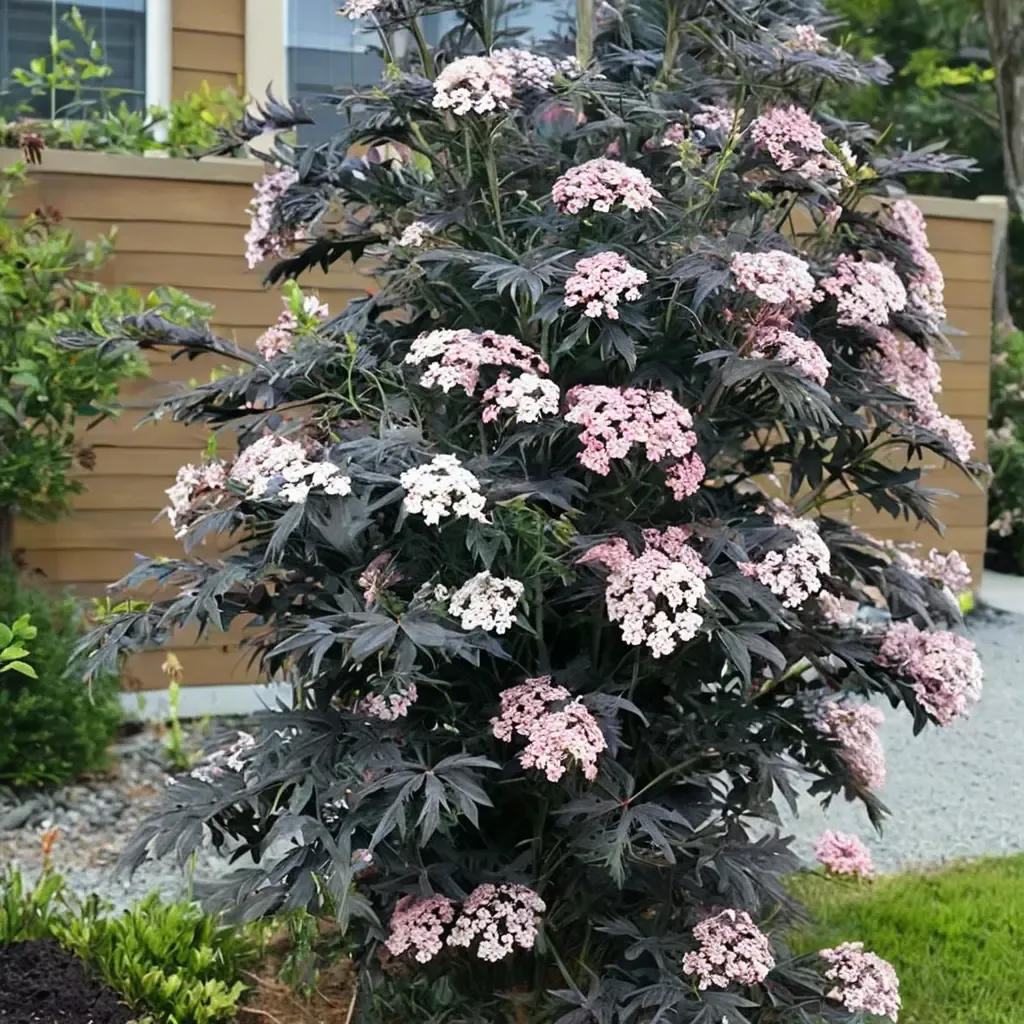
Black Lace Elderberry
Sambucus nigra 'Black Lace'
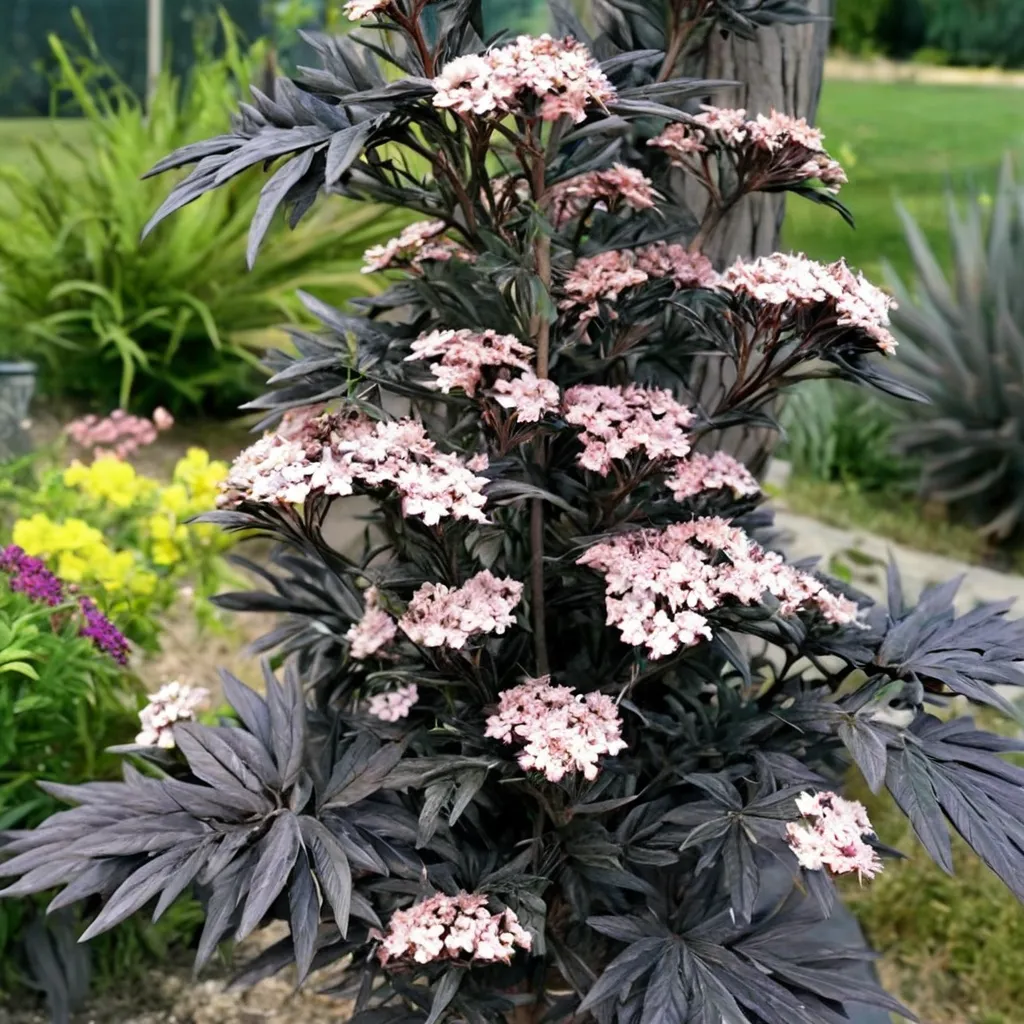
Laced Up Elderberry
Sambucus nigra 'Laced Up'
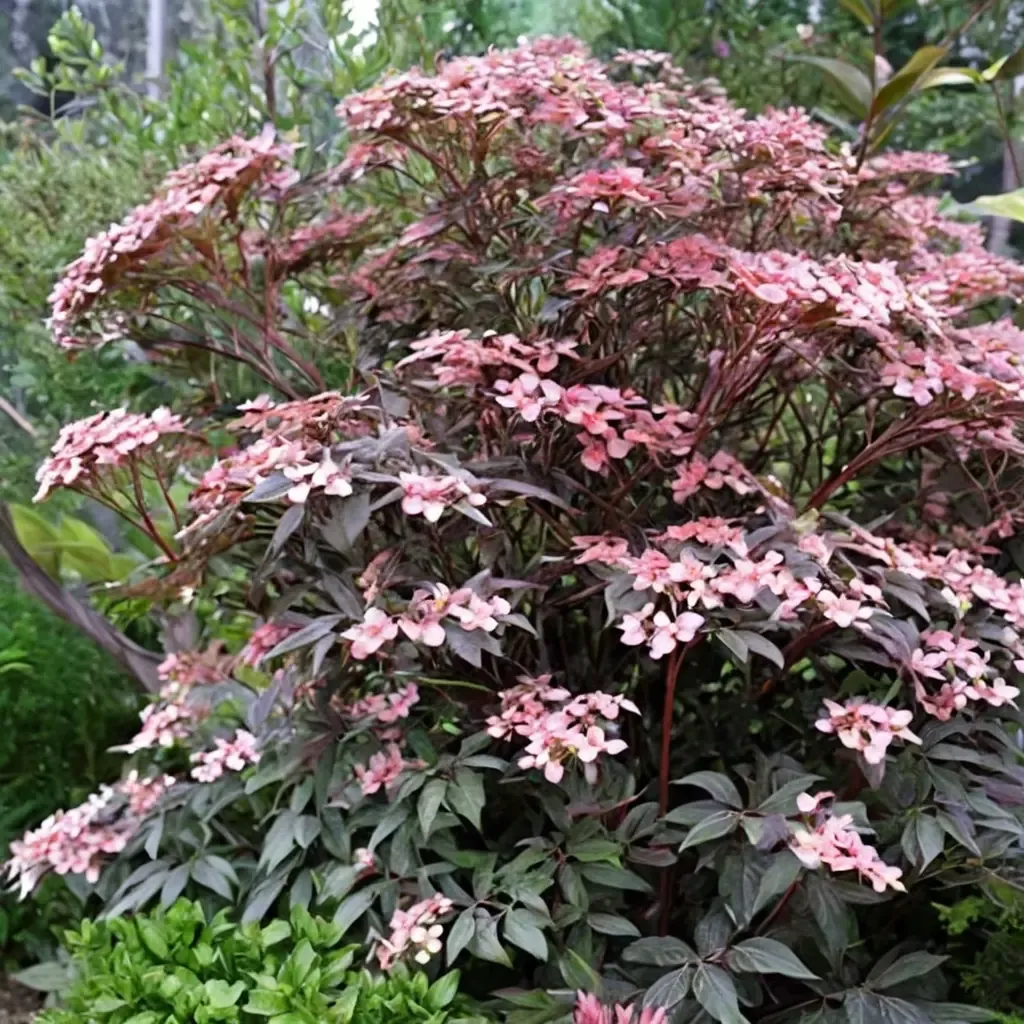
Thundercloud Elderberry
Sambucus nigra 'Thundercloud'
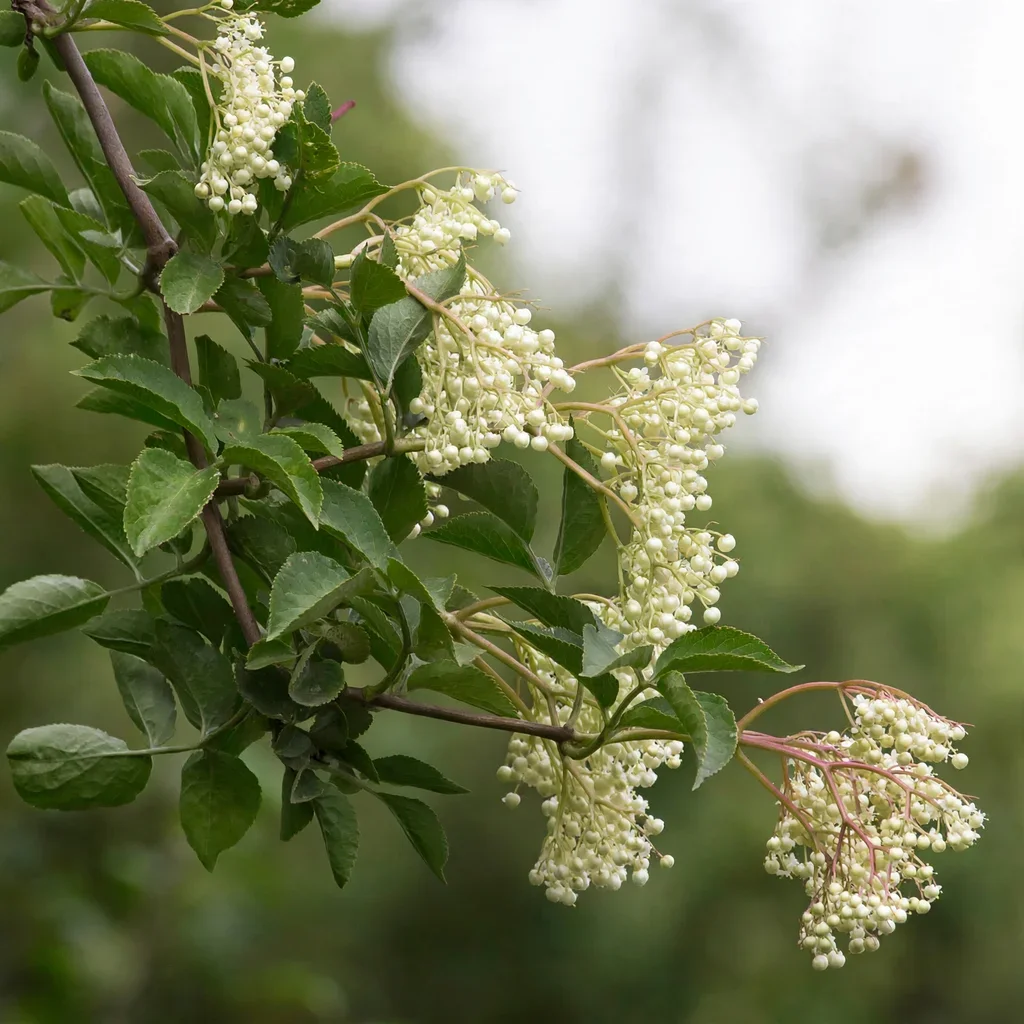
Korsor Black Elderberry
Sambucus nigra 'Korsor'
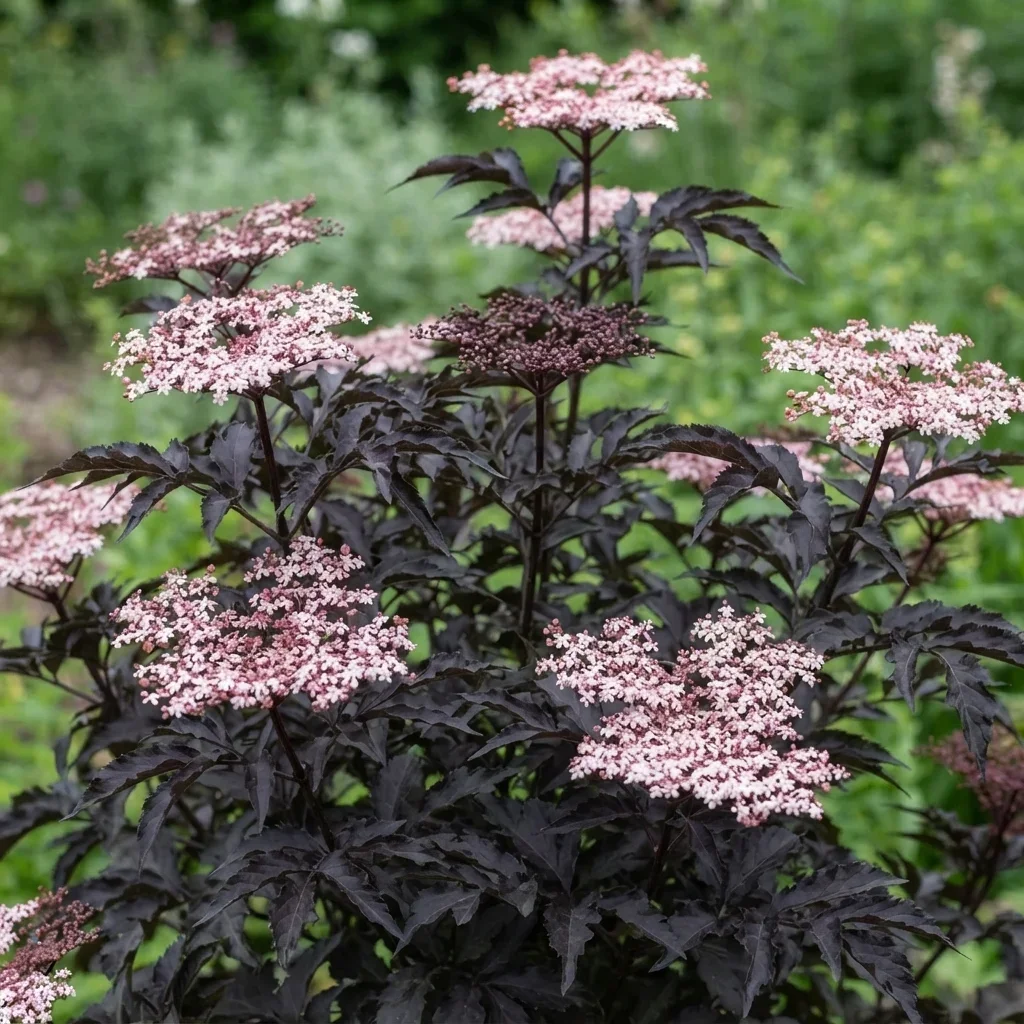
Black Tower Elderberry
Sambucus nigra 'Black Tower'
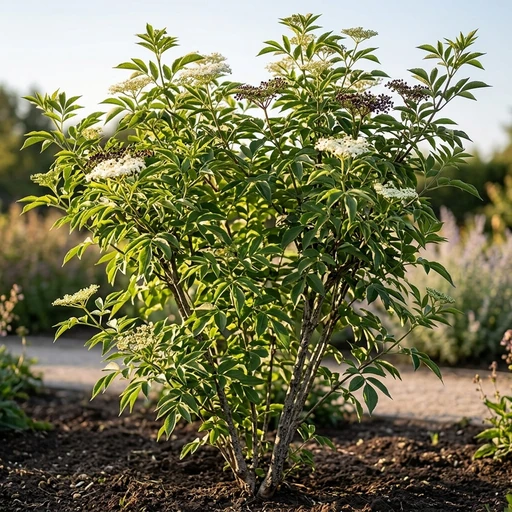
American Elderberry
Sambucus canadensis
Keep exploring
Explore the genus
Hardy in your zone?
Grow Elderberry with confidence
See it in a design of your actual yard, get zone-matched care reminders, and track it season by season in your garden journal.