The Story
Plant Bio
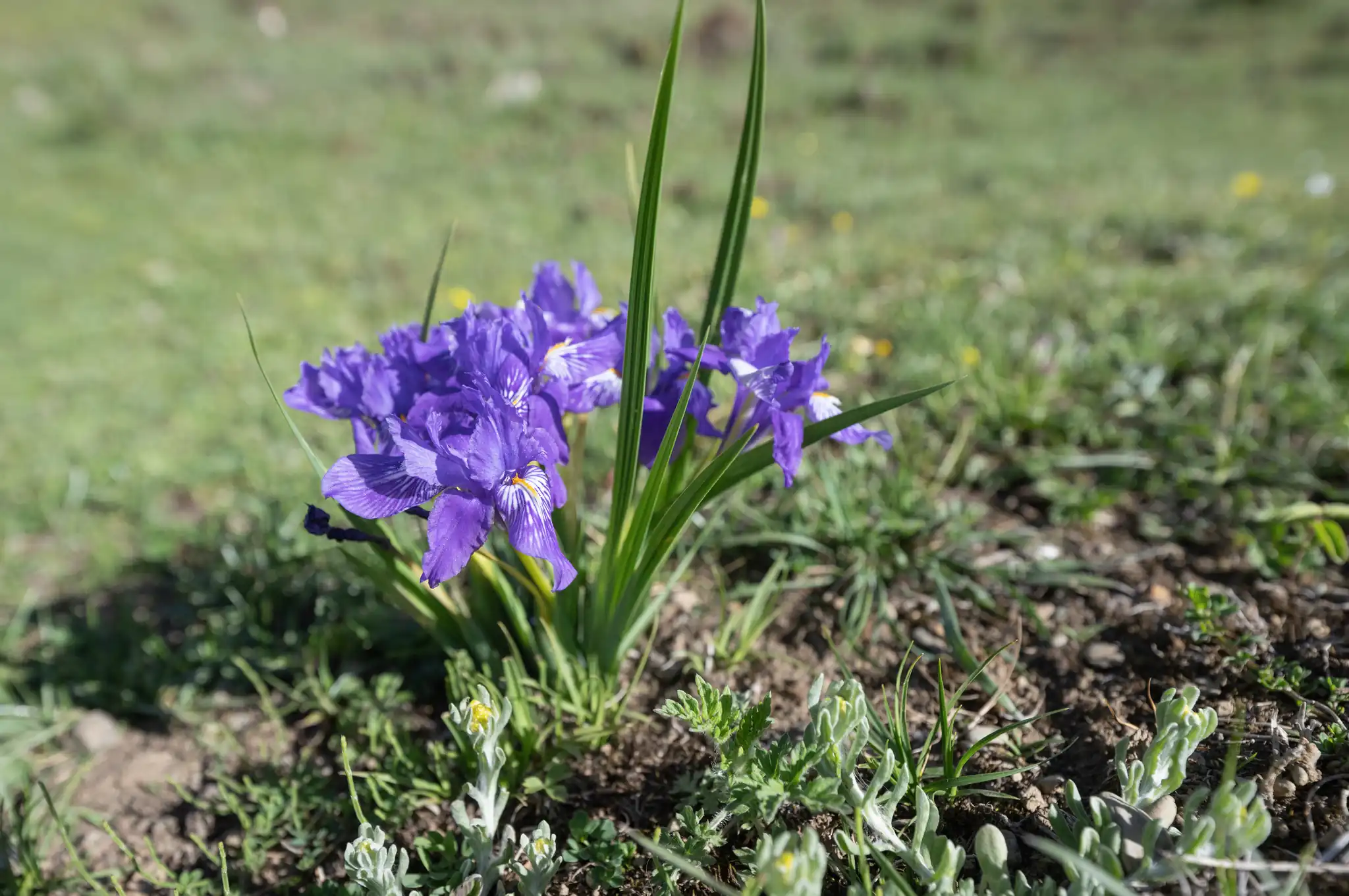
Iris barbatula, the bearded-root iris, is a dwarf, clump-forming deciduous perennial native to the high-altitude damp meadows of the Tibetan Plateau. The narrow, sword-shaped leaves emerge in tight tufts from a minute rootstock, surrounded at the base by the dense, fibrous remains of previous seasons' foliage.
The stemless flowers open for only a few hours from late morning to mid-afternoon, displaying dark violet to purple petals with white streaks radiating from a central crest. This central crest is densely fringed with golden-yellow hairs, creating a striking contrast against the dark ground color of the spreading falls.
Uses & Benefits:
Essentials
At a Glance
Plant Type
Perennial
Height
6"
Width
10"
Light
Full Sun, Partial Sun
Zones
6, 7, 8
Water
Medium
Humidity
Moderate
Lifespan
Perennial
Native To
China (Yunnan)
Toxicity
Toxic if Ingested
Bloom period
Summer
In flower about 3 months of the year
Planting
How to Grow
- Select a planting site in full sun to partial shade with fertile, humus-rich soil that drains rapidly.
- Plant the small tuberous root fascicles just below the soil surface, ensuring the crown is not buried too deeply.
- Water thoroughly after planting and maintain consistent moisture during the spring and summer growing periods.
- Apply a thin layer of organic mulch or fine gravel around the base to keep the root zone cool and retain moisture.
Pro Tip
Avoid planting the tuberous roots shallowly in hot, dry soil like a standard bearded iris; this alpine species requires cool, humus-rich soil that remains consistently moist throughout the summer growing season.
Keep It Thriving
Care Guide
Do
- Provide reliable drainage to prevent winter waterlogging.
- Keep the soil consistently moist while the plant is actively growing.
- Clear away dead, withered leaves in late fall or early spring.
Don't
- Do not allow the soil to dry out completely during the summer.
- Do not plant in heavy, poorly drained clay soils.
- Do not disturb or divide the delicate root system while the plant is in active growth.
Seasonal Care Calendar
| Task | Jan | Feb | Mar | Apr | May | Jun | Jul | Aug | Sep | Oct | Nov | Dec |
|---|---|---|---|---|---|---|---|---|---|---|---|---|
| Divide | ||||||||||||
| Fertilize | ||||||||||||
| Pest Check | ||||||||||||
| Spring Cleanup |
Watch Out For
Pests & Diseases
Common Pests
Common Diseases
In the Garden
Landscape Uses & Companions
Landscape Uses
Companion Plants
Multiply
Propagation Methods
Good to Know
Common Questions
Bearded-root Iris questions
What zones can Bearded-root Iris grow in?
Bearded-root Iris is hardy in USDA Zones 6–8. Inside that range it survives winter in the ground; outside it, grow it as an annual or a container plant you protect.
When does Bearded-root Iris bloom?
Bearded-root Iris typically blooms in summer through summer. Exact timing shifts a week or two with your zone — Sow's bloom calendar maps it to your garden.
Does Bearded-root Iris need full sun?
Bearded-root Iris does best in full sun to part shade. In hot climates, afternoon shade keeps blooms fresher longer.
More Iris to compare
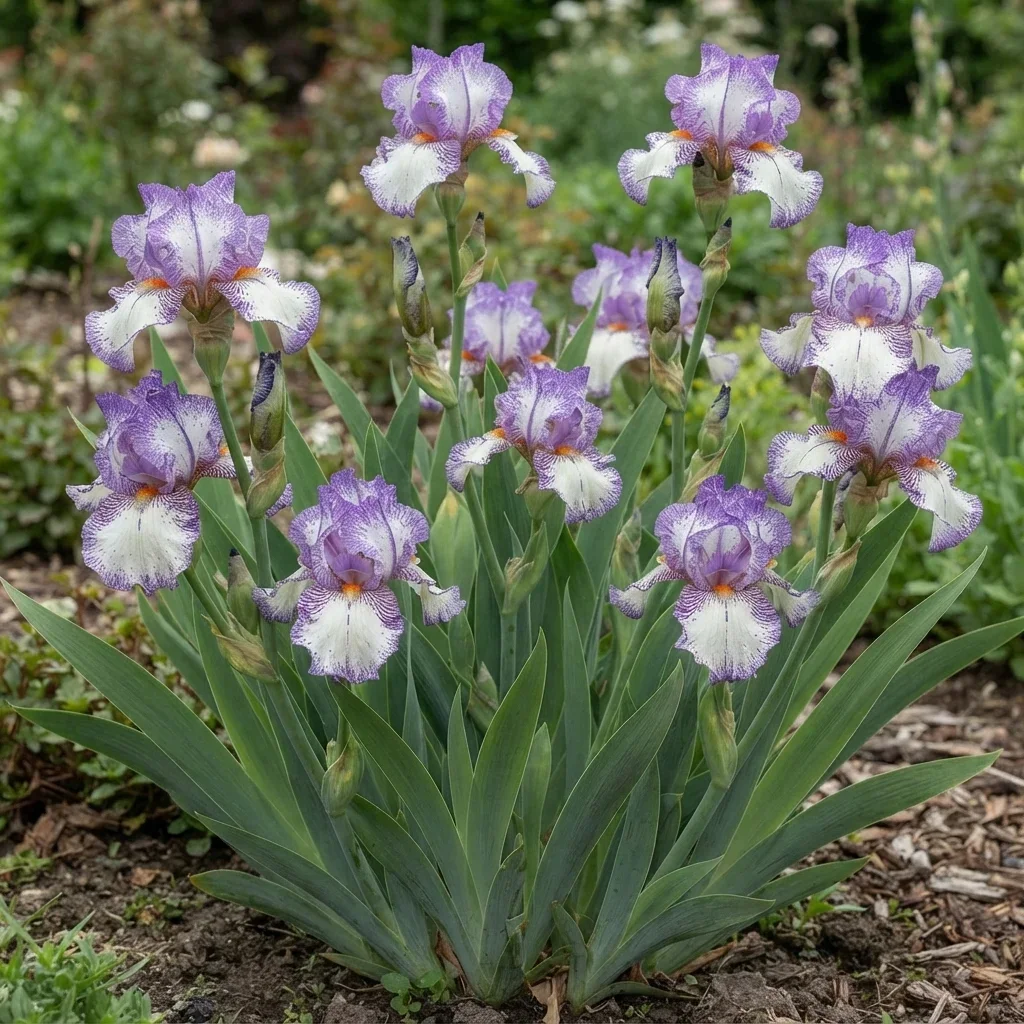
German Iris Bearded Iris
Iris x germanica 'Mix'
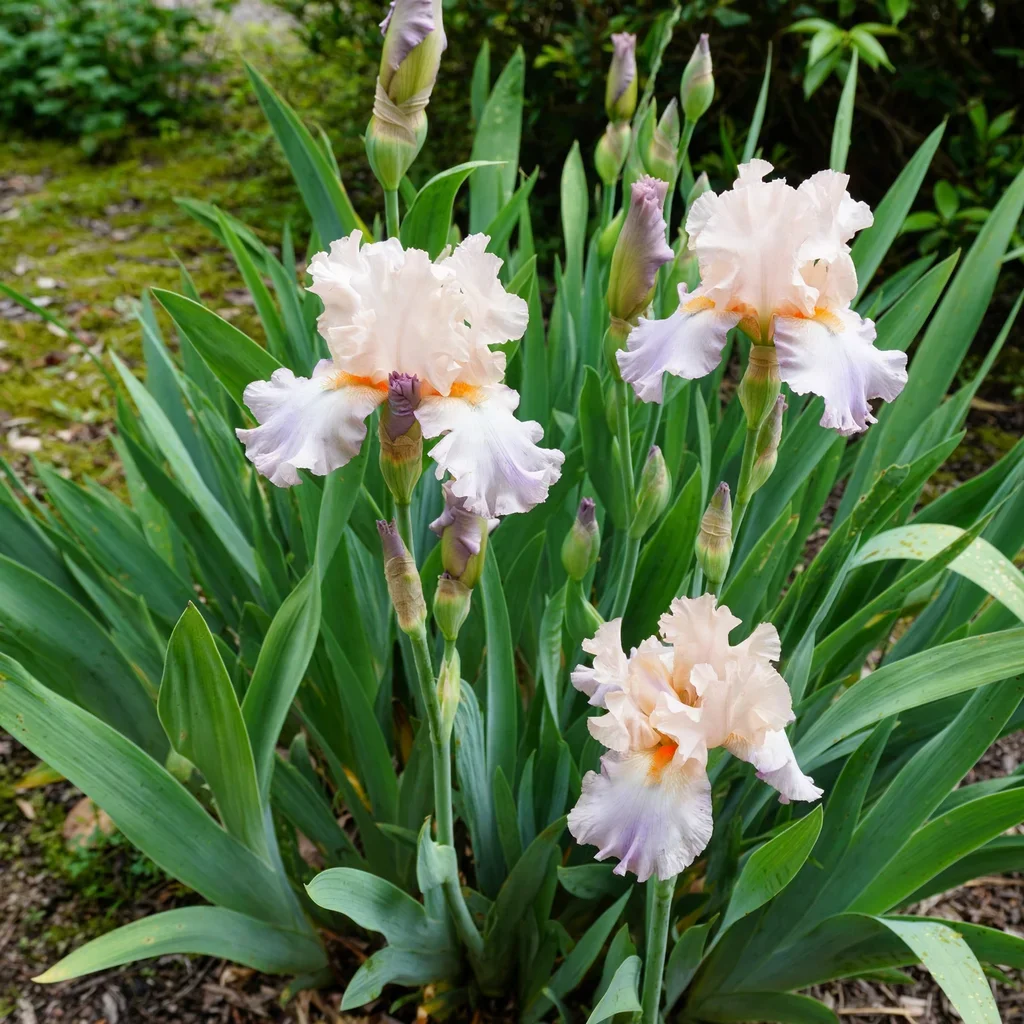
Celebration Song Iris
Iris tenuissima 'Celebration Song'
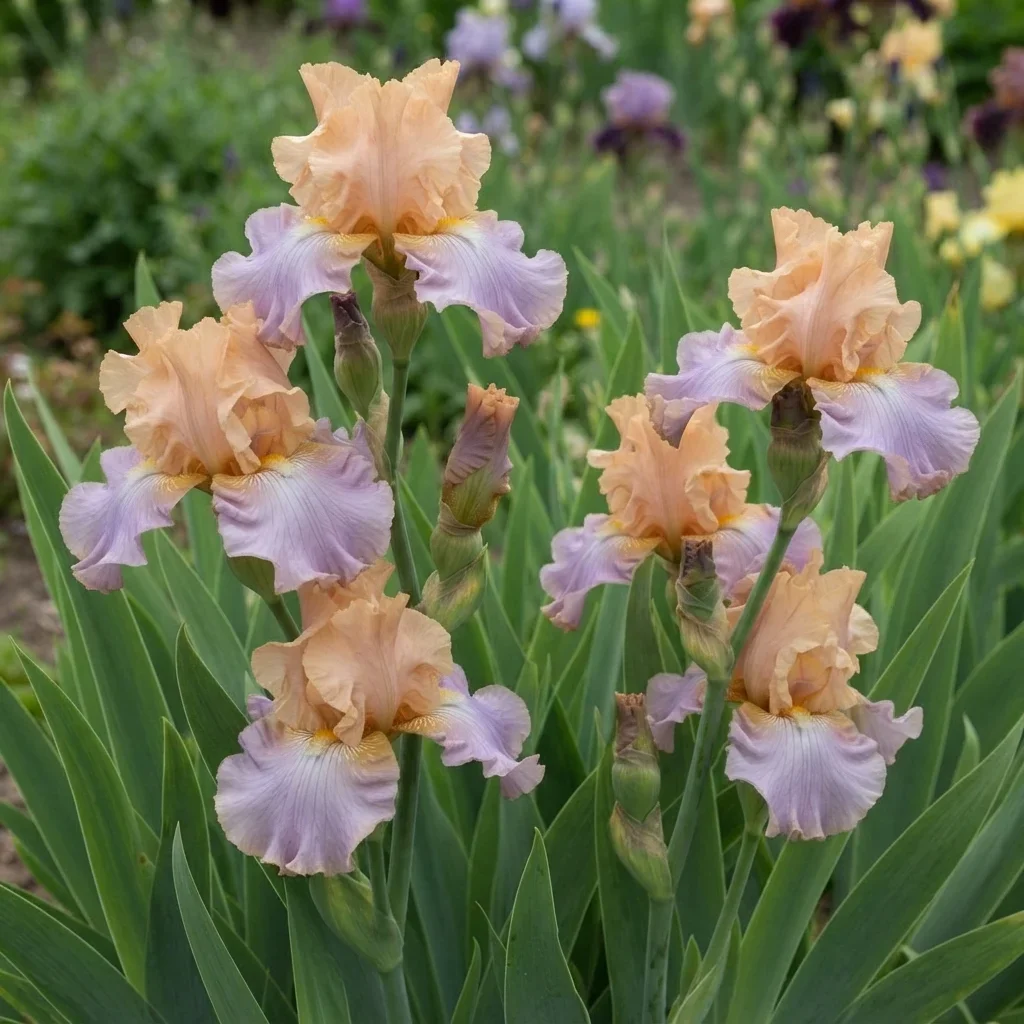
Poem of Ecstasy German Iris
Iris x germanica 'Poem Of Ecstasy'
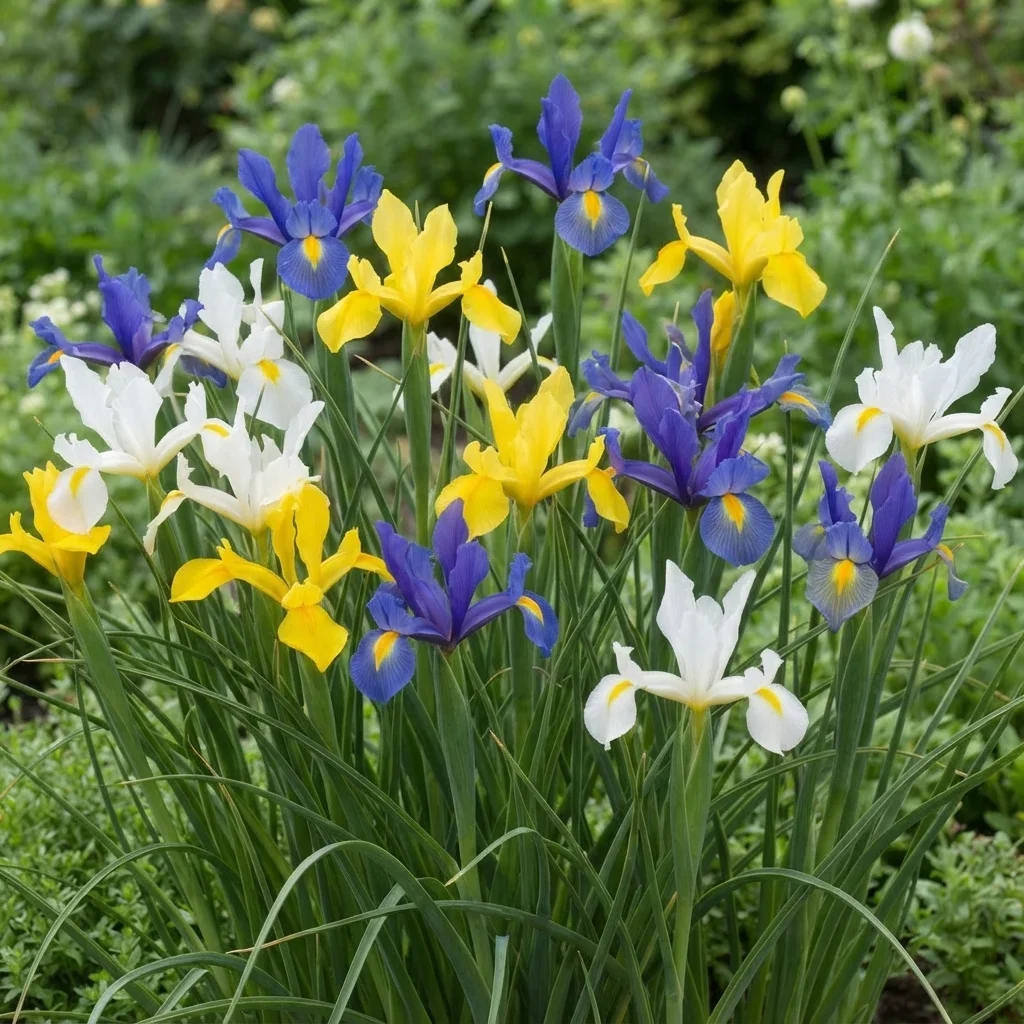
Dutch Iris Mix
Iris x hollandica 'Mix'
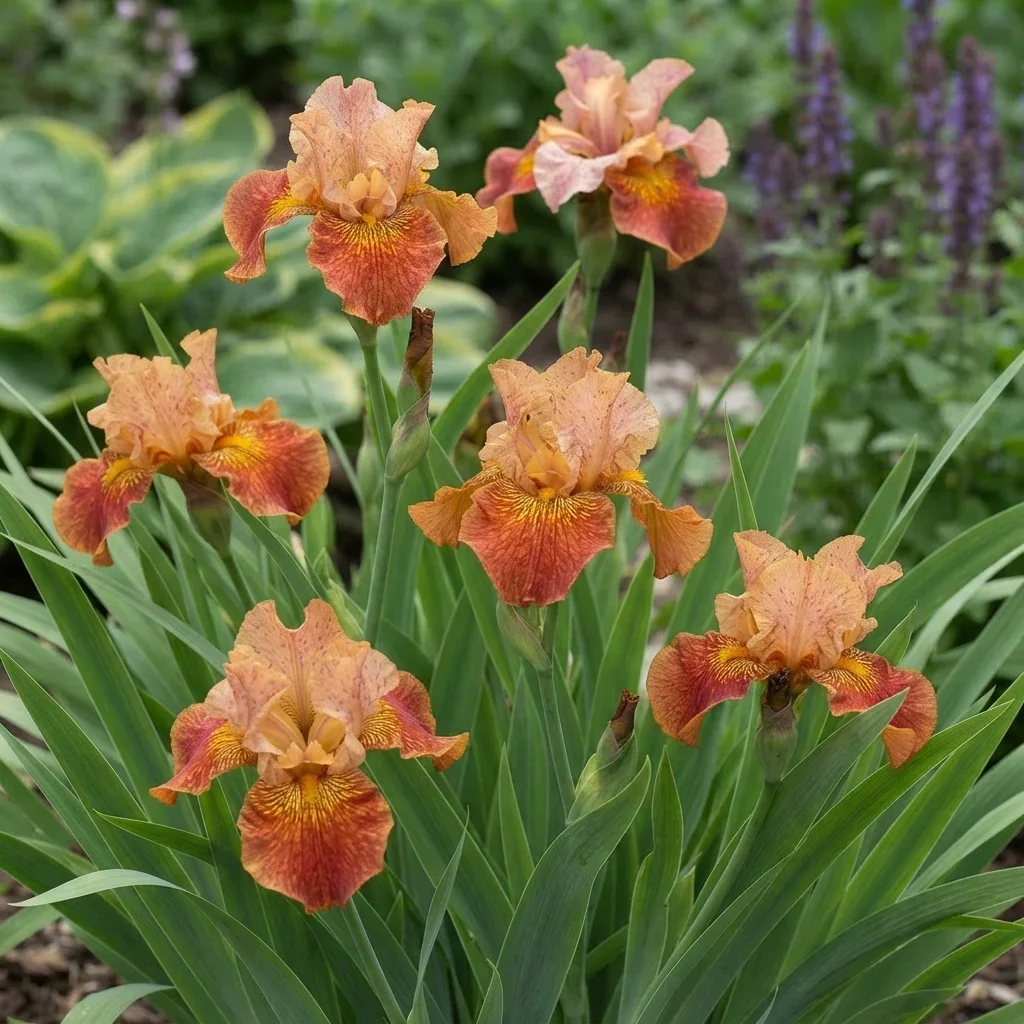
Siberian Iris 'Paprikash'
Iris x hybrida 'Paprikash'
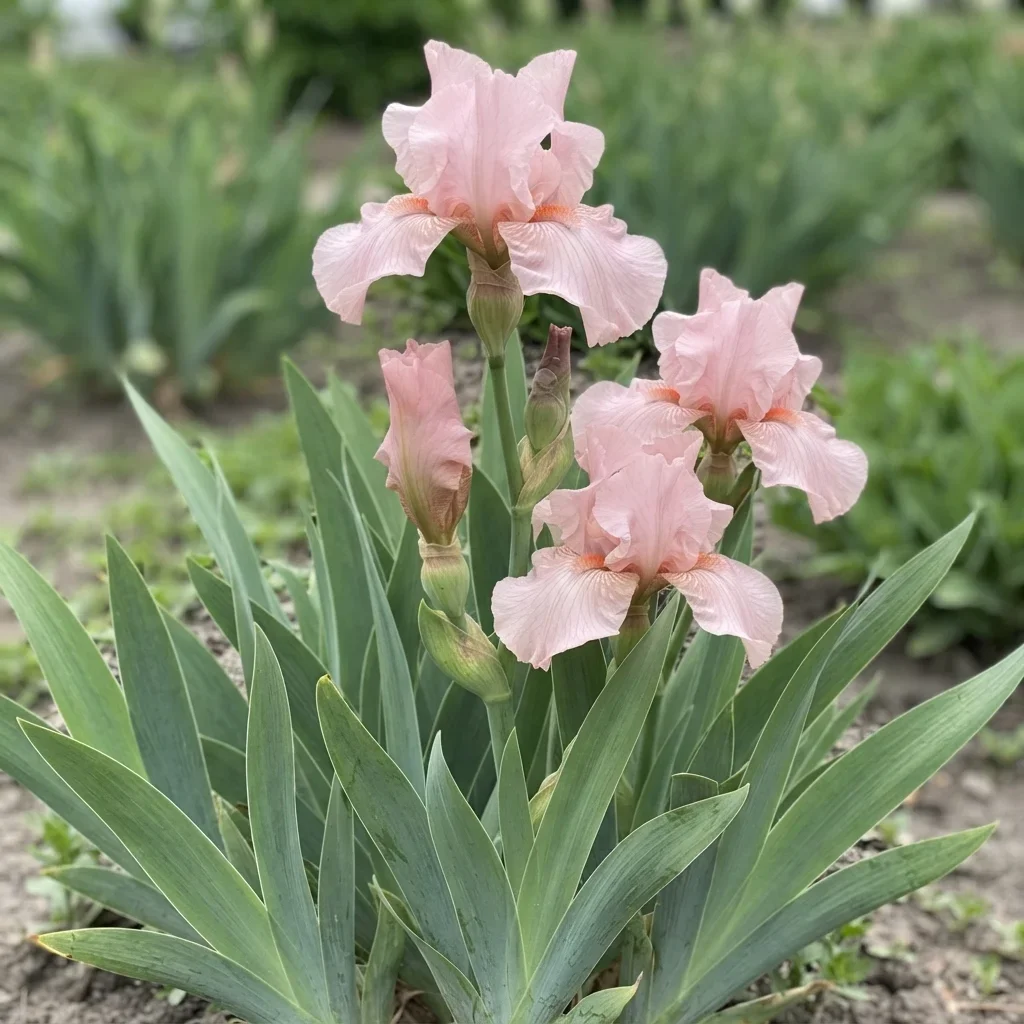
Baboon Bottom Bearded Iris
Iris x germanica 'Baboon Bottom Bearded'
Keep exploring
Explore the genus
Hardy in your zone?
Grow Bearded-root Iris with confidence
See it in a design of your actual yard, get zone-matched care reminders, and track it season by season in your garden journal.