The Story
Plant Bio
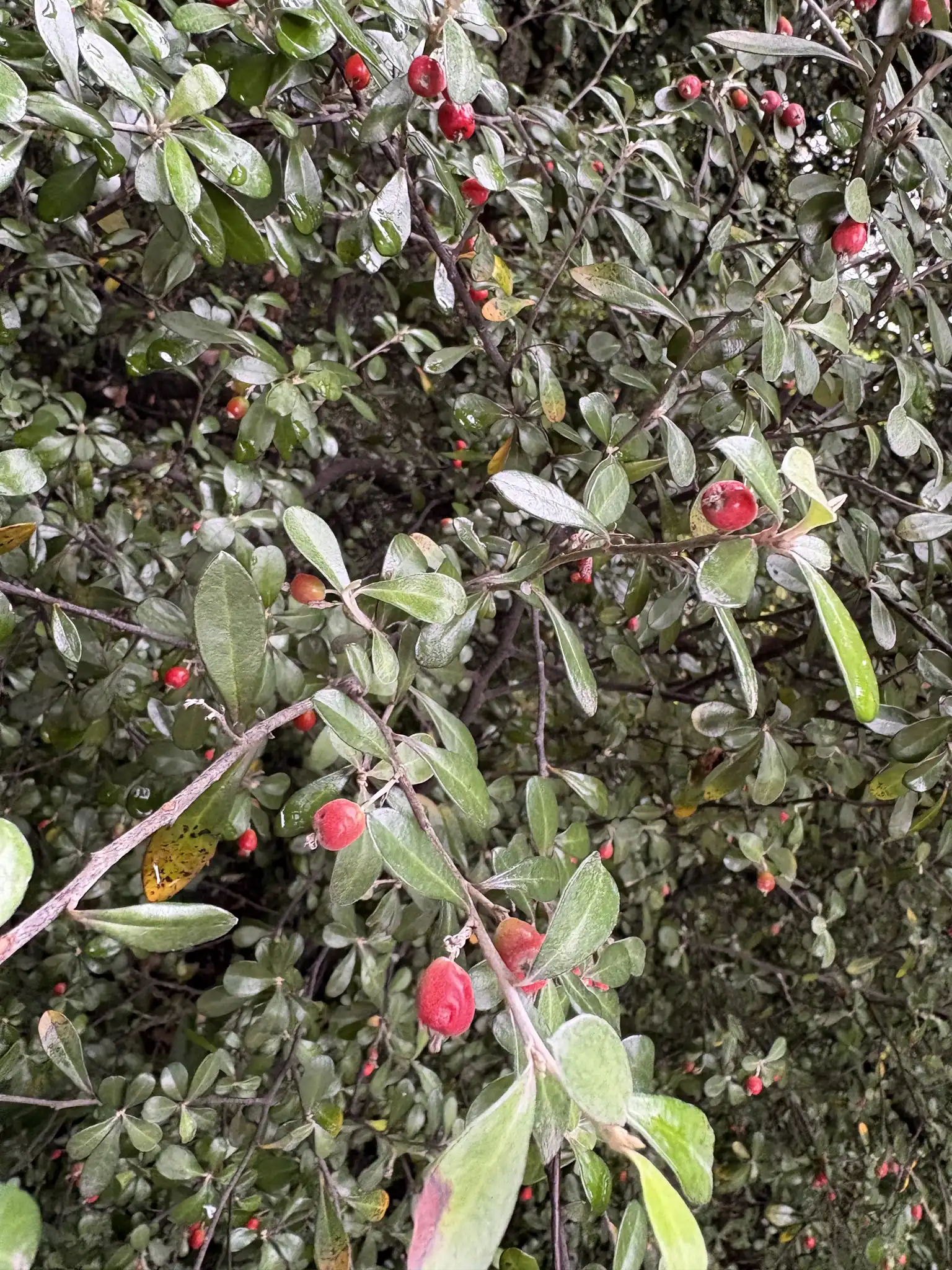
Corokia × virgata, the wire-netting bush, is an evergreen shrub native to New Zealand, characterized by an upright, densely twiggy, and zigzagging growth habit. The small, spoon-shaped leaves are dark glossy green above with a dense, felted silvery-white indumentum underneath.
This natural hybrid produces small, star-shaped yellow flowers in late spring that cluster near the branch tips. The blooms are followed by glossy, oval berries that ripen to shades of orange, yellow, or red depending on the cultivar.
Uses & Benefits:
Essentials
At a Glance
Plant Type
Shrub
Height
118"
Width
138"
Light
Full Sun, Partial Sun
Zones
8, 9, 10
Water
Low to moderate
Humidity
Moderate
Lifespan
15-20 years
Native To
New Zealand
Toxicity
Non-toxic
Bloom period
Late spring – Early summer
In flower about 2 months of the year
Planting
How to Grow
- Select a planting site in full sun to partial shade with exceptionally well-drained soil.
- Dig a hole twice as wide as the root ball but no deeper, ensuring the crown sits slightly above the surrounding soil level.
- Backfill with native soil, blending in coarse sand or fine gravel if planting in heavier loam to prevent water retention.
- Water thoroughly at planting, then restrict irrigation to occasional deep soakings once the root system establishes.
Pro Tip
Plant in a raised bed or sandy slope to guarantee the sharp drainage this species demands; winter wet in heavy, unamended clay causes rapid, fatal root rot.
Keep It Thriving
Care Guide
Do
- Prune lightly after summer flowering to maintain a dense, compact form.
- Ensure maximum air circulation around the foliage to prevent fungal issues in humid climates.
- Protect young plants from hard freezes below 20°F using burlap or frost cloth.
Don't
- Do not plant in low-lying areas or heavy clay where water pools after rain.
- Do not over-fertilize, as excessive nutrients produce weak, floppy growth and reduce the characteristic tight divarication.
- Do not overwater once established; this shrub is highly drought-tolerant and sensitive to wet feet.
Seasonal Care Calendar
| Task | Jan | Feb | Mar | Apr | May | Jun | Jul | Aug | Sep | Oct | Nov | Dec |
|---|---|---|---|---|---|---|---|---|---|---|---|---|
| Fertilize | ||||||||||||
| Pest Check | ||||||||||||
| Prune | ||||||||||||
| Winter Prep |
Watch Out For
Pests & Diseases
Common Pests
Common Diseases
In the Garden
Landscape Uses & Companions
Landscape Uses
Companion Plants
Multiply
Propagation Methods
Good to Know
Common Questions
Wire-netting bush questions
What zones can Wire-netting bush grow in?
Wire-netting bush is hardy in USDA Zones 8–10. Inside that range it survives winter in the ground; outside it, grow it as an annual or a container plant you protect.
Is Wire-netting bush deer resistant?
Not reliably. Deer may browse Wire-netting bush, especially tender spring growth — plan on repellents or fencing where pressure is high.
When does Wire-netting bush bloom?
Wire-netting bush typically blooms in late spring through early summer. Exact timing shifts a week or two with your zone — Sow's bloom calendar maps it to your garden.
Does Wire-netting bush need full sun?
Wire-netting bush does best in full sun to part shade. In hot climates, afternoon shade keeps blooms fresher longer.
Is Wire-netting bush drought tolerant?
Yes — once established (usually after the first full season), Wire-netting bush handles dry spells with minimal watering. Water deeply its first year to build the root system that makes that possible.
Keep exploring
Explore the genus
Hardy in your zone?
Grow Wire-netting bush with confidence
See it in a design of your actual yard, get zone-matched care reminders, and track it season by season in your garden journal.