The Story
Plant Bio
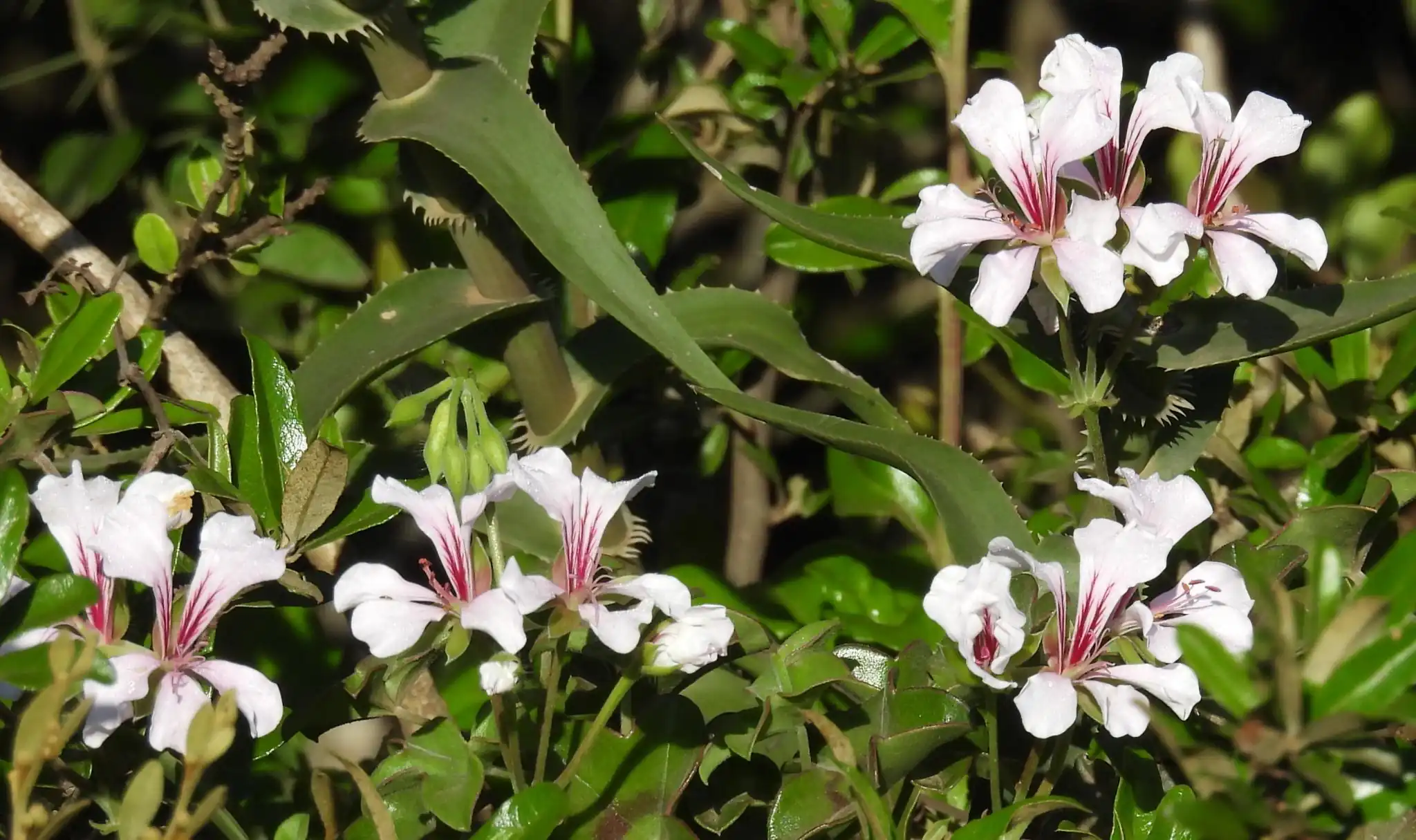
Pelargonium peltatum, the ivy geranium, is a trailing tender perennial native to the Cape region of South Africa, characterized by fleshy, glossy, five-lobed leaves resembling English ivy. The plant produces pseudo-umbels of flowers in shades of pink, red, purple, or white on elongated stalks from spring through fall.
The succulent, somewhat brittle stems cascade naturally, making this species highly suited for hanging baskets and window boxes. Its thick, peltate foliage has a high tolerance for mild coastal spray and moderate drought once established.
Uses & Benefits:
Essentials
At a Glance
Plant Type
Perennial
Height
24"
Width
36"
Light
Full Sun, Partial Sun
Zones
10
Water
Moderate
Humidity
Moderate
Lifespan
Perennial (often grown as annual)
Native To
South Africa
Toxicity
Mild skin irritant
Bloom period
Spring – Fall
In flower about 9 months of the year
Planting
How to Grow
- Plant in average, organically rich, exceptionally well-drained soil in full sun to light afternoon shade.
- Water thoroughly only when the top inch of soil has dried out completely.
- Apply a balanced water-soluble fertilizer every two to four weeks during the active spring and summer growing season.
- Pinch growing tips frequently during early spring to encourage branching and prevent leggy growth.
Pro Tip
Allowing the root zone to dry slightly between watering cycles is the most effective cultural defense against Pythium and Rhizoctonia root rots. Cool night temperatures in the 50s and 60s Fahrenheit are essential to maximize flower production.
Keep It Thriving
Care Guide
Do
- Deadhead spent flower clusters weekly to stimulate continuous blooming.
- Ensure excellent air circulation around the foliage to prevent fungal diseases.
- Bring containers indoors before the first autumn frost in zones colder than USDA Zone 10.
Don't
- Do not overwater or allow the plant to sit in waterlogged, heavy clay soils.
- Do not cut back hard into old, leafless, woody stems as regeneration from old wood is poor.
- Avoid overhead watering to minimize the risk of Botrytis gray mold on flowers and leaves.
Seasonal Care Calendar
| Task | Jan | Feb | Mar | Apr | May | Jun | Jul | Aug | Sep | Oct | Nov | Dec |
|---|---|---|---|---|---|---|---|---|---|---|---|---|
| Deadhead | ||||||||||||
| Fertilize | ||||||||||||
| Pinch | ||||||||||||
| Propagate | ||||||||||||
| Winter Prep |
Watch Out For
Pests & Diseases
Common Pests
Common Diseases
In the Garden
Landscape Uses & Companions
Landscape Uses
Companion Plants
Multiply
Propagation Methods
Good to Know
Common Questions
Ivy Geranium questions
What zones can Ivy Geranium grow in?
Ivy Geranium is hardy in USDA Zone 10. Inside that range it survives winter in the ground; outside it, grow it as an annual or a container plant you protect.
When does Ivy Geranium bloom?
Ivy Geranium typically blooms in spring through fall. Exact timing shifts a week or two with your zone — Sow's bloom calendar maps it to your garden.
Does Ivy Geranium need full sun?
Ivy Geranium does best in full sun to part shade. In hot climates, afternoon shade keeps blooms fresher longer.
Is Ivy Geranium drought tolerant?
Yes — once established (usually after the first full season), Ivy Geranium handles dry spells with minimal watering. Water deeply its first year to build the root system that makes that possible.
More Pelargonium to compare
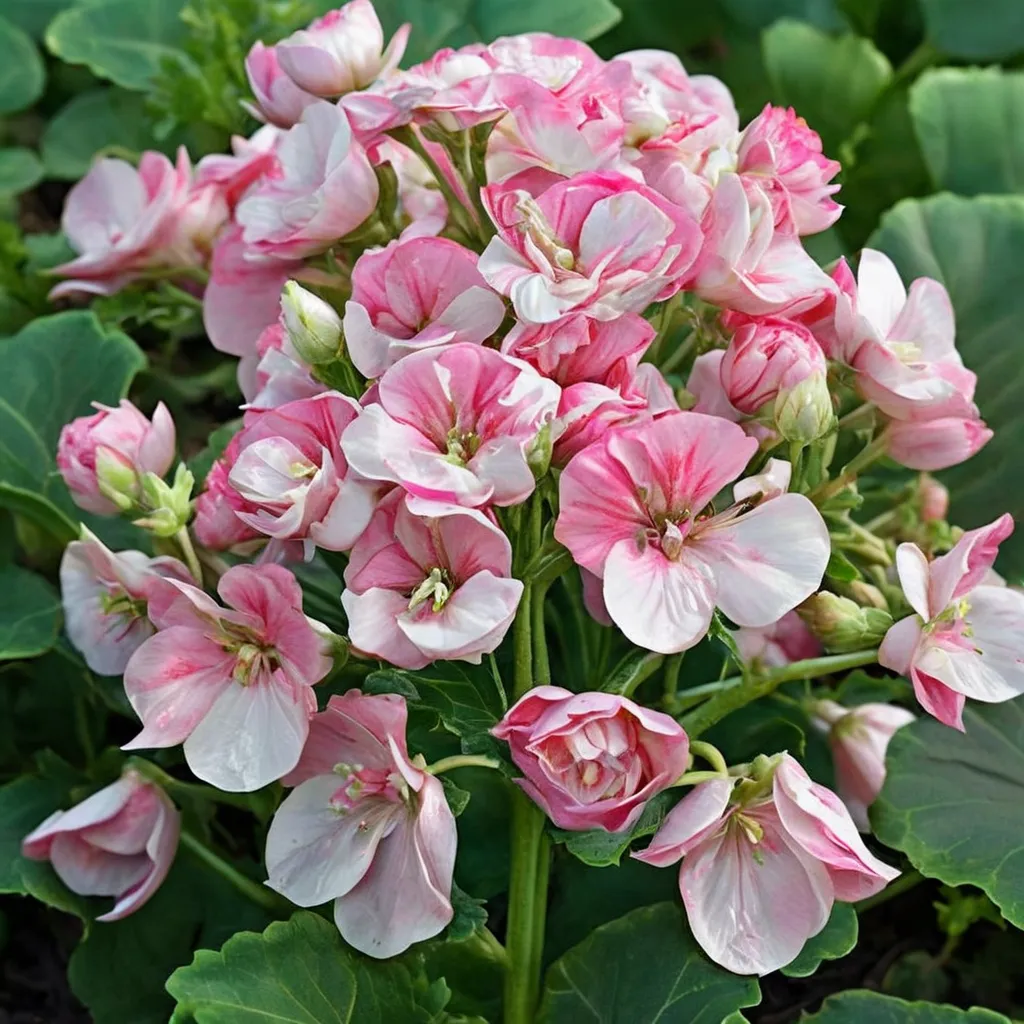
Zonal Geranium 'Appleblossom'
Pelargonium x hortorum 'Appleblossom'
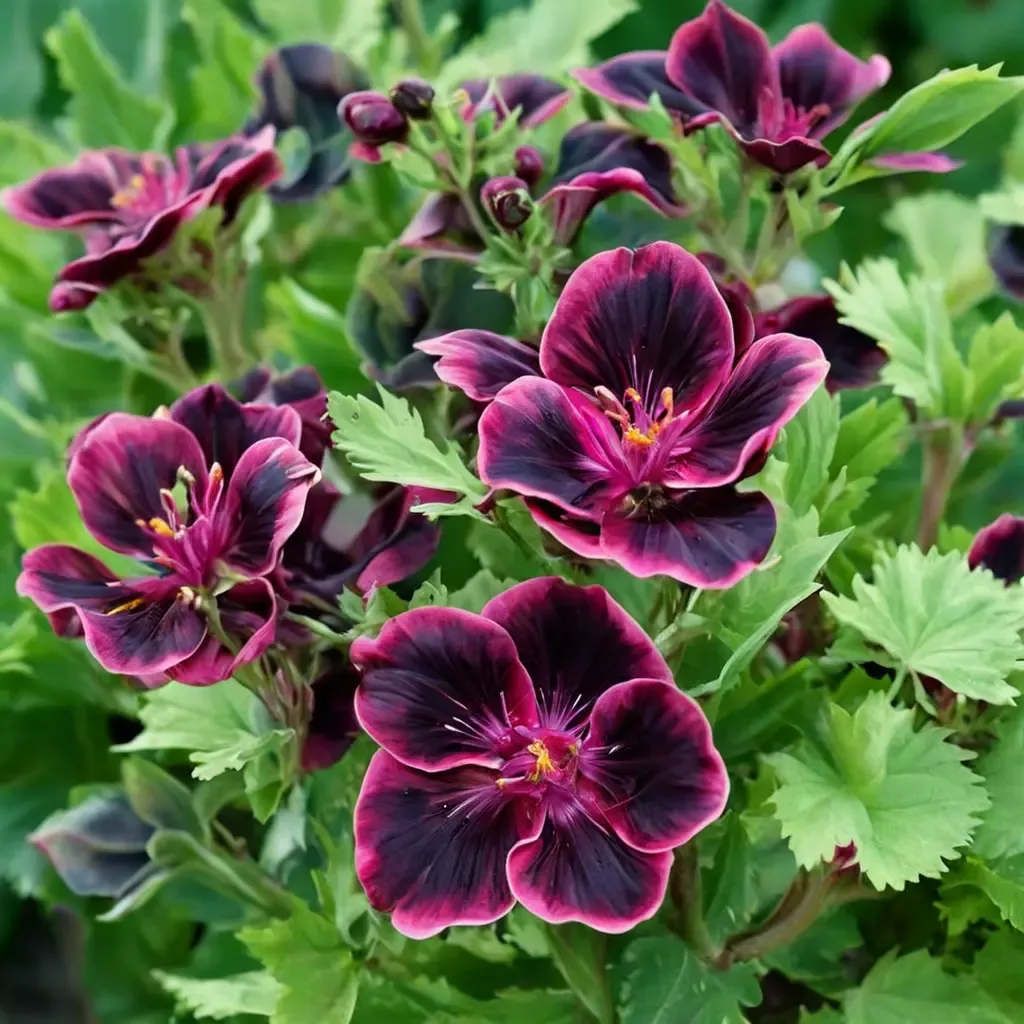
'Lord Bute' Regal Pelargonium
Pelargonium x hortorum 'Lord Bute'
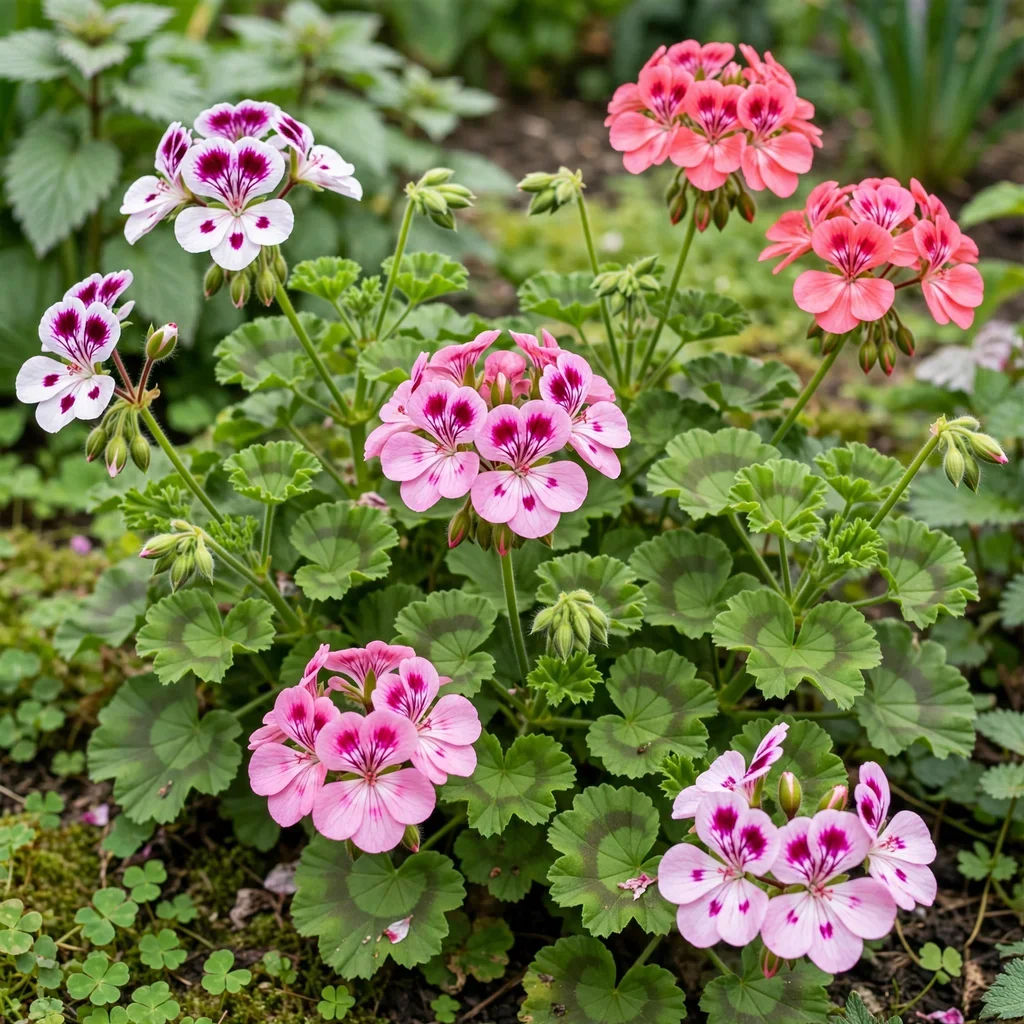
Breeders Mix Zonal Geranium
Pelargonium x hortorum 'Breeders Mix'
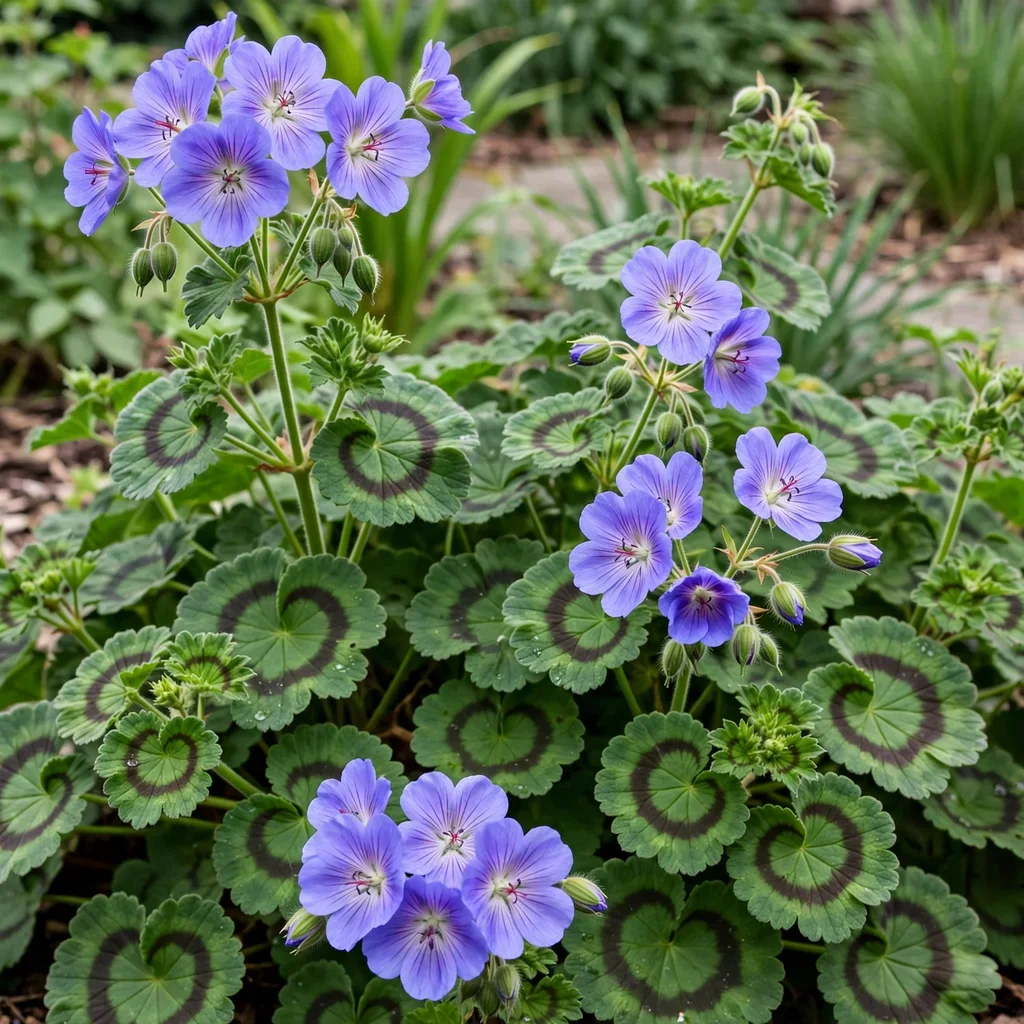
Azure Rush Zonal Geranium
Pelargonium x hortorum 'Azure Rush'
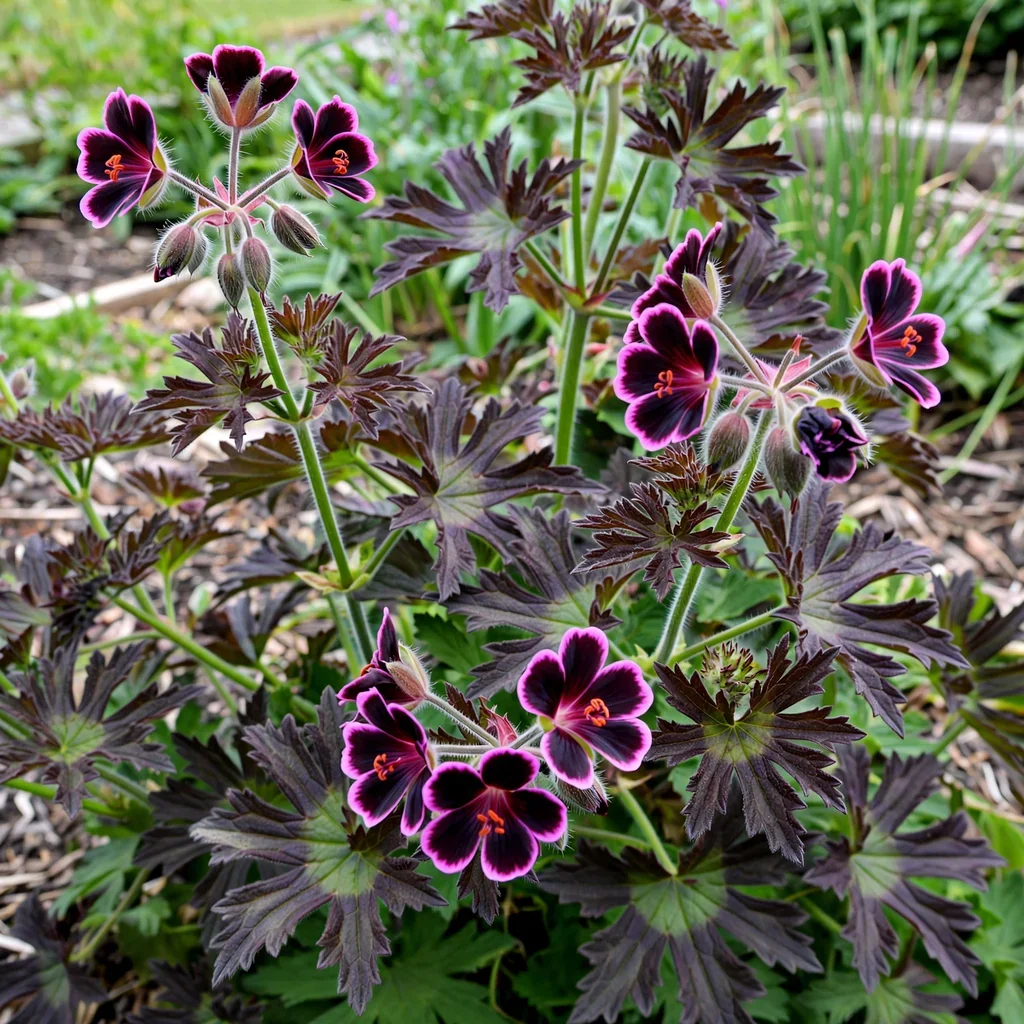
Midnight Ghost Geranium
Pelargonium x hortorum 'Midnight Ghost'
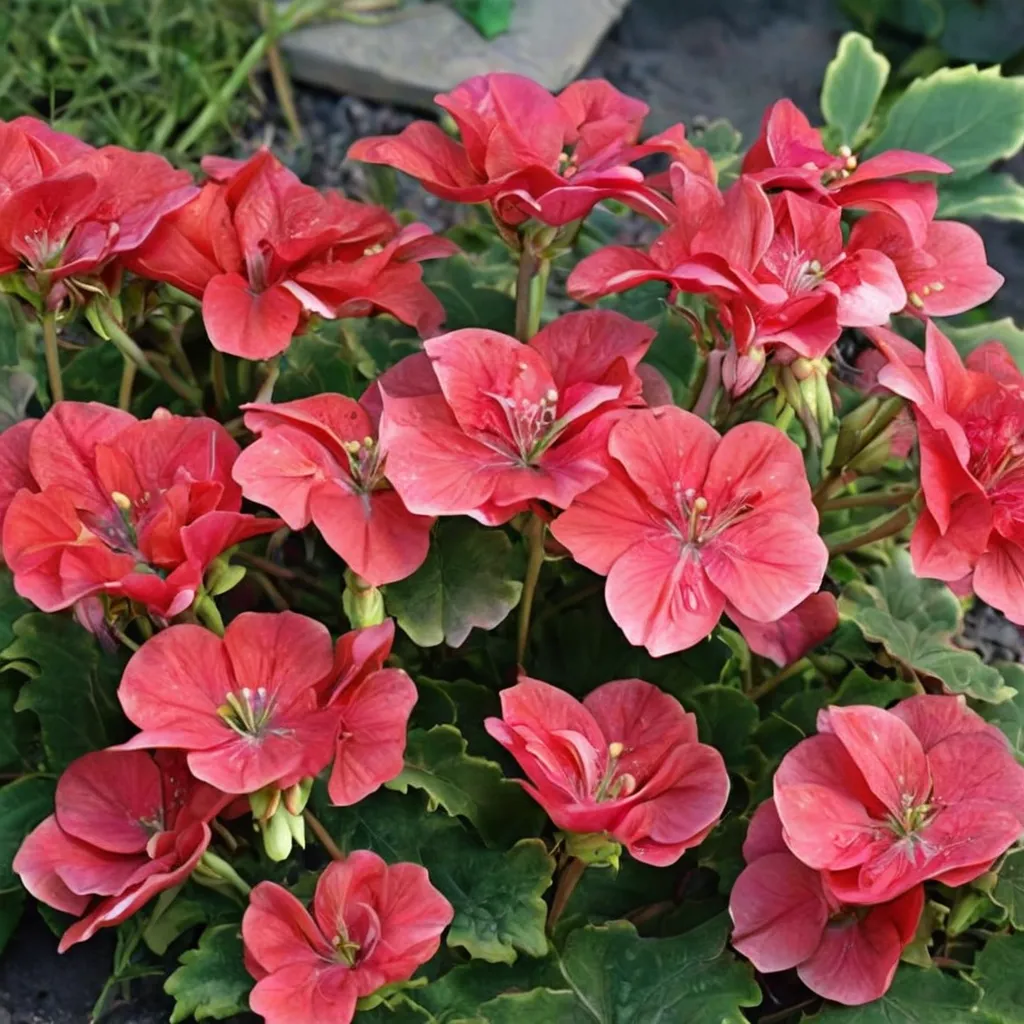
Geranium Cherry Rose
Pelargonium x hortorum 'Cherry Rose'
Keep exploring
Explore the genus
Hardy in your zone?
Grow Ivy Geranium with confidence
See it in a design of your actual yard, get zone-matched care reminders, and track it season by season in your garden journal.